Pennsylvania Roses Need This One Care Step Before August Ends For Their Best Fall Performance
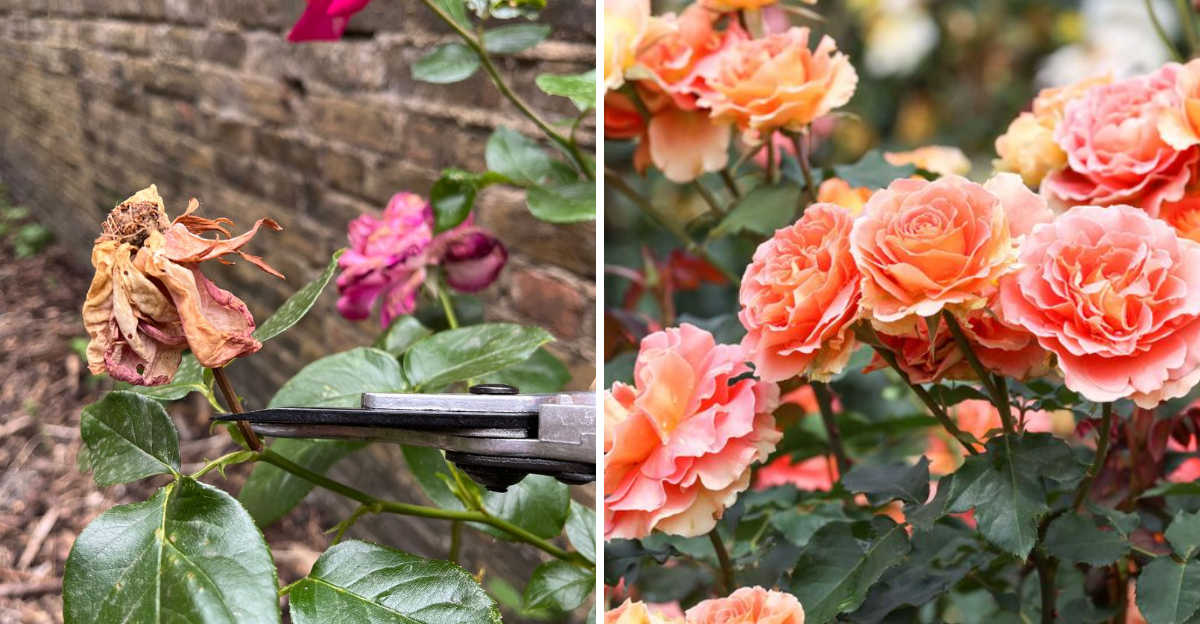
Pennsylvania rose growers who want a spectacular fall display already know that September and October can produce some of the most beautiful blooms of the entire season.
Cooler temperatures bring out deeper colors, the quality of the flowers improves, and roses that looked tired through the hottest stretch of summer seem to find a second wind as conditions ease.
But that fall performance doesn’t happen automatically. It has to be set up before August ends.
There is one specific care step that determines whether your Pennsylvania roses deliver a genuine fall show or limp through the season on spent growth with little to offer.
Most rose growers either skip it, do it too late, or aren’t sure exactly what they’re supposed to be doing and why it matters.
The timing of this step is tied to how roses produce new flowering growth, and in Pennsylvania’s climate, the window to get it right before fall bloom season is narrowing right now.
Here’s exactly what your Pennsylvania roses need before August ends and why it makes all the difference for what comes next.
Deadheading Spent Roses Before August Ends
There is something almost satisfying about snipping off a faded rose bloom and knowing you are helping the plant do something even better.
Deadheading, which simply means removing spent flowers, is one of the most powerful things you can do for repeat-blooming roses before August comes to a close.
For Pennsylvania gardeners, timing this step correctly can mean the difference between a garden that fizzles out in September and one that bursts back into color.
When a rose bloom fades, the plant naturally wants to move on to its next job, which is making seeds. If you remove that faded flower before the plant starts putting energy into seed production, you are essentially telling it to try again with another round of blooms.
Roses respond well to this kind of encouragement. Many gardeners are surprised by how quickly a new bud appears after a clean cut is made.
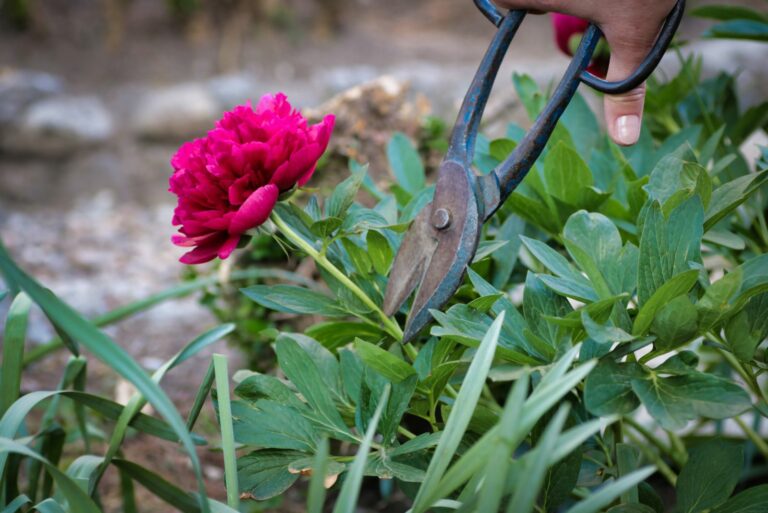
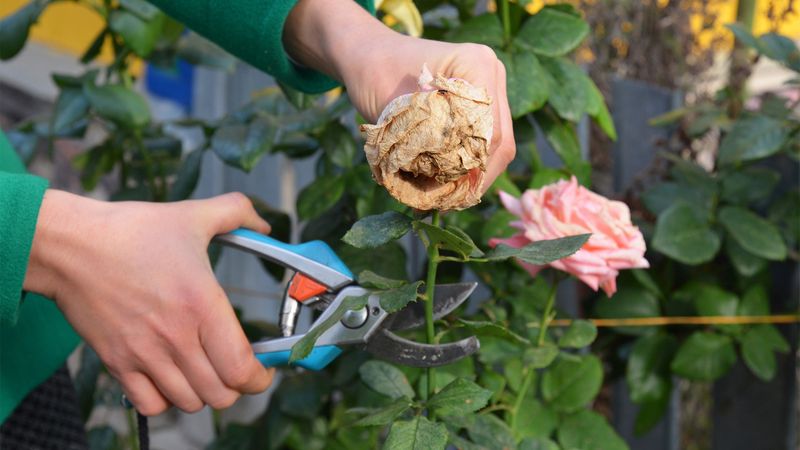
The process is straightforward. Look for flowers that have lost most of their petals or have turned brown and papery.
Use clean, sharp pruners to make a cut just above a set of healthy leaves, ideally a five-leaflet leaf. This encourages strong new growth from a good spot on the stem.
Avoid tearing or breaking stems by hand, since clean cuts heal faster and reduce the chance of problems with disease. Deadheading regularly throughout the growing season keeps roses tidy and productive.
But the late August window is especially valuable in Pennsylvania because it gives the plant just enough time to push out new growth and set buds before the cooler fall temperatures arrive. Do not skip this step if you want fall color.
Why Leaving Old Blooms Can Slow Flowering
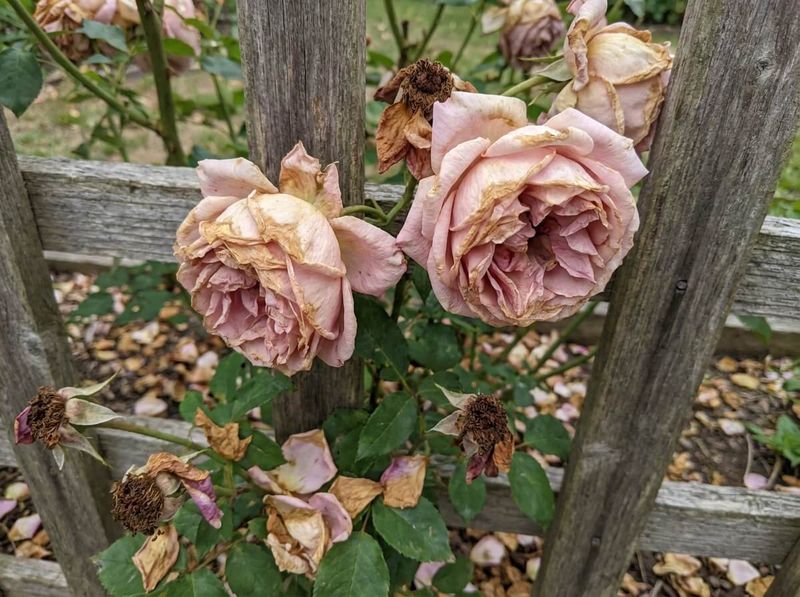
Most people do not think twice about leaving old rose blooms on the plant. After all, a rose that has already bloomed looks like it is just resting, right?
Your Pennsylvania Garden Changes Every Week. Your Plan Should Too.
Gardening in Pennsylvania changes quickly throughout the season. Every Friday you’ll receive a simple weekly plan showing exactly what to plant, prune, fertilize, harvest, and protect so you never miss the right timing.
Not exactly. What is actually happening underneath those faded petals is a shift in the plant’s priorities that can work against you if you are hoping for more flowers in fall.
Once a bloom fades and petals drop, the rose begins forming a structure called a hip. Rose hips are the fruit of the rose plant, and they contain seeds.
Growing hips takes real energy. The plant pulls nutrients and resources toward that developing hip, which means less energy is available for pushing out new flower buds.
For repeat-blooming roses in Pennsylvania, this energy shift can noticeably slow down the next round of flowers.
Think of it like a project manager who can only focus on one big task at a time. If the rose is busy developing hips, new bloom production takes a back seat.
Removing spent flowers before hips begin to form keeps the plant focused on flowering rather than fruiting. This is especially true for hybrid teas, floribundas, and modern shrub roses, which are bred to rebloom when encouraged properly.
Pennsylvania gardeners dealing with a short window between summer heat and fall frost need every advantage they can get. Letting old blooms linger on the plant uses up precious time and energy.
Staying on top of spent flowers, even when the garden feels low-maintenance in August, pays off with a noticeably fuller and more colorful display as temperatures begin to cool down in September and October.
Cut Back To Healthy Growth
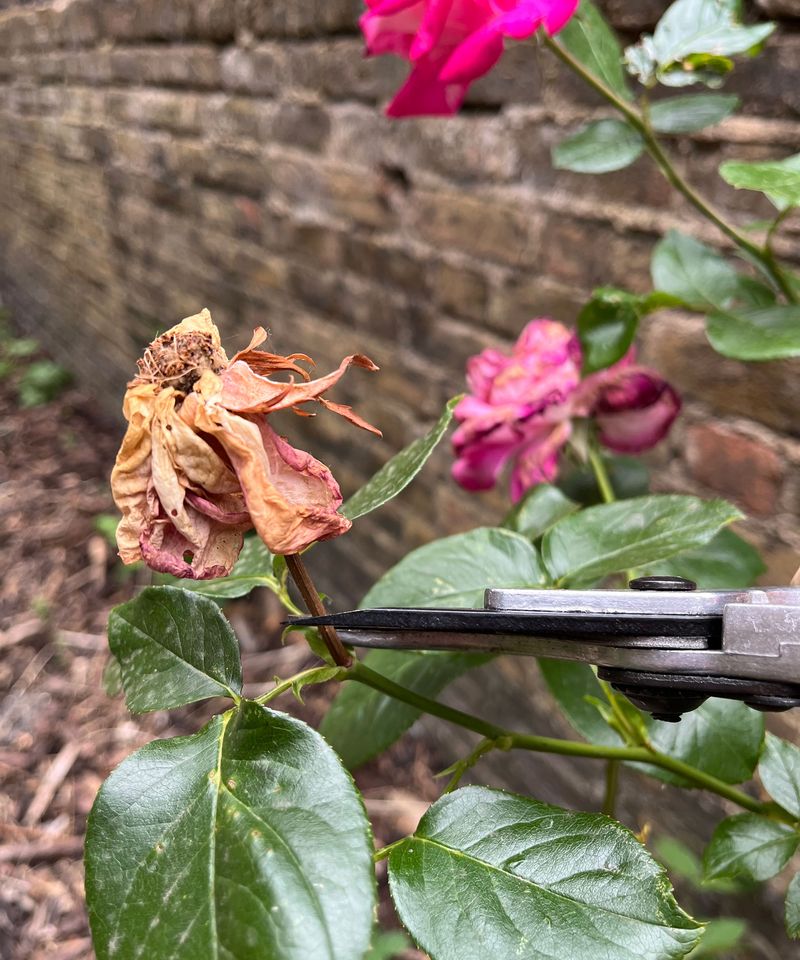
Grab your pruners and take a closer look at your rose canes. Late August is a great time to do a light cleanup cut that removes not just the spent flower but also any weak, leggy, or straggly growth below it.
Cutting back to a healthy outward-facing leaf node does more than tidy up the plant. It redirects the rose’s energy toward strong new growth that has a real chance of producing quality blooms before the season ends.
Sharp, clean tools matter more than most gardeners realize. Dull blades crush stem tissue instead of cutting cleanly, and that crushed tissue can become a doorway for fungal problems.
Before heading out to the garden, wipe your pruner blades with rubbing alcohol or a diluted bleach solution. This small habit protects your roses from spreading any issues from plant to plant as you work your way through the garden bed.
When you make your cut, aim for a spot just above a leaf with five leaflets. That type of leaf is a signal that the growth below it is strong and mature enough to support new development.
Avoid cutting back so far that you remove large amounts of healthy green foliage, since those leaves are still doing important work by capturing sunlight and fueling the plant.
A light, targeted pruning in late August is not about drastically reshaping the plant. It is about guiding the rose toward a productive finish to the season.
Pennsylvania gardeners who take this step carefully and thoughtfully tend to see fuller, healthier new growth within a few weeks, setting the stage for a beautiful fall bloom cycle that makes all the effort worthwhile.
Focus On Repeat-Blooming Roses
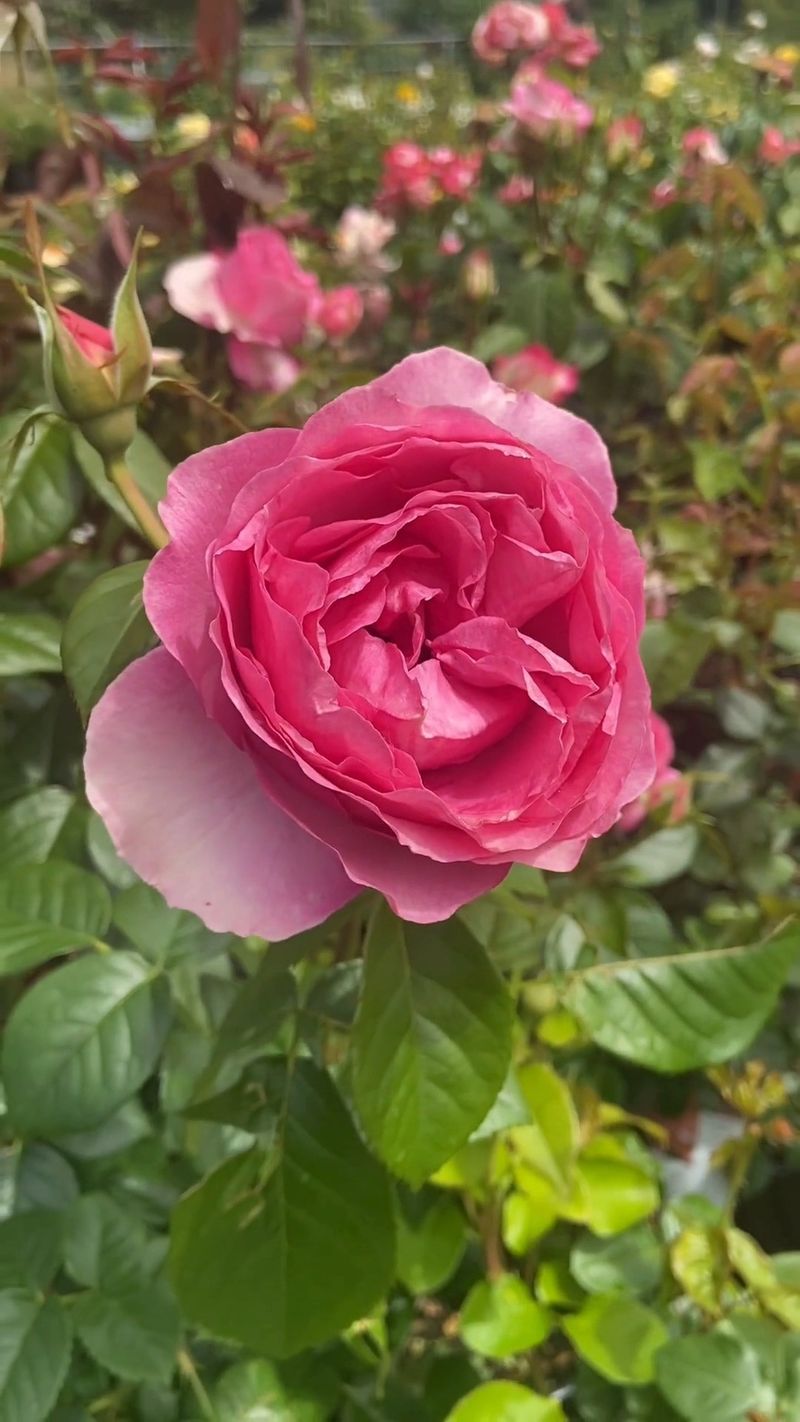
Not every rose in your garden will respond the same way to late-season deadheading, and knowing which ones will benefit most can save you time and effort. Repeat-blooming roses are the ones that truly shine when given this kind of attention in late August.
Hybrid teas, floribundas, and many modern shrub roses are all bred to produce multiple rounds of flowers throughout the growing season when properly encouraged.
Hybrid teas are probably the most familiar type for many Pennsylvania gardeners. They tend to produce large, classic-looking blooms on long stems, and they respond beautifully to deadheading.
Floribundas are slightly different in that they produce clusters of smaller flowers, but they are equally capable of reblooming when spent clusters are removed.
Modern shrub roses, including many of the popular disease-resistant varieties developed in recent decades, also tend to rebloom reliably with good care.
Once-blooming roses are a different story. These varieties, which include many old garden roses and certain climbing types, only flower on old wood once per season.
Deadheading them after their single bloom period will not trigger new flowers. For these plants, late-summer pruning is less about encouraging reblooming and more about general plant health and shaping for next year.
If you are not sure which type of rose you have, a quick look at its bloom history through the season is a helpful clue. Did it bloom more than once this year?
If yes, it is likely a repeat-bloomer worth deadheading now. Pennsylvania gardeners who focus their late-August effort on the right roses get the most reward for their time and attention before the season wraps up.
Skip Heavy Feeding In Late August
Here is a tip that surprises a lot of rose growers. When August is winding down, the instinct to give roses a big boost of fertilizer to push more growth can actually backfire.
Heavy feeding late in the season encourages a surge of soft, tender new growth that simply does not have enough time to toughen up before Pennsylvania’s first cold snaps arrive in the fall.
Tender new growth is more vulnerable to cold temperatures than mature, hardened stems. If a rose pushes out a lot of fresh leafy growth in response to a heavy nitrogen feed in late August, that soft tissue can be damaged when temperatures drop suddenly in October or November.
For Pennsylvania gardeners, where fall can shift quickly from warm days to frosty nights, this kind of late-season surge can actually set roses back rather than help them.
A light application of a low-nitrogen fertilizer or a bloom-booster product with higher phosphorus is a better option if you feel the need to feed at all. Phosphorus supports flower development without pushing excessive leafy growth.
Some experienced gardeners choose to skip supplemental feeding entirely after early August and simply let the plant work with what it already has in the soil.
The goal in late August is not to push the fastest possible growth. The goal is to encourage one more round of quality blooms while giving the plant time to naturally slow down and prepare for the cooler months ahead.
Roses that are allowed to harden off gradually tend to come back stronger the following spring, which is the real payoff for showing some restraint now. A little patience in late summer goes a long way.
Know When To Stop Deadheading
Deadheading is a powerful tool, but like any good tool, knowing when to put it away is just as important as knowing how to use it.
As September moves along and the days get shorter and cooler, Pennsylvania roses start picking up on seasonal cues that signal it is time to slow down and prepare for winter.
Gardeners who keep deadheading aggressively into late fall can accidentally interfere with that natural process.
Allowing some blooms to remain on the plant and develop into rose hips as fall progresses actually sends an important signal to the rose. Hip formation is part of the plant’s natural cycle of winding down for the season.
The development of hips, along with shorter days and cooler temperatures, helps trigger a gradual shift toward dormancy.
Roses that go through this process naturally tend to be better prepared for winter cold than those that are pushed to keep blooming right up until frost.
A good rule of thumb for Pennsylvania gardeners is to stop deadheading around mid-September to early October. By this point, any new growth triggered by late deadheading likely will not have enough time to mature properly before cold weather sets in.
Letting the plant finish the season on its own terms is a form of respect for its natural rhythms.
Rose hips also add a lovely visual element to the fall and winter garden. Many types produce bright red or orange hips that persist on the canes long after the leaves have fallen, providing color and even food for birds during the colder months.
Stopping deadheading at the right time benefits both the plant and the broader garden ecosystem in ways that are easy to appreciate.