The Pennsylvania Garden Tasks You Should Never Skip In June
June in a Pennsylvania garden is basically the moment everything happens at once.
The tomatoes want water, the weeds want everything, the herbs are bolting if you blink, and somehow the lawn needs mowing again even though you just did it three days ago.
It is a lot, but it is also the best kind of busy. This is the month where all that early spring effort starts paying off in a very visible way, and there is genuine satisfaction in watching a garden hit its stride.
The catch is that June moves fast, and a few weeks of inattention can let small problems turn into bigger ones before you know it.
Staying on top of a handful of key tasks this month can make a real difference in how the rest of your summer growing season unfolds.
1. Water New Plantings When Rainfall Is Low
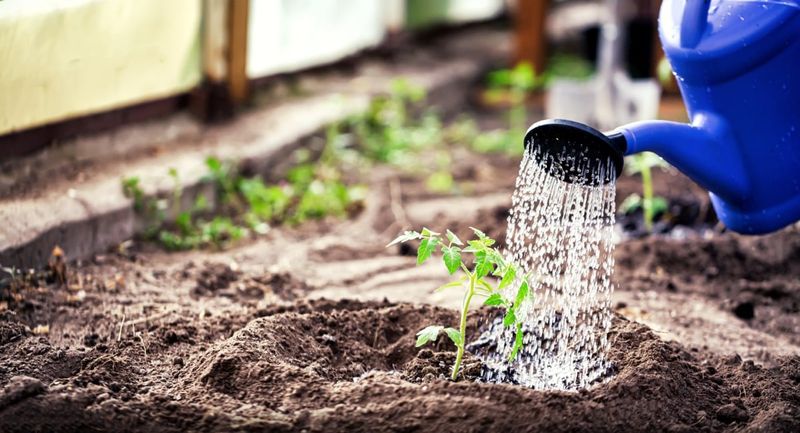
Young transplants that went into the ground in late spring are still building their root systems, and they can struggle when June rainfall turns spotty.
Pennsylvania summers can swing between rainy stretches and dry spells that sneak up fast, and new plantings feel that stress more than established plants.
Checking soil moisture regularly rather than sticking to a fixed watering schedule tends to work better for most home gardeners.
Push a finger about an inch into the soil near the base of the plant. If the soil feels dry at that depth, the plant likely needs water.
Watering deeply and less frequently encourages roots to grow downward, which helps plants handle heat better as summer builds.
Early morning is generally the best time to water because foliage has time to dry before evening, which can help reduce the chance of fungal issues. Containers and raised beds tend to dry out faster than in-ground plantings, so they may need more frequent checks.
Giving new transplants steady moisture through June can make a real difference in how well they perform for the rest of the season.
2. Mulch Flower And Vegetable Beds
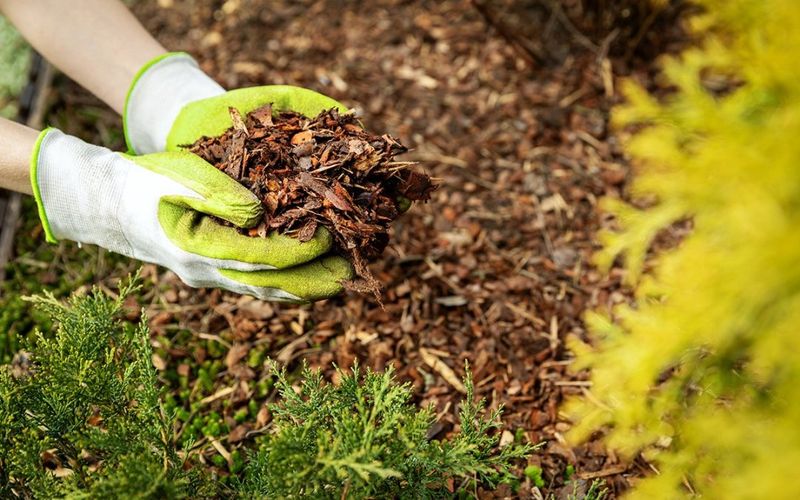
Spreading a fresh layer of mulch in June is one of those tasks that quietly does a lot of work for you throughout the rest of the growing season. Mulch helps hold soil moisture in during dry stretches, which Pennsylvania gardeners often face as summer heats up.
It also acts as a barrier that makes it harder for weed seeds to germinate and take hold.
Shredded bark, wood chips, and straw are all common mulch options that work well in vegetable and flower beds. A layer about two to three inches deep is usually enough to get the benefits without smothering plant stems.
Keep mulch pulled back a couple of inches from the base of plants to allow for airflow and reduce the risk of rot near the crown.
Vegetable gardens especially benefit from mulching in June because the soil stays cooler and more evenly moist, which many vegetables prefer during warm weather. Flower beds with perennials and annuals also respond well to mulched soil.
Your Pennsylvania Garden Changes Every Week. Your Plan Should Too.
Gardening in Pennsylvania changes quickly throughout the season. Every Friday you’ll receive a simple weekly plan showing exactly what to plant, prune, fertilize, harvest, and protect so you never miss the right timing.
If you put down mulch earlier in spring and it has thinned out, June is a good time to top it off and keep that protective layer working through the heat ahead.
3. Manage Weeds Before They Spread
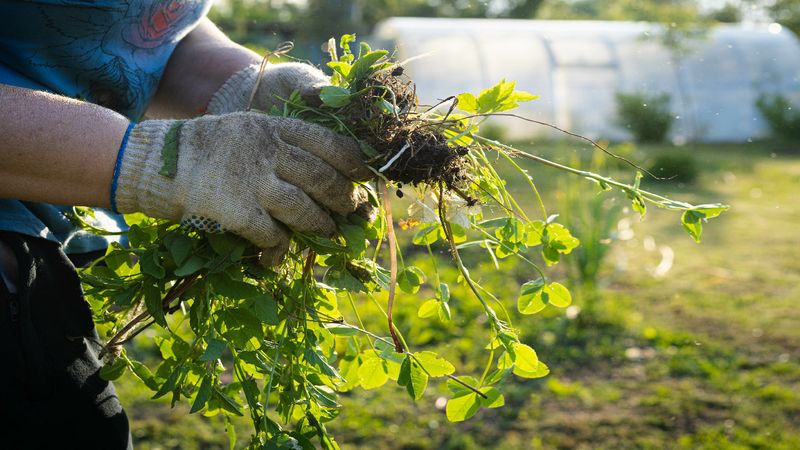
Weeds in June are not just annoying – they are actively competing with your garden plants for water, nutrients, and space.
Pennsylvania gardens can see aggressive weed growth this time of year because warm soil temperatures and longer days create ideal conditions for many common weed species.
Catching weeds early, before they flower and set seed, is one of the most effective ways to keep them from becoming a bigger problem later.
Hand-pulling works well when the soil is moist, such as after a rain or a watering session. A hoe or cultivator can make the job faster in larger open areas between rows.
Pulling weeds when they are young and small takes much less effort than trying to remove them once they have developed deep or spreading root systems.
Mulching, as mentioned above, can also help reduce weed pressure significantly.
But even with mulch in place, some weeds will find their way through, so a quick weekly walk through the garden to pull what you see can prevent small problems from turning into large ones.
Staying consistent with weed management through June sets up the rest of your growing season for less competition and healthier, more productive plants overall.
4. Support Tomato Plants As They Grow
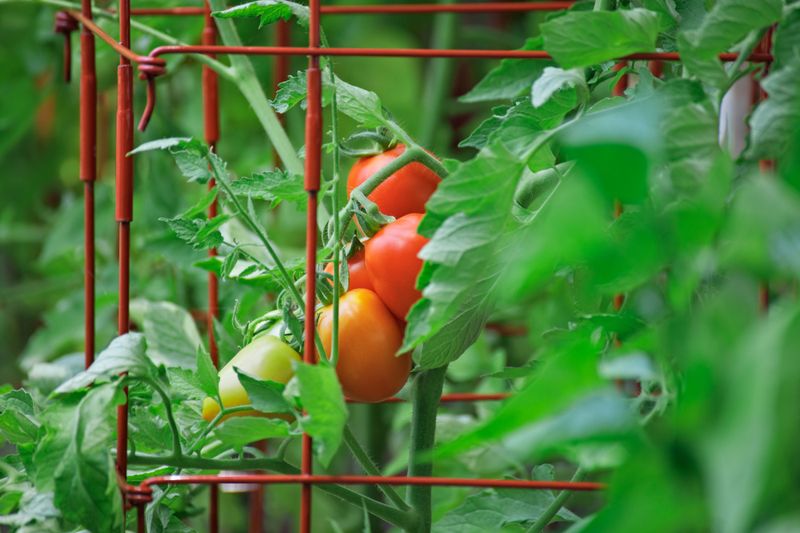
Tomato plants grow surprisingly fast once June temperatures settle in, and getting supports in place before the plants become large and heavy makes the whole job much easier. Cages, stakes, and trellises all work well depending on the variety you are growing.
Indeterminate tomatoes, which keep growing and producing all season, generally need taller and sturdier support than determinate types that stay more compact.
Placing a cage or driving a stake into the soil now, while plants are still manageable, avoids the risk of disturbing roots later in the season when the plant has spread out.
Using soft ties, strips of fabric, or garden twine to loosely secure stems to stakes helps guide growth without cutting into the plant.
Check ties every week or two and adjust them as stems thicken.
Pennsylvania summers can bring heavy rain and wind, and a tomato plant loaded with fruit that lacks proper support can lean, snap, or tip over. Getting ahead of this in June means less scrambling later when the plants are at their most productive.
It also keeps fruit off the ground, which helps reduce contact with soil-borne issues and makes it easier to spot ripe tomatoes when harvest time comes around.
5. Stop Cutting Asparagus After Late June
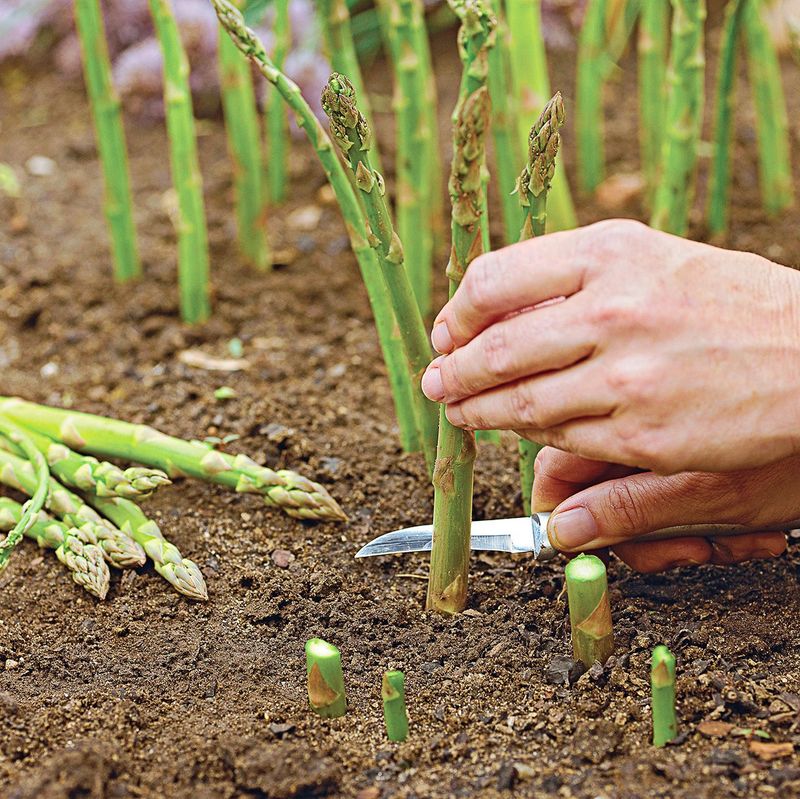
Asparagus harvest season has a natural stopping point, and late June is generally the time to let your Pennsylvania asparagus bed rest and recover. Cutting spears past this point can weaken the crowns and reduce how well the bed performs in future seasons.
The plant needs time to grow out into its fern-like fronds, which gather sunlight and send energy back down into the root system for the following year.
Once you stop harvesting, let the fronds grow tall without cutting them back. The ferny foliage may look a bit wild compared to the tidy rows of spears you were picking earlier, but this growth phase is essential for a healthy bed.
Keeping the fronds intact through the rest of summer and into fall gives the plant the best chance to store energy for next spring.
If you have been harvesting from a relatively young bed, such as one that is only in its second or third year, it is worth being conservative about how much you cut even earlier in the season.
Young asparagus crowns need extra time to establish, and cutting too heavily too soon can set back their long-term productivity.
Letting the plant do its thing from late June onward is one of the simplest ways to protect your asparagus investment.
6. Plant Fall Greens Around Mid-June
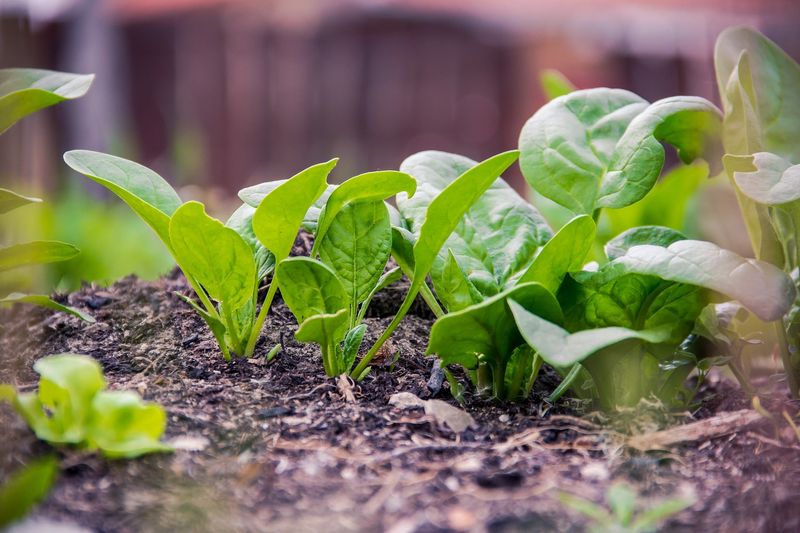
Mid-June might seem early to think about fall gardening, but planting cool-season greens now gives them time to mature before the cooler temperatures of September and October arrive in Pennsylvania.
Crops like kale, spinach, Swiss chard, and certain lettuces can be started from seed in mid-June and will be ready for harvest in late summer or early fall.
Timing is everything with fall crops, and starting a little late often means missing the window entirely.
To figure out when to plant, look at the days-to-maturity listed on the seed packet and count backward from the average first frost date in your area of Pennsylvania.
Most of central and eastern Pennsylvania sees first frost somewhere in October, which means mid-June planting works out well for many fast-maturing greens.
Northern parts of the state may need to plant a little earlier to be safe.
Prepare a small section of your vegetable garden or a raised bed by removing spent spring crops and working in some compost to refresh the soil. Water seeds consistently after planting since June soil can dry out quickly in the heat.
Providing light shade during the hottest part of the day can help germination and early seedling growth, especially if temperatures are running high when you plant.
7. Check For Insect Pests Before Treating
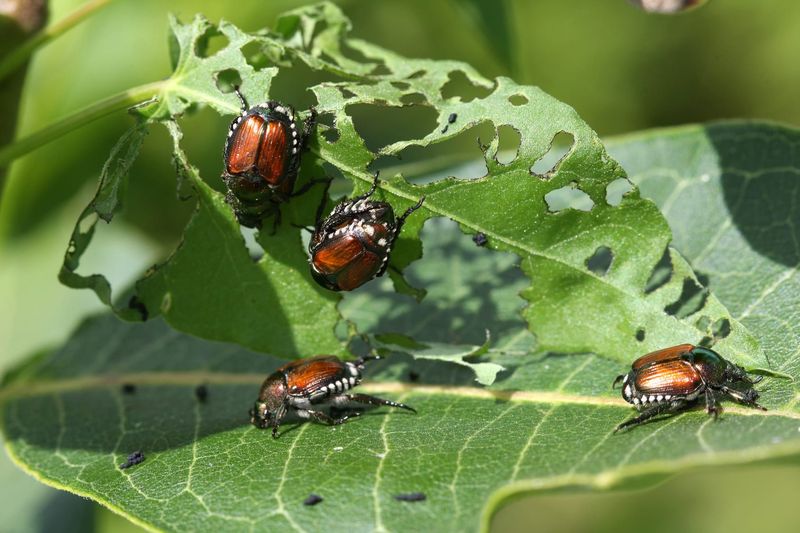
Insect activity picks up considerably in Pennsylvania gardens during June, and it can be tempting to reach for a spray the moment you spot something on your plants.
Taking a moment to identify what you are actually dealing with before treating can save you time, money, and effort.
Not every insect in your garden is causing harm – many are beneficial predators, pollinators, or simply passing through.
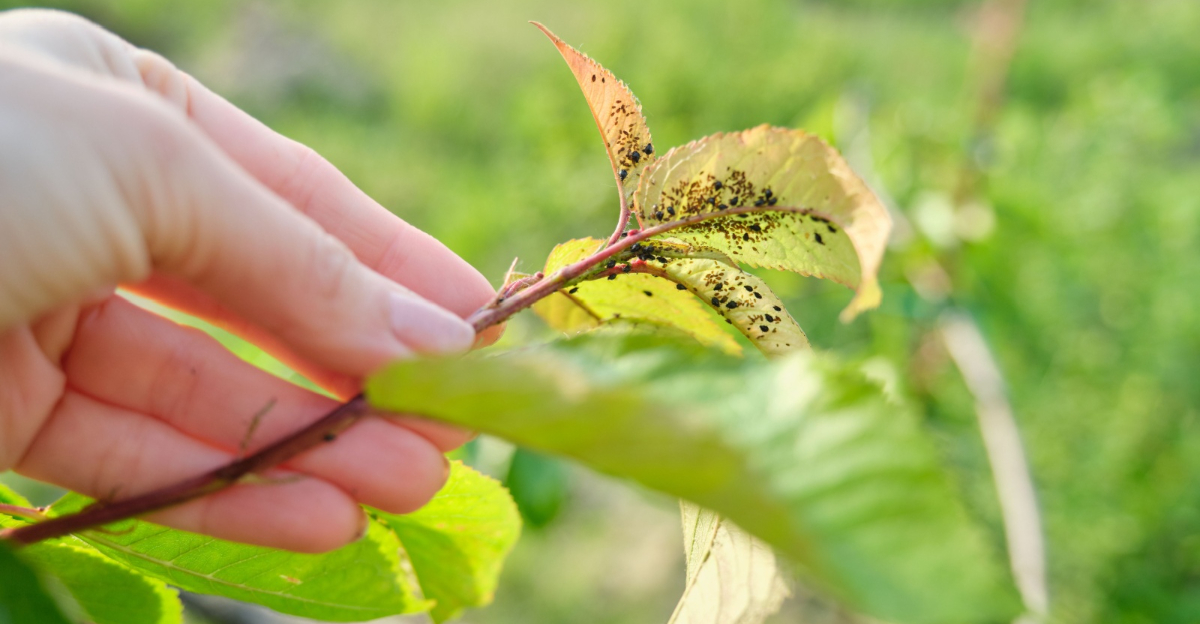
Look at both the tops and undersides of leaves, since many common pests like aphids, spider mites, and squash bug eggs are found on the underside where they are easier to miss.
Note whether you see actual damage like chewed edges, yellowing, or distorted growth, and try to connect that damage to a specific insect before acting.
A hand lens or even a smartphone camera with zoom can help with identification.
Once you have identified the pest, consider starting with the least disruptive approach. Hand-picking larger insects, spraying plants with water to knock off aphids, or introducing beneficial insects are all options worth trying before moving to chemical controls.
Many minor infestations can be managed with simple methods if caught early enough.
Checking plants regularly through June, rather than waiting until damage is severe, gives you the best chance of keeping pest pressure manageable without heavy intervention.
8. Prune Spring-Blooming Shrubs After Flowering
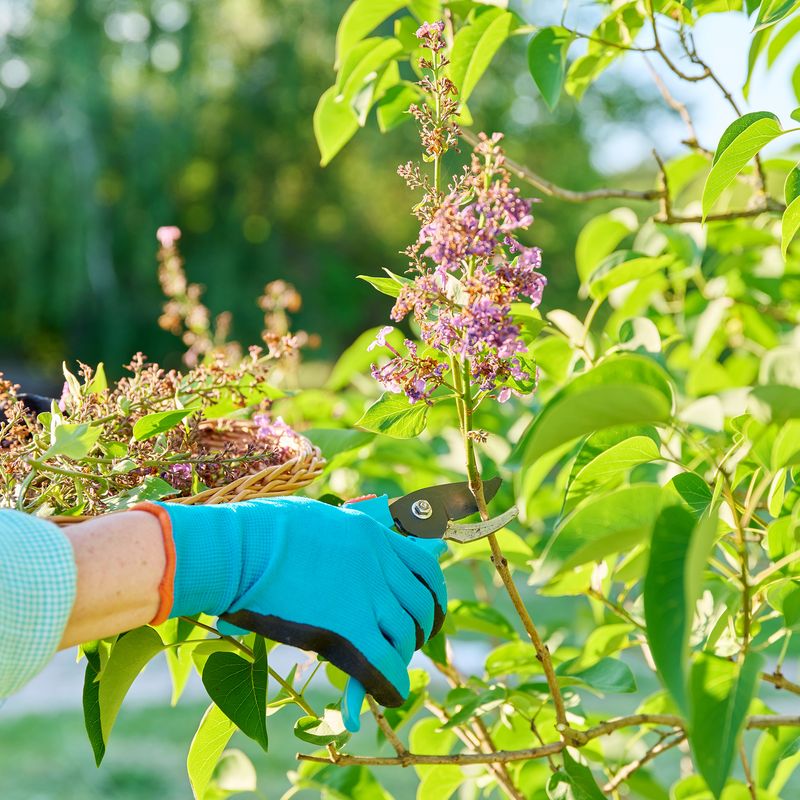
Shrubs like lilac, forsythia, azalea, and rhododendron finish their spring blooms in May or early June, and that window right after flowering is the ideal time to prune them.
These plants set next year’s flower buds on the new growth they produce during summer, so pruning too late in the season risks removing those future blooms.
Getting the pruning done in June, shortly after flowers fade, gives the shrub time to grow new wood before the season ends.
Focus on removing damaged or crossing branches first. Then step back and look at the overall shape of the shrub before making larger cuts.
Taking off no more than about one-third of the overall growth at one time is a general guideline that helps avoid stressing the plant too heavily in a single season.
In Pennsylvania, where spring-blooming shrubs are a common feature in residential yards, June pruning is a regular part of keeping the landscape tidy and productive.
Overgrown shrubs that have not been pruned in several years can be gradually reduced over two or three seasons rather than cut back hard all at once.
Clean, sharp pruning tools make the cuts cleaner and reduce the chance of tearing bark or introducing problems through rough wounds. Wiping blades with a clean cloth between shrubs is a simple habit worth developing.