The Little Owl Living In Your Pennsylvania Neighborhood
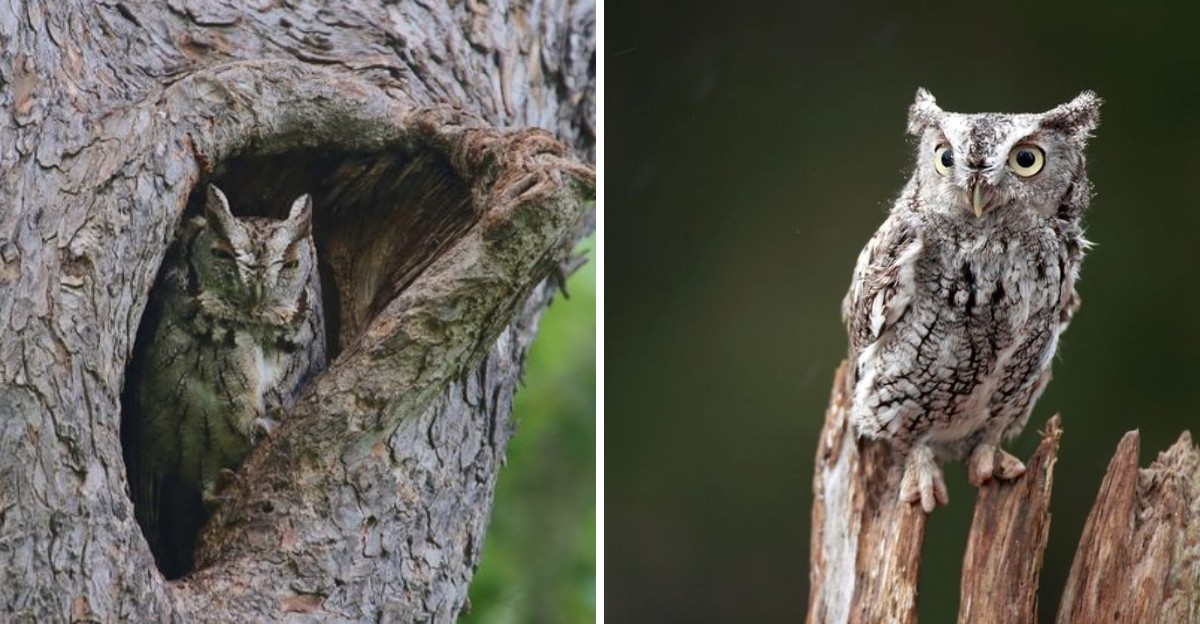
This small bird might be napping in a tree hole twenty feet from your back porch. It hunts after dark, swallows moths whole, and sounds a bit like a tiny horse.
I used to blame that shaky, trembling call on a neighbor’s TV. Then one spring evening, a pair of glowing yellow eyes stared back at me from an old maple. Nobody warned me how close this wild hunter lives to our patios and vegetable beds.
Believe it or not, plenty of Pennsylvania backyards host one of these feathered tenants without anyone noticing. Its feathers blend so well with bark that it can sit in plain view all day.
The most interesting part? You can invite one to stay with a simple wooden box and a slightly messier yard.
That Tiny Tufted Owl In Your Maple Tree Has A Name
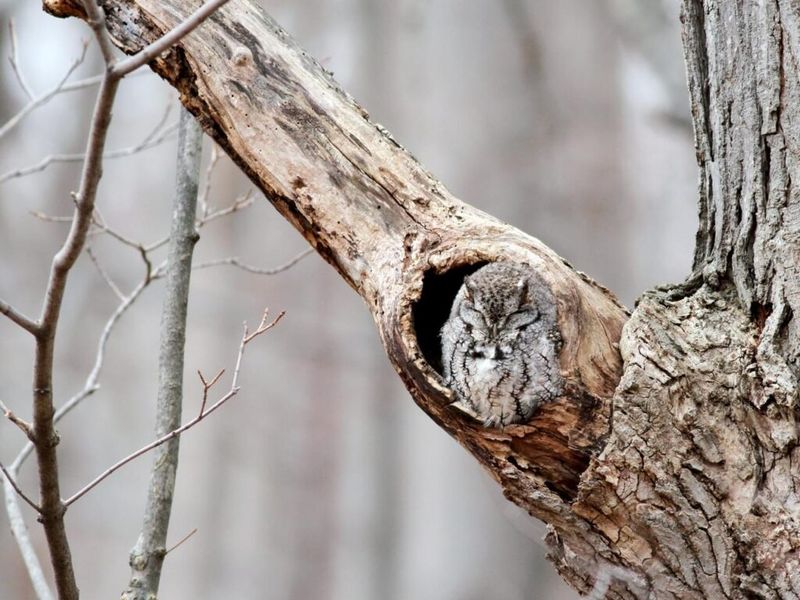
Sharp ears and a squat little body give it away. The small owl most Pennsylvanians hear at night is the Eastern Screech-Owl, a native bird that lives here all year.
People sometimes call it the little owl, but it is not the European Little Owl from storybooks. That species does not live in North America at all.
Our neighbor stands only about 6 to 10 inches tall, roughly the size of a pint glass. It weighs about as much as a stick of butter or a bit more. The Northern Saw-whet Owl is even smaller, but it is far less common in town.
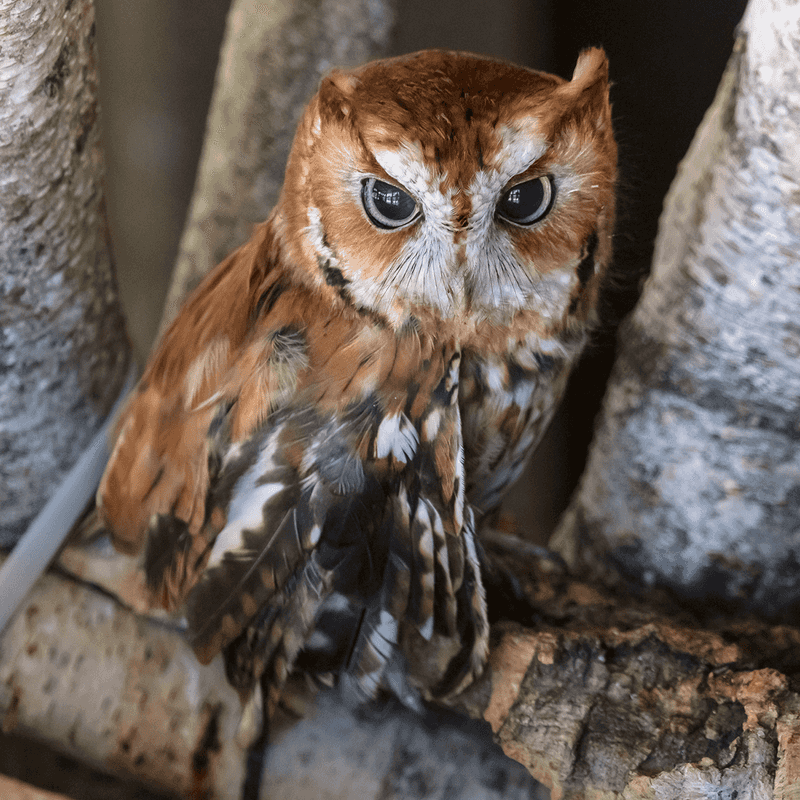
You can spot screech-owls in two main color forms. Some wear gray feathers, while others look rusty red, and a few fall somewhere in between. Both blend into tree bark so well that birders walk right past them.
Look for raised ear tufts, bright yellow eyes, and a stocky, almost neckless shape. When nervous, the owl stretches tall and squints, looking just like a broken branch.
Personally, I find that disguise hilarious. A fierce little hunter pretending to be a stick is my kind of neighbor.
Old Trees And Woodpecker Holes Are Prime Owl Real Estate
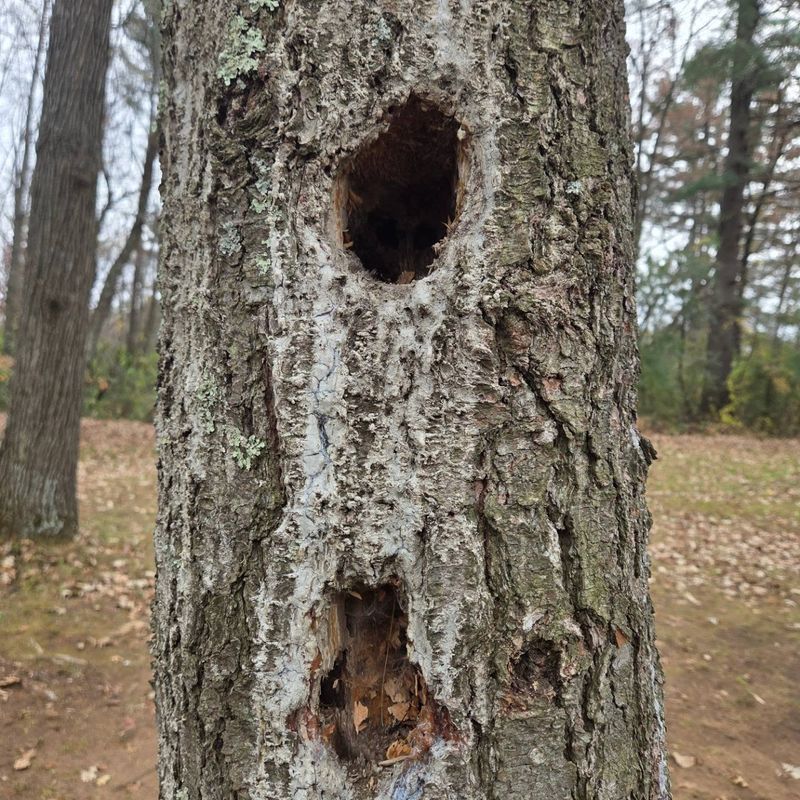
Leafy streets suit these owls surprisingly well. Eastern Screech-Owls live in suburbs, city parks, wooded cemeteries, farm edges, and along streams across Pennsylvania.
Their main need is simple. They want trees with holes. These owls cannot dig their own homes, so they move into natural hollows or old cavities carved by woodpeckers like flickers.
Big, older trees offer the best spots. Sycamores, oaks, maples, and old apple trees often develop the knots and hollows these birds love. A single good cavity may get used for roosting during the day and nesting in spring.
I believe this is why neighborhoods with mature shade trees seem to have more owls. Areas with only young landscape trees offer fewer places to hide.
If you have an old tree with a hollow limb that poses no safety risk, think twice before removing it. A certified arborist can help you decide whether a weak branch truly needs to go.
Standing dead-looking snags, often called wildlife trees, are another treasure. Leaving a safe snag in a back corner can shelter owls, woodpeckers, and bats.
Your yard does not need to look like a forest. A few mature trees can make a big difference.
That Spooky Whinny At Dusk Is Probably A Screech-Owl

Funny thing about the name. Eastern Screech-Owls rarely screech at all, and their real calls are much sweeter.
The first sound to learn is a long, steady trill on one pitch. It sounds a bit like a soft purr or a tiny phone ringing far away. Mates often use this call to keep in touch.
The second sound is a shaky, descending whinny that drops in pitch like a miniature horse. Many people find it eerie the first time, especially on a foggy night.
Calling picks up in late winter and early spring, when pairs get ready to nest. You may hear them again in fall as young owls look for their own territories.
Here is my favorite trick. Step outside about 30 minutes after sunset and stand still for ten minutes. Your ears will find the owl long before your eyes do.
Free apps like Merlin from the Cornell Lab of Ornithology can help you confirm what you hear. Please avoid playing recorded calls over and over, since that can stress the birds during nesting season.
Once you know the sound, you will start noticing it everywhere. It feels like discovering a secret radio station.
A Screech-Owl Nest Box Can Bring One Right To Your Yard
Grab a drill and some untreated wood. A simple nest box is the easiest way to give a screech-owl a home when natural cavities are scarce.
Aim for a box about 8 by 8 inches across and 12 to 15 inches tall. The entrance hole should be about 3 inches wide. Skip the perch, since owls do not need one and it helps predators.
Owls do not bring nesting material. Add 2 to 3 inches of wood shavings or dry leaves in the bottom so the eggs have a soft bed. Avoid cedar shavings and sawdust.
Mount the box 10 to 30 feet high on a sturdy tree trunk or post. Keep the entrance clear of branches so the owl has an open flight path. Some shade helps the box stay cool in summer heat.
Put boxes up in fall or winter, before courtship begins. Pennsylvania screech-owls usually lay eggs from March into April.
Be patient. Sometimes an owl moves in the first season, and sometimes it takes a few years. Wood ducks, squirrels, and kestrels may also check it out.
Once a box is active, leave it alone and enjoy watching from a distance.
Mice, Moths, And Crayfish Fill The Screech-Owl Menu
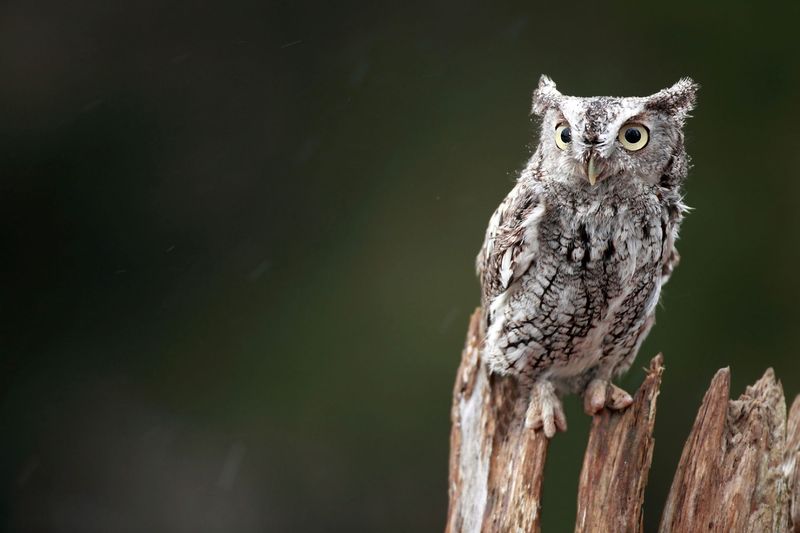
Few garden helpers work the night shift with this much variety. Eastern Screech-Owls eat almost anything small enough to catch.
Their menu includes mice, voles, shrews, and young rats. They also snag large insects like moths, beetles, crickets, and grasshoppers. Near water, they grab frogs, crayfish, and even small fish.
Songbirds are on the list too, especially in winter. That surprises some bird lovers, but it is a normal part of how nature balances itself.
For gardeners, the rodent hunting is the real treat. Voles chew roots and bulbs, and mice nibble stored seeds. A resident owl helps keep these critters in check without any effort from you.
Hunting starts around dusk. The owl usually sits on a low branch, watches quietly, then swoops down to grab prey with its feet.
Soft, fringed feathers let it fly almost silently. Its keen hearing helps it pinpoint tiny rustles in the leaves.
Personally, I love knowing my vole problem has a feathered night guard. It is pest control that comes with a charming soundtrack.
Brush Piles And Leaf Litter Keep The Owl Buffet Stocked
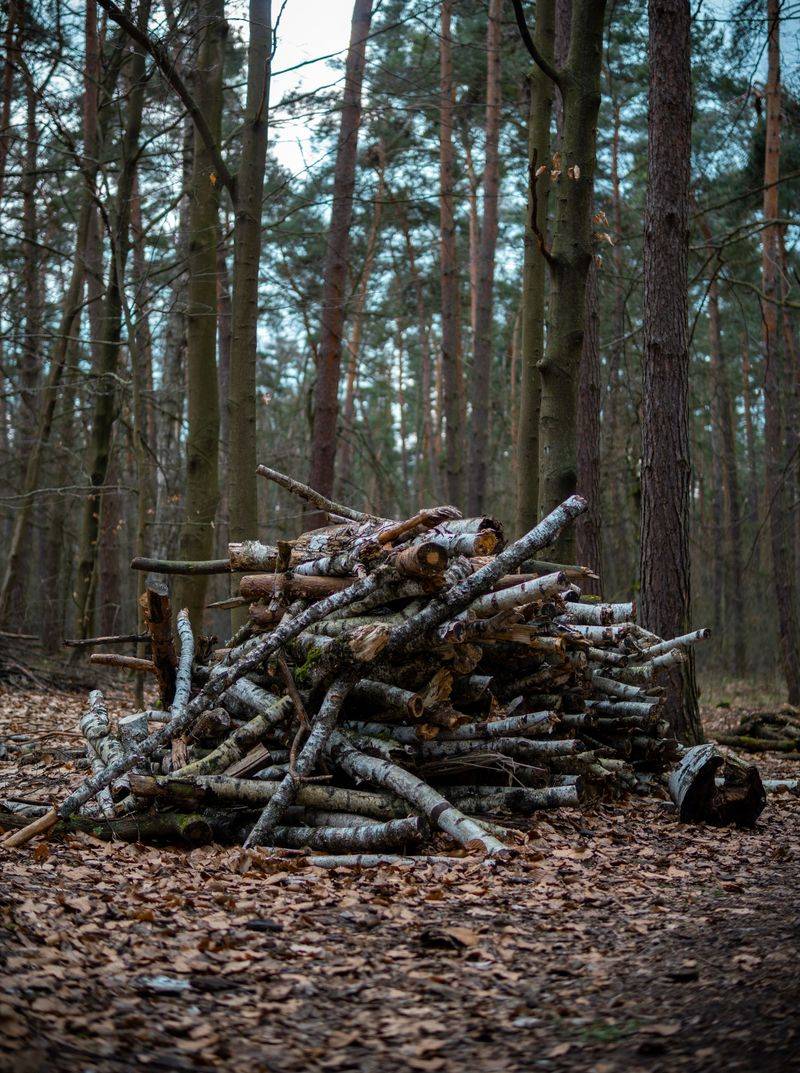
Tidy lawns look nice, but they feed almost nothing. Owls stick around where food is easy to find, so a slightly wilder yard pays off.
Start with leaves. Rake them off the lawn and into flower beds or a back corner instead of bagging them. Moths, beetles, and other insects spend winter in that leafy layer.
A loose brush pile made from pruned branches gives small animals shelter. It also creates a perfect hunting zone for an owl watching from a nearby limb.
Native plants matter too. Penn State Extension recommends natives because local insects depend on them. Oaks, black cherry, serviceberry, and native asters support huge numbers of caterpillars and moths.
Try leaving one patch of taller grass or perennials standing through winter. Seed heads and hollow stems shelter insects that owls and other birds eat.
A shallow birdbath can help as well. Screech-owls sometimes bathe, especially on warm evenings.
You do not need to turn the whole yard into a jungle. Even one messy, wildlife-friendly corner can make your property far more appealing to owls and the critters they hunt.
Rat Poison Puts Backyard Owls At Serious Risk
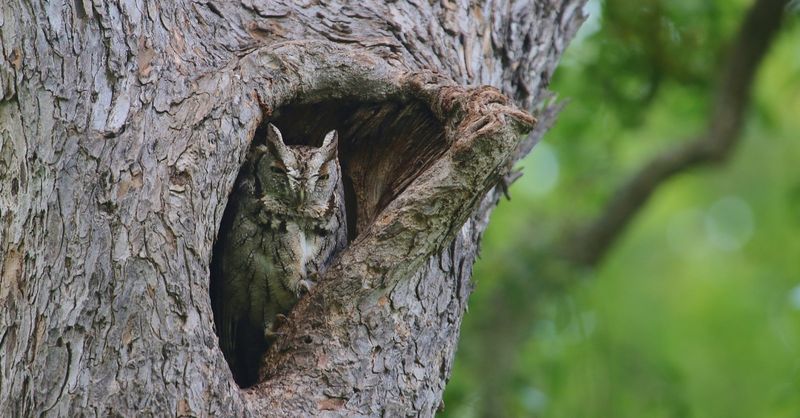
Owls cannot tell a healthy mouse from a poisoned one. That simple fact makes rodent bait one of the biggest threats to backyard owls.
Many rodenticides work slowly, so a sick mouse may wander for days. An owl that catches it swallows the poison too. Over time, those toxins can build up and make the bird seriously ill.
Broad insecticides cause a different problem. They reduce the moths and beetles screech-owls rely on, especially during nesting season.
I can’t imagine undoing all the welcome I created with one box of bait. Instead, I seal gaps around my foundation, store birdseed in metal cans, and use snap traps inside the house or garage.
Outdoors, pick targeted solutions. Hand-pick garden pests, use row covers, and spot-treat only when truly needed.
Keeping pet cats indoors helps too. Cats hunt the same small prey and can bother young owls learning to fly.
Remember that all native owls are protected under the federal Migratory Bird Treaty Act. In Pennsylvania, state law protects them as well, so harming owls or disturbing active nests is illegal.
Fluffy Owlets On A Branch Usually Need No Rescue
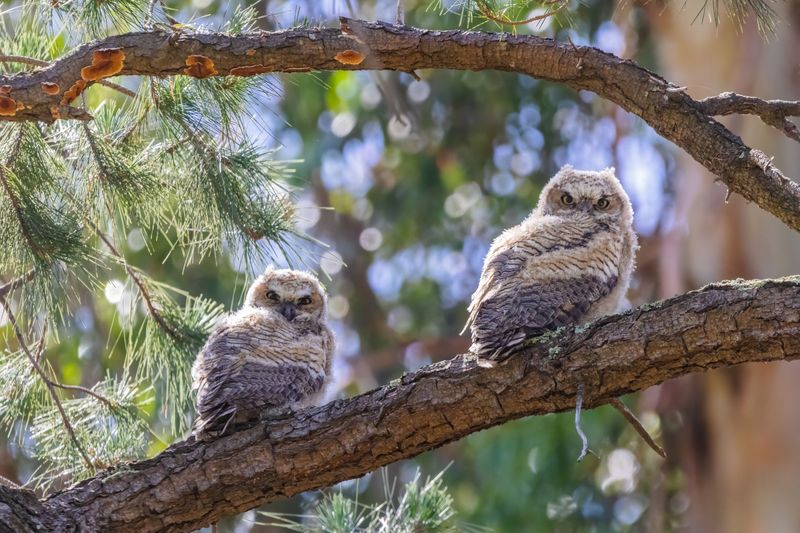
Late spring brings the cutest surprise of the year. Young screech-owls leave the nest before they fly well, often in May or June in Pennsylvania.
These fluffy owlets, called branchers, hop and climb around nearby limbs for a few days. Sometimes one ends up on the ground. Their parents usually stay close and keep feeding them at night.
So what should you do? In most cases, simply watch from a distance and keep pets inside. If the owlet sits in danger, you can gently place it on a low branch or shrub nearby.
Call a licensed wildlife rehabilitator if the bird looks hurt, bleeding, or weak. The Pennsylvania Game Commission website lists rehabilitators by county. Never try to raise an owl at home, since that is both illegal and harmful to the bird.
Owl watching is a wonderful year-round hobby. Note calls on your phone, check your nest box from afar, and share sightings on eBird to help scientists track these birds.
My biggest takeaway? Old trees, a quiet box, a scruffy corner, and no poison can turn an ordinary yard into owl territory. Your new neighbor might already be listening.