Pennsylvania Yard Features That Invite Rats In Before Winter
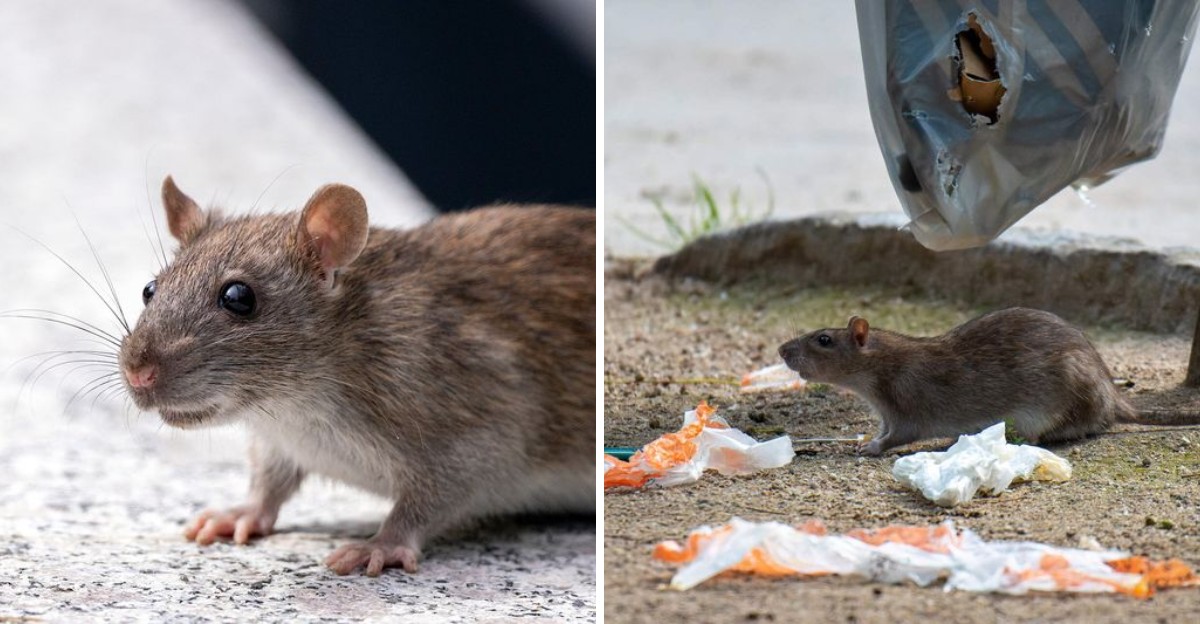
Have you ever wondered why some Pennsylvania homes deal with rats every single fall while neighboring properties seem to avoid the problem entirely?
The answer is almost never location. It’s almost always the yard.
Rats don’t move indoors randomly as temperatures drop. They follow reliable signals toward food, shelter, and warmth, and certain yard features send those signals more clearly than others.
By the time most homeowners realize they have a rat problem, the conditions that created it have been in place for weeks.
Here’s what’s inviting rats into Pennsylvania yards every fall and what to do about each one.
1. Bird Feeders With Spilled Seed
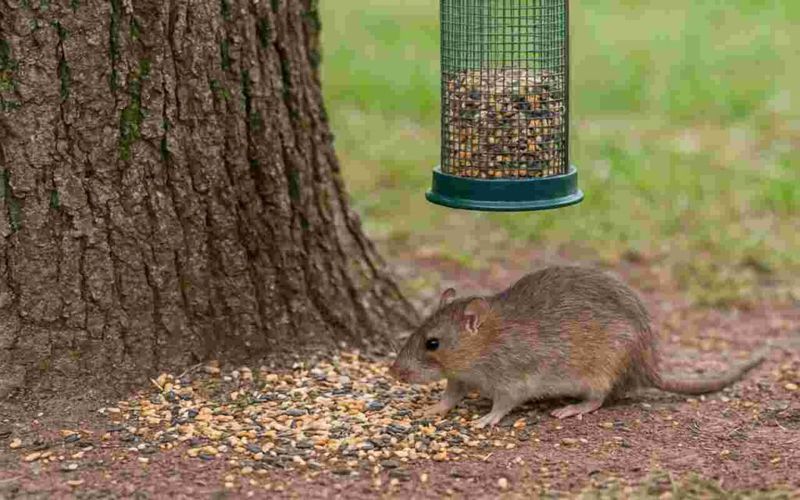
Picture a snowy January morning in Lancaster County. Cardinals flash red at your feeder, and it feels like a postcard. But after dark, a very different crowd shows up to eat what the birds dropped.
Birds are messy eaters. They toss seeds aside, knock hulls to the ground, and pick through mixes for their favorite bits. All of that spillage piles up under the feeder like a free buffet.
Norway rats, the most common rats in Pennsylvania, love seeds and grains. As fall temperatures drop, they start hunting for easy calories to fatten up for winter.
A seed pile that refills every day is exactly what they want, and once they find it, they will stick around.
Rats also remember reliable food spots. If your yard feeds them all season, they may dig burrows nearby or move into your garage or crawl space. That means a small snack spot can turn into a full-blown pest problem.
The good news is that you do not have to give up bird watching. Hang feeders at least 10 feet away from your house, and add a tray underneath to catch falling seed.
Choose no-mess blends, like hulled sunflower hearts, since birds eat the whole thing.
Rake or sweep under the feeder every few days. You can also bring feeders inside at night, when rats are most active. Some homeowners switch to caged suet cakes during the colder months because they drop less.
Keeping the ground clean is the real secret. Store your extra birdseed in a metal can with a tight lid, too. Do that, and the birds will keep visiting while the rats move on.
2. Unsecured Trash And Food Waste
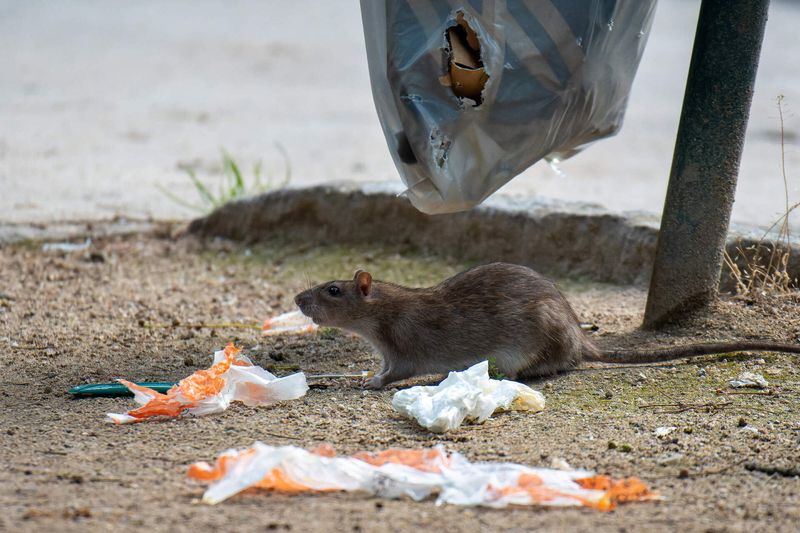
Ask anyone who works in waste pickup in Philadelphia or Pittsburgh, and you will hear the same thing.
Rats are basically professional trash inspectors. They can smell leftover pizza crusts through a thin plastic bag from far away.
Bags left on the curb overnight or cans with cracked lids are an open invitation. Rats have strong teeth that can chew through plastic in minutes. Some can even climb up the side of a can and push a loose lid right off.
Fall makes the problem worse. Holiday meals, backyard cookouts, and Halloween candy wrappers all add extra food waste to your bins. At the same time, rats are looking hard for fuel before the cold arrives.
Your Pennsylvania Garden Changes Every Week. Your Plan Should Too.
Gardening in Pennsylvania changes quickly throughout the season. Every Friday you’ll receive a simple weekly plan showing exactly what to plant, prune, fertilize, harvest, and protect so you never miss the right timing.
Pet food is another sneaky culprit. A bowl of kibble left on the back porch overnight can feed a whole family of rats. Bring pet dishes inside after meals, and store bags of dog or cat food in sealed bins.
So how do you lock things down? Start with heavy-duty cans made of metal or thick plastic with lids that snap or latch shut. Bungee cords work well if your lids tend to pop open.
Always tie up garbage bags before tossing them in the can. Rinse out food containers so the smell does not travel. Put trash out the morning of pickup instead of the night before whenever you can.
Cleaning the cans with soapy water once a month helps, too, since old spills leave smells behind.
Finally, check your cans every few weeks for chew marks or holes. A damaged bin is basically a welcome mat, so replace it quickly. Your nose and your neighbors will thank you.
3. Compost Piles With Food Scraps
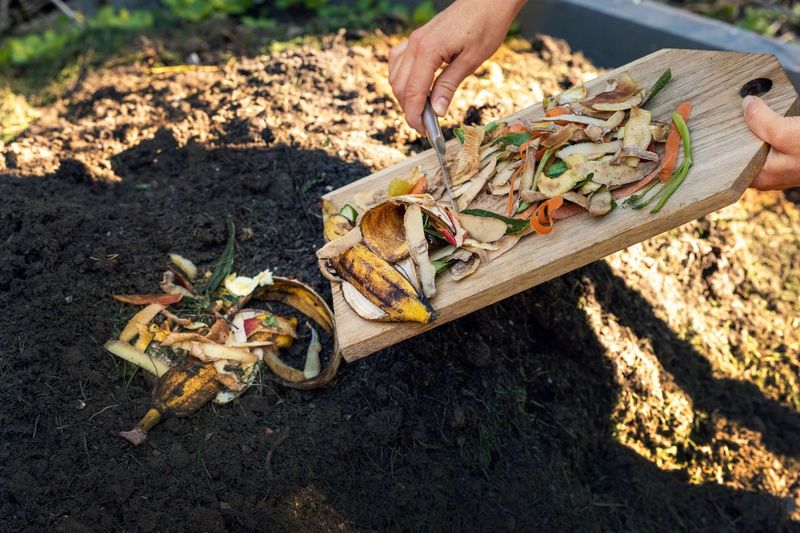
Turning banana peels and coffee grounds into rich garden soil feels great. Lots of Pennsylvania gardeners compost to cut down on waste and grow better tomatoes. Unfortunately, a poorly managed pile can also become a cozy rat hotel.
Compost gives rats two things they crave at once. First, there is food in the form of scraps. Second, there is warmth, since breaking-down material actually heats up from the inside, even on chilly November nights.
Fun fact: a healthy compost pile can reach 130 to 160 degrees Fahrenheit in its center. Rats will happily burrow into the edges, where it is toasty but not too hot.
You do not need to quit composting. You just need to be a little smarter about it. Start by skipping meat, fish, bones, dairy, oily foods, and cooked leftovers, since those smell the strongest and attract the most pests.
Open piles are the easiest for rats to raid. Switch to a closed bin or tumbler made of sturdy plastic or metal. If your bin sits on soil, line the bottom with quarter-inch hardware cloth so nothing can dig up from below.
Bury fresh scraps in the middle of the pile and cover them with a layer of dry leaves or shredded paper.
Turn your compost often, because rats hate being disturbed. Keeping it moist, like a wrung-out sponge, also helps it break down faster.
Place your bin away from fences, sheds, and your home’s foundation. Rats like to travel along walls and hidden edges. A bin out in the open, checked often, is much less inviting and still feeds your garden come spring.
4. Woodpiles Stacked Near The House
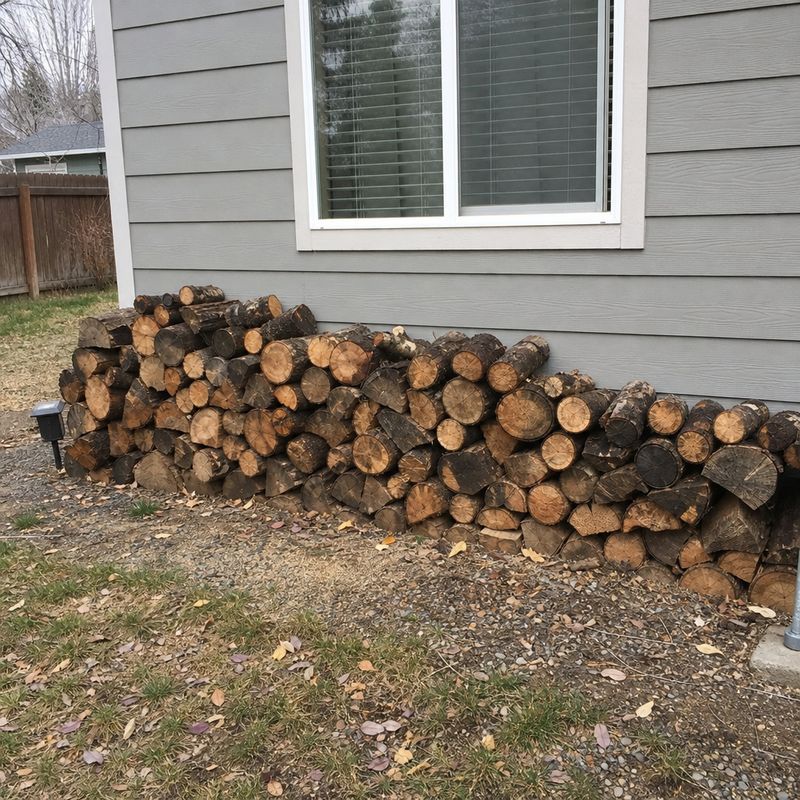
Few things beat a crackling fire on a frosty night in the Poconos. Many Pennsylvania families stack firewood in the fall so it is ready when the snow flies. The trouble starts when that stack sits right up against the house.
To a rat, a woodpile looks like a ready-made apartment building. The gaps between logs create dark tunnels that block wind and hide them from hawks, owls, and neighborhood cats. It is dry, sheltered, and quiet, which is everything a rodent wants.
Now imagine that apartment sitting two feet from your back door. Rats living in the pile can easily explore your foundation, looking for cracks, vents, or gaps around pipes. Once they find a way in, your warm basement becomes their next home.
Keep in mind that rats can slip through a hole about the size of a quarter. That is why a woodpile close to the house is such a risk. It gives them a hidden launch pad right next to all those tiny openings.
Luckily, the fix is simple. Move your firewood at least 20 feet away from your home. Stack it on a metal rack or a few cinder blocks so it sits 12 to 18 inches off the ground.
Leave a little space between the pile and any fence or wall so air can flow and you can see what is going on. Cover only the top with a tarp, not the sides.
Bring in just enough wood for a day or two at a time, and knock each log before carrying it inside. Your fireplace stays cozy, and the rats stay outside where they belong.
5. Dense Vegetation And Overgrown Brush

Have you ever seen a rat stroll across a wide-open lawn in broad daylight? Probably not, and there is a good reason. Rats are nervous travelers who much prefer to sneak around under cover.
Thick shrubs, tall weeds, and tangled brush act like secret hallways. Rats use them to move from one food source to another without being spotted by predators.
Overgrown ivy and ground cover, like pachysandra, are some of their favorite hiding spots.
In Pennsylvania, plants grow like crazy all summer thanks to plenty of rain. By fall, many yards have wild corners that nobody has touched in months.
Those messy spots give rats a quiet place to dig burrows and raise babies before winter sets in.
Get this: a female Norway rat can have up to a dozen babies in one litter and several litters in a single year. A hidden nest in your hedges can quickly turn into a crowded neighborhood.
So grab your pruning shears and give your yard a fall haircut. Trim shrubs so there is about a foot of open space between the branches and the ground. Keep bushes and tree limbs at least three feet away from your house, roof, and siding.
Mow tall grass and pull weeds along fences, where rats love to run. Swap thick ground cover near the foundation for gravel or a thin layer of mulch. Clear out brush piles and bags of yard waste instead of letting them sit.
When rats lose their hiding places, they feel exposed and usually move somewhere else. A tidy yard also makes it easier for you to spot burrows or droppings early.
6. Fallen Fruit Left On The Ground
Growing up with an apple tree in the backyard is a classic Pennsylvania memory. Maybe you picked a few for pie or climbed the branches on lazy afternoons.
What you may not have noticed were the visitors munching on the apples nobody picked up.
Pennsylvania is one of the top apple-growing states in the country, and Adams County is famous for its orchards.
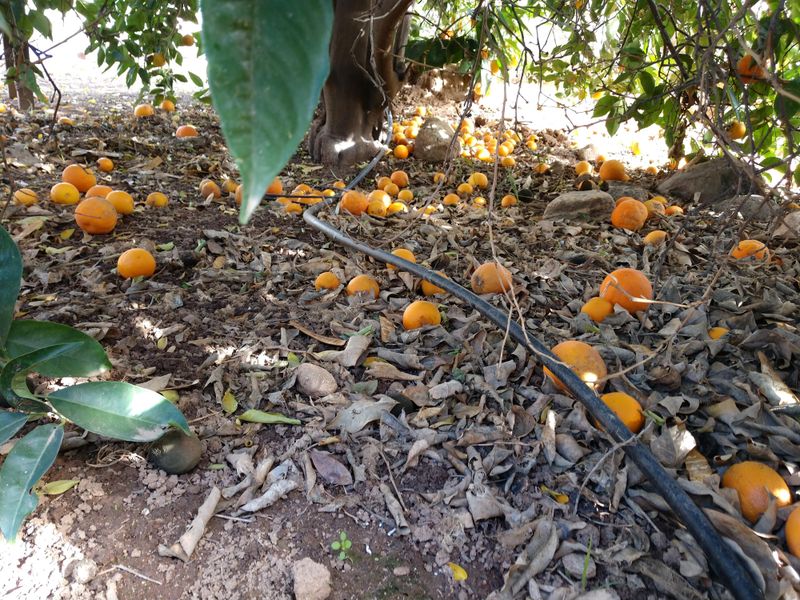
Lots of homeowners also have pear, peach, cherry, or persimmon trees. When fall arrives, fruit drops fast, and it piles up under the branches.
Rotting fruit is sweet, soft, and easy to eat. Rats can smell it from a distance, and they will come back night after night as long as the supply lasts.
Squirrels, raccoons, and opossums join the party too, but rats are often the ones that settle in nearby.
Garden leftovers count, too. Split tomatoes, forgotten pumpkins, and melons left on the vine all send out the same tasty signal. Even acorns and walnuts from big shade trees can feed rats through the fall.
The simplest habit is picking up fallen fruit every day or two during harvest season. A leaf rake or a rolling nut gatherer makes the job faster, and kids can turn it into a game. Toss the fruit in a sealed trash can, not an open compost pile.
Pick ripe fruit from the tree as soon as it is ready instead of waiting for it to drop. Pull up finished vegetable plants once the growing season ends.
If you have more fruit than you can use, share it with neighbors or donate it to a local food pantry.
7. Sheds, Decks, And Other Sheltered Spaces

Detectives look for clues, and rats leave plenty of them. A fresh hole in the dirt beside your deck, a greasy smudge along the shed floor, or a pile of shredded insulation are all signs someone moved in.
Sheltered spaces are prime real estate as Pennsylvania nights turn frosty. The area under a deck or shed is dark, dry, and protected from snow.
Rats love to dig burrows there because the structure acts like a roof over their heads. Cluttered garages, playhouses, and stacks of old lumber work the same way.
Inside sheds, rats find even more to love. Grass seed, birdseed, fertilizer made with bone meal, and bags of pet food make tasty snacks. Old cardboard boxes, rags, and cushions from patio chairs become soft bedding for nests.
Start your investigation with a slow walk around each structure. Look for holes about two to four inches wide, well-worn paths in the grass, and small dark droppings. Rats also gnaw, so check for chewed wood along doors and corners.
To block them out, bury galvanized hardware cloth about 12 inches deep around the base of your deck or shed, bending the bottom outward in an L shape.
That stops rats from tunneling underneath. Seal gaps around doors with weather stripping, and patch holes with steel wool and caulk.
Move all seed and pet food into metal cans with tight lids. Clear clutter so there are fewer hiding spots, and store items on shelves instead of the floor.
If you already see heavy activity, calling a licensed pest control pro is a smart next step. A little work now keeps your yard rat-free all winter long.