8 Perennials Kentucky Gardeners Need To Prune Now For Fall Flowers
Wilted stems and browning leaves don’t mean the plant is done for the season. Many faded perennials still have reserves to fuel new growth. Late August unlocks a strange kind of new chance.
Local temperatures across Kentucky create exact conditions plants need to rebound. Nothing about pruning right now is risky if you know which stems to cut. You can quickly force fresh growth before frost fully arrives.
Certain perennials respond within days, not weeks. Others surprise you with blooms nobody expects this late. Kentucky gardeners get a narrower window than most, so timing counts.
Shears are your key tool this week. Precision matters more than force ever will. Cutting back the right growth immediately sends a clear signal to the plant.
Energy shifts, roots strengthen, and buds start forming again. Skipping this step means missing color you could still have. What happens next depends entirely on the plants you’re about to meet.
1. Coneflowers Benefit From A Hard Cutback Now
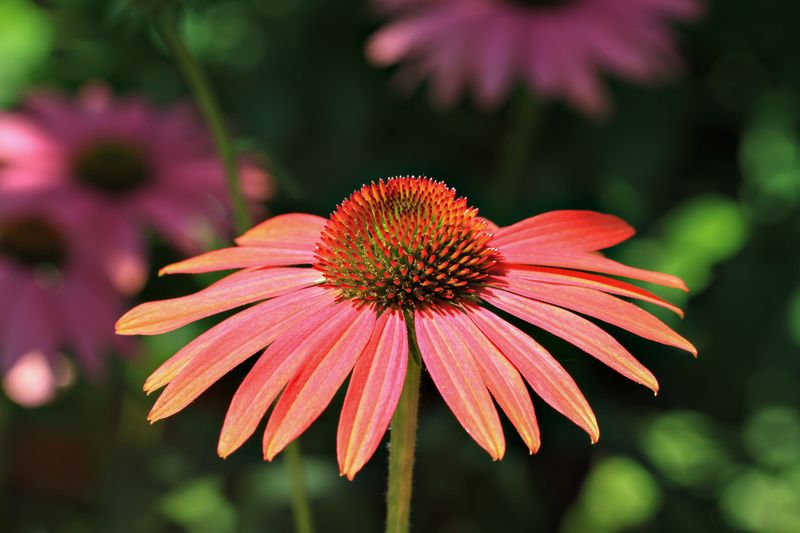
Purple coneflowers are tough, cheerful, and stubborn in the best way possible. Most Kentucky gardeners treat them like set-it-and-forget-it plants, but one good cutback now changes everything.
When coneflowers finish their first big bloom, the stems get woody and the flower heads start to droop. Cutting them back by about one-third encourages a fresh round of growth from the base.
Look for new basal shoots before you start cutting. Those little green tufts near the soil are your signal that the plant is ready and willing to rebound.
Use clean, sharp pruners and cut just above a leaf node or a side shoot. Leaving a few inches of stem keeps the plant stable while it pushes new energy upward.
After you prune, give the plants a deep watering and a light dose of balanced fertilizer. That combination speeds up the recovery time noticeably.
Coneflowers pruned in late July or early August in Kentucky often rebloom within several weeks, though timing can vary with weather and soil conditions.
One underrated bonus: fresh coneflower blooms in fall attract migrating butterflies and goldfinches. Your garden becomes a pit stop on a long journey south.
Do not skip removing the spent flower heads as they appear during the second bloom cycle. Keeping up with that small task extends the flowering period by another two to three weeks, giving you maximum color right up to frost.
2. Salvia Rewards A Light Trim With Fresh Fall Spikes
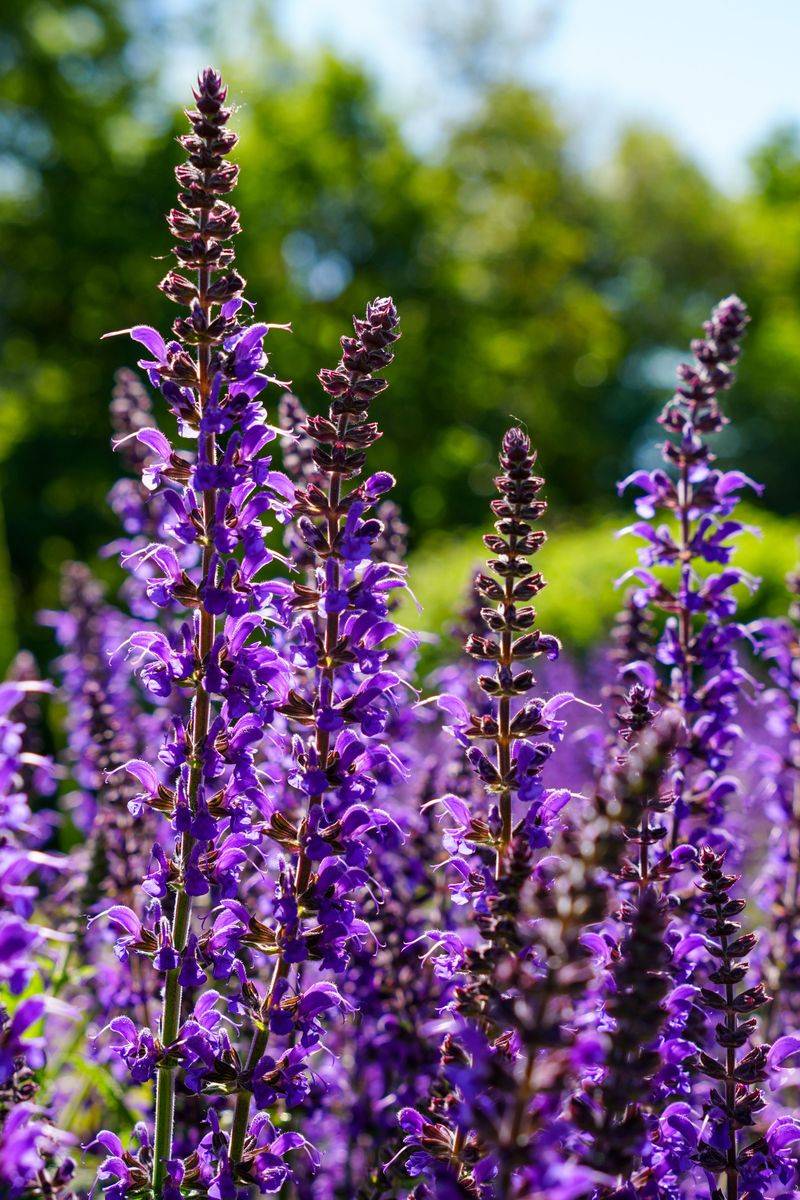
Few plants in a Kentucky garden are as reliable as salvia, and a light trim right now is all it takes to unlock a second wave of those tall, vibrant spikes. Salvia has a reputation for being low-maintenance, but a little attention goes a long way.
Once the first flush of blooms fades and the stems start to look tired, cut the plant back by about one-half. Focus on removing the spent flower stalks just above the nearest set of healthy leaves.
This pruning perennials routine signals the plant to redirect its energy. Instead of trying to maintain old growth, salvia pushes fresh stems up from lower on the plant.
Your Kentucky Garden Changes Every Week. Your Plan Should Too.
Gardening in Kentucky changes quickly throughout the season. Every Friday you’ll receive a simple weekly plan showing exactly what to plant, prune, fertilize, harvest, and protect so you never miss the right timing.
Perennial salvias like May Night and Blue Hill are especially responsive to this technique in Kentucky’s climate. They tend to bounce back within a few weeks of a trim, depending on conditions.
Avoid cutting into the woody base of the plant. Salvia does not regenerate well from old wood, so keeping your cuts in the green growth zone is important.
After trimming, a light layer of compost around the base of the plant gives roots a nutritional boost. Water thoroughly after applying to help nutrients move into the soil.
Fall salvia spikes are often more intense in color than the summer ones. Cooler nights bring out deeper blues and purples that look stunning against autumn foliage.
Pollinators love fall salvia just as much as gardeners do, so expect plenty of bee and butterfly visitors through October.
3. Catmint Responds Well To A Midsummer Shear
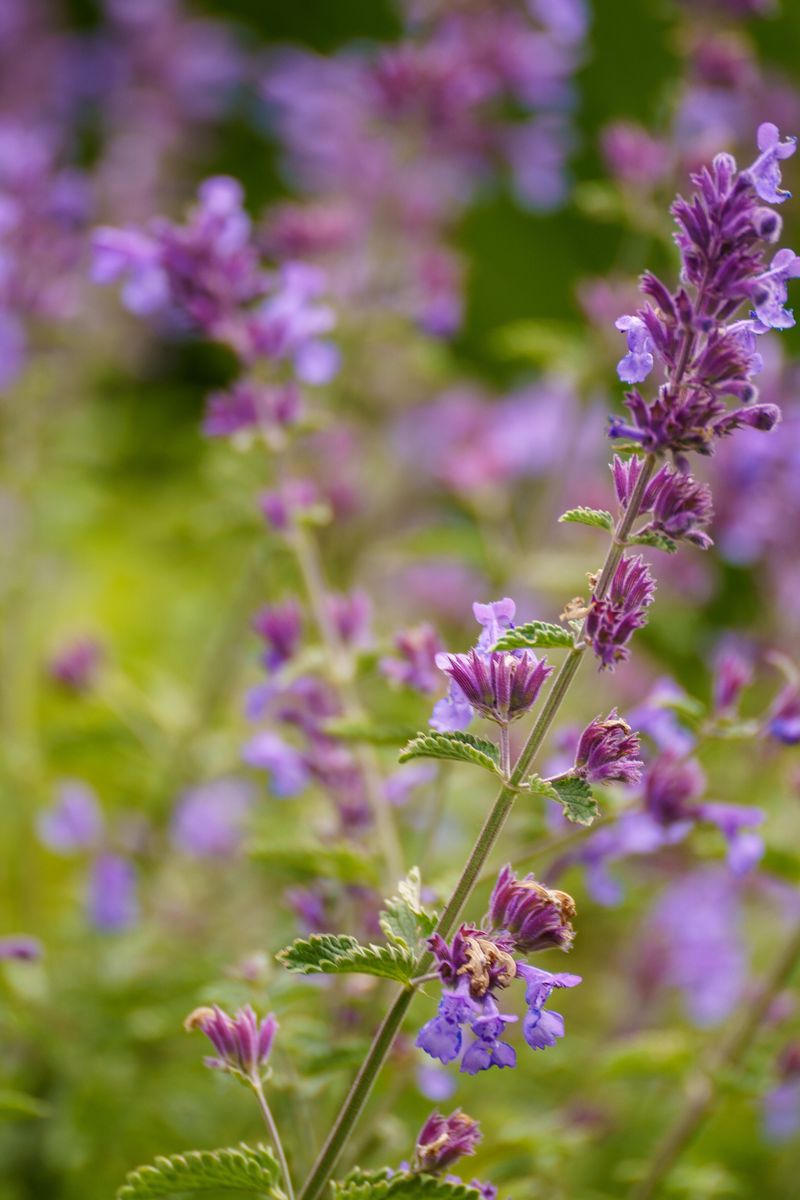
Catmint is one of those plants that looks like it needs a haircut more than almost anything else in the garden. By midsummer, it tends to sprawl out, flop over, and lose its tidy, mounding shape completely.
A hard shear right now solves all of that and sets the plant up for a spectacular fall show. Cut the entire plant back by about two-thirds, leaving a low, compact mound of green stems.
Within a couple of weeks, you should notice fresh silver-green foliage pushing out from the base. That new growth is dense, fragrant, and ready to support a full new round of lavender-blue flower spikes.
Catmint is one of the fastest rebounders among perennials pruned in late summer. Kentucky gardeners who do this in late July often see blooms again by mid-September.
The plant’s fragrant foliage is a bonus even before the flowers appear. Brushing against freshly trimmed catmint releases a clean, minty scent that makes garden work feel like an aromatherapy session.
Water consistently after shearing, especially if August stays dry. Catmint is drought-tolerant once established, but fresh regrowth needs steady moisture to develop quickly.
Pair fall-blooming catmint with ornamental grasses or Russian sage for a soft, cottage-garden effect. The silvery tones complement each other beautifully in the lower light of autumn afternoons.
One final tip: do not compost the sheared-off stems right away. Let them dry slightly and then crush them to release the scent, a simple pleasure that costs absolutely nothing.
4. Bee Balm Sends Up New Growth After Trimming
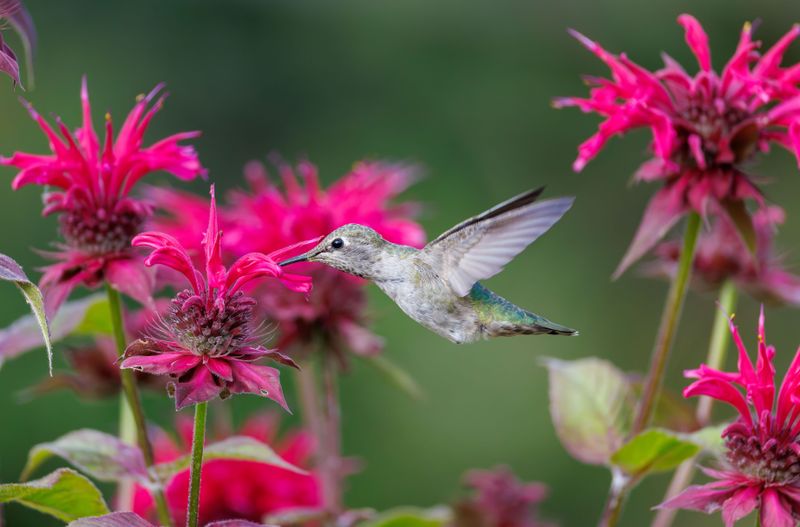
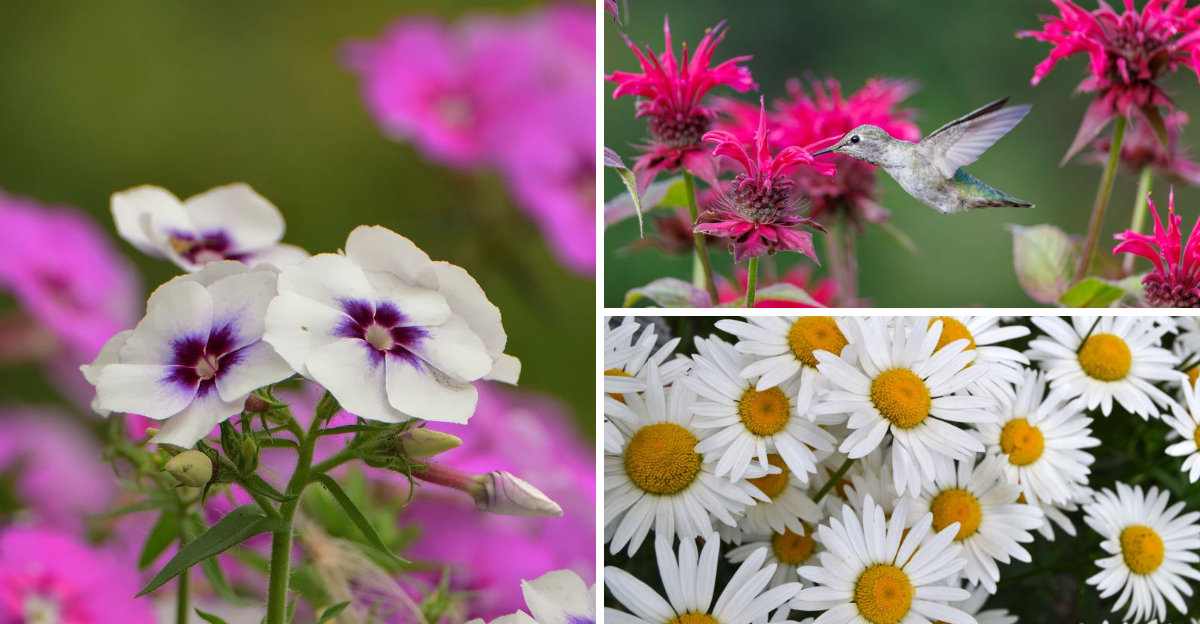
Bee balm is a bold, fiery plant that earns its place in any Kentucky garden. Those shaggy red, pink, or purple blooms attract hummingbirds and bees from what feels like miles away.
By late summer, bee balm often looks rough. Powdery mildew can coat the leaves, and the spent flower heads turn brown and ragged fast.
Cutting bee balm back hard now is one of the more effective tasks you can do this season. Remove the top half to two-thirds of the plant, cutting just above a healthy leaf or side shoot.
Getting rid of the mildew-covered foliage improves airflow around the plant dramatically. Better airflow means the fresh regrowth is far less likely to develop that chalky white coating again.
New shoots typically appear within a few weeks after a firm trim. Those fresh stems are clean, green, and ready to support another round of blooms before frost arrives.
For best results, thin the regrowth slightly by removing weaker stems from the center of the clump. Keeping the center open reduces humidity around the plant and keeps mildew at bay.
Fall bee balm blooms are smaller than the summer ones, but they are still absolutely worth having. Hummingbirds preparing for migration make a point of stopping by for one last visit.
Pruning perennials like bee balm also gives you a chance to divide overcrowded clumps. Splitting them now means healthier, more productive plants next spring across your whole garden bed.
5. Phlox Produces A Second Flush When Cut Back
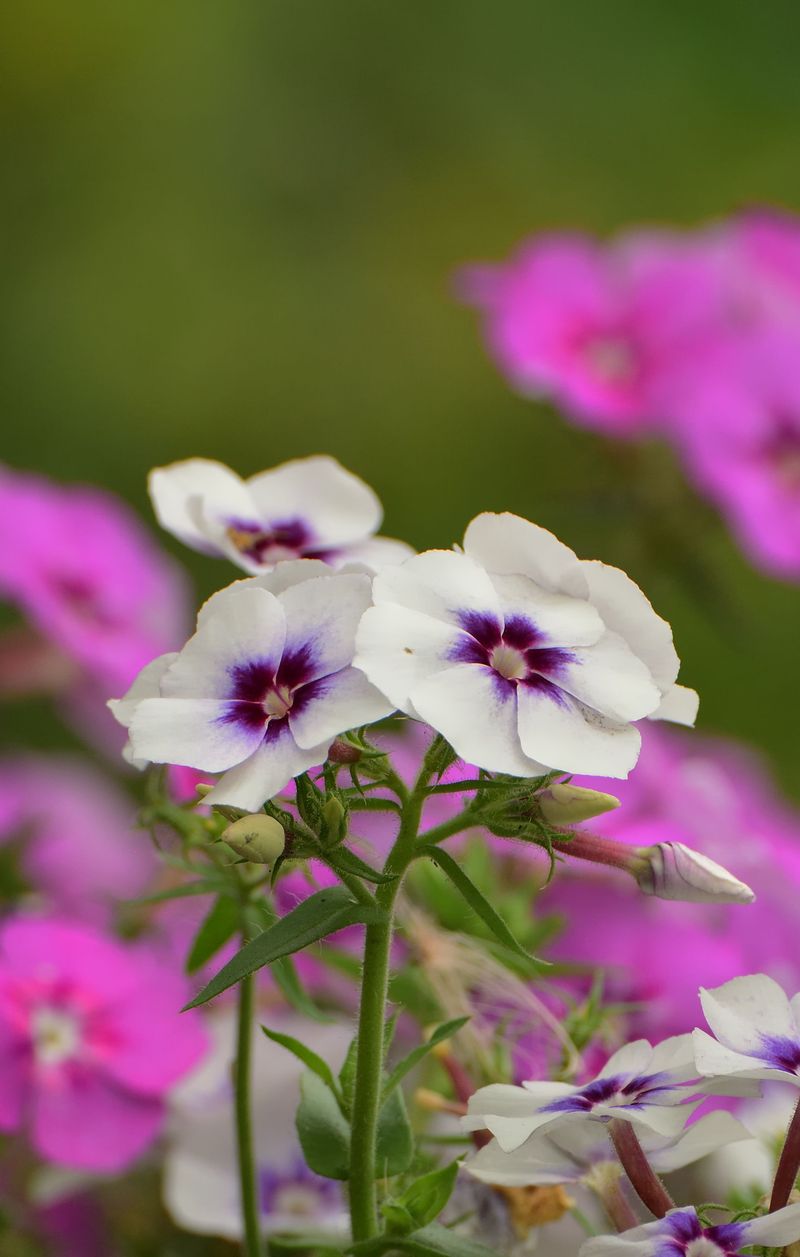
Garden phlox is one of summer’s showiest perennials, and it has a secret most gardeners never discover. Cut it back after the first bloom and it will flower again with impressive enthusiasm.
Tall garden phlox, common in Kentucky landscapes, typically finishes its main bloom cycle by late July or early August. That is your cue to grab the pruners and get to work.
Remove the spent flower heads and cut the stems back by about one-third to one-half. Make your cuts just above a healthy leaf or a visible side shoot to encourage branching.
Like bee balm, garden phlox is prone to powdery mildew in humid Kentucky summers. Trimming away the affected foliage and improving air circulation gives the plant a fresh, healthy start.
After pruning, apply a thin layer of mulch around the base to retain soil moisture. Keeping the roots cool and hydrated speeds up the recovery process significantly.
Side shoots that develop after trimming often produce smaller but still gorgeous flower clusters. Shades of pink, white, lavender, and magenta look especially rich in the softer light of early fall.
Choose mildew-resistant phlox varieties like David or Robert Poore if you are planting new ones this season. Those selections handle Kentucky humidity far better than older cultivars.
Pruning perennials such as phlox regularly also helps control self-seeding. Seedlings from garden phlox often revert to a less attractive magenta color that can crowd out your carefully chosen varieties over time.
6. Yarrow Rebounds Quickly With Fresh Blooms
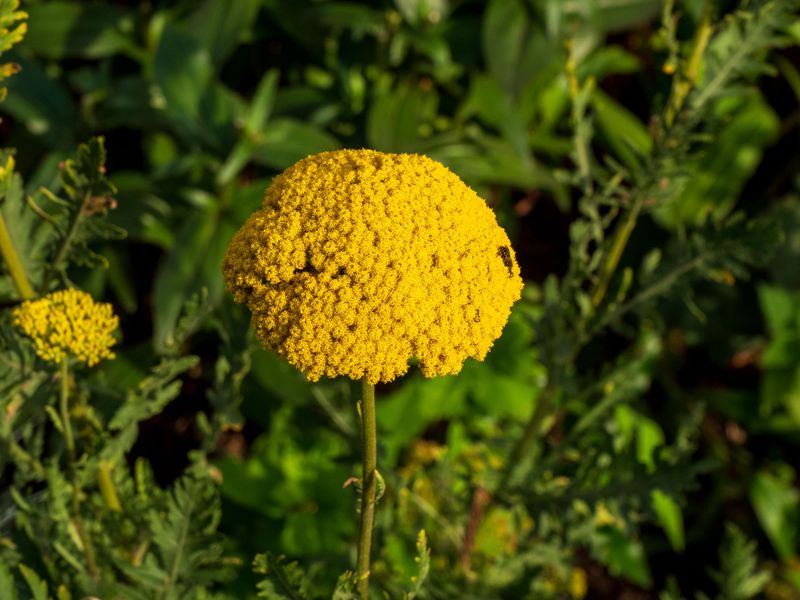
Yarrow is one of those no-fuss perennials that rewards even the most casual gardener. It handles heat, drought, and poor soil without complaint, and it still manages to look cheerful doing it.
After the first flush of flat-topped blooms fades in midsummer, yarrow can start to look straggly and washed out. A quick trim fixes that almost overnight.
Cut the entire plant back by about one-half, removing all the spent flower stems down to the basal foliage. That feathery, aromatic foliage at the base stays green and healthy through the whole season.
Yarrow rebounds faster than almost any other perennial in the garden. Fresh flower buds often appear within a few weeks of a hard cutback in late July.
The fall blooms tend to be slightly softer in color than the summer ones, which actually looks stunning in an autumn garden. Pale yellows, creamy whites, and dusty pinks blend beautifully with ornamental grasses and asters.
Yarrow is also a pollinator magnet, so the second wave of blooms feeds bees and butterflies right when they need fuel most. This helps support pollinators heading into fall.
Avoid over-fertilizing yarrow after pruning. Too much nitrogen pushes floppy, weak stems that fall over before they even get a chance to bloom properly.
Remove spent blooms throughout the fall flush to keep the plant tidy and productive. Doing this consistently is one of the simplest ways to extend yarrow’s season by several extra weeks of color.
7. Shasta Daisies Bounce Back After Pruning
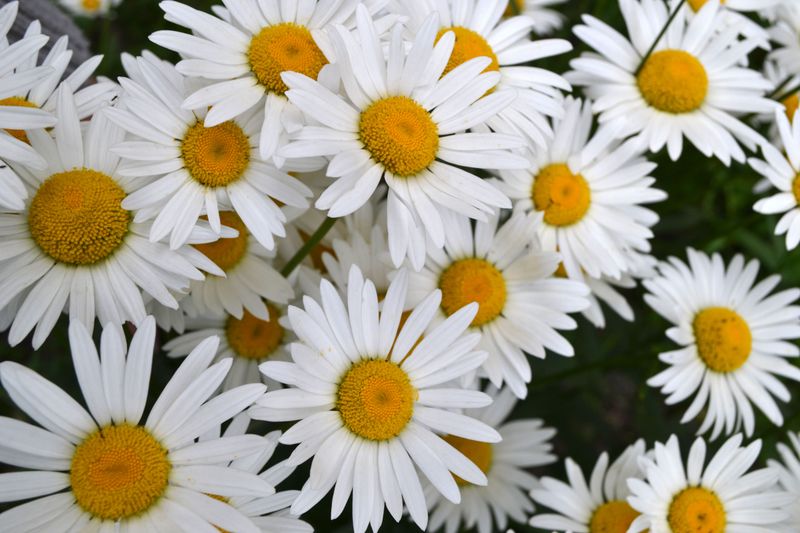
Shasta daisies are a classic, widely grown perennial. Those bright white petals and sunny yellow centers have a timeless quality that never gets old.
After the main summer bloom, Shasta daisies can look exhausted and overgrown. Stems lean in every direction, and spent flowers turn into messy brown seed heads.
Cutting them back by about one-half right now gives the plant a clean slate. Focus on removing all the spent stalks and any yellowing foliage to tidy up the clump.
Shasta daisies have a strong root system that makes them excellent rebounders. New growth emerges from the base quickly, and fresh flower buds follow within a few weeks in Kentucky’s climate.
The fall blooms on Shasta daisies are often smaller but still incredibly charming. Fresh white daisies in September add welcome color as summer ends.
Shasta daisies also benefit from division every two to three years. If your clump looks crowded or the center has thinned out, now is a great time to dig it up and split it into fresh sections.
Replant the divided sections with improved compost worked into the soil. That simple step gives each new clump a nutritional advantage heading into fall and next spring.
Pruning perennials like Shasta daisies consistently each season keeps them compact and productive. A little effort now builds the kind of garden that gets better every single year without starting over.
8. Veronica Flowers Again Following A Late-Summer Trim
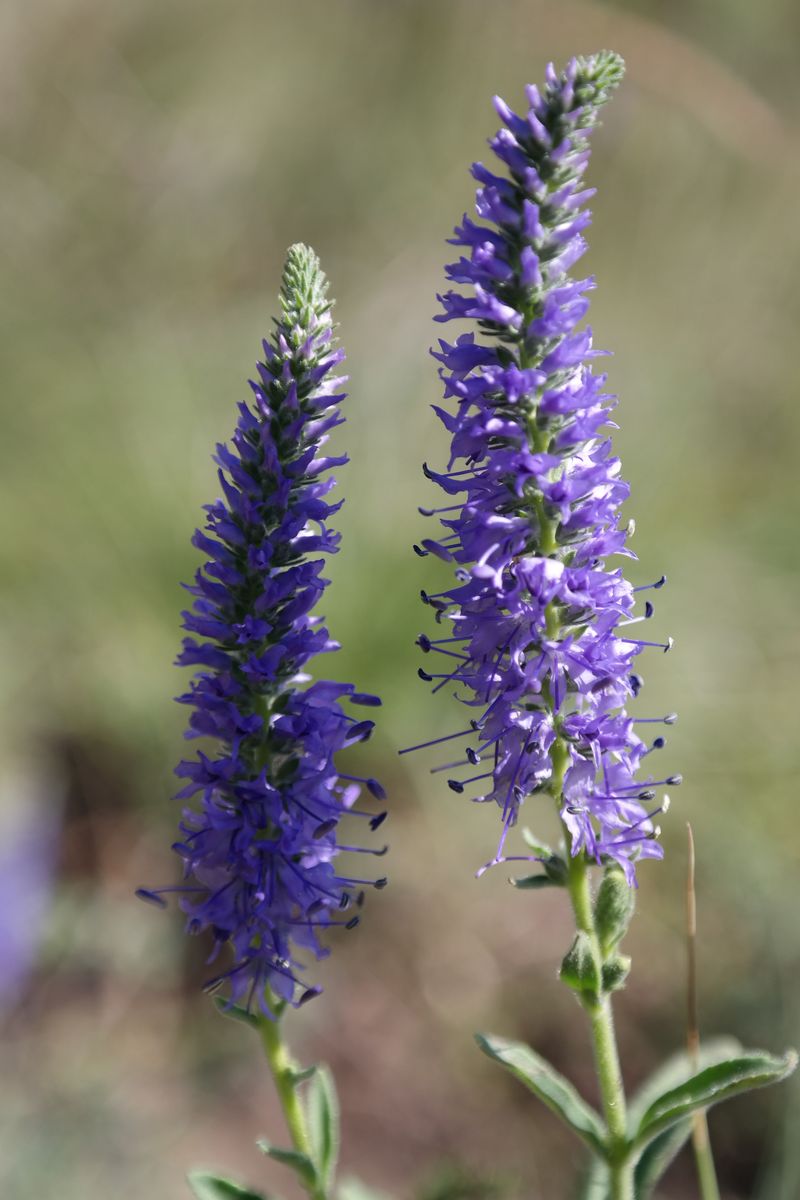
Veronica, also called speedwell, is one of the most underrated perennials for fall color in Kentucky gardens. Those slender, upright flower spikes in shades of blue, purple, and pink are genuinely hard to beat.
After the summer bloom fades, the spikes turn brown and the plant can look unkempt pretty fast. A trim right now resets the whole plant and triggers a second round of flowering.
Cut the spent flower spikes back to just above the nearest set of healthy leaves. For most Veronica varieties, that means removing about one-third to one-half of the plant’s height.
New growth typically appears at the base and along the stems within a couple of weeks of pruning. That fresh foliage is compact, tidy, and a much deeper green than the tired summer growth it replaces.
Veronica spicata varieties like Royal Candles and Red Fox are especially good at reblooming after a late-summer trim. Both are commonly found at nurseries and well-suited to the local climate.
Pair fall-blooming Veronica with yellow rudbeckia or orange helenium for a bold, warm-toned combination. That color contrast is eye-catching from across the yard on a crisp October morning.
Water consistently after pruning, especially during dry spells. Veronica has moderate drought tolerance once established, but fresh regrowth needs reliable moisture to develop strong stems and full flower spikes.
Pruning perennials like Veronica in late summer is one of the smartest moves a Kentucky gardener can make for a colorful, rewarding fall garden season.