The Native North Carolina Plant That Helps Keep Soil Cool Beside Brick Steps In Summer
That brick patio radiating heat well past sunset isn’t just your imagination playing tricks. Masonry holds afternoon sun for hours, then slowly releases it into the ground until the soil turns dry and parched.
Few decorative plants survive that kind of punishment for long. Roots scorch, mulch dries into dust, and most flowering plants give up by midsummer.
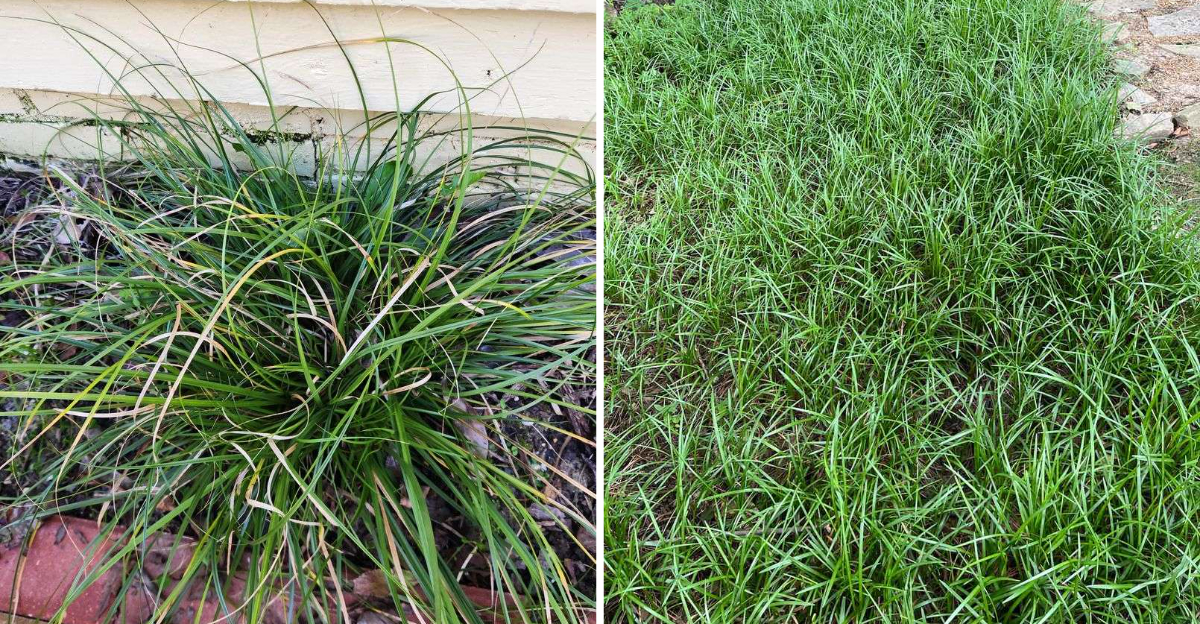
One low, grass-like groundcover thriving across North Carolina gardens handles this exact challenge with ease. Its dense, wiry mats hug the ground and trap moisture beneath a cushion of tiny leaves.
Plant it once along a sun-baked walkway, and the transformation happens almost on its own, cooler soil, steady color, and a patio edge that finally holds its own against summer heat.
Spreading Sedge Was Built For Shaded Woodland Floors

Spreading sedge did not start its life in a garden catalog. It evolved on the shaded floors of North Carolina forests, where light is scarce and competition is fierce.
Carex laxiculmis, its scientific name, grows naturally in the rich, shaded woods of the region. It thrives where most ornamental plants simply give up.
That woodland origin is exactly what makes it so effective beside brick steps. The plant is hardwired to handle low light, dry spells, and shallow rocky soil.
Its root system spreads horizontally, weaving through the top layer of earth like a living net. That spreading habit is not accidental; it is a survival strategy built over thousands of years.
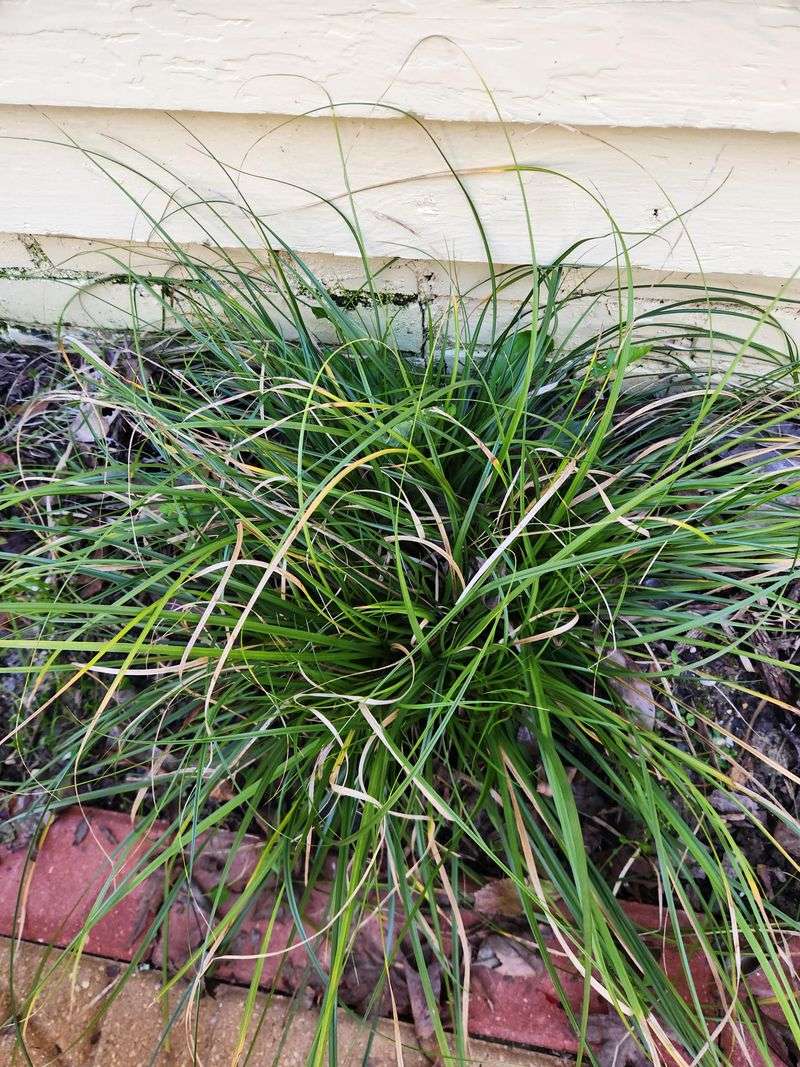
The blades of spreading sedge arch outward in a soft fountain shape. Each blade stays close to the ground, rarely topping eight inches in height.
That low profile creates a dense canopy of green that sits right on the soil surface. Very little heat reaches the soil because sunlight rarely makes it that far down.
Many North Carolina gardeners first discover this plant by accident, noticing it growing wild along a shaded path. Once they see how reliably it spreads and stays green, they start transplanting it on purpose.
Native plant nurseries across the state carry it in small pots that establish quickly. You do not need a green thumb to get spreading sedge growing strong beside your steps this summer.
Its Leaf Canopy Blocks Heat Before It Reaches The Roots
Shade is the first line of defense against North Carolina summer heat in any garden. Spreading sedge delivers that shade right at ground level, where it matters most.
Each arching blade acts like a tiny umbrella, intercepting sunlight before it can warm the soil below. Multiply that effect across hundreds of blades in a single clump and you get serious cooling power.
Shaded soil under a dense canopy can stay noticeably cooler than exposed soil on a hot afternoon. That temperature difference is enormous for roots trying to survive August in the South.
Cooler soil holds moisture far longer than bare ground. When moisture stays in the soil, plant roots stay active and healthy instead of going dormant under stress.
The canopy effect also slows evaporation dramatically. Water from rain or irrigation lingers in the soil beneath spreading sedge instead of cooking off in the afternoon heat.
Your North Carolina Garden Changes Every Week. Your Plan Should Too.
Gardening in North Carolina changes quickly throughout the season. Every Friday you’ll receive a simple weekly plan showing exactly what to plant, prune, fertilize, harvest, and protect so you never miss the right timing.
This native plant beside brick steps in summer creates a microclimate that feels almost sheltered. Nearby plants benefit too, since the cooler zone extends slightly outward from the clumps.
Think of spreading sedge as a living mulch that never needs to be refreshed or replaced. Unlike wood chips, it actively grows and expands its cooling zone season after season.
That self-expanding habit means your soil stays protected longer each year. Plant it once and let the canopy do the hard work of keeping your North Carolina garden cool.
Brick Absorbs And Radiates Heat All Afternoon Long
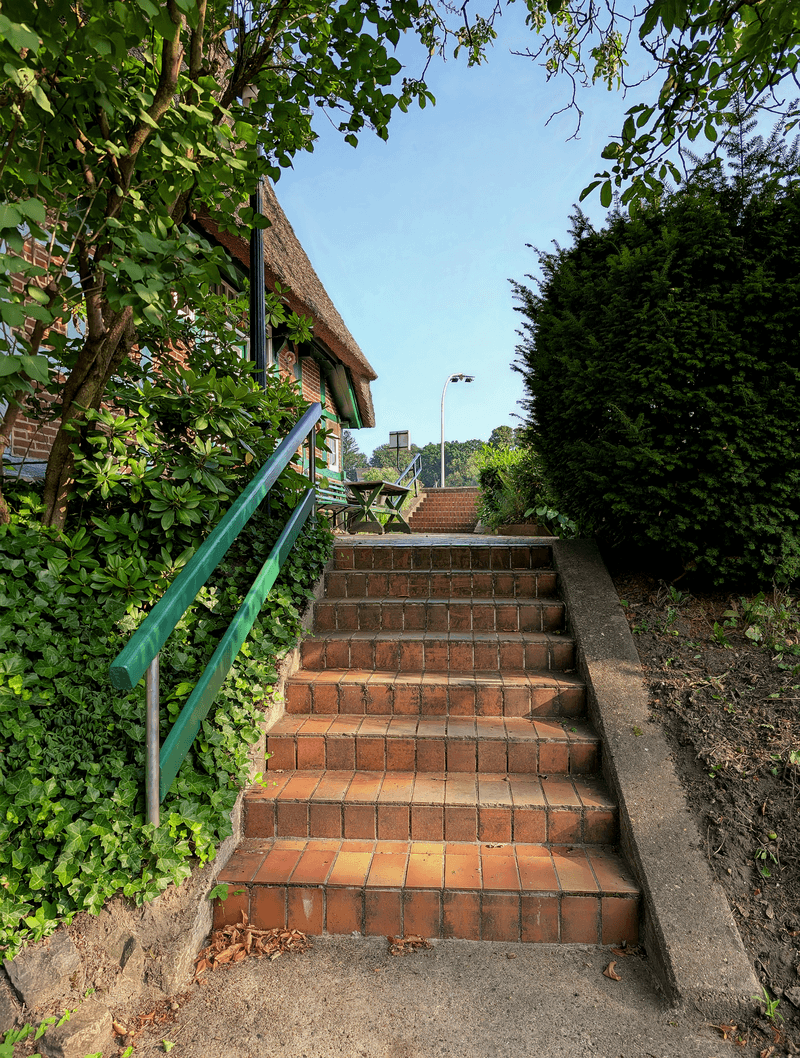
Brick is one of the most heat-retentive materials used in outdoor landscaping. It pulls in solar energy all morning and then releases it slowly through the afternoon and into the evening.
That slow release means the soil right beside your brick steps never really gets a break on a summer day. By late afternoon, the ground next to brick can feel almost hot to the touch.
This is called the thermal mass effect, and it is the same reason brick buildings stay warm long after sunset. In a garden setting, that effect works against the plants growing nearest the structure.
Roots sitting in superheated soil cannot absorb water efficiently. Even if you water regularly, the heat stress can cause plants to wilt, yellow, or simply stop growing.
Brick also reflects light sideways onto whatever is growing beside it. That reflected heat hits plant stems and soil from an angle that regular shade cannot fully block.
Spreading sedge handles this double assault better than most plants. Its dense clumps absorb reflected heat at the blade level before it can reach the soil surface.
The plant’s narrow, upright blades also help it shed heat rather than hold it. That small physical trait makes a measurable difference on a 95-degree afternoon in August.
Knowing how brick behaves in summer helps you choose the right plant for the job. Spreading sedge is one of the few natives tough enough to stand up to that kind of punishment.
Planting It Close Enough To Shade The Base
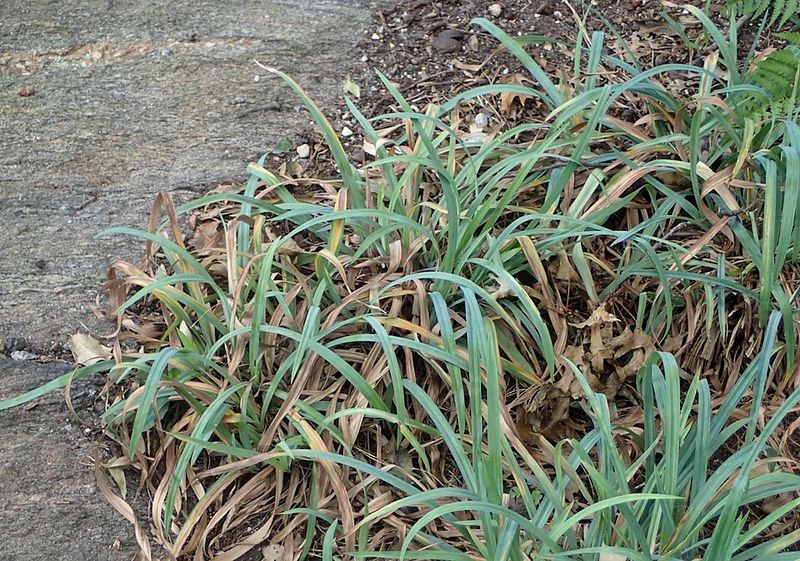
Placement is everything when you are trying to cool soil beside brick steps. Plant too far away and the sedge shades the lawn instead of the problem zone.
The sweet spot is about six to eight inches from the base of the brick. That distance lets the arching blades reach over and shade the soil right where heat is worst.
Spacing individual plants about 12 inches apart encourages them to fill in quickly without crowding. Spreading sedge spreads naturally through rhizomes, gradually closing gaps over time as the clumps mature.
Prepare the soil before planting by loosening it to about four inches deep. Brick foundations sometimes compact the surrounding earth, so breaking that crust gives the roots an easier path to travel.
Mix in a small amount of compost to improve moisture retention. You do not need a lot, just enough to give the new plants a nutritional boost during their first summer.
Water the clumps in deeply right after planting. Firm the soil gently around each root ball to eliminate air pockets that could dry out the roots.
Mulching lightly between the new plants helps hold moisture while they establish. Once the clumps start spreading, you can skip the mulch entirely since the blades will cover the ground themselves.
Getting the placement right from the start saves you from moving plants later. A well-placed row of spreading sedge beside brick steps in summer creates a cooling effect within just a few weeks.
Watering Needs During The Hottest Weeks Of Summer
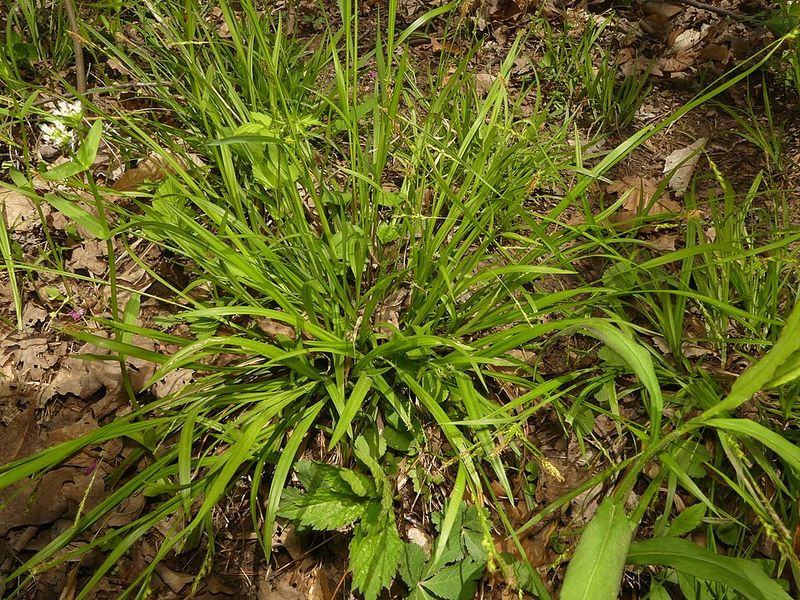
Spreading sedge is tough, but even tough plants need support during the worst heat of North Carolina summer. Knowing when and how to water makes the difference between thriving and barely surviving.
During the first summer after planting, water every three to four days if rain is absent. Established plants need much less attention, but new roots need consistent moisture to anchor themselves.
Morning watering is generally better than evening when temperatures are high. Wet foliage sitting overnight can invite fungal issues, even on a plant as resilient as spreading sedge.
Deep watering consistently outperforms shallow watering. Applying water slowly and letting it soak six inches down encourages roots to grow downward instead of staying near the hot surface.
A soaker hose laid along the base of the planting works beautifully here. It delivers water directly to the root zone without wetting the blades or wasting moisture to evaporation.
Watch the blades for early stress signals. If the tips start curling inward or turning slightly grayish-green, the plant is telling you it needs water before the situation gets serious.
Once spreading sedge is fully established, usually by its second summer, it handles dry stretches with impressive independence. Its woodland roots help it find water in places other plants often miss.
Cutting back on irrigation after the plant matures also saves you time and money. A native plant working beside brick steps in summer should eventually take care of itself almost entirely.
Trimming Back Growth Without Harming The Crown
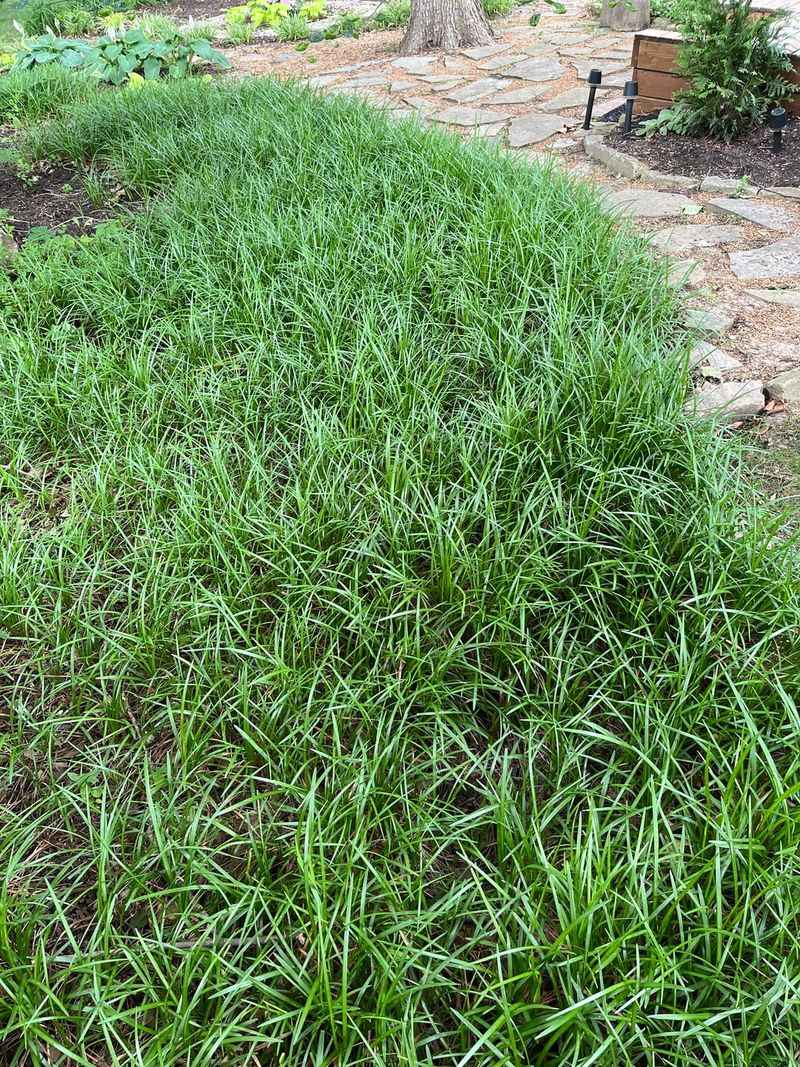
Spreading sedge is low maintenance, but it does benefit from an occasional trim to stay tidy. Knowing how to cut it correctly keeps the plant healthy and attractive year after year.
The best time to trim is late winter or very early spring, before new growth begins pushing up. Cutting at that point removes old or damaged blades without interfering with fresh development.
Use clean, sharp scissors or hand pruners for the job. Dull blades tear rather than cut, leaving ragged edges that can invite disease into the plant’s tissue.
Cut the blades back to about two to three inches above the soil line. Going lower than that risks damaging the crown, which is the dense growing point at the base of the clump.
The crown is the most important part of the plant to protect. Injuring it can slow regrowth significantly or leave sections of the clump unable to recover.
Avoid trimming spreading sedge during active summer heat. Cutting during a heat wave stresses the plant at exactly the wrong moment, removing the blade canopy it needs for self-protection.
After trimming, give the area a light watering to help the plant recover. New blades will emerge within a few weeks, looking fresh and bright green as the season progresses.
Keeping spreading sedge well-groomed beside brick steps in summer means you get maximum cooling benefit with minimum effort. A plant this hardworking deserves a little thoughtful care in return.