Pine Straw Mistake Most Alabama Homeowners Don’t Know They’re Making
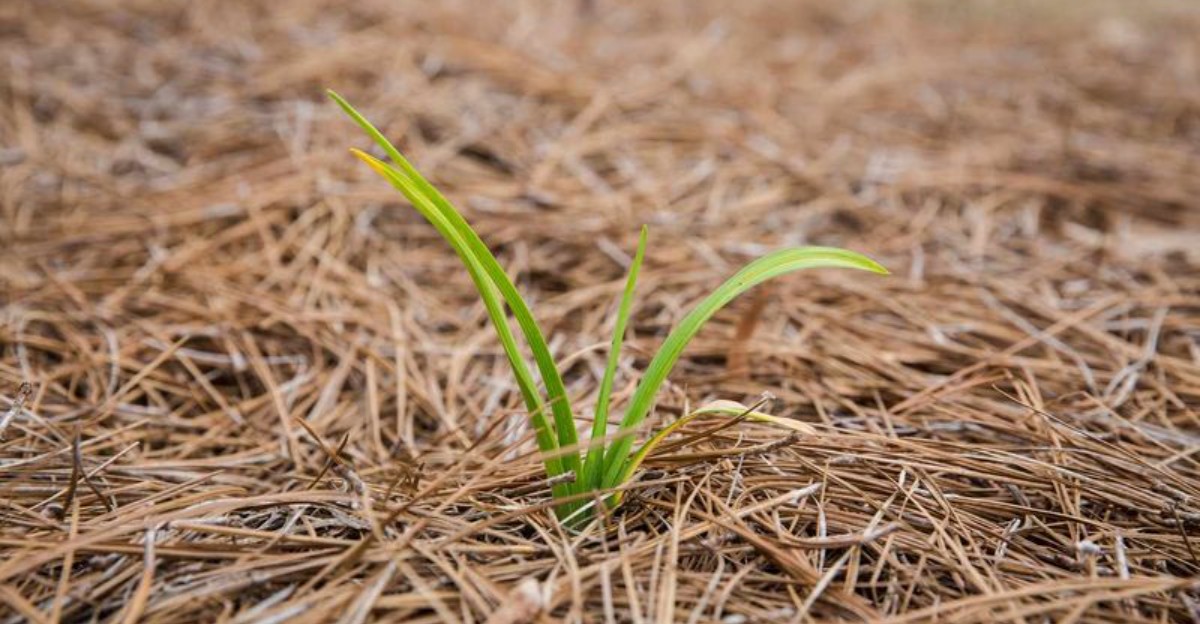
Longleaf pine needles can stretch over a foot long, and that size makes them famous among Southern mulch lovers. Many yards in Alabama rely on bales gathered from pine forests across the Southeast, often raked by hand.
That golden carpet looks simple to spread, yet small habits change how well it performs in your beds. I watched my own azaleas struggle one summer before I realized my mulching routine needed a serious rethink.
You might notice weeds poking through, ants marching near your siding, or beds that look scruffy after one storm. Turns out most of those headaches come from tiny choices that feel harmless while you shake out each bale.
A little research gave me fresh respect for this humble Alabama staple and the quiet ways it can backfire. So which of these sneaky slipups might be hiding in your flower beds right now?
1. Pine Straw Piled Too Deep Around Shrubs
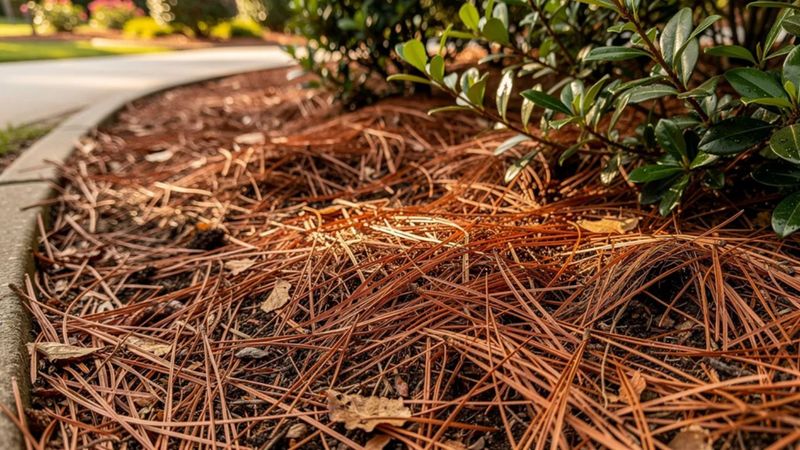
Depth matters more than most folks expect, because a few extra inches can turn helpful mulch into a soggy trap. I once buried my boxwoods in pine straw in my Alabama yard and wondered why the lower branches looked so sad by midsummer.
Too thin a layer lets sunlight reach weed seeds, so crabgrass and chickweed sprout happily through the gaps. Too thick a layer holds extra moisture against stems, which is a real problem in Alabama’s humid summers, and gives voles and insects a cozy place to hide.
Extension experts generally suggest about two to three inches for a brand new bed of loose pine straw. Pine needles settle quickly after rain, so a fluffy fresh layer will often shrink down within a few weeks.
For older beds, a light top-off of one or two inches usually keeps things neat without piling up. You can poke a finger down to the soil and measure before adding more, which saves money on extra bales.
Keep the straw pulled back a few inches from trunks and shrub stems so bark can stay dry. Mulch volcanoes around trees invite rot and pests, and they look odd once you start noticing them in parking lots.
I now spread my bales with a light shake and check the depth with a simple ruler or garden trowel. That small habit saves my shrubs from trouble and helps one bale stretch farther across the whole bed.
2. Pine Straw Pushed Right Up Against The House Foundation
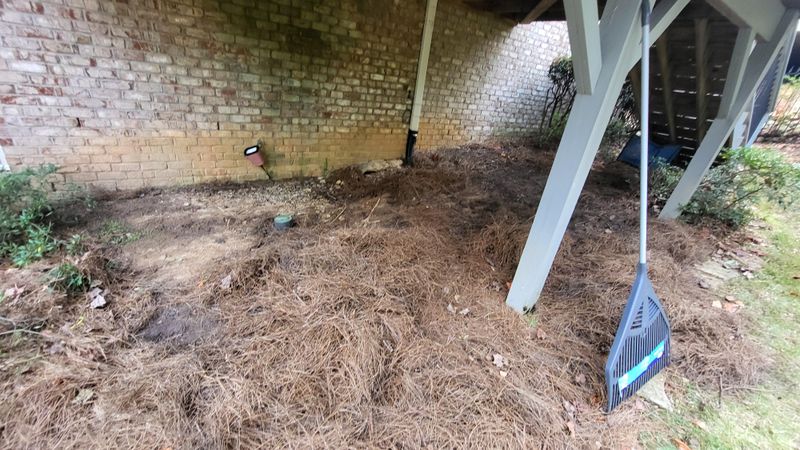
Termites love a hidden doorway, and loose straw stacked against brick can give them exactly that kind of secret entrance. Pine needles do not feed termites much, yet the shade and moisture underneath make travel easier for them.
Ants, roaches, and earwigs also enjoy that damp shelter right beside your siding and crawlspace vents. I learned this when a parade of ants appeared on my kitchen counter after I mulched snugly along the back wall.
Pest control pros often recommend leaving a clear strip of several inches to a foot between mulch and walls. That gap lets inspectors spot termite mud tubes and lets the foundation dry out quickly after a heavy rain.
Gravel or bare soil works nicely for that strip and still looks tidy beside a pine straw bed. You can also slope the strip slightly away from the house so rainwater drains outward instead of pooling near the slab.
Watch out for straw covering weep holes in brick veneer, because those small openings need airflow to work properly. Keeping them clear helps moisture escape from behind the brick and reduces the chance of hidden wood damage over time.
Native subterranean termites are common across the South, so regular inspections are smart for most homeowners here. A little breathing room around your foundation makes those checkups easier and gives you more peace of mind each spring.
3. Fresh Pine Straw Spread Over Existing Weeds
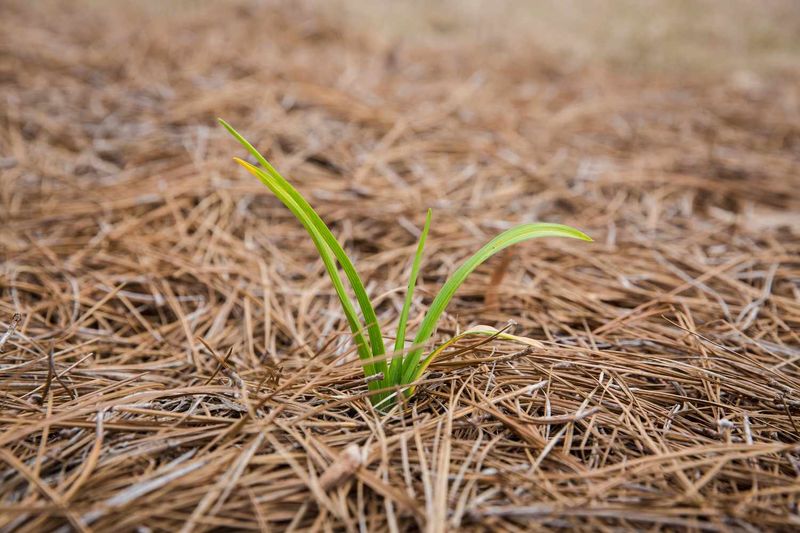
Smothering weeds sounds clever, but established bermudagrass and nutsedge laugh at a few inches of pine needles. Those tough plants already have roots and energy, so they often punch right through the fresh layer within weeks.
Mulch works best at stopping new seeds from sprouting, because it blocks the light those tiny seeds need. That means the soil should be clean before you shake out a single bale across your beds.
I spend an afternoon pulling weeds by hand after a soaking rain, when the roots slide out much more easily. A sturdy hand weeder or hori-hori knife helps with deep taproots like dandelions and pesky wild onions.
Rake away old leaves and twigs too, since that debris can hide weed seeds and slugs underneath. You want the new pine straw sitting on clean soil so it can settle evenly and look smooth.
Some gardeners also use a pre-emergent product on clean soil, following the label directions carefully around their ornamental plants. Check that the product is safe for your specific shrubs and flowers before you sprinkle anything near tender roots.
Spotting a stray weed later on is normal, so pull it quickly before it sets seed and spreads around. Regular quick patrols take only minutes and keep your beds looking fresh much longer than one big cleanup.
4. Brown Pine Needles Rarely Change Soil Acidity
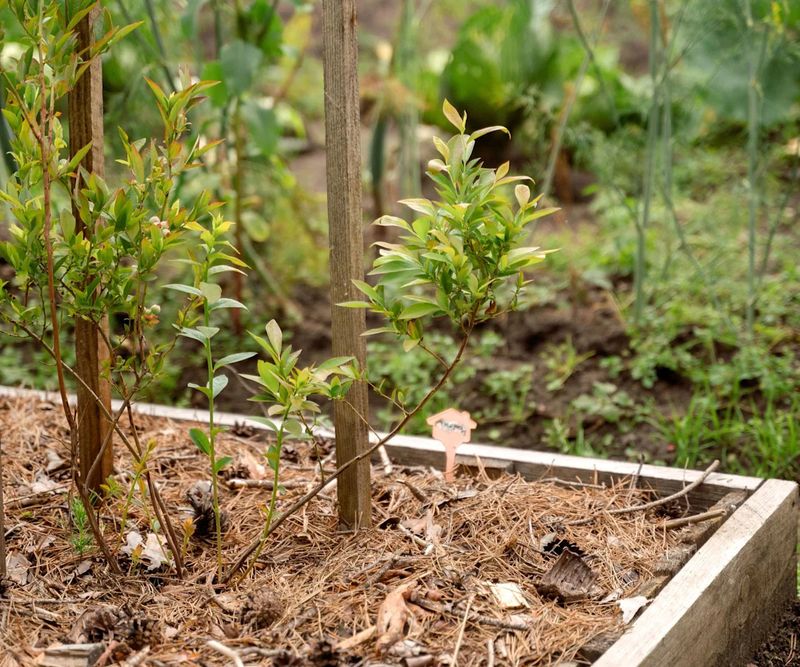
Plenty of gardeners swear pine needles turn soil sour, but research tells a much calmer and more surprising story. Fresh green needles are fairly acidic, yet the brown needles sold in bales have mostly mellowed by the time they arrive.
As pine straw breaks down slowly, soil microbes and minerals buffer the small amount of acid it releases. Studies from several extension services found little measurable change in soil pH under pine needle mulch over time.
That means you can use pine straw around vegetables and lawn edges without worrying much about souring the ground. I happily tuck it around my tomatoes, and they have never complained about any acid trouble from the needles.
Azaleas, camellias, and blueberries do prefer acidic soil, which many Southern yards already provide naturally from the start. If a soil test shows your pH runs too high, elemental sulfur works far better than piling extra mulch on top.
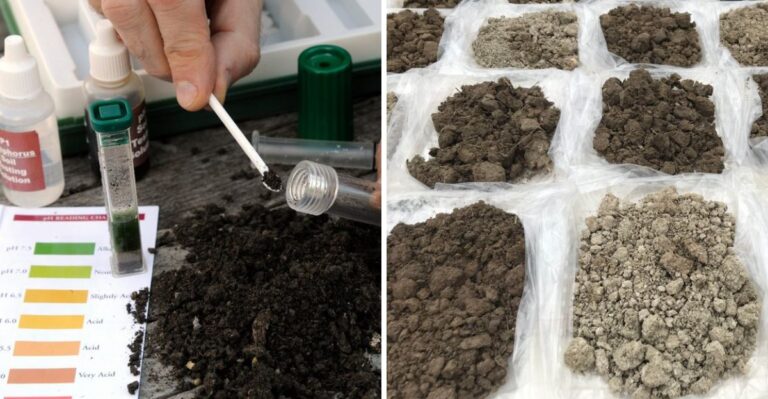
Your county extension office offers affordable soil testing, and the results arrive with clear advice for your specific plants. Testing every few years helps you skip guesswork and buy only the amendments your garden actually needs right now.
Pine straw still earns its place for weed control, moisture savings, and that warm rusty color it adds to beds. Just enjoy it for those perks rather than expecting it to work like a chemical soil treatment.
5. Dry Pine Straw Near Homes Can Catch Fire Fast
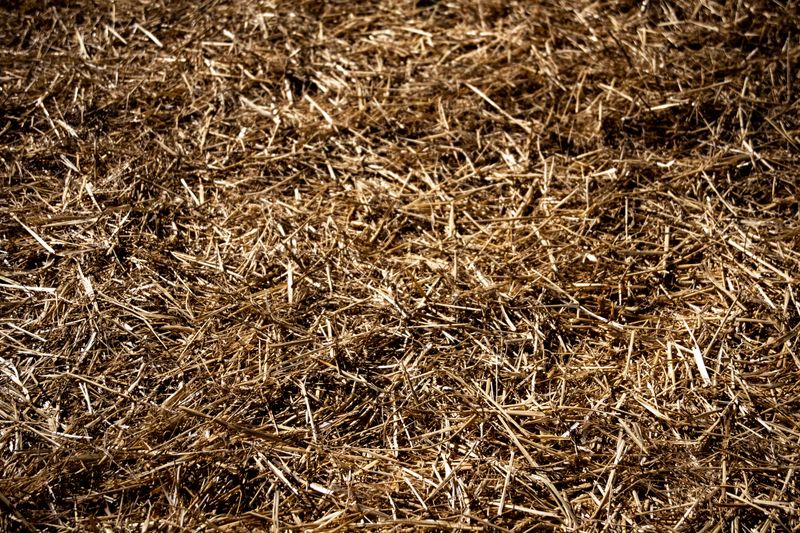
Dry pine needles catch a spark surprisingly fast, which is why foresters sometimes call them fine fuel for wildfires. That same quick ignition can happen in a landscape bed during a long dry spell with gusty afternoon winds.
Fire safety studies comparing mulches found pine needles among the quickest to ignite and spread flames across a bed. A tossed cigarette or stray grill ember can start smoldering straw before anyone on the porch even notices it.
Wooden decks, fences, and vinyl siding sit right beside many mulch beds, so that risk deserves real attention. I moved my pine straw away from the deck after reading wildfire guidance, and I sleep a bit easier now.
Many fire experts suggest using rock, gravel, or other nonflammable materials within a few feet of the house walls. Pine straw can then fill beds farther out, where it still looks beautiful without hugging your wooden trim.
Watering mulch during droughts helps a little, but the needles dry out again quickly on hot summer afternoons. Keeping grills, fire pits, and smokers well away from straw beds is a simple habit that lowers your risk.
Burn bans happen during dry autumns across the Southeast, so pay attention to local fire advisories each year. Being thoughtful about placement lets you enjoy the look of pine straw while keeping your home and family safer.
6. Loose Pine Straw Edges Need A Tidy Tuck
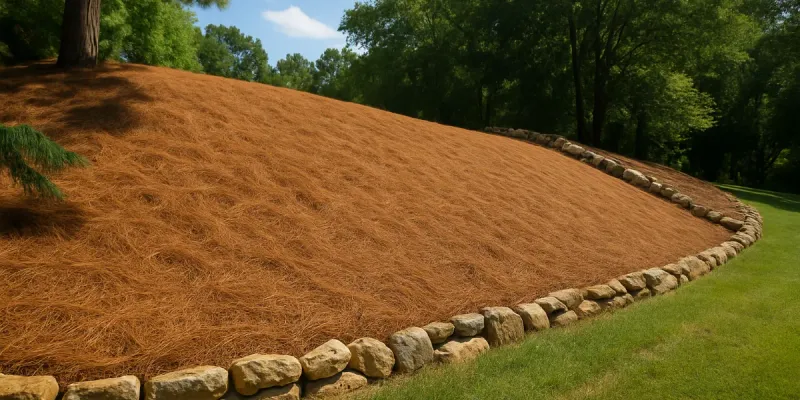
Crisp edges are the secret handshake of professional landscapers, and pine straw looks wildly better when the borders get tucked. Loose needles sprawling into the lawn make a fresh bed look messy, even right after you finish spreading.
Tucking simply means pushing the outer edge of straw downward with a rake or shovel blade along the border. The needles fold under slightly, creating a rounded edge that looks clean and holds its shape much longer.
I started tucking after watching a landscaping crew work along a church parking lot, and the difference amazed me. My beds suddenly looked crafted instead of tossed together, and the neighbors began asking who did the work.
Tucked edges also help needles knit together, so wind and heavy rain move them around a lot less. On slopes, this interlocking helps keep mulch from washing down into sidewalks and storm drains after summer storms.
Cutting a shallow trench edge with a flat spade gives the tucked straw a natural pocket to rest inside. That trench also slows lawn grass from creeping sideways into your shrub beds, which saves weeding time later.
Give the edges a quick touch-up after big storms or leaf blowing sessions, since needles can shift around. Five minutes with a rake restores that sharp line and keeps your yard looking cared for all season long.
7. Spreading Pine Straw At The Wrong Time Of Year
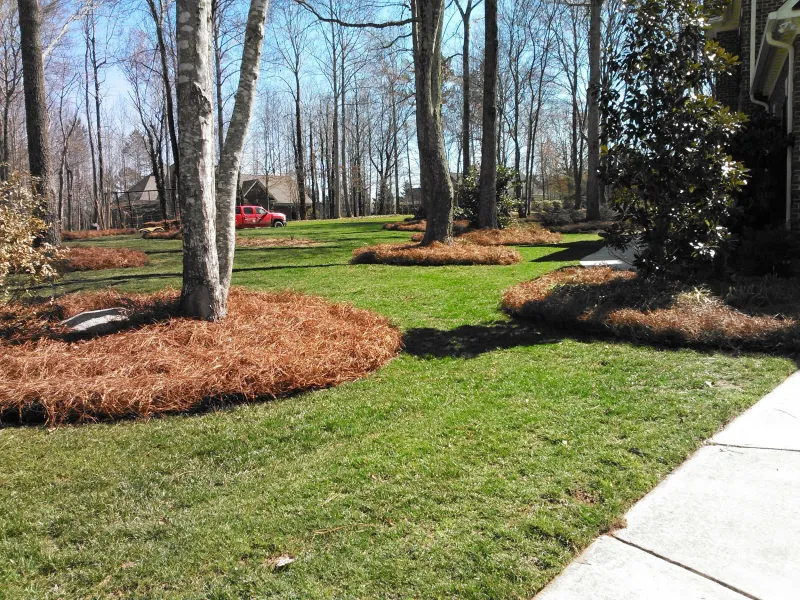
Timing can quietly decide whether your mulch blocks weeds or simply decorates a bed full of baby sprouts. Pine straw can go down almost any month, but certain windows give you noticeably better results in the South.
Late winter into early spring is a smart time, before summer weeds germinate as the soil warms up. A fresh layer then also holds moisture heading into the hot, humid months when beds dry out very quickly.
Fall is the other favorite window, when a refreshed layer helps insulate roots against occasional cold snaps. Many Alabama gardeners mulch from October into early winter, after leaves drop and beds have been cleaned up.
I used to wait until late May, and by then the weeds had already settled in comfortably. Now I mark my calendar for spring and fall refreshes, and my beds stay much cleaner between those two dates.
Pine straw fades from reddish brown to gray as it ages under strong Southern sunshine over several months. Many homeowners refresh it once or twice each year to keep color bright and coverage at a helpful depth.
Watch the weather too, since spreading straw right before a big storm can scatter your hard work everywhere. A calm, dry day makes spreading easier and lets the needles settle together before the next rain arrives.
8. Landscape Fabric Hidden Under Pine Straw Beds
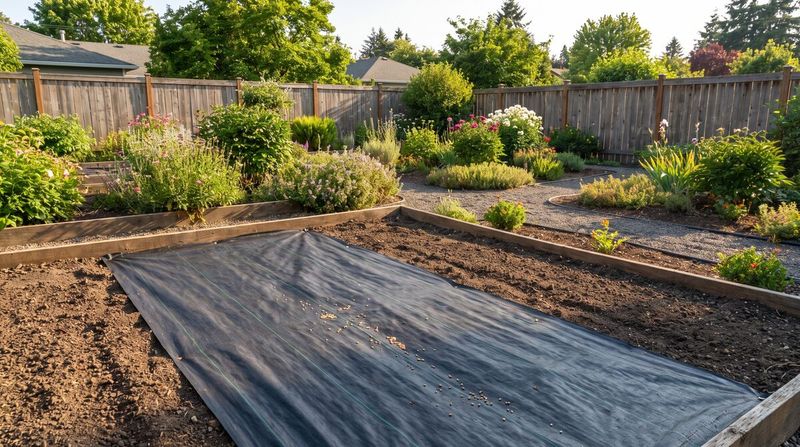
Black plastic fabric under mulch seems like double protection, yet it often creates a frustrating mess within a few seasons. Pine straw slowly breaks down into organic matter, and the fabric blocks that goodness from reaching your soil.
Earthworms and helpful microbes love decomposing needles, but they cannot pull them down through a woven barrier. Your soil stays hard and lifeless underneath while a thin layer of compost builds up on top of the fabric.
Weed seeds then land in that compost layer and sprout happily, sending roots right into the fabric holes. I spent one miserable weekend ripping tangled fabric out of a bed, and I will not repeat that chore.
Many extension specialists suggest skipping fabric in shrub and flower beds where you plan to use organic mulch. Fabric works better under gravel paths, where no organic layer is meant to break down and feed the ground.
Placing pine straw directly on weeded soil lets it improve structure and moisture over time as it decays. A few sheets of plain cardboard underneath can help smother tough spots, and they break down naturally within months.
Your plants will often show the difference through healthier growth and better water absorption after rainstorms roll through. Letting nature handle the recycling job keeps your beds easier to manage and your soil richer each year.