Not Every Christmas Decoration Is Welcome In Las Vegas HOA Neighborhoods This Year
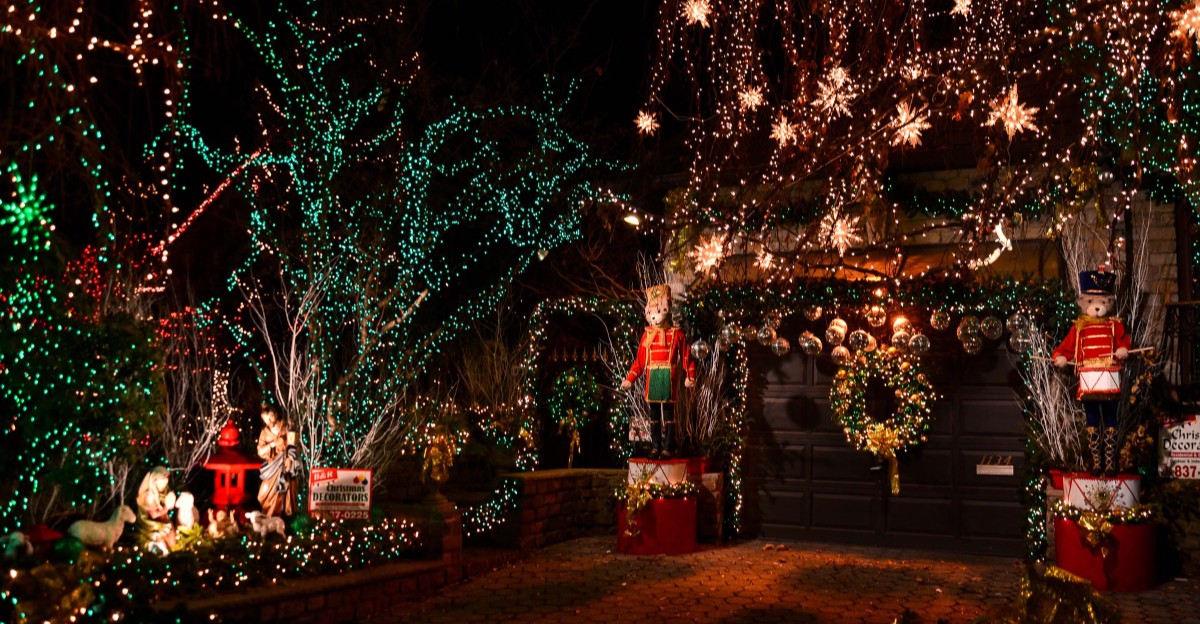
A wreath on your front door can come with a size limit in some neighborhoods. In parts of Las Vegas, the rules even spell out which day your twinkle lights must go dark.
I’m the first to admit I get carried away every December. My porch usually looks like a craft store exploded, and I love every inch of it. Guilty as charged on the inflatable reindeer, too.
Funny thing is, one of the biggest holiday-related changes to Nevada HOA rules has nothing to do with lights. Clear skies, mild afternoons, and long nights give lights a real stage. Yet a homeowners association can still send a polite letter if your display breaks the rules.
Nevada also added a fresh twist in 2025 that changes what some associations are allowed to ban. So which of your favorite decorations are safe, and which ones might earn a notice before New Year’s Day?
Those Twinkle Lights On Your Roof Might Come With A Calendar Attached
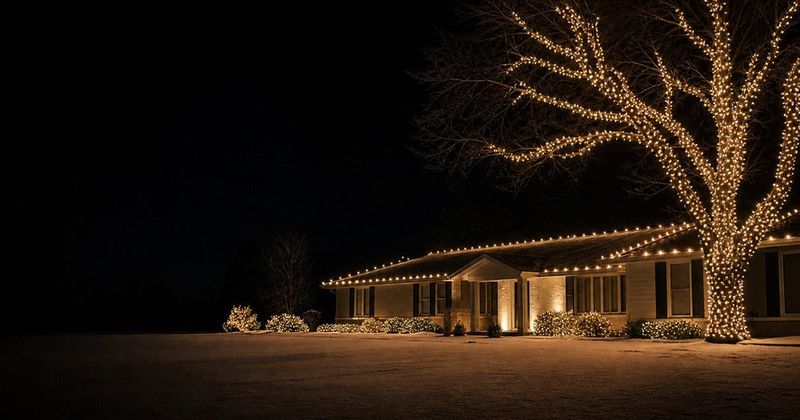
Every December, I swear I’ll take the lights down on time, and every January I’m on a ladder late. Many Las Vegas homeowners associations put that habit on paper. Their rules often set a window for when holiday decorations can go up and when they must come down.
A common pattern allows displays about 30 days before a holiday. Removal is usually expected within two to four weeks afterward, though the exact dates vary from one community to the next. Some associations list specific dates, like November 15 through January 15.
Missing that window by a few days rarely sparks a huge fight. Still, it can trigger a courtesy letter, and repeat issues may lead to a formal violation notice.
The desert gives you a helpful edge here. Las Vegas winters are mild and mostly dry, so taking lights down in early January is far easier than it is in snowy states. Pick a sunny afternoon, grab a helper, and knock it out.
A quick tip from my own mistakes: write your HOA’s removal date on the box you store your lights in. Next year, you’ll see it the moment you start decorating, and future you will be grateful.
Giant Inflatable Santas And Snowmen May Land On The Naughty List
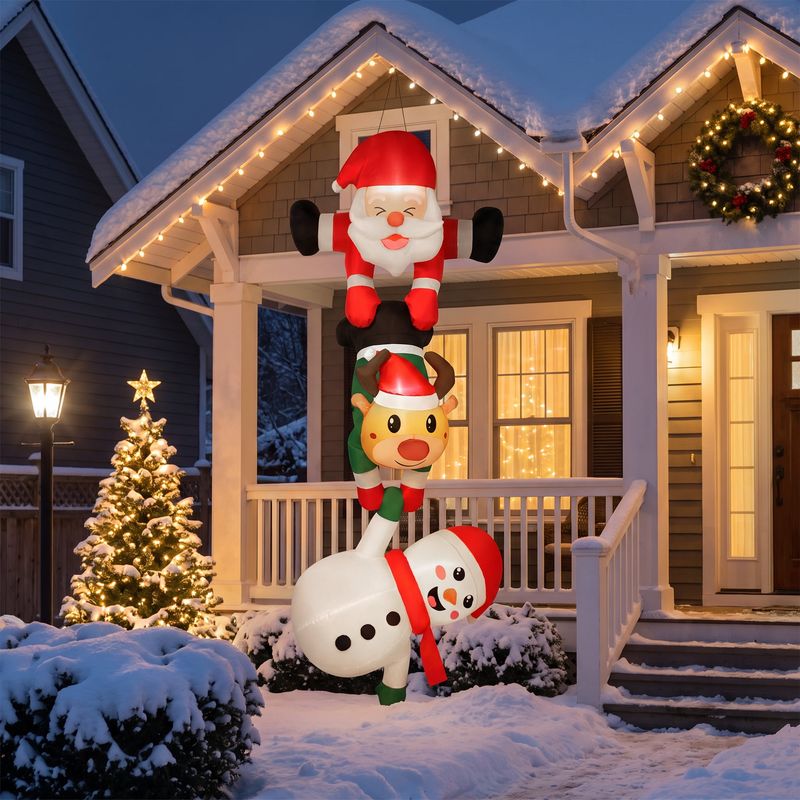
Don’t laugh, but my first inflatable Santa ended up face-down in the neighbor’s rock garden. Winds in the Las Vegas Valley can be gusty, and a big blow-up figure acts like a sail. That is one reason some associations limit or restrict large inflatables.
Rules vary widely. Some HOAs allow inflatables only in the backyard or below a certain height, while others ask that they stay off sidewalks and away from neighbors’ sightlines. A few communities simply prefer a more uniform look along the street.
Read your CC&Rs and any posted holiday guidelines before you buy that twelve-foot snowman. If inflatables are allowed, anchor them well with every stake and tether that came in the box. Rocky desert soil and gravel yards can make stakes slip, so sandbags or weighted bases are a smart backup.
Switch them off and let them deflate during wind advisories from the National Weather Service in Las Vegas. Your figure lasts longer, and nobody wakes up to a runaway reindeer on the roof.
Also keep cords tidy and out of walkways. A tripping hazard is one of the fastest ways to get a complaint, holiday spirit or not.
Religious Items On Your Front Door Have New Protections
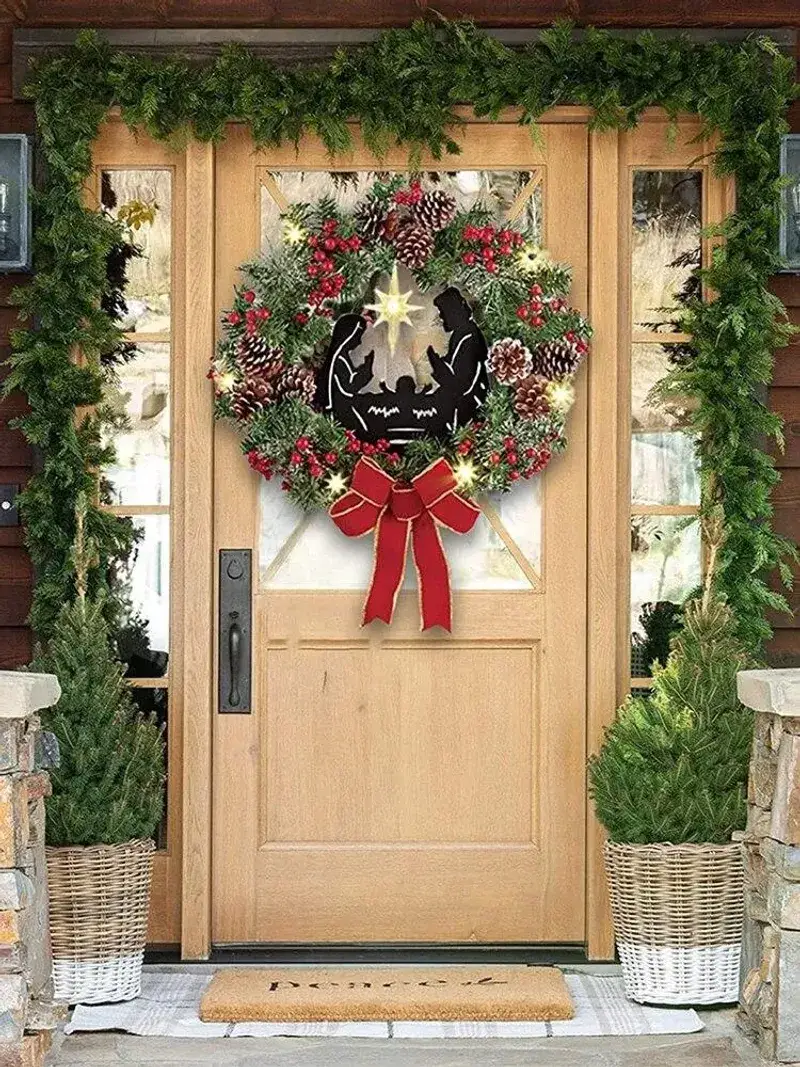
Funny thing is, one of the biggest holiday changes in Nevada this year has nothing to do with lights. State lawmakers passed Senate Bill 201 in 2025, and it took effect on July 1, 2025. It limits how associations can restrict religious and cultural displays on an owner’s entry door or doorframe.
That covers small religious or cultural items, such as a cross, placed on your front door or doorframe. The law still allows reasonable limits on size and safety. One reported example lets an entry display measure up to 36 by 12 inches.
Associations can still step in when a display blocks access, creates a hazard, or breaks other neutral rules. So the law protects your right to express faith, but it does not mean anything goes.
My advice is simple. Measure before you hang, keep pathways clear, and save a copy of the law’s details or a news article about it. If you get a notice that seems to conflict with the new protections, respond politely in writing and ask the board to explain its reasoning.
Laws can also be updated or interpreted differently over time. A quick call to the Nevada Real Estate Division’s ombudsman office can clear up questions.
Permanent Roofline Lights Often Need Architectural Committee Approval

Not going to lie, those app-controlled roofline lights are tempting. One install, and you can glow red and green in December and orange for Halloween. Many Las Vegas HOAs, though, treat these systems as a permanent change to the outside of your home.
That usually means you need approval from an architectural review committee before installation. The committee may look at track color, mounting style, and whether the fixtures blend with your stucco or tile roof.
Even after approval, some associations set rules for how the lights are used. A steady warm white glow might be fine year-round. Colorful chasing patterns may be limited to specific holiday periods.
Skipping the approval step can get pricey. An HOA could ask you to remove the system, which means paying for the install and then paying again to undo it.
Ask your installer whether they have worked in your community before. Many local companies know the common rules and can help prepare a submission with photos and product details.
Submit early, since committees often meet monthly. Applying in late summer gives you plenty of time before the holidays roll around, with no last-minute scramble.
Blinding Spotlights And Blaring Holiday Music Can Spark Neighbor Complaints
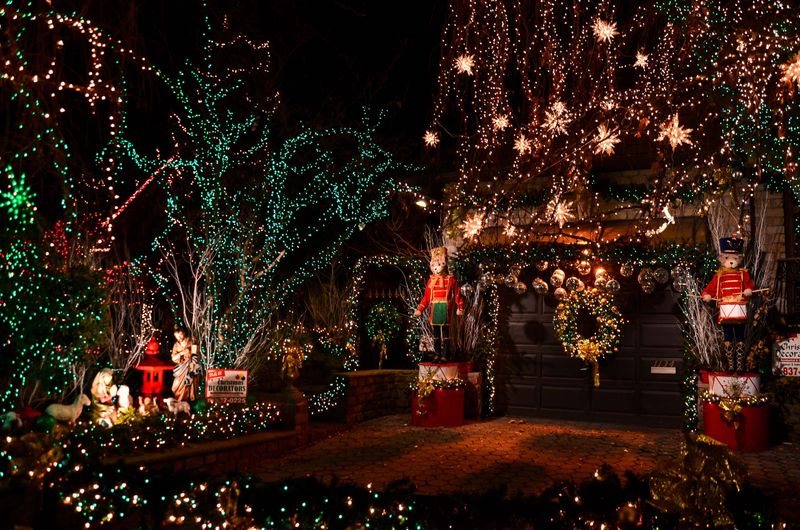
Ever lived next to a light show synced to blaring music at 11 p.m.? Neighbors in the Las Vegas Valley have, and that is why many HOAs regulate brightness, sound, and running hours. Some guidelines suggest turning displays off by a set time, often around 10 p.m. or midnight.
Flashing strobes and spotlights aimed at windows are frequent sources of complaints. Point floodlights at your house, not across the street. Warm, steady lights tend to keep the peace better than rapid flashing.
Musical displays deserve extra care. An FM transmitter lets visitors tune in through their car radios, so speakers can stay quiet or turned low.
Placement matters too. Your decorating rights generally stop at your property line, and common areas like entry monuments, medians, and shared walls belong to the association. Hanging lights on a shared block wall can stir up trouble with both the HOA and the neighbor on the other side.
A simple outdoor timer solves most of these problems for a few dollars. Set it once and stop worrying about forgetting at bedtime.
Chatting with nearby neighbors before a big display also helps. A friendly heads-up goes a long way.
An HOA Violation Letter Taped To Your Door Doesn’t Mean Instant Fines
Getting an HOA letter in December feels a bit like finding coal in your stocking. If your decorations break the rules, most associations start with a friendly reminder. Ongoing problems can escalate to formal warnings and fines.
Nevada law adds protections for homeowners. Under the state’s common-interest community statutes, an association generally must give you written notice and a chance for a hearing before it imposes a fine. That hearing is your opportunity to explain your side or ask for more time.
Respond quickly and in writing. Fixing the issue fast, like moving an inflatable or adjusting a timer, often ends the matter before any penalty appears.
Keep records, too. Photos with dates, copies of letters, and notes from phone calls can help if a dispute drags on.
If you think a rule is being applied unfairly, check whether neighbors with similar displays received notices. Uneven enforcement is worth raising politely at a board meeting.
For bigger disagreements, the Nevada Real Estate Division offers resources through its Office of the Ombudsman for Common-Interest Communities. Staff there can explain the process. Calm, polite communication rarely backfires and usually saves everyone a headache.
Read Your CC&Rs Before Hanging Lights On That Palo Verde Tree
I get it, reading CC&Rs is nobody’s idea of a holiday tradition. Still, ten minutes with your community’s documents can spare you a month of back-and-forth. Look for holiday rules in the CC&Rs, the bylaws, and any separate rules or architectural guidelines.
Many associations post these documents on a resident portal or share them in a holiday newsletter each fall. If you cannot find them, email your management company and ask for the current holiday decoration policy.
Make a short checklist as you read. Note display dates, size limits, inflatable rules, quiet hours, and any approval steps for permanent fixtures.
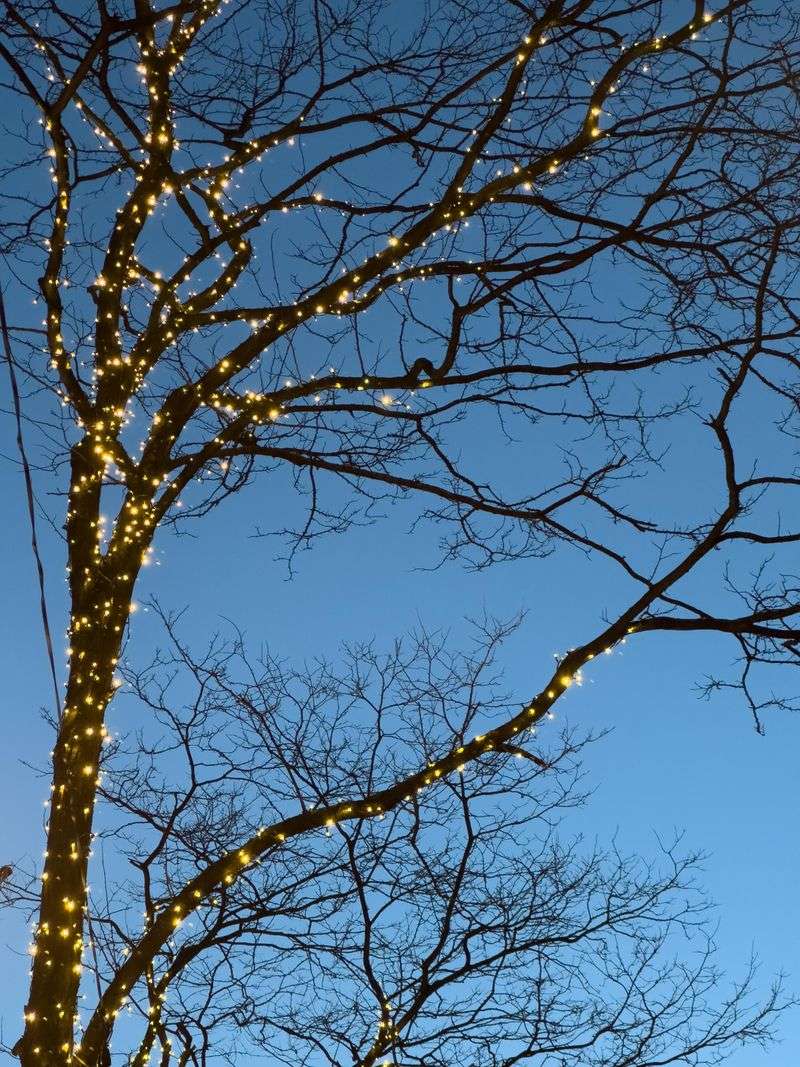
Then plan your display around it. A rule-friendly setup can still be gorgeous, with luminarias along a desert-landscaped path, a lit potted rosemary tree by the door, or warm white lights wrapped around a palo verde trunk.
Rosemary handles Las Vegas winters well, and it smells wonderful when guests brush past. After the holidays, plant it in a sunny, well-drained spot where it can keep growing for years.
If a rule feels outdated, get involved. Attend a board meeting or join the architectural committee, and help shape next year’s guidelines for everyone.