Pine Straw Mistakes Georgia Homeowners Make
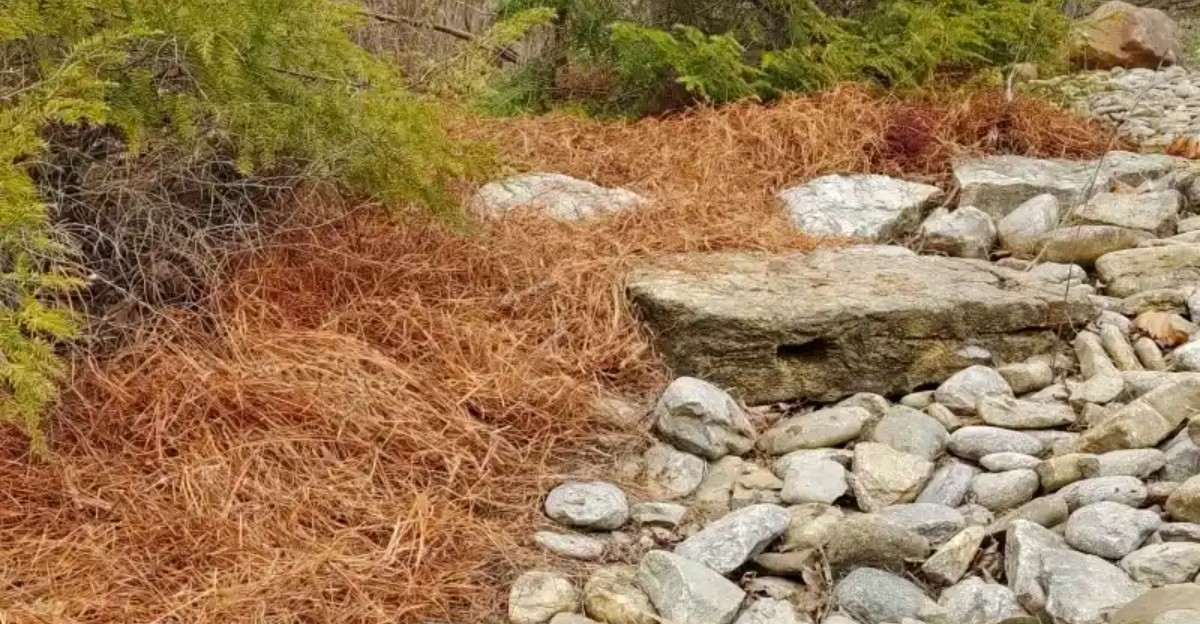
Longleaf pine needles can stretch past a foot long, and south Georgia farmers rake them into tidy bales.
Those bundles travel to flower beds across the South, where they often get spread in surprisingly clumsy ways.
I have to admit my first attempt looked lovely for about two weeks before the weeds staged a comeback. The golden layer smelled like a warm forest walk, yet something underneath clearly was not working the way I hoped.
You might notice the same patchy beds while driving through local neighborhoods every spring and fall season. Most of those problems come from small habits that are easy to fix once you spot them.
I bet at least one of these slips will make you wince a little when you recognize your own yard.
Which simple habit is quietly costing your beds their tidy look and your wallet some extra cash this year?
1. Thin Pine Straw Layers Let Weeds Sneak Through
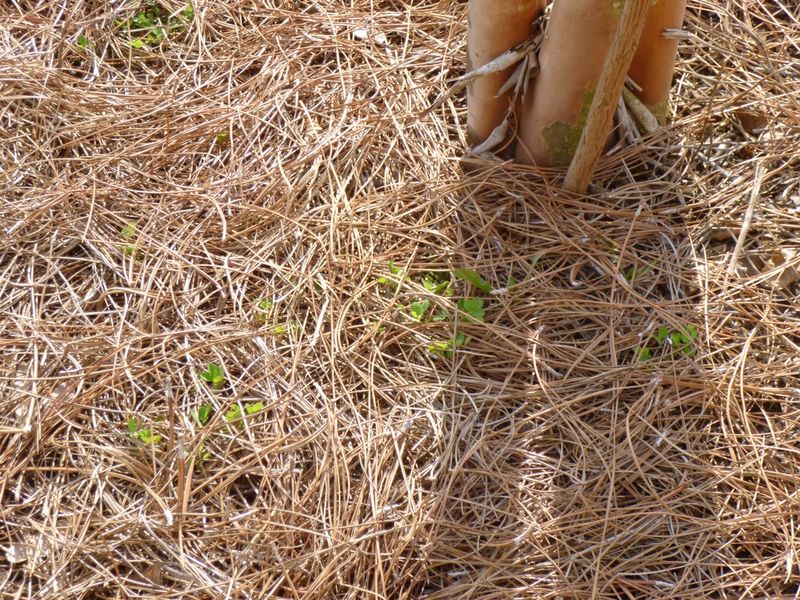
Nothing deflates a weekend project faster than spotting crabgrass poking through your brand new pine straw within a month.
I learned that thin, pretty layer was basically an open window for every weed seed in the bed.
UGA Extension specialists generally suggest a settled depth of about two to three inches for garden beds. Fresh straw is fluffy, so you often need to pile it closer to four inches before it relaxes.
A skimpy coat lets sunlight reach the soil, and sunlight is exactly what sleeping weed seeds are waiting for. Thin coverage also dries out quickly, which means your shrub roots lose the moisture buffer you paid for.
Summer heat in the South can bake bare soil, and roots near the surface feel that stress first. A proper layer acts like a sun hat for the ground, keeping temperatures steadier through long afternoons.
Personally, I check depth by pushing a finger down until I hit soil, then eyeballing my knuckles. If the straw barely covers my first knuckle, I know the bed needs another bale or two.
One bale typically covers somewhere around forty to fifty square feet, depending on needle type and bale size. Measure your beds before shopping so you buy enough on the first trip instead of running back twice.
For Georgia homeowners, topping off a thin layer each spring is far cheaper than pulling weeds by hand all summer.
2. Pine Straw Piled Too Deep Smothers Shrub Roots
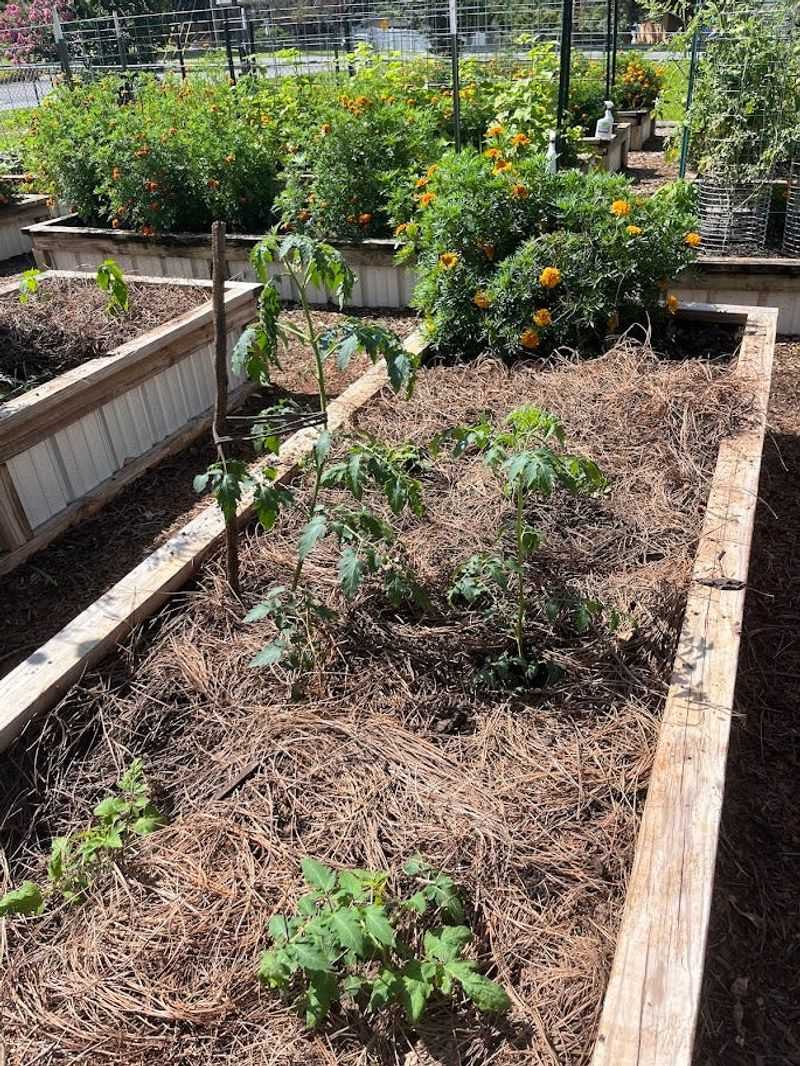
More mulch feels generous, like adding extra frosting, but plant roots see a towering pile very differently. Roots need oxygen just as much as water, and a giant heap of needles can slowly choke that supply.
Each year many of us toss fresh bales right on top of last season’s layer without checking the depth. After a few rounds, the bed can hold six or more inches of straw sitting heavily on the soil.
Deep layers trap moisture near the surface, especially during humid stretches when rain falls almost every afternoon.
Soggy conditions like that can encourage root rot in azaleas and boxwoods, which prefer well drained ground.
In Georgia gardens, overly thick mulch can also coax shallow roots to grow up into the straw instead of the soil. Those roots then dry out fast during a hot spell, leaving your shrubs stressed and droopy.
I like to rake back old straw before adding new, letting me see what is really there. Often the bottom layer has broken down into dark, crumbly material that is wonderful for the soil.
Leave that decomposed layer in place, then add just enough fresh straw to reach about three inches. Any extra old straw can go into a compost pile or under shrubs that look a bit bare.
Treat it as a refresh rather than a brand new pile, and your plants will breathe easier.
3. Pine Straw Heaped Against Tree Trunks Invites Rot
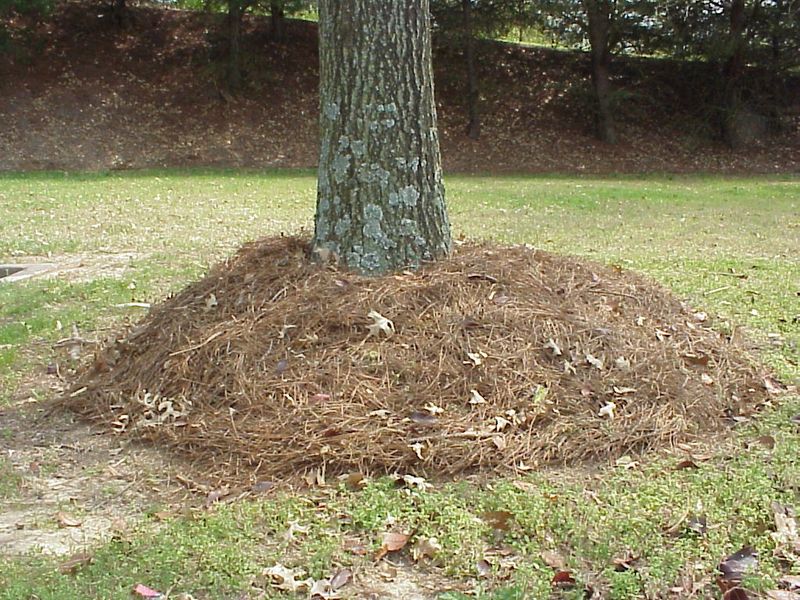
Those cone shaped mounds hugging tree trunks have a funny nickname among arborists, and it is mulch volcanoes. They look tidy at a glance, but the bark underneath stays damp and soft for weeks at a time.
Tree bark is designed to stay dry, and constant moisture against it invites fungal decay and boring insects.
Rodents also love tucking into deep mulch piles, where they may chew bark during cooler months unseen.
Many extension experts recommend keeping mulch a few inches away from trunks, creating a donut instead of a volcano. For shrubs and perennials, pulling straw back about two or three inches from the stems usually works well.
I have to admit I once built a beautiful volcano around a young dogwood and felt very proud. Within two seasons the lower bark looked spongy, and I spent a long afternoon carefully clearing it away.
Exposing the root flare matters too, since that is where the trunk widens as it meets the soil. If you cannot see the flare, gently pull straw back until that natural bulge shows again.
Young trees planted too deep and then buried in mulch often struggle more than you might expect. A quick check each time you refresh beds can catch the problem before lasting harm occurs.
Grab a hand rake, pull the needles outward, and shape a shallow ring around every trunk.
4. Spreading Fresh Pine Straw Over Growing Weeds
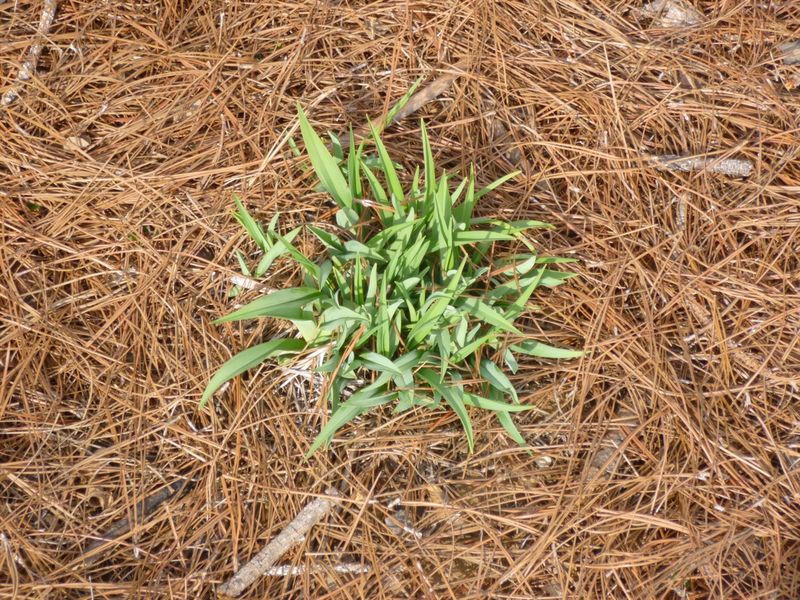
Tossing straw over a weedy bed feels like sweeping crumbs under the rug, and the results are similar. Established weeds simply push upward through the needles and show up again within a couple of weeks.
Mulch works by blocking light from tiny seeds that have not sprouted yet, not by smothering mature plants.
Tough perennials like nutsedge and Bermuda grass laugh at a few inches of loose needles and keep growing.
You need to pull or dig existing weeds first, ideally after a good rain when the soil softens. Roots slide out much more easily from moist ground, and you are more likely to get the whole thing.
Personally, I also rake out old leaves and fallen sticks before the new layer goes down on the bed. A clean start lets the straw lie flat and helps you spot any problems hiding near the soil.
Some gardeners apply a preemergent weed preventer to clean soil before mulching, following the label carefully. Read the product directions, because some preemergents can harm flower seeds or certain young bedding plants nearby.
Nutsedge deserves special attention, since pulling it often leaves small tubers behind that sprout again quickly. Steady hand removal over time or a labeled selective product usually works better than one quick yank.
For Georgia gardeners, spending an hour cleaning up today saves many hours of frustrating weeding later in the growing season.
5. Pine Straw Packed Against The House Foundation
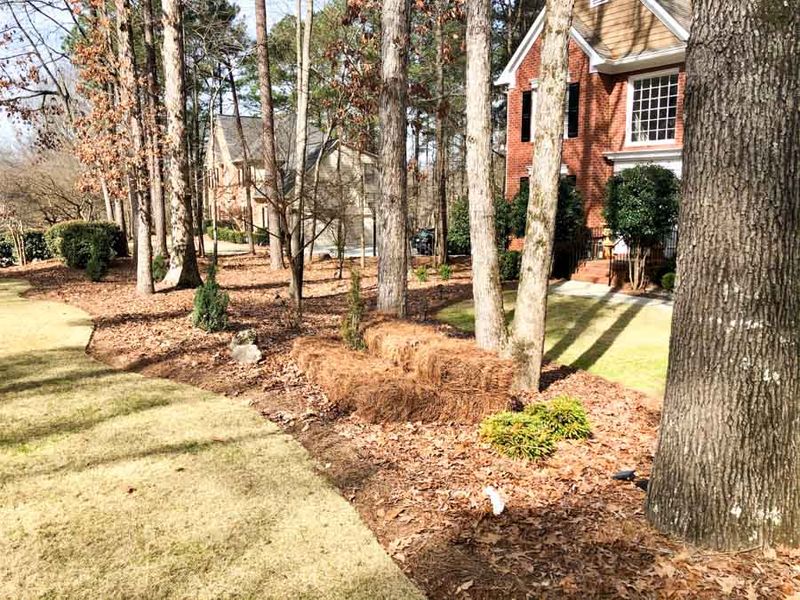
Golden needles tucked right up against brick siding look charming, but they burn surprisingly fast once lit.
Pine straw ranks among the more flammable landscape mulches, which surprised me when I first read the research.
Firewise guidelines suggest keeping the first five feet around your home free of flammable mulch like straw. Rock and pavers are safer choices for that zone right next to your walls and wooden decks.
A carelessly tossed cigarette or a stray ember from a fire pit can ignite dry straw within seconds. Dry spells in late summer and fall raise that risk, even in humid parts of the state.
Moisture is another concern, since damp mulch against the foundation can attract termites looking for an easy entry. Subterranean termites are common across the Southeast, and they appreciate any hidden, moist path toward wooden framing.
Keeping mulch away from siding also helps you see any mud tubes termites build along the foundation wall. Inspectors appreciate a clear view, and you will catch trouble much earlier during routine walks around the house.
I love how a simple strip of river rock along the foundation looks crisp and modern beside straw beds. The straw can start a few feet out, giving you a neat border without the added worry.
Check your home’s perimeter this weekend, and pull back any needles touching the siding or wooden deck posts.
6. Blaming Pine Needles For Sour Acidic Soil
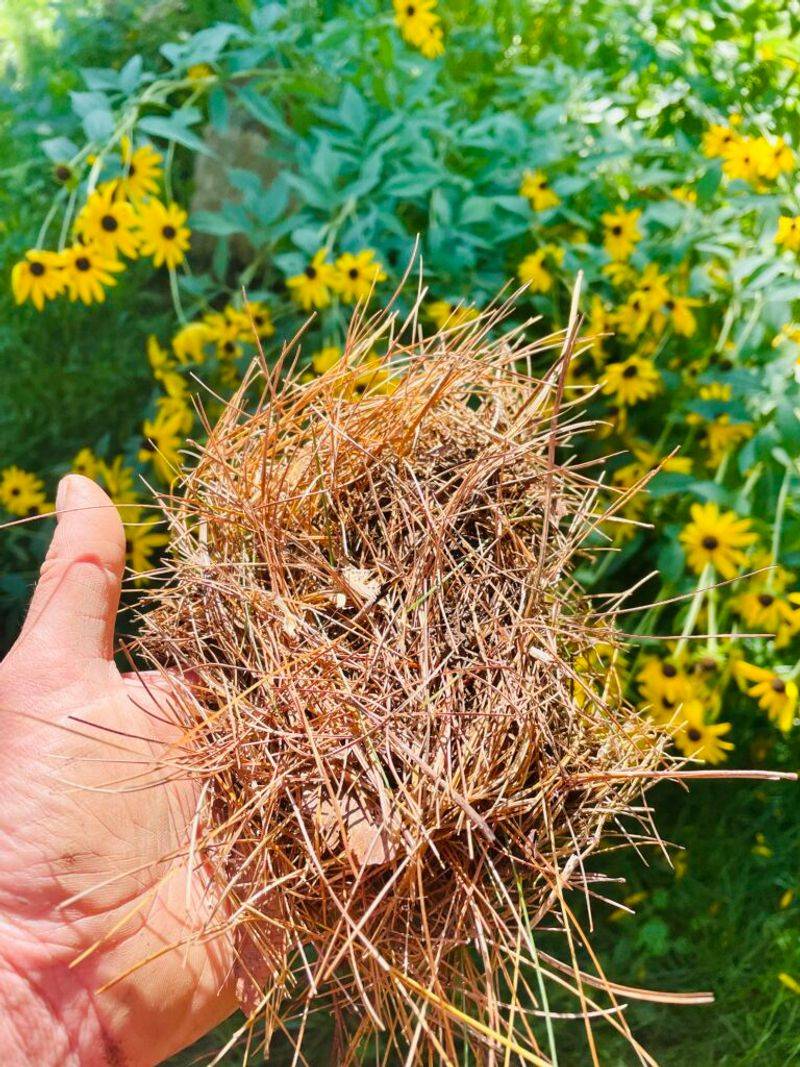
Ask ten gardeners about pine straw and at least one will warn you it turns soil terribly sour. That old tale sounds logical, since fresh needles are acidic, yet research tells a much calmer story.
University extension research shows pine straw mulch has little measurable effect on the pH of soil underneath.
Needles lose most of their acidity as they age and break down slowly on the soil surface.
Georgia soils often lean acidic already, so the real cause usually sits in the ground itself, not the mulch. Heavy rainfall over centuries leached many nutrients away, leaving that famous red clay naturally on the acidic side.
You might notice folks adding lime every year just because they use straw, which can backfire. Too much lime pushes pH too high, making nutrients like iron harder for azaleas and blueberries to absorb.
I believe a soil test is the smartest few dollars any gardener can spend each couple of years. Your county extension office can process samples and send recommendations tailored to the plants you actually grow.
Results show exactly how much lime, if any, your beds need for steady and healthy growth. Acid lovers like camellias and gardenias often prefer lower pH, so skipping lime might suit them perfectly.
So spread your straw with confidence and let the soil test guide your liming decisions instead of rumors.
7. Loose Pine Straw Washing Off Sloped Garden Beds
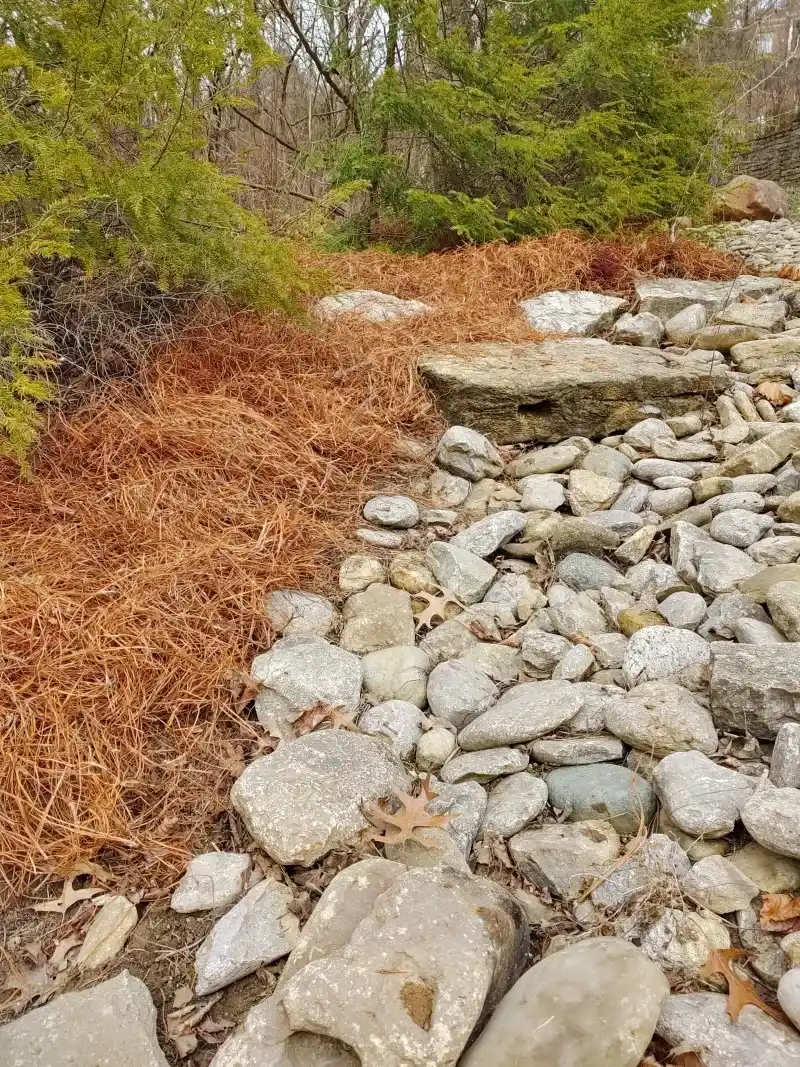
After one summer thunderstorm, my sloped bed looked like a golden river had swept through and dumped everything downhill.
Half the straw sat in the lawn, and bare red clay stared back at me from the slope.
Long needles actually knit together well, which is why straw is a favorite for hillsides and banks. The trouble starts when bales get fluffed and scattered loosely, leaving no interlocking mat to hold firm.
Shake out each flake, then lay sections slightly overlapping, much like shingles running across a roof. Press the straw down with your hands or a rake so the needles weave into each other.
Tucking edges matters a lot, since clean borders keep straw from drifting onto sidewalks and grass. Use a flat spade or rake tines to push the edge under itself, creating a rounded lip.
In Georgia gardens, a light watering after spreading helps needles settle and cling, especially on breezy days or steep spots. Many landscapers also cut a shallow trench along bed edges, giving the straw a natural place to rest.
On very steep slopes, biodegradable erosion netting under the straw can add extra holding power during heavy storms. Ground covers planted through the layer eventually help too, since their roots anchor soil for the long haul.
Clay soaks up water slowly, so runoff races downhill quickly whenever afternoon storms dump several inches.
8. Bargain Pine Straw Bales From Door To Door Crews
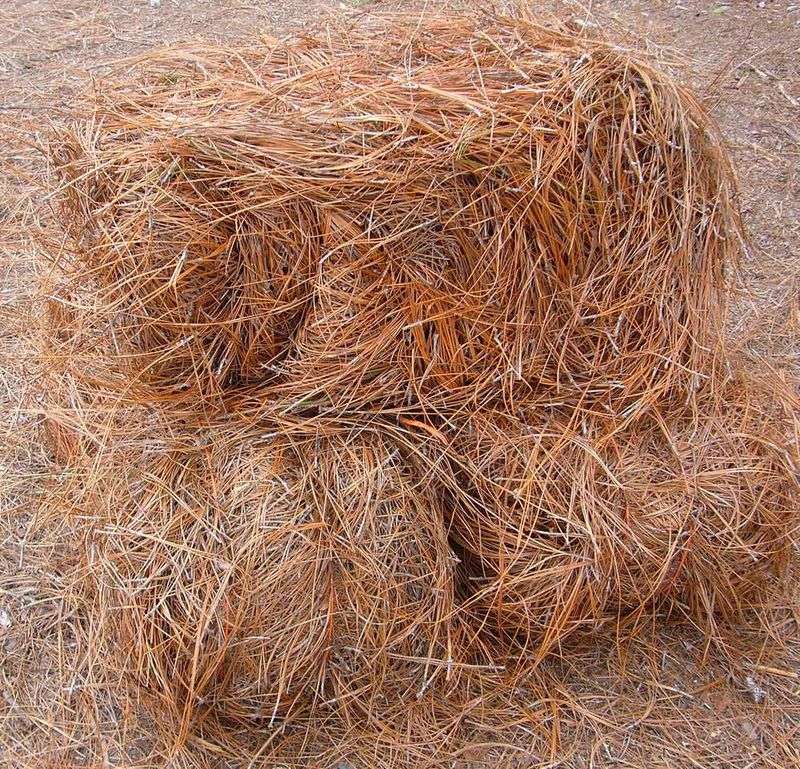
A friendly stranger knocks with an offer of pine straw for just a couple of dollars per bale. It sounds like a steal, until the bill arrives showing far more bales than anyone could fit.
Consumer groups and local news outlets in Georgia have reported this scheme many times over the years.
Crews spread straw quickly, then claim they used dozens of extra bales and demand payment on the spot.
Some homeowners feel pressured to pay cash right away, especially when the crew lingers in the driveway. Others discover thin coverage weeks later, proving the inflated count did not match what was really spread.
You need to get a written quote listing the total price and number of bales before work starts. Agree on a final dollar amount rather than a per bale rate, which removes room for surprise charges.
Personally, I prefer buying bales from a local garden center or a pine straw dealer with a storefront. Then I can count the bales myself and see the needle quality before anything hits my beds.
Longleaf straw tends to cost more but holds color longer, while slash pine straw is a solid budget pick. Both look great when fresh, so judge bales by clean needles and few sticks or pinecones mixed in.
Check reviews and the Better Business Bureau before hiring any crew you do not already know personally.