7 Ways Arizona Homeowners Use Too Much Backyard Citrus
Roof rats in Phoenix neighborhoods treat backyard fruit trees like snack bars with a ladder straight to your roof. They hollow out hanging fruit at night, then scurry across branches that brush against the eaves.
Those sweet trees bring other surprises too, like sticky leaves and yellow foliage that looks thirsty while sitting in soggy soil. Desert soil in Arizona is often alkaline, which locks away iron and zinc even when both are present underground.
I have to admit my first tree got smothered with kindness, extra water and extra fertilizer every single week. You might notice the same pattern on your street, where generous owners give their trees far more than they need.
October in Arizona is a smart time to rethink those habits, since cooler nights help stressed trees recover. So which of these seven common mistakes is quietly happening in your own backyard right now?
1. Overwatering Citrus Trees With Shallow Daily Sprinkles
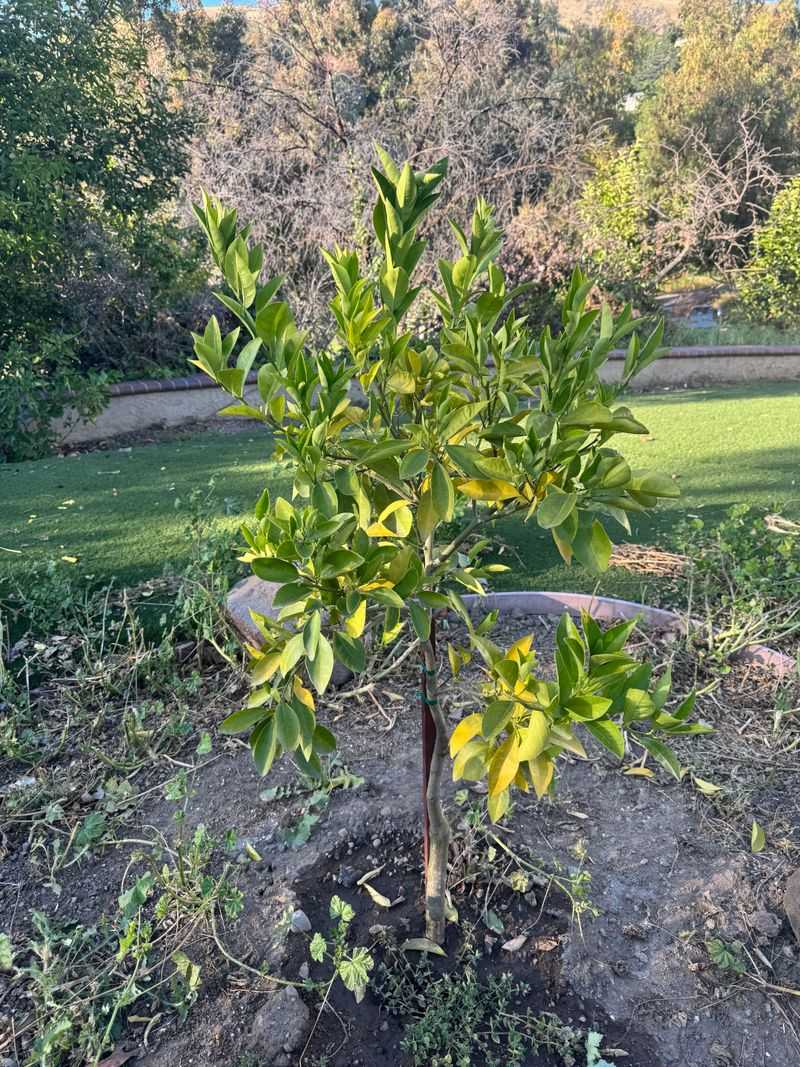
Yellow leaves on a tree standing in damp soil puzzle many gardeners, yet that combo often signals too much water. Roots need oxygen as much as moisture, and soggy ground squeezes the air right out of the soil.
Short daily sprinkles are the usual culprit, because they keep the surface wet while the deeper roots stay thirsty. Over time, constantly wet soil invites root rot, which shows up as wilting leaves even when the ground feels moist.
University of Arizona experts suggest watering deeply, soaking the soil roughly two to three feet down around the roots. Then let the top six inches of soil dry out before you turn the water back on again.
Personally, I like pushing a long screwdriver into the ground to check moisture before every single watering session begins. If it slides in easily and comes out damp, your thirsty-looking tree can comfortably wait a few more days.
October brings milder temperatures, so you can stretch the time between waterings as daytime highs slowly drop each week. Check your irrigation timer now, because summer settings left running into fall are a sneaky source of soggy, suffocating roots.
2. Piling On Too Much Citrus Fertilizer
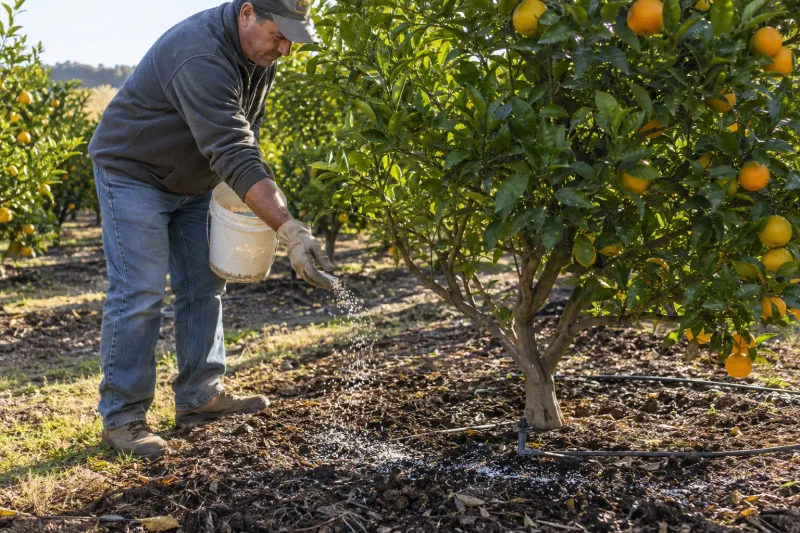
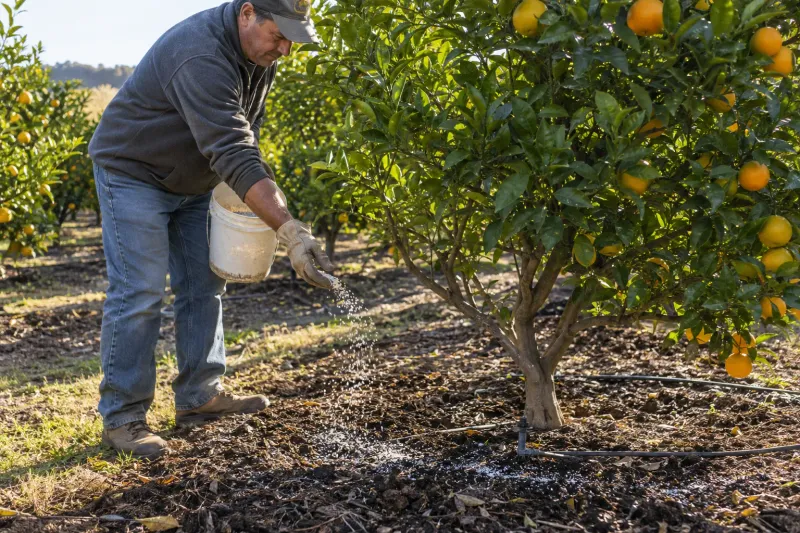
More fertilizer sounds like more fruit, but extra nitrogen can actually give older oranges thick, puffy rinds with less juice. Soft new growth pushed out by heavy feeding also scorches quickly when summer sun hits those tender leaves.
Extension guides usually split the yearly nitrogen dose into three smaller feedings, with the last one in September. If you finished that September round, your tree is set, and October is a month for watching rather than feeding.
I believe the biggest trap is grabbing a generic lawn product, which lacks the micronutrients these trees crave. Look for a citrus formula that lists iron and zinc, since desert soils often hold those minerals tightly.
Lemons and limes tend to grow more steadily than oranges, so many growers adjust their timing for those varieties. Read the label carefully and measure by canopy size, then water deeply both before and after each feeding.
A modest, well-timed meal keeps leaves glossy green without pushing wild growth that the tree cannot support. Your harvest will reward patience far more than a heavy hand with the fertilizer bag ever could.
3. Leaving Fallen Oranges On The Ground
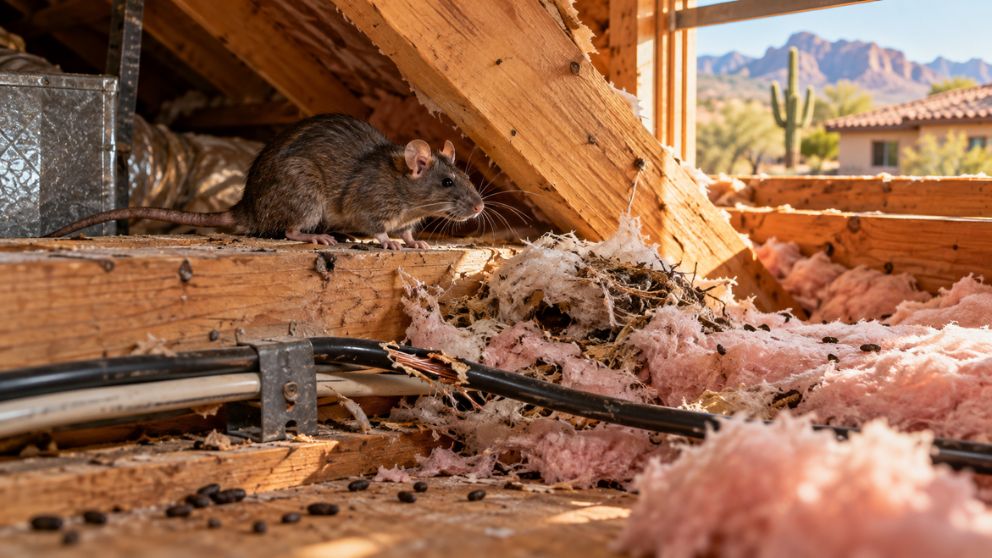
Nothing says party like split oranges on the ground, at least if you happen to be a roof rat. These agile climbers feast on hanging and fallen fruit, then use branches as bridges onto nearby rooftops and attics.
Maricopa County has dealt with roof rat activity for years, and backyard fruit trees are a favorite food source. You might notice hollowed rinds still hanging on the tree, which is a classic sign of rat feeding at night.
Snails join the buffet too, chewing on fruit and leaves when irrigated yards stay cool and damp near the ground. Ants climb trunks looking for honeydew, the sticky sugar left behind by aphids and scale insects feeding on sap.
I can’t imagine letting that sweetness rot when local food banks and gleaning groups happily accept extra backyard fruit. Many Phoenix and Tucson communities have volunteer groups that will even come out and pick your trees for you.
Pick ripe fruit regularly and rake up drops every few days, especially as fall harvest season starts ramping up. Trimming branches so they sit a few feet away from your roof line also cuts off that handy rat highway.
4. Pruning Away The Protective Lower Canopy
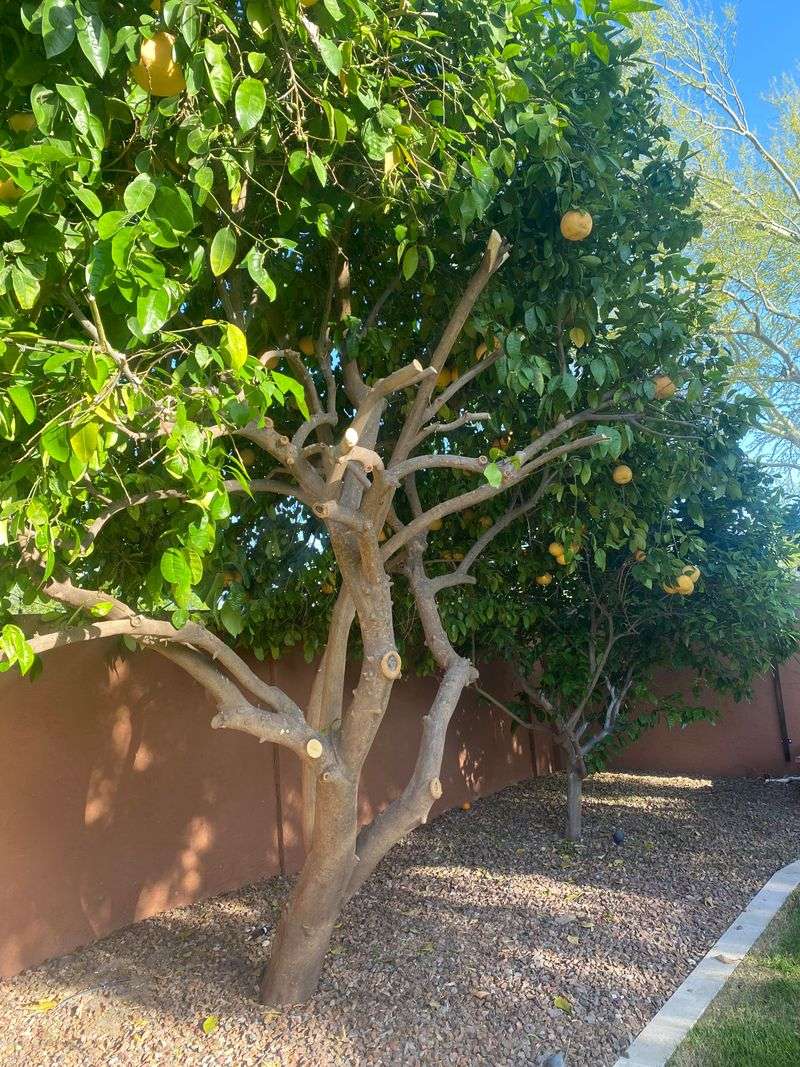
Citrus trees grow their own sunscreen, a dense skirt of leaves that shades the trunk from brutal desert afternoons. Strip that canopy away and the bark underneath can sunburn, cracking and peeling until whole limbs start to decline.
Many homeowners raise the skirt for a tidy look, but low branches are actually where a lot of fruit forms. Experts in Arizona generally advise light pruning, mostly removing broken wood and branches that rub against each other.
Young trees and nutrient-starved trees are especially vulnerable, since their thinner canopies let more harsh sun reach the trunk. If bark is already exposed, a coat of white latex paint diluted with water can help reflect harsh sunlight.
What surprises me most is how fast a skirted tree looks stressed after just one hot summer in direct sun. Leaving those lower limbs alone also gives lizards and quail a shady hideout right in your own backyard.
October is not the time for major cuts anyway, because fresh growth could get nipped by an early winter chill. Save any big shaping jobs for late winter or early spring, once the frost risk has safely passed.
5. Crowding Citrus Trees Into Hot Corners

Some yards end up with a citrus tree in every corner, including spots that bake like an oven by July. West-facing walls and bright concrete patios bounce extra heat onto trunks and leaves for hours every afternoon.
Citrus comes from humid subtropical regions, so reflected heat piles stress onto trees already working hard in the desert. Planting where the tree gets morning sun and some afternoon shade, often the east side of a house, helps.
Crowding creates another headache, because trees jammed close together end up competing for water and nutrients underground. Tight spacing also traps humidity in the canopy, giving pests an easy path from one tree to the next.
I love how dwarf varieties solve the space problem, staying compact enough for small yards and even large containers. Check the mature width on the nursery tag before planting, since a standard orange can spread twenty feet.
Fall is actually a great planting window in low desert areas, because roots settle in before next summer’s heat arrives. Pick your spot carefully this October, and give each new tree plenty of elbow room to grow.
6. Ignoring Asian Citrus Psyllid Warning Signs
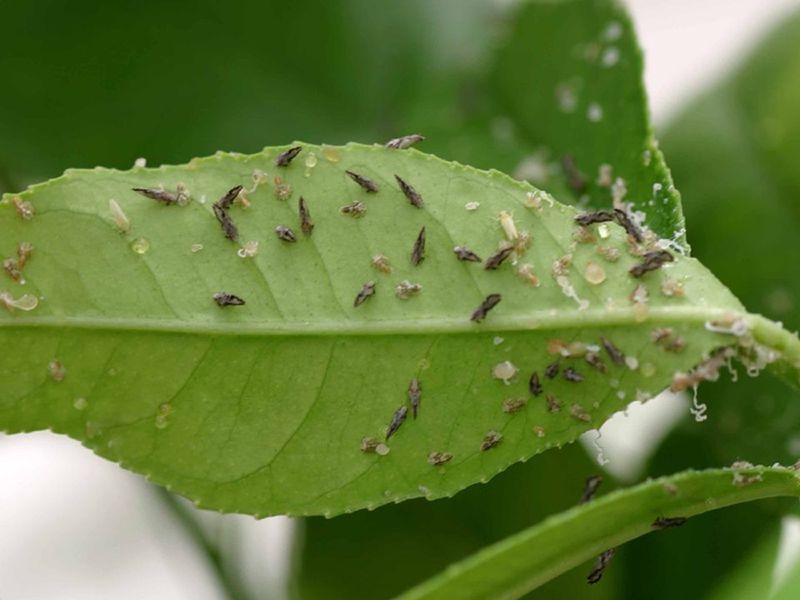
A tiny insect smaller than a grain of rice is causing big worries for citrus lovers across the Southwest. The Asian citrus psyllid can carry huanglongbing, also called citrus greening, a bacterial disease with no known cure.
Infected trees produce bitter, misshapen fruit and often decline within a few years, which is heartbreaking for any gardener. Arizona agriculture officials regulate how citrus plants move into the state, so buy trees only from licensed local nurseries.
Look for psyllids on tender new leaves, where they tilt their bodies at a sharp angle while feeding. Their young leave behind white waxy threads, which are a helpful clue when you inspect fresh growth closely.
Aphids and scale cause trouble too, dripping sticky honeydew that turns leaves black with a coating of sooty mold. Citrus leafminers carve silvery tunnels in young leaves, though mature trees usually tolerate that damage without much fuss.
Personally, I keep a hand lens near the back door for quick leaf checks during my morning coffee. If you spot anything suspicious, contact your county extension office instead of guessing or reaching for random sprays.
7. Skipping Mulch And Salt Flushing Around Citrus Roots
Iron can be sitting right there in the soil, yet your tree might still show yellow leaves with green veins. Alkaline desert dirt, often running between pH 7.5 and 8.5, chemically locks iron and zinc away from roots.
Salts from irrigation water add to the strain, building up over time and making it harder for roots to drink. A deep, slow soaking every so often helps push those salts below the root zone where they cause less harm.
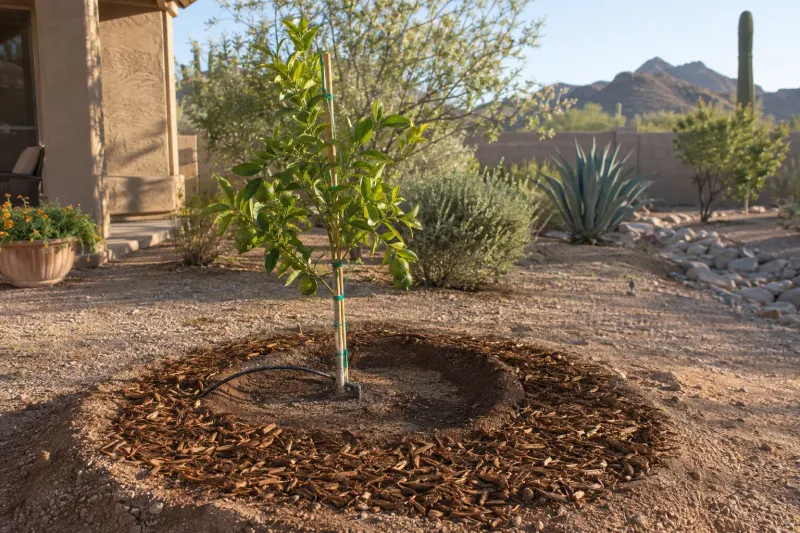
You’re in for a big surprise when you see what a few inches of wood chip mulch can do. It keeps the soil cooler and holds moisture longer, while slowly feeding helpful microbes as it breaks down.
Keep the mulch a few inches away from the trunk, because piling it against bark can invite rot problems. Caliche layers deserve attention too, since that hard crust underground can trap water and drown roots after heavy irrigation.
If leaves stay pale, a chelated iron product made for alkaline soils can help green things up again. October is a fine month to refresh mulch, so your tree heads into cooler weather with happier, healthier roots.