Plant These 8 Berry and Vine Fruits Before Arizona’s Bare-Root Window Closes
A dormant fruit plant can ship with its roots bare, wrapped in damp sawdust, and still wake up loaded with leaves. That sleepy bundle of sticks often costs less than a potted plant and settles into desert soil surprisingly fast.
In Arizona, nurseries usually stock these dormant plants from November through March, with the sweet spot landing in January and February. Planting during that cool stretch lets roots spread out long before the brutal heat returns, sometimes as early as May.
I have to admit, October is my favorite month for daydreaming with a garden map and a mug of coffee. You need a plan now, because the best varieties at local nurseries often sell out within a few short weeks.
Some of these picks feed birds and lizards, while others hand you snacks straight off the branch. Which ones deserve a sunny corner in your Arizona yard this winter?
1. Pomegranate
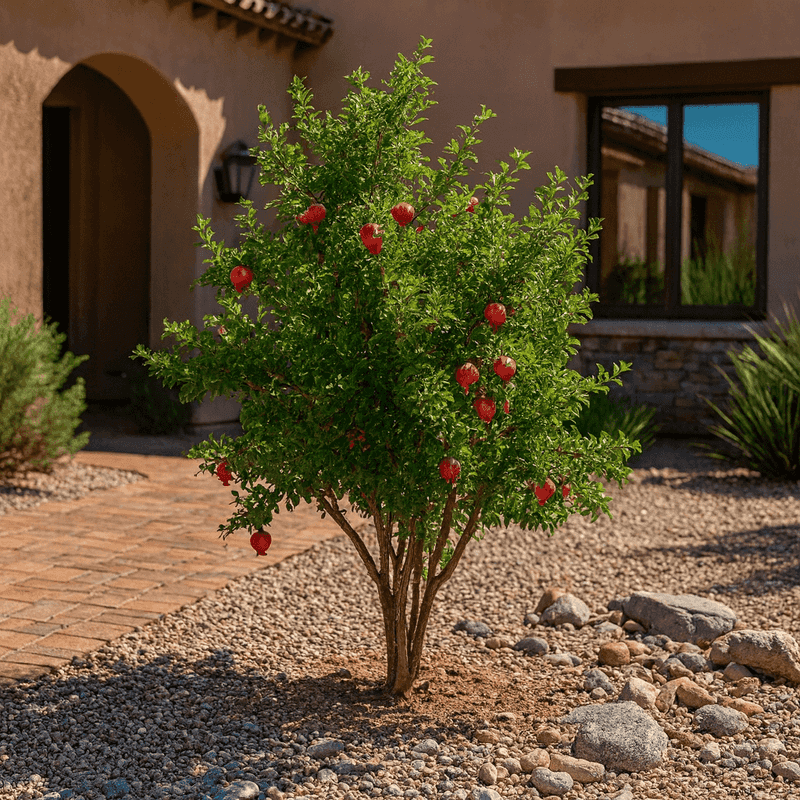
Few desert shrubs put on a show quite like a pomegranate, with ruffled orange-red flowers appearing every April like tiny party skirts. By fall, the leaves turn bright yellow while heavy red fruits dangle from the branches and practically beg for picking.
Right now in October, many pomegranates are finishing their harvest, so you can taste local varieties before choosing one for winter. Plants usually reach eight to fifteen feet tall, though compact types stay smaller and fit nicely into tighter backyard spaces.
Plan a spot with six to eight hours of direct sun and soil that drains well after a deep soaking. Pomegranates handle alkaline ground better than many fruits, which makes them a friendly choice for typical desert yards and caliche patches.
Bare-root plants go in during January or February, followed by a thick ring of mulch to hold moisture near the roots. Once established, they tolerate drought, but steady deep watering during fruit development helps prevent those frustrating split fruits.
Personally, I love that pomegranates are self-fertile, so one plant can still produce a respectable crop for a small family. Birds enjoy the juicy seeds too, so keep an eye out for leaf-footed bugs and avoid soggy, overwatered soil.
2. Fig
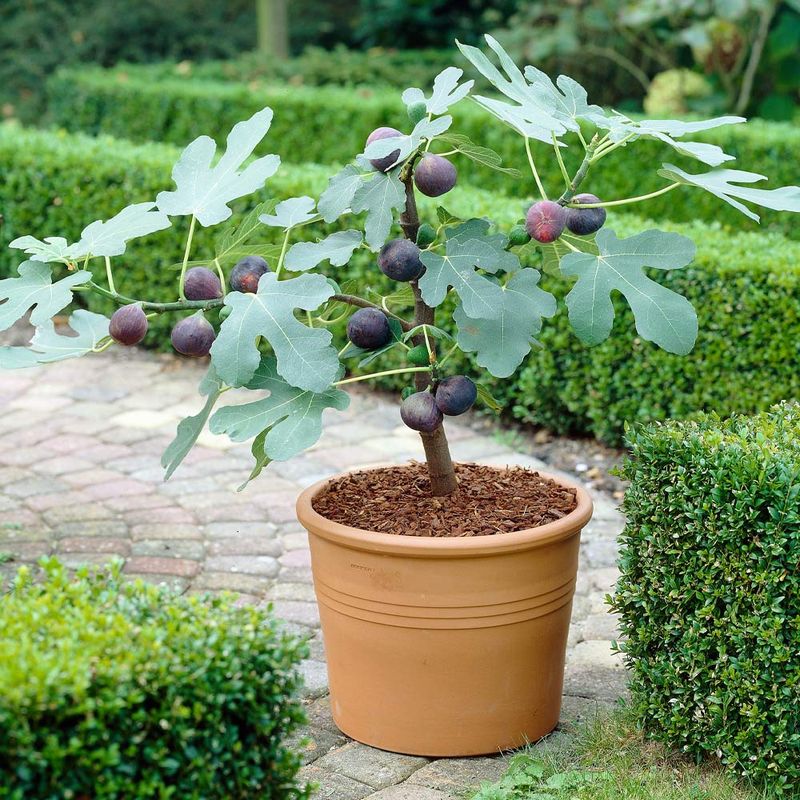
Hidden inside every fig is a cluster of tiny flowers, which means you are technically eating a blossom wrapped in sweet skin. I still find that detail delightful, especially when a warm fig drips honey-like juice down my wrist in summer.
Figs suit the low desert because they need fewer than three hundred chill hours, a bar many fruit trees struggle to clear. Their huge lobed leaves create generous shade, and mature trees can stretch ten to thirty feet tall and wide.
Give your fig eight to ten hours of sun, though a little afternoon relief helps in reflective spots near hot walls. Well-drained soil matters most, since heavy, waterlogged ground often leads to weak growth and unhappy roots over time.
Plant bare-root figs in winter or early spring so roots can settle before summer heat arrives in full force. Moderate, consistent watering during fruit development pays off, and many trees reward you with crops in late June and again later.
Common fig varieties are self-pollinating, so a single tree is plenty for most yards and patios. Birds and bats visit for fruit, while green fig beetles and gophers may need some attention during the growing season.
3. Grape
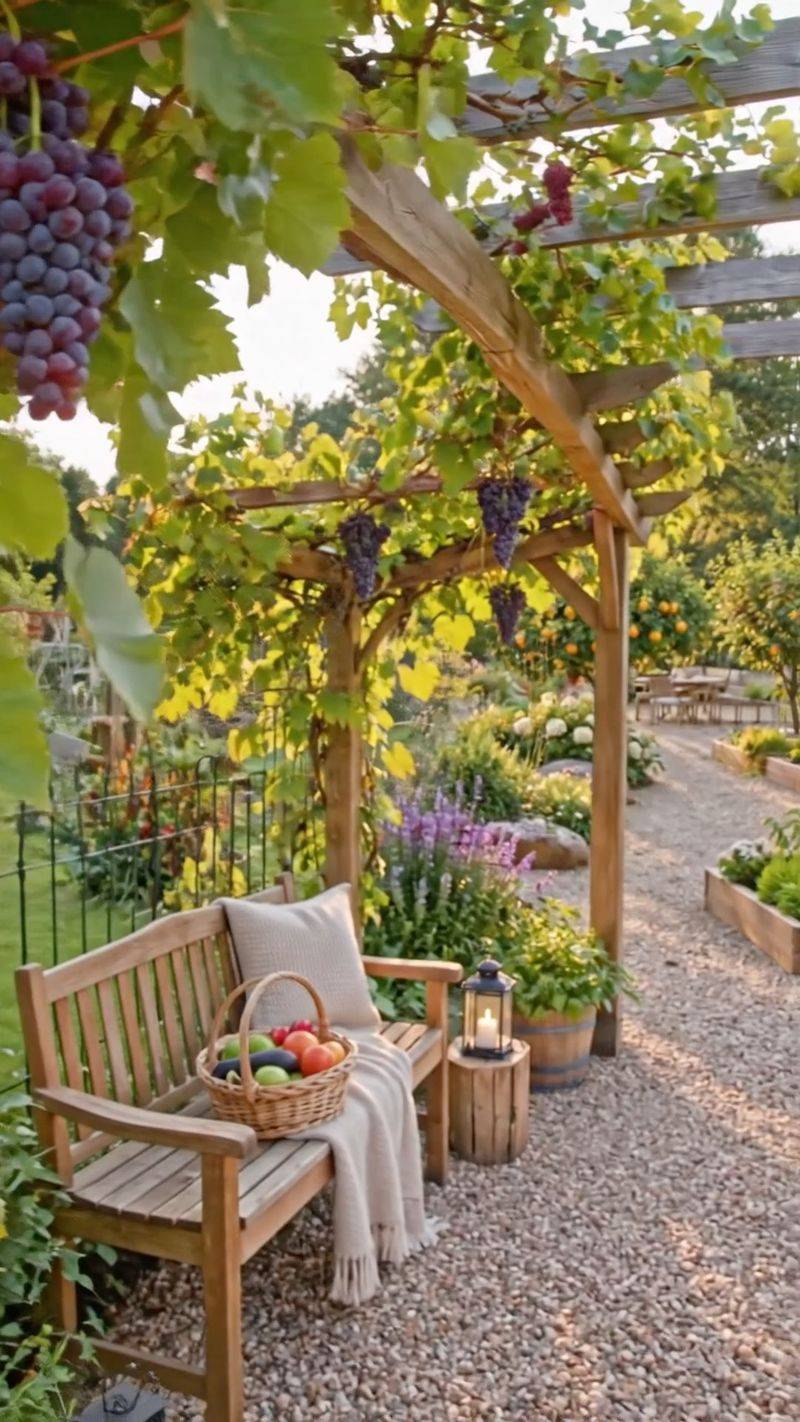
A grapevine trained over an arbor turns a blazing patio into a shady room, and the dangling clusters feel like a bonus prize. The native canyon grape, Vitis arizonica, can climb twenty to thirty feet and turns gorgeous orange-red in autumn.
You have two good paths here, either heat-adapted table grapes or that tough native vine for wildlife and shade. The native produces small dark berries from August to October, and birds plus small mammals treat them like a buffet.
Grapes need six to eight hours of sun and soil that drains properly, so break through any caliche layer before planting. The native vine tolerates poor, rocky, or sandy ground, while cultivated grapes handle alkaline soil without much complaint.
Plant bare-root vines from late January through early March, and install a sturdy trellis first so roots stay undisturbed later. Water established vines deeply but infrequently, keeping moisture steadier while the berries swell during early summer weeks.
Watch for grape leaf skeletonizers, spider mites, and powdery mildew as the season warms up in your garden. I recommend bird netting for table grapes, because hungry finches often discover ripe clusters a day before you do.
4. Blackberry
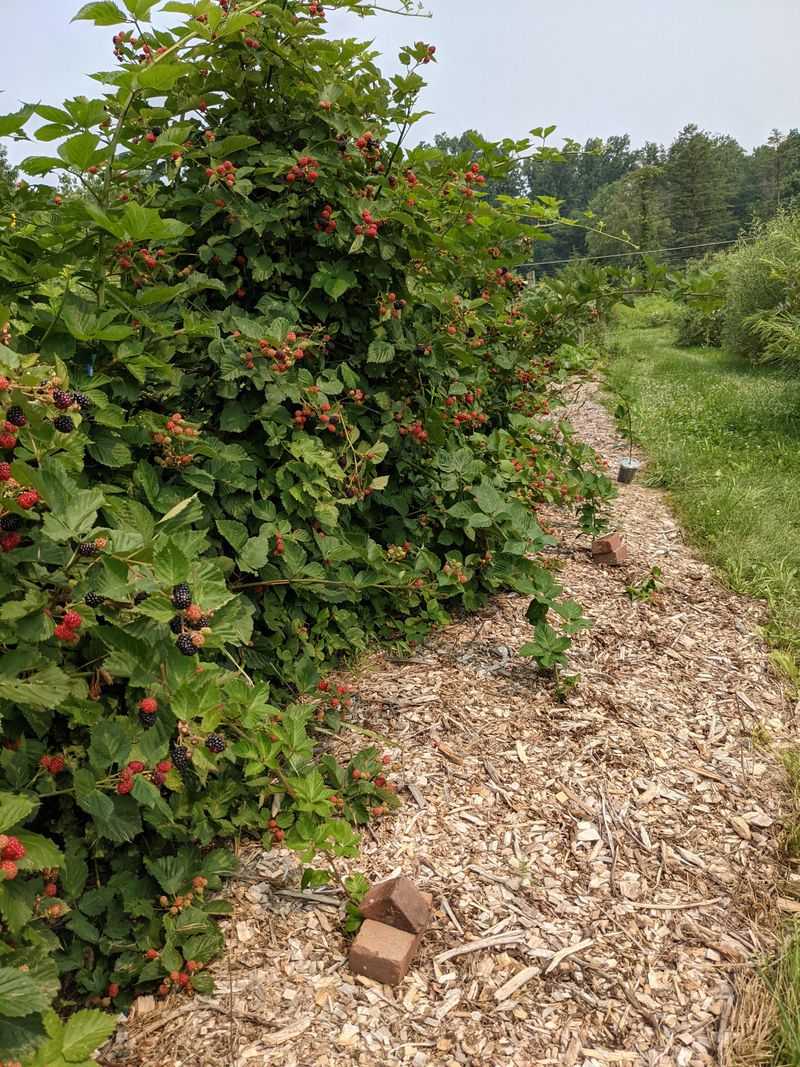
Ripe blackberries in early May feel almost unfair, because most desert gardens are just starting to sweat by then. Varieties like Rosborough, Womack, and Brison were bred for warm southern climates and handle low desert conditions surprisingly well.
Each plant grows from a perennial crown that sends up new canes yearly, and those canes fruit in their second season. After fruiting, old canes fade out, so pruning them away keeps the patch tidy and encourages fresh growth.
Placement makes or breaks this crop, so choose morning sun with filtered or full afternoon shade for happier plants. A spot facing west usually scorches leaves and berries, which is a painful lesson I would rather you skip.
Blackberries prefer slightly acidic, organic-rich soil, so amend generously with compost and make sure water drains away freely. Plant bare-root canes from late January through March, then mulch heavily and water consistently to support sweet, plump berries.
White spring flowers draw bees, and the dense canes offer cover for small birds and other backyard visitors. Some varieties spread from roots, so pull wandering volunteers early and consider netting when the fruit starts turning dark.
5. Jujube
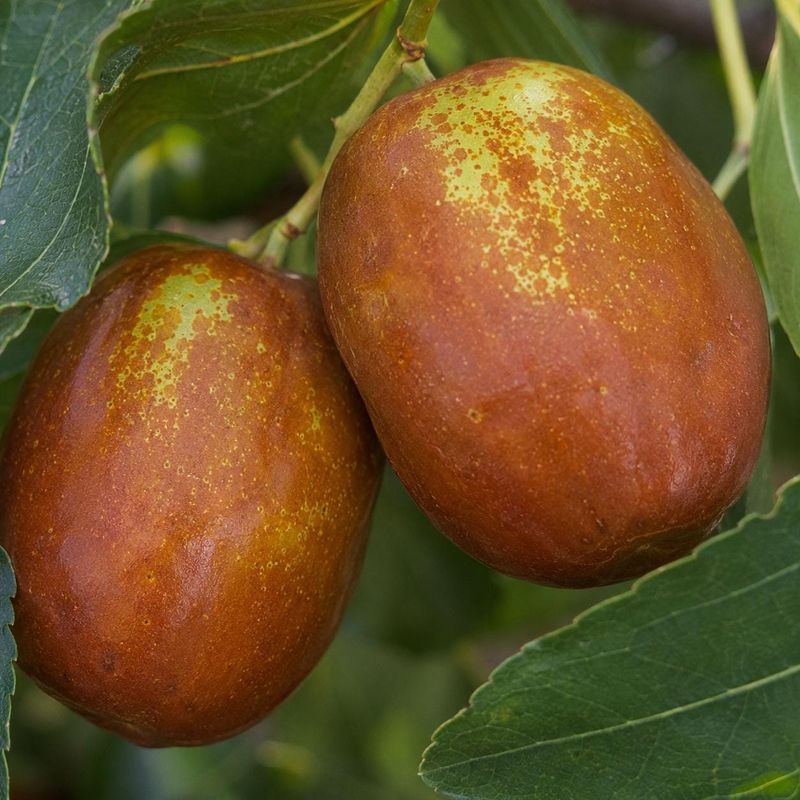
Bite a fresh jujube in October and you might think someone crossed an apple with a date in a laboratory. The fruit starts green, picks up mahogany spots, then turns fully red as it ripens right around this month.
Often called Chinese dates, jujubes shrug off desert heat and still handle winter lows far below anything Phoenix sees. Their zigzag branches can carry thorns, and trees typically grow fifteen to thirty feet tall under good conditions.
Choose a sunny spot with six to eight hours of light, away from taller trees that would shade the canopy. Jujubes adapt to alkaline and nutrient-poor soils, but heavy waterlogged ground invites root rot, so good drainage remains essential.
Plant bare-root trees while dormant, usually during the cool winter months when nurseries bring in fresh stock. Established trees tolerate drought impressively, yet regular watering noticeably improves fruit size and flavor during the summer growing season.
I love how rarely jujubes suffer from serious pests or diseases, which makes them a relaxed choice for busy gardeners. Small greenish flowers attract bees in late spring, and the main chore involves pulling root suckers before they spread.
6. Wolfberry
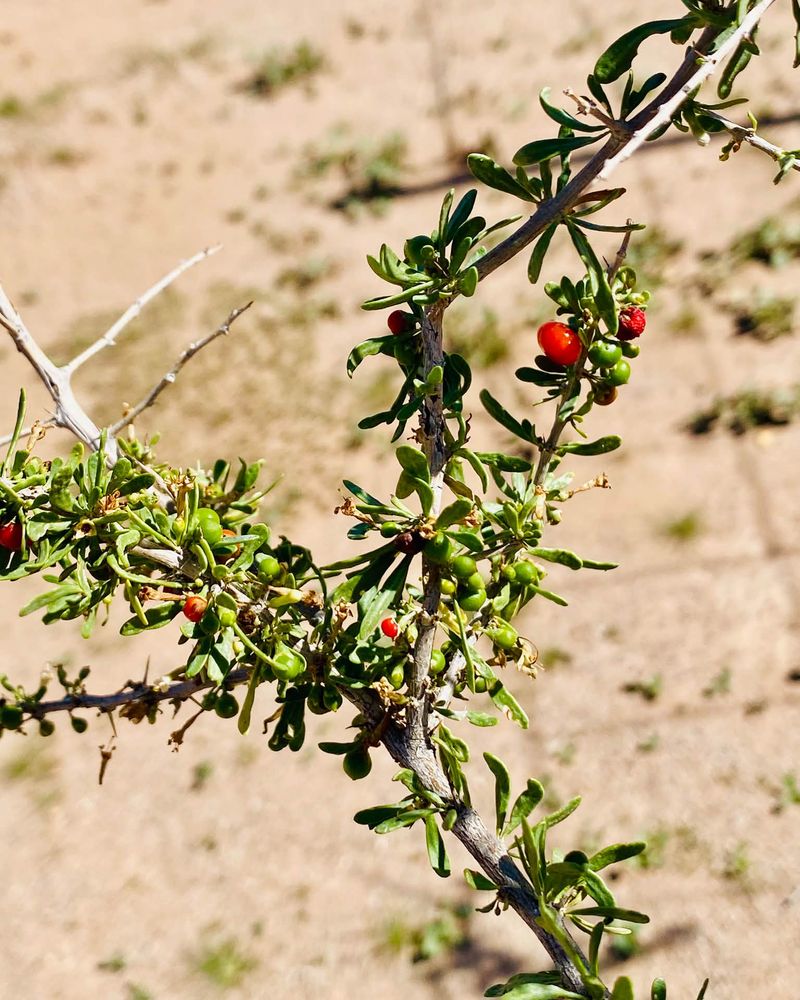
Quail and curve-billed thrashers seem to know exactly when wolfberry fruit ripens, and they arrive like regulars at a favorite diner. Native to the Sonoran Desert, Lycium fremontii and Lycium andersonii offer food and shelter with very little water.
These thorny, densely branched shrubs usually grow four to eight feet tall, though Fremont wolfberry can stretch closer to ten. They drop leaves during extreme heat or cold, then leaf out again once conditions feel friendlier.
You might notice tiny lavender or white tubular flowers appearing from November through March, which hummingbirds happily visit. Bright red berries follow in spring, and a second crop sometimes shows up after a generous summer monsoon season.
Wolfberries are usually sold in containers rather than bare-root, but winter planting still matches their natural rhythm well. Give them full sun to light shade and well-drained soil, and they tolerate sandy, clay, alkaline, or even salty ground.
The thorny branches give lizards and nesting birds a safe hideout from predators like hawks and roaming cats. People can eat the tart, slightly salty berries fresh or dried, though enjoying them in moderation makes the most sense.
7. Texas Mulberry
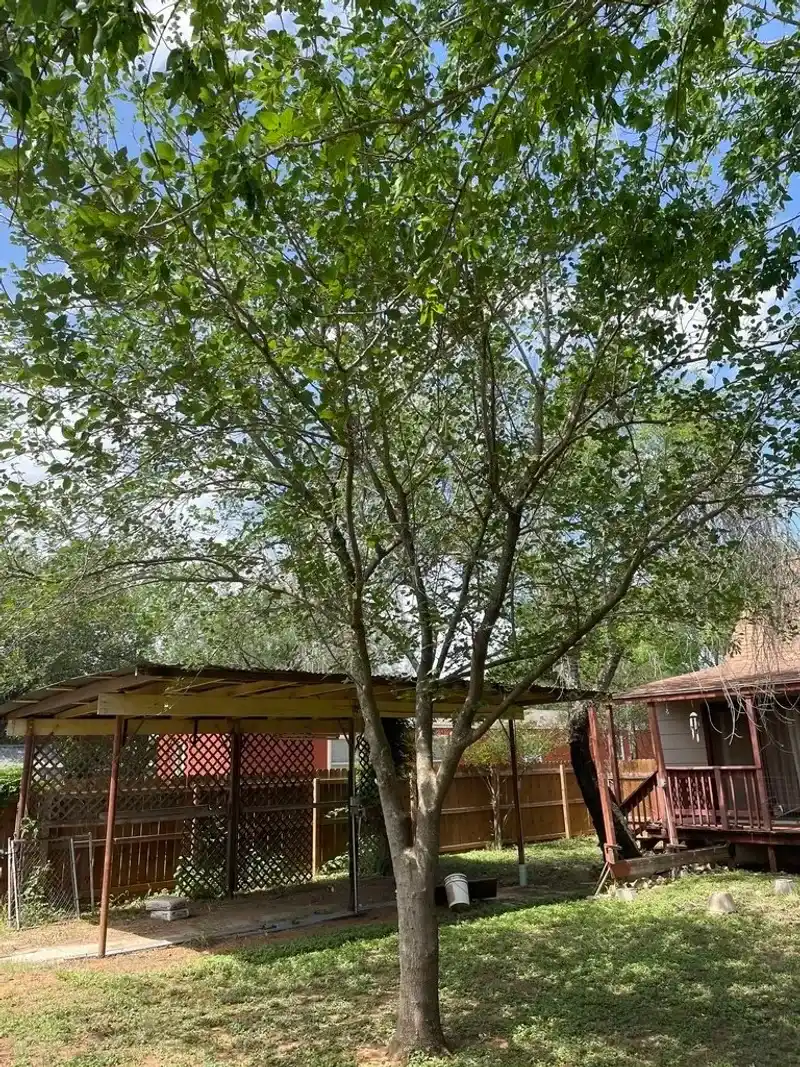
Plenty of desert cities restrict fruitless and pollen-heavy mulberries, which makes this little native feel like a welcome loophole. Texas mulberry, Morus microphylla, grows wild in southern canyons and produces small, sweet, dark berries that taste surprisingly rich.
Often called littleleaf or Arizona mulberry, it forms a multi-stemmed shrub or small tree with gray, fissured bark. The leaves are small and sometimes lobed, and the canopy offers welcome shade without taking over a modest yard.
Plants are either male or female, so ask your nursery for a female if fresh berries matter to you. Native specimens usually come in containers, but planting during dormancy in late winter still helps roots establish well.
Give it at least six hours of sun and soil that drains, whether sandy or heavy clay in texture. Water steadily during establishment, and established trees handle dry spells while still appreciating extra moisture while fruit develops.
Birds, butterflies, and bees visit regularly, turning this tree into a busy little wildlife hub through warmer months. Light pruning in late winter shapes the canopy, improves airflow, and encourages the fruiting wood you actually want.
8. Elderberry
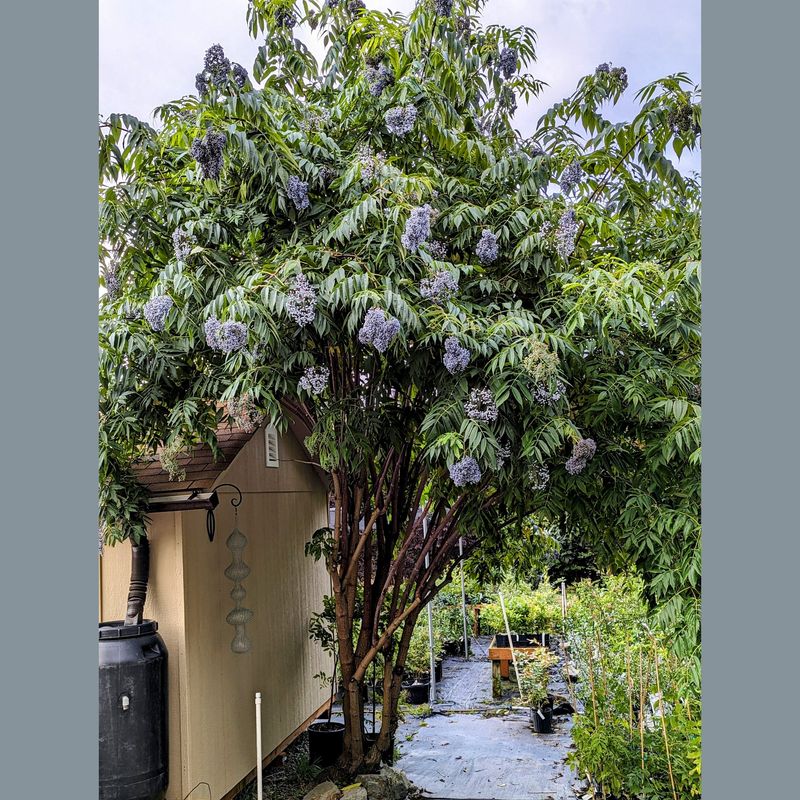
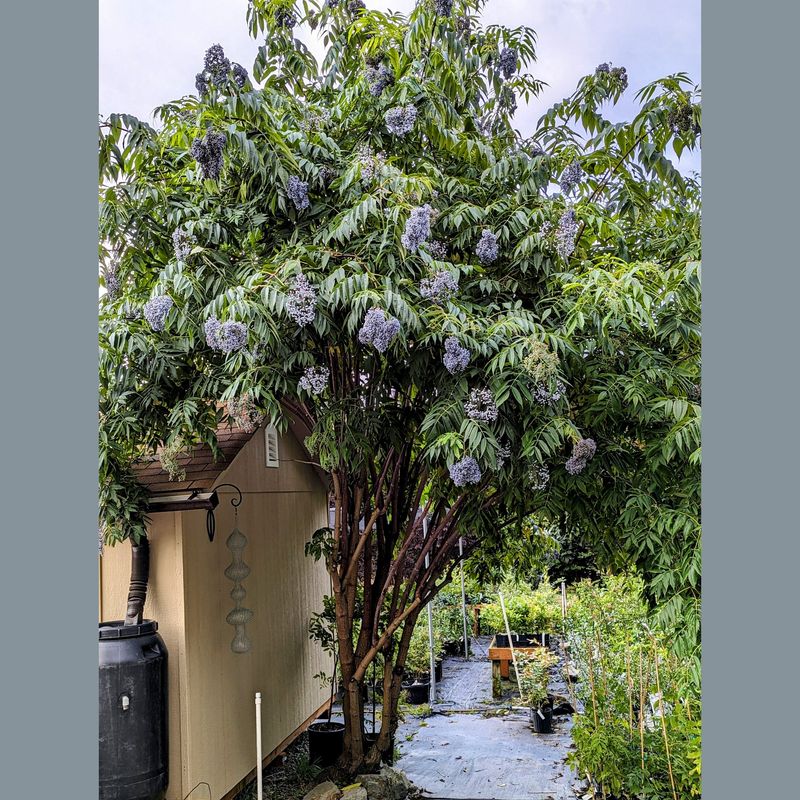
Creamy flower clusters the size of dinner plates make elderberry look like it dressed up for a garden party. Blue elderberry, Sambucus cerulea, grows naturally along streams and washes in the region, so it understands local conditions.
Most shrubs reach six to ten feet tall, though blue elderberry can grow into a small tree up to thirty feet. Suckering roots help them form thickets, which songbirds use for shelter and nesting during the warmer months.
Plant in full sun to partial shade, remembering that more sun usually brings heavier flowering and bigger berry crops. Moist, well-drained soil works best, and about an inch of water weekly helps plants through their demanding first year.
Bare-root elderberries go in during late winter or early spring while still dormant, before new buds begin pushing out. A little compost in spring is usually plenty, since these shrubs grow quickly without much extra feeding.
Dusty blue berries appear in summer and attract songbirds, game birds, and small mammals from all around the neighborhood. Cook the blue berries before eating, and avoid red-berried species and other plant parts, since those are toxic.