Why More Arizona Gardeners Are Switching To Shade Cloth This Week
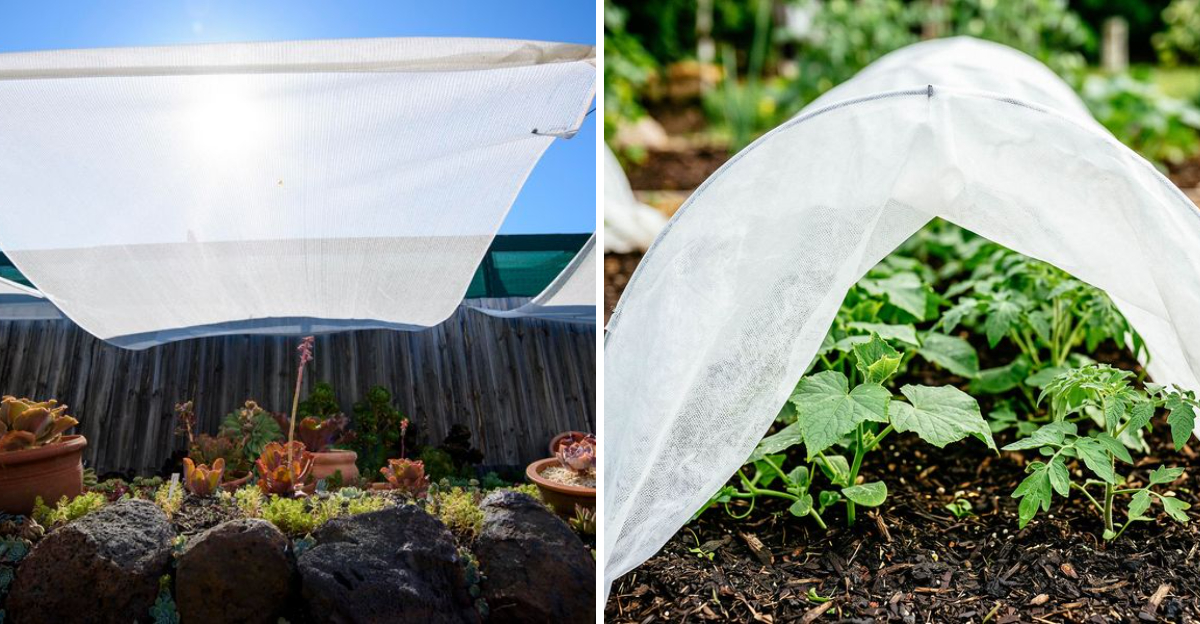
Rising temperatures are making many gardeners rethink how they protect their plants. Shade cloth is becoming a more common sight across Arizona gardens this week.
It offers relief when the afternoon sun becomes too intense. Many vegetables and flowers benefit from extra protection during the hottest part of the day.
The goal is not to block all sunlight. It is to reduce heat stress while still allowing healthy growth.
Many gardeners notice fewer scorched leaves after putting it in place. Plants also recover more easily from long stretches of extreme heat.
Choosing the right shade level is just as important as installing it correctly.
A simple piece of fabric can make a noticeable difference during the hottest weeks of summer. Knowing when and how to use it helps plants stay healthier until cooler weather returns.
1. Shade Cloth Reduces Stress During Extreme Heat
Plants feel heat just like people do, and extreme temperatures push them past their limits fast. When soil temperatures spike and the sun beats down without a break, plants struggle to move water from roots to leaves quickly enough.
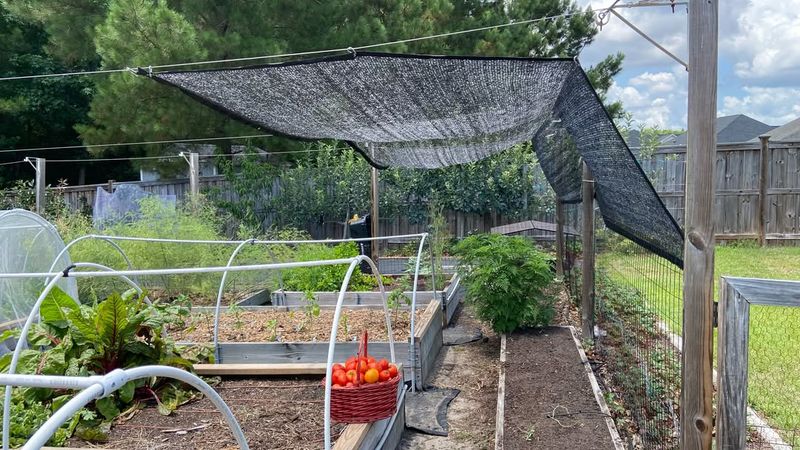
Shade cloth slows that process down by blocking a portion of direct sunlight before it ever reaches the plant.
In places like Phoenix or Tucson, summer afternoons can push air temperatures well above 105 degrees. That kind of heat causes wilting, blossom drop, and stunted fruit development.
A shade cloth rated between 30 and 50 percent can reduce surface temperatures noticeably, giving plants a better chance to stay productive.
It is not a magic fix. Plants still need consistent watering and good soil.
But shade cloth acts like a buffer between harsh conditions and vulnerable crops. Gardeners who added it mid-summer reported healthier foliage and fewer stress signs compared to uncovered beds nearby.
The difference is often visible within just a few days of installation. Heat stress recovery is real, and shade cloth is one practical tool that supports it without requiring major changes to your routine.
2. Choose The Right Shade Level For Each Plant
Not every plant needs the same level of protection. Picking the wrong shade percentage can do more harm than good, especially for sun-loving crops that need strong light to produce fruit.
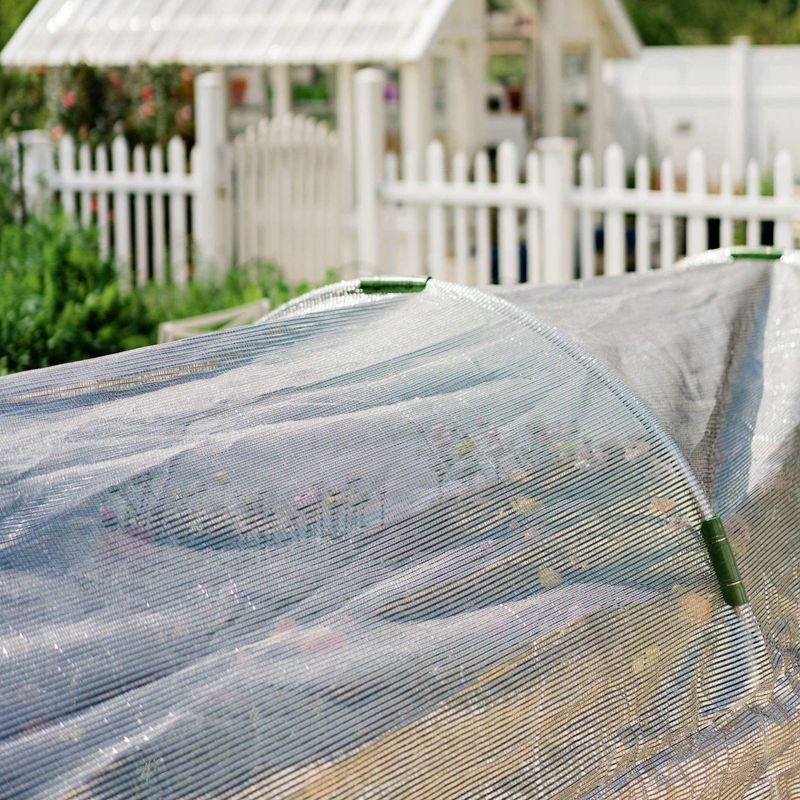
Tomatoes, peppers, and squash generally do well under 30 to 40 percent shade cloth. That level knocks down intense afternoon rays without cutting too much light during morning hours.
Leafy greens like lettuce, spinach, and kale tend to prefer 50 percent or higher, since they bolt quickly when exposed to full desert sun.
Herbs sit somewhere in the middle. Basil handles some shade well, while rosemary and thyme prefer more light.
It helps to group plants by their shade tolerance before buying cloth.
A mismatch between plant needs and cloth rating can slow growth or reduce yields in ways that are hard to trace back to the real cause.
Local nurseries in Arizona often carry shade cloth in multiple ratings. Staff there can give solid advice based on what grows well in your specific zip code.
Your Arizona Garden Changes Every Week. Your Plan Should Too.
Gardening in Arizona changes quickly throughout the season. Every Friday you’ll receive a simple weekly plan showing exactly what to plant, prune, fertilize, harvest, and protect so you never miss the right timing.
Starting with a 40 percent cloth for most vegetables is a reasonable middle ground if you are unsure. Adjust from there based on how your plants respond over the first two weeks.
3. Install Cloth Above Plants For Better Airflow
Laying shade cloth directly on top of plants might seem like the easiest option, but it cuts off airflow and traps heat close to leaves. Proper installation makes a real difference in how well the cloth performs.
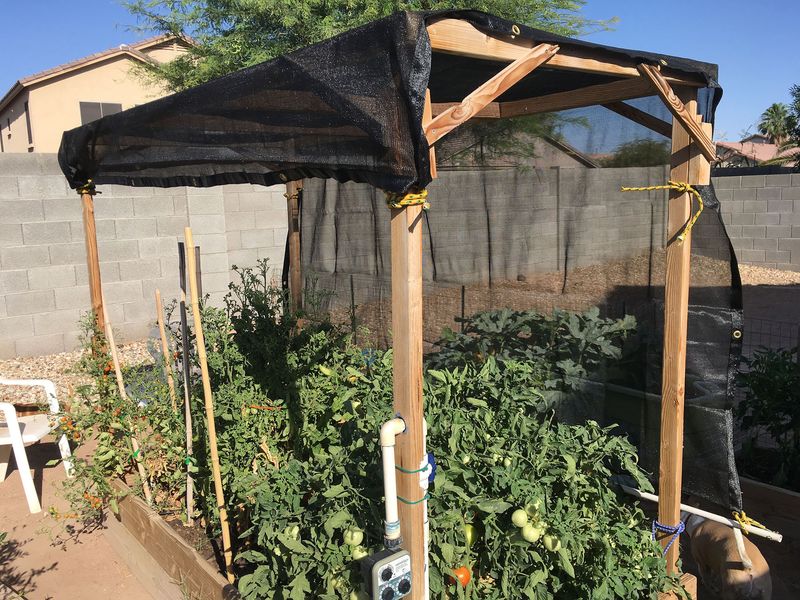
Mounting the cloth at least 12 to 18 inches above the plant canopy allows hot air to escape instead of building up underneath. A simple PVC frame, wooden stakes, or metal conduit can hold the cloth at the right height without much effort.
Many gardeners build low tunnel frames using materials found at any hardware store for under twenty dollars.
Good airflow under the cloth also reduces humidity around foliage. In humid microclimates near irrigation systems, trapped moisture can encourage fungal issues on leaves.
Keeping air moving helps prevent that without requiring any sprays or treatments.
Securing the edges of the cloth matters too.
Loose fabric that flaps in the wind can bruise stems or snap off small branches.
Use clips, bungee cords, or zip ties to hold edges in place without pulling the cloth too tight.
A taut, elevated setup gives plants shade, ventilation, and physical protection at the same time. It takes about an hour to set up properly, and the payoff during peak summer months is worth the effort.
4. Protect Sensitive Crops From Harsh Afternoon Sun
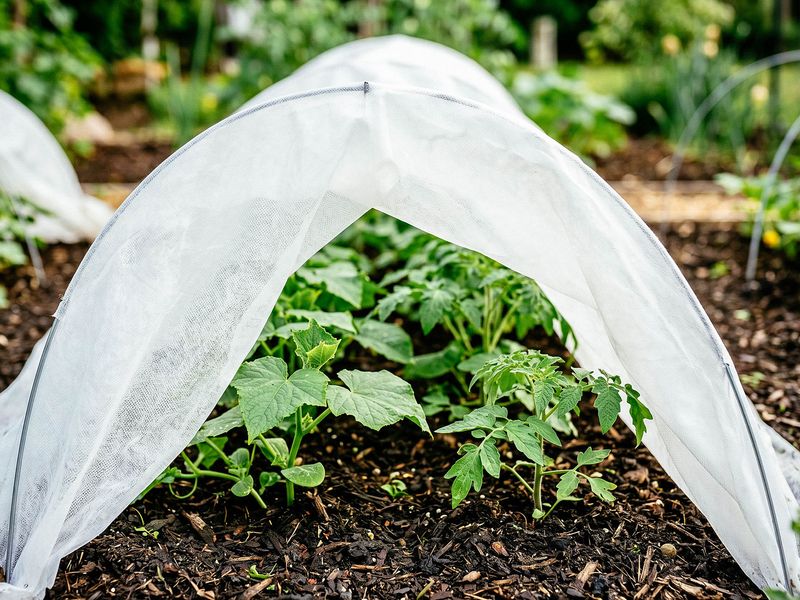
Afternoon sun in the desert Southwest hits differently than morning light. By 1 or 2 p.m., the angle and intensity combine to create conditions that sensitive crops simply cannot handle without some kind of protection.
Lettuce is a good example. It can handle mild morning sun just fine, but direct exposure from noon onward causes leaves to turn bitter, bolt early, and lose their texture.
Covering lettuce beds with shade cloth during afternoon hours extends the harvest window by several weeks in many cases.
Cucumbers and beans are also vulnerable to afternoon exposure. Flower drop is common when temperatures stay high for extended periods.
Shade cloth over these crops during the hottest part of the day can help maintain bloom production and improve fruit set.
One practical approach is to use shade cloth selectively.
Cover sensitive crops from around 11 a.m. to 4 p.m. and leave them uncovered during cooler parts of the day. Some gardeners rig simple pulley systems to raise and lower cloth on a schedule.
Others use portable frames they can move between beds. Either method works.
The goal is reducing peak-hour sun exposure without cutting off the light plants need to photosynthesize and grow steadily through the season.
5. Use Light Colored Fabric To Reflect More Heat
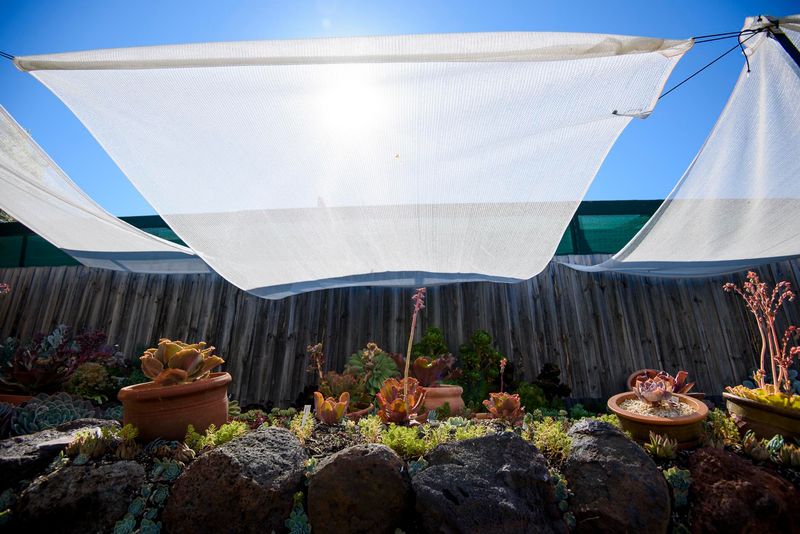
Color matters more than most gardeners expect when picking shade cloth.
Dark fabrics absorb heat and can re-radiate it downward onto plants. Light-colored options reflect a larger portion of incoming solar radiation away from the garden.
White and silver shade cloths are worth considering in high-heat climates.
They tend to keep the space underneath measurably cooler compared to black or dark green versions with the same shade rating. For gardeners dealing with sustained triple-digit temperatures, that difference can be meaningful for plant health.
Black shade cloth is widely available and works well in cooler regions or during milder seasons. In Arizona summers, though, it absorbs heat that then radiates back down.
A white 40 percent cloth may outperform a black 40 percent cloth simply because of how each handles solar energy differently.
Silver aluminized cloth goes a step further by reflecting both visible light and infrared radiation. It costs more than basic woven fabric, but some growers find the investment worthwhile for crops that are especially sensitive to heat.
Availability varies by retailer, so checking local farm supply stores or ordering online gives you the best range of options.
Matching fabric color to your specific climate conditions is a small detail that can add up to noticeable results over a full growing season.
6. Remove Extra Shade When Temperatures Improve
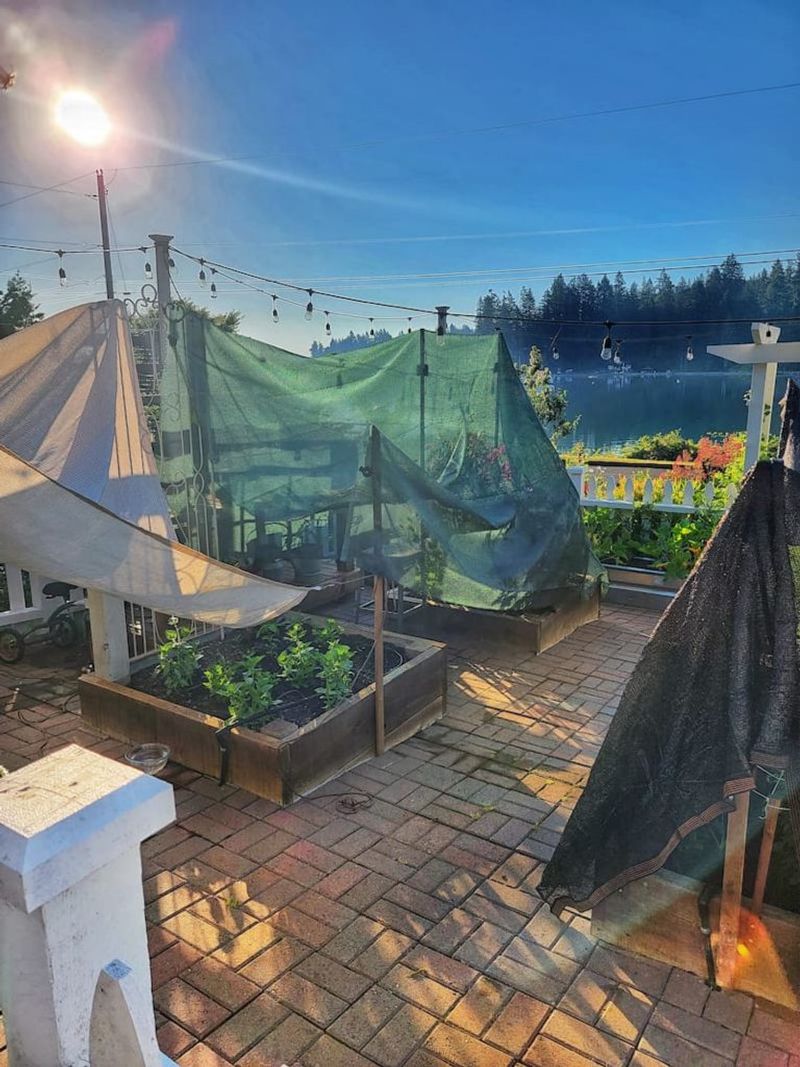
Shade cloth is a seasonal tool, not a permanent fixture. Leaving it up after temperatures drop can limit the light plants need to finish producing and set up strong roots before cooler months arrive.
Late September and October bring significant relief across much of the Southwest. Daytime highs often fall into the 80s and 90s, which is far more manageable for most crops.
Shade cloth left in place during this period can slow fruit ripening on tomatoes and reduce the energy available for plants pushing through their final growth cycle.
Watching the forecast is the simplest guide. When daytime highs consistently stay below 95 degrees, removing or partially rolling back the cloth makes sense.
Some gardeners keep it nearby and reinstall it quickly if a late heat spike arrives. That kind of flexibility is easy to manage with a basic frame setup.
Fruiting crops especially benefit from full sun exposure during their final weeks.
Peppers and tomatoes need strong light to ripen fruit fully and develop good flavor.
Leafy greens can tolerate shade longer, but even they respond well to more light as fall temperatures settle in. Adjusting your setup as conditions change is part of working with the season rather than against it.
Shade cloth helps most when used with intention and removed when the need passes.
7. Adjust Watering After Adding Shade Protection
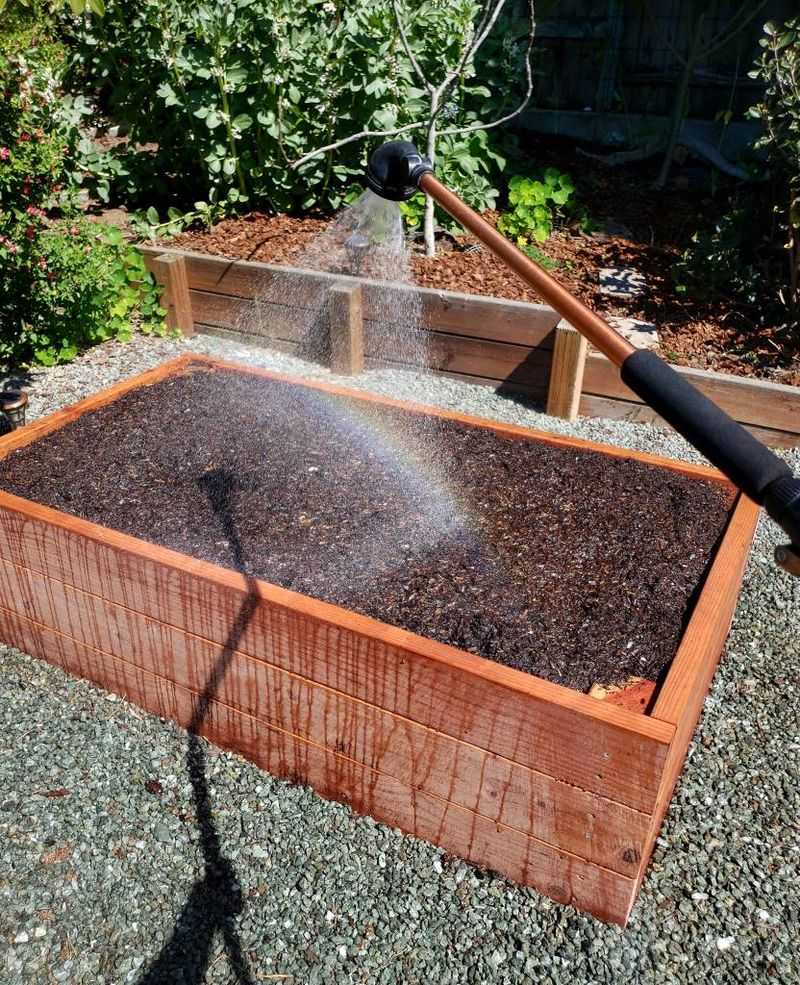
Adding shade cloth changes how moisture behaves in your garden beds, and watering habits need to shift along with it. Shaded soil holds moisture longer than soil baking under full sun, so overwatering becomes a real risk if you keep the same schedule.
Sticking your finger two inches into the soil is the most reliable check. If it still feels damp, hold off on watering.
Many gardeners find they can reduce watering frequency by one session per week after installing shade cloth, though this varies depending on soil type, container size, and plant stage.
Drip irrigation works especially well under shade cloth setups. It delivers water directly to root zones without wetting foliage, which reduces the chance of fungal issues in the lower-light environment beneath the cloth.
Overhead sprinklers can leave leaves wet longer than ideal when airflow is reduced.
Morning watering remains the better option regardless of shade cloth use. Roots absorb moisture efficiently in cooler morning temperatures, and any surface water evaporates before midday.
Evening watering under shade cloth can leave soil too wet overnight in some soil types. Adjusting your watering schedule after installing shade cloth is not complicated.
Pay attention to how quickly your soil dries out during the first week and use that as your new baseline going forward.