Where Rattlesnakes Spend Winter In Texas Yards
Some rattlesnakes return to the very same winter den year after year, sometimes sharing it with dozens of other snakes. A few of those dens sit closer to people than you would guess.
I used to think winter meant snake season was over in Texas. Then I learned these reptiles do not truly hibernate. They slow down, tuck into sheltered spots, and wait for warmer days.
The most surprising part? A sunny 70-degree afternoon in January can coax one out to bask. That means your yard cleanup plans deserve a little extra caution this time of year.
So where exactly do they hide when the cold rolls in? Take a closer look at your woodpile, your shed, and that rock border you love. The answers might change how you tidy up before spring.
1. Cold Weather Sends Rattlesnakes Into A Strange Half-Sleep
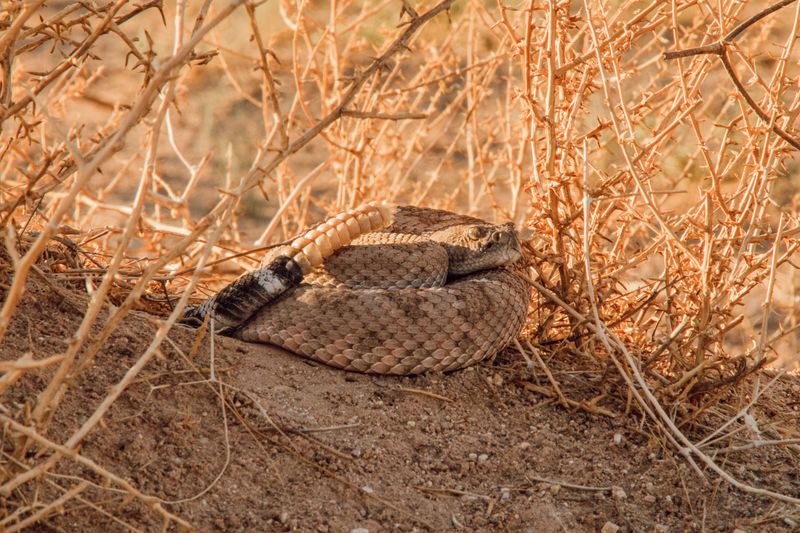
Bears get all the credit for winter naps, but rattlesnakes have their own version. Scientists call it brumation, a slowed-down state where the snake’s heart rate, breathing, and digestion drop way down.
Unlike deep hibernation, brumation is light. A rattlesnake can wake up, move around, sip water, and bask on a warm day.
Texas Parks and Wildlife notes that snakes may surface any time temperatures climb, which happens often across the state.
As cold-blooded animals, rattlesnakes rely on their surroundings for heat. When air temperatures fall below roughly 50 to 60 degrees, they get sluggish and seek shelter. Once a sunny afternoon warms things up, they may slide out to soak in the rays.
That is why winter snake sightings are not unusual, especially in South Texas and along the coast where mild spells are common. In the Panhandle, cold snaps last longer, so snakes stay tucked away more of the season.
I find it fascinating that a snake can lie almost motionless for weeks and then perk up within hours of warmth.
Just remember a slow snake is still a defensive snake. Sluggish does not mean harmless, so give any rattler plenty of room.
2. Rock Piles And Stone Borders Make Cozy Rattlesnake Dens
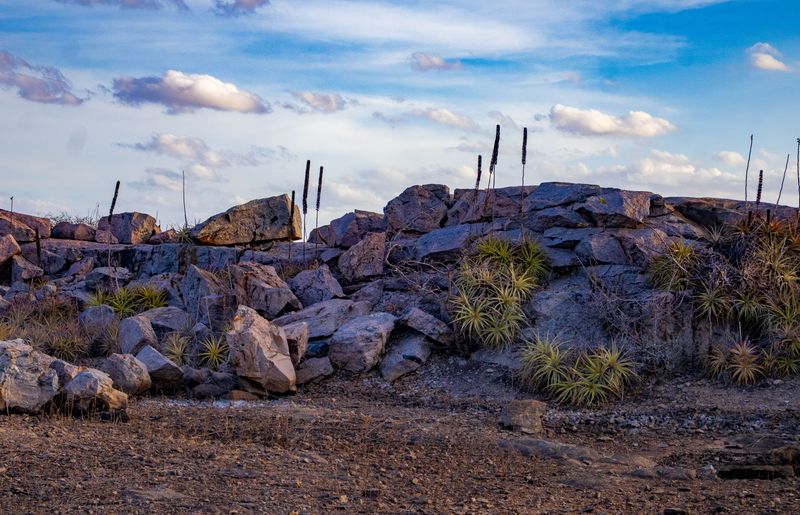
Out in the wild, rattlesnakes love rocky ledges, caves, and deep crevices. Biologists call these winter shelters hibernacula, and some get used by snakes for many generations.
Your yard can copy that setup without you realizing it. Loose limestone borders, decorative boulders, and rock retaining walls with gaps all create dark, insulated pockets.
Stones soak up daytime heat and release it slowly, which keeps the spaces underneath a bit warmer than the open air.
The Hill Country is famous for limestone, so homes there often sit near natural snake habitat. West Texas rocky slopes are similar. If your property backs up to a rocky hillside or creek bank, expect occasional visitors.
Here is a practical tip. Never reach blindly into gaps between rocks, even in December. Wear thick leather gloves and use a tool to move stones when you rearrange a border.
If you are planning new landscaping, mortared walls and tightly fitted stones leave fewer hiding spots than loose stacks.
I still love a good rock garden, but I build mine with fewer gaps now. A pretty bed does not need to double as a reptile hotel, after all.
3. That Firewood Stack Could Be Hiding A Rattler
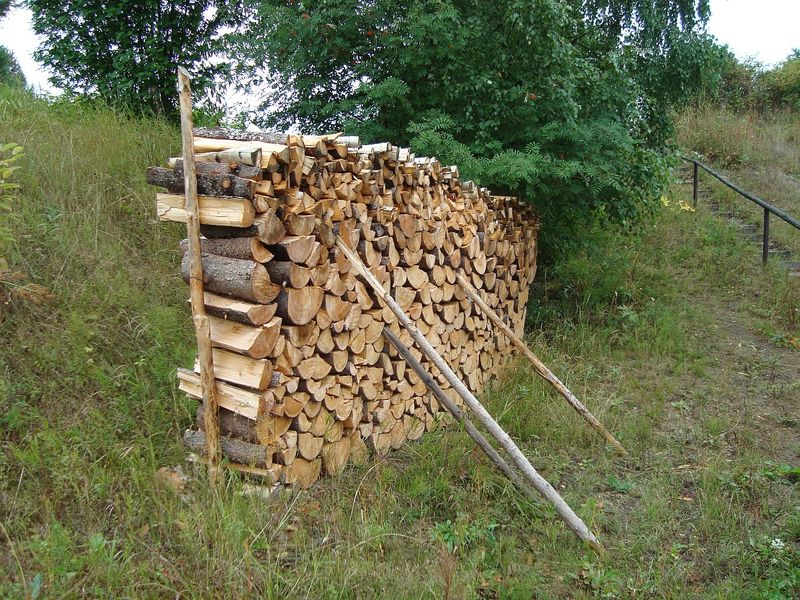
Winter is firewood season, and that is exactly the problem. Every time you grab a log, you are reaching into a spot rattlesnakes find very appealing.
Woodpiles offer layered shelter, steady shade, and gaps of every size. Mice and rats often nest inside them too, so a snake gets cover and a possible meal in one place.
Texas A&M AgriLife experts list woodpiles among the top snake attractants around homes.
You can keep your fire going and still play it safe. Stack wood on a rack raised at least 12 inches off the ground. Place it well away from your house, ideally 20 feet or more, so you are not inviting rodents toward your walls.
When you gather logs, wear sturdy gloves and use a flashlight on cloudy days. Lift pieces from the top and look before you grab. A long pair of tongs helps with the bottom rows.
Other stacked materials count too. Old lumber, scrap tin, roofing sheets, and leaning plywood all create the same snug hideaways.
Honestly, that pile of leftover fencing boards behind my shed was the first thing I moved after learning this.
4. Gaps Under Sheds And Foundations Attract Snakes
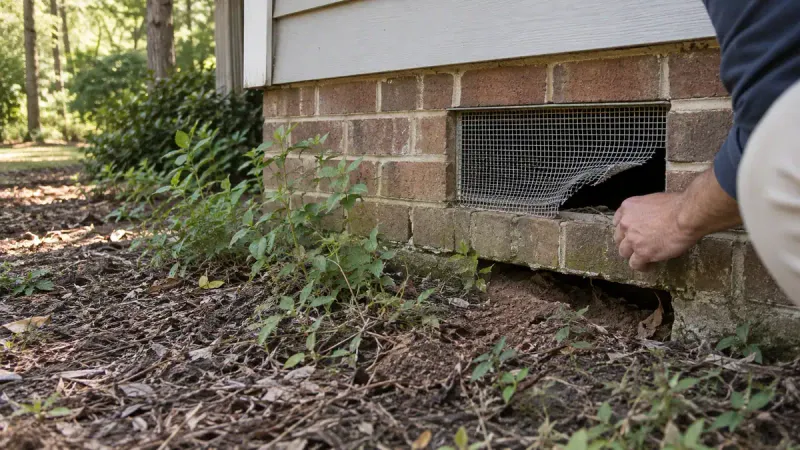
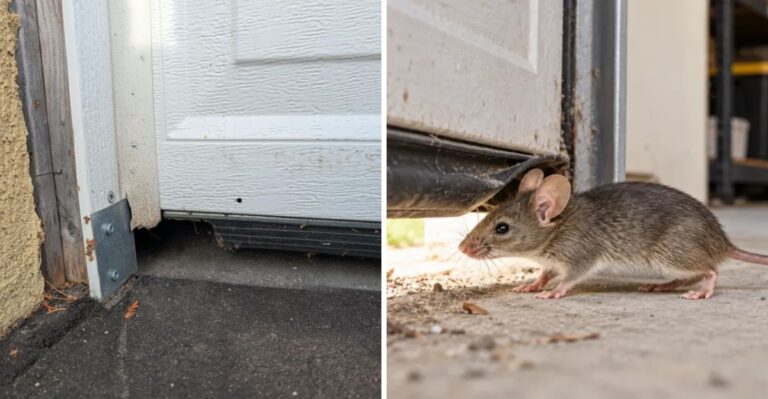
Ask any wildlife removal crew in Texas where they find winter snakes, and sheds will come up fast. The dark space beneath a shed stays sheltered from wind and rain, which feels perfect to a cold reptile.
Pier-and-beam homes, porches, decks, and crawl spaces work the same way. Rodents often move into these spots for winter, and rattlesnakes follow the food.
Start with a walk around your property. Look for openings along the base of sheds, gaps under steps, broken vent screens, and loose skirting around mobile homes.
Snakes can squeeze through surprisingly small spaces, so even a quarter-inch gap matters.
Hardware cloth with quarter-inch mesh works well for sealing these areas. Bury the bottom edge several inches into the soil so nothing can push under it. Expanding foam and caulk help around pipes and utility lines.
One important safety note: check carefully before sealing. Trapping a snake inside a crawl space only creates a bigger headache later.
If you suspect one is already living there, call a licensed wildlife professional. I would much rather pay for an expert visit than wiggle under a porch with a flashlight myself.
5. Old Rodent Burrows Become Ready-Made Snake Shelters
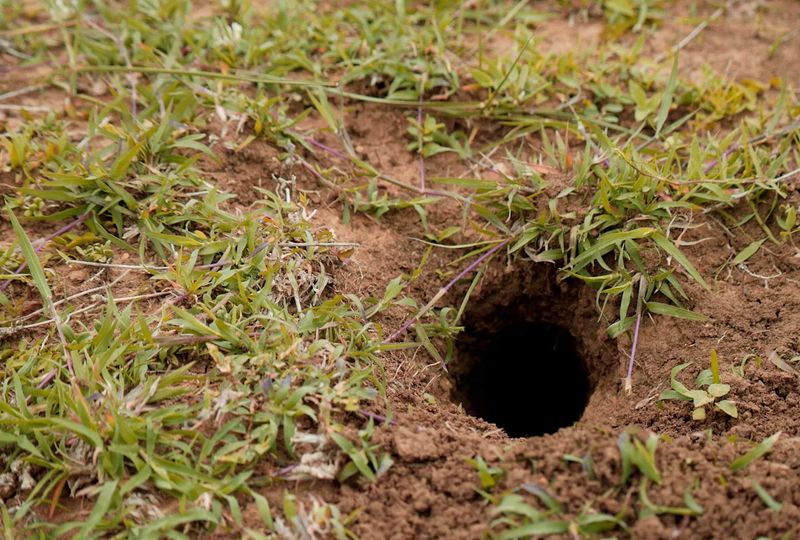
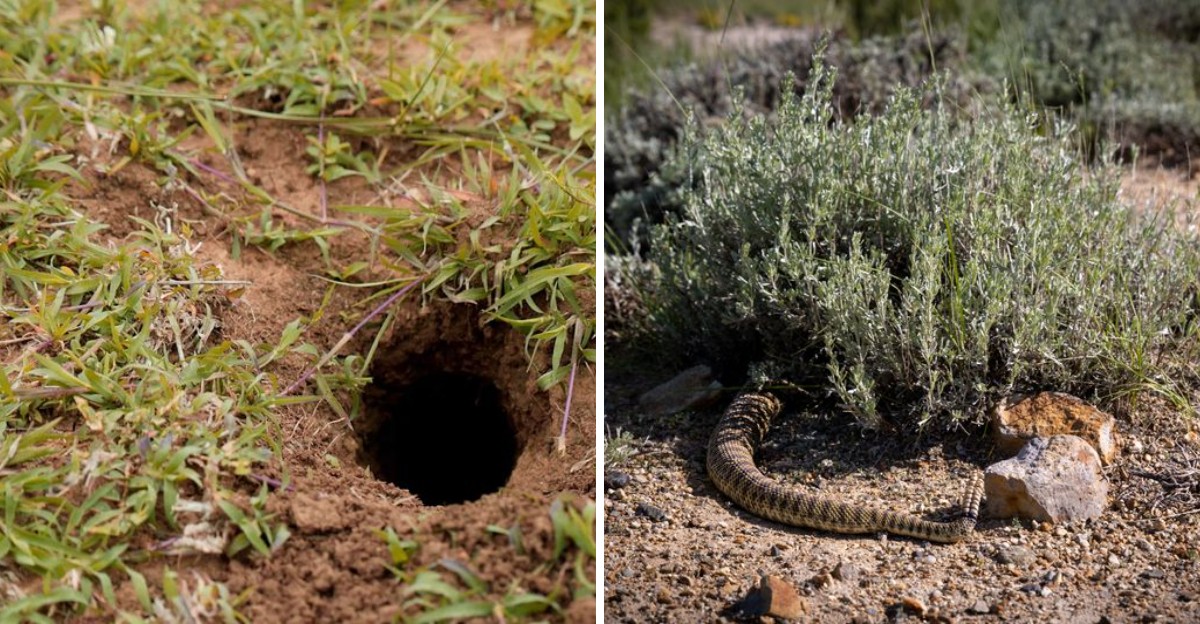
Rattlesnakes are not big diggers. Instead, they borrow homes built by others, and abandoned burrows are a favorite winter address.
Gophers, ground squirrels, armadillos, and pack rats all leave tunnels behind. These underground spaces hold steady temperatures, so they make a fine refuge when a blue norther blows through.
In the wild, rattlesnakes in Texas often brumate in prairie dog towns and armadillo holes.
You may notice burrows along fence lines, under shrubs, near compost bins, or at the edges of a pasture. A round hole with smooth sides and no fresh dirt pile might mean the original owner moved out.
So what should you do? Avoid sticking hands, feet, or tools into holes you cannot see inside. When you mow or weed near burrows, watch your step and wear boots.
Reducing rodents is the long-term fix. Fewer rodents mean fewer burrows and fewer reasons for snakes to stay. If armadillos are digging up your lawn, a professional can help with humane removal.
Fun fact: rattlesnakes can sense the body heat of prey using special pits on their faces. Those burrow dwellers glow like warm beacons to them.
6. Spilled Birdseed And Pet Food Bring Mice And Then Rattlesnakes
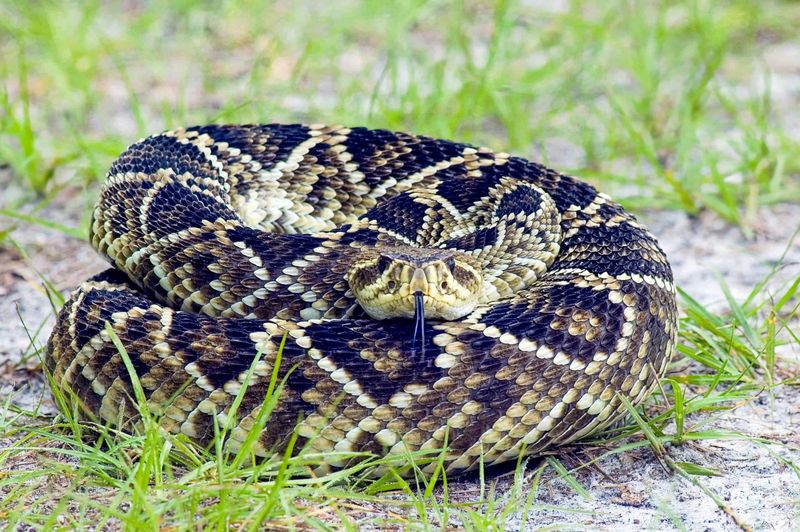
Feeding backyard birds in winter feels wonderful. Unfortunately, the seed scattered under the feeder can kick off a chain reaction you did not plan for.
Mice and rats love fallen birdseed. Once rodents settle in, rattlesnakes have a reason to linger, even through cooler months when they wake to feed on warm days.
Pet food left outside, open trash cans, and leaky outdoor faucets add to the buffet.
A few small changes help a lot. Use seed trays under feeders, or switch to no-mess seed blends that leave fewer hulls behind. Rake up spilled seed every few days.
Bring pet bowls indoors at night and store feed in metal bins with tight lids. Fix dripping hoses, since water attracts rodents during dry Texas winters.
Compost piles deserve a look too. Keep meat and dairy out, and turn the pile regularly so rodents do not nest inside.
I truly believe this step offers the biggest payoff. Clear brush helps, but cutting off the food supply removes the whole reason a snake would want to stick around. You can still enjoy your cardinals and chickadees with a little tidier routine.
7. Leaf Piles And Overgrown Brush Hide More Than Leaves
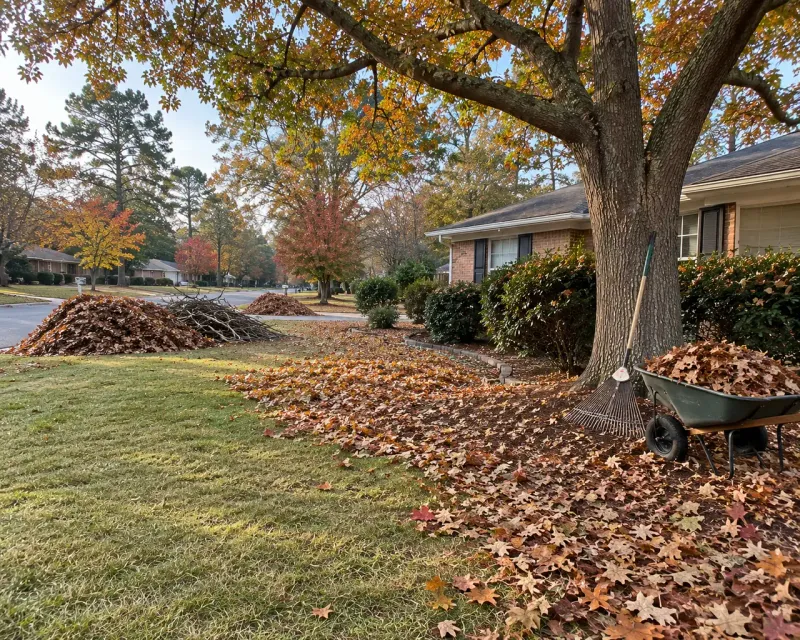
Raking leaves into a corner and forgetting about them is easy. I have done it plenty of times. Yet those soft heaps make insulated blankets for rodents and the snakes that hunt them.
Dense brush, tall grass, overgrown shrubs, and thick ground cover create shady, protected zones. Live oak leaves pile up fast in many Texas yards, and they stay in place for weeks.
You do not need a bare yard to stay safer. Many gardeners leave leaves for pollinators, and that is a fine choice in beds away from paths and doors. Just keep the areas near your house, walkways, and play spaces clear and open.
Trim shrubs so you can see the ground beneath them. Keep grass mowed short near your home’s perimeter. Snakes feel exposed on open ground and tend to move on.
When you finally clear a leaf pile, use a long-handled rake rather than your hands. Rake toward yourself from the far side so anything underneath has an escape route away from you.
A little visibility goes a long way. If you can see the soil, you can usually spot trouble before you step on it.
8. Spotting A Sunbathing Rattlesnake This Winter Calls For Calm
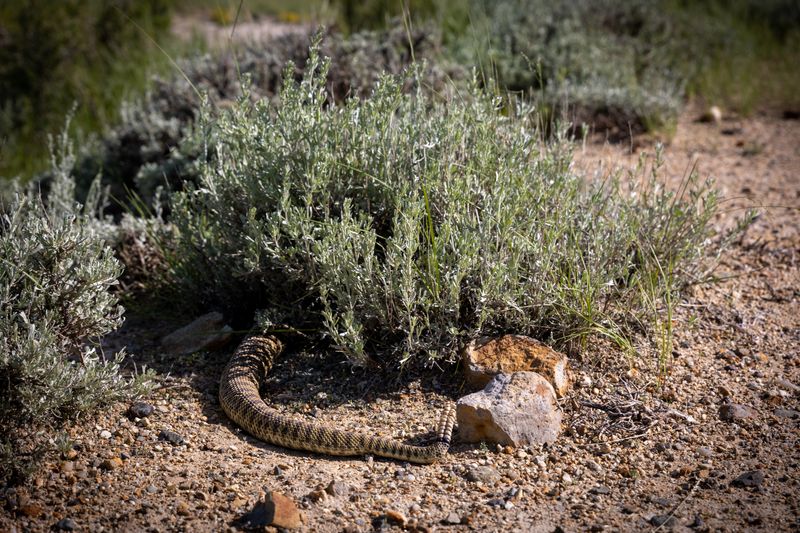
Picking the warmest spot in the yard is something both cats and rattlesnakes have mastered. On mild winter days, a snake might stretch out on a sunny patio, driveway, or rock to warm up.
If you see one, stay calm and back away slowly. Keep at least six feet between you and the snake, and keep kids and pets inside. Most bites happen when people try to handle or harm a snake, so leave it alone.
Texas does not protect common rattlesnakes like the western diamondback, but the timber rattlesnake is listed as threatened in the state, and some local rules apply. A licensed wildlife removal service is the safest choice for relocating one.
Should a bite happen, call 911 and get to a hospital quickly. Skip ice, tourniquets, and cutting the wound. Stay still and remove rings or tight items near the bite.
Rattlesnakes do play a useful role by controlling rodents. Your goal is not war with wildlife, just a yard that feels less inviting.
Clear clutter, seal gaps, manage food sources, and stay alert on warm days. Do that before spring, and you will garden with far more confidence.