Plant These 8 Crops In Montana Now For A Fall Harvest
Summer’s exit doesn’t have to end your garden’s momentum. You still have plenty of time to beat the frost. Montana’s autumn air hides a secret most gardeners often miss completely.
Cooler nights sharpen sugars inside cold-hardy vegetables. Kale turns sweeter with every frosty morning. Carrots deepen in flavor as nighttime temperatures drop. Spinach thickens instead of wilting in the chill.
Nothing about this changing season has to slow your harvest. Seeds planted now push roots forward fast. Timing beats luck when frost threatens your soil.
Growers across Montana who plant late still harvest fresh greens deep into fall. Your effort matters far more than the weather ever will. Doubts about short seasons cost you real flavor.
Real results come from acting before the ground firms. Every day you wait affects yield and taste. What you plant this week decides your plate later. The next paragraph tells you exactly how to start.
1. Radishes
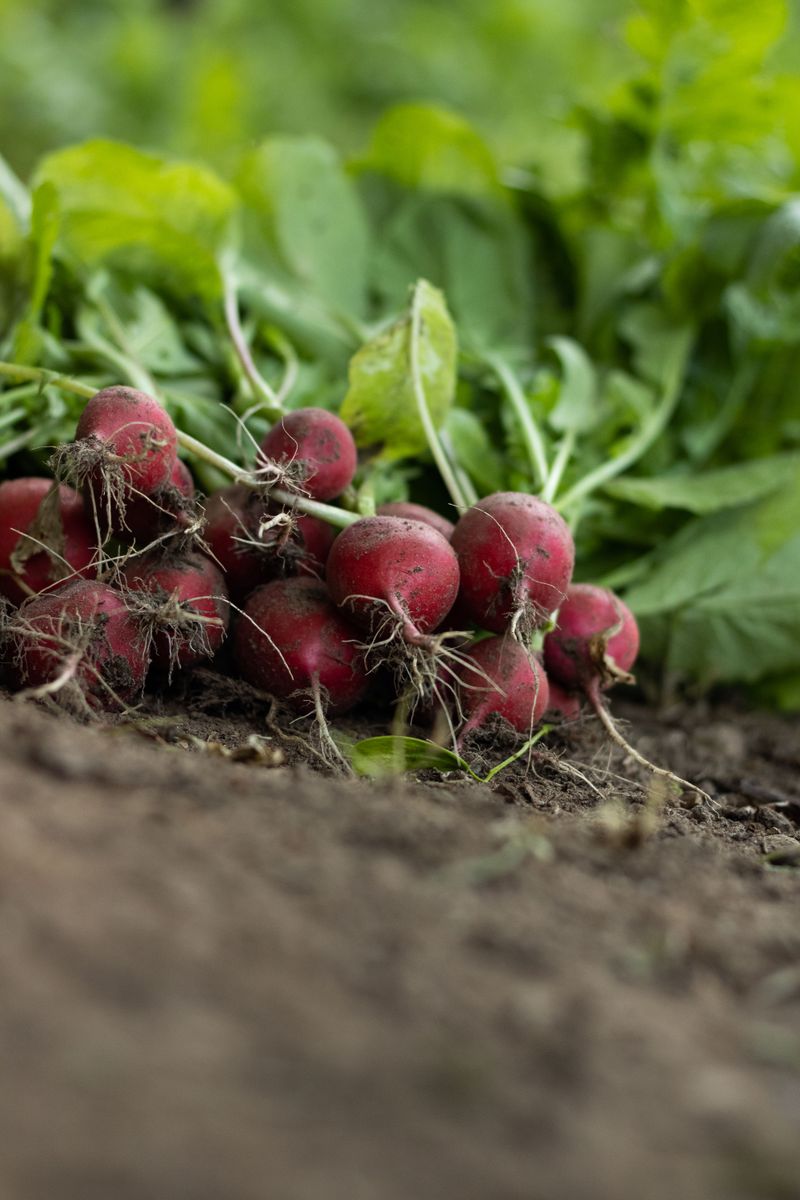
Radishes grow faster than most vegetables. They go from seed to harvest in as little as 25 days.
That speed makes them the smartest choice for a fall harvest in Montana. You can squeeze in multiple rounds before the first hard frost arrives.
Sow seeds directly into loose, well-drained soil about half an inch deep. Space them two inches apart so each root has room to swell up properly.
Water consistently but avoid soaking the soil. Uneven moisture causes radishes to crack and turn pithy fast.
Cool fall air actually improves their flavor. Warm summers make radishes spicy and tough, but autumn temps mellow them out beautifully.
Varieties like Cherry Belle and French Breakfast do exceptionally well in northern climates. Both mature quickly and hold their texture even as nights get cold.
Tuck radishes between slower-growing crops to maximize your garden space. They act as natural row markers while your carrots or beets take their time.
Harvest them promptly once they reach about an inch in diameter. Left too long, they become woody and lose that satisfying crunch.
A fall radish pulled straight from the earth and rinsed clean is one of gardening’s simplest rewards. Crunchy, peppery, and completely fresh, it reminds you exactly why you planted in the first place.
2. Lettuce
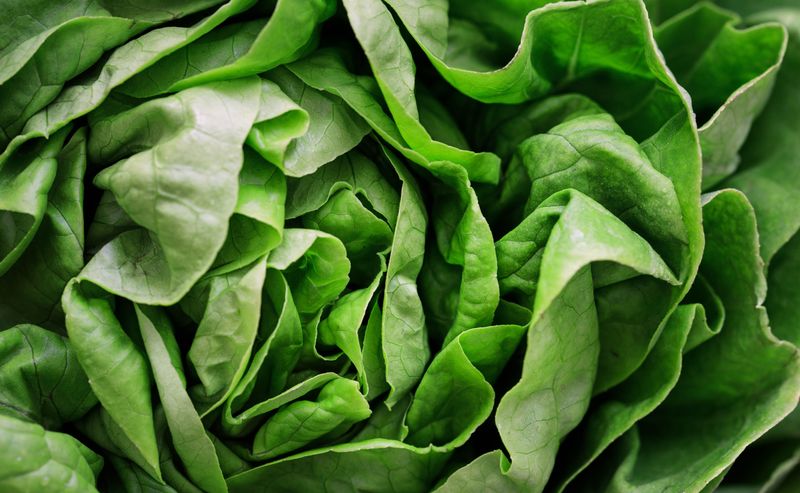
Lettuce struggles in summer heat but thrives in the crisp, cool days of a Montana fall. Planting now means heads of tender, sweet lettuce ready just when your garden needs a win.
Loose-leaf varieties like Black Seeded Simpson and Red Sails are ideal for fall planting. They mature faster than head lettuce and can be harvested leaf by leaf over several weeks.
Sow seeds shallowly, barely covering them with a thin layer of soil. Lettuce seeds need light to germinate, so burying them too deep causes poor sprouting.
Keep the soil moist during germination, which usually takes five to ten days. Once seedlings appear, thin them to about six inches apart for proper airflow.
As temperatures drop, lettuce actually gets sweeter and more tender. Frost can even improve flavor, making fall-grown lettuce taste noticeably better than its summer counterpart.
Use a floating row cover to extend your season by several weeks. This lightweight fabric traps warmth and protects plants from early freezes without blocking sunlight.
Container planting works great for lettuce too. A pot on a sunny porch can be moved indoors on the coldest nights, giving you fresh greens well into November.
Harvesting outer leaves first encourages the plant to keep producing. One well-tended lettuce plant can feed a family for weeks before it finally bolts.
Growing your own fall lettuce noticeably improves the taste of salads. Each bowl becomes proof that you worked with the season instead of against it.
3. Spinach
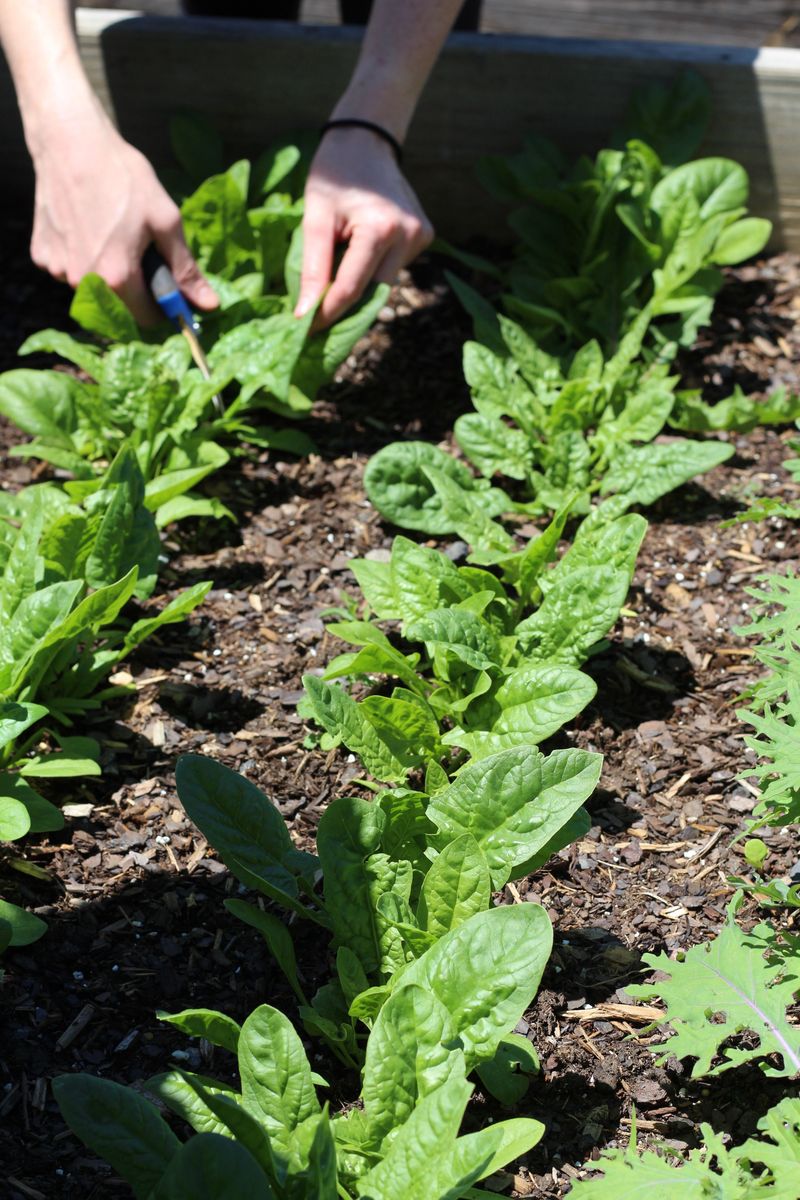
Spinach is one of the toughest leafy greens you can grow in a fall garden. It can survive temperatures as low as 20 degrees Fahrenheit once it hardens off properly.
That cold hardiness makes spinach a standout choice for Montana’s unpredictable autumn weather. A light frost does not hurt it, and some gardeners say it actually boosts the sweetness.
Plant seeds about half an inch deep and two to three inches apart in rows. Spinach germinates best when soil temperatures sit between 45 and 65 degrees Fahrenheit.
If your soil is still warm from summer, try pre-chilling your seeds in the refrigerator for a few days. This simple trick can dramatically improve germination rates in late-season planting.
Savoy varieties like Bloomsdale Long Standing are excellent for fall crops. Their crinkled leaves hold up well to cold and resist wilting after harvest.
Water regularly but let the surface dry slightly between waterings. Overwatering in cool weather invites fungal issues that can wipe out a whole row fast.
Harvest outer leaves once plants reach about four inches tall. This cut-and-come-again method keeps production going for weeks longer than a single full harvest.
Spinach is packed with iron, vitamins, and antioxidants that your body craves heading into winter. Growing your own means peak nutrition at peak freshness, not days after picking.
A late-fall spinach harvest is a satisfying result of good timing. It shows that your garden can still produce well after summer ends.
4. Arugula
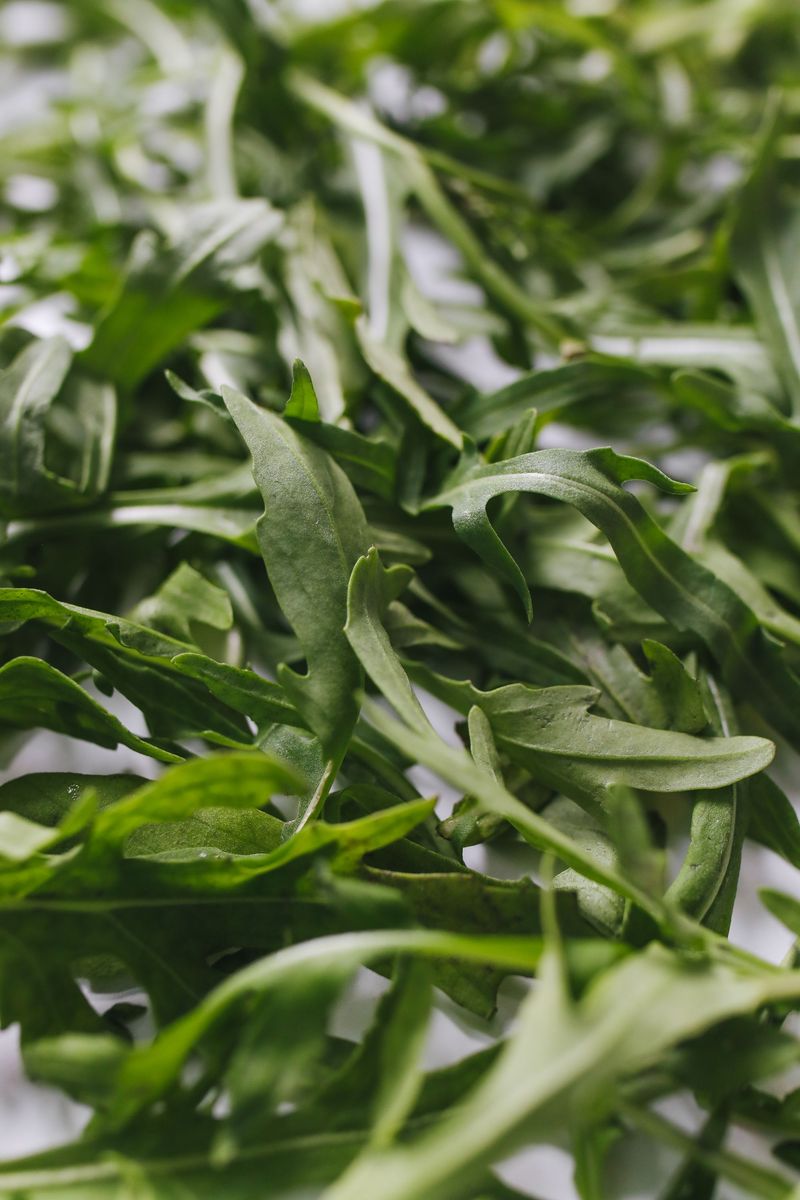
Arugula brings a bold, peppery punch that no other salad green can match. Chefs and home cooks both treasure it for its sharp, nutty flavor that intensifies with cooler temperatures.
Planting arugula now sets you up for a fall harvest that tastes far better than anything from a grocery store. Cool weather tones down bitterness and amps up that signature spice.
Scatter seeds thinly across prepared soil and press them gently into the surface. Arugula seeds are tiny, so a light hand prevents overcrowding and wasted thinning time later.
Germination happens fast, often within five to seven days under good conditions. You will see little green sprouts pushing up almost before you expect them.
Thin seedlings to about four inches apart once they reach an inch tall. Crowded arugula bolts quickly and loses flavor, so giving plants space pays off big.
Wild or rustic arugula varieties tend to be more cold-tolerant than standard types. They also carry a more complex, almost mustardy flavor that works beautifully in fall salads.
Harvest young leaves when they are about three inches long for the mildest taste. Larger leaves are still edible but carry a sharper bite that some find overwhelming.
Arugula pairs brilliantly with roasted beets, sharp cheese, and toasted walnuts. A fall harvest salad built around your own homegrown arugula stands out on the dinner table.
Growing arugula is one of the simplest additions to your fall garden right now. Start today and taste the difference in just a few short weeks.
5. Mustard Greens
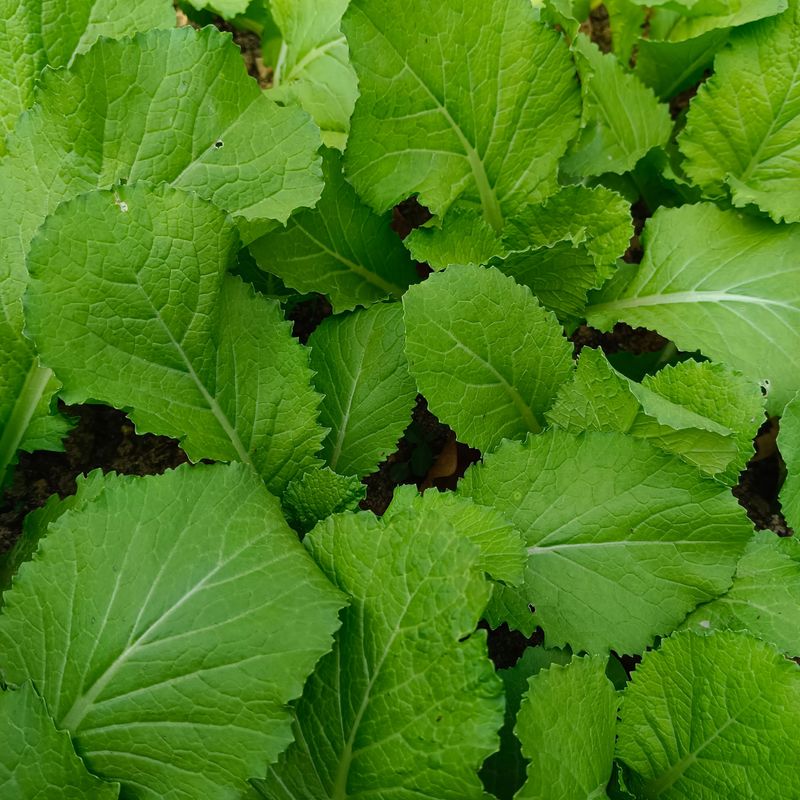
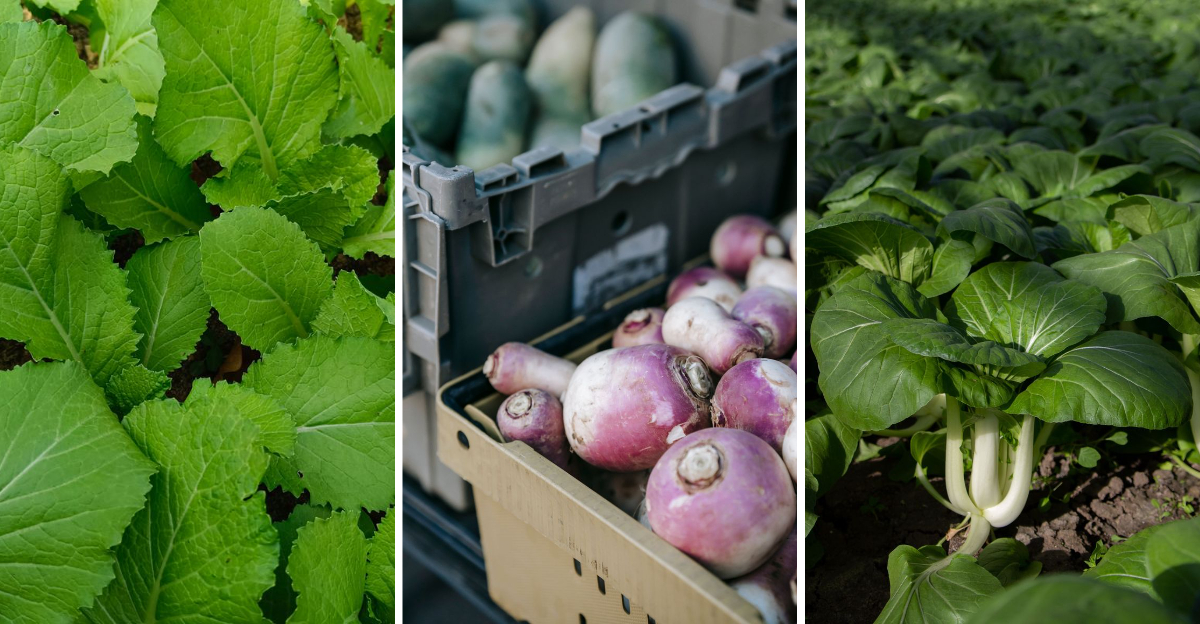
Mustard greens are an often-overlooked crop that deserves more attention. Bold, slightly spicy, and incredibly nutritious, they grow fast and ask for very little.
These greens thrive in the exact conditions Montana falls deliver: cool days, cold nights, and plenty of sunshine. Lower temperatures actually reduce bitterness and make the leaves more tender.
Sow seeds directly into the garden about a quarter inch deep in rows twelve inches apart. Mustard greens germinate quickly, usually within four to seven days in cool soil.
Thin seedlings to about six inches once they are a couple inches tall. Proper spacing prevents disease and gives each plant enough light to develop full, flavorful leaves.
Red Giant and Southern Giant Curled are two excellent varieties for fall planting. Both handle frost well and produce large, colorful leaves that look stunning in the garden.
Water deeply once or twice a week depending on rainfall. Mustard greens are surprisingly drought-tolerant but produce better leaves with consistent moisture during the growing period.
Harvest outer leaves when they reach four to six inches long. Young leaves taste milder and work great in salads, while bigger leaves hold up well to sauteing.
A quick saute with garlic and olive oil transforms mustard greens into a side dish worth bragging about. The heat mellows the spice and brings out a rich, complex flavor.
Adding mustard greens to your fall garden is a practical, low-effort choice this season. They deliver serious nutrition and serious flavor with minimal effort on your part.
6. Turnips
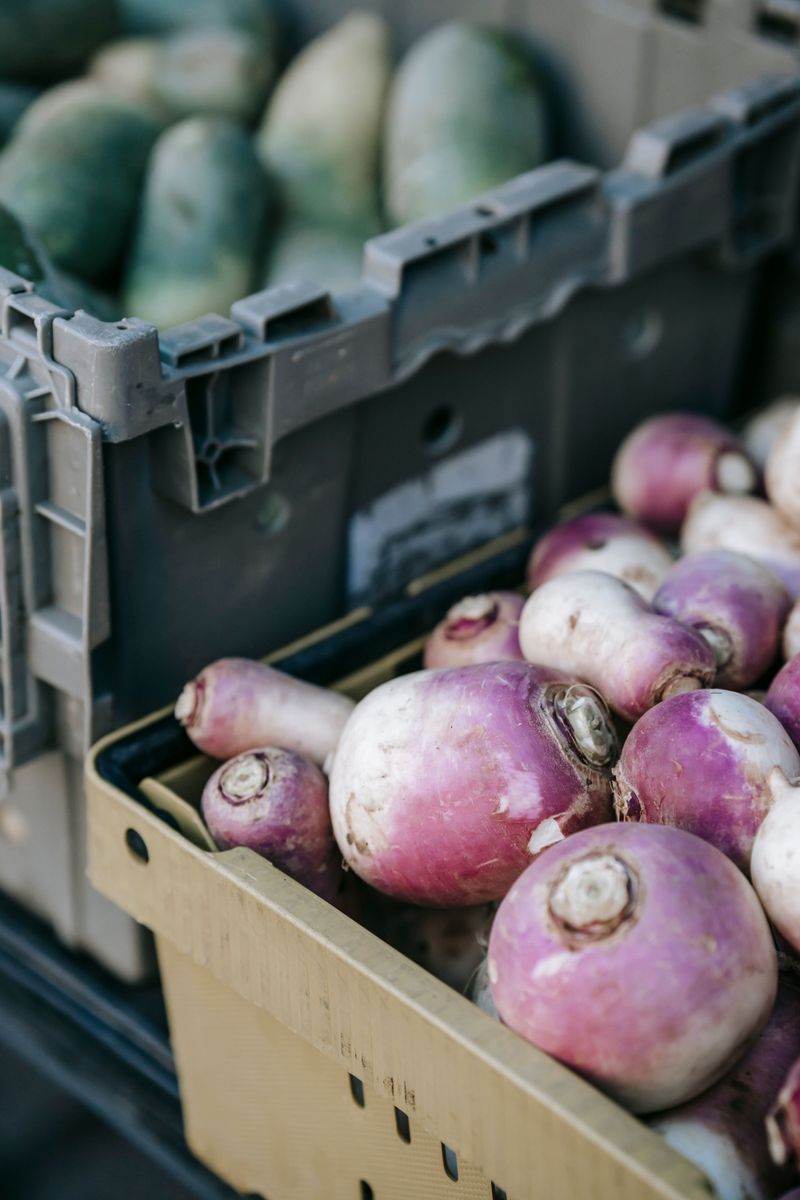
Turnips are a reliable, dual-purpose crop for the fall garden. You get both the sweet, starchy root and the tender, nutritious greens from a single plant.
They mature in about 45 to 60 days, making them a solid choice for planting right now. That timeline lines up perfectly with Montana’s fall harvest window before hard ground freezes arrive.
Sow seeds half an inch deep and about an inch apart directly in the garden. Thin to four inches once seedlings emerge, keeping the largest, healthiest plants in place.
Turnips prefer loose, well-amended soil that drains well. Rocky or compacted ground causes misshapen roots that are harder to cook and less satisfying to harvest.
Purple Top White Globe is the classic go-to variety for fall planting. It is reliable, cold-hardy, and produces roots with a sweet, slightly earthy flavor that gets better after frost.
Hakurei turnips are a Japanese variety worth trying if you want something different. They are smaller, crisper, and mild enough to eat raw right out of the garden.
Keep soil consistently moist throughout the growing period. Dry spells followed by heavy watering cause roots to split, which ruins their texture and shelf life.
Turnip greens can be harvested early while the roots finish developing below ground. Steam or saute them with a pinch of salt for a surprisingly satisfying and nutritious side dish.
A basket of fresh-pulled turnips on a cool October morning is a satisfying result of the season’s work.
7. Bok Choy
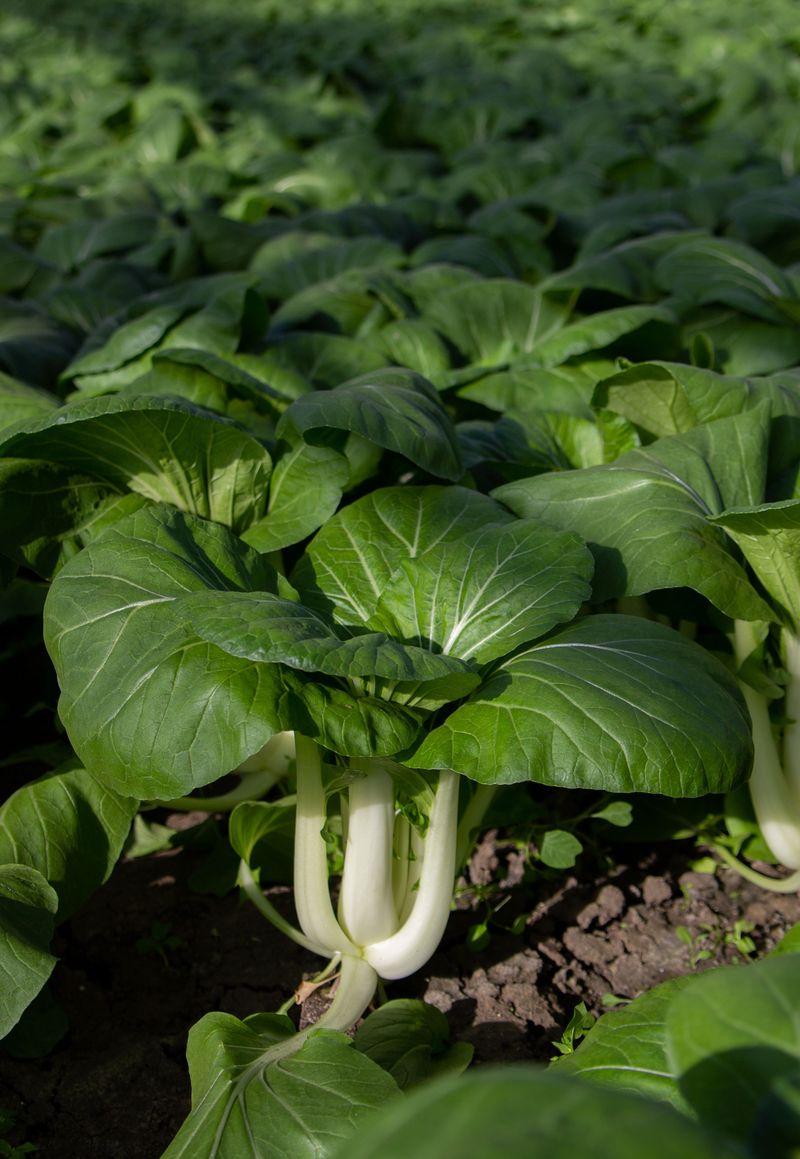
Bok choy brings a distinct flavor and texture to the fall garden. Its crisp white stalks and dark leafy tops are as beautiful as they are delicious.
Cool weather is exactly what bok choy needs to reach its full potential. Warm summers make it bolt almost immediately, but fall temperatures let it develop slowly and sweetly.
Plant seeds half an inch deep and space rows about twelve inches apart. Thin seedlings to six inches once they reach two inches tall to prevent overcrowding and disease.
Baby bok choy varieties mature in as few as 30 days, which is perfect for late-season planting. Full-size varieties take closer to 50 days but produce impressive, restaurant-worthy heads.
Joi Choi and Toy Choi are two top-performing varieties for fall gardens in cold climates. Both handle light frost without flinching and maintain excellent texture all the way to harvest.
Water regularly and evenly throughout the growing period. Inconsistent moisture causes the stalks to crack or split, which affects both appearance and taste significantly.
Watch for aphids, which love bok choy as much as you do. A strong spray of water can help knock them off without chemicals, though it may not fully control an infestation.
Stir-frying bok choy with ginger and soy sauce is a weeknight dinner move that never gets old. The crisp texture holds up beautifully in the pan without turning mushy.
Harvesting your own bok choy in October is a rewarding payoff. With good timing, a fall harvest can be just as productive as summer’s peak.
8. Baby Kale
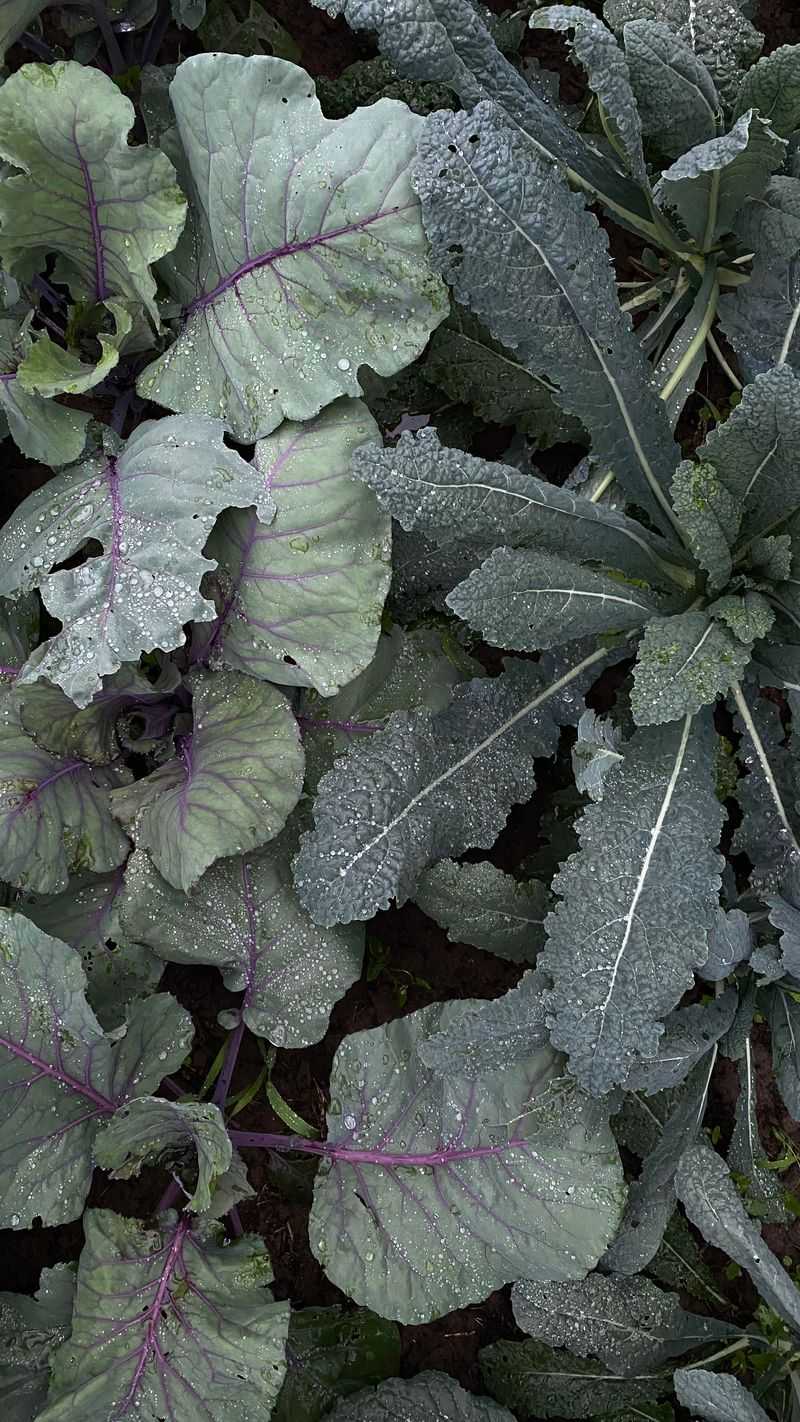
Baby kale has become increasingly popular, and your fall garden is a great place to grow it. Smaller and more tender than mature kale, it is sweeter, less chewy, and endlessly versatile.
Montana’s cool fall temperatures are practically tailor-made for kale production. Frost actually converts starches in the leaves to sugar, making late-season baby kale taste noticeably sweeter than summer batches.
Sow seeds about a quarter inch deep in well-prepared soil with good drainage. Space seeds two to three inches apart and thin to six inches once seedlings are established.
Red Russian and Lacinato are two excellent varieties for fall planting in cold climates. Both produce tender, flavorful leaves and handle frost without turning bitter or tough.
Baby kale matures in about 25 to 30 days when harvested at the young-leaf stage. That quick turnaround makes it one of the most practical crops for a fall harvest timeline.
Cut leaves when they reach two to four inches long for the best flavor and texture. Leaving the growing center intact allows the plant to keep pushing out new leaves for weeks.
Kale is loaded with vitamins K, C, and A, making it one of the most nutritious crops you can grow. Eating it fresh from your own garden means less time for nutrients to break down after harvest.
Toss baby kale into smoothies, layer it on grain bowls, or wilt it into pasta for a fast weeknight meal. Its mild flavor at this stage makes it approachable even for picky eaters.
Planting baby kale now for a fall harvest is one of the most practical choices for your garden this season.