The Raised Bed Material Montana Gardeners Prefer Over Wood Or Concrete
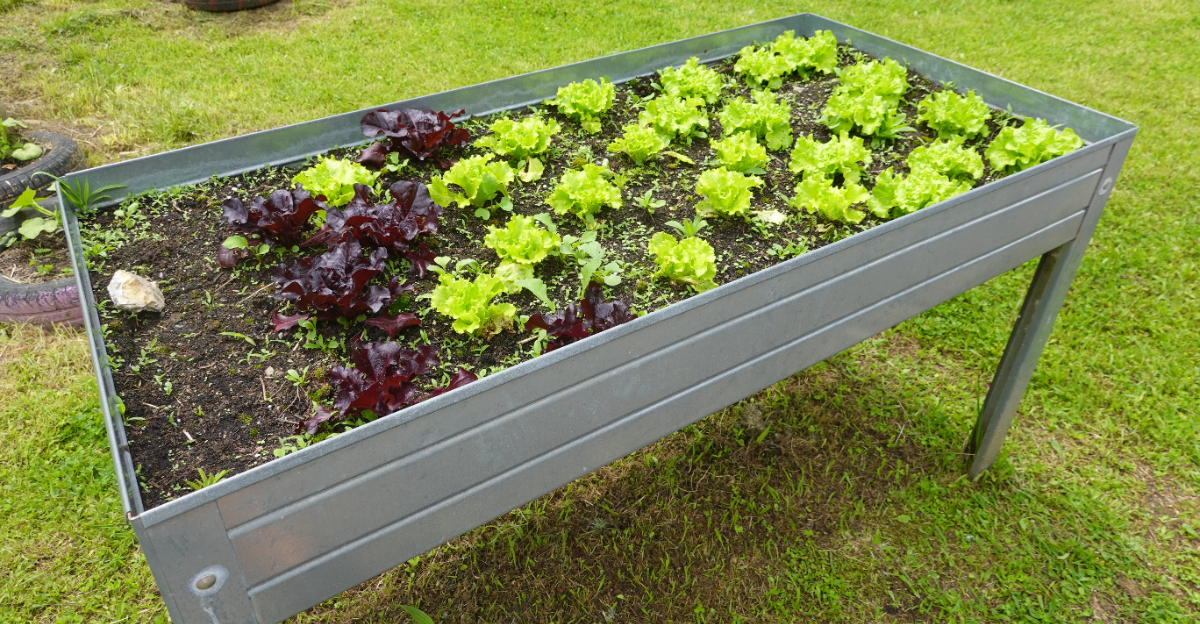
Something built for bridges now guards your garden beds instead. Winters here wear down wood and weaken concrete before you notice.
Montana’s climate challenges weak materials, and your raised beds shouldn’t struggle too. Nobody wants you rebuilding raised beds every few seasons.
Yet most gardeners choose materials that let you down fast. One material works differently, forming a shield around your beds.
Engineers trusted this substance long before you ever needed it. Everything here challenges you, yet this material outlasts the rest.
Backyard growers across Montana are switching for deeper reasons than looks. This material distinguishes itself by outlasting wooden alternatives.
Momentum builds fast once you notice the difference next door. Curiosity turns into conversion the moment you touch this material yourself.
You haven’t truly seen resilience like this in raised beds before. You’re about to discover what this material is and why it earns its reputation.
Why Wood And Concrete Fall Short In Montana
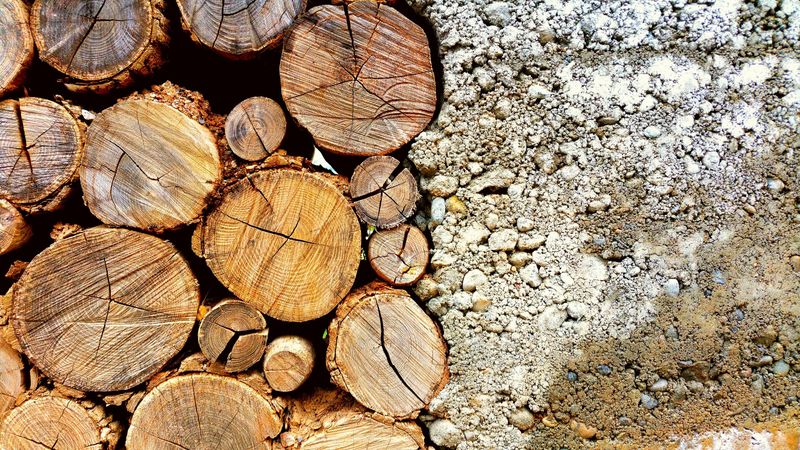
Picture this: you spend a weekend building beautiful cedar raised beds, and by spring three, the boards are soft and splintered. Wood tends to fail faster in Montana’s climate than in milder regions.
Cedar and pine are popular choices in warmer states, but Montana’s freeze-thaw cycles are relentless. Moisture seeps into the grain, freezes overnight, and expands. That expansion causes wood to crack and weaken over time.
Treated lumber holds up slightly longer, but it comes with a tradeoff. Many pressure-treated boards contain chemicals that can leach into your garden soil over time, which is a concern for anyone growing food.
Concrete seems like the tough alternative, but it has its own weaknesses. In extreme cold, concrete absorbs water and then cracks when that water freezes and expands inside tiny pores. Concrete blocks are also heavy and difficult to reconfigure.
If your garden layout needs to change, you are essentially starting over from scratch, hauling heavy material out piece by piece. Both materials also struggle with Montana’s intense UV exposure at high elevation.
Sun bleaches and dries wood quickly, and repeated heating and cooling accelerates concrete’s structural breakdown. Gardeners across the state have had to redo work because of these material failures.
A bed that collapses mid-summer or heaves out of alignment after a hard frost is more than an inconvenience. Switching to a more resilient material is a practical choice for gardeners in this climate.
Cor-Ten Steel: A Rustic Alternative Worth Knowing
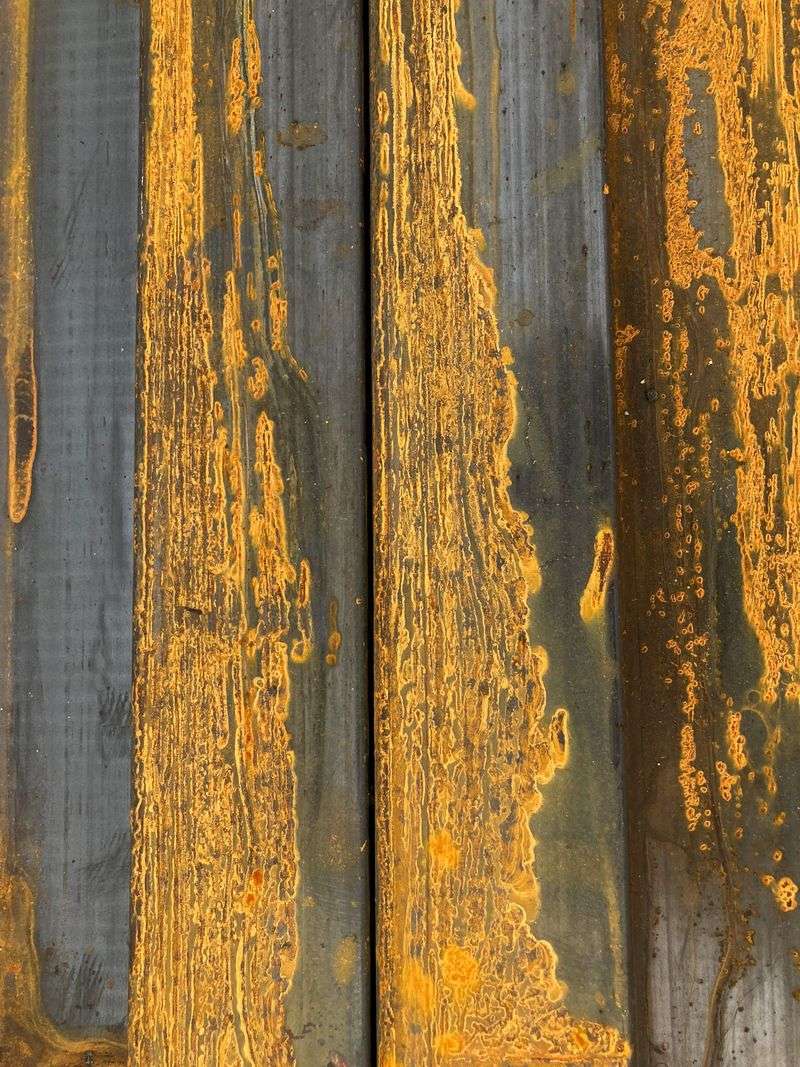
Cor-Ten steel has an industrial origin but takes on a warm, natural appearance in garden settings. The warm amber and brown tones it develops over time blend naturally with soil, stone, and surrounding landscape.
This material is widely credited to U.S. Steel, developed for use in railroad cars and structural applications that needed to withstand heavy weather exposure.
Engineers needed something that could handle weather exposure without constant repainting or maintenance.
What they created was a steel alloy that forms a stable, tightly bonded oxide layer on its surface. That layer acts as its own shield, preventing deeper corrosion from developing underneath.
For gardeners, this means a raised bed that essentially takes care of itself. No sealing, no staining, no replacing planks every few years. You set it up and let it work.
Cor-Ten steel raised beds have become especially popular with homesteaders and serious growers who want a long-term setup. The material pairs well with natural surroundings, which is a big reason it fits so perfectly in Montana’s rugged aesthetic.
The steel is available in flat sheets or pre-formed panels designed specifically for garden beds. Some companies even sell kits that require no special tools to assemble, making setup accessible for most skill levels.
Gardeners who switch often report fewer ongoing maintenance concerns. No more worrying about rot, chemical leaching, or crumbling edges.
Cor-Ten steel raised beds offer a fresh start, and they are built to last well beyond a single gardening generation.
How It Weathers Into A Natural Patina
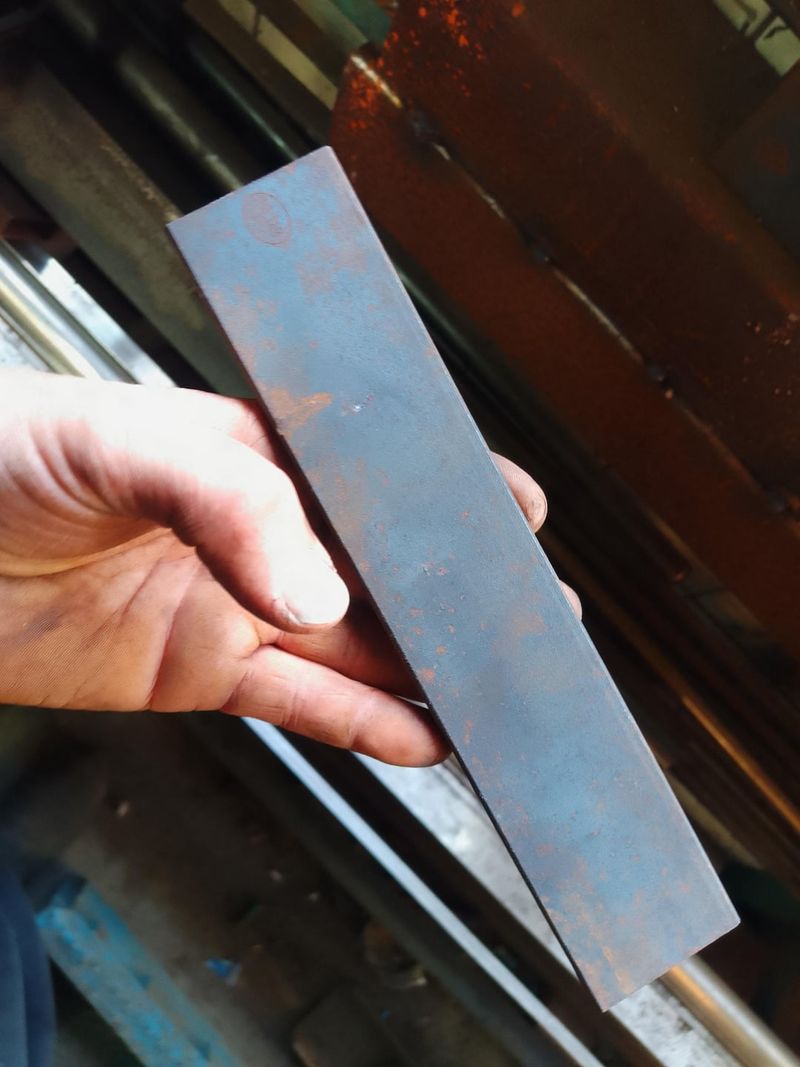
Watching Cor-Ten steel change over its first season is genuinely fascinating. It starts as a flat gray-orange sheet and slowly deepens into rich layers of amber, sienna, and chocolate brown.
The weathering process is not random. It follows a predictable chemical reaction where iron in the steel combines with oxygen and moisture. This forms a dense oxide layer called patina.
Unlike regular rust, which flakes and spreads destructively, Cor-Ten’s patina is stable and self-sealing. Once fully formed, it stops the oxidation process from reaching the core steel beneath.
The full patina typically develops over one to three years depending on local humidity and rainfall. In Montana’s dry mountain air, the process may take slightly longer than in wetter climates, but the result is just as durable.
Some gardeners love the evolving look during those first seasons. The bed shifts in color with the changing light, looking almost alive as it settles into its final appearance.
One thing to keep in mind: during the initial weathering phase, some reddish-brown runoff may occur after rain. This is completely normal and temporary, but placing the beds away from light-colored surfaces like concrete patios is a smart precaution.
Once the patina stabilizes, that runoff stops entirely. What you are left with is a rich, textured surface that looks like it has always been part of the landscape. Few materials develop this kind of distinctive weathered appearance.
Standing Up To Montana’s Harsh Winters
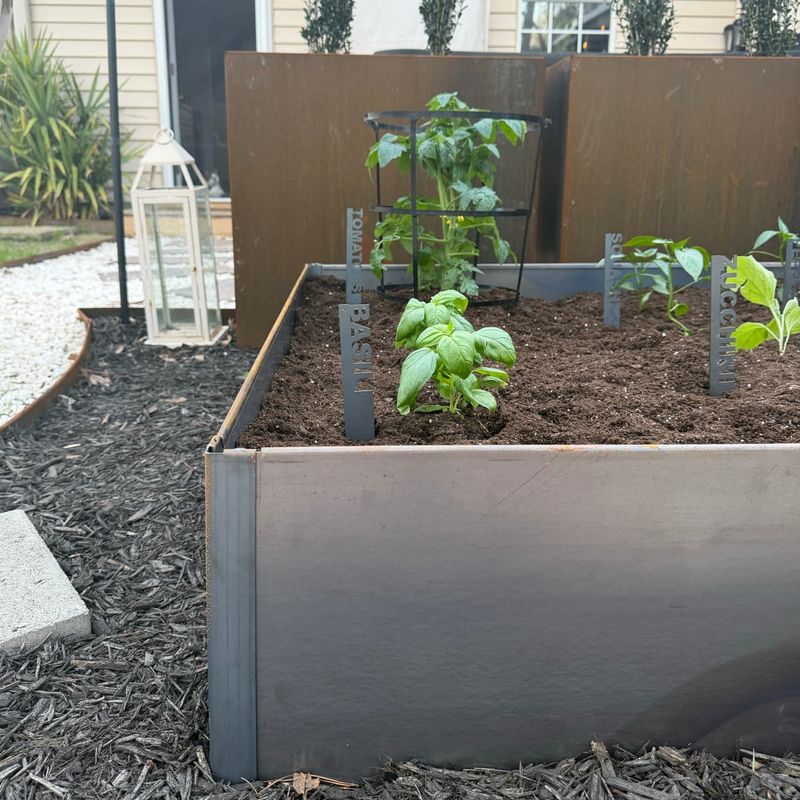
Montana winters bring extreme, fast-moving temperature swings. Temperatures can swing by 40 degrees or more within a single day, and the ground heaves under that kind of pressure.
Wood expands and contracts with these temperature swings, loosening joints and warping boards. Concrete cracks when frozen moisture pushes outward from inside. Cor-Ten steel handles thermal movement without losing structural integrity.
The alloy is engineered to flex slightly under temperature stress rather than fracture. That flexibility is what keeps the bed edges true and tight even after years of freeze-thaw cycles.
Snow load is another real concern in Montana. Heavy wet snow can bow wooden sides inward or push concrete blocks out of alignment.
Steel panels hold their shape under significant weight without any additional reinforcement needed.
The steel’s thermal mass also works in a gardener’s favor come spring. Metal absorbs solar heat faster than wood or concrete, warming the soil inside the bed earlier in the season.
That earlier soil warmth can translate to a longer effective growing season, which is precious in a state where frost-free days are already limited. That earlier warmth can give a modest head start when growing tomatoes at elevation.
Gardeners in high-altitude areas often report that their Cor-Ten steel raised beds hold up well through the coldest months compared to other materials.
When spring finally arrives, the beds are ready to go without any repair work needed. This reliability is a key advantage for long-term gardeners.
Installation Tips For Long-Lasting Beds
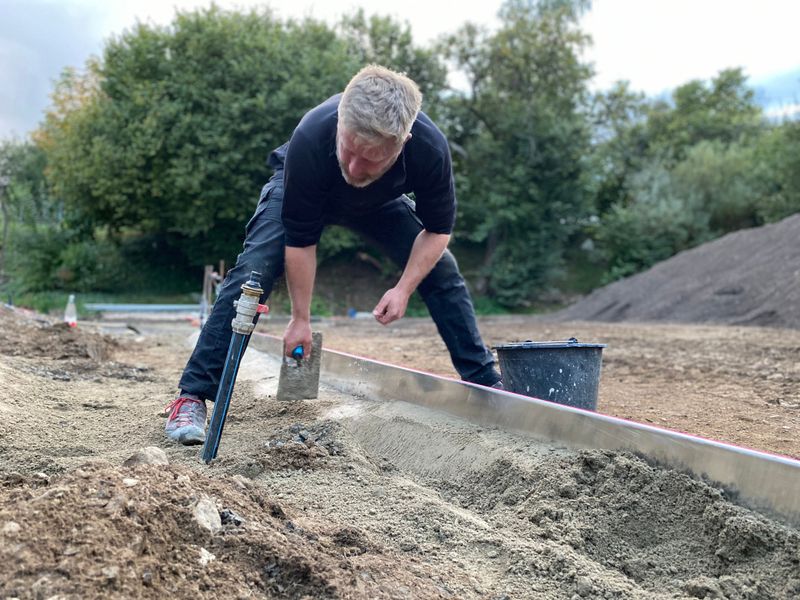
Getting the installation right from the start saves a lot of trouble down the road. Cor-Ten steel is forgiving in many ways, but proper setup ensures you get the full lifespan out of the material.
Start by choosing a level site with good drainage. Standing water beneath a steel bed can speed up the initial weathering phase and may affect soil health over time.
Most pre-formed Cor-Ten bed kits use corner connectors or interlocking panels that slide together without welding. Assembly is usually straightforward and can be done solo in an hour or two.
Wear gloves during installation. The edges of freshly cut Cor-Ten steel can be sharp, and the surface during early weathering can leave rust-colored marks on skin and clothing that are stubborn to wash out.
Line the interior bottom of the bed with cardboard or landscape fabric before adding soil. This suppresses weeds without blocking drainage and breaks down naturally over time.
If you are building on a slope, consider partially burying the lower edge of the panel to create a level growing surface. This also anchors the bed and prevents shifting during freeze-thaw cycles.
Avoid placing Cor-Ten steel directly against other metal structures without a barrier. Galvanic corrosion can occur when dissimilar metals contact each other in wet conditions, which could weaken connection points over time.
A well-installed Cor-Ten bed should not need any adjustments for years. Set it up carefully once, and it typically performs reliably for many seasons.
Cost And Maintenance Compared To Other Materials
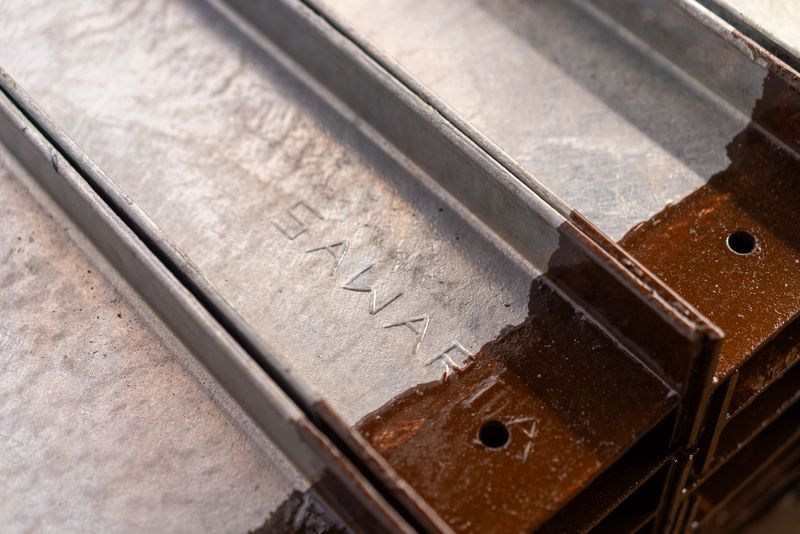
Cor-Ten steel raised beds cost more upfront than basic wood options. A quality kit for a 4×8 bed can range widely in price depending on height, panel thickness, and current market rates, so check with suppliers for up-to-date pricing.
Compare that to pressure-treated lumber, which is generally less expensive upfront, though prices vary by region and supplier. The catch is that wood often needs replacing within five to seven years, especially in harsh climates.
Concrete block beds fall in a similar price range to Cor-Ten, but the labor involved in building and eventually dismantling them adds hidden cost. Heavy lifting and limited flexibility make concrete a frustrating long-term choice.
Cor-Ten steel, by contrast, carries a lifespan measured in decades. Manufacturer estimates suggest a functional lifespan that can extend for decades under normal outdoor conditions, though exact figures vary by source.
Maintenance is where Cor-Ten truly wins. Once the patina forms, there is nothing to do. No sealing, no painting, no replacing individual boards, and no worrying about structural failure after a tough winter.
Wood requires annual inspection and occasional treatment to slow rot. Concrete needs monitoring for cracks and may need repointing or full replacement if structural damage occurs.
Spread over a long lifespan, the effective annual cost can end up lower than materials that need frequent replacement. This cost comparison favors Cor-Ten for gardeners planning to stay in one place long-term.