The Fertilizing Mistake That Destroys Plants In Texas Summer Heat
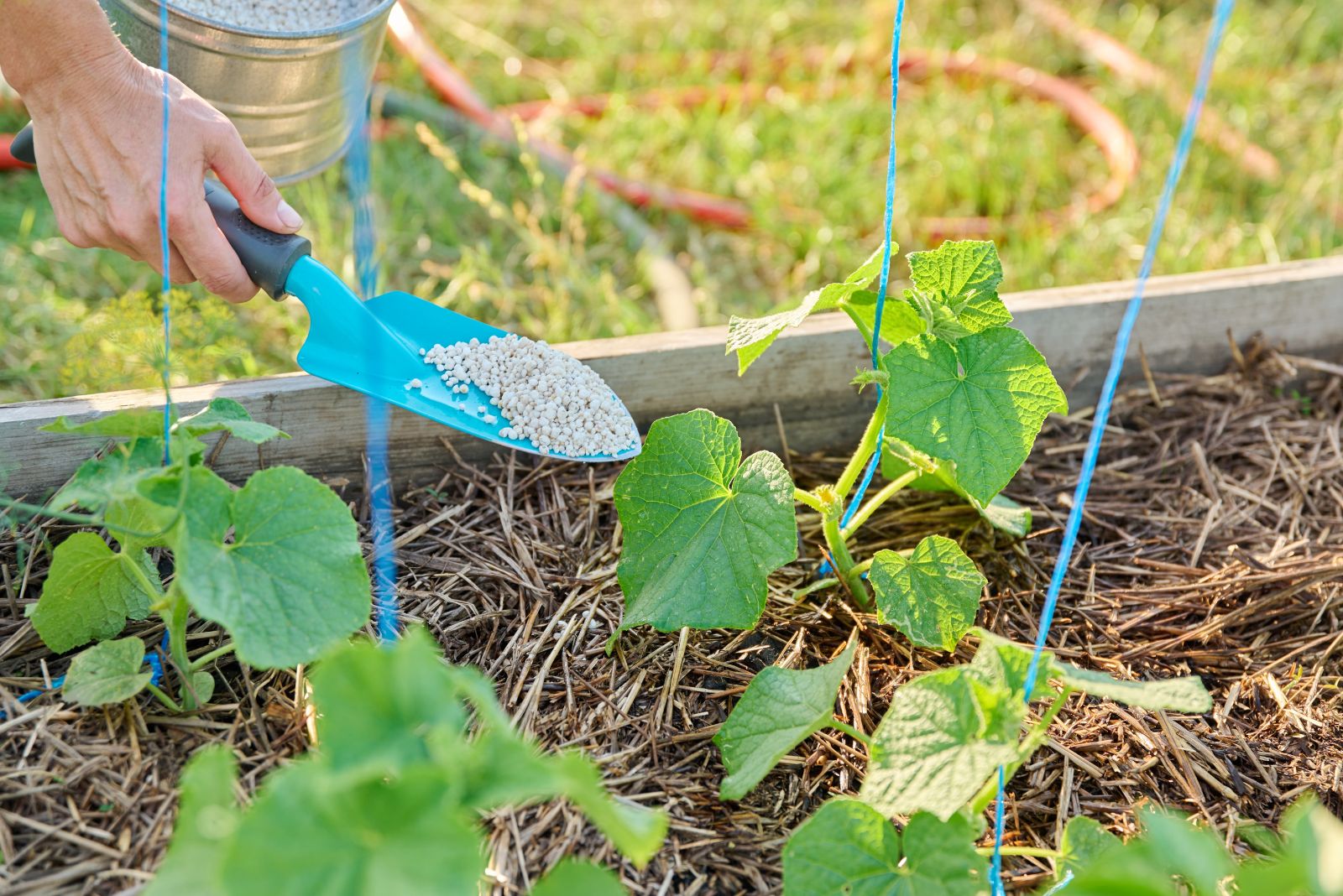
Texas summer can turn even a simple garden task into a high-stakes decision. One wrong move with fertilizer, and your plants can go from healthy and green to crispy, stressed, and downright offended.
The tricky part is that many gardeners fertilize with good intentions, thinking they are helping plants grow stronger through the heat.
But during extreme Texas temperatures, fertilizer can backfire fast. When plants are already fighting blazing sun, dry soil, and hot winds, too much feeding or feeding at the wrong time can burn roots, force weak growth, and make plants struggle even more.
It is like handing someone a heavy meal right before a marathon in July. This common mistake is easy to make, especially when plants start looking tired.
The good news is that avoiding it is simple once you know what is happening beneath the soil and how summer heat changes the rules.
The Common Mistake Most Gardeners Make
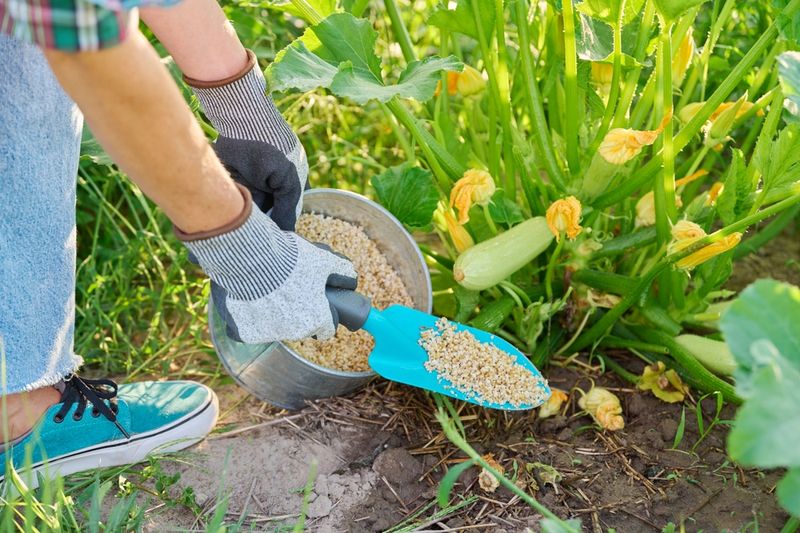
Most Texas gardeners have the best intentions. When plants start looking tired or pale in the summer heat, the natural reaction is to feed them more.
More fertilizer must mean more energy, right? Unfortunately, that thinking leads to one of the most common and damaging gardening mistakes made across Texas every single summer.
Over-fertilizing during peak heat is a trap that catches even experienced gardeners. When temperatures soar past 90 or 100 degrees, plants shift into a kind of survival mode.
They slow down their growth and focus all their energy on staying alive rather than absorbing new nutrients. Pouring fertilizer onto plants in this condition does not help them grow faster. It actually adds stress on top of stress.
Think of it like forcing someone to eat a huge meal when they are already exhausted and overheated. Their body just cannot handle it.
Plants work the same way. The roots cannot process the extra nutrients, and those nutrients begin to build up in the soil as salts.
Those salts pull moisture away from the roots, making dehydration worse on top of the heat already doing damage.
Across Texas, this mistake happens in backyards, community gardens, and even on commercial properties. People see struggling plants and instinctively want to fix the problem with more feeding.
Slowing down and stepping back is actually the smarter move during the hottest weeks of a Texas summer. Patience and observation will protect your plants far better than a heavy dose of fertilizer ever could.
Why Summer Fertilizing Can Backfire In Texas
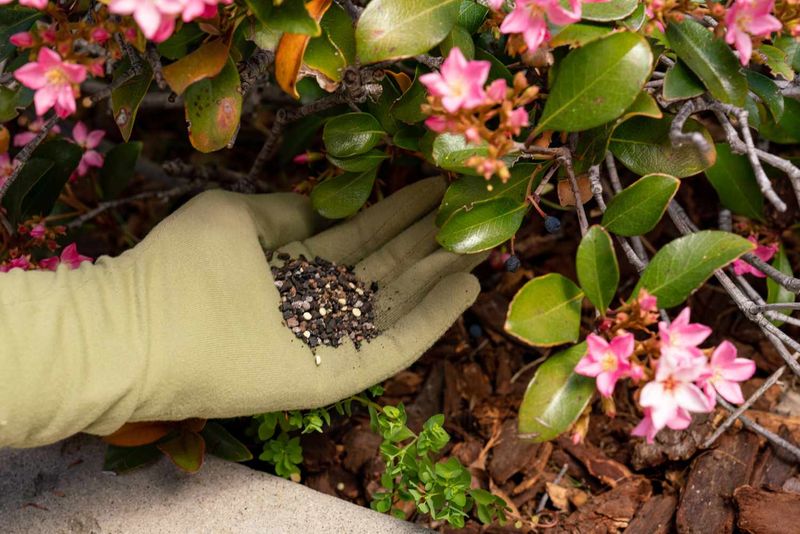
Here is something most people do not realize: the timing of fertilizing matters just as much as the type you use. In Texas, summer heat completely changes the way plants absorb nutrients.
When the ground temperature rises above 85 degrees, the biological processes inside plant roots slow way down. Nutrients sitting in the soil just stay there, unused and building up.
Fertilizers are made up of mineral salts. In normal conditions, those salts dissolve slowly into the soil and get taken up by plant roots in small, manageable amounts.
Your Texas Garden Changes Every Week. Your Plan Should Too.
Gardening in Texas changes quickly throughout the season. Every Friday you’ll receive a simple weekly plan showing exactly what to plant, prune, fertilize, harvest, and protect so you never miss the right timing.
But in extreme heat, those salts break down much faster than usual. The soil dries out quickly, and the concentration of salts near the roots becomes much higher than the plant can handle.
Instead of absorbing nutrients, the roots actually start losing moisture to the surrounding soil through a process called osmosis.
Texas summers create the perfect storm for this to happen. The combination of blazing sun, low humidity in many regions, and dry soil means fertilizer can go from helpful to harmful in just a matter of days.
Even fertilizers that are usually considered mild can cause problems when applied at the wrong time.
Timing is everything in a Texas garden. The months of June, July, and August are generally the worst time to push heavy feeding on most plants.
Waiting until temperatures cool down in the fall gives plants a much better chance of actually using the nutrients you give them, rather than suffering because of them.
What Happens To Plants When You Get It Wrong
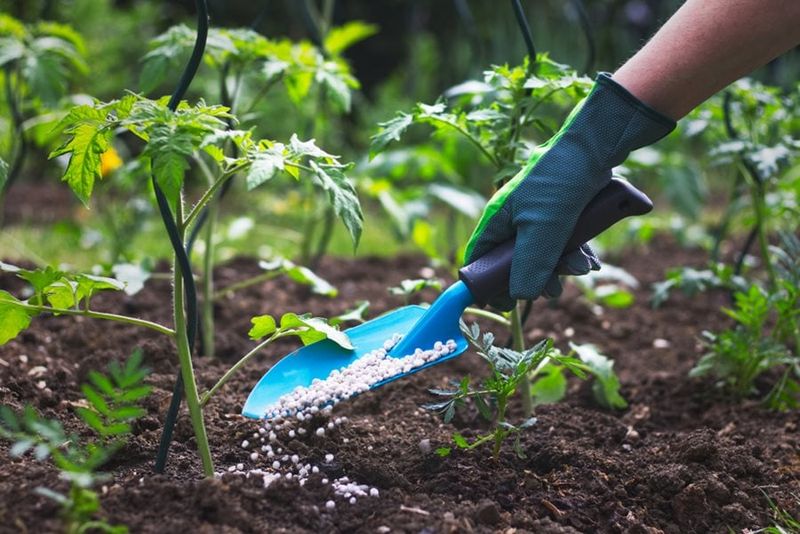
Gardeners in Texas who over-fertilize during summer heat usually start noticing problems within just a few days. The first thing that often shows up is leaf scorch, where the edges and tips of leaves turn brown and crispy as if they were held near a flame.
It looks alarming, and it should, because the plant is genuinely struggling. Root burn is another serious result of summer over-fertilizing. When salt levels in the soil get too high, the roots begin to shrink and pull away from the soil particles.
This means the plant loses its main way of taking in water, which is already in short supply during a brutal Texas summer. A plant with burned roots cannot drink properly, no matter how much you water it.
Rapid dehydration follows quickly after root damage sets in. Leaves start to wilt and droop even when the soil still has some moisture in it.
From the outside, it can look like the plant just needs more water. But adding more water without addressing the salt buildup in the soil will not solve the problem and can sometimes make things worse by pushing the salts deeper into the root zone.
Weakened plants that go through this kind of stress in the middle of a Texas summer also become much more vulnerable to pests and fungal problems. Insects like spider mites and aphids are drawn to stressed plants.
Once a plant is already struggling from fertilizer damage and heat, a pest infestation can push it over the edge fast.
Warning Signs Your Plants Are Suffering
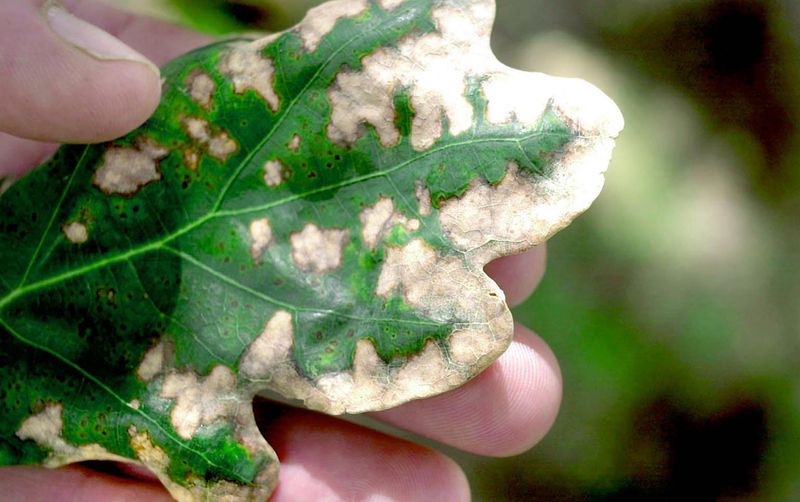
Catching fertilizer stress early can make a real difference for your Texas garden. Plants send out clear warning signals when something is wrong, but those signs are easy to miss if you do not know what to look for.
Yellowing leaves are often the first red flag. When a plant gets too many salts from over-fertilizing, it struggles to move water and nutrients through its system, and the leaves start to lose their green color from the outside in.
Crispy, brown edges on leaves are another strong warning sign. This is especially common in Texas where the heat already puts a lot of pressure on leaf tissue.
When fertilizer damage adds to that pressure, the edges of leaves are usually the first to show it. The browning can look similar to sunburn or drought stress, which is why many gardeners do not immediately connect it to their fertilizing habits.
Drooping plants that do not perk back up after watering are a major clue that root damage may already be happening. Healthy plants in Texas should bounce back fairly quickly after a good drink of water in the early morning.
If your plants stay limp even after watering, the roots may be too damaged to pull in water effectively.
Stalled or stopped growth during the growing season is another sign worth paying attention to. If your plants were growing steadily and then suddenly seem frozen in place, stress from excess fertilizer salts could be the reason.
In Texas summers, plants under this kind of stress often just stop putting out new leaves entirely.
How To Fertilize Safely In Extreme Heat
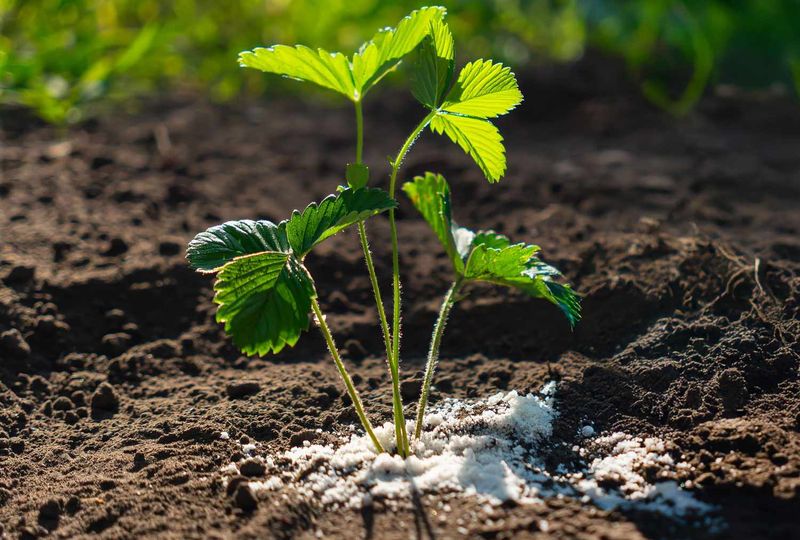
Safe fertilizing in a Texas summer is absolutely possible, but it requires a smarter approach than just grabbing a bag and spreading it around. The most important rule is timing.
Early morning is the best window to fertilize during hot weather. Temperatures are cooler, the sun is not yet at full strength, and the soil has had a chance to hold onto some overnight moisture. Evening is the second best option for the same reasons.
Watering your plants thoroughly before applying any fertilizer is a step that many gardeners skip, but it is one of the most protective things you can do. Moist soil helps dilute the fertilizer as it enters the ground and reduces the concentration of salts near the roots.
Never apply fertilizer to dry, parched soil in the Texas summer heat. The results can be damaging almost immediately.
Diluting liquid fertilizers to half the recommended strength is a smart move during extreme heat periods. Even products labeled as safe for summer use can be too strong when temperatures are consistently above 95 degrees.
Going lighter than the label suggests is a good rule of thumb for Texas gardeners from June through August.
Slow-release granular fertilizers are generally a safer choice during summer than fast-acting liquid formulas. They break down gradually over weeks or months, which means nutrients enter the soil slowly and steadily rather than all at once.
This greatly reduces the risk of salt buildup and gives plants a gentler, more manageable source of nutrition even during the most intense Texas heat waves.
Smarter Summer Feeding Tips For Healthy Growth
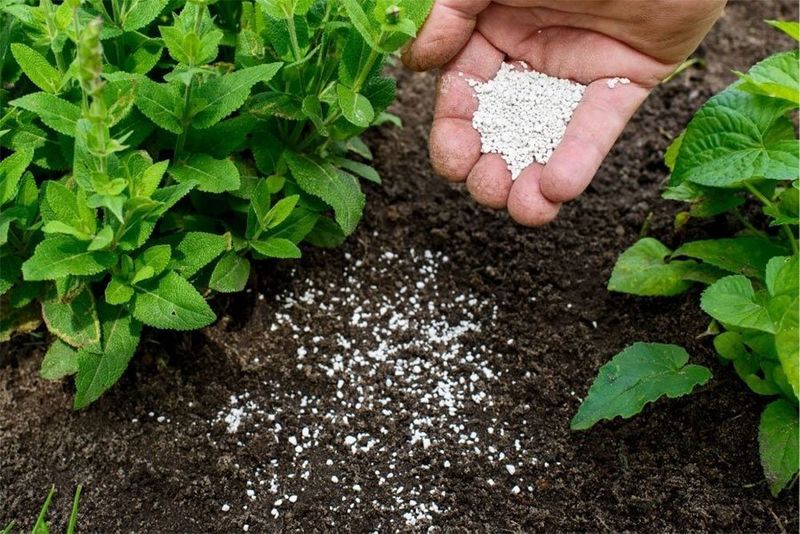
Feeding your garden less often during a Texas summer is not giving up on your plants. It is actually one of the smartest things you can do for them.
During the hottest months, most plants are in a holding pattern. They are not actively pushing out new growth the way they do in spring or fall.
Feeding them heavily during this period is a bit like revving a car engine while it is parked. The effort does not go anywhere useful.
Choosing the right type of fertilizer matters a lot in a Texas summer. Organic fertilizers like compost, fish emulsion, and worm castings release nutrients very slowly and gently.
They are much less likely to cause salt buildup in the soil compared to synthetic fertilizers. They also improve soil structure over time, which helps roots stay healthier even during intense heat and drought conditions common across Texas.
Cutting back on fertilizer frequency from once a week to once a month during peak summer heat can make a noticeable difference in how well your plants handle the season.
Some gardeners in Texas choose to skip feeding almost entirely in July and August, focusing instead on consistent watering and mulching to keep soil temperatures down and moisture levels steady.
Mulching around the base of your plants is a powerful companion strategy to responsible fertilizing. A two to three inch layer of organic mulch keeps the soil cooler, slows water evaporation, and helps buffer the effects of any fertilizer salts in the ground.
Combining smart mulching with reduced, well-timed feeding gives Texas plants the best possible chance of staying strong and healthy all summer long.