How to Prune Fig Trees in Arizona and When to Do It
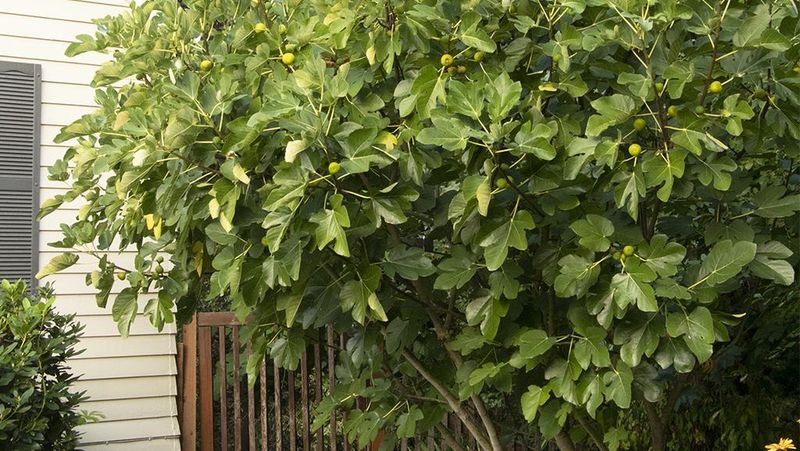
Your fig tree may be doing just fine without a single cut. Many Arizona backyard figs grow heavy with fruit while their owners worry about when to grab the loppers.
Knowing whether to prune, and when, can save you work and protect your harvest. Here is how to make smart, careful choices for your yard.
A fig tree rarely needs a yearly haircut
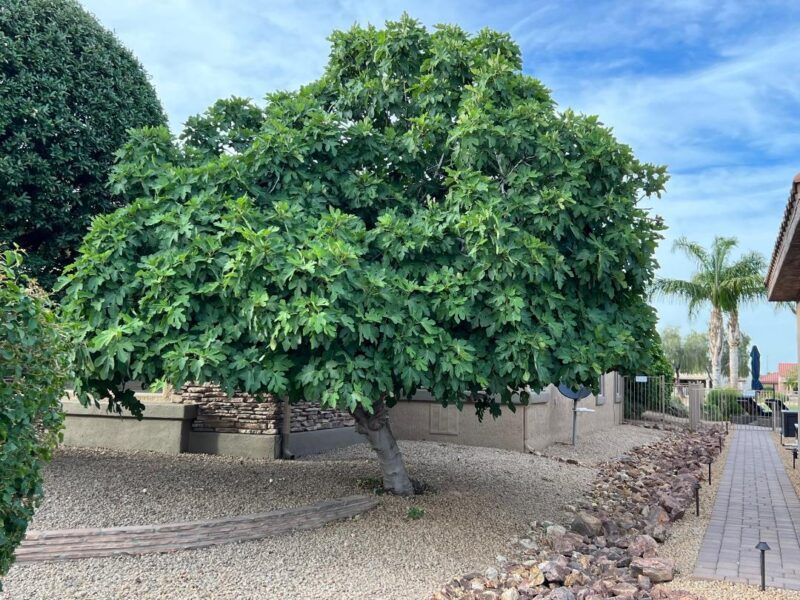
Plenty of people assume fruit trees need a big trim every year. Figs are different.
According to University of Arizona Cooperative Extension guidance, a fig needs very little pruning to produce fruit.
So the better question is not “is it time to prune?” but “is there a reason to prune?” Good reasons are easy to spot. A branch cracked by wind or damaged by cold is one.
A canopy so crowded that limbs rub together and sunlight cannot reach the middle is another.
If you cannot name a reason, it is fine to leave the tree alone. Walk around it, look up through the branches, and note anything broken or tangled.
That short list becomes your plan, and everything else stays put.
Arizona’s pruning window depends on where you garden
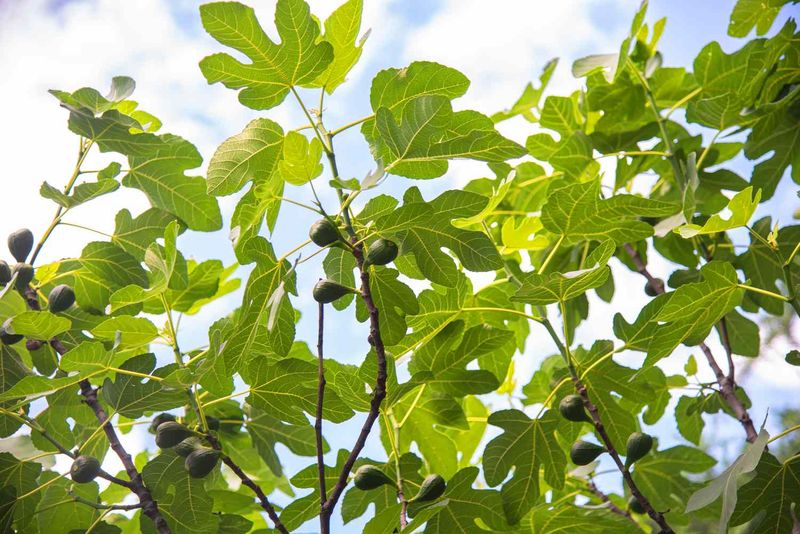
Arizona covers hot low desert and chilly high country, so no single month fits everyone. In Southern Arizona, current University of Arizona guidance says to prune after the second crop has been harvested.
Let the late-season figs come off first, then make your cuts.
In colder parts of the state, the plan shifts. Wait until the coldest part of winter has passed before doing any pruning you truly need.
Cutting too early can leave fresh wounds exposed to a hard freeze.
Harvest timing is your anchor either way. An older low-desert guide also points to pruning warm-region figs after the second crop.
Watch your own tree and local weather, not the calendar, and let those cues set the date.
Keep older wood if you want the first crop
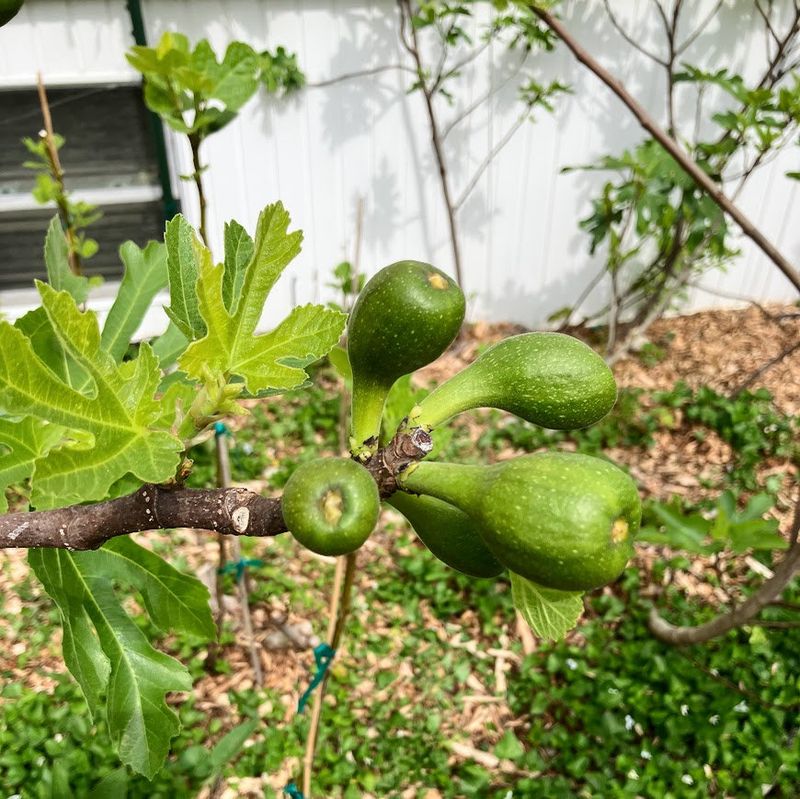
Figs bear in two rounds. The first crop forms on last year’s growth, and the second crop forms on the current season’s growth.
That means older branches are where your early figs begin.
If you remove healthy older branches, you may lose some of those early figs. How much depends on the tree, so there is no way to promise a specific result.
The low-desert fig guide also warns against heavy winter pruning for this reason.
Picture the difference this way. Taking out one dead limb and one crossing branch is selective pruning.
Chopping the whole tree back to short stumps in January is a hard cutback. If early figs matter to you, stick with the first approach and leave healthy older wood in place.
Start with damaged or interfering branches
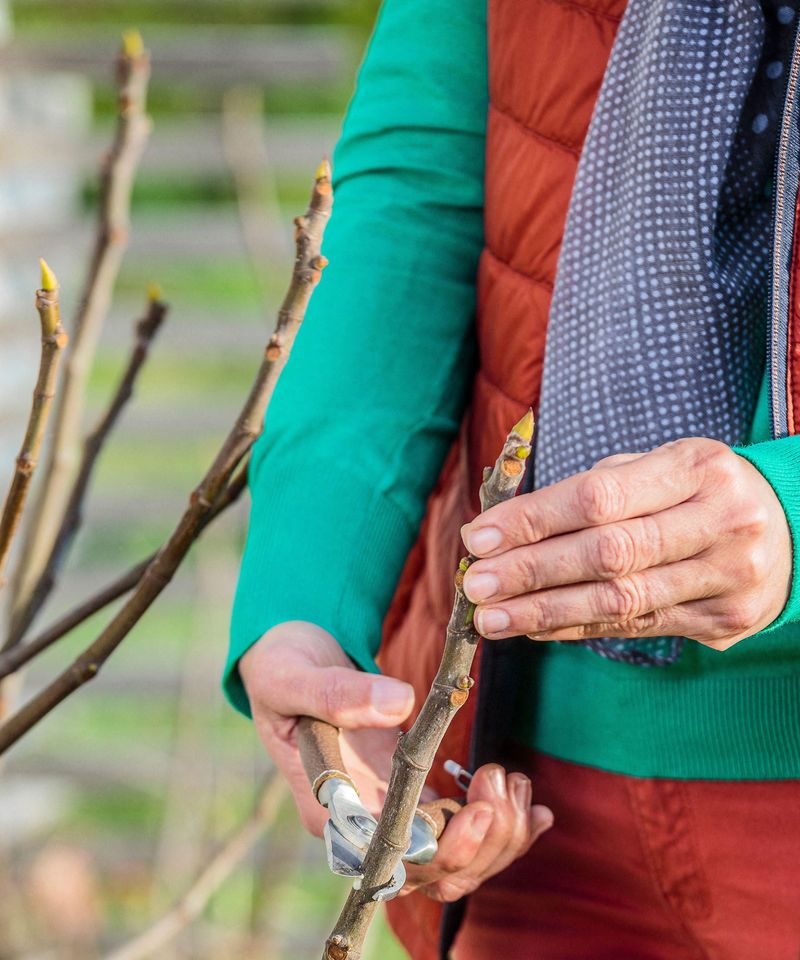
Begin with the obvious. Branches that are cracked, dried out, or damaged by cold come first.
Then look for limbs that cross, rub, or crowd the middle of the canopy.
Fig-specific advice from Arizona Extension stresses removing only what interferes or is damaged. Keep the list short.
Your Arizona Garden Changes Every Week. Your Plan Should Too.
Gardening in Arizona changes quickly throughout the season. Every Friday you’ll receive a simple weekly plan showing exactly what to plant, prune, fertilize, harvest, and protect so you never miss the right timing.
Three or four purposeful cuts often do more good than a tree-wide trim.
You may hear that figs must be shaped into an open center. That is one training approach, described in a general fruit-tree pruning guide, and it can suit a young tree you are shaping.
It is not a rule for an established backyard fig that already grows and fruits well. Respect the form your tree has built.
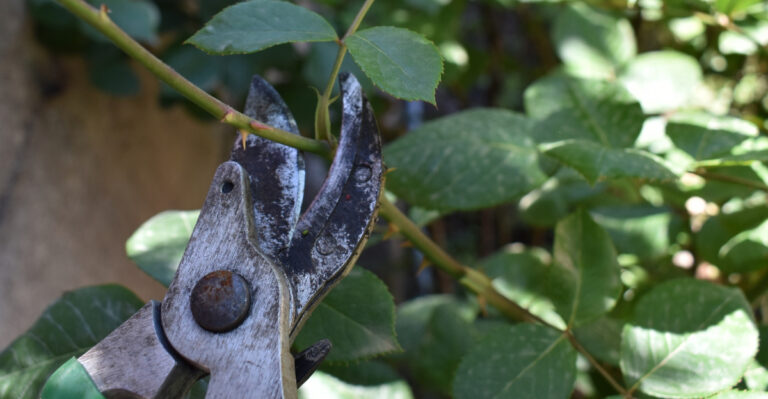
Make each cut just outside the branch collar
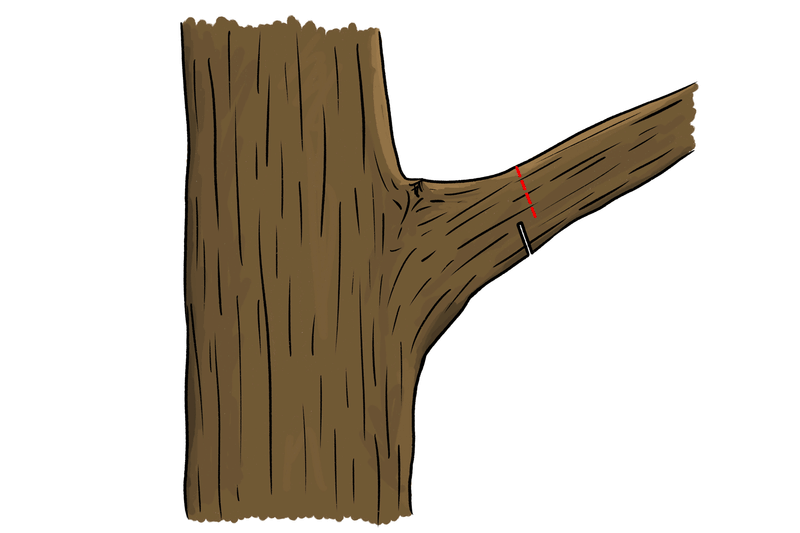
Find the branch collar, the slightly swollen ring where the branch meets its parent limb or trunk. Place your cut just outside it.
Leaving a stub invites decay, while cutting flush into the trunk removes tissue the tree needs to heal.
Large limbs need the three-cut method to reduce bark tearing, as described in University of Arizona pruning guidance. First, make an undercut a foot or so out from the trunk, going about a third of the way through.
Second, cut from the top a little farther out until the limb drops. Third, remove the remaining stub with a final cut just outside the collar.
Skip the wound paint. It is not advised, so let the tree seal the cut on its own.
Cover your skin when you prune
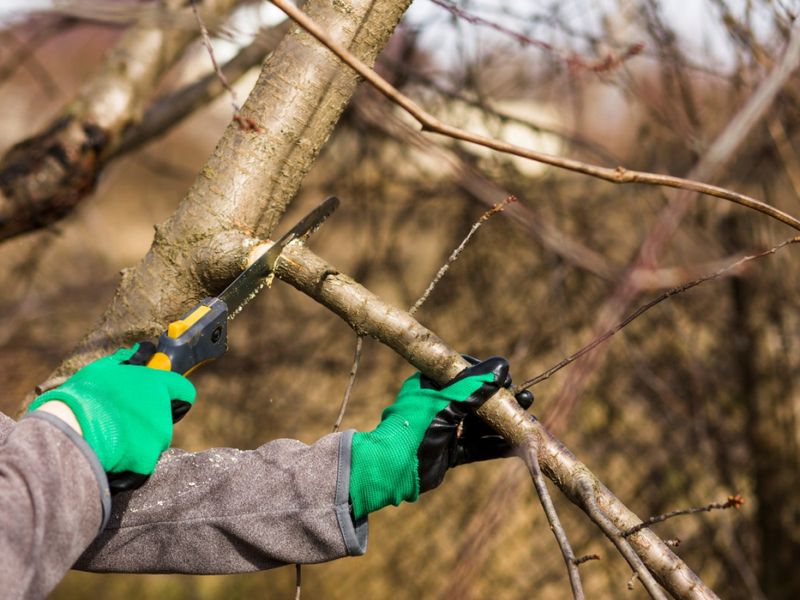
Fig sap looks harmless, but it can cause trouble on skin. Wear long sleeves, long pants, and gloves, and keep sap off any exposed skin.
The risk grows with sunshine. Medical case reports describe painful, blistering reactions when fig sap on skin was followed by sun exposure.
Gloves alone will not cover your wrists, neck, or face, so protect those areas too.
If sap lands on you, wash it off promptly and keep that spot out of the sun.
Prune selectively, then let the tree grow
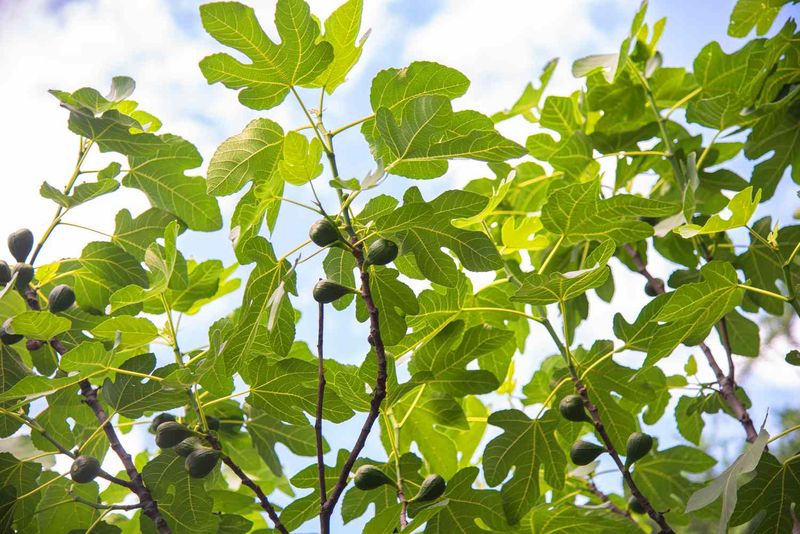
Cut only what needs attention, and pick your moment by region: after the second crop in Southern Arizona, or after the coldest part of winter in colder areas. Keep healthy older wood if early figs matter to you, as Arizona Extension notes.
A fig tree often rewards patience more than pruning shears.