The Pennsylvania Lawn Pest That Keeps Coming Back No Matter What You Spray
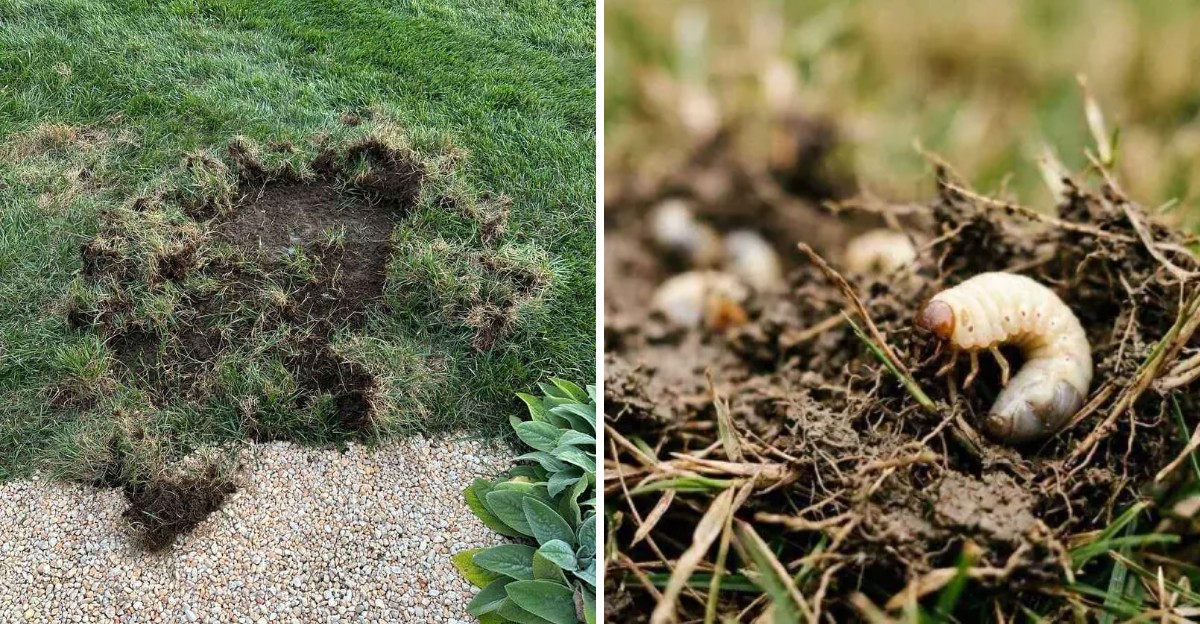
Grab a handful of grass in a brown patch of your lawn and give it a gentle tug. If it peels back like a loose piece of carpet, you may have just found the problem.
Many Pennsylvania homeowners spend summer and fall fighting the same frustrating battle. Brown spots appear out of nowhere.
They spread no matter how much you water. Then skunks, raccoons, and birds start tearing up the yard, as if they know something you don’t.
They do. The real trouble is hiding just below the surface, chewing through grass roots where most sprays never reach.
That’s why so many treatments seem to fail. Timing matters, and so does knowing exactly what you’re up against.
Once you understand how this pest works, keeping it from coming back gets a whole lot easier.
The Hidden Lawn Pest
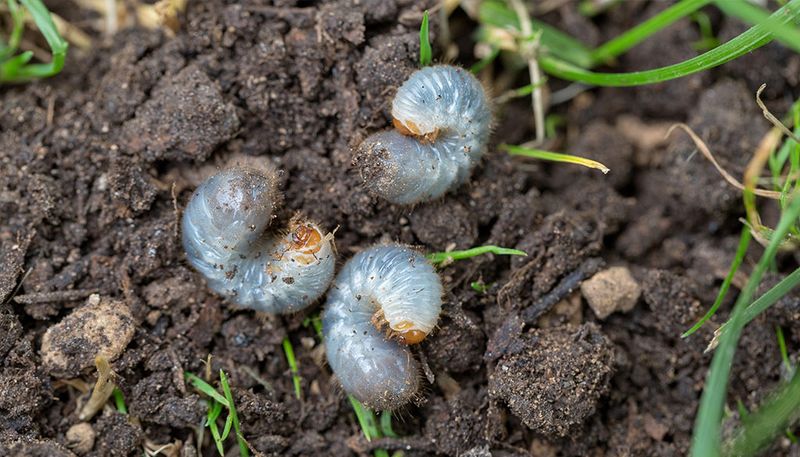
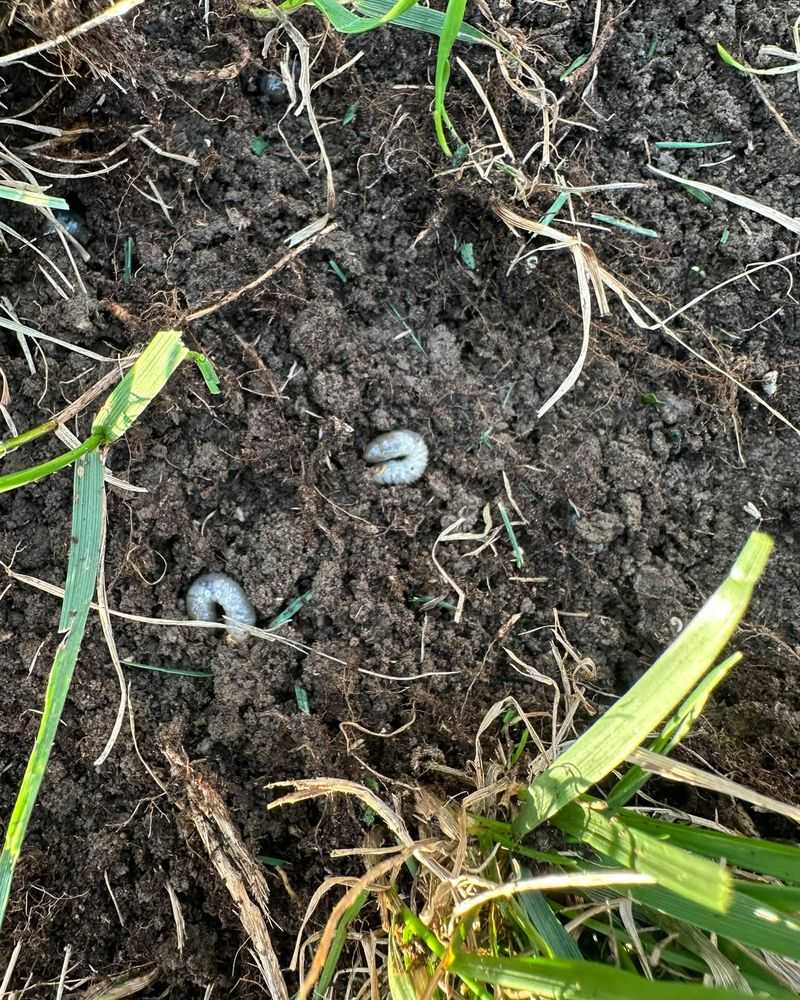
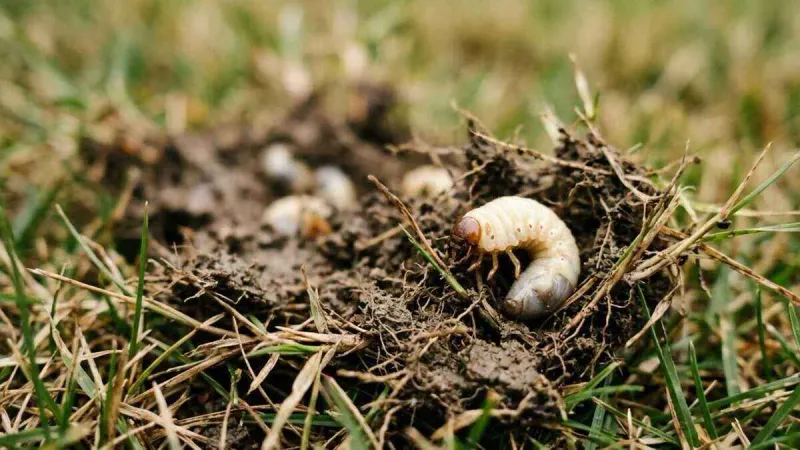
Meet the sneakiest lawn wrecker in the Keystone State. White grubs look like fat, curled-up worms with creamy white bodies and little brown heads. Most folks find them by accident while digging a garden bed.
Grubs are not worms at all. They are the baby form, or larvae, of beetles. In Pennsylvania, the most common one by far is the Japanese beetle.
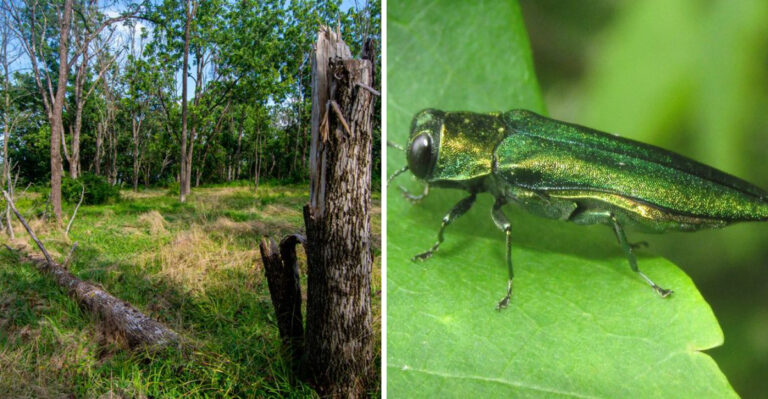
You may know the adults as those shiny green and copper bugs that chew holes in rose leaves every summer.
Other beetles can make grubs too. Masked chafers, European chafers, and May beetles all lay eggs in lawns here. Their grubs look almost the same to the average person, and they cause the same kind of trouble.
So what makes grubs so tricky? They live underground in the top few inches of soil. Down there, they munch on grass roots day after day.
Roots are what help grass drink water and stay healthy. Without them, the blades above can’t survive for long.
Since all the chewing happens out of sight, you won’t see grubs crawling across your lawn. The grass may look fine for weeks. Then, almost overnight, it seems to give up.
Here is a fun fact. Japanese beetles first showed up in the United States in New Jersey around 1916. They likely arrived in plant shipments from Japan.
From there, they spread quickly into Pennsylvania, where our warm summers and grassy lawns gave them a perfect home.
A quick tip for now. Learn what grubs look like so you can spot them fast. Next time you dig in your yard, keep an eye out for that telltale C shape. Knowing your enemy is the first step to beating it.
Signs Your Lawn Has Grubs
My neighbor once spent a whole summer blaming his sprinkler. He watered his brown patches every morning and every night. Nothing helped, and he couldn’t figure out why.
As it turned out, grubs were the real problem. His story is super common, and it shows why knowing the warning signs matters so much.
The first clue is timing. Grub damage usually shows up in late summer and early fall. You will notice brown, wilted patches that look thirsty. They often start small and then grow and join together into big areas.
Your Pennsylvania Garden Changes Every Week. Your Plan Should Too.
Gardening in Pennsylvania changes quickly throughout the season. Every Friday you’ll receive a simple weekly plan showing exactly what to plant, prune, fertilize, harvest, and protect so you never miss the right timing.
Here is the big difference from simple dry grass. Water won’t fix it. A lawn that is just thirsty will perk up after a good soak. A lawn with grubs stays brown, because the roots that drink the water are gone.
Want a sure test? Grab a handful of the brown grass and give it a gentle tug. If the turf lifts up easily, almost like rolling back a loose carpet, you have a strong sign of grubs. Healthy grass holds tight to the soil because its roots grip the ground.
When you peel the sod back, look closely at the dirt underneath. You may spot the white, curled grubs right there.
A few other hints can help too. The ground may feel spongy when you walk on it. You might see lots of Japanese beetles flying around your yard in early summer. More beetles usually means more eggs in the soil.
Keep a simple notebook or phone note each year. Write down where brown patches show up. Grubs often return to the same sunny spots, so your notes can guide next year’s plan.
Why They Keep Coming Back
Frustrated that your treatment from last year didn’t last? You are not alone, and honestly, it isn’t your fault. Grubs come back because of the way Japanese beetles live their lives.
Every year, the beetle life cycle starts fresh. In late June and July, adult Japanese beetles crawl out of the soil. They eat leaves, find mates, and then go looking for a nice lawn to lay their eggs in.
Female beetles love sunny, well-watered grass. Sadly, a healthy lawn you worked hard on may look like a five-star hotel to them. Each female can lay dozens of eggs over a few weeks, tucking them just under the soil.
Now here is the kicker. Adult beetles can fly. They don’t care about property lines. Even if you cleared every grub from your yard last fall, new beetles can buzz in from your neighbor’s lawn, a nearby park, a farm field, or a golf course.
Think of your lawn like a classroom during flu season. You can wash your hands all day, but if everyone around you is sick, germs still find their way in. Grubs work the same way.
Also, most grub products only work for one season. They break down in the soil over time. That means last year’s spray offers little help against this year’s fresh batch of eggs.
So what can you do? Plan to protect your lawn every year, not just once. It may help to chat with neighbors too.
When a whole street manages grubs together, there are fewer beetles to go around. Teamwork really can make a difference in your corner of Pennsylvania.
Why Spraying At The Wrong Time Fails
Timing is everything. That old saying fits grub control perfectly. You can buy the best product at the store, but if you use it at the wrong time, you might as well be spraying plain water.
To see why, follow a grub through its year. Eggs hatch in mid to late summer. The tiny new grubs move up near the soil surface and start eating roots fast. That feeding lasts from about August into early October.
Once the weather turns cold, grubs dig deeper. They can travel several inches down to stay safe from the frost. There they rest all winter, far away from anything you put on your lawn.
In spring, they wiggle back up and feed a bit more before turning into beetles. By then, though, they are big and tough. Large grubs are much harder to wipe out than small, young ones.
So here is where many people go wrong. They see brown grass in fall, then spray in late October or wait until spring. In late fall, the grubs are already heading down deep. In spring, they are nearly full-grown and hard to stop.
Young grubs near the surface are the easiest target. That window in late summer is your golden chance.
One more helpful trick. Most grub products need water to soak into the soil. After applying, water your lawn with about half an inch of water, unless the label says otherwise.
Without that drink, the product may just sit on the grass blades and never reach the grubs at all. Always read the label carefully, since each product has its own best timing and directions.
Skunks And Raccoons Make It Worse
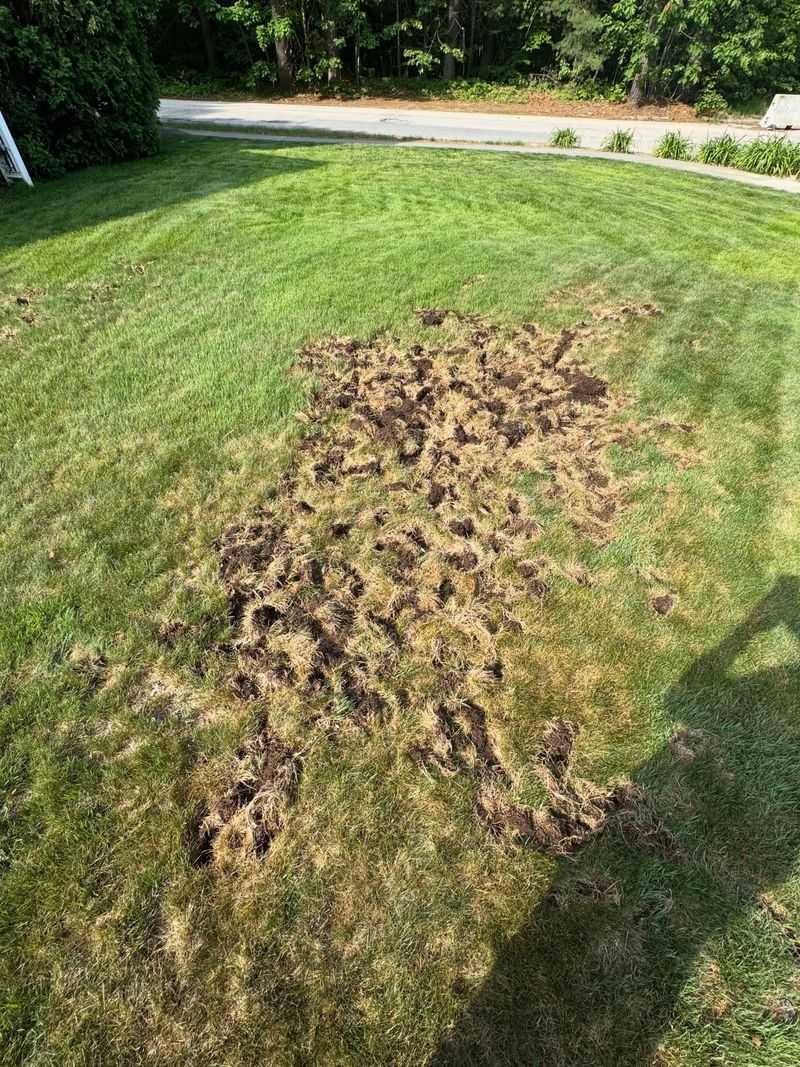
Woke up to a lawn that looks like someone went wild with a garden fork? Before you blame the neighbor kids, look for paw prints. Skunks and raccoons may have thrown a midnight snack party in your yard.
To these animals, grubs are like candy. They are soft, juicy, and packed with protein. Once a skunk or raccoon smells them under the soil, it starts digging right away.
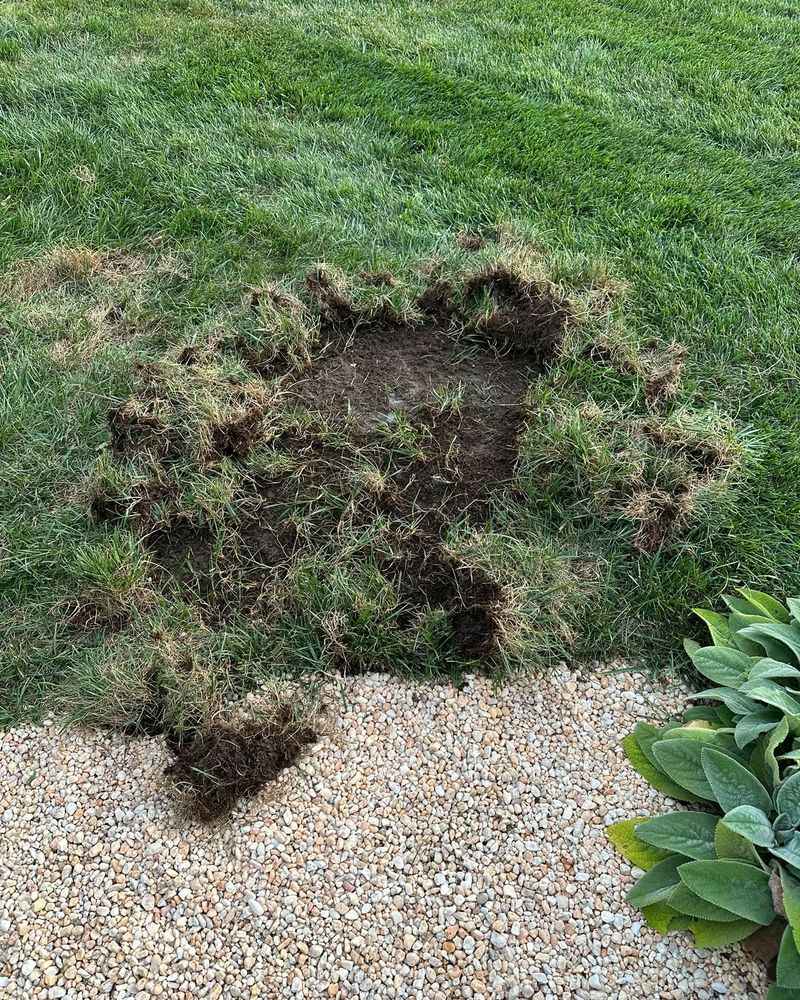
Skunks tend to leave small, cone-shaped holes about the size of a golf ball or a bit bigger. They poke around neatly, one spot at a time. Raccoons are messier. They grab and flip large chunks of sod like pancakes, sometimes rolling it right back.
Birds join the feast too. Crows, starlings, and robins often peck at lawns with grubs. If you notice lots of birds poking in the same patch day after day, take that as a hint.
Here is the silver lining. Sudden digging is one of the clearest signs you have a grub problem. These critters are basically free grub detectors. They wouldn’t bother digging if there wasn’t food down there.
Chasing the animals away rarely solves the issue for long. As long as the grubs stay, the visitors keep coming back. The best fix is to deal with the grubs themselves.
For quick repair, press loose sod back down and give it a good watering. Fill holes with topsoil and sprinkle grass seed in early fall.
Also, keep trash cans sealed and pet food indoors, so you don’t give raccoons and skunks extra reasons to hang around your home.
How To Get Ahead Of Them
Winning against grubs is a lot like winning a board game. You need a plan and good timing. With a few simple steps, you can stay one move ahead of these pests.
Start by checking your lawn in late summer. Grab a flat shovel and cut three sides of a one-foot square of sod. Fold it back like a book page and count the grubs you see.
So how many is too many? A handful, usually around five to ten grubs per square foot, can be enough to cause damage. Check a few spots across your yard, especially sunny areas, to get a good average.
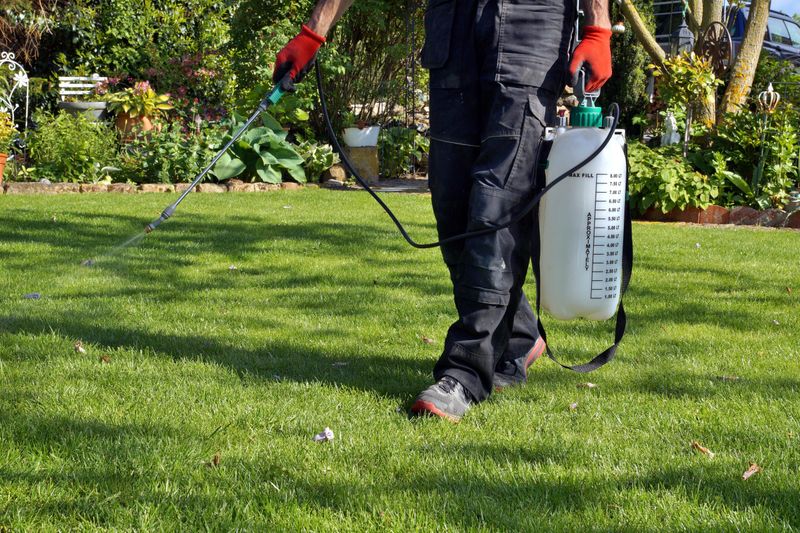
Next, pick your strategy. Preventive treatments work best in early summer, roughly June to mid July.
You put them down before the eggs hatch, so the product is waiting when baby grubs start feeding. These are great if your lawn had trouble last year.
Already found grubs in late summer? Curative products are made for that. Apply them in August or early September while grubs are young and close to the surface.
Prefer a more natural route? Beneficial nematodes are tiny, helpful worms that hunt grubs in the soil. Apply them in late summer during cool evenings and keep the ground moist. They are safe for kids, pets, and bees.
Lastly, build a strong lawn. Mow a little higher, around three inches, so roots grow deeper. Feed your grass in the fall and avoid heavy watering in July, when beetles like moist soil for eggs.
Healthy, thick grass handles a few grubs much better, and your green Pennsylvania lawn will thank you.