9 Arizona Succulents That Turn Red and Purple in Cold Weather
Cold nights can push some desert plants to build red pigments called anthocyanins, a natural sunscreen for stressed leaves. In other words, a chilly snap can paint a dull green garden in shades of wine and plum.
Arizona gardeners get a front row seat, because our clear skies and cool winter nights push the color hard. Bright sun plus temperatures below about 50 degrees seem to bring out the boldest blush in many succulents.
I love how a plant I barely noticed in July suddenly looks like it dressed up for a party. Personally, I think October is the perfect month to plan for that show before the first cold front arrives.
Some of these picks feed hummingbirds and bees, while others simply shrug off drought across our state. So which ones will turn your Arizona yard into a winter sunset you can enjoy from the patio?
1. Ocotillo
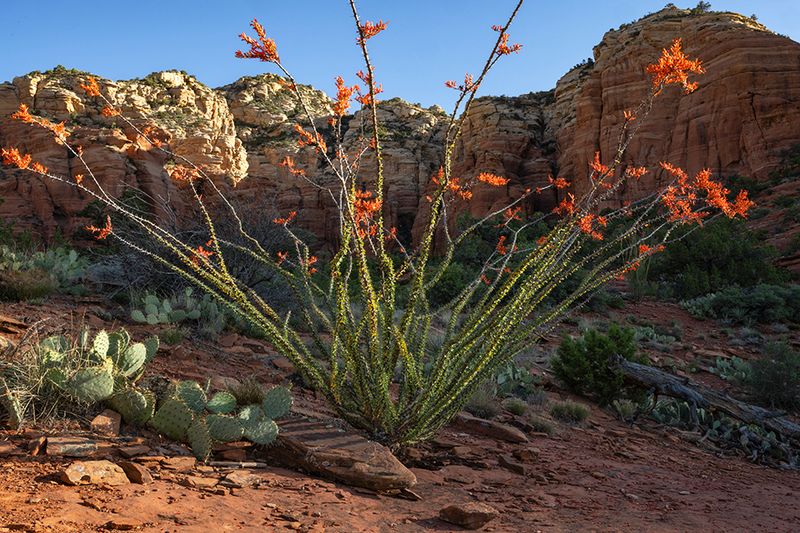
Few desert plants pull off a fall costume change quite like ocotillo, whose tiny leaves can blush russet red before dropping. Those spindly canes may look like a bundle of sticks, yet they can stretch up to 20 feet tall.
Ocotillo grows leaves quickly after rain, then sheds them when the soil dries, so it may leaf out several times a year. As shorter days and cooler nights arrive in fall, the foliage can turn golden orange or russet red.
I have to admit, the real reason I keep one is the birds that treat it like a neighborhood hangout. Cactus wrens and curve-billed thrashers use the thorny clusters for shelter, while spring flowers fuel migrating hummingbirds.
Plant it in full sun with rocky, fast-draining soil, and resist the urge to water it like a regular shrub. Established plants need little to no extra water through the cooler months, which makes them a dream for thrifty yards.
October is a fine time to plant, since cooler weather eases stress on new transplants. Misting the canes every few days helps newly planted ocotillos settle in, and watering the soil about monthly in winter usually works.
2. Purple Prickly Pear
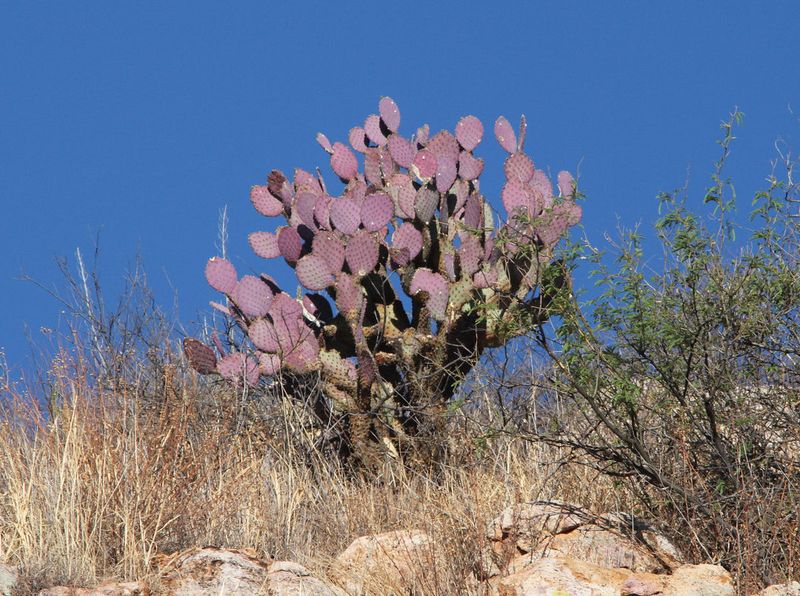
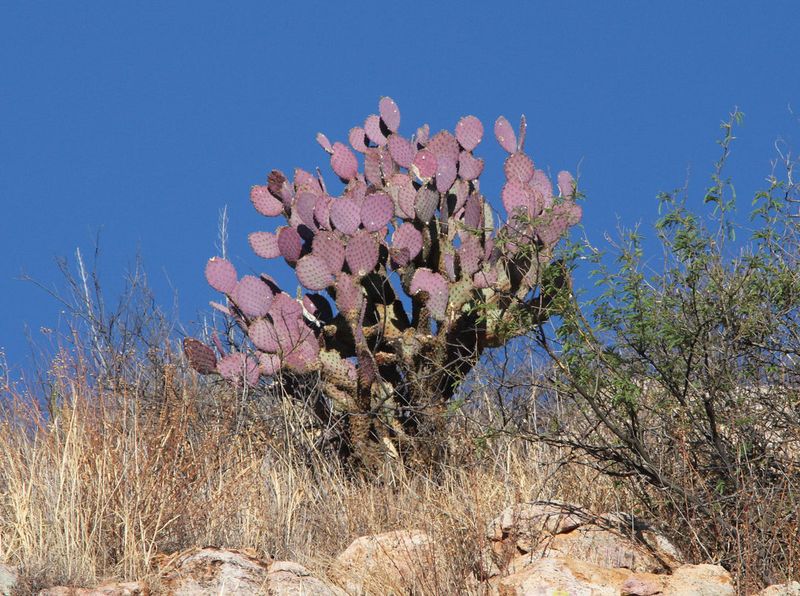
Blue-green pads that slowly flush violet as winter approaches make purple prickly pear one of the most dramatic cold-weather cactuses around. You might notice the deepest plum tones after a dry spell paired with a string of chilly nights.
Known botanically as Opuntia santa-rita, this native grows into a shrubby clump that can reach about six feet tall. Hardy to roughly 10 degrees, it handles low desert heat and mid-elevation cold snaps without much complaint.
Wildlife adores it, and I find that is half the fun of growing one near a window. Bees and hummingbirds visit the golden spring flowers, while birds and small mammals snack on the red-purple fruits later on.
The spiny pads also create a safe hideout for lizards and ground-nesting birds, protecting them from hungry predators. Lizards, by the way, are handy garden helpers that snack on insects you would rather not find indoors.
Give it at least six hours of direct sun and sandy or gravelly soil that drains quickly after storms. Overwatering is the most common reason these cactuses fail, so let the soil dry fully between deep drinks.
3. Dragon’s Blood Sedum
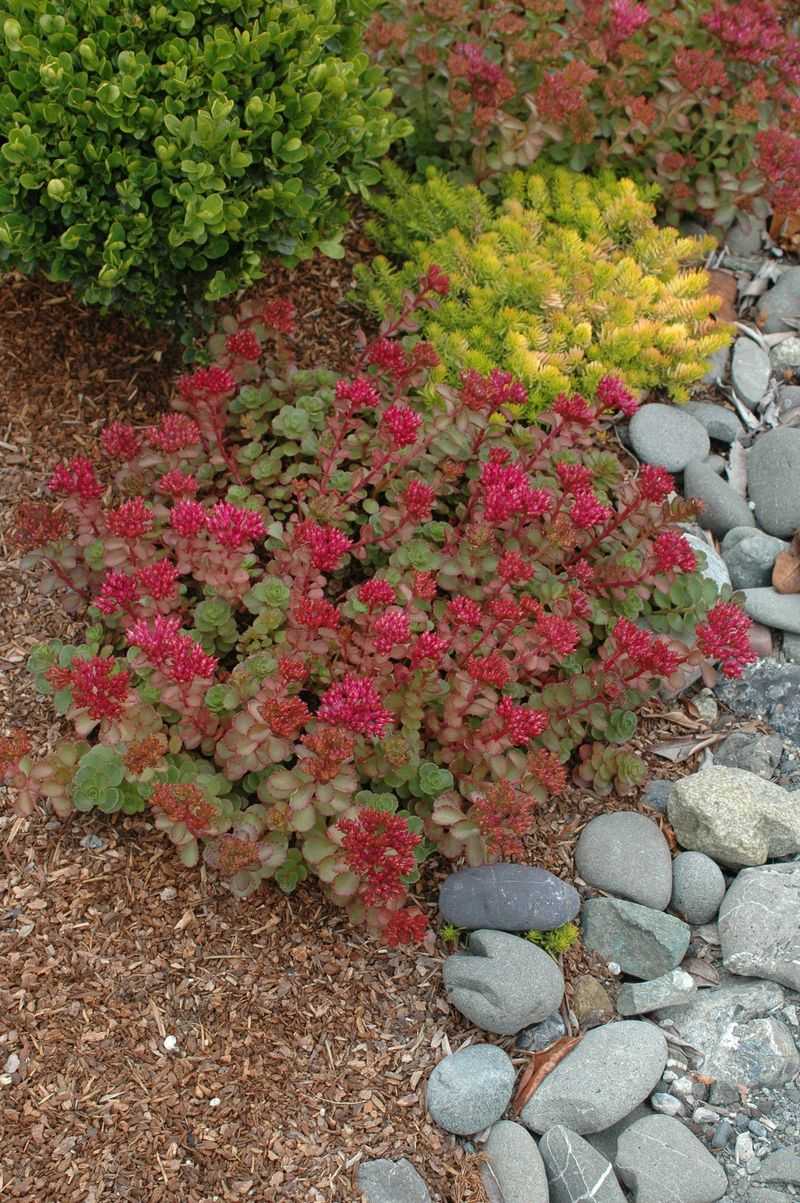
With a name borrowed from fantasy novels, Dragon’s Blood sedum lives up to the hype once cool weather settles in. Its fleshy little leaves shift from green toward a rich wine red, especially when nights dip below about 50 degrees.
This creeping groundcover stays just three to six inches tall, knitting into tidy mats that soften rocks and path edges. Summer brings clusters of starry pink to red flowers, and bees and butterflies are happy to stop by.
You need to be honest about your elevation before planting, because this sedum prefers cooler climates than the low desert. Gardeners around Prescott or Flagstaff tend to see better results than folks fighting triple-digit summers in Phoenix.
In hotter areas, try it in a container with afternoon shade and gritty potting mix that dries out fast. Heavy clay or soggy soil is the quickest way to lose it, so drainage matters far more than fertilizer.
I like how deer and rabbits mostly leave it alone, which saves a lot of frustration in foothill neighborhoods. Its dense foliage can also shelter ground beetles and small lizards, giving helpful critters a cozy place to hunt.
4. Red Carpet Sedum
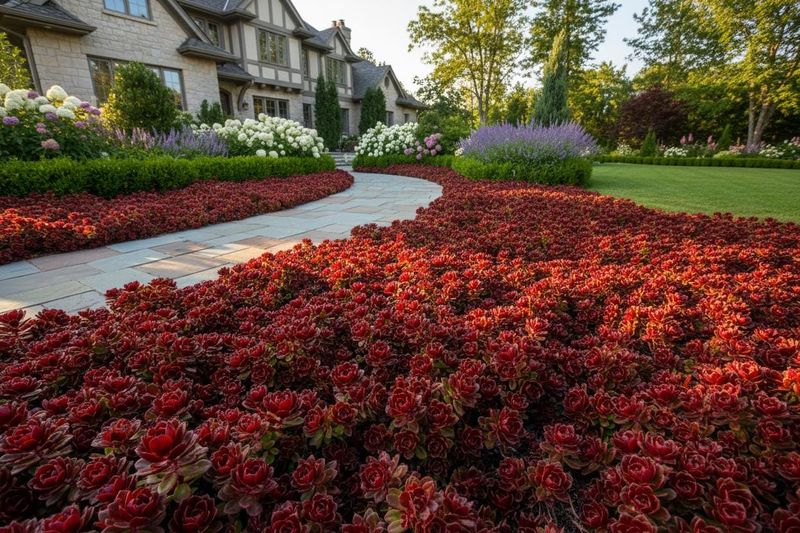
Red Carpet sedum hints at its winter plans all summer long, with reddish edges trimming each green leaf. Once fall temperatures slide, the whole planting deepens into a burgundy rug that holds color through the winter.
What surprises me most is how forgiving it is about soil, happily growing in average or even poor ground. It stays three to six inches tall but can spread up to two feet, filling gaps between stepping stones nicely.
Small starry flowers in pinkish red show up in early summer and draw butterflies into the garden. Deer and rabbits usually skip it, which counts for a lot where browsing animals treat flower beds like an open buffet.
Rated for zones three through eight, it suits the cooler high country far better than the hottest desert valleys. Low desert growers can still enjoy it in pots placed where afternoon shade breaks up the harsh summer sun.
October is a smart month to tuck new plants into the ground at higher elevations, giving roots time before hard freezes. Water lightly until it settles in, then step back and let the cold weather handle the coloring job.
5. Purple Broadleaf Stonecrop
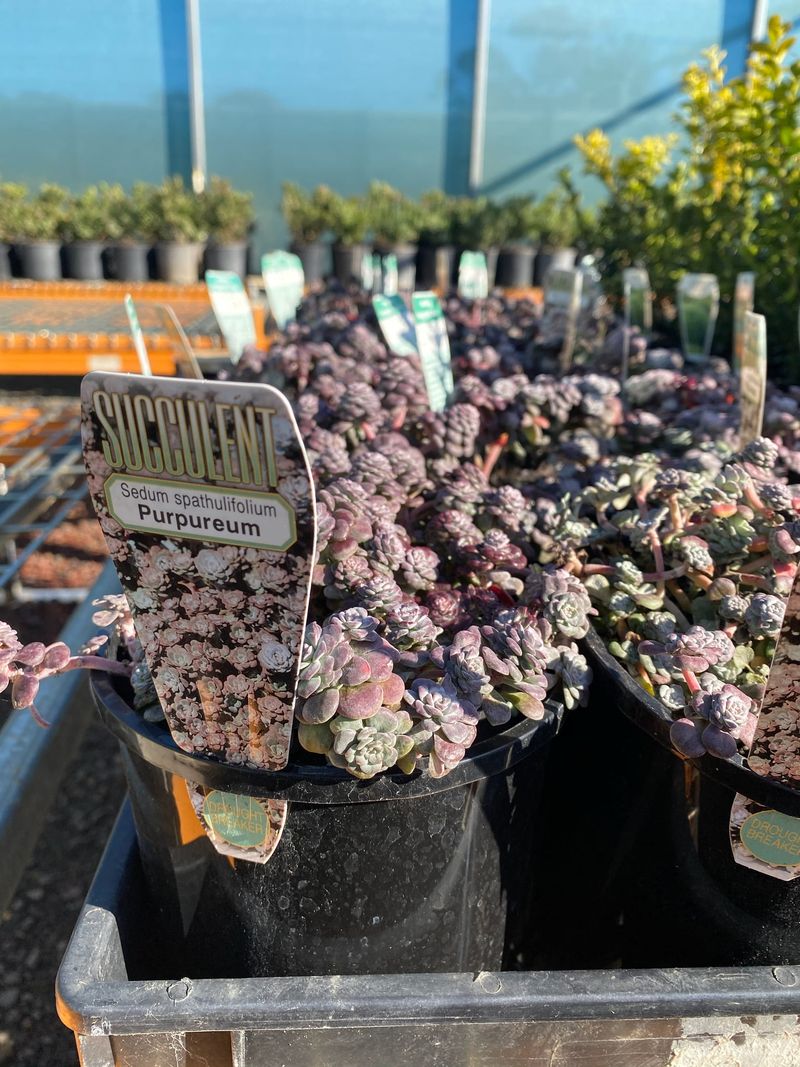
Tiny spoon-shaped leaves stacked into rosettes give Sedum spathulifolium Purpureum the look of a miniature bouquet. During warm months it often reads silvery or greenish, but cooler weather pushes it toward deep reddish purple.
By midwinter the rosettes can turn so dark they almost look like velvet against pale gravel or stone. Late spring then brings bright yellow starry flowers, and that contrast against plum foliage is honestly hard to beat.
Personally, I think this stonecrop shines brightest tucked into rocky crevices where water drains away from its crown quickly. It stays about four inches tall and spreads up to a foot, making it lovely for walls and small containers.
In hot climates, some afternoon shade helps protect the foliage from scorching during the long summer stretch. Morning sun with filtered light later in the day keeps it happier than a spot facing full western exposure.
Bees and butterflies visit the yellow blooms, adding a little extra life to a quiet corner of the yard. Keep watering sparse once it is established, since soggy roots cause far more trouble than a dry week ever will.
6. Cosmic Candy Sempervivum
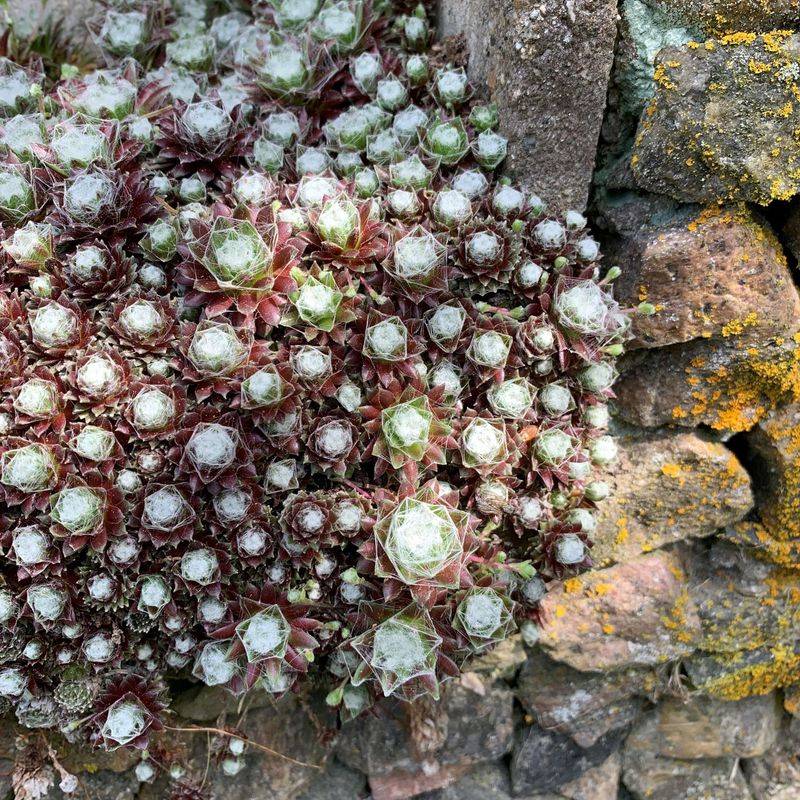
Cosmic Candy looks like someone wrapped a cherry red rosette in fine white spider silk, and kids find it fascinating. Those cobweb threads stretch across the leaf tips, while cold temperatures push the red tones even deeper.
Like other hens and chicks, it produces little offsets that crowd around the mother rosette over time. Each rosette stays about two inches tall, but a happy clump can spread roughly a foot across in a few seasons.
You’re in for a challenge if you garden in the low desert, since sempervivums prefer cooler summers and winter chill. High country gardens around Flagstaff and Payson give them conditions closer to their mountain roots in Europe.
Give it full sun in cooler areas and a dry, gritty mix that drains fast after every rain. Containers and stone walls suit it well, because water drains away before it can sit around the roots.
Each rosette blooms once and then fades, but the chicks around it quickly fill the empty space. I love how a single small pot can turn into a whole colony with almost no effort on your part.
7. Pacific Blue Ice Sempervivum
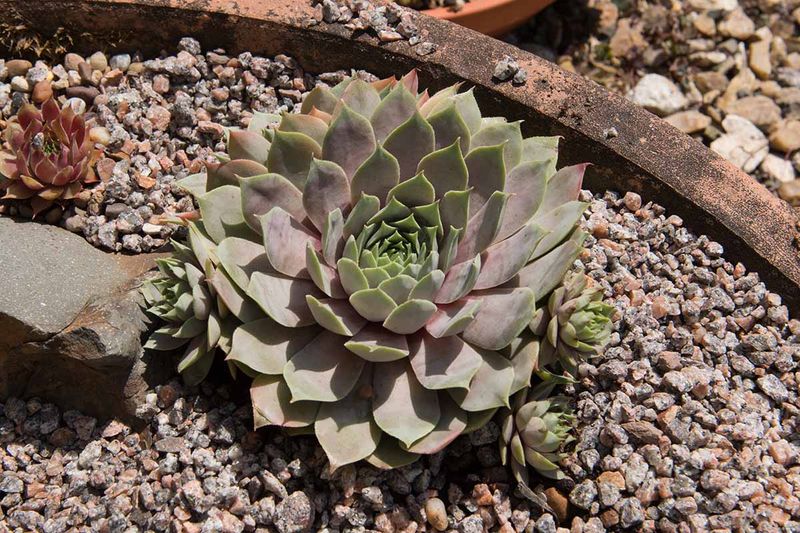
Silvery blue rosettes with a cool frosty look make Pacific Blue Ice feel like a winter plant even in summer. When cold weather arrives, the leaves pick up tinges of purple or pink that look especially lovely at sunrise.
Growers often describe its color as brightest in the depth of winter, which is unusual for a garden plant. Most of the yard looks tired by January, yet this sempervivum seems to wake up and show off.
Rated for zones five through ten, it offers a little more heat tolerance than many of its cousins. Even so, I would give it afternoon shade in hotter parts of the state, especially during the brutal summer stretch.
Dry, fast-draining soil is a must, and full sun in cooler months keeps the rosettes tight and colorful. It also works beautifully in shallow bowls and living wreaths, or as a small groundcover tucked between pavers.
Midsummer can bring flower spikes topped with tiny pink blooms that pollinators may visit. October is a great time to divide crowded clumps and pot up chicks to share with gardening friends before winter.
8. Fuldaglut Stonecrop
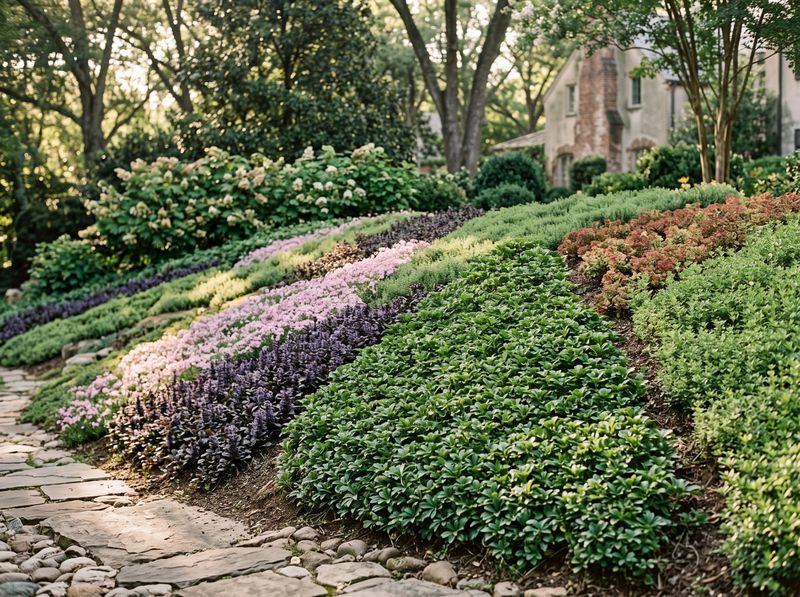
The German word glut means glowing embers, and Fuldaglut stonecrop earns that name when cool weather sets in. Its roundish leaves start medium green with red-tinged edges, then deepen to a rich burgundy as temperatures fall.
Unlike groundcovers that vanish in winter, this evergreen sedum keeps its leaves through the cold months. I believe that steady color makes it one of the most useful choices for brightening bare slopes around a house.
Mass plantings on banks help hold soil in place, while the dense mat leaves little room for weeds. Tiny flowers that appear in the warm season attract butterflies, adding gentle movement to a low planting.
Hardy in zones four through eight, it performs best in cooler, higher elevation gardens with well-drained soil. Full sun brings the best burgundy tones, though desert growers should offer shelter from harsh afternoon heat.
Containers are another clever option, especially on a patio where you can enjoy the color up close. Let the soil dry between waterings and skip heavy fertilizer, since lean conditions tend to bring out the richest shades.
9. Blue Glow Agave
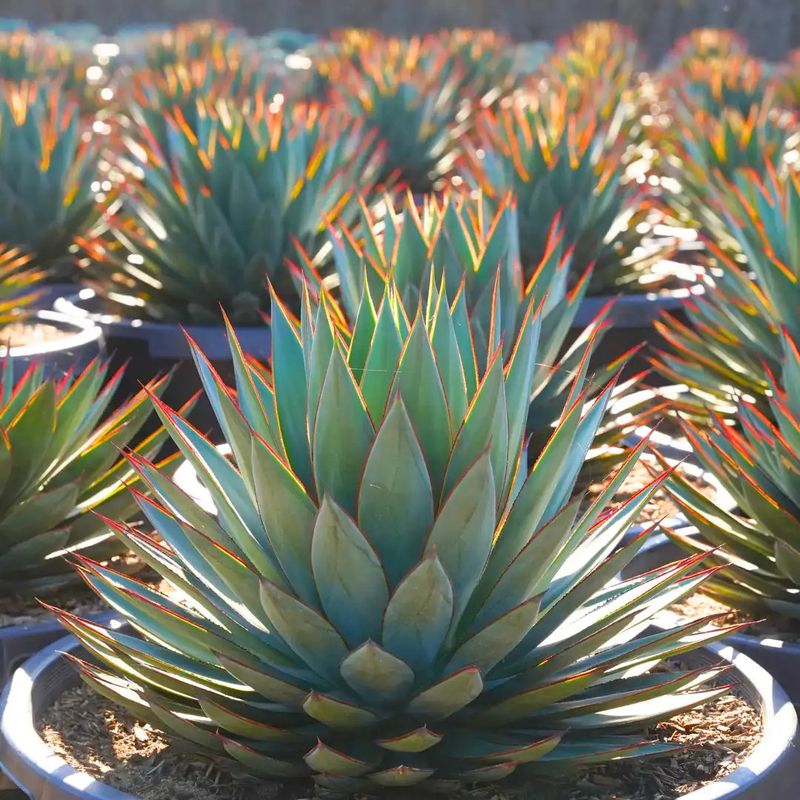
Late afternoon light turns Blue Glow agave into a living lantern, as its thin red leaf margins seem to light up. Low winter sun hanging in a clear sky makes that backlit edge even more dramatic than in summer.
This hybrid forms a tidy, symmetrical rosette of chalky blue-green leaves, usually one to two feet tall and wider across. It rarely produces pups, so it keeps a clean sculptural shape that suits small courtyards and modern containers.
Hardy to about 20 degrees, it needs frost cloth during hard freezes in colder parts of the low desert and foothills. In hot summers, morning sun with afternoon shade helps prevent leaf scorch, so placement really matters here.
Deep, infrequent watering works best, with soil drying out between drinks and even less water during winter rest. Watch for agave snout weevils, a pest that can seriously damage agaves, and check the base if leaves start collapsing.
After roughly ten to fifteen years, it sends up a tall flower stalk that hummingbirds and bees visit eagerly. The rosette then declines after blooming, but I can’t imagine a more glorious finale for a garden centerpiece.