9 Plants That Help Bring Fireflies Back To Tennessee Yards
Tennessee summer nights used to flicker. Backyards glowed like scattered embers, kids sprinted across wet grass chasing tiny lights, and the whole neighborhood smelled like honeysuckle and humidity.
That’s mostly gone now.
Fireflies aren’t disappearing because of bad luck. The plants they depend on have quietly vanished from Tennessee yards.
The fix isn’t complicated. Firefly larvae live in the soil and leaf litter, hunting snails and worms through the dark. They need specific plants overhead to keep that soil cool, moist, and alive.
Take away the plants, and the larvae never make it out of the ground.
These nine Tennessee natives rebuild exactly that habitat. Some are wildflowers. Some are ferns or shrubs. All of them do something modern yards have stopped doing, they keep the ground soft, shaded, and full of life.
1. Virginia Bluebells (Mertensia Virginica)
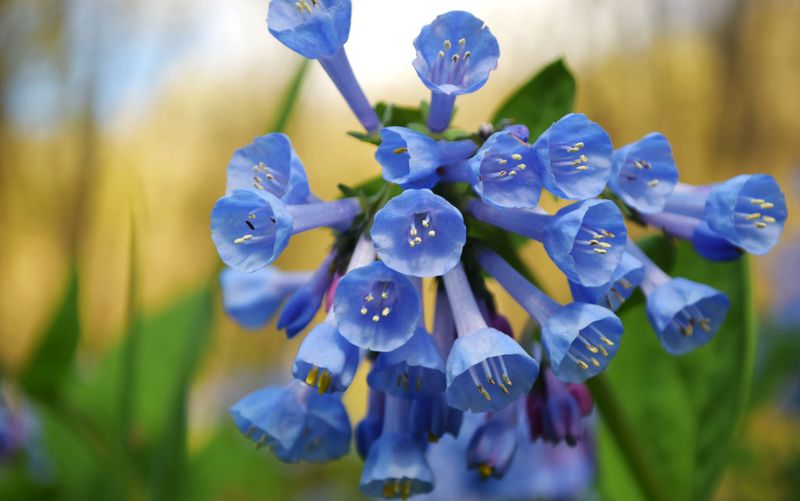
Picture a carpet of soft blue-pink trumpets nodding in a shaded corner of your yard every April. That is exactly what Virginia Bluebells bring, and fireflies absolutely love the moist, leafy soil these plants leave behind.
Virginia Bluebells are spring ephemerals, meaning they bloom brilliantly and then fade back underground by early summer. The leaf litter they leave behind is prime real estate for firefly larvae hunting their first meals.
Plant them along a shaded fence line or beneath a canopy tree where the soil stays consistently damp. They spread slowly on their own each year, quietly building the kind of rich, loose soil that supports a whole underground food web.
Without that soil life in place, firefly larvae struggle to make it through their first winter.
You can find bare-root Virginia Bluebells at most Tennessee native plant sales in early spring. Drop them in a spot that gets morning sun and afternoon shade, water them in well, and then let nature handle the rest.
They pair beautifully with wild ginger and Christmas fern, creating a layered ground cover that holds moisture all summer long. That moisture is the secret ingredient every firefly yard needs.
2. Spicebush (Lindera Benzoin)
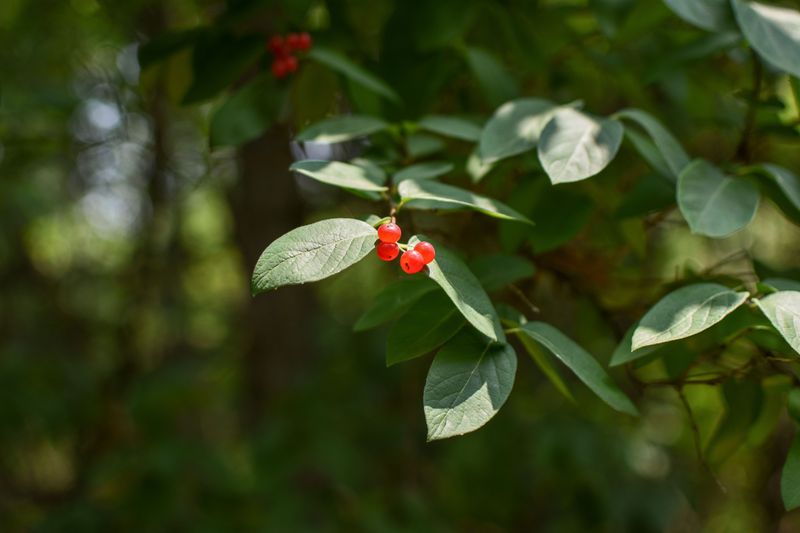
Crush a leaf from this shrub and you get an instant hit of spicy citrus that stops you mid-step. Spicebush is one of those plants that rewards every sense, and fireflies reward it right back by choosing spicebush thickets as prime adult resting spots.
This native shrub thrives in the same moist, shaded conditions that fireflies prefer for laying eggs. Plant it along a creek edge, a low-lying corner, or the shaded north side of your house.
Spicebush grows six to twelve feet tall over time, creating a shrubby understory layer that adult fireflies use for shelter during the day. At night, the males launch from those branches on their flashing search flights.
Beyond fireflies, spicebush is a host plant for the spicebush swallowtail butterfly, so you get two spectacular insects for the price of one shrub. That is a solid return for a single native shrub.
The bright red berries that appear in late summer attract migrating birds, adding yet another layer of wildlife activity to your space. A single healthy spicebush can anchor an entire corner of your yard.
Your Tennessee Garden Changes Every Week. Your Plan Should Too.
Gardening in Tennessee changes quickly throughout the season. Every Friday you’ll receive a simple weekly plan showing exactly what to plant, prune, fertilize, harvest, and protect so you never miss the right timing.
Buy one from a local native nursery and plant it in fall or early spring for best results. It establishes quickly and many gardeners notice increased wildlife activity within the first growing season.
3. Wild Ginger (Asarum Canadense)
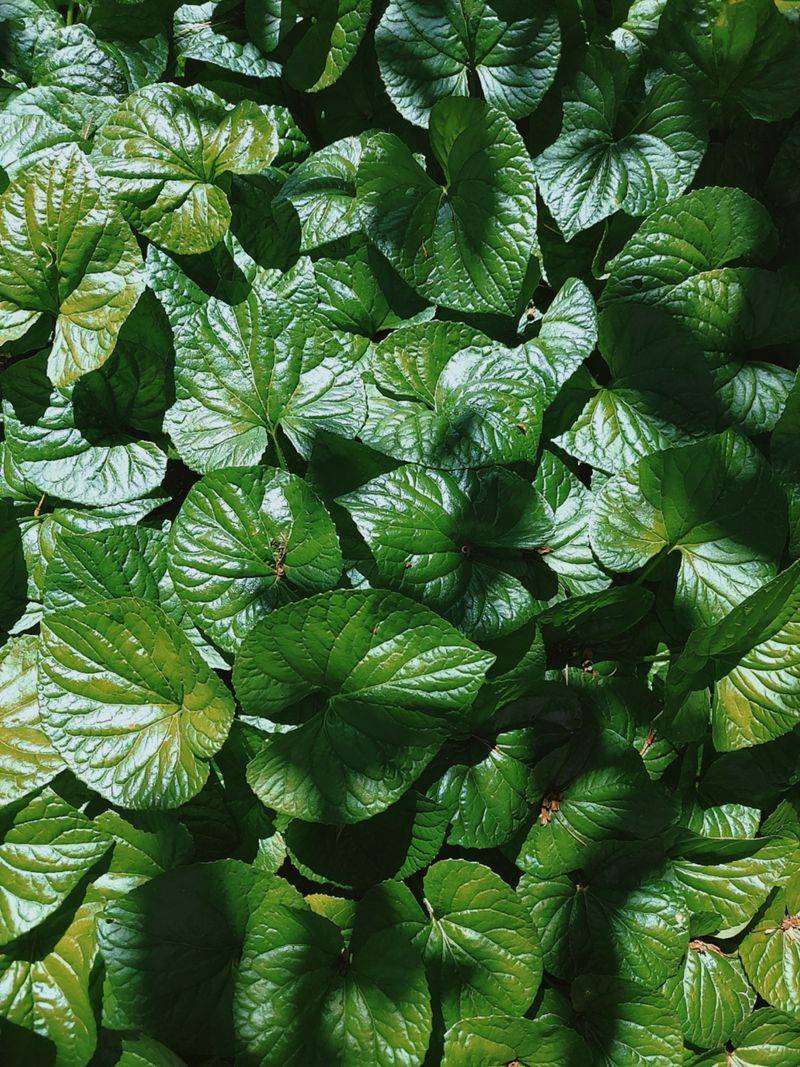
Wild ginger is the unsung hero of the firefly garden, doing its best work completely out of sight. Its broad, heart-shaped leaves form a dense mat that keeps soil cool, moist, and packed with the organic matter firefly larvae need.
This low-growing native spreads steadily by rhizome, slowly filling shaded areas that grass refuses to grow in. Once established, it is nearly maintenance-free and stays green well into late fall.
Firefly larvae spend up to two years underground before emerging as adults. Wild ginger creates the exact microclimate those larvae depend on during that long underground stretch.
The leaves trap fallen debris from trees above, building a spongy layer of decomposing organic material. That layer feeds the snails, worms, and soft-bodied insects that firefly larvae hunt through the dark soil.
Plant wild ginger under mature trees where nothing else seems to grow. It handles deep shade well and outperforms most common native ground covers in low-light conditions.
One flat of plugs spreads reliably within two to three growing seasons. Pair it with Virginia Bluebells for a layered ground cover that keeps your soil moist and your firefly population growing.
4. Christmas Fern (Polystichum Acrostichoides)
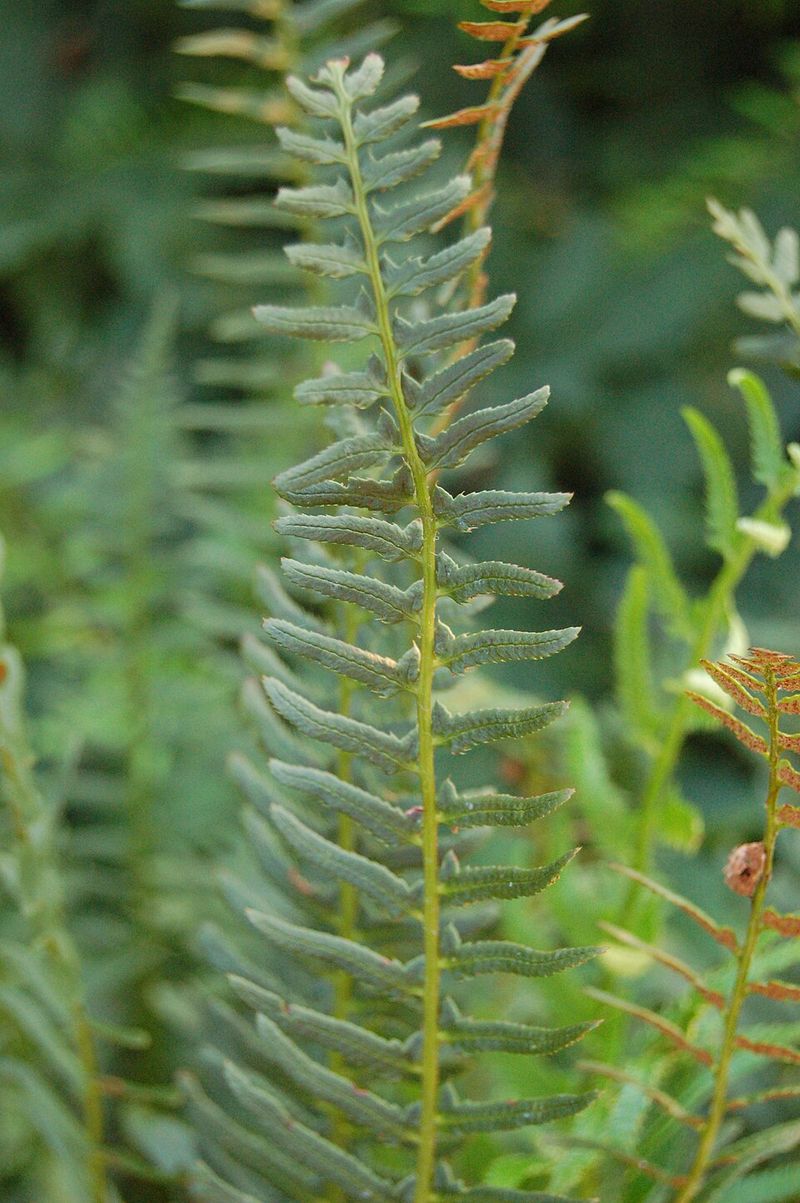
Walk through any Tennessee hollow in December and you will spot these ferns still shining green against the frost. Christmas fern earned its name by staying evergreen through the coldest months, and that persistence makes it a firefly garden superstar.
Most ground covers brown out in winter, leaving soil exposed and vulnerable to drying. Christmas fern keeps its fronds intact, sheltering the soil and the firefly larvae beneath it all winter long.
That year-round leaf cover is more important than it sounds. Some firefly larvae remain active through winter, slowly hunting prey through the soil in milder stretches.
Christmas fern grows in dense, arching clumps about two feet tall and two feet wide. It thrives on shaded slopes, stream banks, and the north-facing edges of garden beds where moisture lingers.
Plant a row of Christmas ferns along a shaded fence or under a large oak and watch the leaf litter pile up naturally beneath them. That pile is exactly what you want building up season after season.
These ferns are tough, adaptable, and widely available at native plant sales across the state. They establish well from container plants and start contributing to your firefly habitat within their first full growing season.
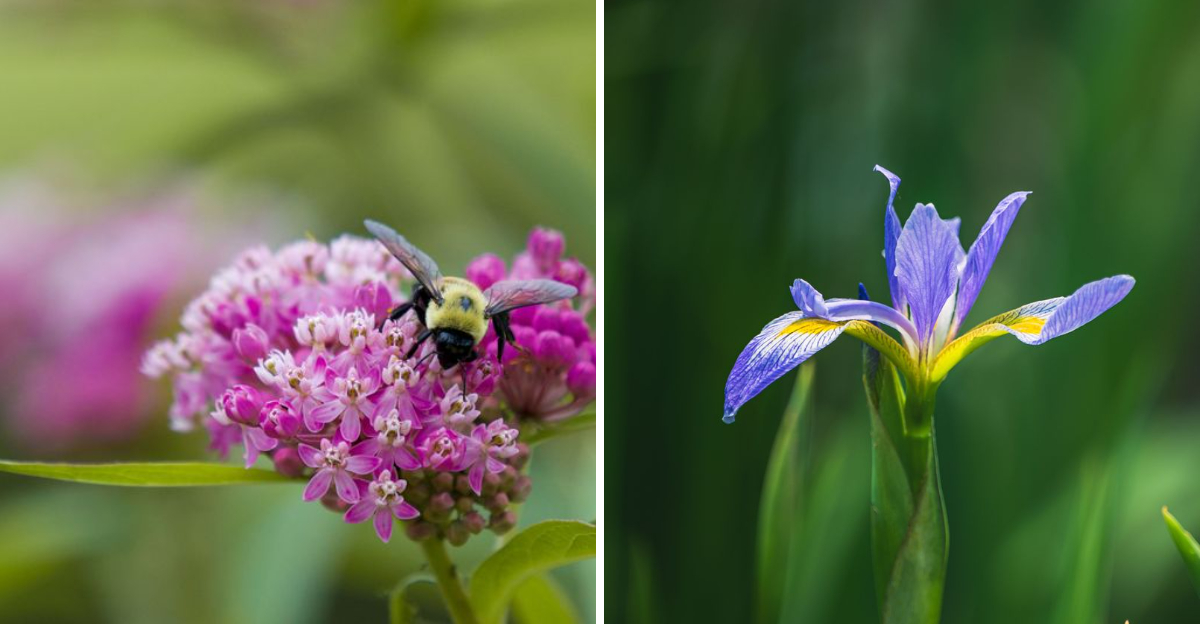
5. Swamp Milkweed (Asclepias Incarnata)
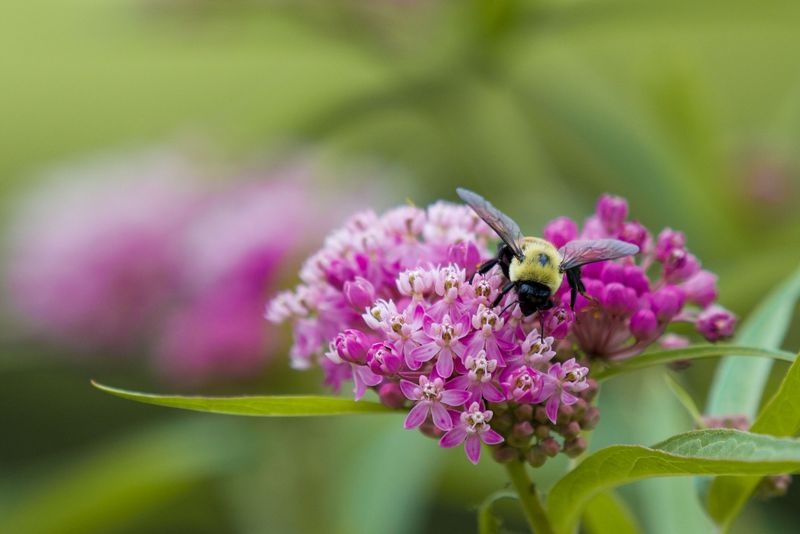
Image Credit: © Andrew Patrick Photo / Pexels
Most people know milkweed as a monarch butterfly plant, but swamp milkweed pulls double duty in a firefly garden. It thrives in the wet, low-lying spots where fireflies prefer to lay their eggs, making it a perfect fit for soggy corners most homeowners ignore.
Swamp milkweed grows three to five feet tall and produces clusters of rosy pink flowers from late June through August. Those blooms attract a parade of pollinators, keeping your garden buzzing with life all summer.
The real magic for fireflies happens below the surface. Swamp milkweed roots create deep channels in wet soil, improving drainage while keeping the surrounding ground consistently moist.
Plant it at the edge of a low spot, a rain garden, or anywhere water tends to pool after a heavy Tennessee thunderstorm. It is one of the better flowering natives for consistently wet or poorly drained spots.
By late summer, the tall stems provide resting perches for adult fireflies during the day. Adult fireflies are commonly observed resting on tall vegetation between their nightly flash activity.
Swamp milkweed is easy to grow from seed or transplant and spreads gradually to form a healthy clump over time. Give it full sun and wet soil, and it will reward you with blooms, butterflies, and more firefly activity most summers.
6. Goldenrod (Solidago Spp.)
Goldenrod gets blamed for hay fever constantly, but here is the truth: it is almost never the culprit. That reputation belongs to ragweed, which blooms at the same time but releases invisible pollen into the air. Goldenrod pollen is heavy and sticky, carried by insects, not wind.
Clearing goldenrod’s name matters because this plant is genuinely one of the best things you can add to a Tennessee firefly yard. It supports dozens of native bee and insect species, with some estimates reaching well over 100.
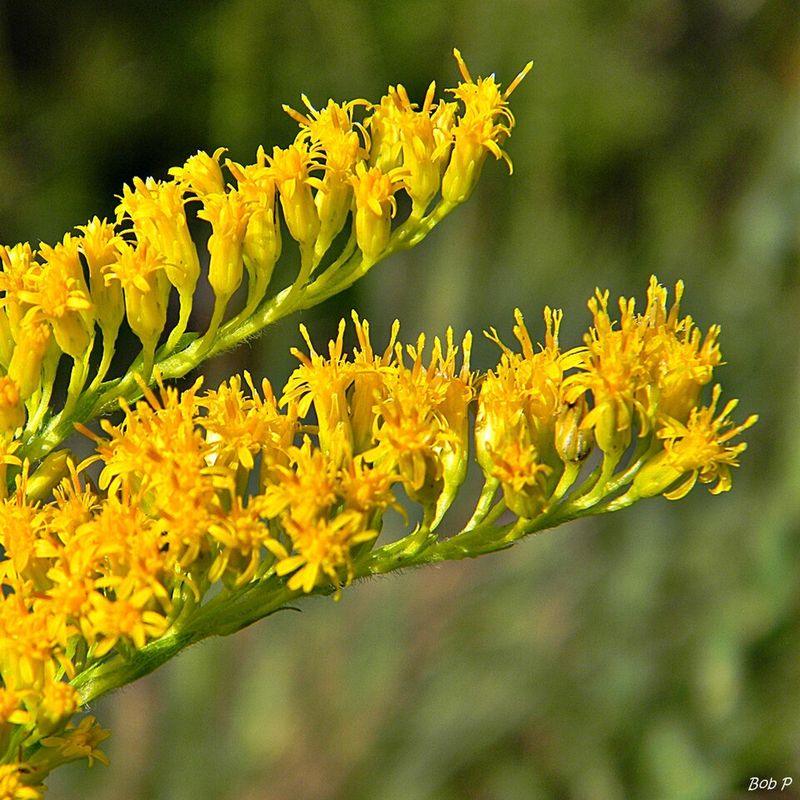
Goldenrod blooms in late summer and fall, filling the yard with tall plumes of bright yellow that practically glow in afternoon light. The flowers feed adult fireflies and countless other beneficial insects before the cold sets in.
Plant goldenrod in a sunny border, a meadow patch, or along a fence line where it can spread freely. Most native goldenrod species grow two to four feet tall and spread by rhizome to form a dense, wildlife-friendly colony.
Come fall, leave the stems standing through winter. Many native insects overwinter inside hollow or pithy stems, and leaving goldenrod standing through winter supports that overwintering habitat.
Goldenrod is tough, drought-tolerant, and available at nearly every native plant nursery in the region. Once established, it needs very little attention to keep thriving.
7. Joe Pye Weed (Eutrochium Spp.)
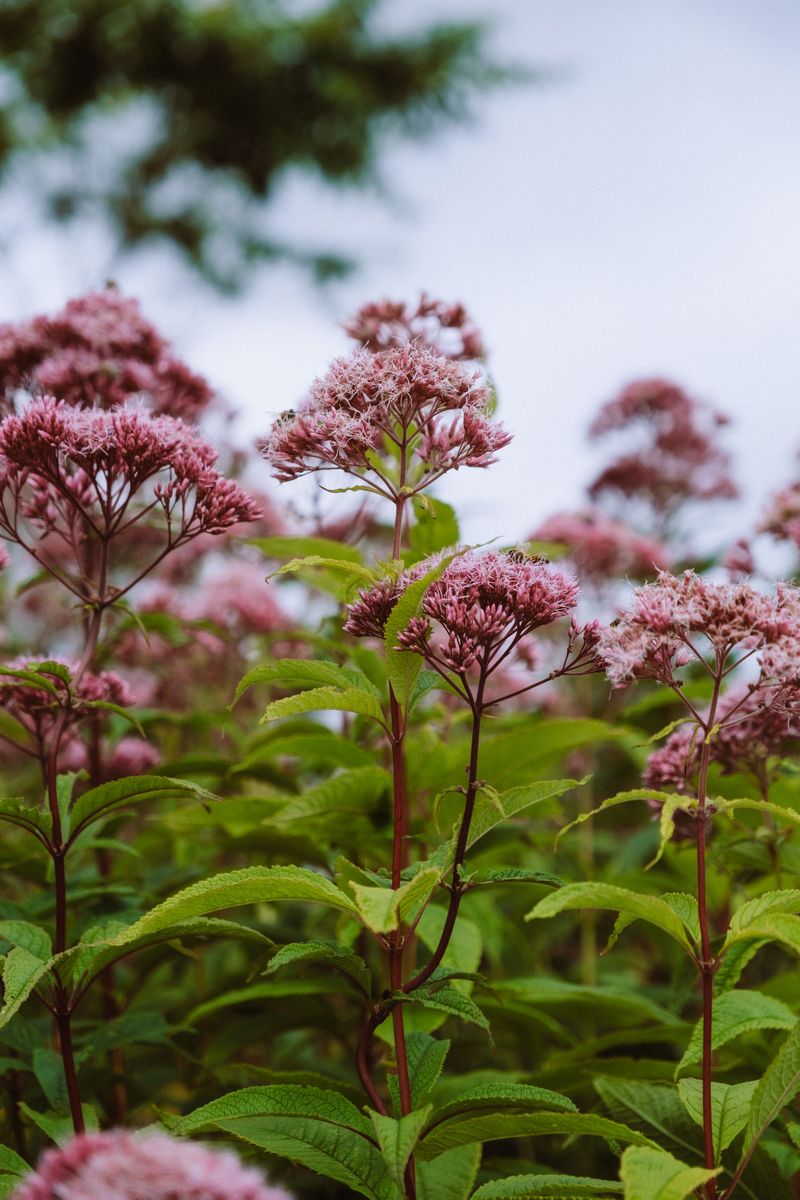
Joe Pye Weed commands attention the moment it hits its stride in August. Standing six to eight feet tall with massive dusty-pink flower heads, it creates exactly the kind of tall, sheltered structure that adult fireflies seek out.
The tall, sturdy stems of Joe Pye Weed give adult fireflies elevated launch pads for their nightly flash displays. Many firefly species tend to climb tall vegetation before launching into their nightly flash flights.
This native perennial thrives in moist, partly shaded spots along woodland edges, stream banks, and low garden areas. It is one of the few tall natives that handles both wet feet and brief dry spells without complaint.
The flower heads attract an almost ridiculous number of pollinators in late summer, including native bees, butterflies, and moths. All that insect activity feeds the broader food chain that keeps firefly populations healthy and growing.
Joe Pye Weed spreads slowly by seed and rhizome, gradually forming impressive clumps that anchor a garden border beautifully. Cut it back hard in early spring and it bounces back taller and fuller each season.
Pair it with goldenrod and swamp milkweed for a late-summer trio that keeps your yard alive with movement, color, and light long after most gardens have faded out for the year.
8. Blue Flag Iris (Iris Virginica)
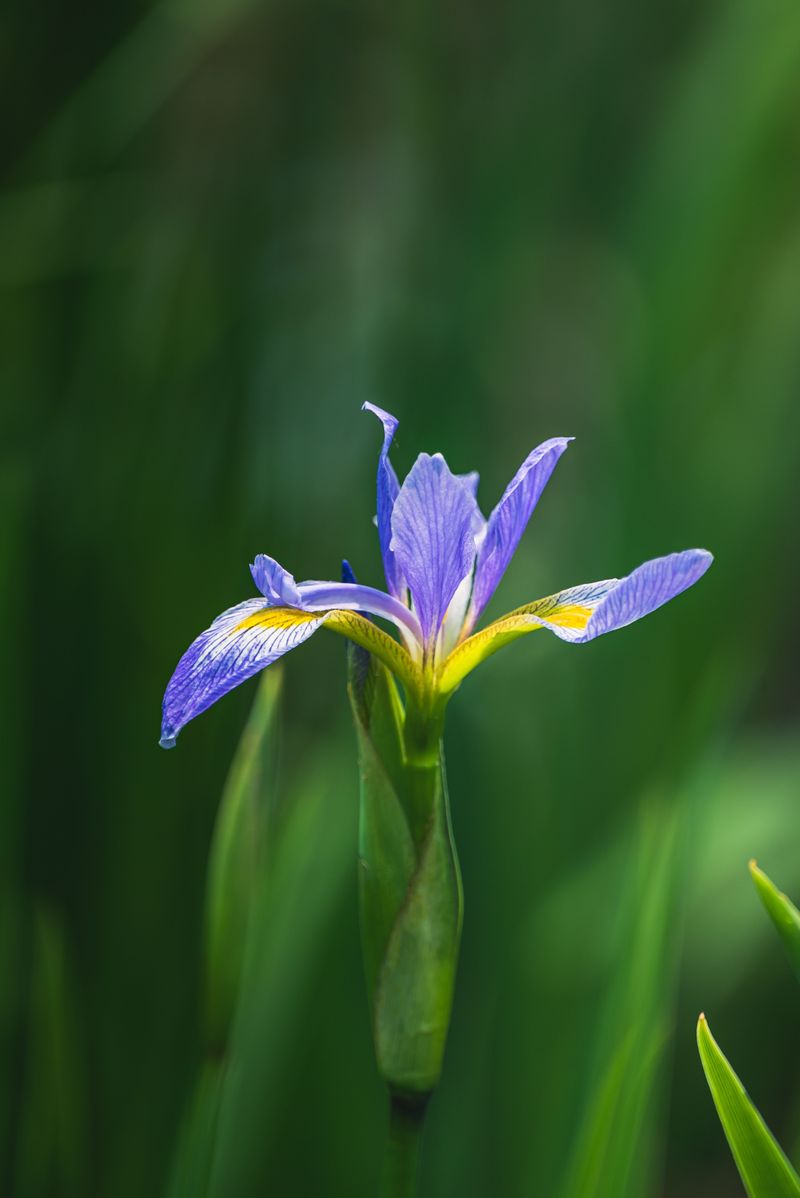
Image Credit:
© Chris F / PexelsThere is something almost theatrical about blue flag iris blooming at the water’s edge in May. The violet-blue petals with their yellow and white markings look hand-painted, and they mark exactly the kind of wet habitat where fireflies concentrate most heavily.
Blue flag iris is native to Tennessee’s wetlands, stream margins, and pond edges. It thrives in the consistently moist, slightly acidic soil that supports the richest firefly populations anywhere in the Southeast.
Plant it at the edge of a rain garden, a backyard pond, or any low area that stays soggy after rain. The dense root mass holds stream banks and wet slopes in place while creating excellent habitat for aquatic insects.
Firefly larvae need consistently moist soil to survive. Blue flag iris thrives in exactly those conditions, keeping the ground wet enough for successful egg laying and larval development.
The sword-like leaves grow two to three feet tall, providing shelter and structure in wet garden areas that often look bare and neglected. A cluster of blue flag iris transforms a problem drainage spot into a genuine garden feature.
Buy potted plants from a native nursery and plant them in fall or early spring. They establish quickly in wet conditions and multiply steadily, spreading into a fuller, more impressive clump every single year.
9. Eastern Gamagrass (Tripsacum Dactyloides)
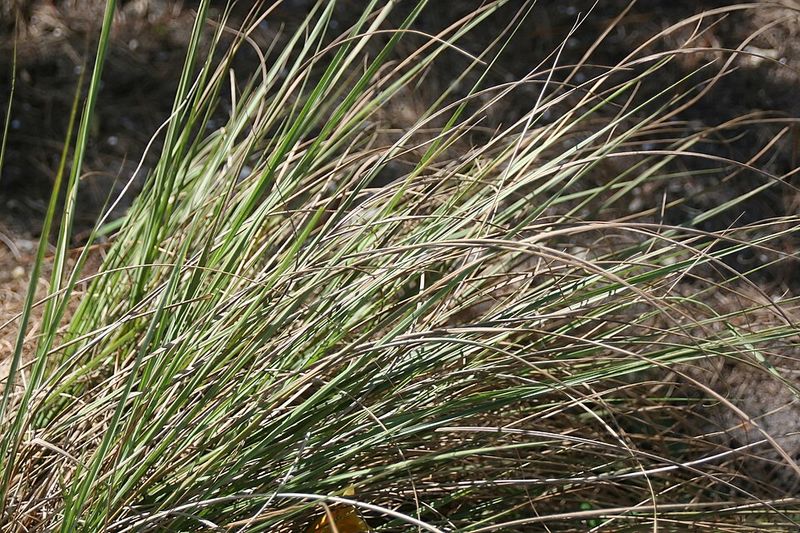
Eastern gamagrass looks like the wild, dramatic cousin of the ornamental grasses sold at big box stores. It grows in bold, arching clumps four to six feet tall, and it creates the kind of dense, sheltered base layer that fireflies have been searching for in suburban yards.
The root system can reach six feet deep, gradually improving soil structure and helping retain moisture through dry spells.
Firefly larvae travel through the soil hunting prey, and they follow moisture gradients downward during dry spells. Deep-rooted grasses like eastern gamagrass keep those moisture pathways open all summer long.
Plant eastern gamagrass in a sunny border, a rain garden, or a naturalized patch where you want to add dramatic height and texture. It handles wet soil beautifully and tolerates periodic flooding without missing a beat.
By midsummer, the seed stalks attract birds and small mammals, adding another layer of wildlife activity to your yard. Leave the clumps standing through winter to shelter overwintering insects in the dense base of the plant.
Eastern gamagrass is slow to establish in its first year, but by year two it takes off with impressive speed. Give it patience, full sun, and decent moisture, and it can anchor your firefly garden for many years with minimal maintenance.