The One Native Tree Every Michigan Garden Should Have
Michigan gardens rarely follow a predictable script. One season brings deep freezes and late frosts, the next shifts into humid heat or sudden downpours.
Finding a tree that can handle those swings without constant attention is not always simple. That’s why many gardeners start looking for something smaller, reliable, and visually striking without taking over the yard.
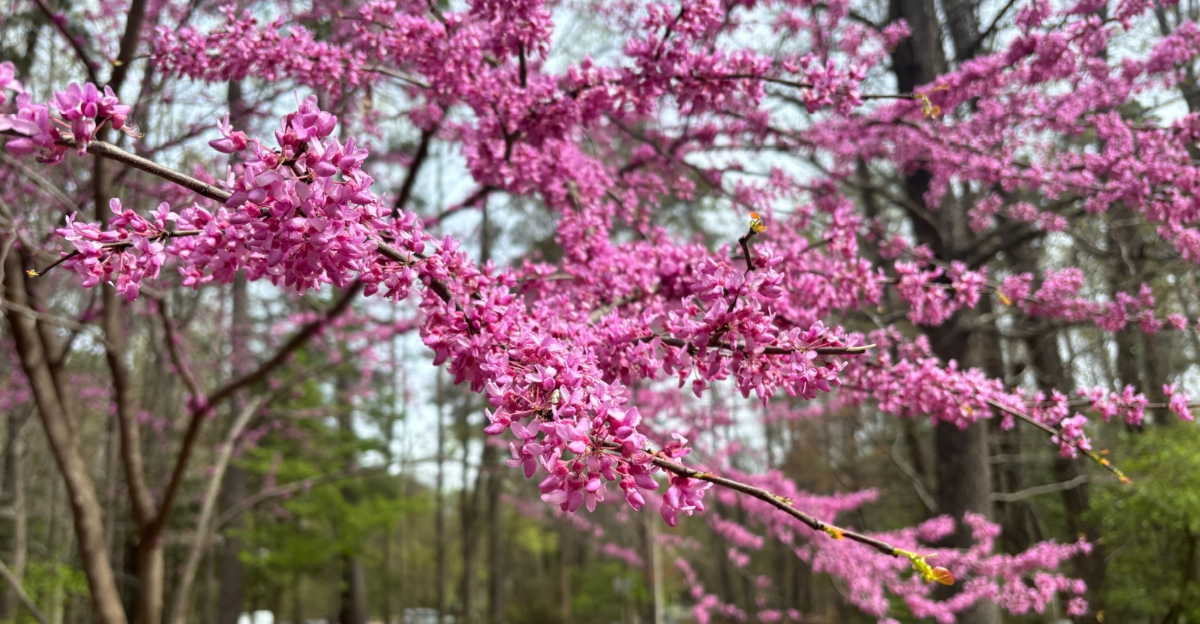
Eastern Redbud (Cercis canadensis) fits that role well. With its early color, manageable size, and value for pollinators, it adds interest across seasons.
From the Upper Peninsula to the southern Lower Peninsula, it’s a tree that continues to earn its place in Michigan landscapes.
1. Eastern Redbud Brings Early Spring Color Before Most Trees Leaf Out
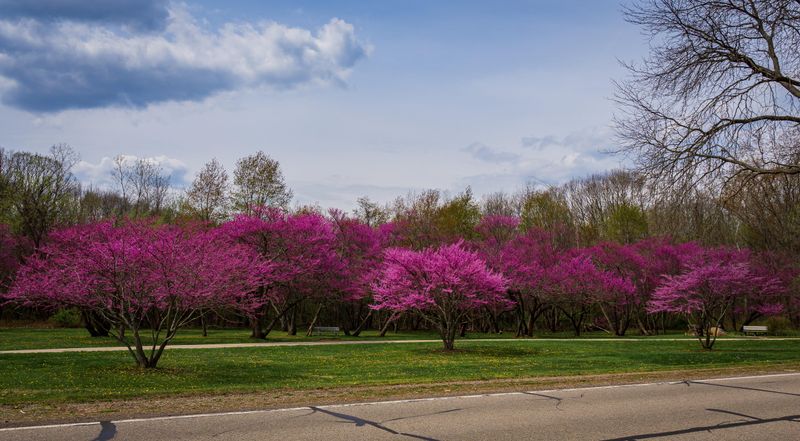
Just as Michigan landscapes begin to thaw and most trees are still bare, a flush of soft pink blooms can completely shift the feel of a yard.
Eastern Redbud is known for flowering early in spring, often before its leaves appear, which gives it a standout presence when color is still limited.
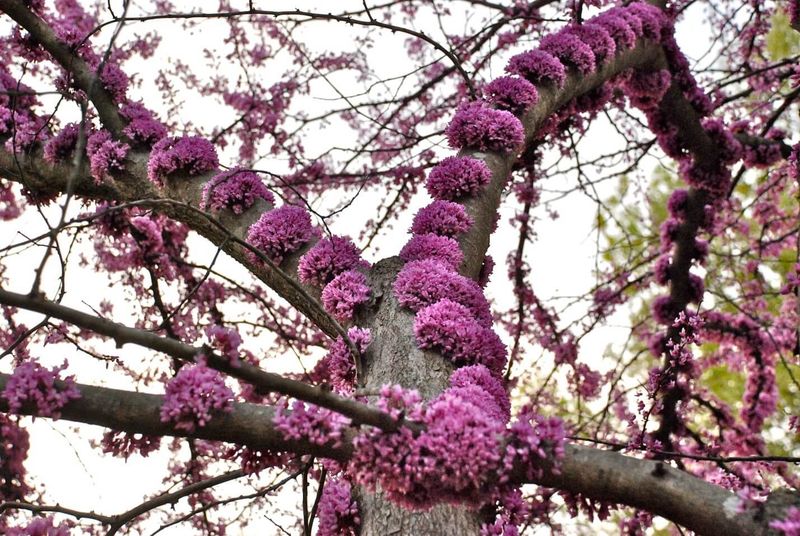
Those blooms show up along branches and even the trunk, creating a layered look that catches attention from a distance.
In many parts of Michigan, this early display lines up with the transition out of winter, when gardeners are eager to see signs of life return to the landscape.
Because it flowers ahead of full leaf-out, it adds contrast against still-dormant surroundings and helps break up the muted tones that linger after snow melt.
This timing also allows it to pair well with early bulbs like crocus and daffodils, along with spring ephemerals that thrive in similar conditions.
Placing a redbud where it can be viewed from a window or entryway can make a noticeable difference during early spring, when outdoor color is still limited and every bloom feels significant.
2. Heart Shaped Leaves Create A Full Summer Canopy
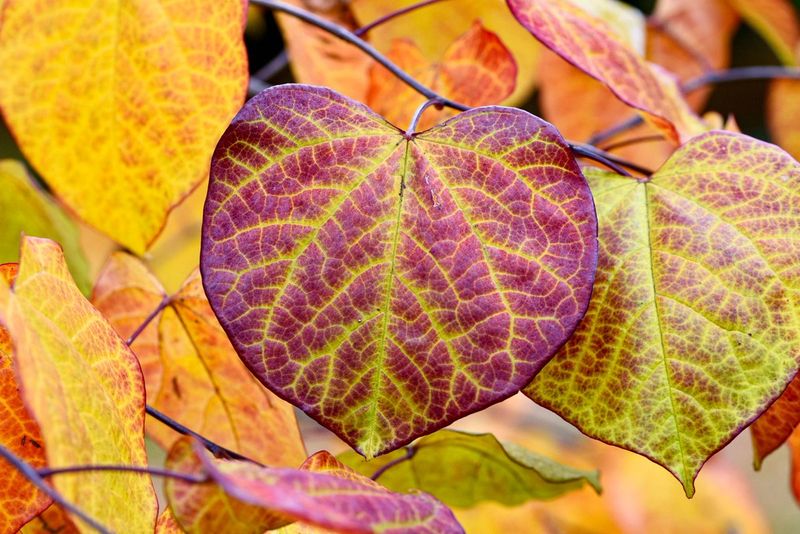
Once the spring blooms fade, the focus shifts to foliage that fills in quickly and creates a soft, rounded canopy. The leaves are distinctly heart-shaped, giving the tree a gentle texture that stands out from more rigid or narrow-leaved species.
As temperatures warm across Michigan, this canopy becomes fuller and more layered, offering light shade that works well for patios, small seating areas, or understory plantings.
The foliage typically maintains a rich green tone through summer, helping balance brighter flowering plants nearby without overwhelming them.
Because the canopy is not overly dense, it allows filtered light to pass through, which can support shade-tolerant perennials like hostas, ferns, and woodland natives beneath it.
This makes it easier to build layered plantings without creating deep shade that limits options.
Over time, the canopy develops a naturally rounded shape that requires minimal pruning to maintain.
In smaller Michigan yards, that balance between shade and openness can make a noticeable difference in how usable and comfortable the space feels during warmer months.
3. Compact Size Fits Well In Typical Michigan Yards
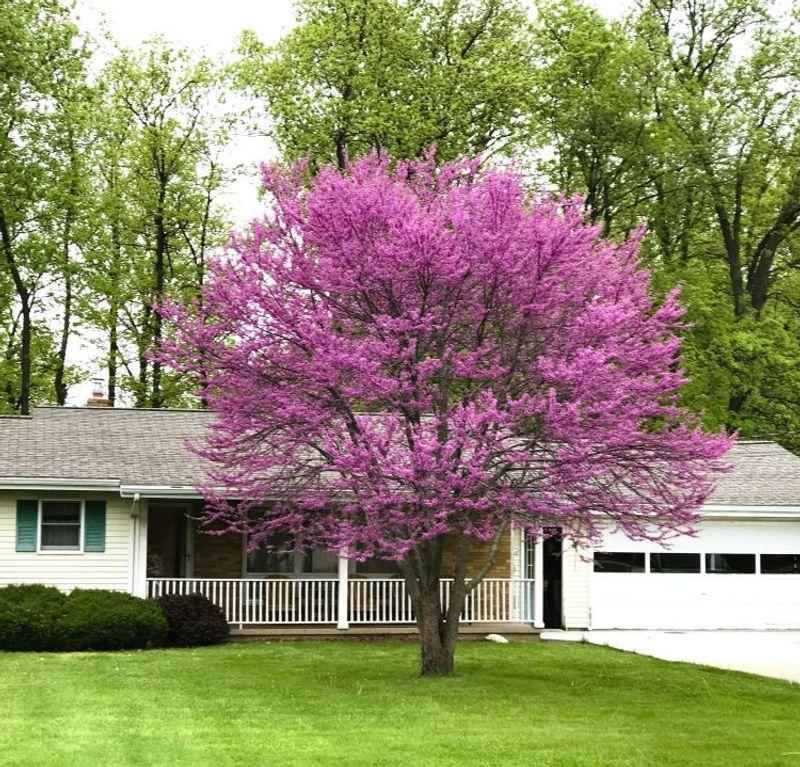
Space is often one of the biggest constraints in Michigan neighborhoods, where lot sizes can vary but rarely accommodate very large trees comfortably.
Your Michigan Garden Changes Every Week. Your Plan Should Too.
Gardening in Michigan changes quickly throughout the season. Every Friday you’ll receive a simple weekly plan showing exactly what to plant, prune, fertilize, harvest, and protect so you never miss the right timing.
Eastern Redbud naturally grows to a more modest height, often in the 20 to 30 foot range, with a spread that stays manageable over time.
That size allows it to function as a focal point without overwhelming nearby structures, walkways, or planting beds.
It can be placed closer to patios or homes than many larger shade trees, as long as basic spacing is respected. This makes it a practical option for front yards, side yards, or as part of a layered planting design.
For gardeners who want the presence of a tree without committing to something towering, it offers a middle ground that still delivers strong seasonal impact.
Its size also makes maintenance tasks like light pruning or inspection more manageable without specialized equipment.
In Michigan landscapes where space and function both matter, that scale helps it fit naturally without creating long-term crowding issues.
4. Native Roots Help It Adapt To Local Conditions
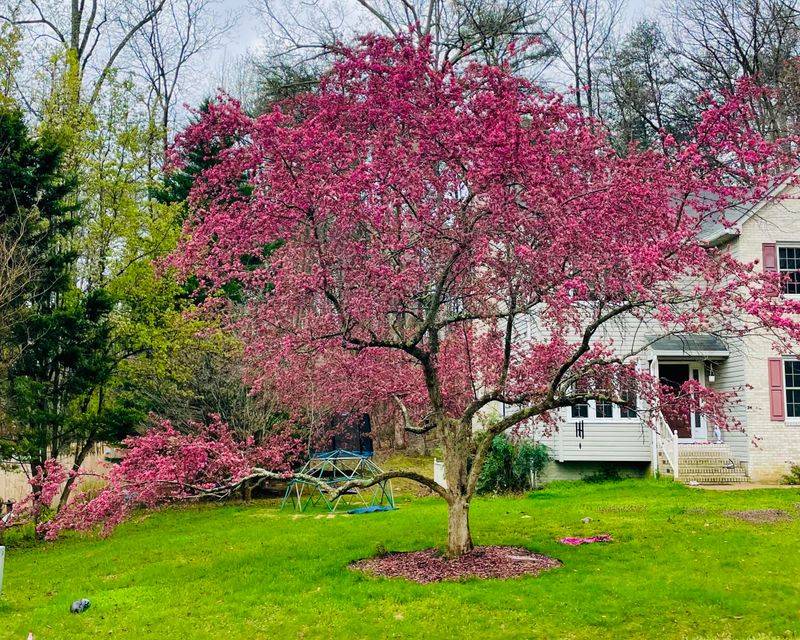
Growing a tree that already has a history in the region can make a noticeable difference over time. Eastern Redbud is native to parts of Michigan, which means it is adapted to the seasonal patterns, soil variations, and weather swings that define the area.
From heavier clay soils in some regions to lighter, sandy soils in others, it shows a level of flexibility when drainage is adequate.
While no tree is completely without care needs, starting with a native species can reduce the amount of adjustment required compared to non-native options.
It also tends to align better with local ecosystems, supporting insects and wildlife that recognize it as a familiar resource.
This connection can contribute to a more balanced garden over time.
For Michigan gardeners working with unpredictable weather and mixed soil conditions, choosing plants with regional roots often leads to more consistent performance and fewer surprises as seasons shift.
Over time, this adaptability can translate into steadier growth and fewer stress-related issues. It also reduces the need for constant soil amendments or intensive care routines.
That kind of reliability becomes especially valuable in Michigan landscapes where conditions can change quickly from one season to the next.
5. Early Flowers Offer A Food Source For Pollinators
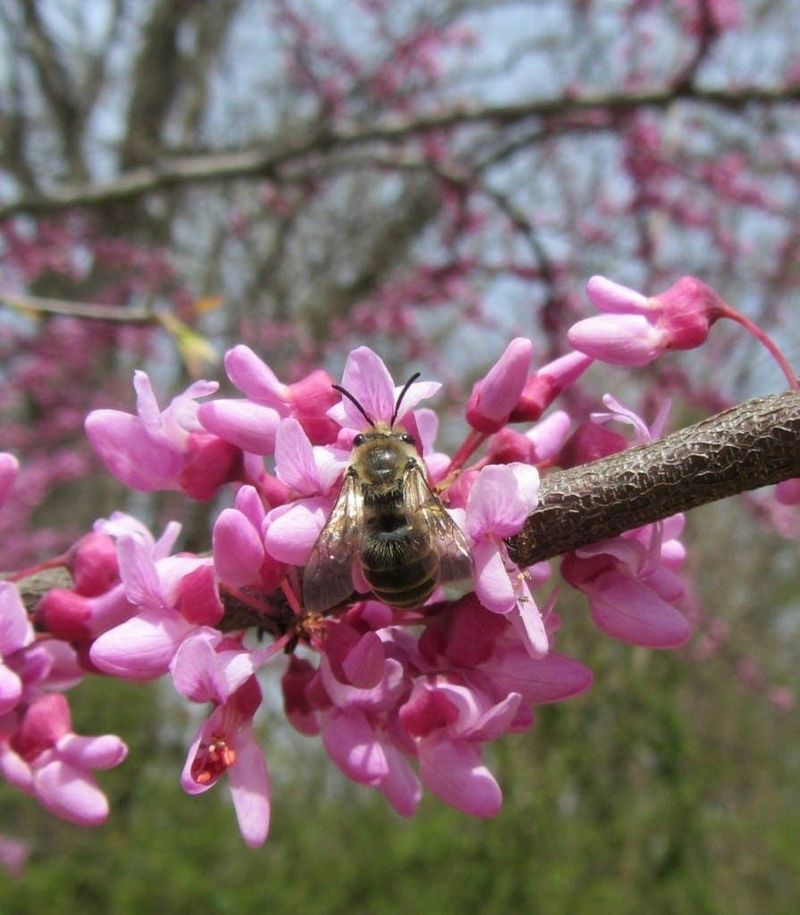
Early spring can be a lean time for pollinators emerging after winter, with limited food sources available in many Michigan gardens. The blooms of Eastern Redbud arrive during this window, offering nectar that can help support bees and other early visitors.
Because the flowers appear before the leaves, they are easy for pollinators to access, which can lead to noticeable activity around the tree.
This early bloom period helps bridge the gap between late winter and the fuller flowering cycles of late spring and summer. While one tree does not supply everything pollinators need, it plays a meaningful role in a broader planting strategy.
Gardeners who include early bloomers like redbud often see a more consistent presence of beneficial insects throughout the season.
Pairing it with later-flowering natives can create a steady sequence of food sources, helping support pollinators across Michigan’s growing season without adding extra maintenance.
Over time, that early support can help establish more stable pollinator activity in the garden. It also encourages a wider range of species to return as the season progresses.
Even a single well-placed tree can contribute to a more connected and supportive landscape.
6. Works Well In Sun Or Light Shade Settings
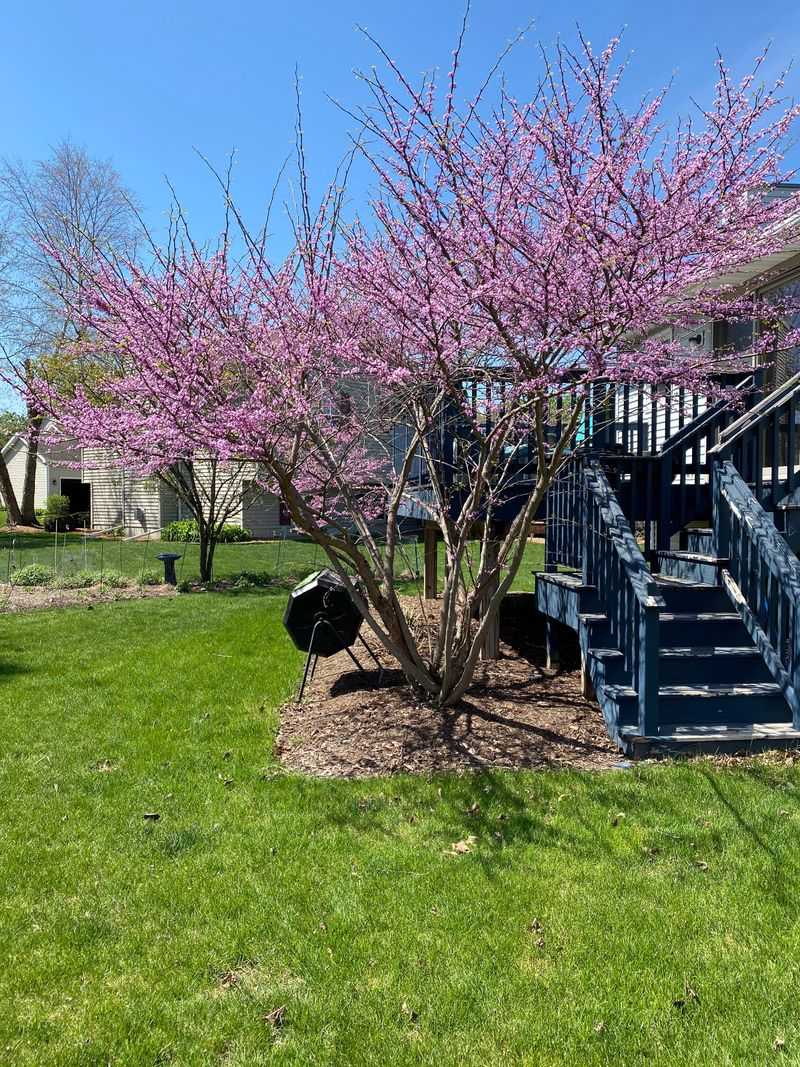
Light conditions vary widely across Michigan yards, especially in established neighborhoods where mature trees already shape sun patterns throughout the day.
Eastern Redbud shows flexibility in this area, performing well in full sun but also adapting to partial shade.
In sunnier locations, flowering tends to be more abundant and growth may be slightly denser. In light shade, it can still maintain a healthy structure while benefiting from some protection during hotter parts of summer.
This adaptability makes it easier to fit into existing landscapes without needing to remove established trees or drastically change the layout.
It can also serve as an understory tree in larger yards, growing beneath taller canopy trees where filtered light is available.
This versatility gives gardeners more freedom when planning placement, whether they are starting fresh or working within an established garden. It also helps the tree integrate more naturally into a variety of landscape styles.
That flexibility can be especially useful in yards with shifting light patterns throughout the seasons. It allows gardeners to work with the space they have rather than trying to create ideal conditions from scratch.
Over time, this can lead to a more balanced and easier-to-manage planting design.
7. Golden Fall Color Adds Late Season Interest
As the growing season winds down in Michigan, many gardens begin to lose some of their earlier vibrancy.
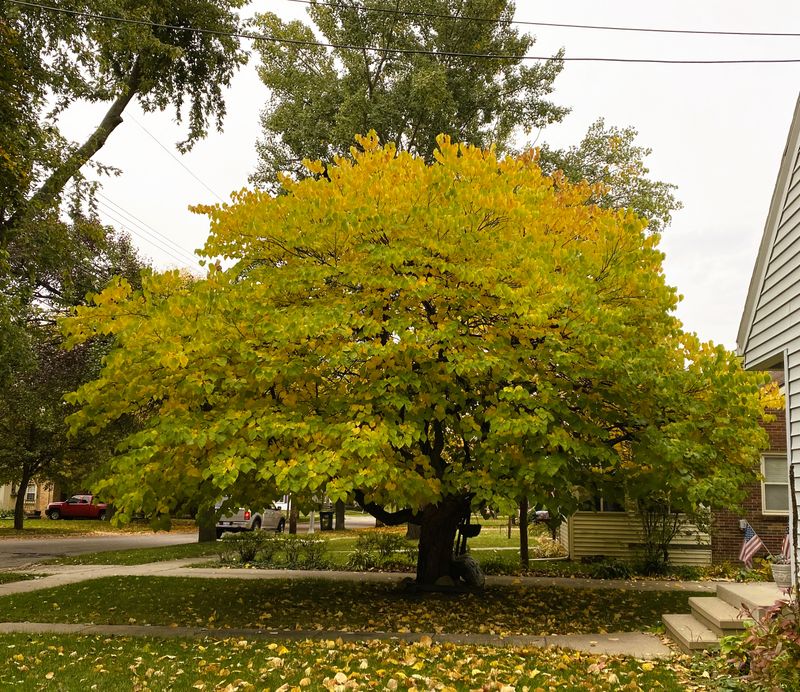
Eastern Redbud transitions into warm yellow tones in fall, offering a softer, more understated color compared to the bold reds and oranges of some larger trees.
This shift helps extend the visual interest of the landscape into late season, creating a gentle transition between summer greenery and winter dormancy.
The golden leaves can catch afternoon light in a way that adds warmth to the yard, especially on cooler fall days.
Because the tree remains relatively small, its fall color is easy to appreciate up close, whether viewed from a window or along a garden path.
It works well in mixed plantings where different fall tones complement each other, contributing without dominating the overall look.
This added layer of seasonal interest helps keep the garden feeling dynamic even as temperatures begin to drop.
Even as leaves begin to fall, the color shift helps signal the seasonal transition in a subtle, natural way. It also pairs nicely with late-blooming perennials and ornamental grasses that peak during this time.
8. Graceful Branch Structure Adds Year Round Appeal
Even after leaves drop and the growing season slows, the structure of a tree continues to shape how a landscape feels.
Eastern Redbud develops a branching pattern that is open and gently arching, creating visual interest during Michigan’s long winter months.
This form becomes more noticeable against snow or muted winter backdrops, adding depth and texture when many other plants have faded from view.
The branching also gives the tree a softer silhouette compared to more rigid or upright species, which can make a garden feel more inviting even in colder seasons.
As the tree matures, its branching often becomes more layered and slightly irregular, which adds character rather than looking overly formal or uniform.
That natural shape works especially well in residential settings where a relaxed, lived-in landscape tends to feel more welcoming.
In early spring, before blooms appear, the bare branches still contribute to the overall structure of the yard, bridging the gap between winter dormancy and seasonal growth.
When placed thoughtfully, the branching can frame views, soften corners of a yard, or add visual movement near walkways and entry points.
Across Michigan, where landscapes are viewed through every season, that kind of year-round presence helps the garden feel complete even when little else is actively growing.