Poisonous Mushrooms Are Sprouting In New Jersey Yards And Here Is How To Spot The Ones To Avoid
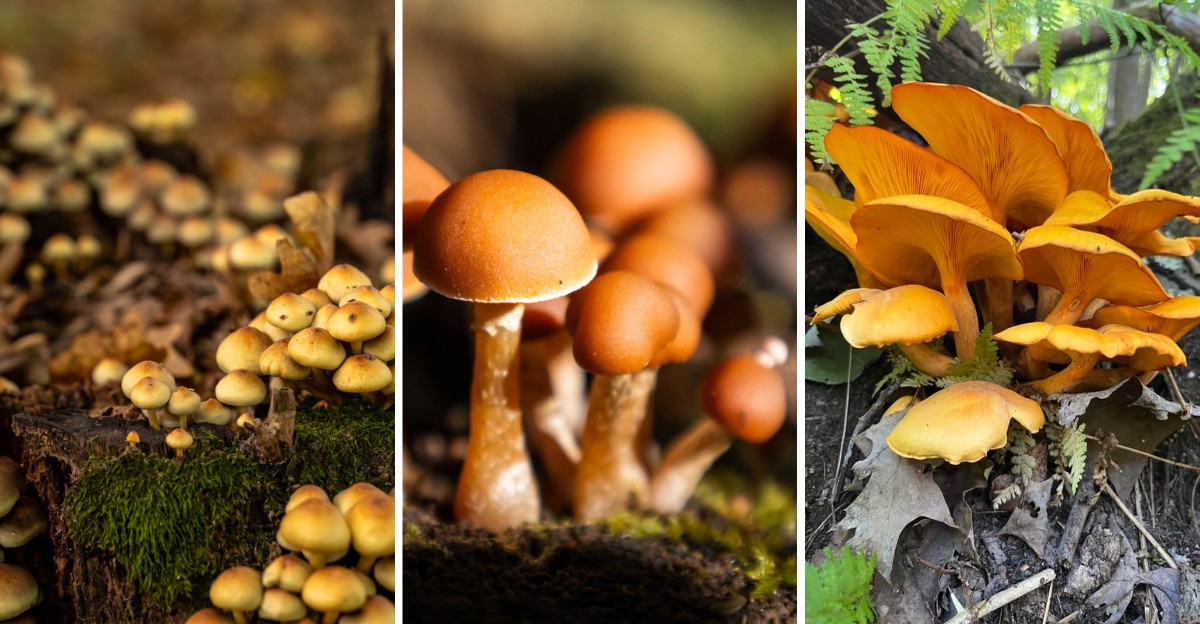
Overnight, odd little caps appear across your lawn, and some can be toxic. Rain across New Jersey sets fungi fruiting fast, from plain white to polka-dotted.
Many are harmless, yet a few can send your child or dog to the doctor. Risky ones often look plain, friendly, even tasty to you.
Picking whatever looks nice misleads you here. Cap color, gill shape, and ring placement tell you more than guesswork ever will.
Dogs often sample what they find, so you should act before they do. Mowers also scatter spores, hiding small caps.
Spotting risky caps in New Jersey takes sharper eyes, which you can build today. Each cap carries a tell, and you can learn it in minutes.
Pale caps beneath oaks deserve your closest look. A pale lookalike with a skirted ring fools foragers, and you will see why.
1. The Destroying Angel Hiding Behind A Snow White Cap
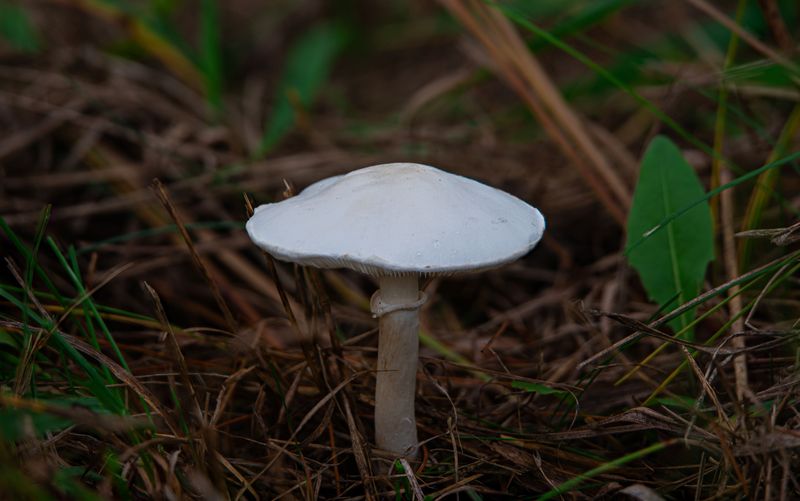
Picture a mushroom so clean and white it could star in a soap commercial. The destroying angel, an Amanita species, is named for its pure white look and its serious toxicity.
New Jersey sees plenty of them from summer into fall, especially near oak and conifers in mixed woods. Yards that border wooded areas are prime spots after a few rainy days.
The cap is smooth, pure white, and usually two to five inches wide. Underneath, the gills are white too, and they do not touch the stem.
Look closely at the stem for a thin skirt, called a ring, hanging near the top. At the very base, a cup-shaped sac sits partly buried in the soil.
That buried cup is a key clue, so gently dig around the base with a stick to check. Many people miss it because they snap the mushroom off at ground level.
Even part of one cap can be fatal, damaging the liver and kidneys. Symptoms may not show up for six to twenty-four hours, and a temporary improvement can create false reassurance.
Some folks confuse it with white button mushrooms from the store or with young puffballs. Slice a puffball in half, and it should look solid white inside with no gill shape.
If kids or pets play outside, pull these up with gloves and toss them out. After any bite, call Poison Control immediately and keep a sample.
2. Giant Green-Spored Parasols Inside Big Lawn Rings
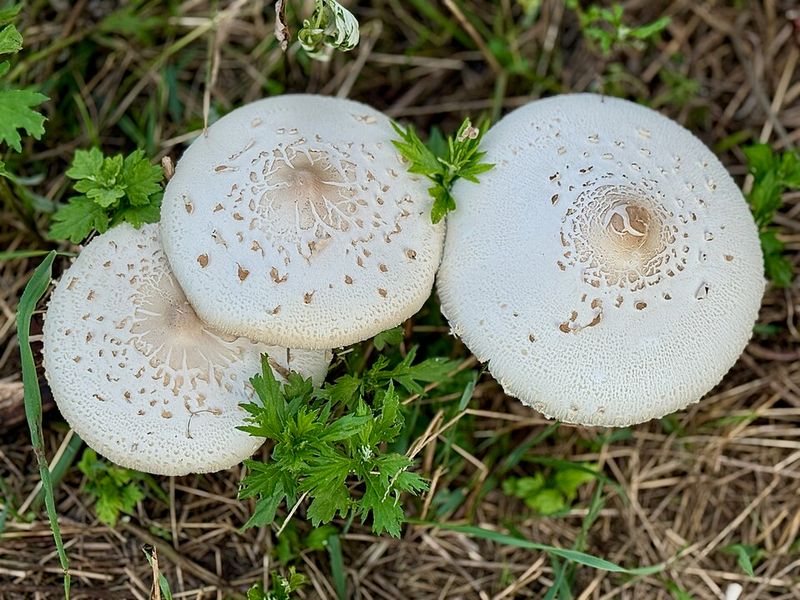
Ever spotted a giant ring of mushrooms on a lawn and wondered if fairies held a dance party? In New Jersey, a ring may be the green-spored parasol, a top cause of poisonings.
Unlike forest mushrooms, this one loves open, sunny grass. Golf courses, parks, and suburban front yards are its favorite hangouts after warm rains.
The cap can grow as big as a dinner plate, reaching up to twelve inches across. It starts round like an egg, then flattens out with brownish scales sprinkled on top.
Flip it over, and the gills look white at first. As it ages, they turn a dusty grayish green, the clue behind its name.
Your New Jersey Garden Changes Every Week. Your Plan Should Too.
Gardening in New Jersey changes quickly throughout the season. Every Friday you’ll receive a simple weekly plan showing exactly what to plant, prune, fertilize, harvest, and protect so you never miss the right timing.
Here is a handy trick for confirming it. Place a cap gill-side down on white paper overnight, and look for a greenish dust print by morning.
People mix it up with the edible shaggy parasol or meadow mushrooms, and that mistake causes illness. Eating it brings hours of severe vomiting, cramps, and diarrhea, and small children face the highest risk.
Dogs may eat unfamiliar finds, so they face real risk from these lawn giants. Walk your yard each morning in October and remove any new caps before letting your pup outside.
A ring may reappear in the same spot each year because the fungus lives underground. Raking old clippings and avoiding overwatering may help slow it, though results vary.
Mowing over them can spread spores, so pull them up by hand while wearing gloves. Bag them and throw them out instead of tossing them in compost.
3. Bright Orange Jack O’Lanterns Clustered At Oak Stumps
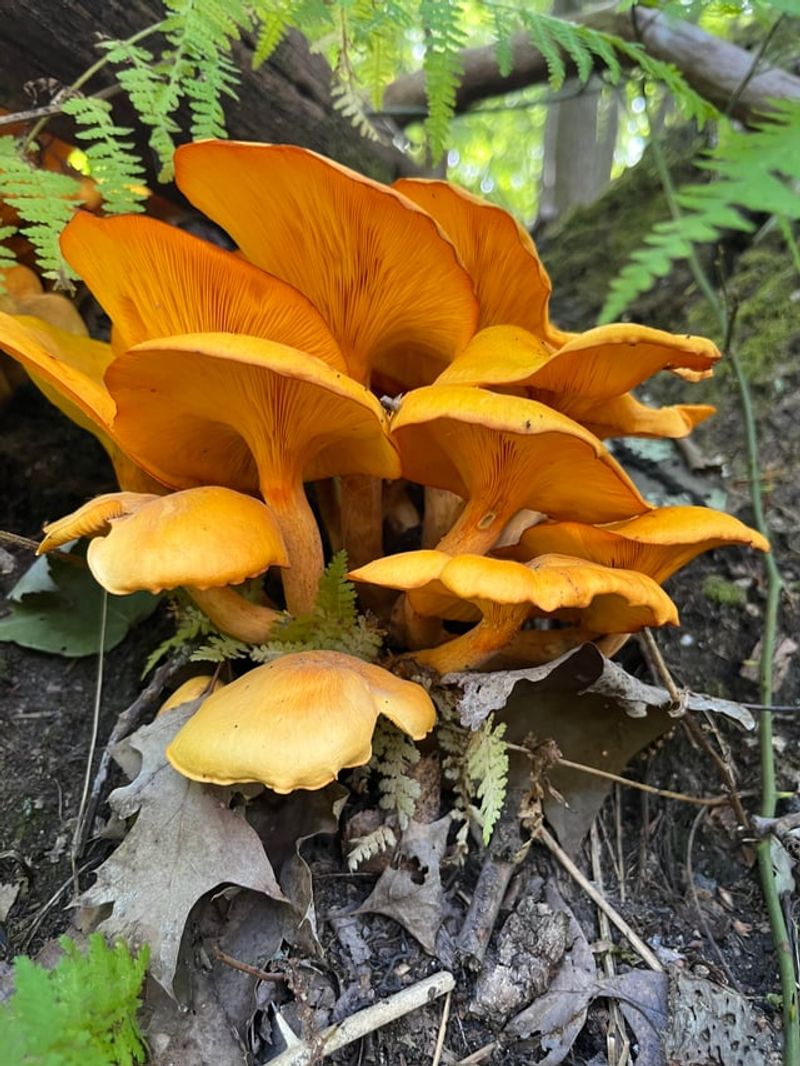
Halloween fans, meet the mushroom that dresses up for the season all on its own. Jack o’lantern mushrooms grow in bright orange clusters that seem to glow against brown fall leaves.
They actually do glow, just a little. In a pitch-dark spot, fresh gills can give off a faint green light, a trick called bioluminescence.
You will usually find them bunched at the base of oak stumps or above buried roots. Homeowners who recently cut down a tree often see them sprouting from the leftover wood.
The caps are pumpkin orange, smooth, and often have a shallow dip in the middle. The gills run partway down the stem and are the same orange color as the cap.
Many beginners confuse them with chanterelles, a popular wild mushroom that cooks love. Chanterelles grow from the ground, not wood, and have blunt, wavy ridges instead of sharp, true gills.
Another clue is the inside flesh. Jack o’lanterns are orange all the way through, while chanterelles look paler inside when you tear them open.
Eating a jack o’lantern usually does not cause lasting harm in adults, but it is unpleasant. Expect intense stomach cramps, vomiting, and diarrhea that can last from a single day to several days.
Kids may want to pick them because they look like candy corn come to life. Snap a photo for fun instead, and teach little ones the rule of looking with their eyes only.
Removing the stump is one good long-term fix. Until then, knock down new clusters with a shovel and dispose of them in a sealed bag.
4. Fly Agaric Dotted By Fluffy Yellow And Orange Warts
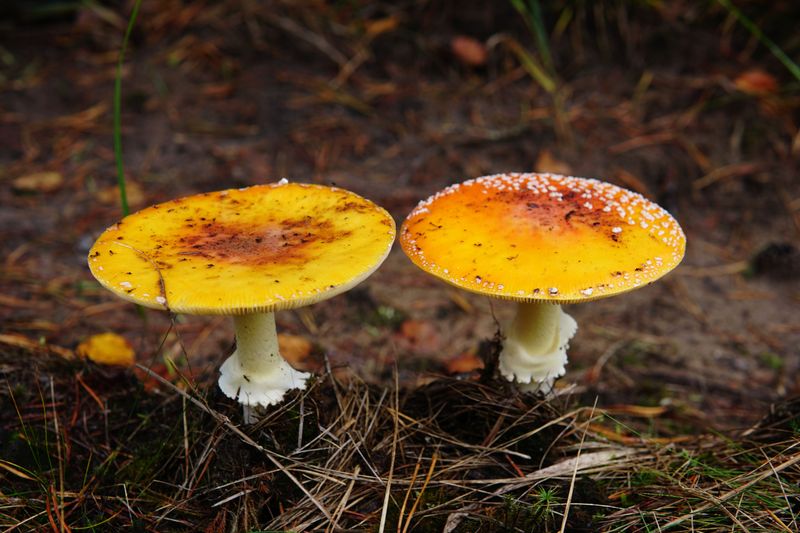
Remember the red mushroom with white spots from video games and fairy tales? New Jersey has its own version, and ours usually wears yellow or orange instead of red.
Scientists often label our local type Amanita muscaria var. guessowii, though names vary. It shows up from summer into October, often under pine, spruce, oak, and birch trees in shady yards.
The cap is bright yellow to orange and covered with fluffy white or cream warts. Those bits are leftovers from a protective shell that wrapped the baby mushroom.
Heavy rain can wash the warts away, so do not count on them. Check for a ring on the stem and a bulb with rings of tissue around the base.
The name fly agaric goes back centuries in Europe. People once crumbled the caps into saucers of milk to attract and trap pesky flies.
Swallowing this mushroom causes confusion, dizziness, sweating, drowsiness, and sometimes severe agitation. Children and small dogs feel the effects faster because of their smaller bodies.
Some online videos treat it like a harmless novelty, but medical sources disagree. Pets and children can become ill after eating one, so seek medical advice right away.
Because it looks so storybook-cute, kids are drawn to it like a magnet. A quick chat about why we leave pretty mushrooms alone can prevent a medical emergency.
Wear gloves when you remove them, and wash your hands well afterward. If your dog seems unsteady or is drooling after sniffing, call your vet without waiting.
5. Autumn Galerina Plain, Brown, And Easy To Overlook
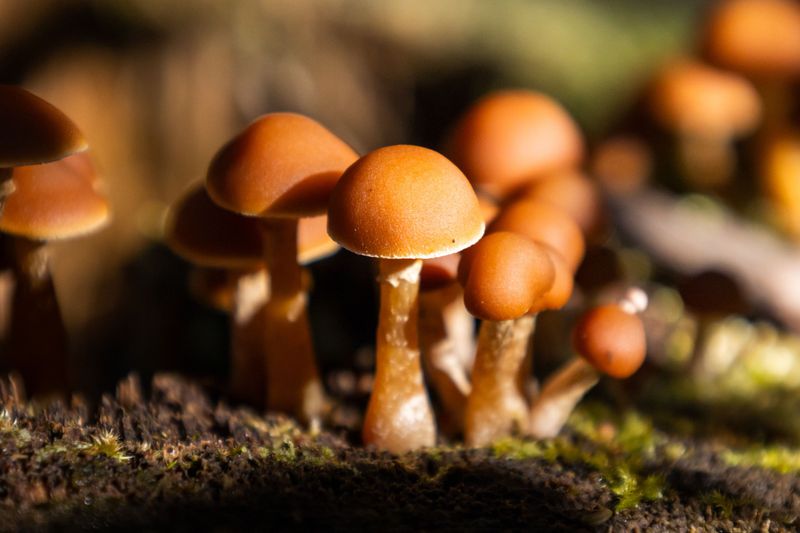
Small brown mushrooms are very hard to identify, and a few are highly toxic. The autumn galerina proves it by looking like a dozen harmless lawn mushrooms.
Found on rotting logs, old stumps, and buried roots, it pops up heavily in cool October weather. Mulched flower beds around New Jersey homes are a favorite hiding place.
The cap is honey brown to tan, only half an inch to two inches wide. It looks slightly sticky when wet and fades to a lighter color as it dries.
Gills are yellowish at first and turn rusty brown with age. A thin ring sits on the upper stem, though it often wears away into a faint brown band.
Guides note it carries the same liver-harming amatoxins as the destroying angel. Even a small amount can seriously damage an adult’s liver, and a child needs even less.
Foragers sometimes mistake it for honey mushrooms or velvet foot, which grow in similar places. A spore print helps, since galerina leaves a rusty brown print while honey mushrooms leave white.
Rotting wood and buried roots can host this fungus, even beneath mulch. Consider rubber mulch, stone, or pine needles in play areas where toddlers love to dig.
Toddlers and dogs explore with their mouths, so this brown cap is a bigger worry than it looks. Scan mulch beds after rain and scoop out clusters with a trowel.
Any little brown mushroom deserves suspicion. Treat them all as off-limits, and you will not have to play guessing games.
6. Sulfur Tuft Clumps Sprouting From Old Stumps
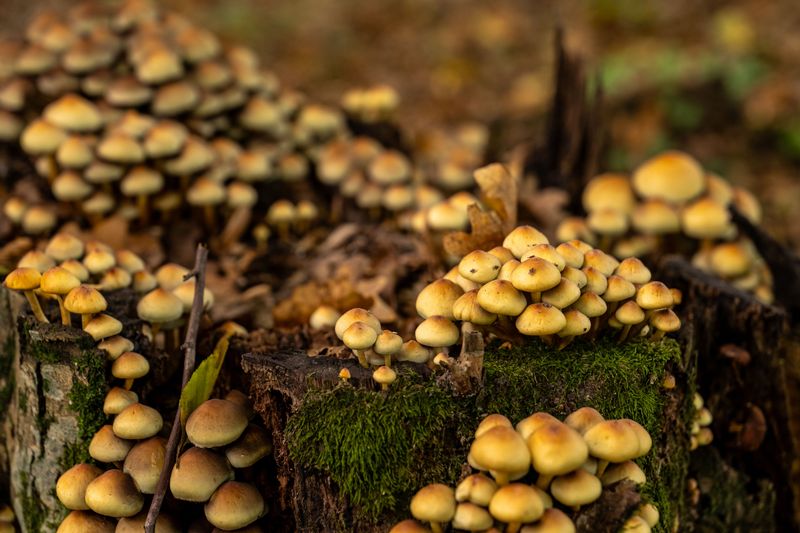
Bright yellow bouquets bursting from an old stump might look cheerful on a gray October morning. Sulfur tuft mushrooms grow in thick clumps that can include dozens of caps at once.
Their name comes from the color, which matches the yellow mineral sulfur. Caps are greenish yellow with a darker orange center and usually stay under three inches wide.
The best clue hides under the cap. Young gills are sulfur yellow, then shift to olive green and finally purplish brown as spores ripen.
You will find them on rotting hardwood and conifer stumps all over New Jersey. They also sprout from buried roots, so a clump in open grass may sit on old wood.
A quick taste test is a bad idea with any wild mushroom. Sulfur tuft tastes very bitter, and eating it can cause vomiting, stomach pain, and occasionally severe illness.
Foragers sometimes confuse it with brick caps or honey mushrooms. Brick caps have much redder caps and grayish gills, but the differences are tricky for beginners.
Fungi like this one help break down old wood and return nutrients to the soil. That makes them useful garden helpers, as long as nobody treats them like a snack.
If kids or dogs play near stumps, knock clusters over with a rake and bag them. Wear gloves, and wash your hands well after handling the clusters.
Grinding the stump can reduce repeat visits. Otherwise, expect these golden clusters to return each fall while old wood remains.
7. Earthballs Posing As Puffballs In Your Lawn
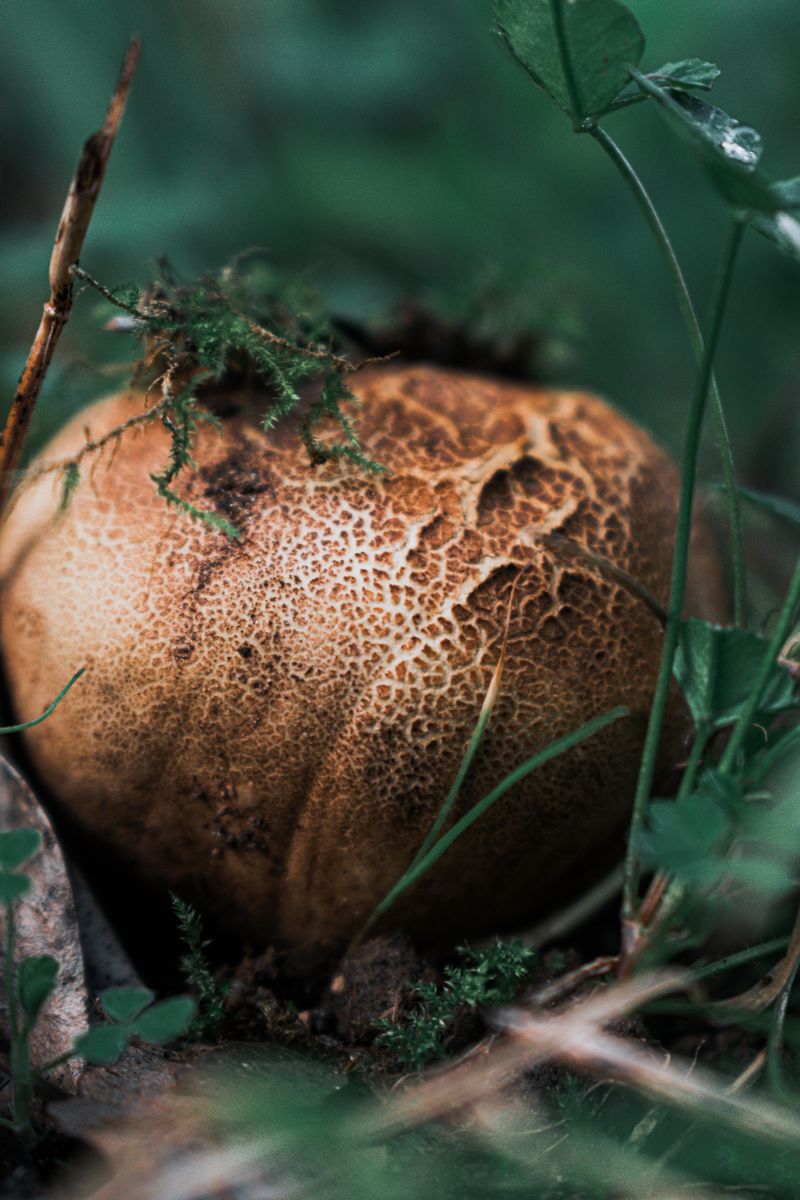
Kicking a round ball in the grass and watching it puff smoke feels like a backyard magic trick. Plenty of those balls are harmless puffballs, but some are imposters called earthballs.
Common earthballs, known as Scleroderma, grow in New Jersey lawns, gardens, and woods from summer through fall. They often appear near oak and pine trees because they partner with tree roots.
From the outside, an earthball looks yellowish brown with a thick, tough, scaly skin. It feels firm, almost like a small potato, and has no real stem.
The real test happens with a knife. Slice it from top to bottom, and a young earthball shows purplish black insides.
A true puffball is pure white and soft like marshmallow inside. Any dark color or a tiny mushroom shape inside means it goes straight in the trash.
Eating an earthball can cause stomach pain, nausea, and vomiting within an hour or so. Some people also feel tingly or dizzy, which is scary even if it passes.
Dogs love chasing round things, and earthballs look a lot like a forgotten toy. Pick them up before playtime so your pup does not chomp one by mistake.
Breathing in big clouds of spores from kicked earthballs can irritate the nose and lungs. Skip the soccer practice with these and use a shovel to remove them instead.
Keeping grass healthy and trimming low branches will not stop them, since they live with tree roots. Regular checks are your best bet.
8. Ivory Funnel Chalky White And Easy To Miss
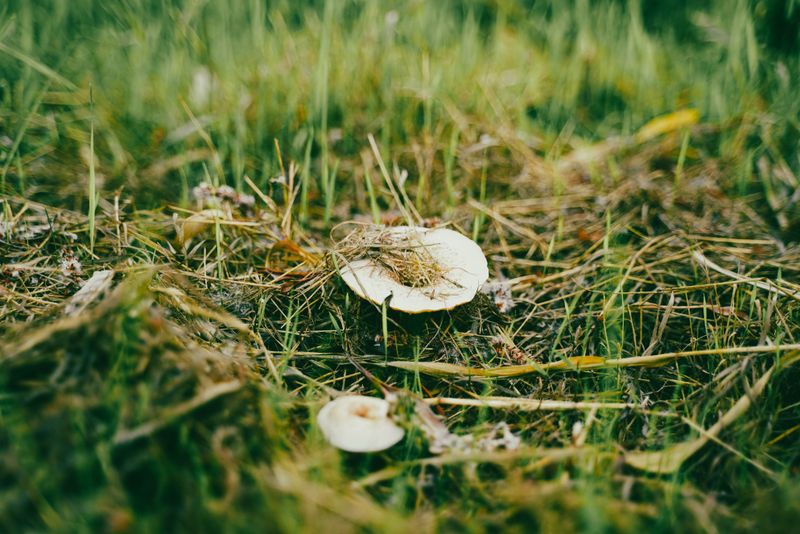
Some of the easiest toxic mushrooms to overlook are small enough to hide between blades of grass. The ivory funnel, also called sweating mushroom or fool’s funnel, loves lawns across New Jersey.
It often grows in rings or arcs, much like the fairy ring mushrooms that people sometimes collect. That resemblance is exactly why it lands foragers in trouble each fall.
The cap is chalky white to grayish, about one to two inches wide, with a dusty, frosted look. As it ages, the center can sink and the edges curl upward like a little funnel.
Gills are crowded, whitish, and run slightly down the stem. Fairy ring mushrooms have widely spaced gills and a tan cap, which helps tell them apart.
The nickname sweating mushroom comes from its poison, called muscarine. Within about half an hour, a person may start sweating heavily, drooling, and tearing up excessively.
Blurry vision, stomach cramps, and a slow heartbeat can follow, and large doses can be life-threatening. Pets show similar signs, so speedy vet help really matters.
Toddlers who crawl on the grass are at higher risk of grabbing one. A five-minute lawn sweep before outdoor play is a smart habit during wet October weeks.
Mushrooms have no place in homemade salads unless an expert checks them in person. Apps and photos online can help with learning, but they make mistakes too.
Keep a small trash bag by the back door for quick pickups. Your yard stays safer, and you get to feel like a mushroom detective every morning.