Protect Your Louisiana Satsuma Trees This Weekend And Pick The Fruit At Its Sweetest
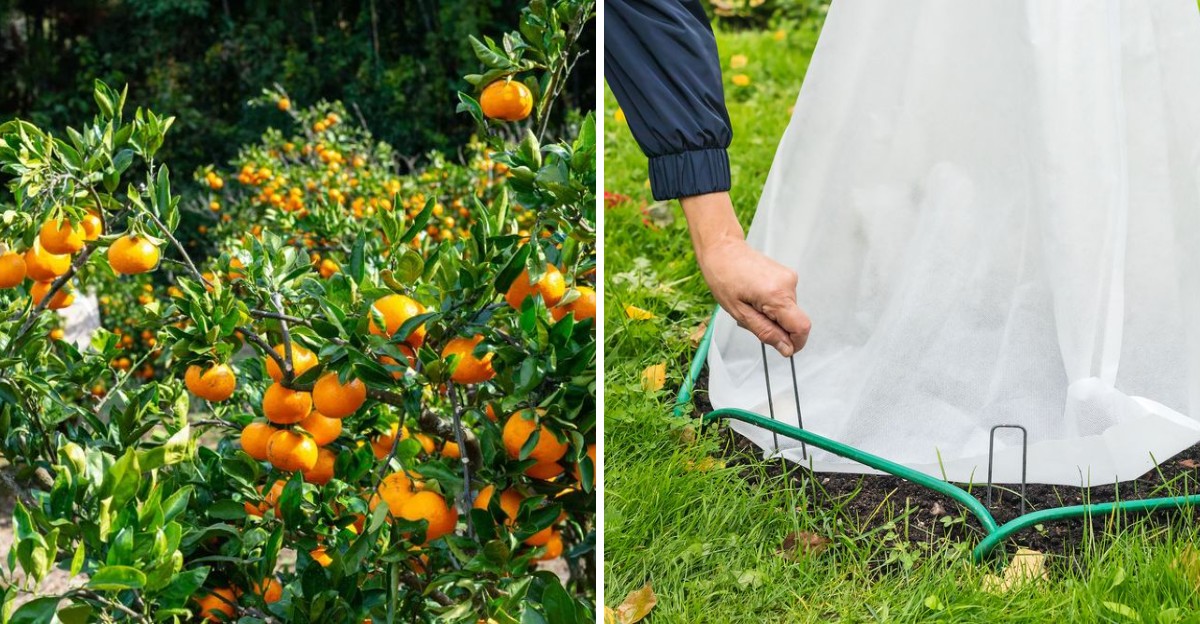
A perfectly ripe fruit in your backyard can still wear a green jacket while tasting like pure candy inside. Growers across south Louisiana learn this lesson every fall, usually after a bite surprises them in the best way.
Some early types mature in September, yet the beloved Owari often waits until early or mid November to sweeten. Meanwhile, a sneaky bug with flared hind legs can turn juicy wedges dry and brown without warning.
I watched one tree lose half its crop to that bug before I started checking leaves every weekend. You build your best harvest with small chores now, long before the first cold front rolls through Louisiana.
A few smart moves this weekend can guard your tree and sharpen your timing at the picking ladder. So how much sweeter could your homegrown fruit taste if you simply waited just one more week?
1. Hunt Leaffooted Bugs Hiding On Ripening Satsumas
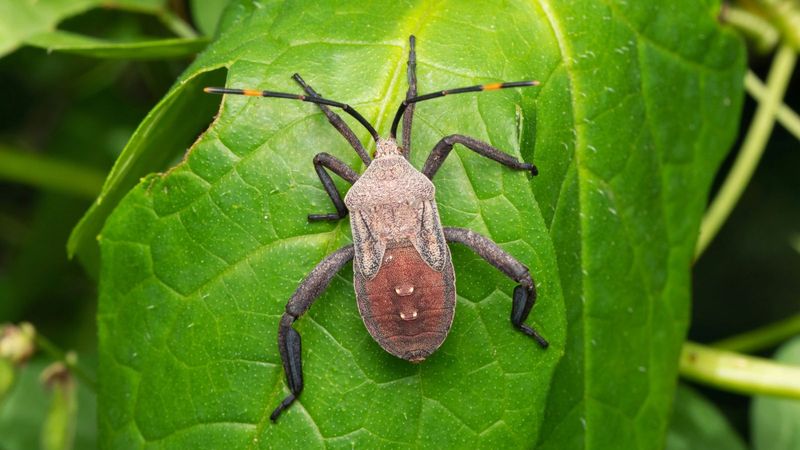
Those brown bugs with leaf-shaped flaps on their back legs look almost cute until you slice open a fruit. Inside, the wedges turn dry and discolored, because their feeding spreads a yeast that ruins the pulp.
LSU AgCenter experts list western leaffooted bugs as a top fall pest as satsumas ripen across the region, and Louisiana growers know how well the damage hides. Their damage hides well, since the peel often looks healthy while the inside quietly falls apart.
I like walking my trees in the cool morning, when the bugs move slowly and cluster on fruit. Check the sunny side of the canopy first, then peek under leaves near the clusters of ripening fruit.
Hand picking works surprisingly well on small trees, especially if you knock bugs into a bucket of soapy water. Wear gloves, because some leaffooted bugs release a sharp smell that lingers on your fingers for hours.
For heavier pressure, the AgCenter mentions horticultural oils or malathion, used strictly according to the label directions.
Malathion requires a seven-day wait before harvest, so plan sprays around the weekend you hope to pick. Anywhere in Louisiana, always check the label and local regulations first.
Weedy patches and nearby vegetable gardens can host these bugs, so tidy the edges around your citrus too. Removing overripe tomatoes and fallen fruit takes away easy snacks that keep the population hanging around your yard.
A ten-minute patrol each weekend sounds small, yet it often saves more fruit than any single spray. Your future self, peeling juicy sections in November, will thank you for every bug you caught today, Louisiana gardener or not.
2. Spray Horticultural Oil Under Every Citrus Leaf
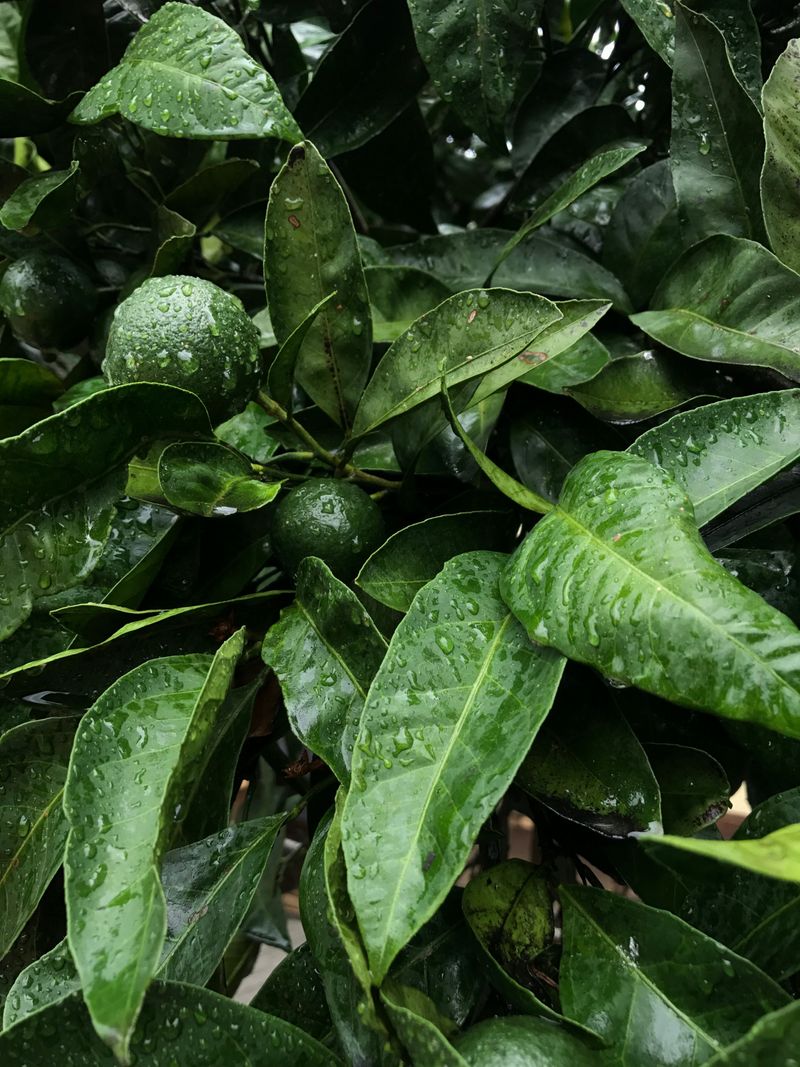
Flip a satsuma leaf over, and you might discover tiny scale bumps or a sudden puff of white wings. Scale insects and whiteflies love that shady underside, where they sip sap and hide from hungry predators.
Horticultural or paraffinic oils smother these soft pests, but the LSU AgCenter has advised against late-season oil sprays because they can reduce a citrus tree’s cold tolerance. Coverage matters most, so spray the tops and bottoms of leaves until they glisten without heavy dripping.
Your Louisiana Garden Changes Every Week. Your Plan Should Too.
Gardening in Louisiana changes quickly throughout the season. Every Friday you’ll receive a simple weekly plan showing exactly what to plant, prune, fertilize, harvest, and protect so you never miss the right timing.
I learned this the hard way after spraying only the upper leaves and watching whiteflies return within days. Now I crouch low with the wand pointed upward, which feels silly but works far better.
Aphids also enjoy tender new shoots, so check any soft growth that popped out after late summer rains. Clusters of them curl leaves, and ants marching up the trunk often point you right toward the trouble.
Pick a calm, mild morning for spraying, since oils can burn leaves when temperatures climb past about ninety degrees. Read the label for temperature limits, and skip application on stressed, thirsty trees until you water them well.
Sooty mold, that black film coating leaves, usually signals sap-sucking insects living right above it on the tree. Control the insects, and the mold typically flakes away over time without needing any separate treatment at all.
Oils also leave beneficial lady beetles a better chance than many harsh sprays, which I appreciate in my garden. Your fruit stays cleaner, and your leaves keep making the sugars that sweeten every November bite.
3. Keep Fertilizer Away From Satsuma Trees This Fall
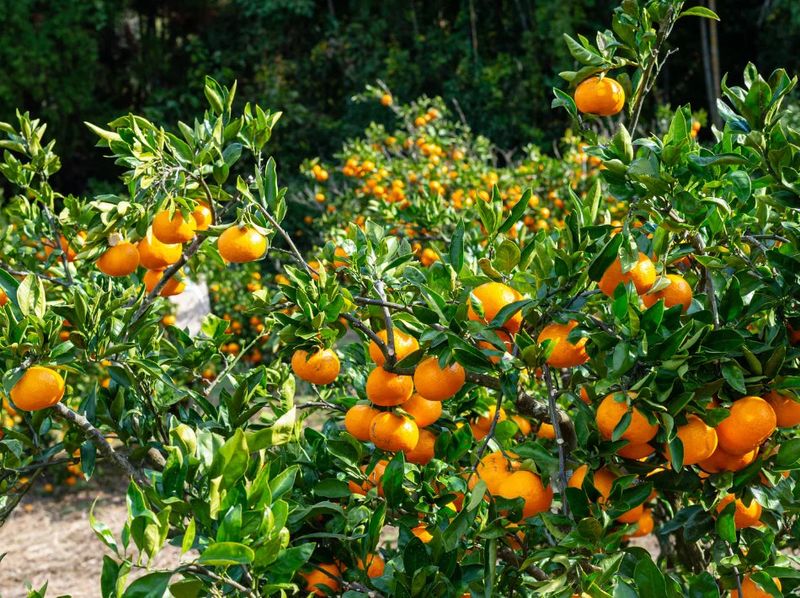
Feeding a hungry-looking tree in October feels generous, yet it may do more harm than good this season. Fertilizer now pushes out soft new shoots, and those tender leaves struggle badly when the first freeze arrives.
The LSU AgCenter advises skipping late summer and fall fertilizer because it reduces a citrus tree’s overall cold hardiness. Satsumas need a slower season to harden their tissues before chilly nights settle over the Gulf Coast.
I keep my fertilizer bag on a high shelf in fall, partly so I am not tempted. Instead, I jot a reminder on my calendar for late January or early February, when feeding resumes.
Pale leaves in autumn can look worrying, but they often reflect normal seasonal changes or a heavy crop load. A tree carrying lots of fruit pulls nutrients toward those satsumas, so some older leaves may yellow slightly.
Watch out for lawn fertilizer too, because spreading weed-and-feed near the dripline can sneak nitrogen into citrus roots. Keep turf products several feet away from the canopy edge, and sweep stray granules off nearby mulch.
Compost is a gentler option if your soil feels tired, since it improves structure without a sudden growth spurt. Spread a thin layer beyond the trunk, keeping it away from the bark to avoid inviting foot rot.
Patience during fall pays off later, when strong spring growth carries a fresh wave of fragrant blossoms. Your tree rests now, and you get a sturdier plant ready to handle whatever winter brings next.
4. Clear Weeds And Thick Mulch From Under The Citrus Canopy
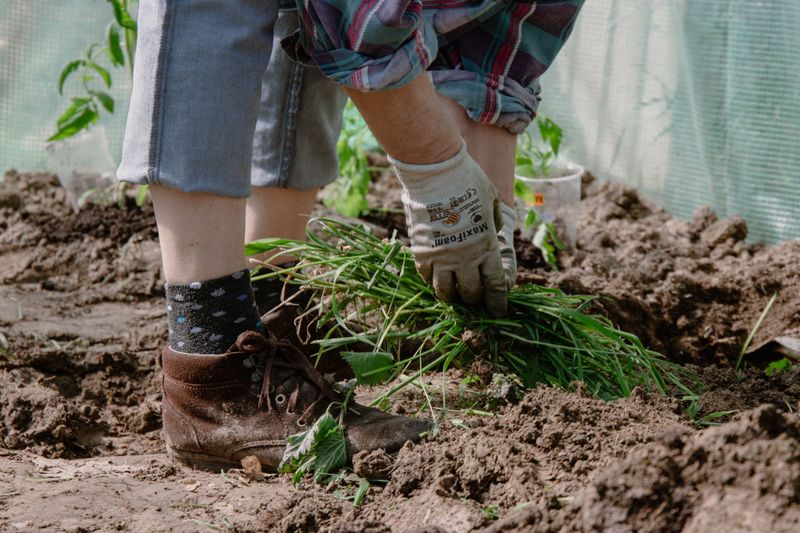
Bare dirt under a citrus tree looks a little plain, yet it works like a hidden heater on cold nights. Sunny days warm exposed soil, and that stored heat rises slowly through the canopy after the sun goes down.
Thick weeds and deep mulch block that process, so the LSU AgCenter suggests clearing them before winter arrives. Bare ground absorbs more sunshine during the day, which means more warmth drifts upward into the branches overnight.
I treat October as cleanup month, pulling weeds by hand so I avoid nicking shallow citrus roots. A hoe can scrape the bark or feeder roots, so gentle fingers or a small hand tool work best.
Mulch still helps during warm months by reducing splashing soil and keeping moisture steady around the root zone. As cooler weather approaches, rake it back toward the dripline and leave a wide circle of bare ground.
Weeds also shelter pests, including some of the bugs that slip up into fruit clusters during fall. Removing them gives you a clear view of the trunk, where you can spot cracks or peeling bark.
Moist soil holds more warmth than dry soil, so water the cleared area well before a forecast cold snap. Skip soggy conditions, though, because satsuma roots dislike standing water and need good drainage to stay healthy.
My cleared circle looks tidy, and it doubles as a handy spot to set my picking basket. A little raking now gives your tree an extra edge when a sharp northern front finally rolls through.
5. Wrap Young Satsuma Trunks Before The First Freeze
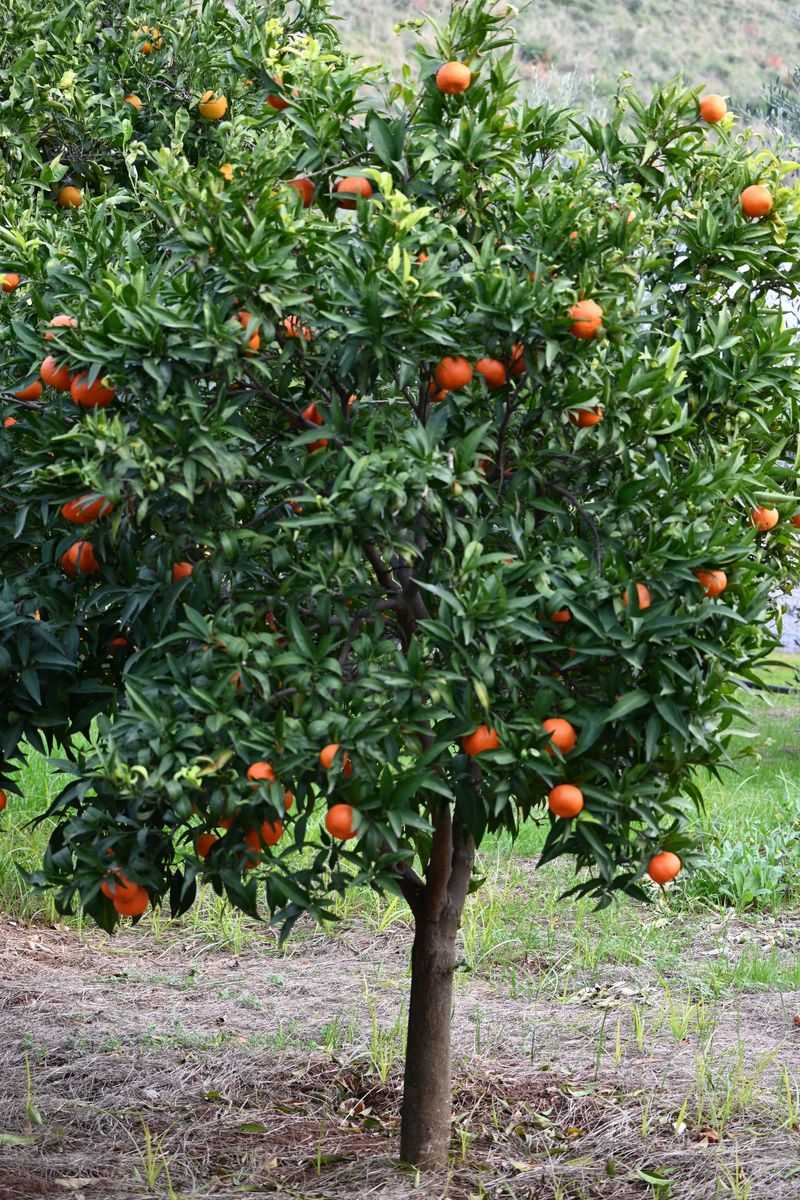
Mature satsumas are tough cookies, often handling temperatures near 25 degrees, but youngsters need far more help. A tree only a year or two old can sustain serious damage from a single hard freeze.
The graft union, that knobby spot low on the trunk, is the part you most want to protect. If the top freezes back, a healthy graft lets the tree regrow the variety you actually planted.
October is the perfect time to gather supplies, because scrambling the night before a freeze rarely goes well. I keep foam pipe insulation and bubble wrap tucked in the shed, ready for the first cold warning.
LSU AgCenter guidance suggests wrapping the trunk with insulating material or banking soil up to about two feet. Before you wrap, treat the trunk with a copper fungicide so moisture under the cover does not invite foot rot.
Soil banks work well on small trees, but pull that soil away once the threat of freezes passes. Leaving it piled against bark for months can encourage disease, so mark your calendar for an early spring reminder.
Choose a snug wrap that reaches from the soil line upward, leaving no gaps where cold air sneaks in. Secure it with tape or twine, then check after windy nights to make sure nothing has slipped loose.
Protected trees keep their progress, which brings your first big harvest closer instead of resetting the clock. A few dollars of foam now feels like a bargain compared with replanting from scratch next spring.
6. Gather Frost Cloth And Old Christmas Lights For Cold Nights
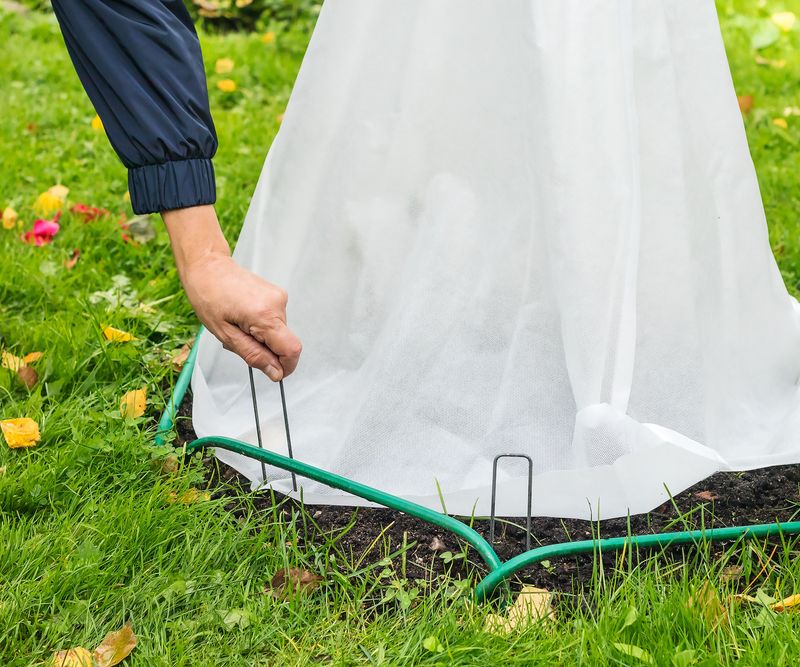
Draping a tree in holiday lights sounds like a decorating stunt, yet it is solid cold protection advice. Old incandescent bulbs give off gentle warmth under a cover, while modern LED strands stay too cool to help.
For small trees, LSU AgCenter experts suggest frost cloth or old blankets draped all the way to the ground. Covers trap heat rising from the soil, so a gap at the bottom lets that warmth escape quickly.
I build a simple frame from stakes or PVC pipe, which keeps fabric from pressing directly on the leaves. Leaves touching cold plastic can get damaged, so that little bit of space makes a real difference overnight.
This weekend, test your lights and count your clothespins, because finding a broken strand at midnight is miserable. Store everything in one labeled bin, and you can cover a tree in minutes when temperatures start falling.
Use outdoor-rated extension cords and keep plugs off wet ground, since safety matters as much as warmth. Wrap bulbs loosely around inner branches rather than letting them rest against fabric or dry mulch.
Remove covers promptly once the morning warms up, because trapped sunlight can overheat a bundled tree surprisingly fast. Plastic covers get especially hot, so peel them off early and let the leaves breathe again.
Container satsumas offer an easier route, since you can roll them into a garage during a hard freeze. Either way, a little preparation in October turns a scary forecast into a manageable evening chore.
7. Taste Test Green Satsumas For Hidden Sweetness
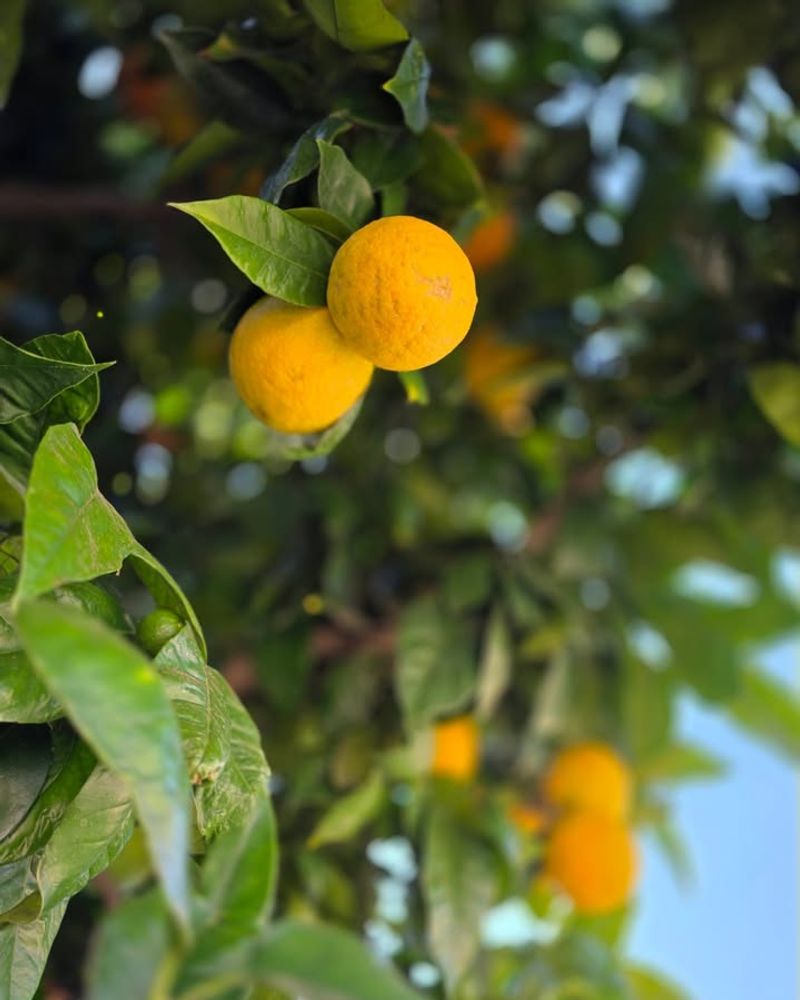
Some of the sweetest satsumas I have eaten still looked green enough to fool a casual passerby. Color helps a bit, yet the LSU AgCenter says tasting remains the most reliable way to judge ripeness.
Early varieties such as Armstrong Early and Early St. Ann often mature in September through early October. Brown Select usually follows around Halloween, while Owari tends to sweeten in early to mid November.
Knowing your variety saves guesswork, so dig out that old nursery tag or ask the seller if possible. If you planted several types, you can enjoy fresh fruit from autumn through early December with careful timing.
My weekend ritual involves picking one fruit from the sunny side and one from deep inside the canopy. Comparing them side by side shows how quickly sweetness builds and which branches ripen first on your tree.
Satsumas stop sweetening once picked, so fruit snipped too early stays tart no matter how long it sits. That makes patience your best ingredient, because later fruit on the tree generally tastes sweeter and richer.
Look for a slight give when you squeeze gently, along with a peel that starts loosening from the sections. Puffy, overly soft fruit has likely waited too long, so check trees every few days during peak season.
Invite the kids to help with taste tests, since nobody turns down an excuse to snack on citrus. You might discover the whole family has strong opinions about the perfect balance of tart and sweet.
8. Snip Ripe Satsumas Before Temperatures Drop Into The Low 20s
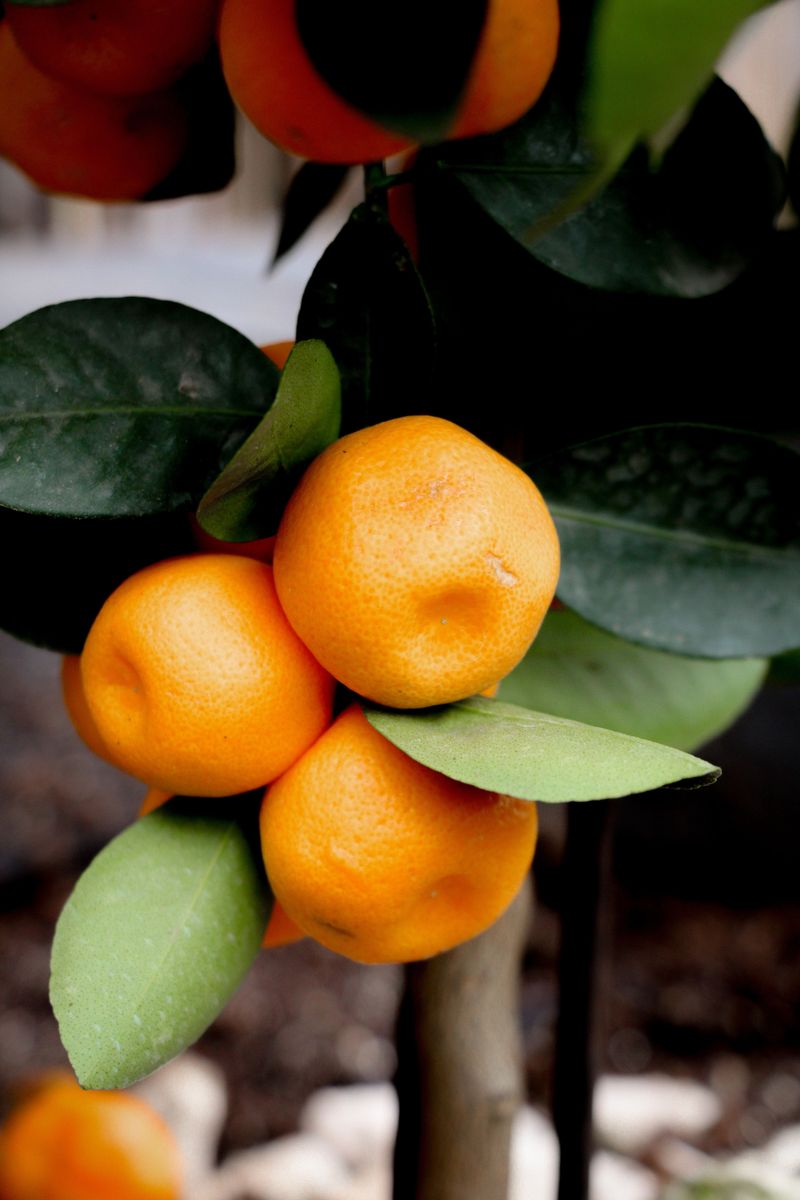
Clipping fruit with sharp shears feels more fussy than yanking, yet it keeps your harvest looking and lasting better. Pulling can tear the peel near the stem, opening a tiny wound where decay often gets started.
Cut the stem close to the fruit so no sharp stub remains to poke neighboring satsumas in your basket. I use small pruning snips and keep them clean, which makes the job quicker and much more pleasant.
Weather matters too, because the AgCenter warns that extended temperatures in the mid to low 20s can freeze fruit. Before such a forecast, pick all ripe satsumas, even if a few seem slightly less sweet than you hoped.
Start with fruit at the top and outer edges, since those hang most exposed to cold air. Fruit tucked inside the canopy stays better protected, so it can often wait a little longer for sweetness.
Low branches may sag under a heavy crop, letting fruit rest on the soil where rot can develop. Prop them with a forked stake or support board now, then plan any pruning for early spring instead.
Store picked satsumas in a cool spot like the refrigerator crisper, where they often keep a couple weeks. Handle them gently, because their thin, loose peel bruises more easily than the thicker skin of oranges.
Sharing extra fruit with neighbors has become my favorite part of every fall harvest in south Louisiana. Nothing beats handing someone a sweet satsuma you protected and picked with your own two hands.