These 6 Florida Avocado Varieties Ripen in Winter, Long After the Summer Ones Are Gone
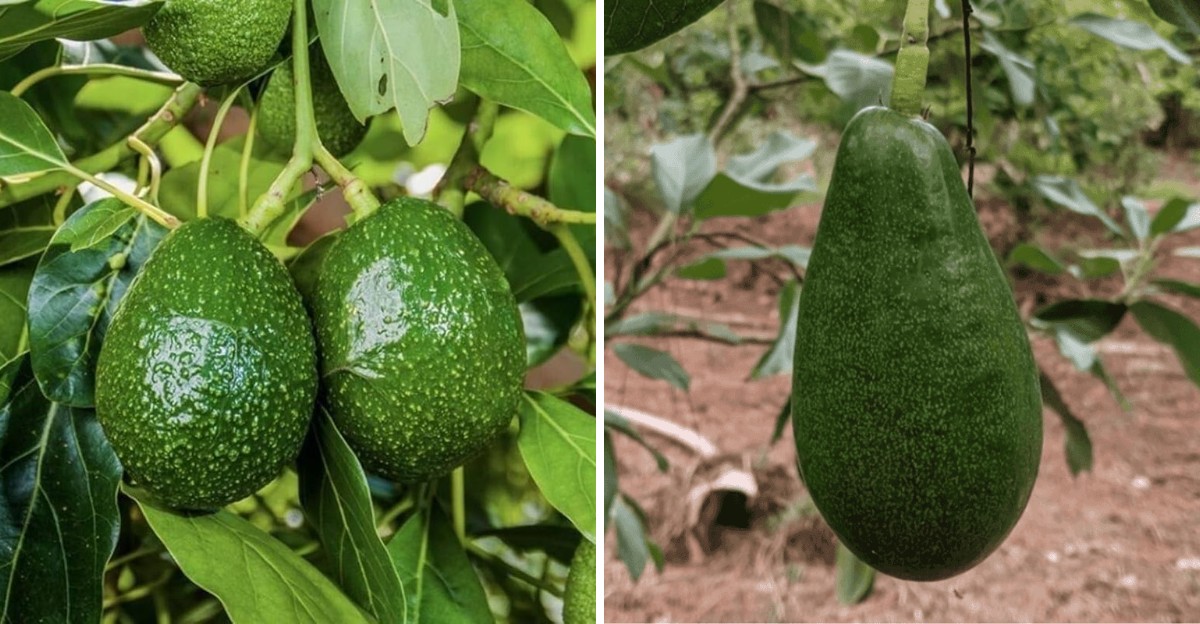
Some of the heaviest green fruit grown in South Florida hangs on branches during December, long after beach season ends. Certain types can weigh two pounds each, which feels like holding a small cantaloupe in one hand.
Growers in Florida harvest these late fruits from roughly October into early spring, depending on the variety and weather. Many of them carry Guatemalan genes, which helps explain their later timing and better tolerance for chilly nights.
For years, I figured the harvest wrapped up when school started back each August. You might notice your neighbors buying pricey grocery store fruit while a backyard tree quietly does the job instead.
Choosing the right mix also helps with pollination, since flower timing matters more than most new growers expect. Six standout trees could keep your kitchen stocked with creamy green fruit straight through the holidays.
1. Monroe Avocado
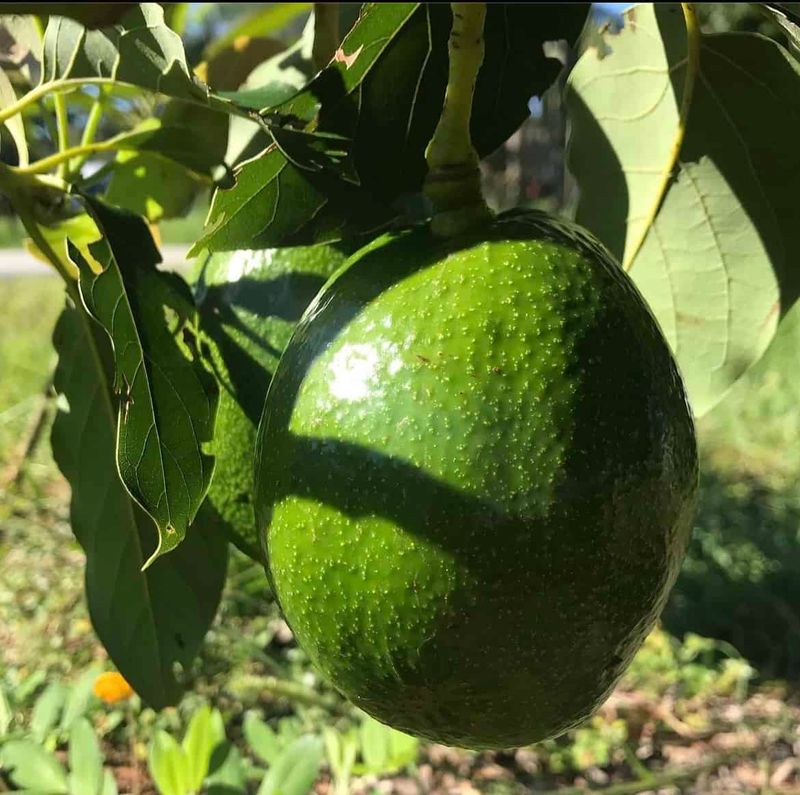
Holding a ripe Monroe feels a little like cradling a newborn kitten, because many fruits top two pounds. I love slicing one open in January and finding enough buttery flesh to feed my whole family.
Monroe is a Guatemalan and West Indian hybrid, and that mixed background gives it a later harvest window. Fruit usually matures from about November into January, with some trees holding fruit a bit longer on branches.
Its skin stays green when ripe, so you cannot judge readiness by color the way you would with Hass. Instead, pick one mature fruit and let it soften on your counter for several days before testing.
If it softens evenly without shriveling, the rest of the crop is likely ready for picking too. Fruit that wrinkles or turns rubbery was picked too early, so wait another week and try again.
Flavor runs rich and mild, with a smooth texture that holds up nicely in salads and on toast. Personally, I think it tastes best with a squeeze of lime and a pinch of flaky salt.
Monroe trees grow vigorously and can reach twenty to thirty feet if you let them go unpruned. You need to plan for that size or prune lightly after harvest to keep branches within easy reach.
The flowers are Type B, meaning they open as female in the afternoon and male the next morning. Planting a Type A partner nearby, such as Lula or Choquette, can improve fruit set in many yards.
Cold tolerance is moderate, so mature trees often handle brief dips into the upper twenties without major harm. Young trees are more tender, so cover them with frost cloth when a hard freeze shows up in forecasts.
Give your tree full sun and soil that drains quickly, since soggy roots invite root rot problems. Planting on a slight mound helps a lot in low spots where rainwater tends to sit after storms.
I like how Monroe fills the gap after the fall varieties finish their run in late autumn. For a holiday table, few homegrown treats feel as satisfying as a bowl of fresh guacamole.
2. Choquette Avocado
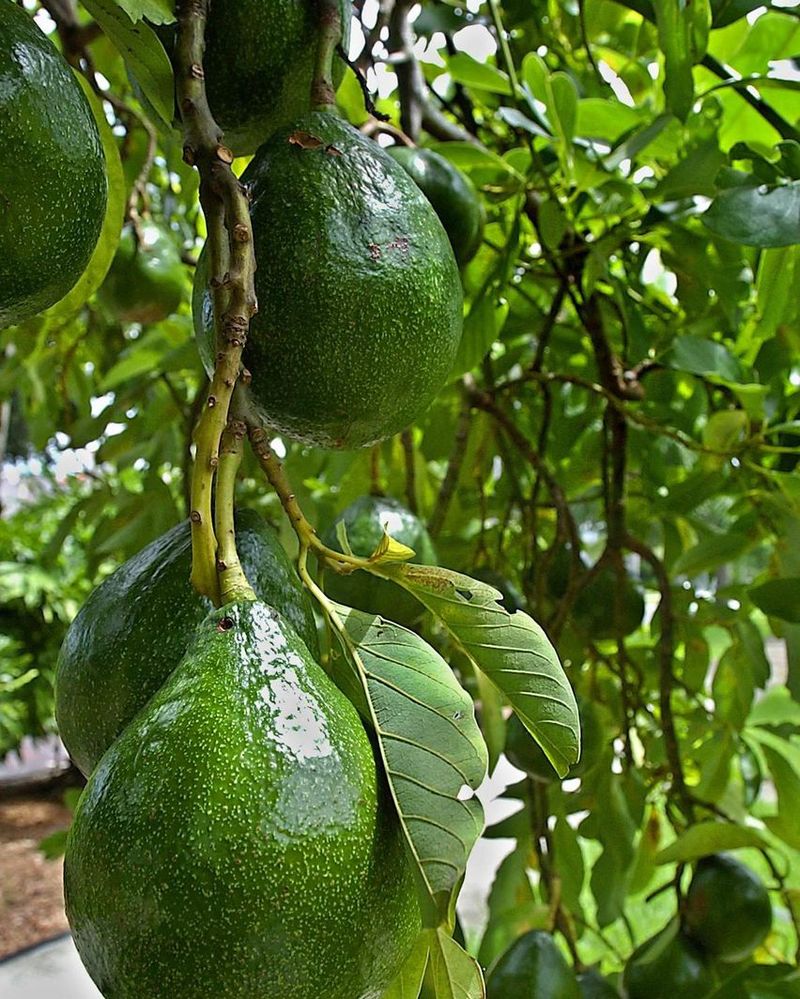
Choquette traces back to a Miami seedling from the late 1920s, and its fruit still turns heads today. Many fruits weigh well over a pound, with glossy green skin that shines like a freshly waxed car.
You can usually start picking in late October, and the harvest often stretches into January or beyond. That long window means one tree can keep your kitchen stocked through several weeks of cool weather.
The flesh is juicy and mild, with less oil than Hass, so it feels lighter on the tongue. I find it shines in chunky salads, where its clean taste lets tomatoes and herbs stand out.
Some folks say it gets watery in guacamole, and I understand the complaint after a few batches myself. Mashing it with a ripe Monroe or Hall fixes that problem and creates a creamier, fuller dip.
Choquette has Type A flowers, which open female in the morning and male in the afternoon of the next day. Many trees set decent crops alone, but a Type B neighbor like Monroe often boosts the yield noticeably.
Another perk is its reported resistance to avocado scab, a fungal disease that leaves corky spots on fruit skin. That trait makes care easier for home growers who prefer to skip frequent fungicide sprays in humid weather.
Cold tolerance is moderate, so mature trees may handle temperatures in the mid-twenties for short periods. Southern and coastal central regions suit it best, while northern yards need extra protection on frosty nights.
The tree grows into a broad, spreading shape that can shade a big chunk of your yard. Prune right after harvest, before new flowers form, so you avoid cutting off next season’s crop.
Plant in full sun with fast-draining soil, and water deeply during dry spring months while fruit sets. Mulch around the base helps hold moisture, but keep it a few inches away from the trunk.
What surprises me most is how generous a single Choquette can be in a good year. Share the extras with neighbors, and you might become the most popular person on your street.
3. Lula Avocado
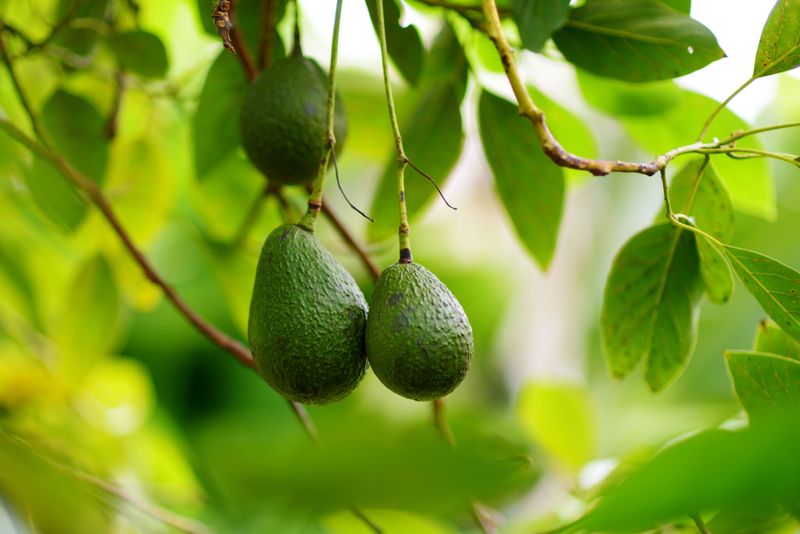
Lula has been feeding backyard growers for over a century, since the original tree sprouted in Miami around 1915. Its pear-shaped fruit and nutty flavor made it a commercial favorite for decades across the southern part of the state.
Harvest usually runs from about November into January, though timing shifts a little with weather and location. I like grabbing one from the tree in December, when the flavor feels richest and the flesh turns silky.
The fruit is medium to large, often around a pound, with smooth green skin that stays green when ripe. Its seed is on the larger side, but there is still plenty of creamy flesh to enjoy.
Lula is known as one of the hardier hybrids, often handling dips into the mid-twenties once mature. That toughness makes it a smart pick for central regions, where winter cold fronts can surprise new growers.
There is one catch, and it involves a fungal disease called avocado scab that loves humid spring weather. Lula is fairly susceptible, so expect some rough, corky spots on fruit skin during rainy years.
Those blemishes are mostly cosmetic, and the flesh underneath usually tastes just as good as spotless fruit. Good air flow from thoughtful pruning helps, and copper fungicides labeled for avocados can reduce problems.
Lula carries Type A flowers, so it pairs nicely with a Type B tree like Monroe or Booth 8. Even though it sets some fruit alone, a partner nearby often improves the harvest in home gardens.
Trees grow upright and can reach thirty feet or more without pruning, so give them a roomy spot. I prefer topping mine after harvest, which keeps fruit within reach of a sturdy picking pole.
Plant in full sun and well-drained soil, and avoid low areas that stay soggy after heavy rain. Young trees appreciate regular watering for the first year while their roots spread into native ground.
You might notice older neighbors light up when you mention Lula, because many grew up eating it. That kind of history makes each slice feel a little more special on a chilly winter evening.
4. Hall Avocado
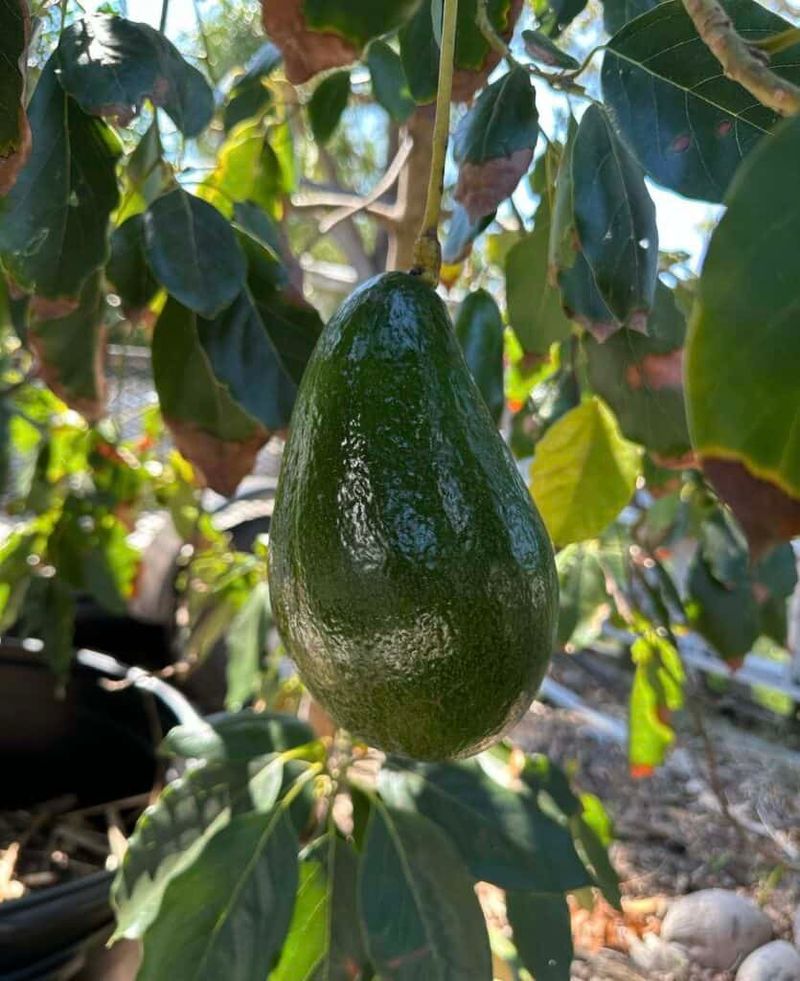
Few avocados look as handsome as a Hall, with its long, glossy green fruit hanging like ornaments in late fall. I have to admit, I stop and admire the tree every time I walk past it in November.
Hall is a Guatemalan and West Indian hybrid that usually ripens from about November into January in home yards. Fruits are large and pear-shaped, often weighing a pound or more, with thick skin that protects the flesh.
The flavor leans rich and nutty, thanks to a higher oil content than many green-skinned Florida types. Spread it on warm toast, and you will taste why so many growers rank it among their favorites.
Hall has Type B flowers, which open female in the afternoon and male the following morning. Pairing it with a Type A tree like Choquette or Lula usually helps the flowers set more fruit.
Cold tolerance is fairly good, so established trees often get through brief freezes in the mid-twenties with limited damage. Young trees still need help, so wrap trunks or use frost cloth when cold fronts push south.
One quirk is that Hall can bear heavily one year and lighter the next, a habit called alternate bearing. Consistent fertilizer and water during spring fruit set may help smooth out those ups and downs over time.
Like other green-skinned types, the fruit stays green at maturity, so test one indoors before harvesting the whole tree. Leave fruit on the branch until it reaches full size, since the tree acts like natural storage.
Plan for a tree that grows tall and fairly upright, often reaching twenty-five feet or more with time. Light pruning after harvest keeps the canopy open, which lets sunlight reach interior branches and new buds.
Full sun and fast-draining soil keep roots healthy, especially in sandy or rocky ground common in southern counties. Watch for laurel wilt, a serious disease spread by tiny beetles, and call your extension office with concerns.
Personally, I think Hall makes the best-looking fruit bowl centerpiece of any winter variety on this list. Just try to resist eating the whole display before your guests even arrive for dinner that evening.
5. Booth 8 Avocado
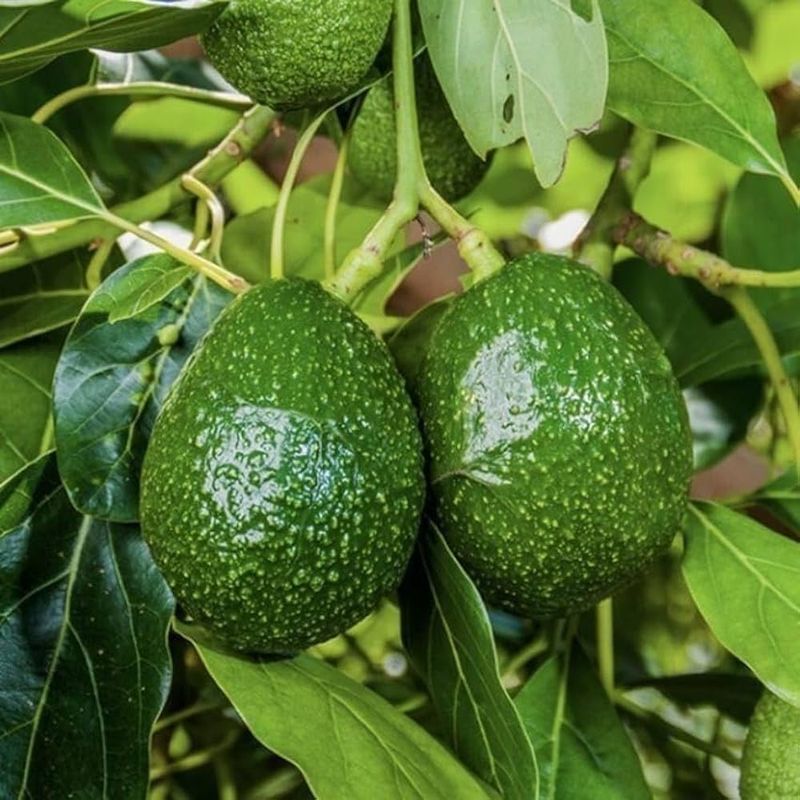
Booth 8 earns its spot because it bears so heavily that branches sometimes droop under the weight of fruit. I love how one healthy tree can fill several grocery bags in a good year without much fuss.
The name comes from the Booth series of seedlings, a group of avocados selected in South Florida decades ago. Several Booth types are still grown today, but Booth 8 remains one of the most popular for home planting.
Harvest usually begins in October and runs into December, making it an early winter bridge between seasons. That timing pairs nicely with later types like Monroe, so your harvest rolls smoothly from fall into the new year.
Fruits are medium-sized, often under a pound, which honestly makes them easier to use in one sitting. Smaller avocados mean fewer leftover halves turning brown in your fridge after a busy weeknight dinner.
Flavor is mild and pleasant, with a firmer texture that holds its shape well in salads and salsas. I like dicing it with mango or citrus for a bright side dish during cooler months.
Booth 8 has Type B flowers, so a Type A tree nearby can noticeably improve how much fruit sets. Choquette and Lula both bloom around the same time in many yards, making them handy partners.
Cold tolerance is moderate, so mature trees often handle light freezes better than pure West Indian varieties do. Protect younger trees during cold snaps by covering them overnight and removing covers once the sun returns.
Heavy crops can strain limbs, so thinning small fruit clusters in spring may reduce branch breakage later. Pruning after harvest also keeps the tree compact, since it can grow quite large without some guidance.
Choose a sunny spot with excellent drainage, because avocado roots struggle badly in waterlogged soil after summer storms. Raised mounds or berms work well in yards with heavy soil or a high water table.
You need patience, since grafted trees usually start bearing within three or four years of planting. Once it starts, though, Booth 8 rewards you with steady harvests that make the wait feel worthwhile.
6. Winter Mexican Avocado
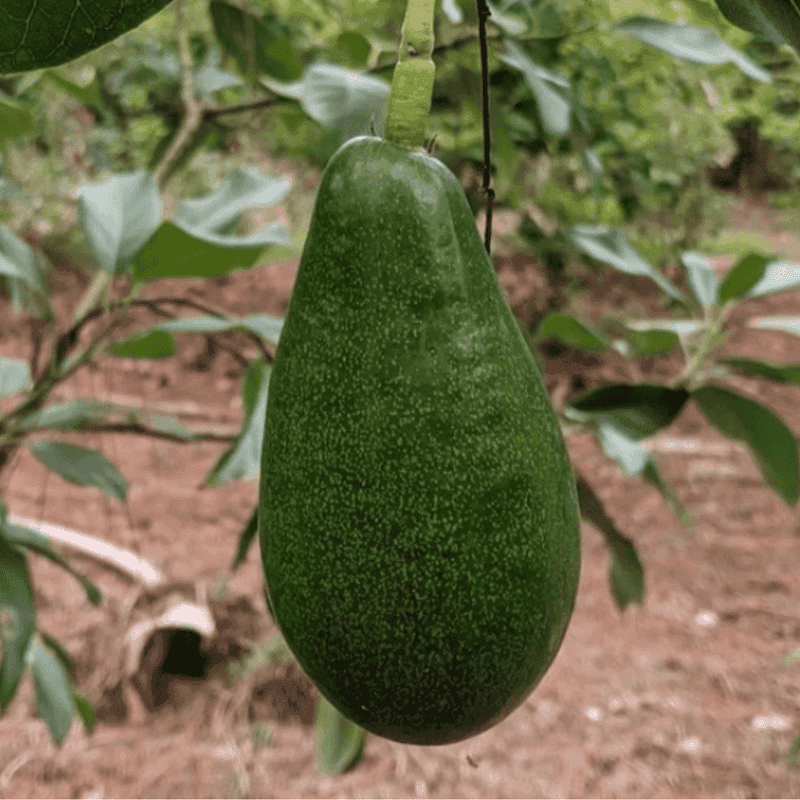
Despite its name, Winter Mexican is usually described as a Mexican and Guatemalan hybrid with impressive cold toughness. That mixed heritage helps explain why growers farther north often reach for it when other trees struggle.
Fruit commonly ripens from about November into February, giving you fresh avocados when backyard citrus is also peaking. I can’t imagine a better winter lunch than a sliced avocado beside a juicy, just-picked orange.
The flesh is creamy and rich, with a higher oil content than many large green Florida types. That richness makes it fantastic for guacamole, where it blends smoothly without turning thin or watery.
Fruits are medium to large, with thin green skin that may darken slightly as the season goes on. Pick a test fruit, let it soften indoors, and judge readiness by texture rather than color alone.
Cold hardiness is the real headline, since mature trees are often reported to handle the mid-twenties or lower. That makes it a popular choice for gardeners in central counties who worry about January freezes.
Even so, young trees are tender, so cover them during frost and keep mulch pulled away from the trunk. Planting near a south-facing wall or under a high canopy can also shield new trees on chilly nights.
Winter Mexican has Type B flowers, so planting a Type A partner nearby can help improve fruit set. Lula makes a smart companion because it shares good cold tolerance and has a similar bloom period.
Trees grow into medium to large evergreens, so pick a spot with plenty of room for spreading branches. Prune after the final fruit is picked, and avoid heavy cuts that leave bark exposed to sunburn.
Full sun and well-drained soil remain essential, since standing water quickly leads to root rot in avocados. Water young trees regularly during dry spells, then cut back once roots settle into the surrounding soil.
What surprises me most is how this tree keeps producing while the rest of the yard rests for winter. If cold nights worry you, Winter Mexican might be the sturdy, flavorful answer to your avocado dreams.