How To Get Rid Of Stink Bugs In Pennsylvania Yards
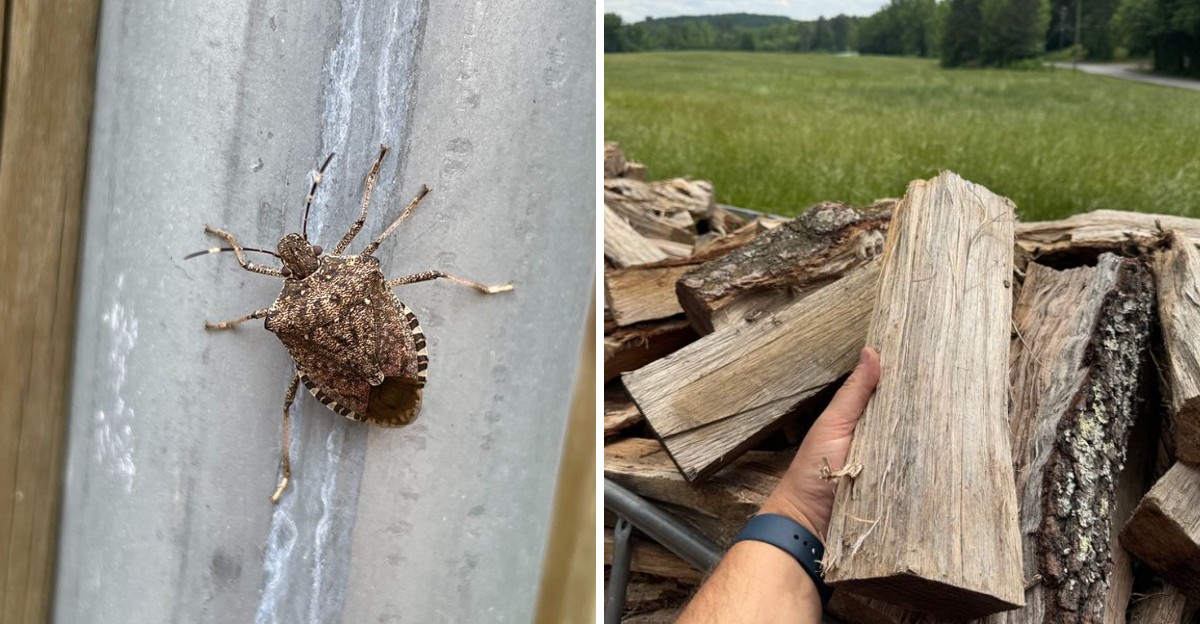
Pennsylvania homeowners know the signs all too well. A few shield-shaped bugs on the screen door. A dozen more sunning themselves on the siding.
Then one turns up on the kitchen counter. Stink bugs have frustrated Pennsylvanians longer than anyone else in the country.
As the weather cools, they look for a warm place to spend the winter, and your home and yard offer plenty of options.
In the garden, they pierce tomatoes, peppers, apples, and peaches, leaving behind ugly, discolored spots. Squish one, and you’ll quickly learn how it got its name.
Winning this battle doesn’t require harsh chemicals. A few smart, simple steps can keep these smelly invaders out of your yard and away from your home.
1. Seal Your Home Before They Start Gathering
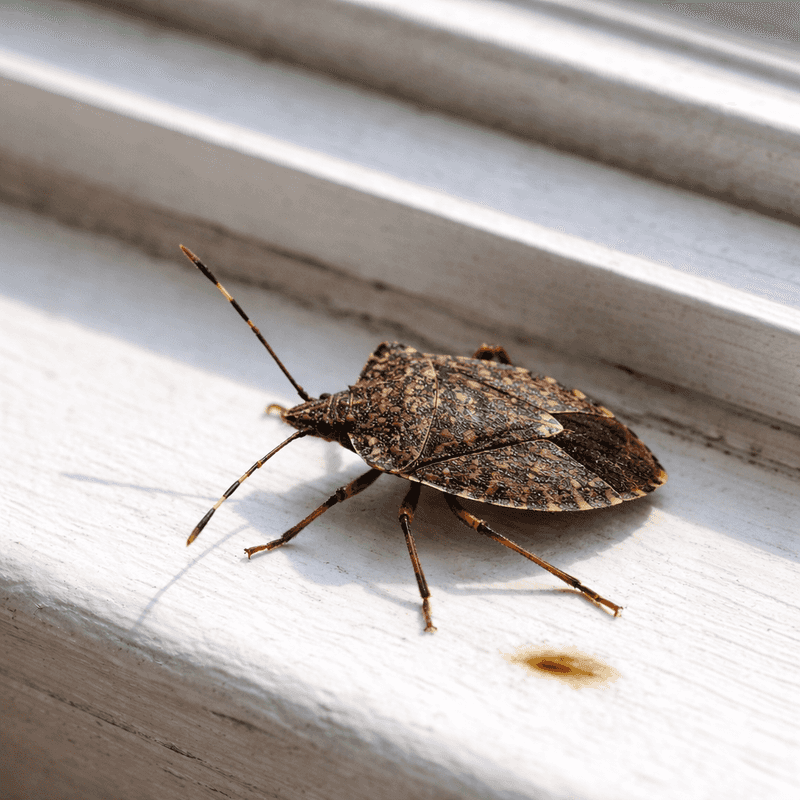
Think of your house as a castle in early fall. Every tiny crack is a secret door, and stink bugs are experts at finding them.
They start hunting for winter shelter in September and October, so your best defense begins before they arrive.
Walk slowly around your home with a flashlight. Look closely at window frames, door edges, and the spots where siding meets the foundation.
Check where cables, pipes, and dryer vents enter the walls, since these gaps are often bigger than they look.
A tube of silicone caulk is cheap and easy to use. Squeeze it into thin cracks around windows and trim.
For larger holes around pipes or wires, expanding foam works well. Replace worn weather stripping on doors, and add a door sweep if you can see daylight under the bottom edge.
Do not forget the chimney and attic vents. Fine mesh screens can block bugs while still letting air flow.
Torn window screens should be patched or replaced, too. Even a small tear the size of a pencil eraser is enough for a stink bug to squeeze through.
Here is a fun fact. Stink bugs can flatten their bodies to slip into gaps only about one eighth of an inch wide. That is thinner than a pencil.
Why work so hard now? Once stink bugs settle inside your walls, getting them out is very tricky. They hide in dark spaces and wander into rooms on warm winter days. Sealing early keeps them outside where they belong.
Try to finish this job by late August or the first week of September. A single weekend of work can save you months of frustration.
2. Watch Your Sunny Walls On Warm Afternoons
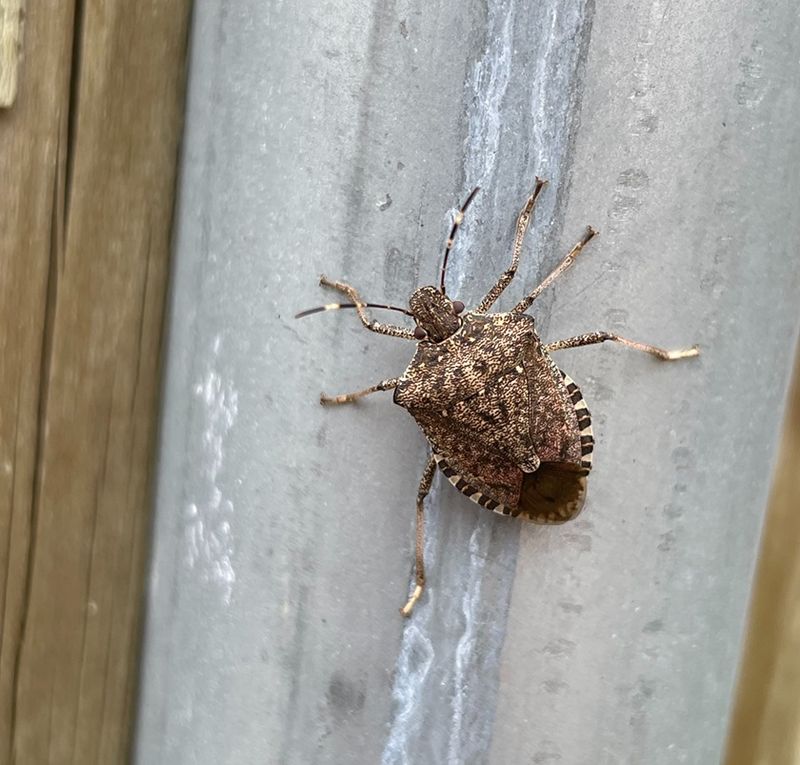
Stink bugs are sunbathers at heart. On warm fall afternoons, they flock to walls that soak up the most heat. In Pennsylvania, that usually means the south and west sides of your house.
Many people walk past these walls every day and never notice the crowd. Then one day, it seems like hundreds appeared out of nowhere. In truth, the bugs were gathering there slowly, waiting for a chance to crawl inside.
Make a habit of checking those sunny walls between about 1 p.m. and 5 p.m. That is when the bugs are most active. Light-colored siding often attracts even more of them, because it reflects warmth and makes them easy to spot.
Your Pennsylvania Garden Changes Every Week. Your Plan Should Too.
Gardening in Pennsylvania changes quickly throughout the season. Every Friday you’ll receive a simple weekly plan showing exactly what to plant, prune, fertilize, harvest, and protect so you never miss the right timing.
Pay extra attention to corners, window ledges, and the area under eaves. Bugs like to cluster in these sheltered spots. Porch ceilings and the frames around sliding doors are also popular hangouts.
When you see a group, act right away. Removing twenty bugs today means twenty fewer trying to sneak into your attic tomorrow. Some families even turn it into a daily chore for kids, with a small reward for the biggest catch.
Keep a simple notebook or phone note about where you find the most bugs. After a week or two, you will see a pattern. That pattern tells you which windows or gaps might need extra sealing.
Weather matters, too. After a cool morning, a sudden warm afternoon often brings a big wave of bugs.
Check the forecast and plan your patrols for those days. A little attention during peak season goes a long way toward a bug-free winter.
3. Knock Them Into Soapy Water
Ever squished a stink bug and regretted it instantly? That sharp, skunky smell can linger on your hands, your shoes, and your floor. Luckily, there is a cleaner and smarter trick.
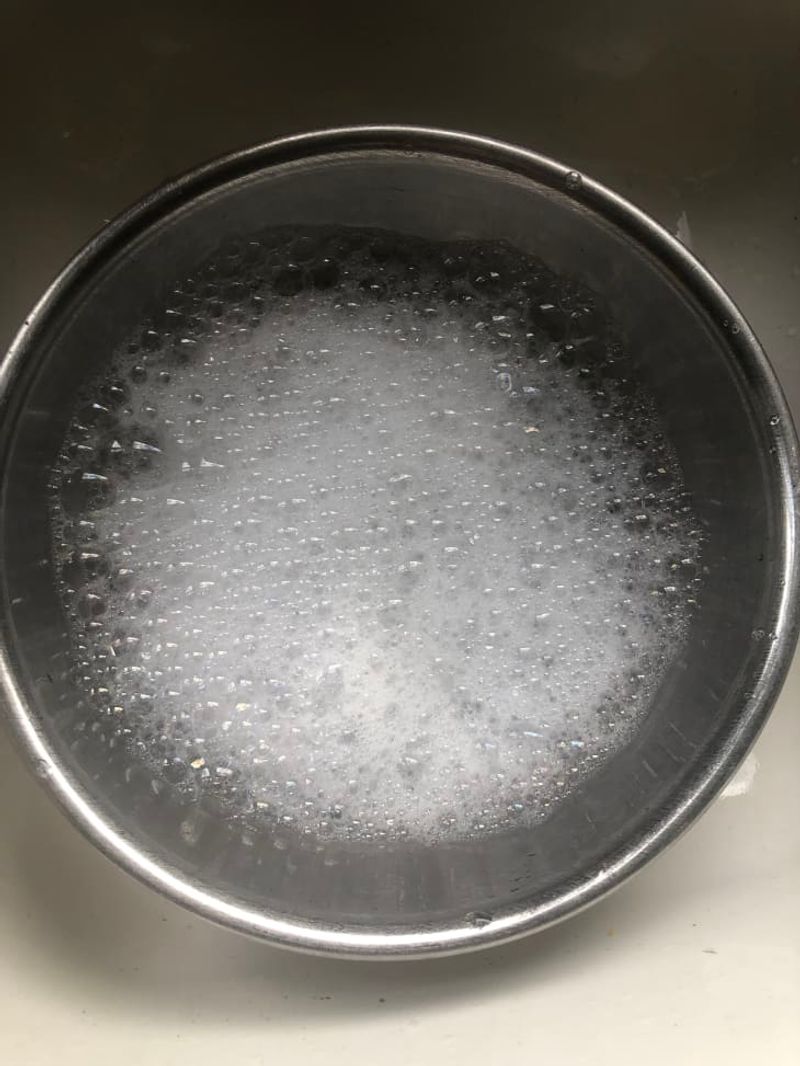
Grab a plastic container, an old jar, or a small bucket. Fill it about halfway with water and add a few squirts of dish soap. Give it a gentle swirl so the soap mixes in.
Now hold the container right under a bug sitting on a wall, porch rail, or patio chair. Tap the surface lightly or nudge the bug with a stick or old ruler. Stink bugs tend to drop straight down when disturbed, so they fall right into the water.
The soap is the secret ingredient. Plain water lets them float and sometimes crawl back out. Soap breaks the surface tension, so they sink quickly and cannot escape.
A container with a wide mouth works best. Some people cut the top off a plastic milk jug and use the handle for an easy grip. You can also tape a funnel to a bottle for a fun homemade catcher.
Wearing gloves is a good idea if you have sensitive skin. When the container gets full, dump the water and bugs in a far corner of the yard or flush them down the toilet. Then refill and keep going.
Little helpers love this job. It feels like a game, and nobody has to touch anything stinky. With a full container in hand, you can clear a crowded porch in just a few minutes, all without spraying any chemicals around your family or pets.
4. Check Window Air Conditioners Before Removing Them
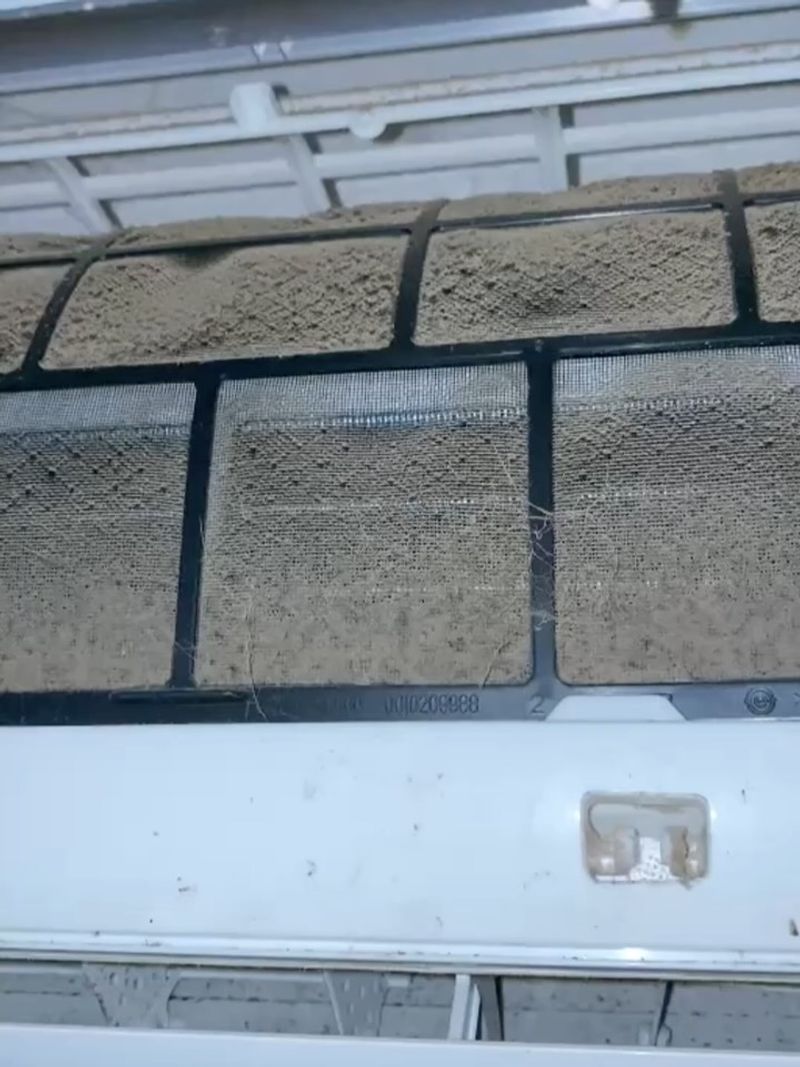
Here is a sneaky hiding spot many people forget. Window air conditioners are cozy little shelters for stink bugs. The fins, vents, and foam side panels give them plenty of tight, dark places to tuck into.
By late September, lots of Pennsylvania families are ready to pull these units out for the season.
That is exactly when stink bugs are searching for a winter home. If you yank the unit out without looking, a whole group might tumble straight into your bedroom.
Start by checking the outside of the unit. Look along the top, the sides, and the back vents. Use a flashlight to peek between the metal fins and around the accordion panels on each side.
Keep your soapy water container nearby. Knock any bugs you see into it before you touch anything else. A soft brush can help sweep bugs out of narrow cracks.
Once the unit is out, move fast. Close the window right away, or seal the gap with tape if the window will not shut fully. Even a few minutes with an open gap can let bugs slip inside.
Before storing the unit in a basement or garage, check it one more time. Cover it with a plastic bag or sheet, and tape the edges shut. That way, any hidden stragglers cannot crawl out later.
Some homeowners leave their units in all year. If you do, add foam strips around the edges and check them often. Old foam shrinks and cracks over time, and stink bugs are quick to notice even the smallest opening.
5. Inspect Items Before Bringing Them Inside
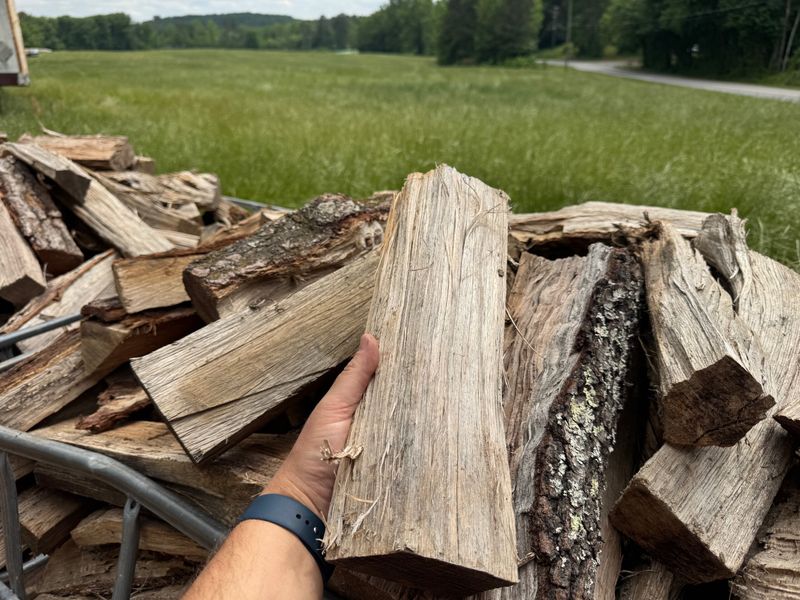
Stink bugs are expert hitchhikers. They do not need an open window when they can simply ride inside on your stuff. A potted plant, a log, or a folded cushion can carry several hidden passengers.
Firewood is one of the biggest culprits. Bugs crawl into the bark and tight spaces between logs.
Before you carry wood indoors, knock each piece against the ground and look it over. Better yet, keep your firewood stack outside and only bring in what you need that day.
Potted plants are next on the list. Many people move herbs, ferns, or flowers indoors when the nights turn chilly. Check under leaves, along the stems, and around the rim of the pot. A gentle spray of water from the hose can wash away any hidden bugs.
Patio cushions, umbrellas, and outdoor rugs also need attention. Shake them out hard, then roll them up tightly. Look inside folds and seams before you stash them in the garage.
Holiday decorations stored in sheds can be sneaky too. Pumpkins, hay bales, cornstalks, and wreaths often attract bugs in October. Give them a quick check before moving them through the front door.
Did you know stink bugs give off a scent that tells other bugs where a good shelter is? That means letting just a few inside can invite even more.
A simple routine solves the problem. Shake, look, and then bring it in. It only takes a minute per item, and it keeps your home much calmer during the long winter months.
6. Trap The Ones That Get Inside
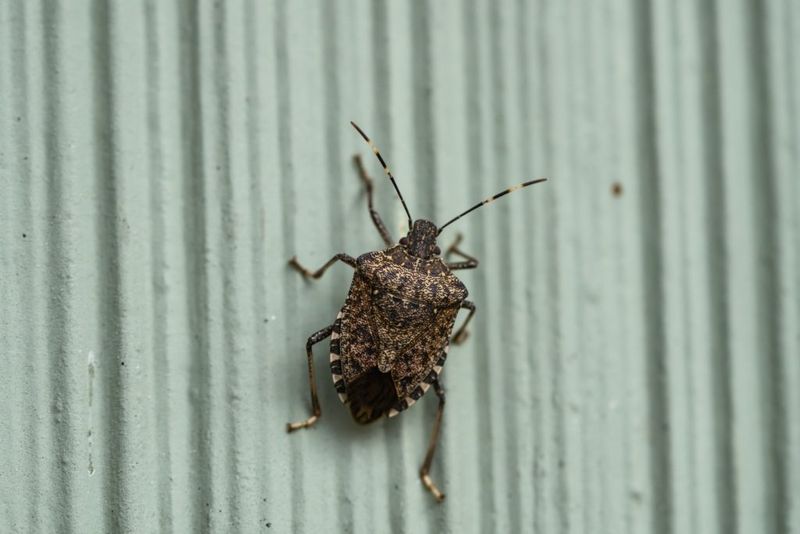
Even the most careful homeowner will find a few stragglers. Do not worry. A simple homemade trap can catch them without any sprays or fancy gadgets.
You only need two things. Find a shallow baking pan or aluminum tray, and fill it with water and a few drops of dish soap. Then place a small desk lamp or clip light right above it.
Set the trap up in a dark room, like an attic, garage, or spare bedroom. Turn off the other lights and switch on the lamp at night. Stink bugs are drawn to light, so they fly or crawl toward it and often drop into the water below.
Check the pan each morning. You might be surprised by how many you catch. Empty it outside, refill it, and set it up again.
A vacuum cleaner is another helpful tool. Use one with a bag, not a bagless canister. Bugs sucked into a canister can leave a strong smell inside the machine for weeks.
Some people keep an old vacuum just for bug duty. Others slip a knee-high stocking into the end of the hose with a rubber band. The bugs get trapped in the stocking, which you can tie off and toss.
Whatever you choose, empty the bag outside right away. Bugs left inside a vacuum can crawl back out.
Seal the bag in a plastic grocery sack and put it in your outdoor trash can. With these easy tricks, the few bugs that sneak in will not stick around for long.
7. Remove Tree Of Heaven After Leaves Drop

Despite its pretty name, tree of heaven is a troublemaker. It came to the United States from China in the 1700s, and it spreads fast across Pennsylvania roadsides, fences, and backyards. Stink bugs absolutely love it.
These trees also host the spotted lanternfly, another pest that Pennsylvania has fought hard against. So removing tree of heaven helps your yard in more than one way.
How do you spot one? The leaves are long, with many small leaflets lined up in pairs. Crush a leaf and it smells a bit like burnt peanut butter. In fall, female trees hold big clusters of tan, twisted seeds that hang on after the leaves drop.
Fall is a great time to act. As the weather cools, the tree sends its energy down to its roots. Herbicide applied to the trunk travels down with that energy, which makes the treatment work better.
A common method is called hack and squirt. You make small cuts around the trunk and apply herbicide into each cut. Always follow the product label and wear gloves and eye protection.
Here is a warning. Simply cutting the tree down usually backfires. The roots respond by sending up dozens of new sprouts, making the problem worse.
For big trees or large patches, call a local arborist or reach out to Penn State Extension for advice.
They can help you pick the safest plan. Removing these trees takes some effort, but your yard will be far less inviting to stink bugs next year.