The Ornamental Bush Lining Nebraska Highways And Its Surprising Secret
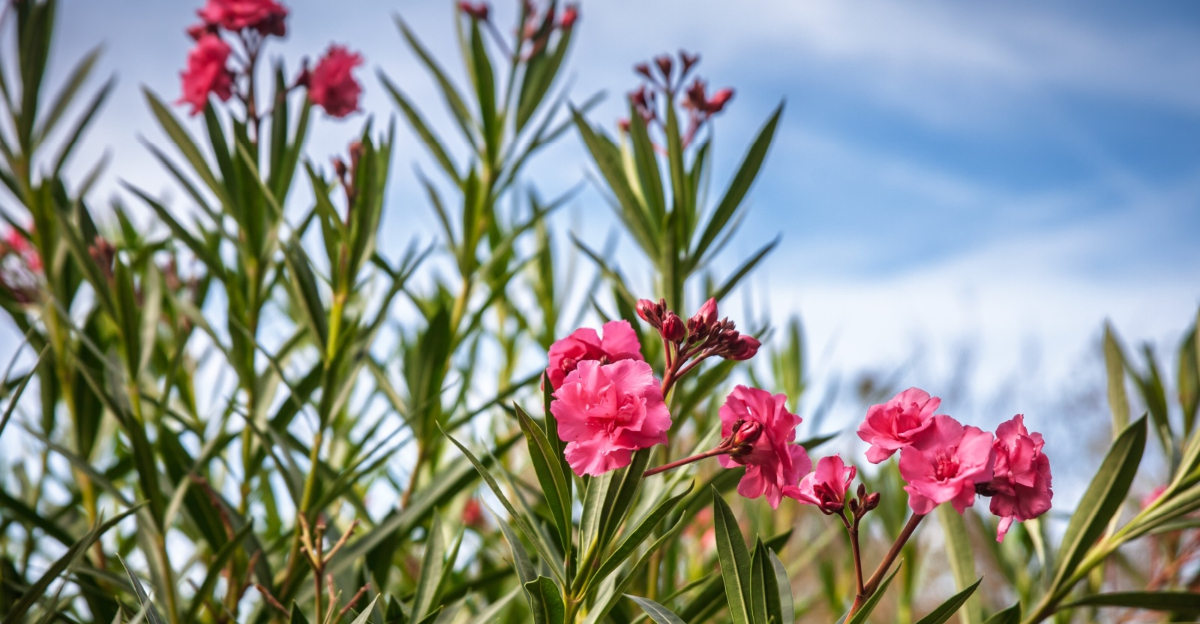
You have probably walked past it already. Pink flowers, neat branches, a friendly face in the garden.
Nobody warned you about this one. Planted beside highways and yards across Nebraska, this shrub looks completely safe.
Completely harmless, people assume. Gardeners choose it for its looks, and neighbors admire it without question.
What if that cheerful bush could send a child to the emergency room with a single leaf? That question sits with you now, and every petal hides something.
Beneath that soft, ornamental surface lives one of the most toxic plants on the planet. Scientists have studied it for decades, yet most families in Nebraska never learn the truth until something goes wrong.
One case changes everything a family thought they knew. This plant does not announce itself.
It waits, patient and pretty, right there in plain sight. The plant nobody questions is the one that deserves your full attention.
Ranked Among The Most Toxic Garden Plants In The World
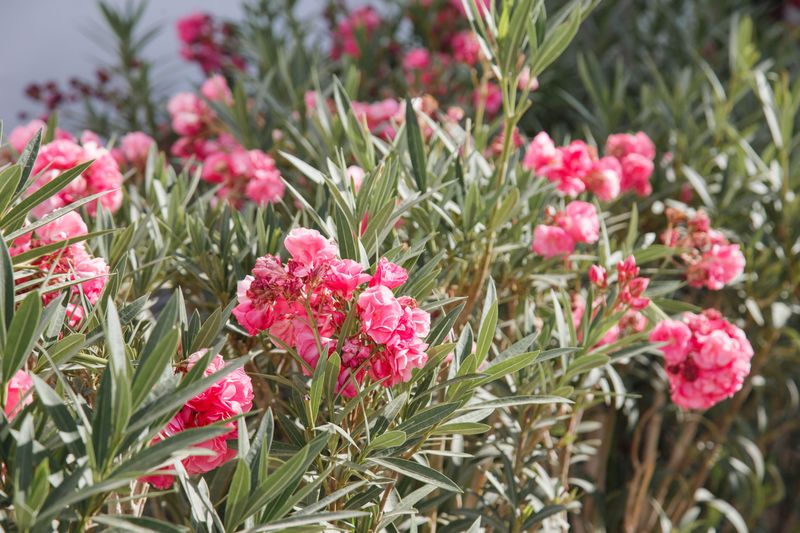
Looks can be deceiving, and oleander proves that better than almost any plant alive. This ornamental bush lines Nebraska highways and front yards across the country, yet it holds a place on the world’s most dangerous plant list.
Poison control centers across the country field calls about oleander exposure every year, and it appears on widely cited lists of the most toxic ornamental plants.
That cheerful row of pink blooms near the gas station? Potentially harmful with accidental exposure.
Researchers have studied oleander for decades and found its toxicity rivals some of the most dangerous substances in nature. Even tiny amounts can cause serious harm to a person or animal.
Ancient texts from Greece and Rome warned about this plant centuries ago. In 1809, French soldiers near Madrid reportedly fell seriously ill after roasting meat on its branches.
What makes oleander so significant is how common it has become in landscaping. Nurseries sell it.
Municipalities plant it. Homeowners love it for its low maintenance and bright color. Nobody hands you a warning label when you buy it at a garden center.
That gap between beauty and danger is exactly what makes oleander so worth understanding. Knowing the truth about what grows in your yard is the first step toward keeping your family safe.
Roots, Stems, Flowers And Seeds Are All Poisonous
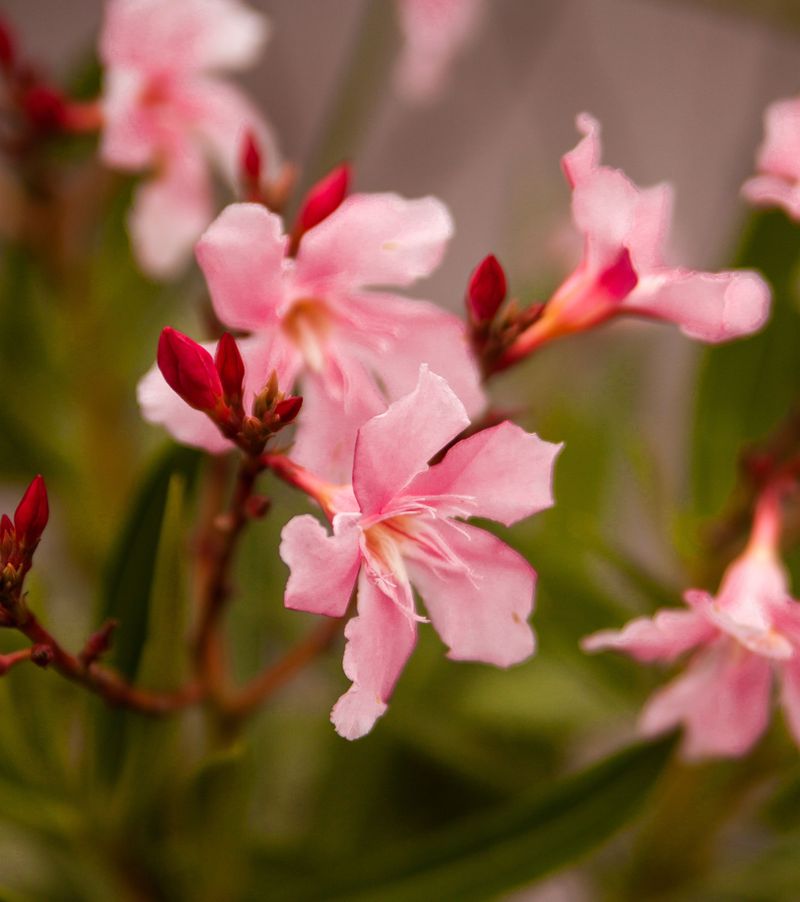
Every single part of this plant is toxic. Roots, stems, flowers, seeds, none of it is safe to handle carelessly.
The roots, stems, flowers, and seeds of oleander all carry the same dangerous compounds throughout the entire plant.
Most toxic plants have one or two dangerous parts. Oleander does not play by those rules. Touching the sap from a broken stem can irritate skin and cause a rash within minutes.
Eating even a single leaf has sent adults to the hospital in documented cases. Children are at even greater risk because their bodies are smaller and more sensitive to the compounds inside.
The seeds are especially sneaky because they look harmless and small. A curious child or pet could easily pick one up off the ground without any adult noticing.
Your Nebraska Garden Changes Every Week. Your Plan Should Too.
Gardening in Nebraska changes quickly throughout the season. Every Friday you’ll receive a simple weekly plan showing exactly what to plant, prune, fertilize, harvest, and protect so you never miss the right timing.
Flowers fall from the shrub naturally throughout the blooming season. Those fallen petals land in grass where barefoot kids play and where dogs sniff around every afternoon.
Gardeners who prune oleander without gloves often report skin irritation and eye redness. The sap transfers easily from hands to face without anyone realizing what just happened.
There is no safe part of this bush to handle carelessly. Treating every piece of it with respect is the smartest approach any gardener can take.
Burning Its Branches Releases Toxic Smoke Into The Air
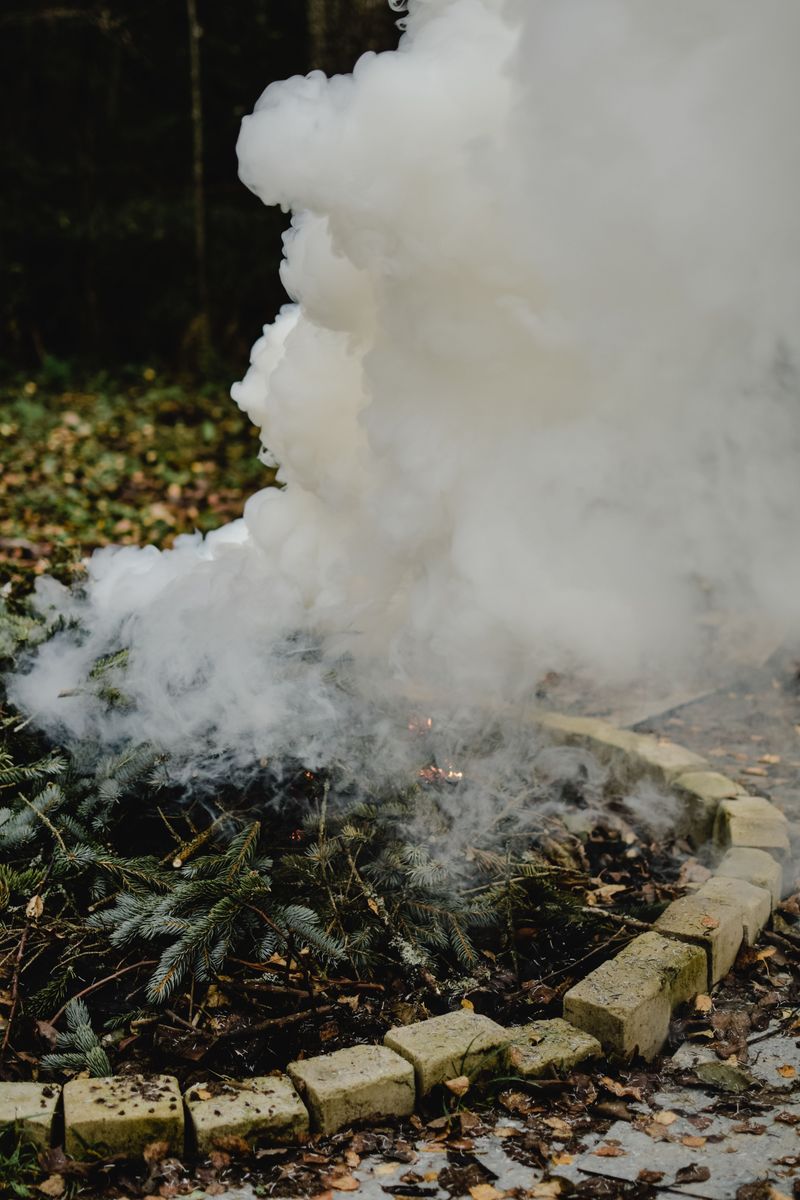
Imagine tossing some yard clippings into a backyard fire and not knowing what you just did. That exact scenario has landed people in emergency rooms, and oleander branches are often to blame.
When you burn oleander wood, the toxic compounds do not disappear in the flames. They convert into airborne particles that travel directly into your lungs with every breath.
People exposed to smoke from burning oleander have reported respiratory symptoms, with cardiac effects confirmed in documented cases.
Even brief exposure to the smoke can cause throat irritation, dizziness, and nausea. Campfire cooking with oleander sticks is a separate danger covered later in this article.
But simply burning the branches for disposal is its own serious hazard that most people never consider.
Yard waste burning is common in rural Nebraska and surrounding states. Homeowners often have no idea what species they are tossing into the pile until something goes wrong.
The safest way to dispose of oleander trimmings is through sealed bags in the trash or through a professional green waste service. Never add them to a compost pile either.
Smoke carries no color or obvious warning when it comes from burning oleander. That invisibility is exactly what makes this particular hazard so easy to underestimate.
Two Key Compounds, Oleandrin And Neriine, Directly Disrupt The Heart

Science has pinpointed exactly what makes oleander so dangerous, and the answer starts with two compounds. Oleandrin and neriine are cardiac glycosides, which means they directly interfere with how the heart beats.
These chemicals disrupt the electrical signals that keep your heart rhythm steady and controlled. Even a small dose can push that rhythm into a dangerous pattern called arrhythmia.
Cardiac glycosides work by blocking a specific pump inside heart muscle cells. When that pump fails, calcium builds up and the heart cannot contract or relax the way it should.
Symptoms of oleander exposure include nausea, vomiting, blurred vision, and a racing or irregular heartbeat. In serious cases, the heart can slow to a dangerous level without warning.
Doctors treat oleander poisoning similarly to digoxin toxicity, another cardiac glycoside found in foxglove plants. In severe cases, a special antidote called digoxin-specific antibody fragments is used in hospitals.
Interestingly, oleandrin has been studied in small doses for potential medical uses. Researchers are exploring whether controlled amounts could help treat certain conditions, but that research is still in early stages.
The line between a medicinal dose and a harmful one is razor thin. That is exactly why oleander stays firmly in the danger category for everyday households.
Water Left In A Vase With Its Cuttings Becomes Toxic On Its Own
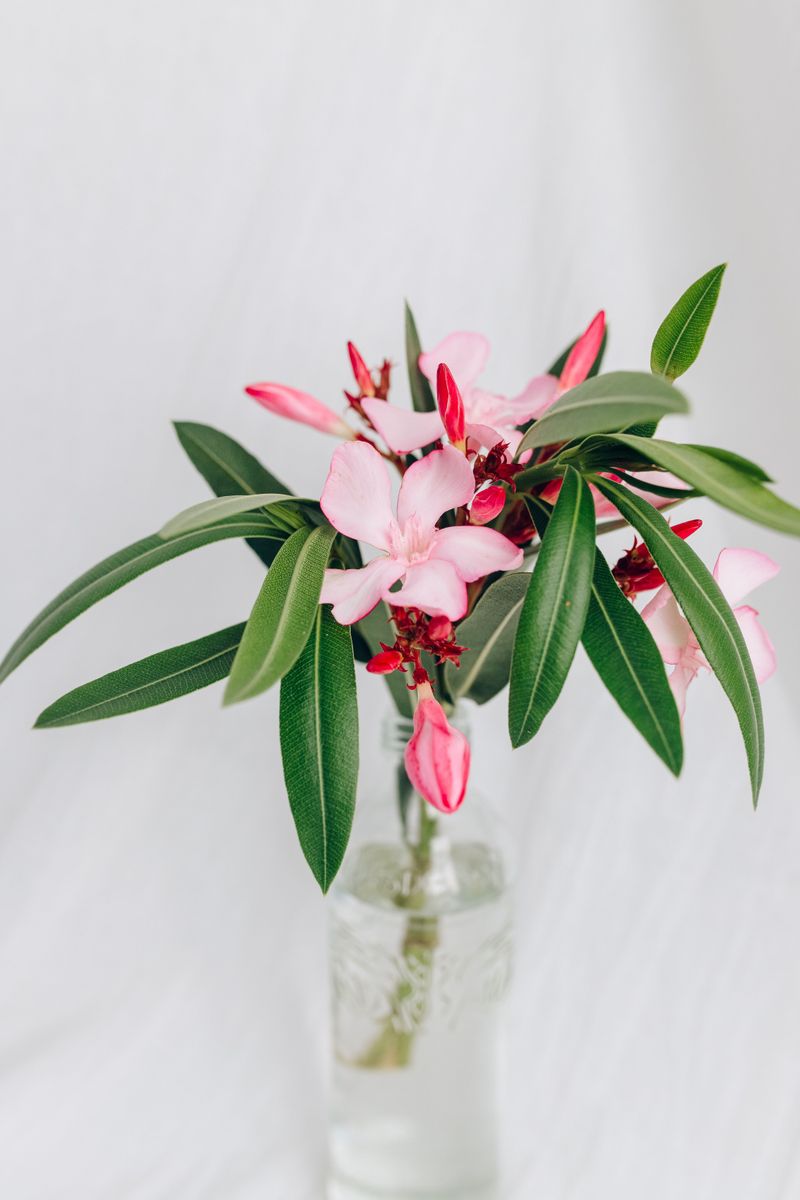
Cut flowers in a vase seem like the safest, most innocent thing in any home. But oleander cuttings sitting in water create a hidden hazard that most flower lovers would never suspect.
The toxic compounds from oleander leach directly into the surrounding water over time. That vase water becomes a concentrated source of the same chemicals found in the plant itself.
Children and pets are drawn to water in low containers out of pure curiosity. A dog drinking from a flower vase or a toddler splashing in it could be exposed without any adult knowing.
Even changing the vase water without washing your hands properly afterward transfers the compounds to everything you touch next. Kitchen surfaces, food, and your own face can all become secondary contact points.
Florists who work with mixed arrangements should be aware of this risk. If oleander is included in a bouquet, the entire vase water becomes something to handle with caution.
Poison control experts recommend treating oleander vase water like a chemical solution. Dispose of it carefully, rinse the vase thoroughly, and always wash hands immediately after handling it.
Something as peaceful as a flower arrangement should never come with a safety warning. But with oleander, that warning is completely earned and worth taking seriously.
Food Roasted On Its Sticks Has Caused Real Poisoning Cases

Picture a summer campfire, marshmallows, and a handful of sticks grabbed from a nearby bush. That innocent image has turned into a medical emergency more than once because of oleander.
Documented poisoning cases in the United States and Europe involve people who roasted food on oleander branches without knowing what the plant was. The heat pulled the toxic compounds right into the food.
Hot dogs, marshmallows, and corn on the cob roasted on oleander sticks have all been involved in reported incidents. Even brief contact between food and a heated oleander branch is enough to cause harm.
Children are often the ones holding the sticks during outdoor cooking activities. Parents and camp counselors rarely think to identify the shrubs before grabbing branches for roasting.
Scout groups and outdoor education programs now include plant identification as a safety topic partly because of incidents like these. Knowing your local plants is not just a nature hobby anymore.
Safe roasting sticks come from non-toxic trees like willow, apple, or hickory. Metal skewers are the easiest and safest solution for anyone who is not confident identifying local plants.
Checking what you grab before putting it near a fire takes only seconds and can prevent a serious incident.
Dried And Fallen Leaves Still Put Pets And Children At Serious Risk
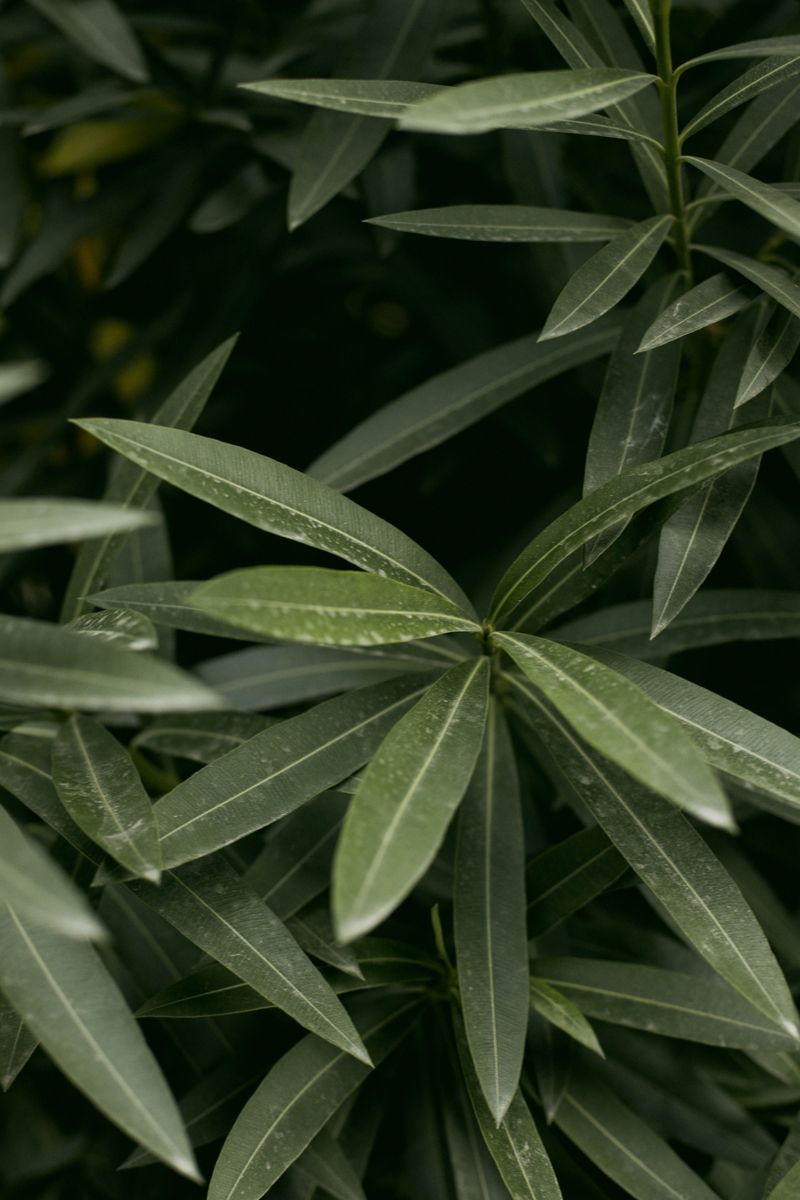
Fall cleanup season brings a danger most Nebraska homeowners never see coming. Dried oleander leaves scattered across a lawn look like ordinary yard debris, but they hold onto their toxicity long after falling.
Unlike many plants that lose their harmful properties as they dry out, oleander retains its dangerous compounds through the drying process. A crumbled dry leaf in a small hand and then transferred to a mouth is all it takes for exposure.
Dogs are especially vulnerable because they sniff and mouth fallen leaves constantly during outdoor time. Cats, rabbits, and other small pets face the same exposure risk in any yard where oleander grows.
Young children playing in the grass can pick up dried leaves out of pure curiosity. A leaf crumbled in a small hand and then transferred to a mouth is all it takes for exposure.
Raking and bagging oleander leaves should always be done with gloves. Avoid mulching them into the lawn or adding them to a garden bed where pets and kids spend time.
Some pet owners have learned about oleander toxicity only after an emergency vet visit. Symptoms in animals include drooling, weakness, vomiting, and changes in heart rate that require immediate attention.
This ornamental bush lines Nebraska highways and front yards across warmer regions, but its fallen leaves deserve the same respect as the living plant. Awareness is the simplest and most powerful protection you have.