Things To Do With Arizona Lantana So It Stays Full And Doesn’t Get Leggy By August
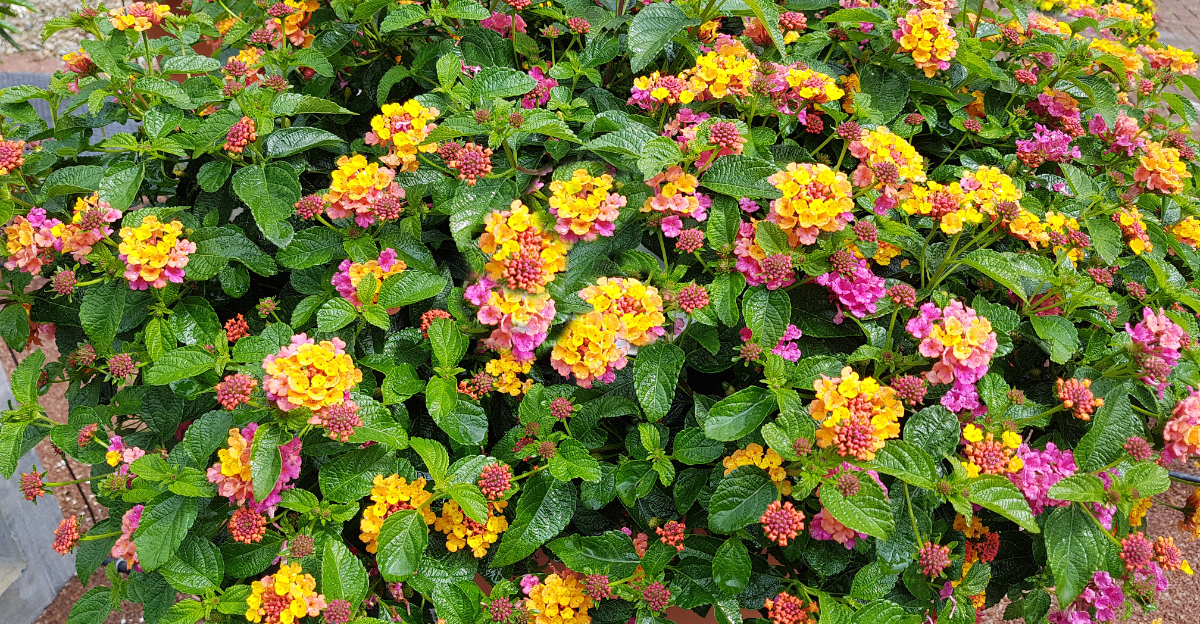
Lantana can completely change the look of a yard when it is covered in blooms. Bright flowers, fast growth, and months of color make it easy to see why it is such a popular choice for warm climates.
Then, somewhere in the middle of summer, the plant can start looking different. Long stems appear, the shape becomes uneven, and those full mounds of color are not quite as impressive as they were earlier in the season.
That change catches many gardeners by surprise because the plant is still alive and growing. The problem is not always a lack of water or poor growing conditions.
Sometimes it comes down to how the plant is maintained as summer progresses.
Lantana thrives in Arizona, but it still benefits from a little attention during the hottest months.
A few simple care habits can help it stay fuller, produce more flowers, and avoid the leggy growth that often shows up by August.
1. Trim Back Long Stems Before They Take Over
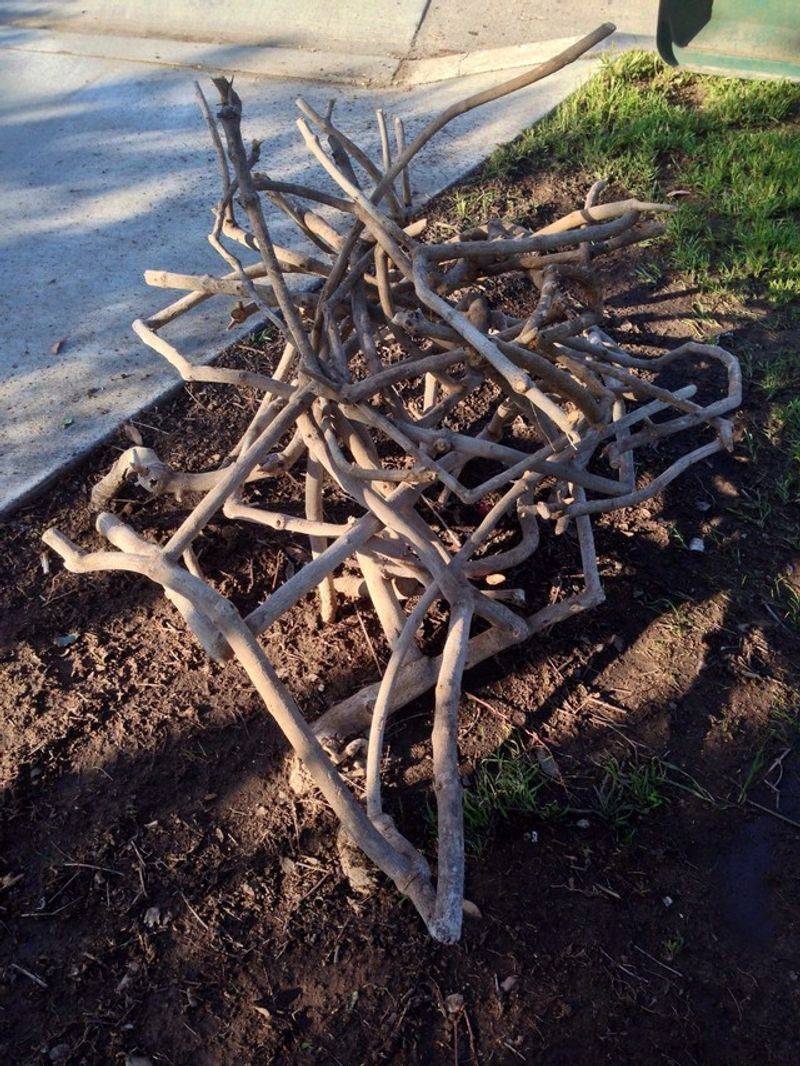
Long stems are sneaky. One week your lantana looks fine, and the next it has flopped halfway across the garden bed.
Cutting back long stems before they get out of hand is one of the best things you can do.
Do it early, around late spring or early summer, before the real heat sets in.
Aim to cut stems back by about one-third. No need to go all the way down to the base.
Sharp, clean pruners matter here. Ragged cuts can stress the plant and slow new growth.
After trimming, new side shoots push out from the cut points.
Those shoots are what fill in the gaps and give the plant that bushy, rounded look you want.
In hot desert climates, lantana grows fast. Waiting too long means more work and a plant that looks rough for weeks.
Check your plants every couple of weeks through June. Catch those long stems early before they go woody.
Woody stems take longer to bounce back. Younger green growth responds much faster to pruning.
Skipping this step is usually why plants look stretched and thin by late summer. Stay ahead of it and the plant stays full.
2. Full Sun Keeps Growth More Compact
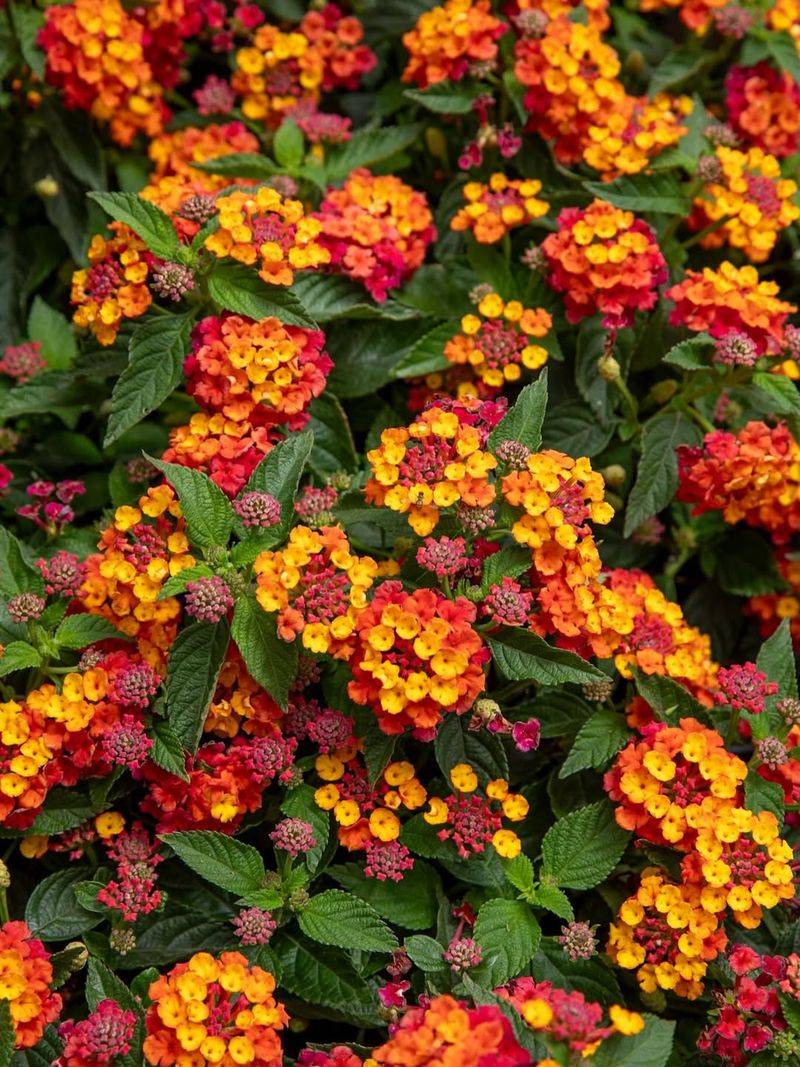
Shade does lantana no favors. Plants grown in partial shade tend to reach and stretch toward light, which leads straight to leggy growth.
Lantana planted in full sun stays denser. Stems grow shorter between leaf nodes, which keeps the whole plant tighter and more compact.
Six to eight hours of direct sun per day is the sweet spot.
More than that is usually fine in desert climates, where lantana handles intense heat well.
If your plant is under a tree or near a structure that blocks morning sun, consider moving it. Spring is a good time to relocate before roots get too established.
Plants in shadier spots also bloom less. Flower production drops when light is limited, and you end up with more green than color.
Full sun also helps dry the foliage faster after watering.
Your Arizona Garden Changes Every Week. Your Plan Should Too.
Gardening in Arizona changes quickly throughout the season. Every Friday you’ll receive a simple weekly plan showing exactly what to plant, prune, fertilize, harvest, and protect so you never miss the right timing.
Wet leaves sitting in shade can invite fungal issues over time.
Southwest gardens are ideal for lantana precisely because of the intense sun exposure. Use that to your advantage.
If full transplanting feels like too much work, pruning nearby shrubs or tree branches to let in more light can help without moving the plant.
Better light means better shape. It really is that straightforward with this plant.
3. Water Deeply Instead Of Watering Often
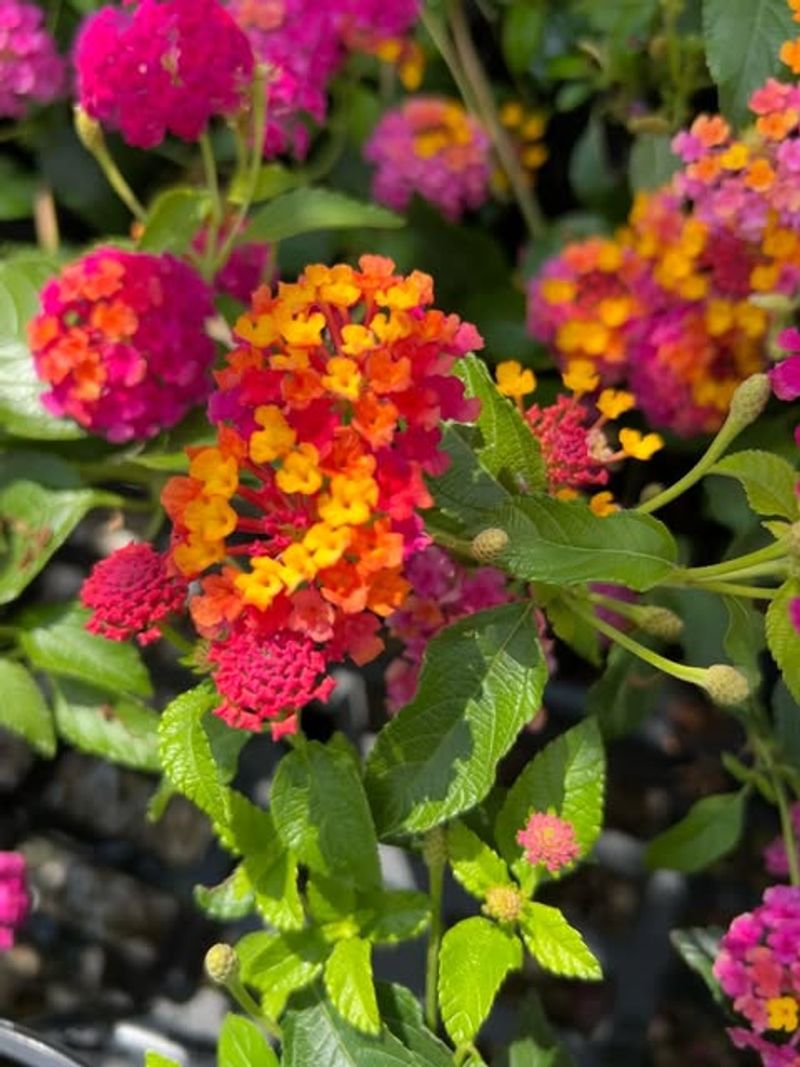
Frequent shallow watering pushes roots upward. Shallow roots make for weak, floppy plants that can’t handle summer heat as well.
Watering deeply but less often encourages roots to grow down into cooler soil.
That stronger root system supports sturdier, more upright growth above ground.
Once established, lantana is drought-tolerant. It does not need water every day, even during peak summer months.
A good deep soak once or twice a week is usually plenty for mature plants. Young transplants need more frequent water until roots settle in.
Check the soil before watering. If the top two inches are still moist, skip that watering session and check again the next day.
Overwatering is actually a common mistake with lantana.
Soggy soil weakens stems and can lead to root problems that cause the plant to look limp and sad.
Drip irrigation works really well for lantana in desert gardens. It delivers water slowly at the root zone without soaking the foliage.
Mulch helps retain soil moisture between waterings.
A two to three inch layer around the base keeps the ground from drying out too fast in intense heat.
Healthy watering habits make a noticeable difference in plant structure. Strong, deep roots grow strong, upright stems.
4. Pinch Back Stem Tips For Fuller Growth
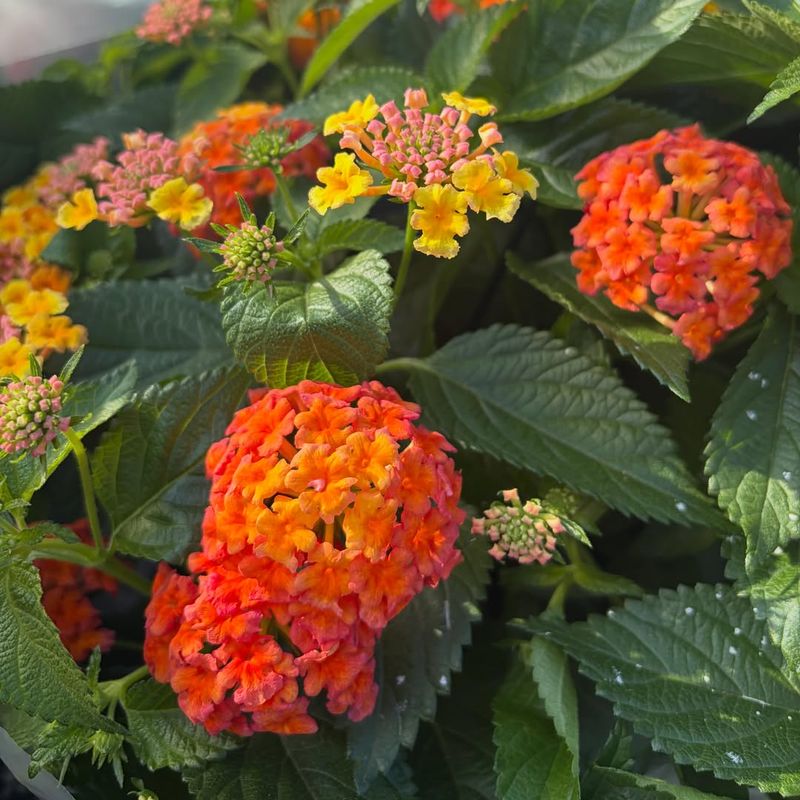
Pinching is one of those small tasks that pays off in a big way. Remove the soft tip of a stem, and the plant responds by branching out below that cut point.
More branches mean more stems. More stems mean more flower clusters and a much fuller plant overall.
You don’t need tools for this. Use your thumb and forefinger to snap off the top inch or two of actively growing tips.
Start pinching in spring when new growth appears.
Keep doing it every few weeks through early summer for the best results.
Each pinch point produces two or more new side shoots. Those shoots then grow out and can be pinched again to multiply branches even further.
Plants that never get pinched tend to grow long single stems with flowers only at the very tips. That’s what creates that sparse, leggy look by August.
Pinching is especially useful after a trim. Once you cut back longer stems, follow up with pinching on the new growth to keep branching going.
It takes only a few minutes per plant.
Doing it consistently through spring and early summer builds a dense framework that holds up through the hottest months.
5. Skip Heavy Fertilizer During Summer
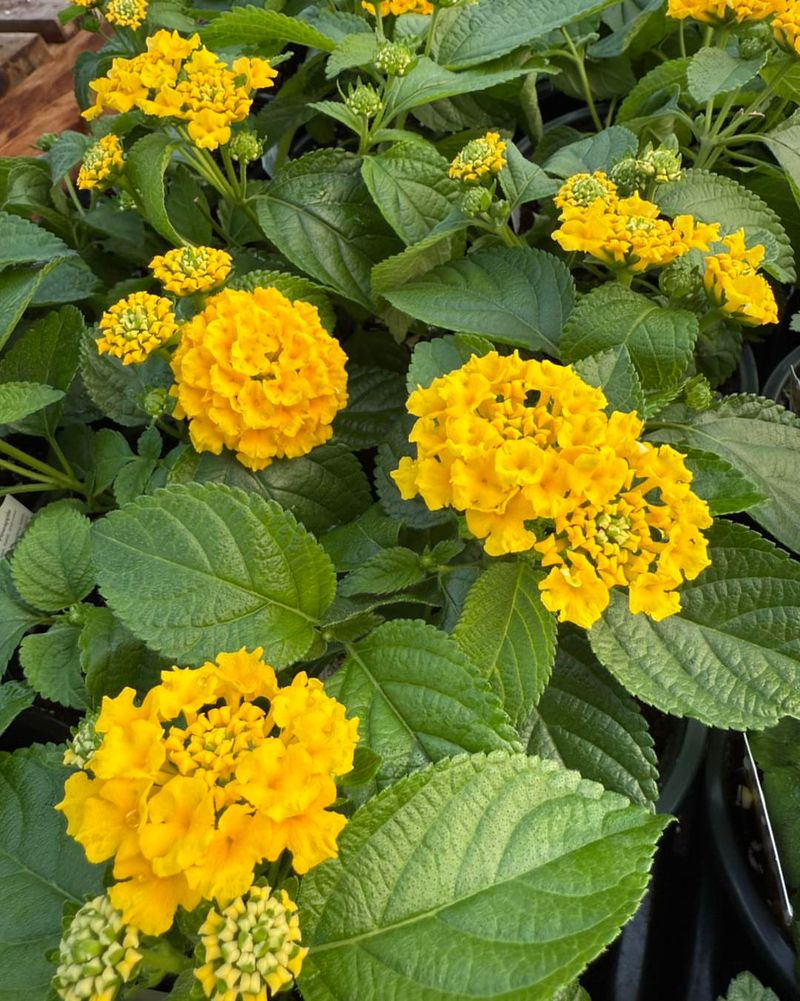
Heavy fertilizer in summer pushes fast, soft growth. That sounds good, but soft new growth in intense heat tends to flop and stretch rather than grow sturdy.
Too much nitrogen especially causes plants to put energy into leaves and stems rather than flowers. You end up with a big green plant and very little color.
Lantana actually thrives in lean soil. It evolved in conditions that were not particularly rich, so it doesn’t need a heavy feeding schedule.
If you fertilize at all, do it once in early spring before the heat ramps up.
A light application of balanced, slow-release fertilizer is enough.
Avoid fertilizing after June in hot desert climates. The combination of heat and extra nutrients pushes growth the plant can’t sustain well.
Signs of over-fertilizing include lots of lush green leaves, very few flowers, and stems that stretch quickly without thickening up.
Compost worked into the soil at planting time gives a gentle, long-term nutrient base without the surge that synthetic fertilizers can cause.
Healthy soil structure matters more than regular feeding with this plant.
Good drainage combined with modest organic matter is usually all lantana needs.
6. Give Plants Enough Room To Spread
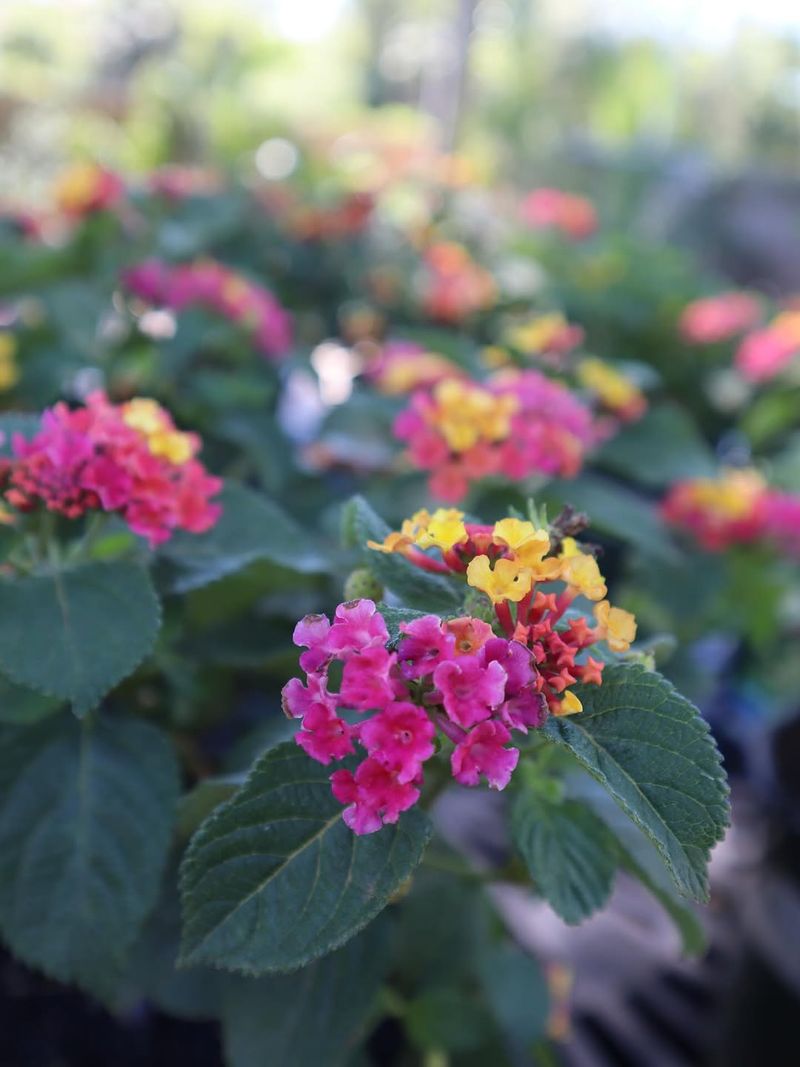
Crowded plants compete for light, air, and water. That competition pushes stems upward instead of outward, which leads to thin, tall growth with poor branching.
Lantana needs space to spread sideways. Giving it room lets the natural growth habit do its job, producing a wide, mounded shape rather than a narrow, upright one.
Most varieties spread two to four feet wide at maturity. Plan spacing at planting time rather than trying to fix it later when plants are established.
If existing plants are too close together, selective thinning helps.
Remove one plant from a crowded cluster to open up airflow and light for the remaining ones.
Good airflow between plants also reduces the chance of fungal problems during monsoon season. Humid conditions in a packed bed can cause leaf spotting and stem issues.
Plants with room to grow also respond better to pruning. Trimming a crowded plant only works temporarily before it fills back in and gets tangled again.
Raised beds and containers need attention here too. A pot that’s too small restricts root growth, which limits how full and vigorous the top growth can get.
Spacing might seem like a small detail, but it shapes how the whole plant develops.
Getting it right from the start saves a lot of corrective pruning later.
7. Watch For Woody Growth Near The Center
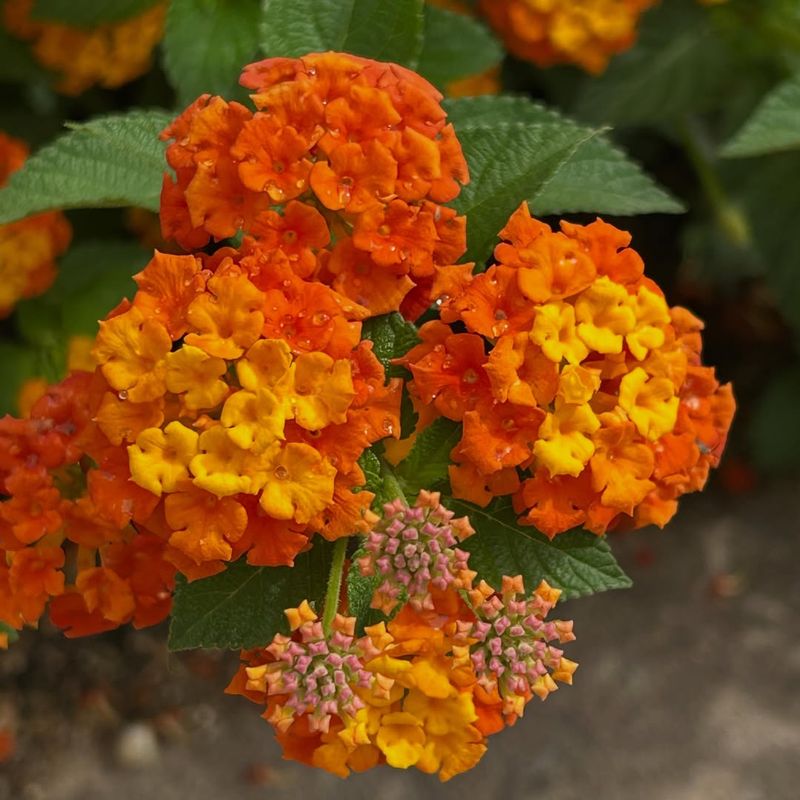
Older lantana plants develop thick, woody stems at the base over time. That’s normal, but heavy woody growth in the center can choke out new shoots and make the plant look hollow.
Check the center of your plant a few times each season. If you see dense, dark, bark-like stems with little green growth coming from them, it’s time to act.
Cutting out a few of the oldest woody stems at the base opens up the center. Light and air can then reach inner growth points and encourage fresh branching.
Don’t remove all the woody stems at once. Take out no more than one-third of them in a single session to avoid stressing the plant too much.
New green growth tends to emerge from the outer edges of established plants. Clearing the center redirects energy toward those productive zones.
In desert Southwest gardens, lantana can grow woody faster than in cooler climates. The extended growing season means plants put on more growth each year.
A plant that’s mostly woody with sparse leafy growth around the edges has usually been neglected for a few seasons.
Gradual renewal pruning over two to three seasons can bring it back.
Staying ahead of woody buildup is much easier than trying to fix a plant that’s already heavily overgrown.