What Texas Yards Have When Quail Keep Coming Back
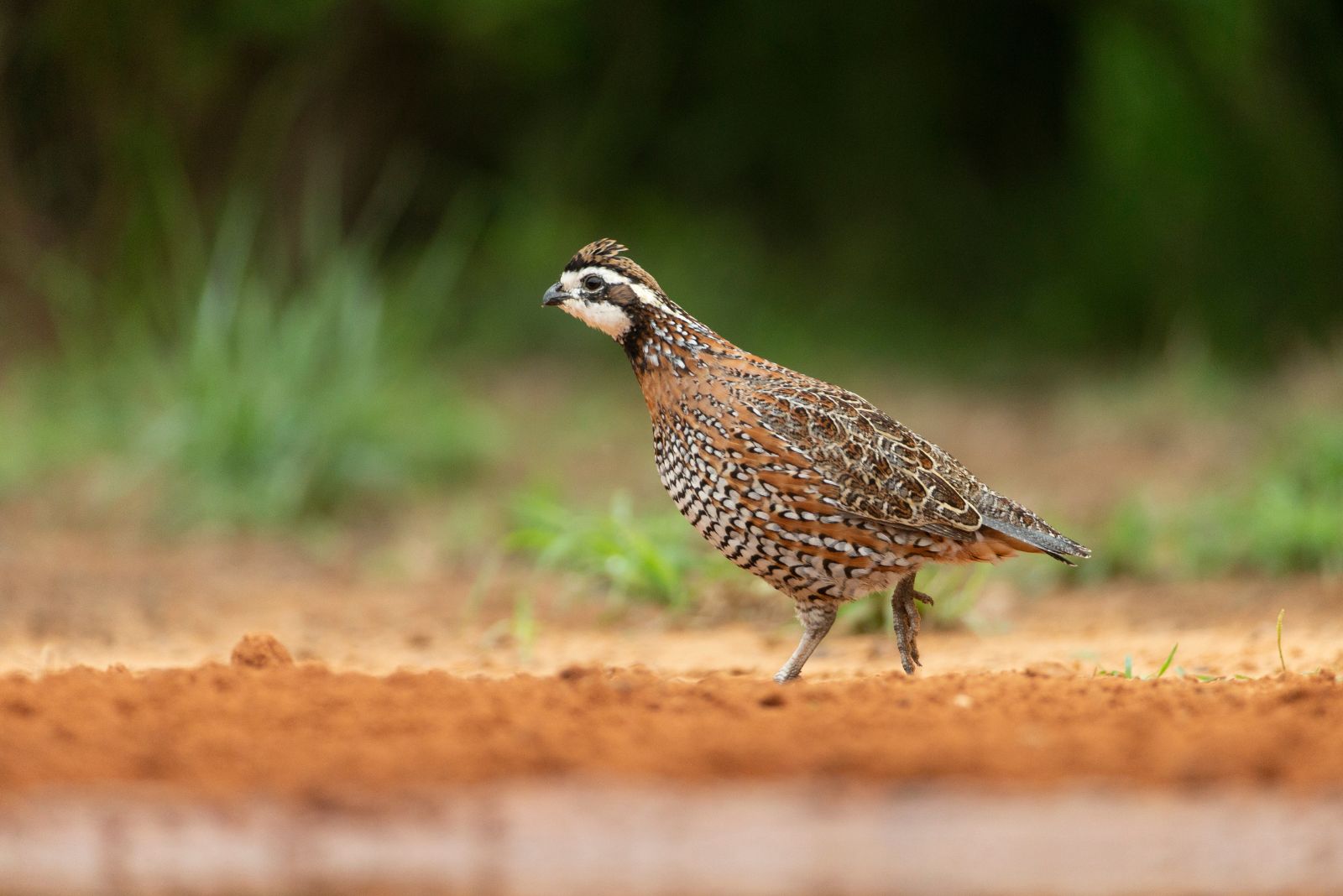
There’s something deeply satisfying about watching a covey of quail move through your yard. That distinctive bobbing walk, the way they travel in a tight little group, the soft calls they make as they go.
And if quail have been returning to your Texas yard regularly, you might have started wondering what exactly is bringing them back. It’s not luck. It’s your yard. Quail are selective about where they spend their time.
They have specific needs when it comes to food, cover, water, and nesting habitat, and when a yard consistently meets those needs, quail show up with impressive reliability.
The yards that attract them regularly tend to share a handful of specific features that most homeowners never intentionally set out to create.
But once you understand what quail are actually looking for, recreating those conditions becomes surprisingly straightforward. Here’s what Texas yards have when quail keep coming back and how to make sure yours has it too.
1. Low, Protective Cover
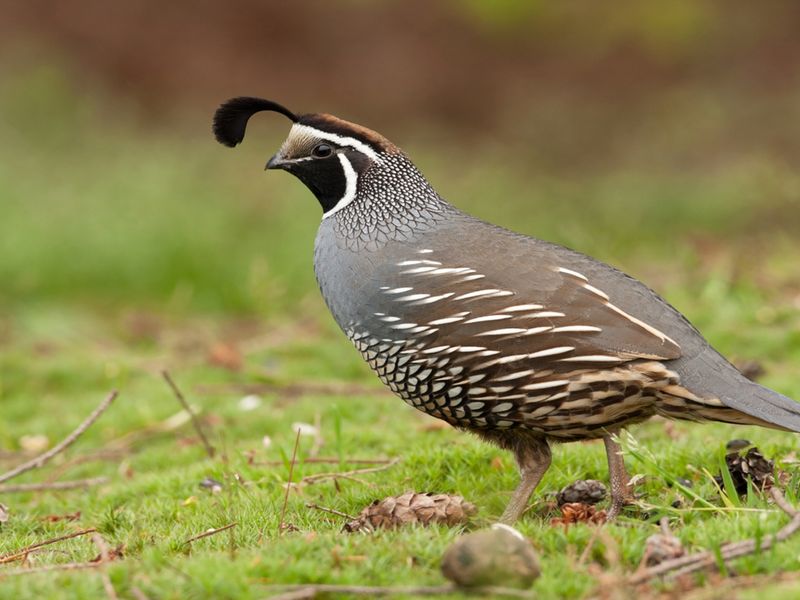
Picture a bobwhite quail freezing perfectly still under a low cedar shrub while a hawk circles overhead.
That ability to disappear in seconds is exactly why protective cover matters so much to quail. Without it, open yards feel more like a trap than a home.
Quail feel safest in yards that offer native grasses, brushy corners, low shrubs, and dense plantings they can duck under without hesitation.
Plants like agarita, Texas sage, dewberry, and even overgrown native grasses create the kind of low canopy quail rely on every single day.
These plants do not need to be perfectly trimmed or arranged. In fact, a slightly wild and untidy look is exactly what quail prefer.
Open lawns alone usually do not give quail enough protection from hawks, cats, dogs, and other predators. Quail are ground birds, and the ground is where danger lives.
A yard with at least one dense, brushy corner gives a whole covey a place to retreat when things feel unsafe.
You do not need to replant your entire yard. Start small. Let one corner grow a little wilder. Add a couple of native shrubs along a fence line.
Even a small brush pile made from fallen branches can serve as emergency cover for a group of quail moving through. Native grasses like Lindheimer muhly or gulf muhly grow in beautiful clumps that quail love to hide inside.
The key is layering. Mix tall grasses with shorter shrubs and ground-level plants to create a natural wall of protection.
Quail notice these details, and once they find a safe spot in your yard, they tend to come back to it again and again.
2. Bare Ground For Easy Movement
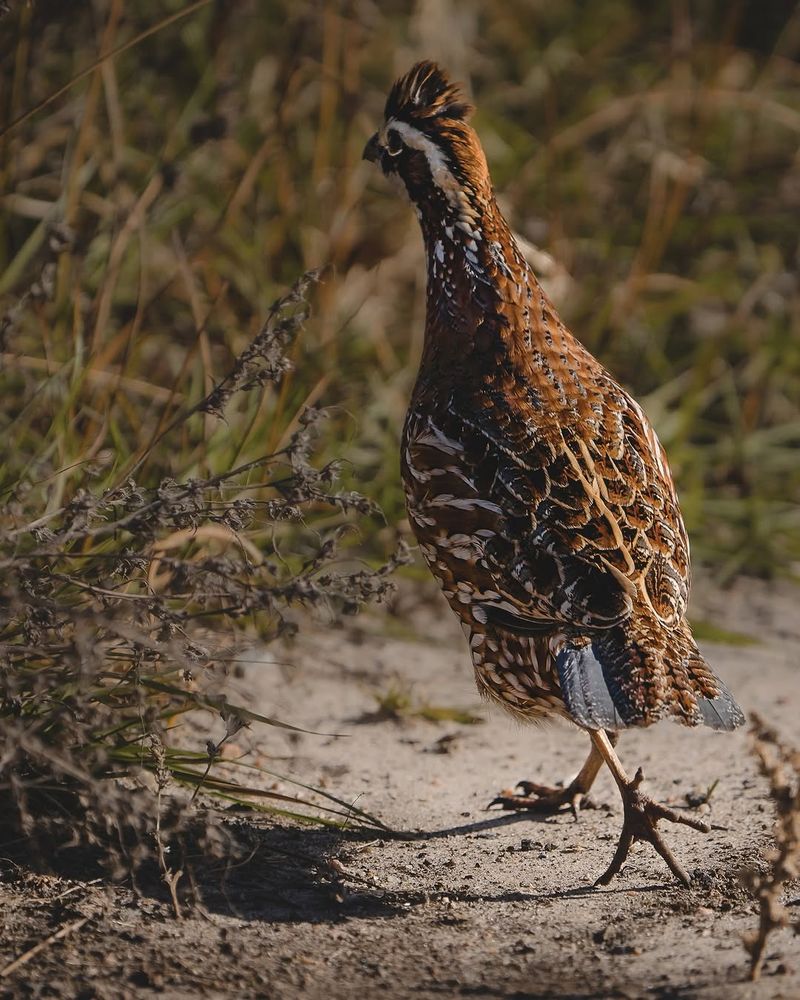
Not every inch of your yard needs to be covered in plants, mulch, or grass. Quail actually need open, bare soil to move around comfortably, and most people do not realize that too much ground cover can actually work against attracting them.
Quail are walkers. They forage by moving steadily across the ground, scratching and pecking as they go.
Your Texas Garden Changes Every Week. Your Plan Should Too.
Gardening in Texas changes quickly throughout the season. Every Friday you’ll receive a simple weekly plan showing exactly what to plant, prune, fertilize, harvest, and protect so you never miss the right timing.
A yard packed tightly with thick turf grass, dense mulch, or tangled groundcover can slow them down and make foraging frustrating. They need clear pathways between plants where their feet can touch actual soil.
Think of bare ground as quail highways. Small open patches of dirt between native plantings allow a covey to move quickly and efficiently.
When a predator shows up, quail need to be able to run fast and reach cover in a hurry. Thick turf can slow that escape down in a dangerous way. Open soil keeps them agile and alert.
Sandy or loamy soil works especially well because it is easy to scratch through and also doubles as a dusting spot, which quail use to keep their feathers healthy. You do not need large bare areas.
Even patches the size of a dinner plate scattered throughout your yard can make a real difference in how comfortable quail feel moving through the space.
Try pulling back mulch in a few small spots, or leave a narrow strip of open soil along a garden bed edge. Letting natural foot traffic wear down a little path through a grassy area also works well.
Quail are observant birds, and they will find and use these small open corridors more quickly than you might expect.
3. Seeds They Can Forage Naturally
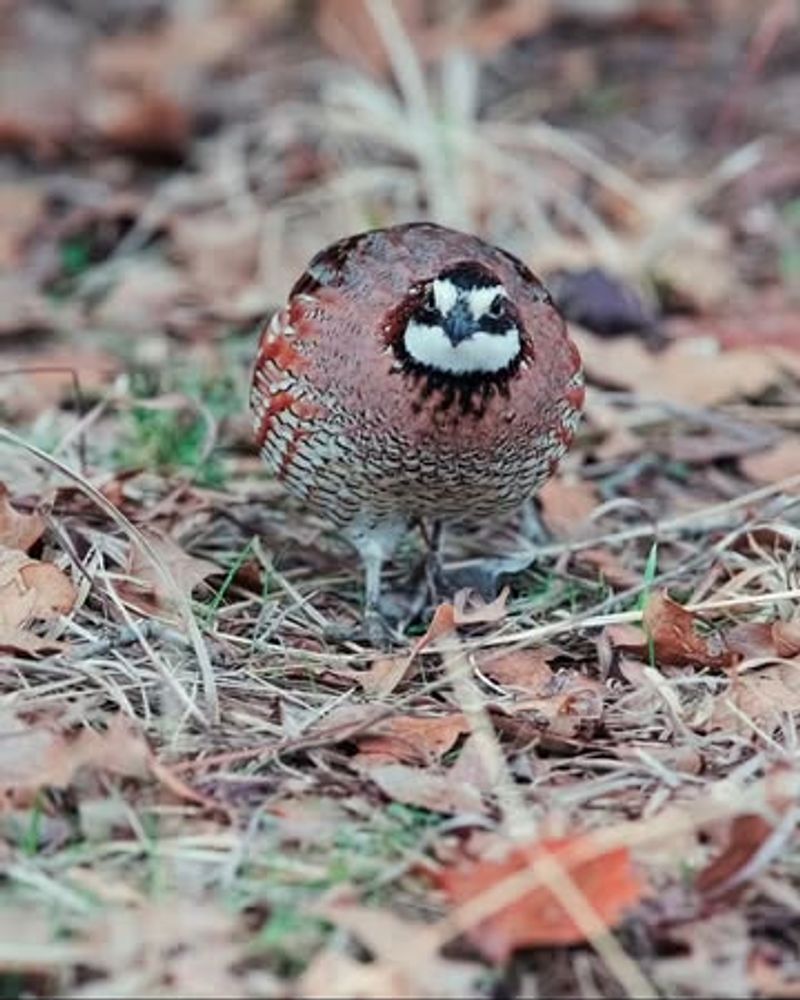
Quail are seed-eating machines, and a yard full of native seed-producing plants is basically a free buffet they will visit every single day. You do not need to pour birdseed on the ground to attract them. The plants themselves do all the work.
Native grasses like little bluestem, sideoats grama, and buffalo grass produce small seeds that quail love. Wildflowers like partridge pea, sunflowers, and black-eyed Susan drop seeds throughout fall and winter when natural food sources get harder to find.
Even plants most gardeners consider weeds, like croton and ragweed, are actually some of the best quail food plants in all of Texas. Quail have been eating these plants for thousands of years, long before lawns ever existed.
The beauty of planting for quail is that many of these native species are low maintenance once established. They are drought tolerant, adapted to Texas soils, and do not need much fertilizer or extra care.
You plant them once and they come back season after season, producing fresh seeds each year.
Scatter a mix of native wildflower seeds in a sunny corner of your yard in late fall. Let sunflowers grow along a fence and resist the urge to cut them down after they bloom.
The seed heads that form after flowering are exactly what quail are searching for during colder months. Leaving dried plant stalks standing through winter instead of cutting everything back gives quail access to seeds when they need them most.
A yard that feeds quail naturally is far more attractive to them than any feeder, because it matches how they naturally eat in the wild.
4. Insects For Chicks And Protein
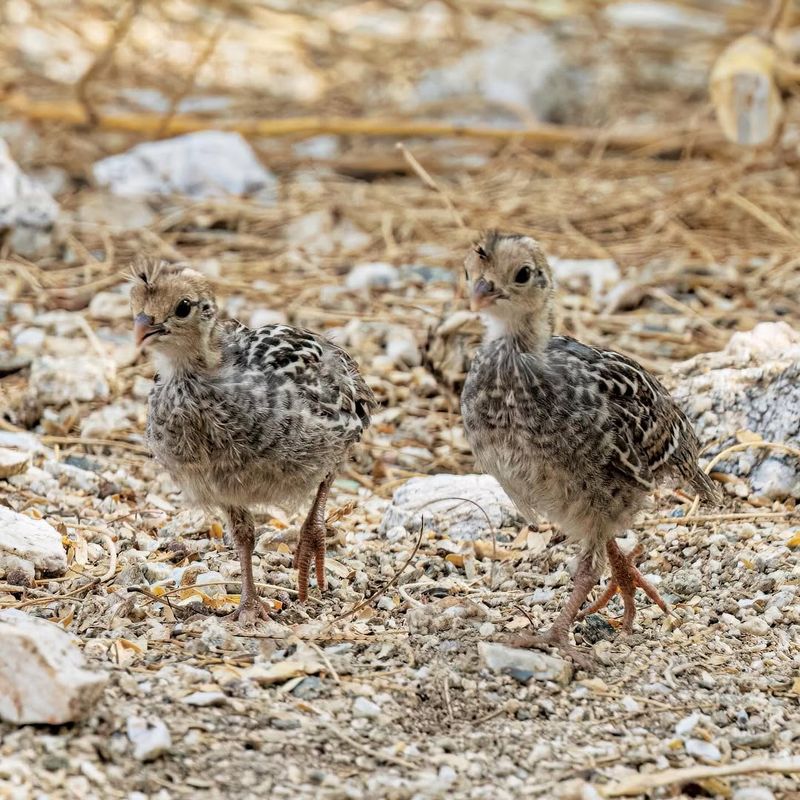
Baby quail, called chicks, are some of the most protein-hungry little creatures in the bird world. During their first few weeks of life, they eat almost nothing but insects.
If quail are returning to your yard with young chicks in tow, your yard is almost certainly full of the tiny bugs those babies need to survive and grow strong.
Leaf litter is one of the best insect habitats you can have in a yard. Beetles, ants, caterpillars, grasshoppers, and small spiders all live and hide in layers of fallen leaves.
Instead of raking everything up and bagging it, try leaving a few inches of leaf litter under shrubs and along fence lines. What looks messy to a gardener looks like a grocery store to a quail chick.
Native plants are another huge factor. Research consistently shows that native plants support far more insect species than non-native ornamentals.
More insects mean more food for quail chicks and more reasons for adult quail to keep coming back. A yard full of native oaks, native wildflowers, and native grasses builds an entire food web from the ground up.
Chemical use is worth thinking about carefully. Pesticides and herbicides can wipe out the very insects quail depend on.
Reducing or eliminating chemical use in your yard, especially near areas where quail are seen regularly, can make a noticeable difference in how often they visit.
Even switching to spot treatments instead of broad spraying helps protect the insect population your yard supports.
Quail chicks grow fast, but only when they have enough protein-rich insects available during those early critical weeks after hatching.
5. Dust-Bathing Spots
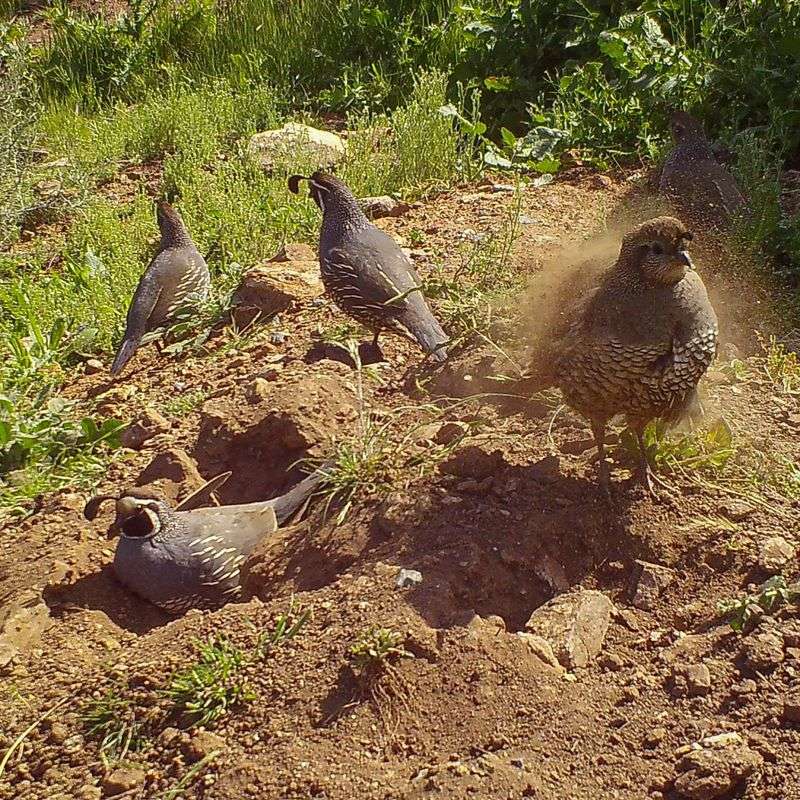
Watch a quail dust bathe just once and you will never forget it. They flop onto their sides, kick up loose dirt with their feet, and wiggle around like they are having the best moment of their lives.
Dust bathing is not just fun for them. It is a serious part of how they keep their feathers clean and free from parasites.
Quail seek out loose, dry, sandy soil for this behavior. The fine particles work their way through the feathers and help control mites, lice, and other tiny pests that can build up over time.
A yard with at least one sunny patch of bare, sandy, or loosely packed soil gives quail exactly what they are looking for. Shaded spots with damp soil do not work as well. Quail want warm, dry, and loose.
Creating a dust bath spot is one of the easiest things you can do to make your yard more quail-friendly. Find a sunny location, remove any grass or thick vegetation, and loosen the top few inches of soil.
Sandy loam works great, or you can mix in a little fine sand to improve the texture. Keep the area roughly two to three feet across so a few birds can use it at once, since quail are social and often dust bathe together as a group.
Once they discover the spot, quail will return to it regularly, sometimes every day during warm, dry stretches of weather. Placing the dust bath near low shrubs or cover plants lets them feel safe while using it.
A little shelter nearby makes all the difference between a spot they visit once and one they adopt as a daily routine.
6. A Quiet, Low-Disturbance Corner
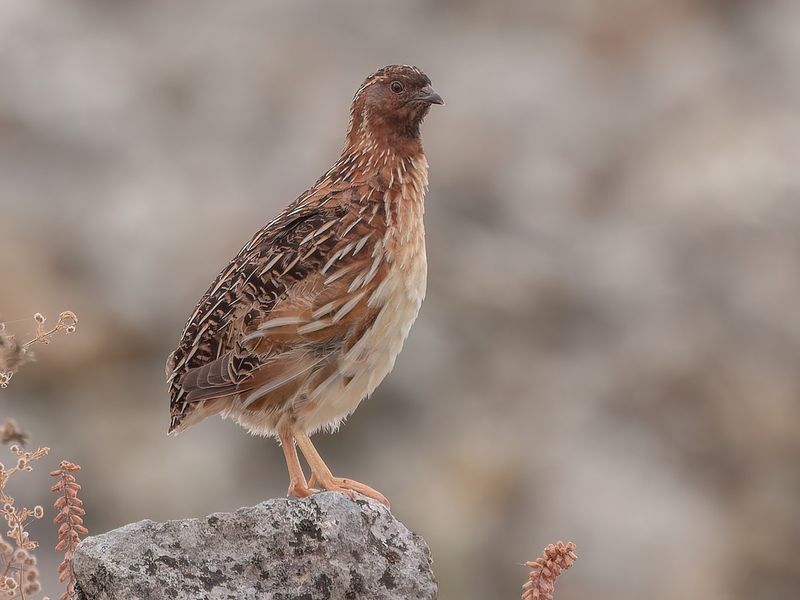
Quail are smart enough to know when a place is safe, and they are quick to avoid spots that feel stressful or unpredictable.
A yard that offers food and cover but also has a roaming dog or a cat that patrols the fence line may simply never attract a steady covey, no matter how good the habitat looks on paper. Low disturbance matters more than most people realize. Quail are wary birds.
They watch, listen, and evaluate their surroundings constantly. A yard where people walk through often, where dogs run loose, or where loud activity happens near their favorite spots will feel unsafe to them.
They may visit briefly but they will not settle into a comfortable routine. Creating one quiet corner of your yard that stays mostly undisturbed can change everything.
A brush pile made from fallen limbs and branches tucked into a back corner gives quail a place to roost and shelter without being bothered.
Native plantings along a fence or property edge that are rarely trimmed or disturbed create a natural border that quail treat as their own territory.
Pesticide use is another disturbance worth considering. Yards sprayed regularly with chemicals not only lose insects but also carry smells and residues that can make quail uneasy.
Reducing chemical applications, especially in the areas where quail are most active, signals to them that the space is safe and natural.
You do not have to stop using your yard. Just leave one corner alone. Let it be a little wild, a little brushy, and a little quiet. Quail will find it.
Once they feel safe there, they will treat it like home and return season after season with their whole covey in tow.