Prune Your Ohio Fig Tree This Way Before Winter for More Fruit Next Summer
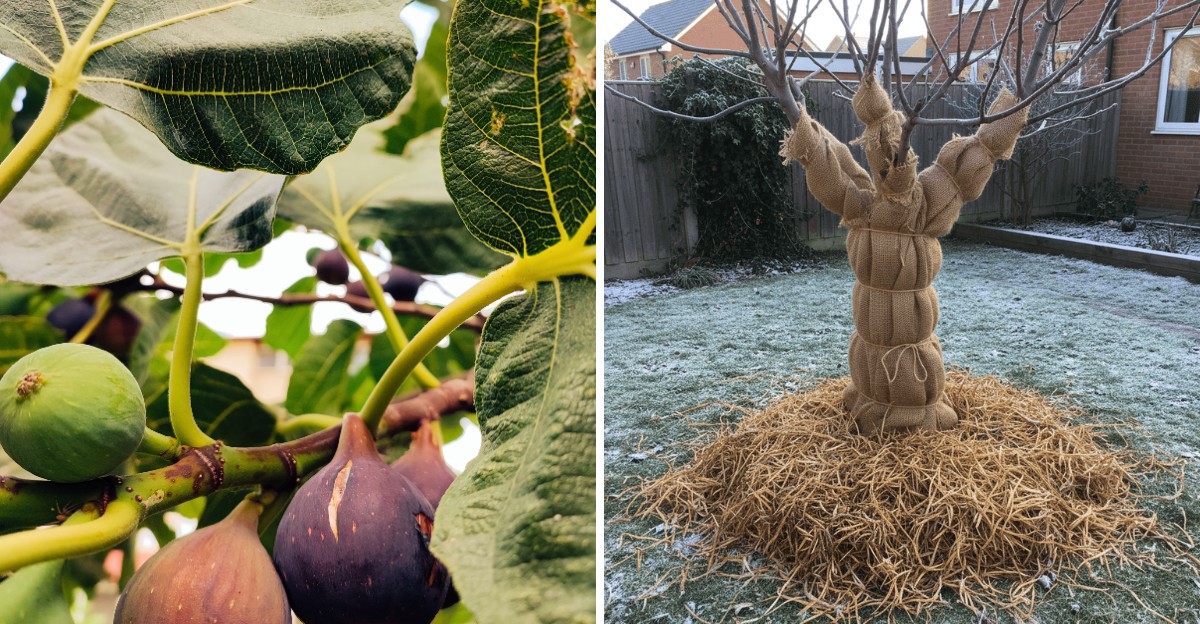
A shrub frozen to the ground in January can still hand you sweet, jammy fruit by late summer. That comeback trick happens in backyards across Ohio every year.
The roots hide below the frost line while the branches take the hit. Come spring, fresh shoots race upward, and those brand-new stems carry the main crop.
I love that kind of stubborn plant. Still, I’ve learned that a few smart snips in fall, plus a cozy winter coat, can mean a much bigger, juicier harvest. You need to know which cuts help and which ones quietly steal your fruit.
Some branches truly deserve the shears right now. Others should wait until the snow melts, and that timing surprised me more than anything. Can you spot the keepers before the first hard freeze rolls in?
Not Every Fig Branch Should Meet the Pruners This Fall
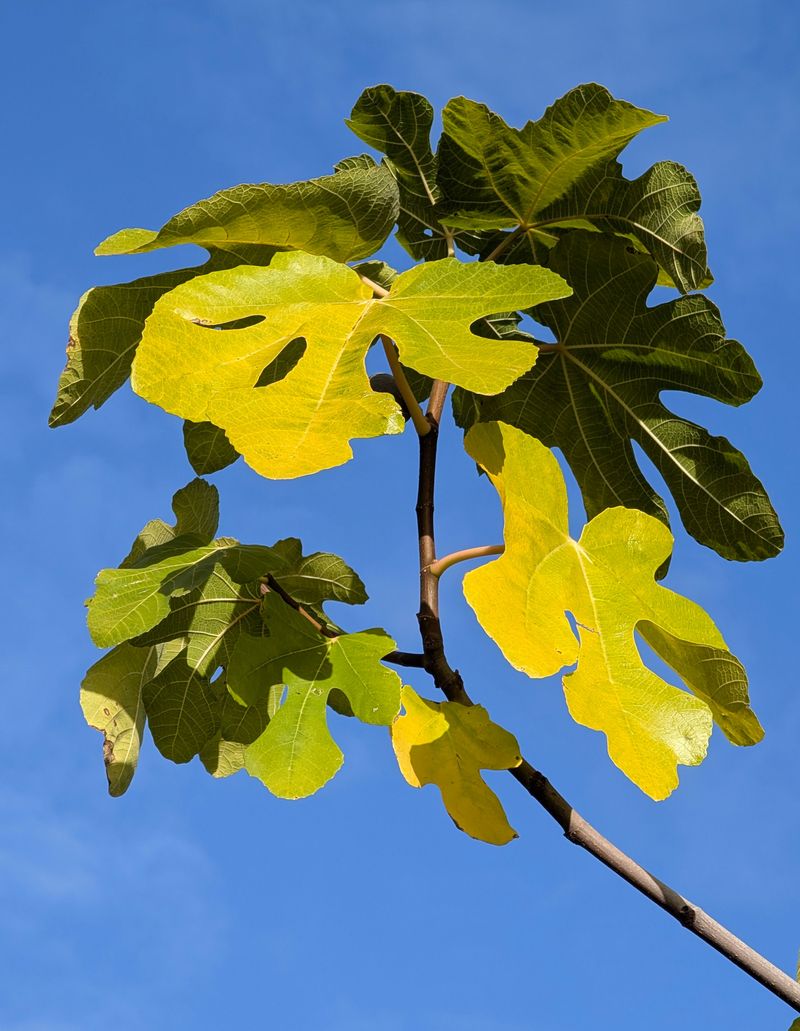
Fall cleanup fever hits hard once the maple leaves start dropping. I get it, because tidy branches look so satisfying.
Your fig, though, plays by a different set of rules.
Heavy pruning before winter can backfire. Fresh cuts open the door to cold injury, and a big trim in early fall can even push tender new growth that freezes on the first chilly night.
Most extension experts suggest saving major shaping for late winter or early spring.
So what does pre-winter pruning look like? Think of it as a light trim, not a haircut.
You remove problem wood, shorten a few awkward limbs, and get the plant ready for its winter wrap.
The main crop on most fig varieties grows on new shoots that form in spring. That means a gentle fall touch protects the roots and lower stems that will power those shoots later.
Varieties like Chicago Hardy, Celeste, and Brown Turkey handle this cycle well.
Wait until the leaves drop after a frost or two. A dormant tree bleeds less of its milky sap and handles cuts much better.
Patience here sets up everything else on this list, and it costs you nothing but a few extra weeks.
Snip Only Broken, Diseased, and Crossing Fig Branches Before Frost
Broken limbs are the easiest call you’ll make all season. A cracked branch flapping in November wind only gets worse under snow.
Cut it cleanly now, just above a healthy bud or back to the main stem.
Look closely for wood that feels brittle, looks shriveled, or shows dark sunken patches. Those spots can harbor fungal problems over winter.
Removing them keeps trouble from spreading once warm weather returns.
Crossing branches deserve attention too. When two limbs rub together, the bark wears thin and creates an open wound.
Pick the weaker one and take it out.
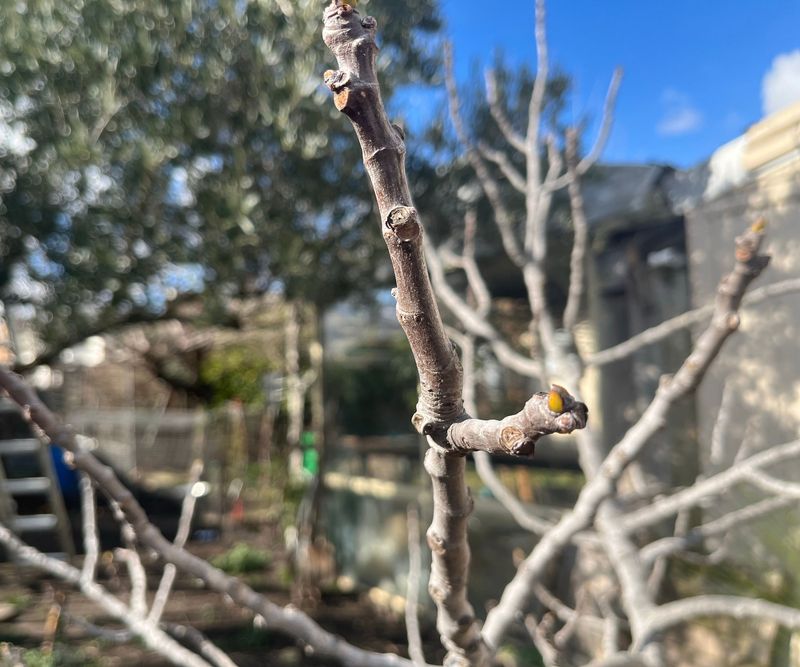
Here’s my favorite quick test. Scratch a tiny spot of bark with your thumbnail.
Green tissue underneath means the stem is alive, while brown and dry means it can go.
Use sharp, clean bypass pruners for small stems and loppers for anything thicker than your thumb. Wiping blades with rubbing alcohol between cuts helps prevent spreading disease from one branch to another.
Keep the total trim modest. A good rule is removing no more than about a quarter of the plant at this stage.
Your fig needs most of its wood as insulation and stored energy until spring arrives.
Save the Big Fig Tree Cuts for Late Winter
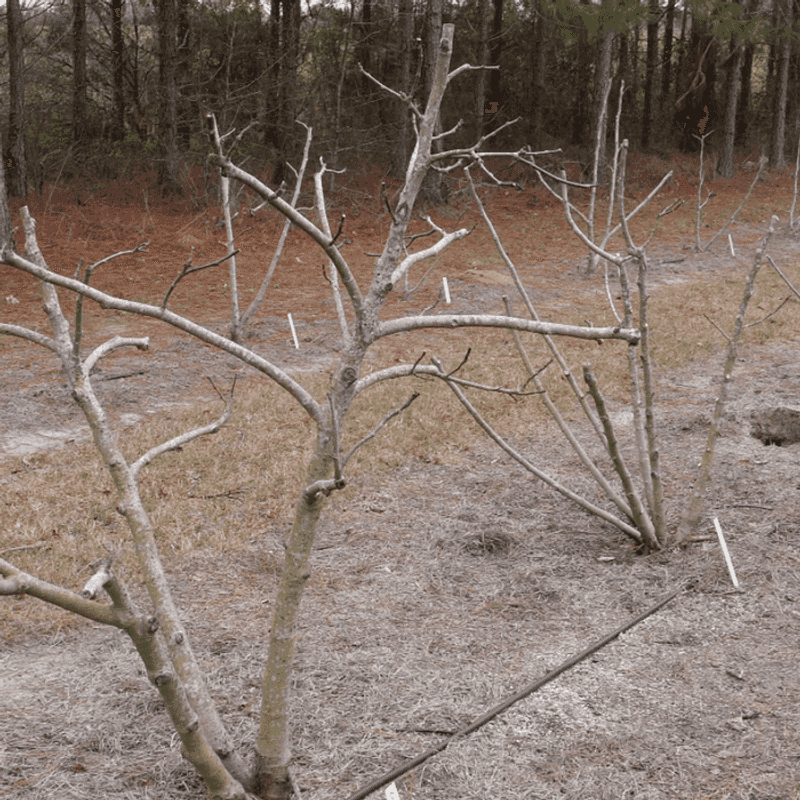
Late February and March are when your shears really earn their keep. By then, the worst cold has usually passed.
You can finally see what winter did to your plant.
Waiting matters for a simple reason. Branches you trimmed in fall might freeze back anyway, which wastes your effort and sometimes forces a second round of cuts.
In late winter, you only remove what truly needs to go.
Start by cutting any frost-damaged stems back to live wood. Then thin out crowded interior branches so sunlight and air can reach the center.
Better airflow means fewer leaf problems and riper fruit later.
Shaping comes next. Many growers in colder parts of Ohio keep figs as multi-stemmed bushes with three to five strong trunks.
That form recovers quickly and is easier to wrap each fall.
Timing varies across the state. Gardeners near Cincinnati often work a little earlier, while folks near Cleveland or Toledo may wait until late March.
Watch your local forecast rather than the calendar.
Fresh spring cuts heal fast once growth wakes up. Within weeks, new shoots will push out, and those shoots carry the main crop you’re dreaming about.
Shorten Long Fig Limbs So Wrapping Goes Easier
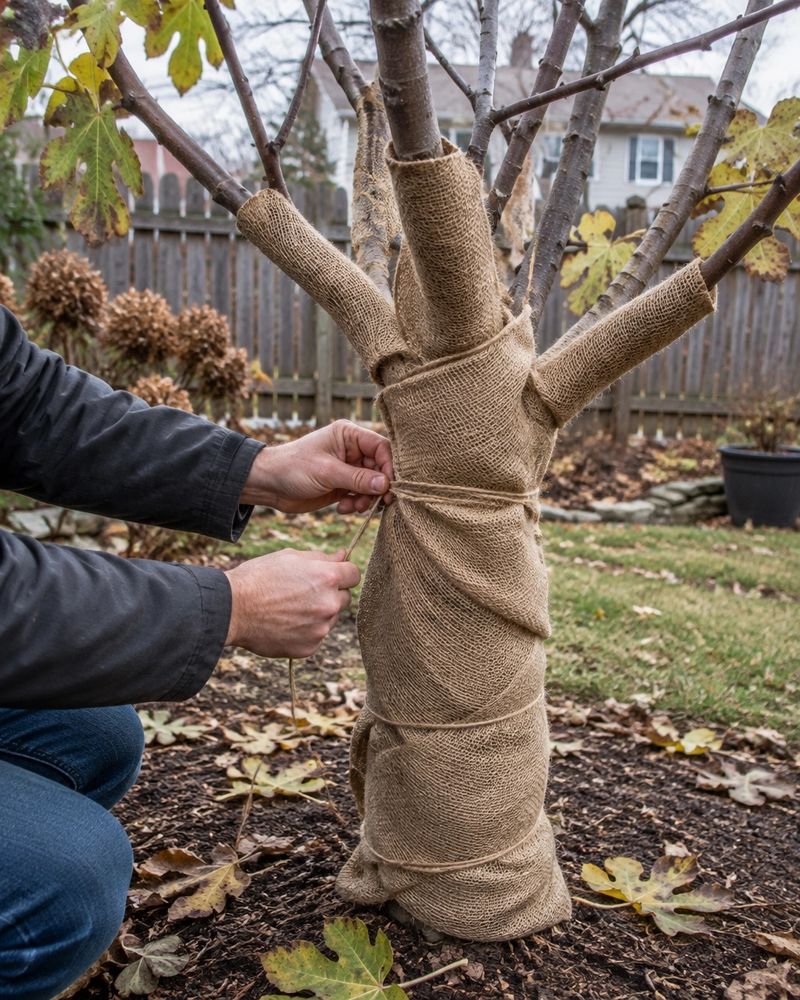
Wrestling a seven-foot fig into a burlap sleeve is a comedy show nobody wants to star in. I’ve done it, and the neighbors enjoyed it more than I did.
A little trimming first makes the job far smoother.
Shorten extra-long, whippy branches to a manageable height, often around four to six feet. Cut just above an outward-facing bud.
This keeps the plant compact enough to tie together and cover.
Leaning branches can be gently pulled inward and bundled with soft twine or strips of old fabric. Avoid wire, because it can cut into bark as stems shift.
Snug is good, but strangled is not.
Some gardeners bend flexible stems to the ground and bury them under soil or mulch. That old-school method works, though it takes muscle and patience.
Young, pliable figs handle bending better than older, stiff ones.
Shortening limbs also reduces snow load. Heavy, wet snow can snap long branches, especially after a mild fall.
Compact plants simply ride out storms with fewer injuries.
Keep the cuts moderate, though. You still want plenty of healthy wood left inside that wrap so spring growth has a strong head start.
Pull Those Fig Suckers or Keep a Few as Backup Trunks
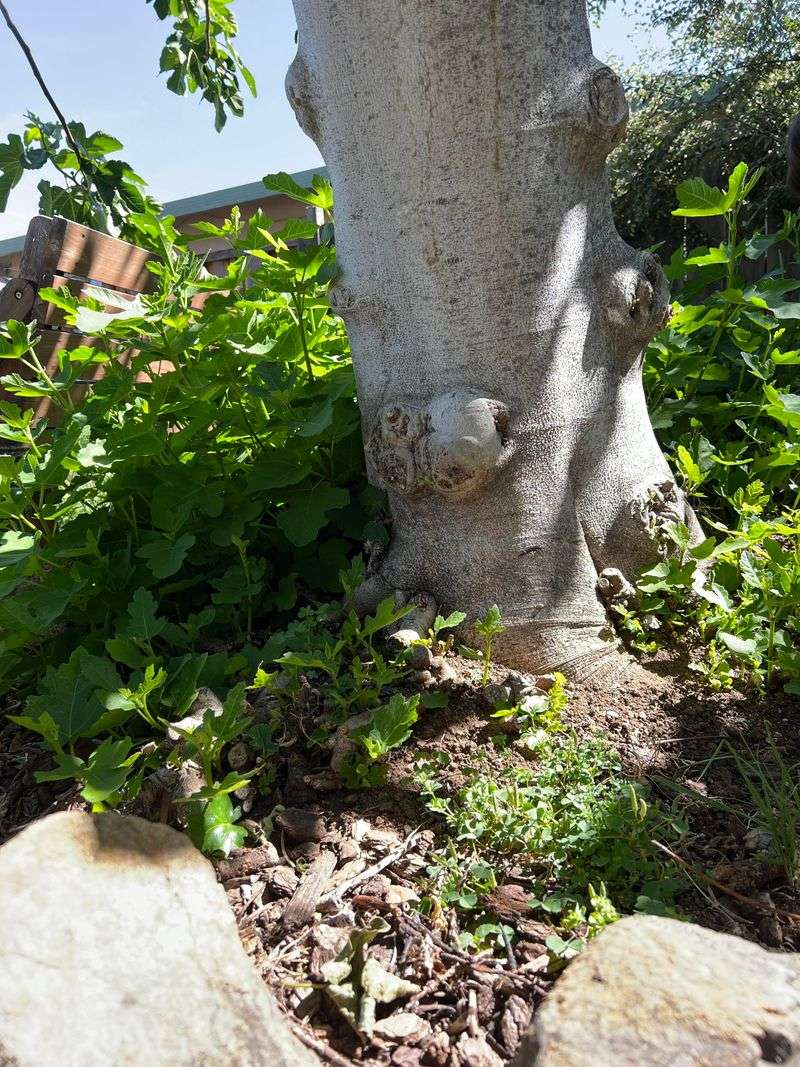
Suckers are those eager shoots popping up from the base or roots. Figs produce plenty of them.
Deciding what to do with them depends on your goals.
If you grow a single-trunk tree, remove suckers close to the ground. They steal water and energy from the main stem.
Cutting them in fall keeps the base tidy for mulching and wrapping.
In colder spots, though, I like keeping a few healthy ones. Think of them as an insurance policy.
If a harsh winter freezes the older trunks, those young stems can step up as replacements.
A balanced approach works well for many growers. Keep three to five sturdy stems spaced evenly around the base.
Remove weak, spindly, or crowded suckers so the keepers have room to thrive.
Fun fact for curious gardeners: figs root so easily that some suckers can be dug up with a chunk of roots attached. Pot one up, keep it in a cool garage over winter, and you might have a gift for a friend in spring.
Either way, a clean base makes winter protection easier. Mulch sits evenly, and you can see any trouble brewing near the soil line.
Breba Figs on Last Year’s Wood Need a Gentler Hand
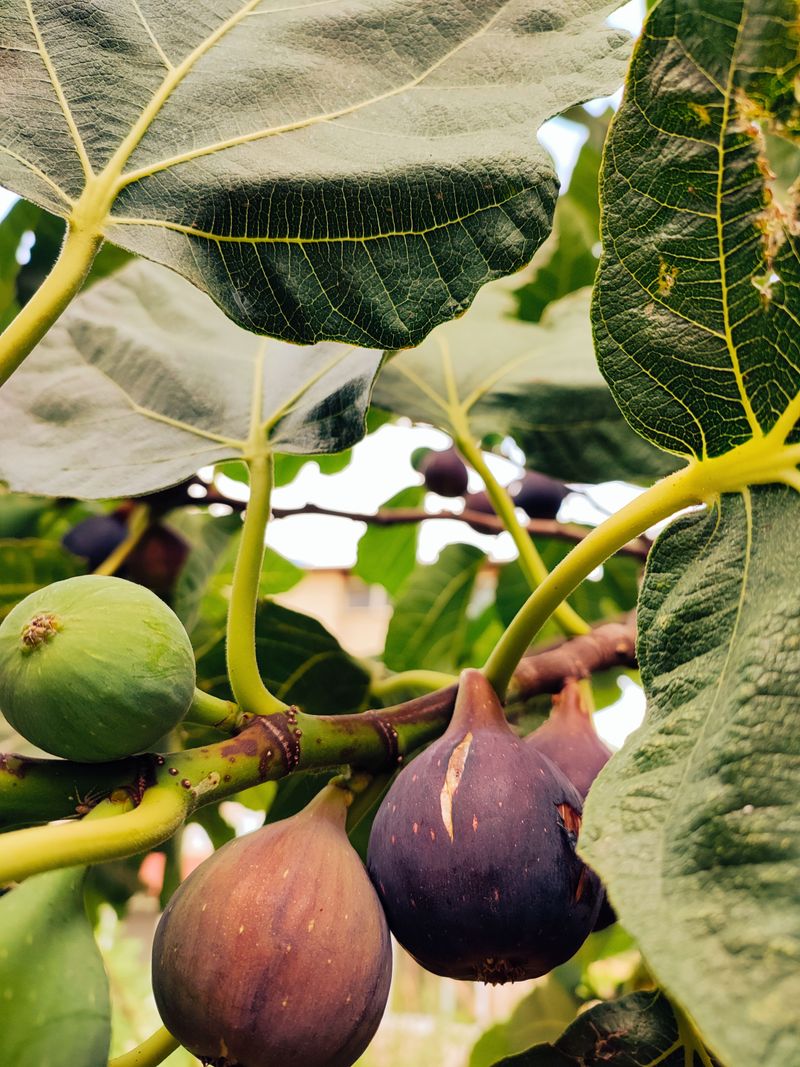
Did you know some figs give you two harvests a year? The early one is called the breba crop.
It forms on last season’s wood and usually ripens in early to mid-summer.
The later main crop grows on fresh spring shoots. In chilly regions, that second crop often does the heavy lifting.
Still, a well-protected tree can reward you with brebas too.
This is where pruning gets tricky. Every older branch you cut in fall or winter removes potential breba fruit.
If your variety is known for a good early crop, prune those one-year-old stems lightly.
Not every variety bothers much with brebas. Chicago Hardy and Celeste mostly focus on the main crop, while Brown Turkey and Desert King are known for producing them more readily.
A quick look at your nursery tag helps.
Protection matters as much as pruning. Brebas only survive if the stems that carry them make it through winter.
A thorough wrap gives those tiny buds their best shot.
I treat brebas as a bonus rather than a promise. When they show up, it feels like dessert before dinner, and that’s a fun surprise any gardener appreciates.
Wrap Your Pruned Fig in Burlap and Leaves Before Hard Freezes
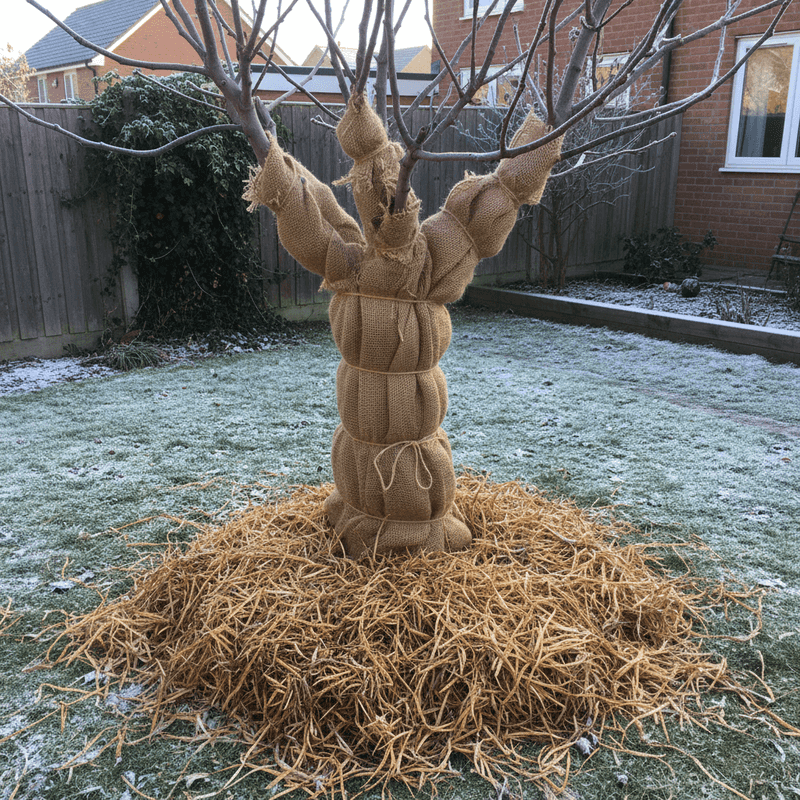
Pruning is only half the plan. Without winter protection, many in-ground figs in Ohio freeze to the ground when temperatures fall into the low teens or below.
The roots often survive, but the stems take a beating.
Start after the leaves drop and a few hard frosts pass, usually late November. Spread a thick layer of mulch, around six to twelve inches, over the root zone.
Straw or shredded leaves work nicely.
Next, surround the plant with a wire or wooden cage. Fill it loosely with dry leaves or straw, then wrap the outside with burlap.
A waterproof cap on top keeps the stuffing from turning soggy.
Avoid wrapping plastic directly against branches. It traps moisture and heat on sunny days, which can cause mold or bark damage.
Breathable layers are much kinder.
Potted figs have an easier path. Move them into an unheated garage or shed once dormant, ideally where temperatures stay roughly between 25 and 45 degrees.
Water lightly about once a month so roots don’t dry out.
Cozy coverings go a long way. A well-wrapped fig keeps more live wood, and more wood means more fruit.
Spring Unwrapping Shows Which Fig Stems Made It
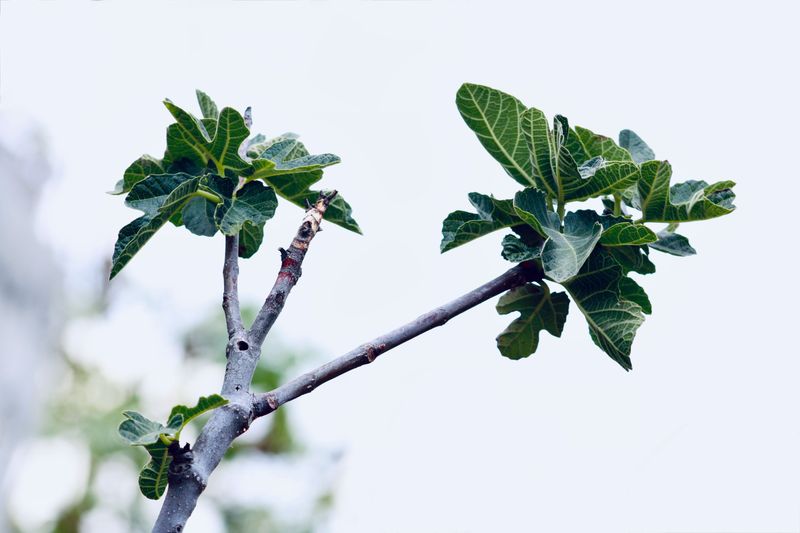
Unwrapping a fig in spring feels a bit like opening a present. You never quite know what’s waiting inside.
Some years the stems look great, and other years they need a fresh start.
Remove the wrap gradually once hard freezes ease, often in April. Peeling it all off on one warm day can shock tender buds.
Keep a frost blanket handy for surprise cold snaps, which are common in Ohio well into May.
Give the plant a few weeks before final cuts. Figs can be slow to leaf out, and some stems that look bare will surprise you.
Use the thumbnail scratch test before reaching for your pruners.
Cut back any brown, brittle wood to healthy tissue. If the whole top froze, trim stems to a few inches above the ground.
Strong new shoots usually rise quickly from the roots.
Feed lightly with compost and keep soil evenly moist during summer. Pinching shoot tips after five or six leaves can encourage branching and more fruit.
My biggest takeaway is simple. Light pruning in fall, solid protection in winter, and careful cuts in spring add up to a sweet, rewarding harvest.