What Florida Citrus Trees Need In November While The Fruit Ripens
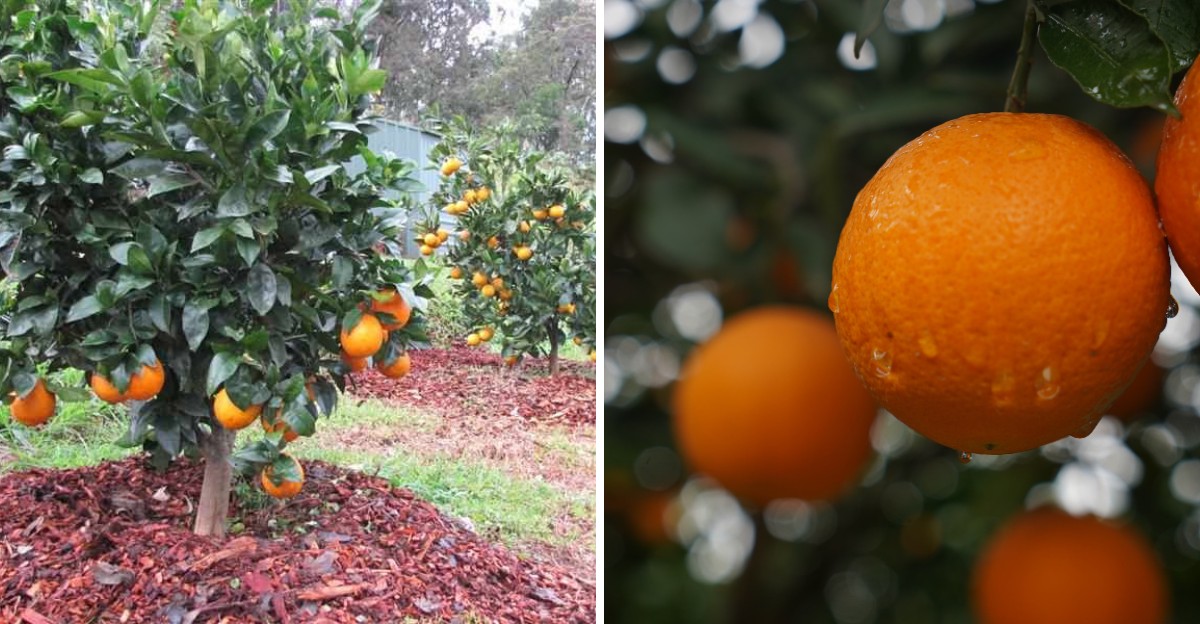
An orange can turn fully sweet while its peel stays stubbornly green. In warm regions, the skin often needs cool nights to lose its green color, yet the juice inside may already be ready to drink.
I find it fascinating that the fruit hanging in your yard right now is quietly building sugar day by day. Cooler November nights help that process along, and Florida backyards are full of trees doing this slow, sweet work.
You might be surprised by how little these trees ask of you this month. Too much help can backfire, especially with fertilizer, pruners, and sprays.
So what does a tree loaded with ripening fruit actually want from you in late fall? A few smart choices now can mean juicier picks by winter, and a few careless ones can cost you a whole flush of tender leaves.
1. That Fertilizer Bag Can Wait Until Late Winter
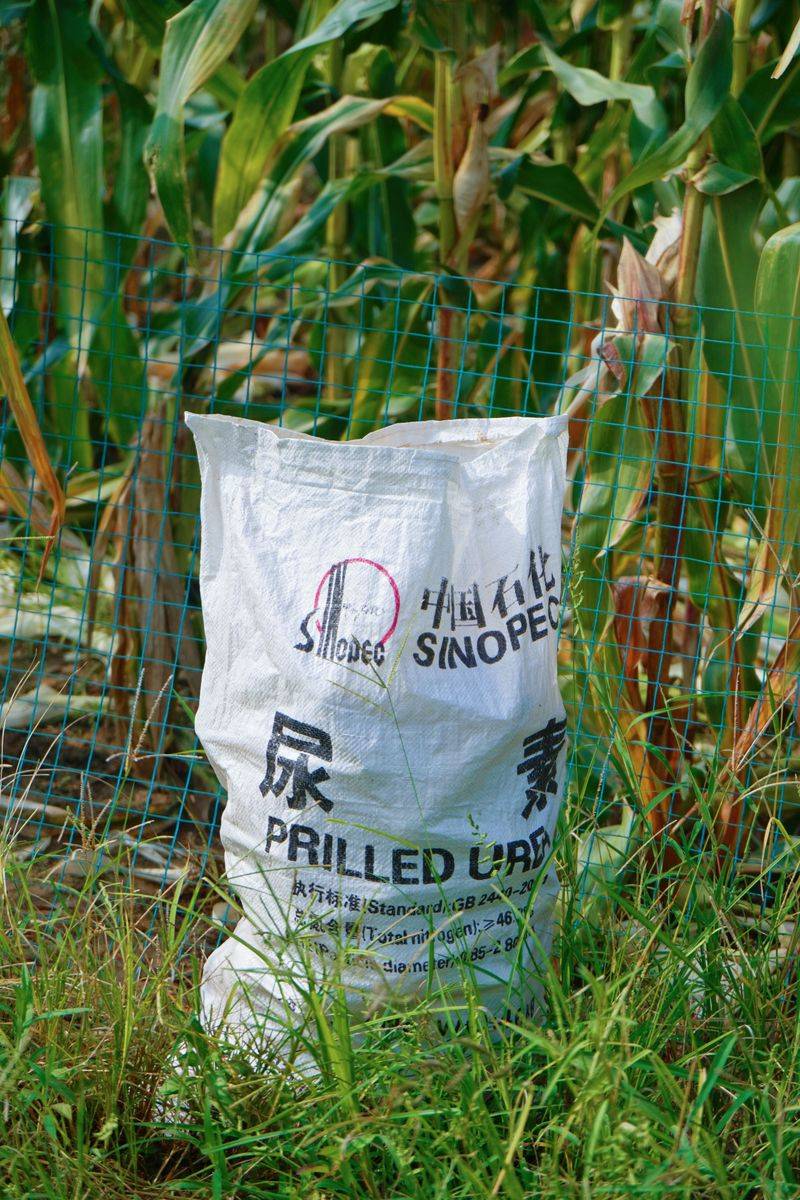
Most of the hard feeding work for backyard citrus is already done by November. University of Florida IFAS guidance spreads fertilizer through the growing season, with the last application for mature trees typically landing in early fall.
Extra nitrogen now sends the wrong message. It can push out a flush of soft new leaves right before the coldest weeks of the year, and that tender growth is the first thing to suffer when a chilly night rolls in.
New shoots also attract pests like Asian citrus psyllids, which feed on fresh growth.
Your tree is busy shifting energy into the fruit already hanging on the branches. Letting it focus on sugar and juice is the smarter move.
I like to think of November as a rest stop rather than a refueling station. If you applied a slow-release product in September or October, it is still feeding the roots gently in the background.
Mark your calendar for the next round instead. Many Florida gardeners pick fertilizing back up around February or March, once spring growth begins.
In North Florida, waiting until after the last likely frost makes good sense. Patience here protects both the leaves and your harvest.
2. Deep Soaks Keep Ripening Oranges Plump And Juicy
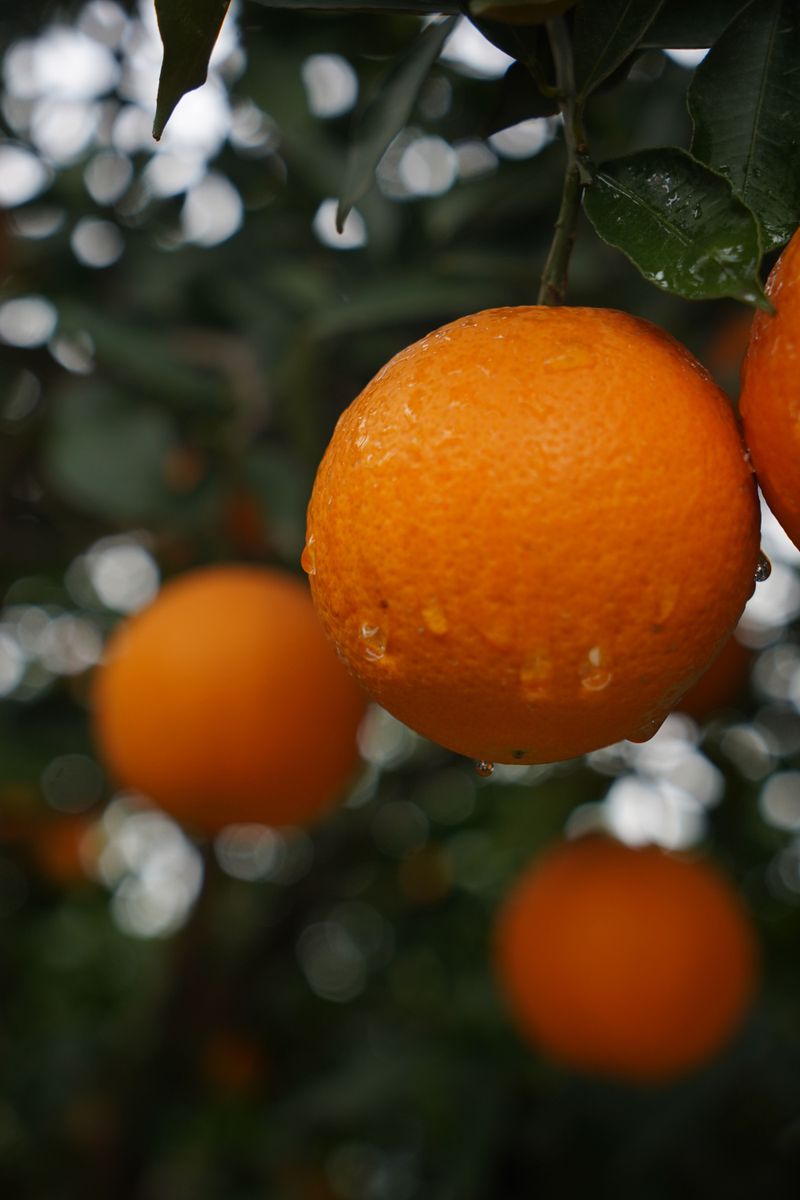
Juicy fruit starts with steady moisture at the roots. As the weather cools, your citrus will drink less than it did in July, but it still needs water while the fruit finishes sizing up.
Fall marks the start of the dry season across much of the state. Rainfall usually drops off from roughly October through May, so a sprinkler-free yard can get thirsty faster than you expect.
A deep soak once or twice a week works better than a quick daily sprinkle for an established tree. Deep watering encourages roots to reach down where the soil stays moist longer.
Young trees in their first year or two need more frequent attention, sometimes a few times a week.
Wild swings matter too. A bone-dry stretch followed by a heavy drenching can contribute to fruit splitting, especially in navels and some tangerines.
Try the finger test before you grab the hose. Push a finger a couple of inches into the soil under the canopy.
If it feels dry, water slowly and thoroughly. If it still feels damp, give it another day or two.
Soggy soil is no friend to citrus roots either, so drainage counts.
3. Green Peels Don’t Mean Your Citrus Isn’t Ready
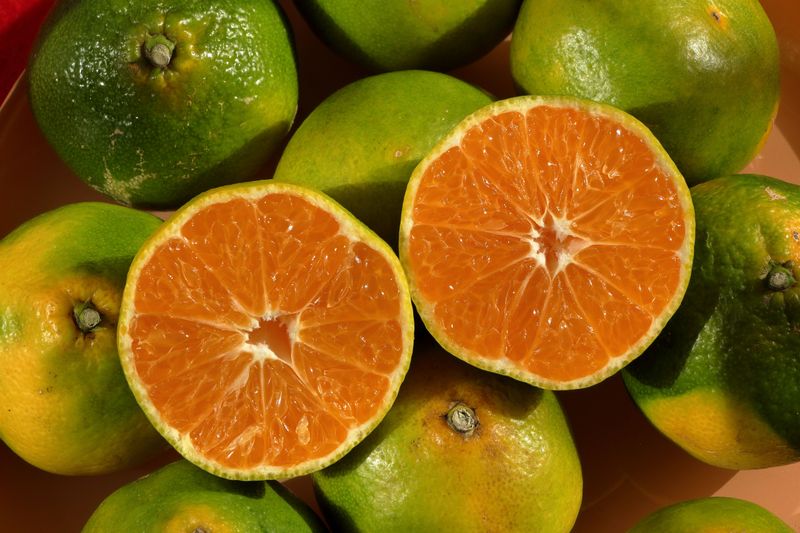
Plenty of gardeners wait too long because the peel still looks green. In a warm climate, skin color is a poor clue to ripeness.
Citrus peel loses its green when cool nights break down chlorophyll in the rind. Florida often stays warm well into fall, so fruit can be sweet inside while still wearing a greenish coat.
Commercial growers sometimes use a process called degreening for exactly this reason.
Fun fact, citrus does not keep getting sweeter after you pick it. Unlike bananas or peaches, the sugar level is basically locked in once the fruit leaves the branch.
That makes the taste test your best tool. Pick one fruit, cut it open, and judge the juice.
If it tastes balanced and sweet, start harvesting. If it still puckers your mouth, wait a couple of weeks and try again.
Fruit also holds well on the tree. Many varieties can hang for weeks while the flavor keeps improving, so you can pick as you need them.
Satsumas and many navels are often ready in fall, while Valencias wait until spring. Check your variety’s season before you judge.
4. Put The Pruning Shears Down For Now
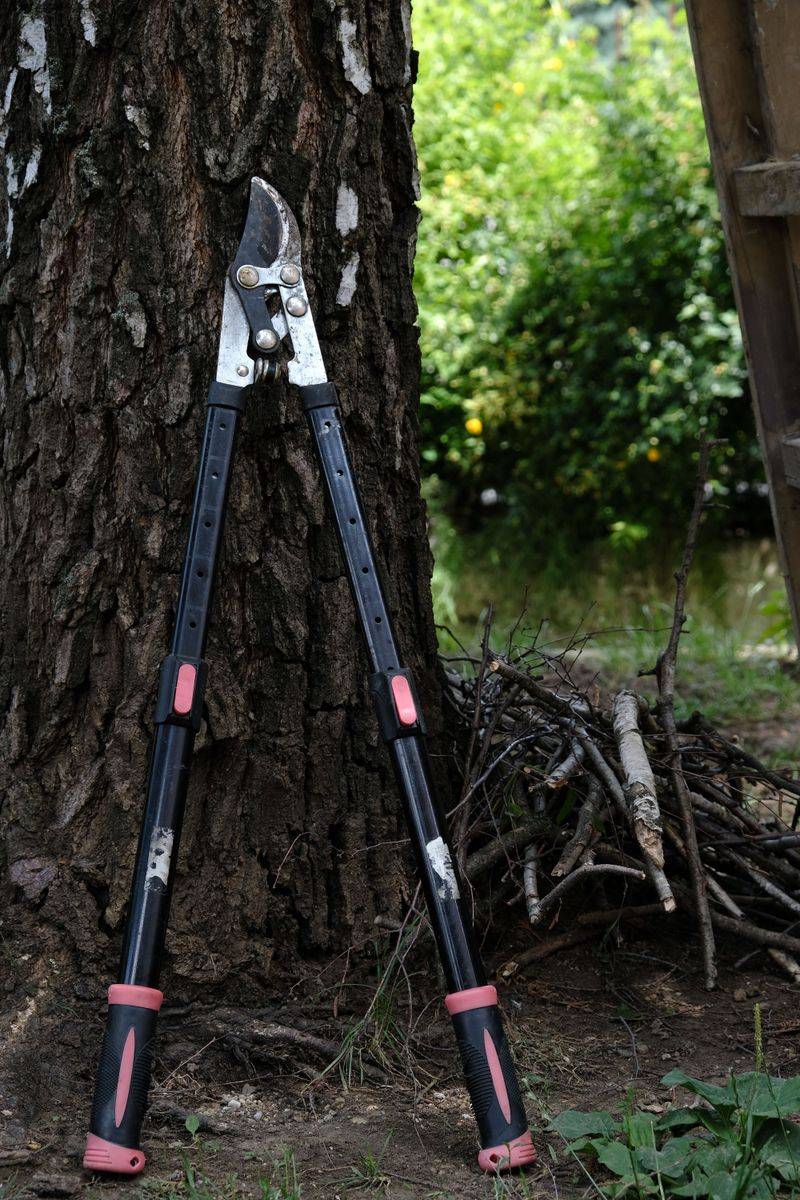
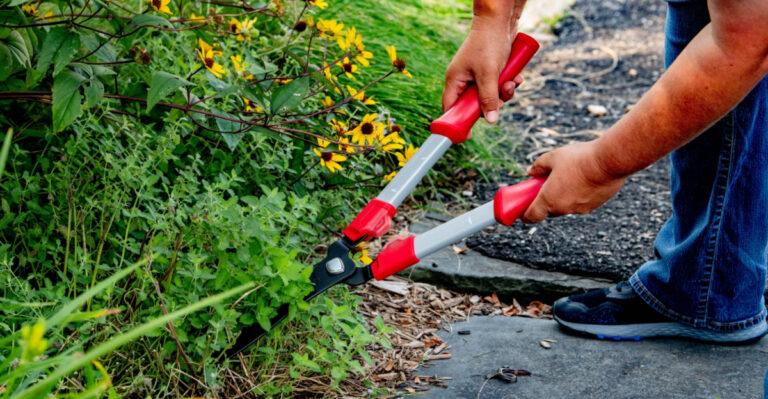
Grabbing the loppers on a cool fall afternoon feels productive. For citrus, though, heavy cutting in November usually causes more trouble than it solves.
Pruning wakes up dormant buds. That means a burst of soft new shoots just as the weather turns, and those shoots are easily hurt by cold.
In Central and North Florida, where frosts are more common, this risk is very real.
Big cuts also remove leaves that feed your ripening fruit. Fewer leaves can mean smaller, less flavorful oranges or grapefruit this season.
Light cleanup is a different story. Feel free to snip out broken limbs, branches with obvious disease, or shoots rubbing against each other.
Clean your blades between cuts, especially if you suspect a disease problem like citrus canker or greening.
Watch for sprouts from below the graft union too. These suckers come from the rootstock and steal energy, so removing them anytime is fine.
Save real shaping for late winter or early spring, after the cold risk passes and before the big growth flush. Your tree recovers faster then, and new branches have the whole warm season to toughen up.
5. Look Closely At Citrus Leaves For Mites And Scale
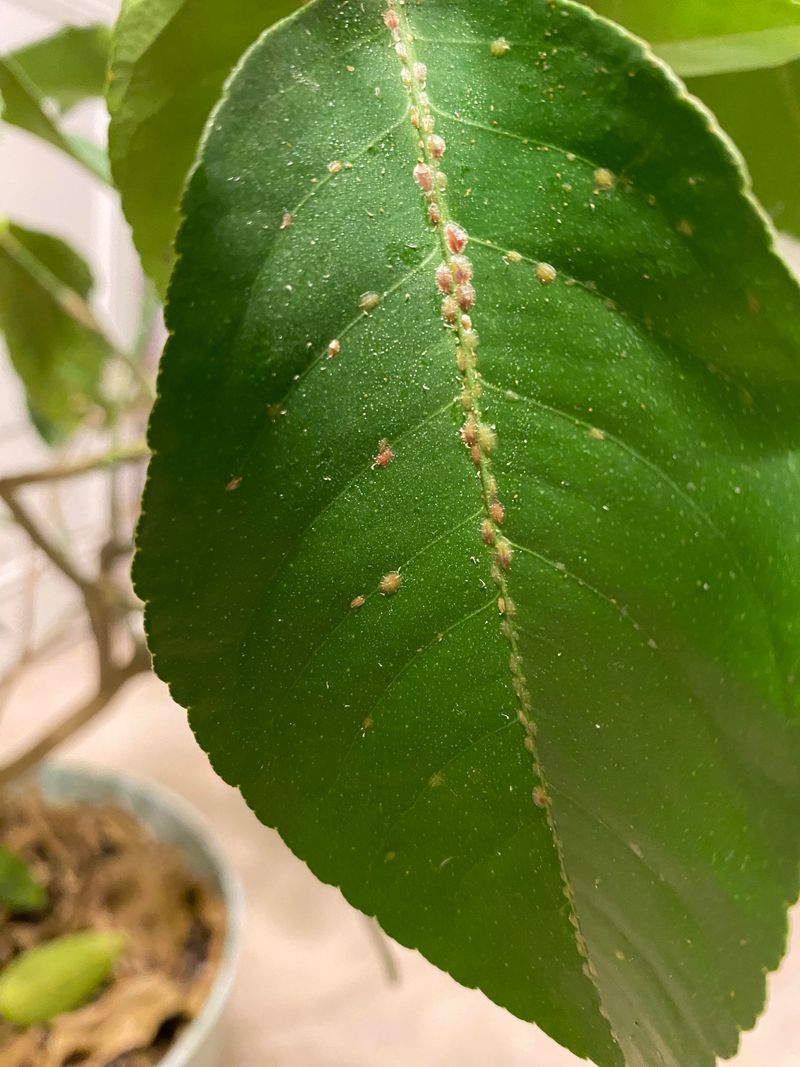
Bugs in Florida don’t take much of a fall vacation. Warm, dry stretches in late summer and early fall can actually favor rust mites and spider mites on citrus.
Grab a hand lens and flip a few leaves. Rust mites can leave fruit with a bronze or dull russet look, while spider mites cause tiny pale speckles on leaves.
Scale insects appear as small bumps stuck to stems and leaf undersides.
Timing matters with sprays. UF/IFAS advises against applying horticultural oil late in fall because it can increase cold sensitivity and interfere with fruit color and quality.
Many guides suggest wrapping up oil sprays by October.
Cosmetic marks on the peel usually don’t affect the juice inside. Russeted fruit often tastes perfectly fine, so you may decide to simply live with it this season.
Keep an eye out for Asian citrus psyllids on any new shoots. These tiny insects spread citrus greening, a serious disease across the state.
Report suspected cases to your county extension office for advice. Jot down what you find now, so you know what to plan for when spring growth returns.
6. Frost Cloth And Moist Soil Can Save A Chilly Night
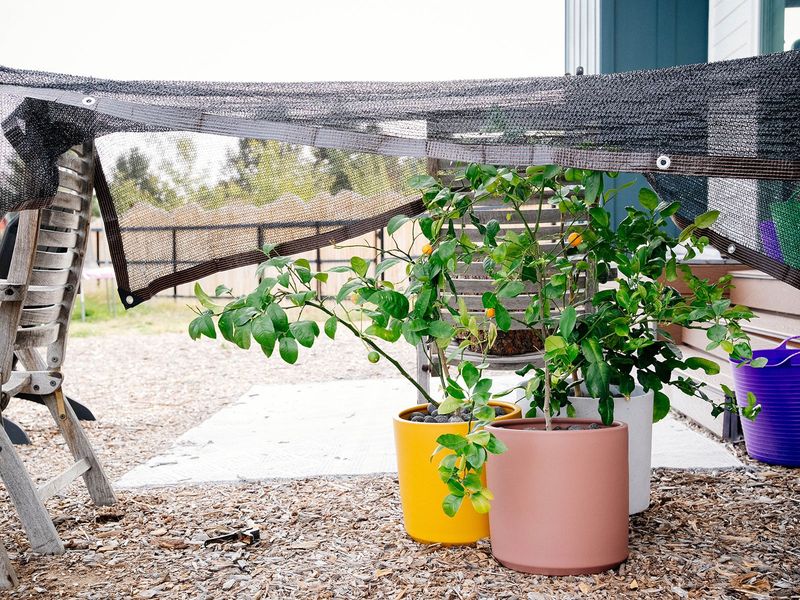
A surprise cold snap in late fall is less rare than many newcomers expect. North Florida can see frost by late November, and Central Florida gets the occasional scare too.
Preparation beats panic. Keep frost cloth or old bedsheets handy, plus a few clips or bricks to hold them down.
Covers work best when they drape all the way to the ground. That traps warmth rising from the soil.
Avoid plastic touching the leaves, since it can transfer cold and cause damage. Pull covers off the next morning once temperatures climb.
Moist soil holds and releases more heat than dry soil. Watering a day or so before a predicted freeze can give your tree a small but helpful boost.
Young trees are the most vulnerable. Some gardeners wrap the trunks of small trees with insulating material to protect the graft area.
Potted citrus is easy to roll into a garage or porch for the night.
Ripe fruit can handle a light frost, but hours below about 28 degrees may injure it. If a hard freeze threatens, pick the ripe fruit first.
Juice from frozen fruit can dry out later.
7. A Mulch Ring Around The Trunk Helps More Than You’d Guess
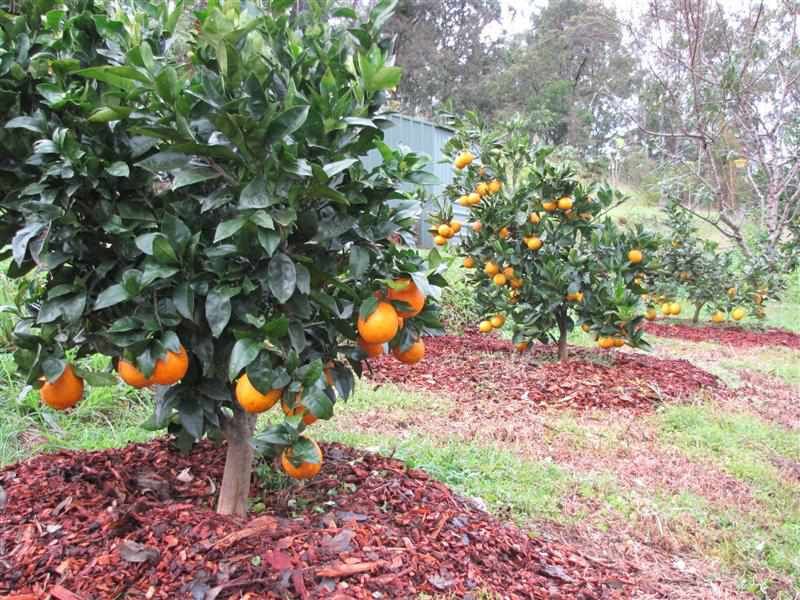
Mulch is one of those cheap, quiet helpers that makes almost everything else easier. A layer over the root zone holds moisture during the dry months and evens out soil temperatures.
Aim for two to three inches of wood chips, pine straw, or shredded leaves. Spread it wide, ideally out toward the edge of the canopy.
Leave the trunk bare. Keep mulch pulled back roughly a foot from the base, because damp material pressed against citrus bark encourages foot rot, a common Phytophthora problem in Florida yards.
UF/IFAS suggests keeping the area right around the trunk open and dry.
Weeds and grass compete with your tree for water and nutrients. A mulch ring cuts that competition and keeps mowers and string trimmers from nicking the bark.
Some cold-zone gardeners pull mulch away before a freeze, since bare soil can release more stored heat at night. Raking it back for a frosty spell, then returning it later, is a simple trick.
Fallen leaves from your own yard make fine free mulch. Just avoid piling on diseased citrus leaves that could carry problems back to the tree.
8. Picking Sweet Florida Navels And Tangerines Is Your Reward
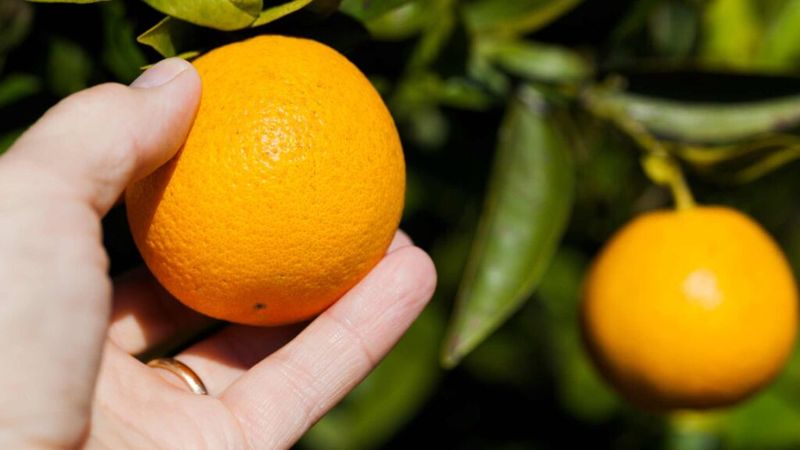
November is when backyard patience starts to pay off. Many navel oranges, satsumas, early tangerines, and grapefruit come into season across Florida during fall and early winter.
Harvest with a gentle twist or use clippers to snip the stem just above the fruit. Yanking can tear the peel, and torn fruit spoils faster on the counter.
Pick as you go. Since citrus stores nicely on the tree, you can enjoy fresh fruit for weeks rather than stripping every branch at once.
Just don’t leave fruit hanging so long that it turns dry or puffy, which happens with some tangerines.
Clean up fallen or rotting fruit under the canopy. It attracts flies and rodents and can harbor fungus.
Take notes now, while the flavor is fresh in your mind. Which tree produced the sweetest fruit?
Did any branches split or drop early?
Those simple observations guide your spring plan for fertilizing, pruning, and pest checks. Gardening rewards memory as much as muscle.
Share a bag with the neighbors, squeeze a glass of juice, and enjoy the payoff of a season of quiet, steady care.