10 Native Florida Trees to Plant Instead of Bradford Pear for Spring Blooms
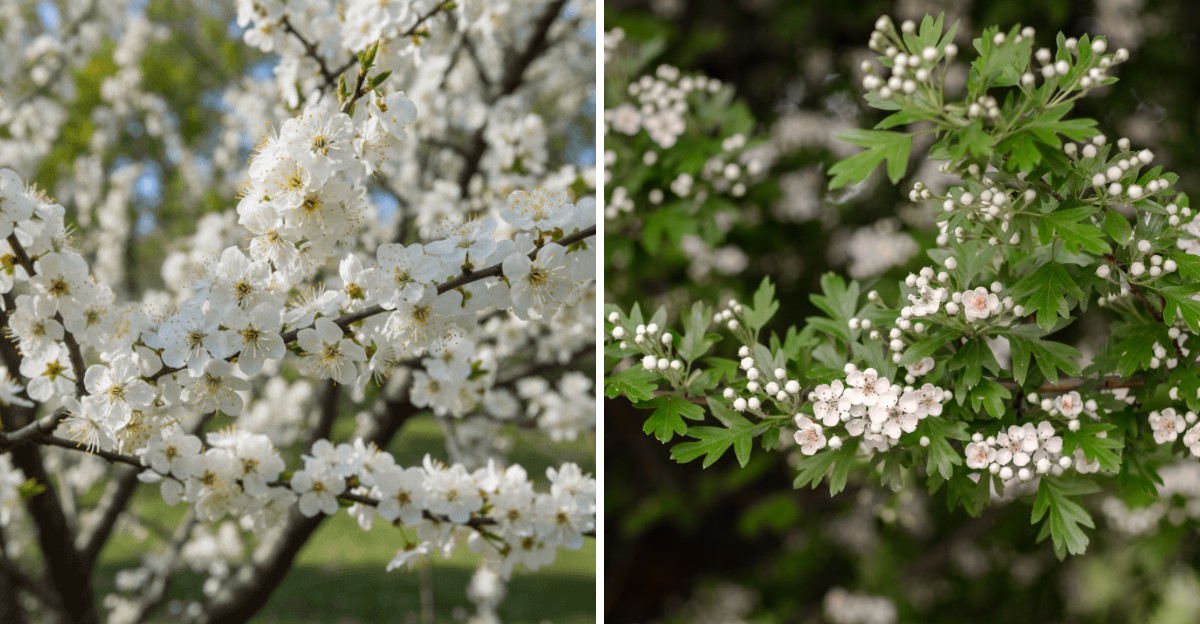
The snowy blossoms lining many Southern roadsides each spring smell surprisingly like a forgotten bag of shrimp. That ornamental pear also tends to split apart in storms because its branches grow at tight, weak angles.
Worse yet, its seedlings cross with other pears and form thorny thickets that crowd out native woodland plants. Several Southern states now discourage planting it, and some even pay residents to swap it for better trees.
I have to admit that I once admired those fluffy clouds of white flowers from my car window. You deserve spring color in Florida without the fishy smell or the snapped limbs after summer storms.
Native Florida trees put on shows just as lovely, and many feed bees and birds along the way. Which homegrown bloomer deserves that sunny corner of your yard when the next spring arrives?
1. Eastern Redbud
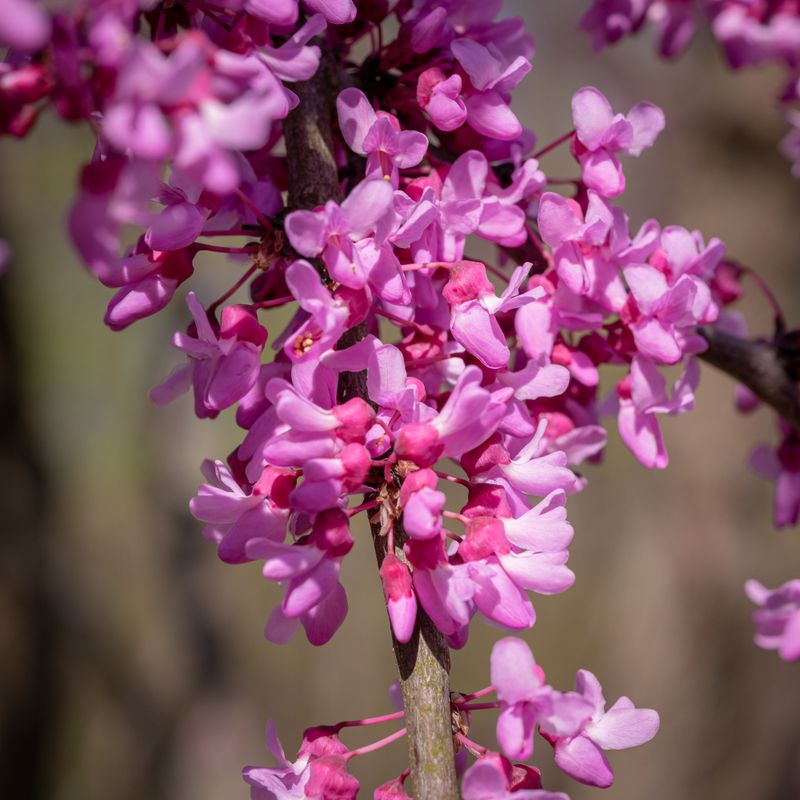
Pink blossoms pop straight out of the bare gray bark on redbud, even sprouting along the main trunk. I love how the branches look dipped in magenta paint while every other tree still looks sleepy.
Flowers usually open in late winter or early spring, well before the soft heart-shaped leaves unfold. Early bees love that timing, since few other nectar sources are open when the weather first warms.
Eastern redbud, Cercis canadensis, grows best in north and central parts of the state, roughly zones 8 and 9. Mature trees usually reach 20 to 30 feet tall, which makes them easy to fit near patios.
You will get the healthiest growth in well-drained soil, since soggy roots invite trouble with this species. Afternoon shade helps a lot in our heat, though morning sun keeps the flower show strong.
Personally, I think redbud shines most at the edge of a larger shade tree’s canopy, just like in the wild. Pair it with a dark evergreen backdrop, and those pink buds seem to glow on cloudy mornings.
Flat seed pods follow the flowers and hang on through summer, giving songbirds an occasional snack later on. The young flowers are edible too, and some cooks toss them into salads for a tangy pink garnish.
Plant a young container tree during the cool months, and water it often during its first growing season. Once roots settle in, redbud handles short dry spells far better than its delicate blooms suggest.
2. Flowering Dogwood
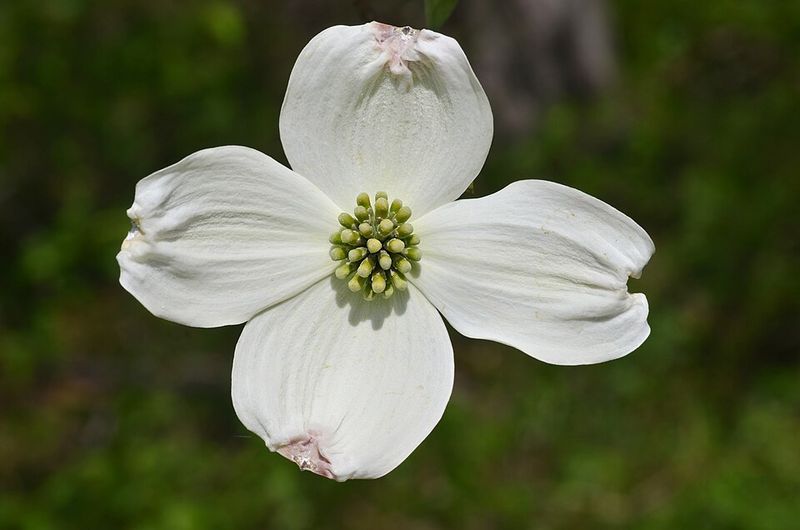
Those famous white petals on a dogwood are not petals at all, but four showy leaves called bracts. The real flowers are tiny greenish buttons in the center, and I find that sneaky trick delightful.
Cornus florida grows wild in north and central parts of the state, often under tall oaks and pines. Blooms usually appear in early spring, as the fresh leaves just begin to unfurl along each layered branch.
Most trees stay between 15 and 25 feet tall, with a graceful horizontal shape that looks lovely year-round. You might notice the bark forming small square plates, almost like alligator skin, as the trunk matures.
Dogwoods are fussy about roots, so give them rich, moist soil that drains well and stays slightly acidic. A thick layer of mulch keeps roots cool, but keep it pulled a few inches away from the trunk.
Morning sun with afternoon shade is the sweet spot here, since harsh heat can scorch the thin leaves. Avoid hitting the trunk with mowers or string trimmers, because bark wounds invite disease and boring insects.
Glossy red fruits ripen in fall and attract many birds, including cardinals and hungry migrating thrushes passing through. Leaves often turn a rich burgundy at the same time, giving you a second season of color.
I believe a single dogwood near a window offers more joy per square foot than most landscape trees. Choose a locally grown tree when possible, since southern stock handles our long summers much better.
3. Fringetree
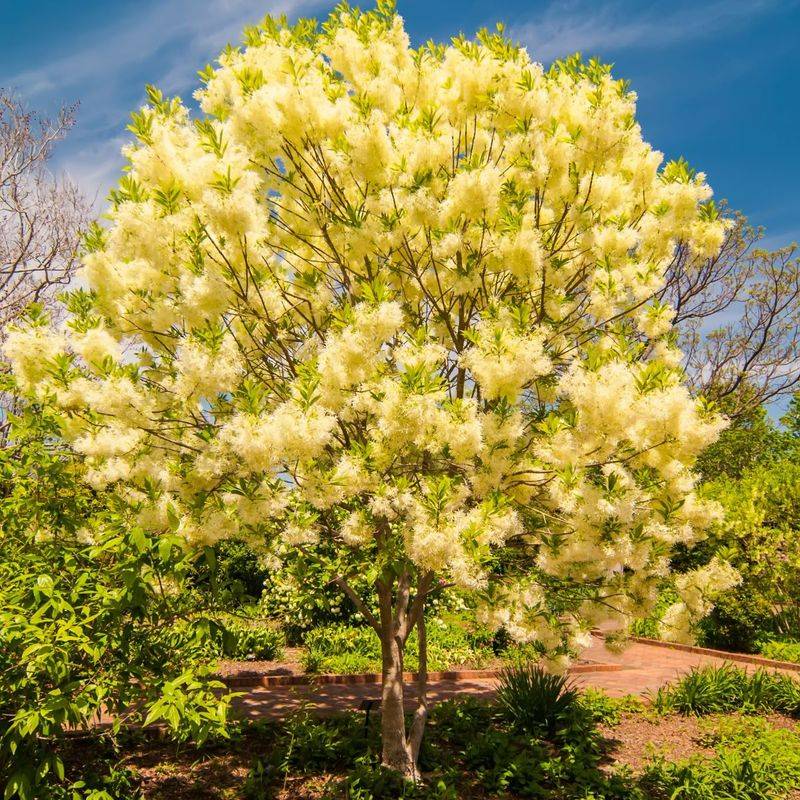
Fluffy white ribbons dangle from fringetree branches in spring, making the whole plant look dusted with fresh snow. Its genus name, Chionanthus, means snow flower, and honestly nobody could have picked a better name.
Locals sometimes call it old man’s beard, which makes sense once you see those wispy hanging clusters. The blooms carry a light sweet fragrance, so plant one near a path where noses can enjoy it.
Chionanthus virginicus is native to north and central regions, usually reaching 12 to 20 feet tall at maturity. It often grows as a multi-trunk small tree, which gives it a soft, natural look in mixed borders.
You can grow fringetree in full sun or part shade, though flowering is heaviest with more light. Moist, fertile soil suits it best, but established plants handle moderately dry spells surprisingly well over time.
Male and female flowers usually grow on separate trees, and the male trees tend to have showier blossoms. Female trees make up for it later with dark blue olive-like fruits that birds gobble up quickly.
Did you know fringetree belongs to the olive family, making it a distant cousin of the kitchen olive? That family tie explains the shape of the fruit, though you should leave those berries for wildlife.
Personally, I love that this tree stays tidy and slow-growing, rarely needing any pruning beyond light shaping. Leaves arrive a bit late in spring, so be patient if it looks bare while neighbors leaf out.
4. Red Maple
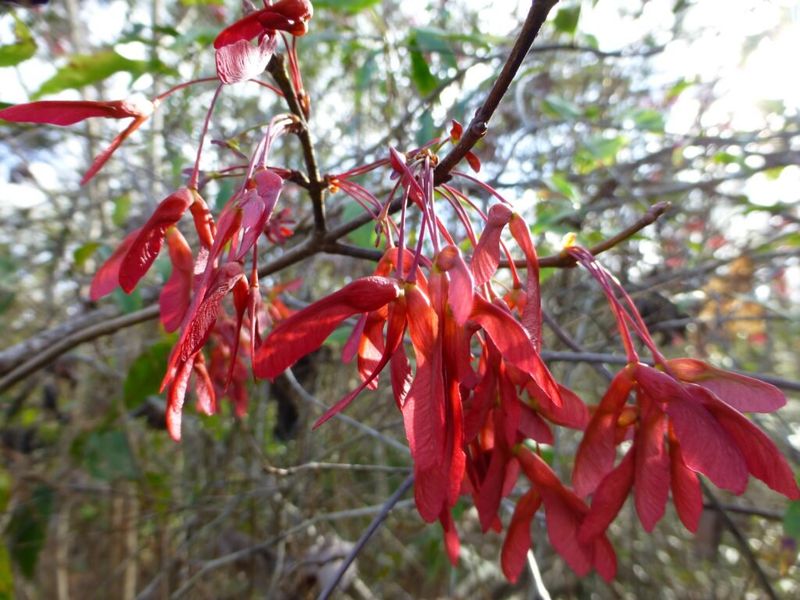
Red maple often blooms while the calendar still says winter, coating bare branches in tiny crimson flowers. Driving past a swamp edge in late January, you might spot a rosy haze before anything else stirs.
Right after the flowers, winged seeds called samaras appear in shades of red, and they twirl like helicopters. Kids love tossing them into the air, and squirrels love eating them, so everybody wins in your yard.
Acer rubrum grows naturally across most of the state, and the native variety handles southern heat with ease. Expect a tall shade tree, often 40 to 60 feet, so give it plenty of room away from roofs.
This maple handles wet ground better than most, which makes it a smart pick for low, soggy corners. It also tolerates drier soils once established, though growth slows and leaves may stress during drought.
Plant it in full sun to part shade, and keep at least 15 feet away from sidewalks and driveways. Shallow roots can lift pavement over time, so planning the spot carefully now saves headaches years later.
I have to admit red maple is not a showy bloomer up close, since each flower is quite small. From a distance, though, the whole crown glows, and early bees appreciate the pollen during chilly weeks.
Choose trees grown from local seed sources, because northern cultivars often struggle in our long, hot summers. Fall color in southern regions can be modest, but the late winter flower show makes up for it.
5. Flatwoods Plum
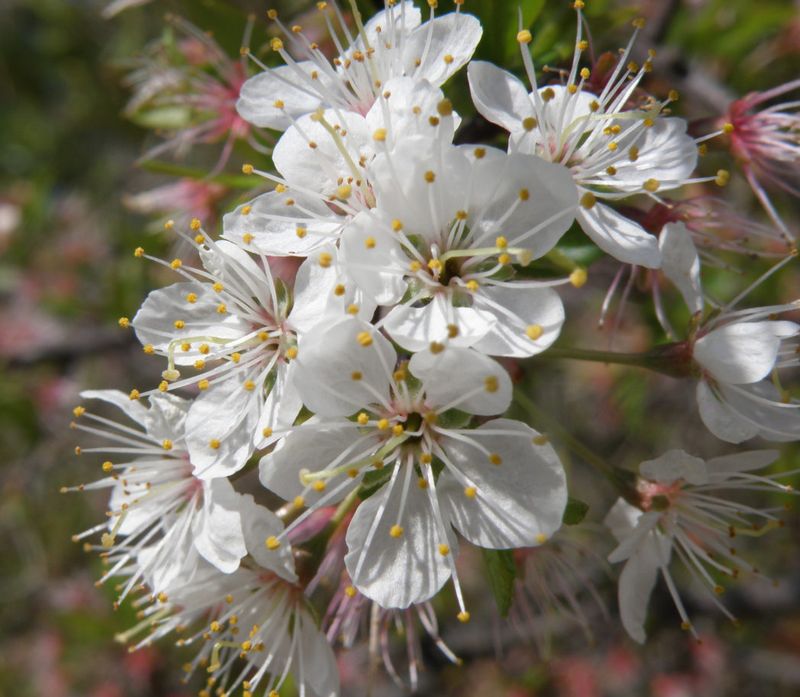
Flatwoods plum looks like a popcorn explosion in early spring, with white blossoms crowding every twiggy branch. Each tiny flower sports a fuzzy ring of yellow-tipped stamens, so close up it sparkles like confetti.
Prunus umbellata is native to north and central regions, where it grows wild in sandy pinelands and hammocks. Most plants stay around 10 to 20 feet tall, perfect for small yards that cannot handle a giant.
Blooms usually open in late winter to early spring, often before the leaves fully appear on the branches. Native bees and early butterflies swarm the flowers on warm afternoons, and the buzzing is genuinely relaxing.
Small plums follow in summer, ripening from red to dark purple, and they taste quite tart off the tree. Many folks cook them into jelly or sauce, but be sure to discard the pits first for safety.
Wildlife gets excited too, because raccoons and plenty of songbirds happily snack on any fruit that drops. I like how one tree can feed bees in spring and critters in summer without any extra effort.
This plum prefers well-drained soil and handles sand, clay, or loam once its roots are established. Full sun gives you the heaviest bloom, though light afternoon shade still produces a very respectable show.
Unlike some plums, flatwoods plum rarely suckers into thickets, so it behaves nicely as a single specimen tree. Plant two or more for better fruit set, since cross-pollination helps the branches load up with plums.
6. Chickasaw Plum
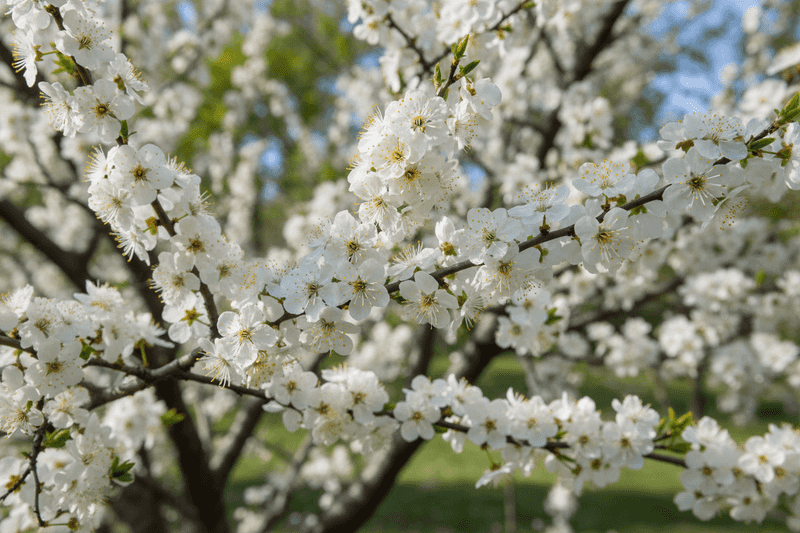
Chickasaw plum is the friendly rebel of native trees, happily spreading into little thickets wherever it feels welcome. Birds and rabbits adore those dense clumps, because the twiggy tangle offers great cover from hawks.
Clusters of small white flowers open in late winter, and their sweet honey scent drifts across the yard. You might notice the blooms arrive a week or two ahead of many other spring trees.
Prunus angustifolia grows in north and central regions, usually topping out around 12 to 20 feet tall. The narrow, shiny leaves and reddish twigs give it a neat look even after the flowers fade away.
Fruit ripens in early summer, turning from yellow to red, and makes a bright, tangy homemade jelly. Remove the pits before cooking, since plum seeds contain compounds that are unsafe to eat in quantity.
This tough little tree thrives in dry, sandy soil and loves full sun, though partial shade works too. Once established, it shrugs off heat and drought, which makes it a smart choice for coastal or sandy lots.
Personally, I treat its suckering habit as a feature and let it fill a wild corner near the fence. If you prefer a single trunk, simply clip new shoots at ground level a few times each year.
Some branches carry small thorny spur twigs, so plant it away from play areas and busy walkways. Historically, Native Americans cultivated this plum, which explains its name and why it often grows near old homesites.
7. Red Buckeye
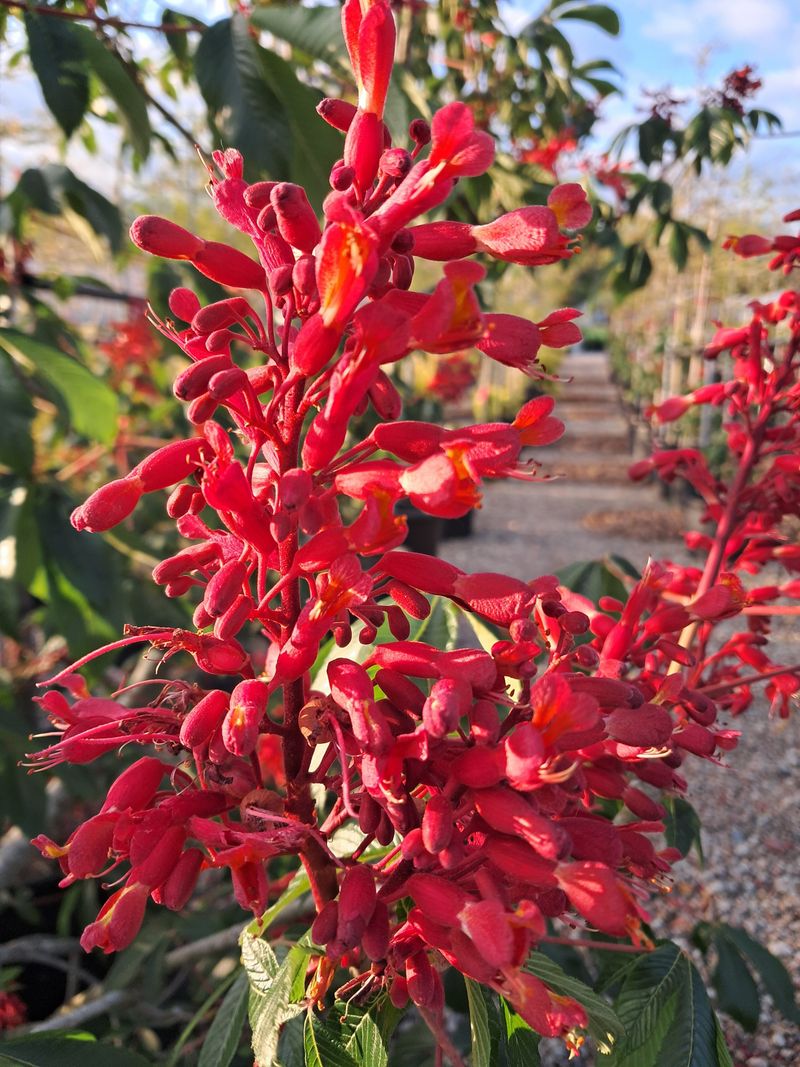
Hummingbirds seem to follow red buckeye on a schedule, arriving just as its scarlet flower spikes open. Those upright tubes look like tiny candles glowing on the branches, and they catch your eye instantly.
Aesculus pavia blooms in early spring across north and central regions, often right as ruby-throated hummingbirds migrate north. That timing makes it one of the best natural feeders you can plant for these tiny travelers.
Most plants grow 10 to 20 feet tall in gardens, often as a multi-stemmed small tree. Glossy leaves shaped like an open hand follow the flowers, giving the plant a tropical look in spring.
I have to admit this tree has one quirky habit, since it often drops leaves by late summer. Plant it among other shrubs so the early bare look blends in rather than standing out in the yard.
Red buckeye prefers rich, moist soil that drains well, and it loves light shade under taller trees. Morning sun helps flower production, while afternoon shade protects the leaves from scorching during long hot months.
Shiny brown seeds form inside leathery husks in fall, and they look a lot like chestnuts. Every part of the plant is toxic if eaten, so keep curious kids and pets away from fallen seeds.
Fun fact, early settlers reportedly crushed the roots and seeds to make a soapy lather for washing clothes. Today, the main reason to grow it is simple, because few native plants bloom such a vivid red.
8. Parsley Hawthorn
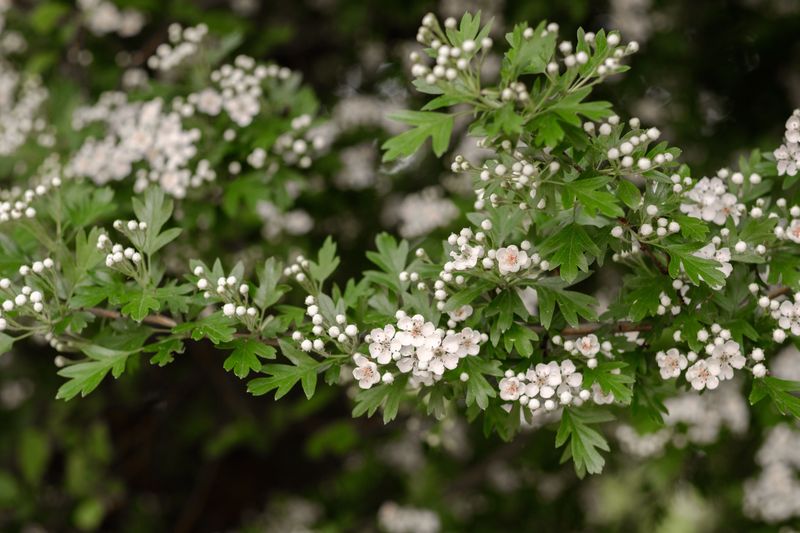
Parsley hawthorn gets its name from lacy leaves that look like they belong in a kitchen herb pot. In early spring, those leaves share space with clusters of white flowers topped by pinkish red anthers.
Crataegus marshallii is native to north and central parts of Florida, growing in moist woods and floodplains. Most trees stay around 15 to 25 feet tall, often with an attractive crooked trunk and spreading crown.
The bark peels away in mottled patches of gray and orange, adding interest during the cooler months. I believe this tree looks good in every season, which is rare for a small flowering native.
Small bright red fruits called haws ripen in fall, and birds like mockingbirds and cedar waxwings eat them eagerly. Native bees and small flies visit the spring flowers, so the tree supports wildlife twice each year.
Plant it in sun to part shade, in moist soil that drains reasonably well between heavy rains. It handles a range of soils, including some clay, once the roots have a season to settle.
Watch for thin thorns along the branches, so place it a bit back from busy paths and gates. Those thorns also make it a safe nesting spot for songbirds trying to avoid cats and hawks.
Hawthorns can catch cedar-apple rust, but parsley hawthorn usually stays healthier than many of its relatives. Ask a local native nursery for it, since big-box stores rarely carry this lovely little understory gem.
9. Southern Magnolia
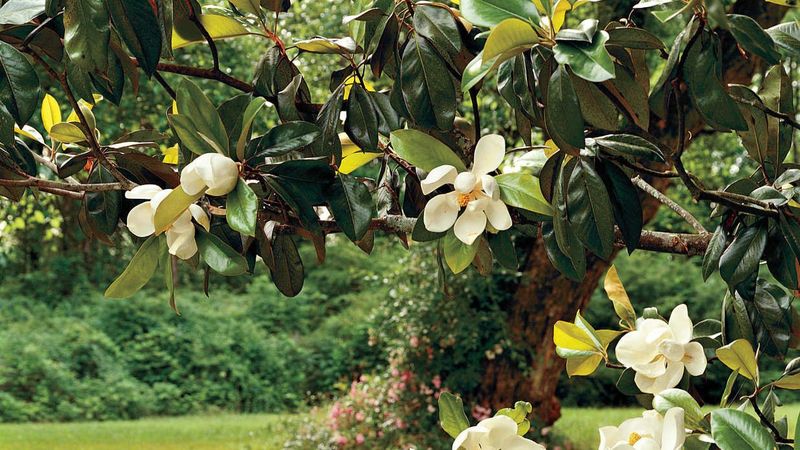
Southern magnolia flowers can stretch nearly a foot across, and their lemony perfume reaches you before you see them. I can’t imagine a more classic Southern sight than those creamy white cups resting among glossy leaves.
Blooms usually begin in late spring and continue on and off into summer, so the show lasts for weeks. Each flower opens for only a couple of days, but new buds keep appearing to replace the old ones.
Magnolia grandiflora grows naturally across most of the state and handles summer heat and sandy soils quite well. Be ready for size, because mature trees often reach 60 to 80 feet tall and 30 to 40 wide.
Give it plenty of space, at least 20 feet from buildings, and plan for heavy shade underneath. Grass struggles under those dense branches, so many gardeners simply let the lowest limbs sweep the ground instead.
Full sun to part shade works, and moist, well-drained, slightly acidic soil keeps leaves dark and glossy. Young trees need regular watering, but mature magnolias handle dry spells and salty breezes fairly well.
Fuzzy cone-like pods open in fall to reveal bright red seeds that birds and squirrels quickly snatch. Did you know magnolias are an ancient group that evolved before bees, relying largely on beetles for pollination?
If your yard is small, look for compact selections such as Little Gem, which stays closer to 20 feet. You still get those big fragrant blooms, just on a tree that fits beside a typical house.
10. Sweetbay Magnolia
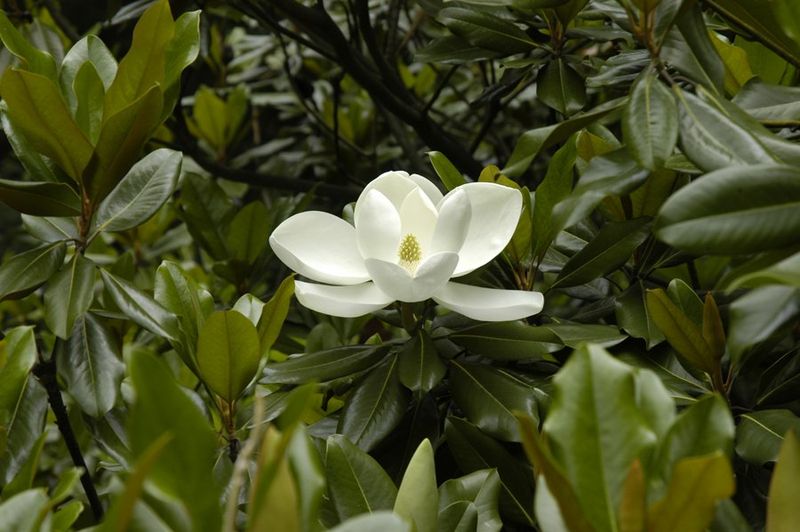
On a breezy Florida day, sweetbay leaves flash silver undersides, making the whole tree shimmer like a sparkly party dress. Then the flowers open, smelling of lemon and vanilla, and you might find yourself lingering on the porch.
Magnolia virginiana blooms from late spring into summer, often with scattered flowers continuing well into the warm months. The blossoms are smaller than its famous cousin’s, usually two to three inches across, but just as creamy.
This magnolia grows naturally in wet bayheads and swamp edges, so soggy spots in your yard suit it perfectly. It thrives in moist, acidic soil and works wonderfully in rain gardens or near retention ponds.
Height varies a lot, with many garden trees reaching 15 to 30 feet in a slender, airy shape. In southern areas it often stays evergreen, while trees farther north may drop some leaves in winter.
Full sun to part shade works well, and extra sun usually means more flowers for you to enjoy. Keep young trees watered during dry spells, since they are used to having damp feet in the wild.
Sweetbay feeds caterpillars of the sweetbay silkmoth and certain swallowtail butterflies, so a few chewed leaves are normal. Red seeds pop from the pods in late summer, and songbirds snap them up within days.
Personally, I think sweetbay is the perfect pick for anyone who loves magnolias but lacks space for a giant. Plant one near a window, and you will catch that sweet fragrance drifting inside on warm evenings.