Pruning Gardenias In Georgia This Fall Cuts Off Next Summer’s Flowers
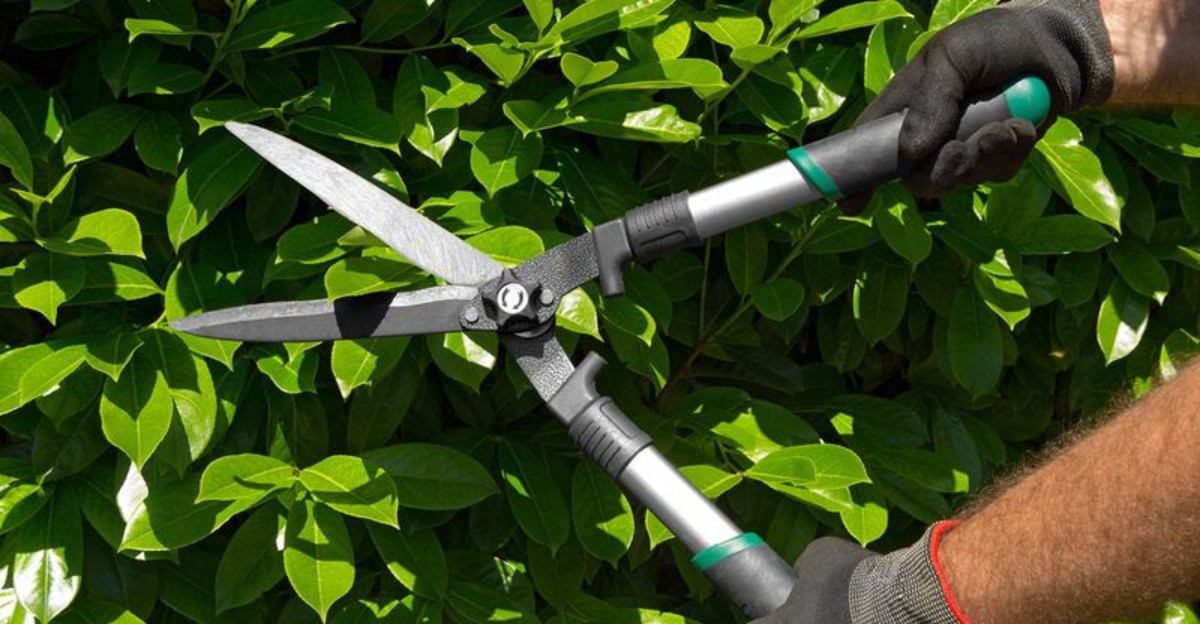
A gardenia that has grown wide and shaggy by fall can make you want to grab the pruners right away.
That urge is understandable, but this is not the best time to start shaping the shrub.
Gardenias should generally be pruned after they finish flowering rather than in fall. Cutting them back later in the season can encourage tender new growth that may be vulnerable when colder weather arrives.
That fresh growth may not have enough time to harden before temperatures begin dropping in Georgia.
Plenty of homeowners reach for the pruners during fall cleanup without realizing that waiting is the safer choice.
If yours needs shaping, leave it alone for now and save that job for the proper pruning window after flowering.
1. A Fall Trim Can Cost You Flowers Next Summer
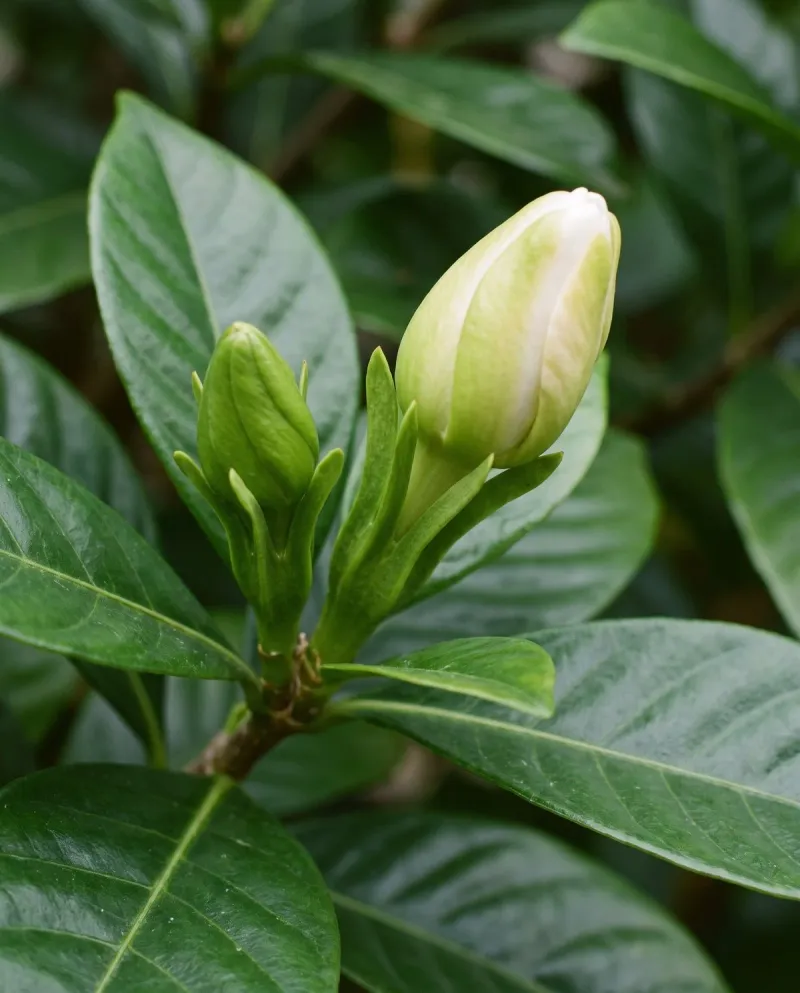
Snip a gardenia in October, and you might be tossing next June’s flowers into the yard waste bin. Those buds are tiny and green right now, so they are easy to miss.
Most gardenias produce their flowers on new growth, which is why pruning at the right time matters.
Pruning in fall can encourage fresh growth just as the shrub should be preparing for colder weather. Those tender shoots may not have enough time to harden before temperatures drop.
Here in Georgia, gardeners sometimes prune in fall simply because the yard work season is winding down. It feels like a good time to clean everything up before winter.
With gardenias, that tidy-up habit can backfire and leave you with a green shrub and very few blooms.
Plenty of other factors affect flowering too, including sunlight, soil acidity, water, and weather. Still, removing budded stems is one of the most common reasons a healthy gardenia skips a season of flowers.
If shape bothers you, try to live with it a few more months, since the payoff arrives when summer blooms open.
2. Gardenias Need Their Mature Growth Left In Place
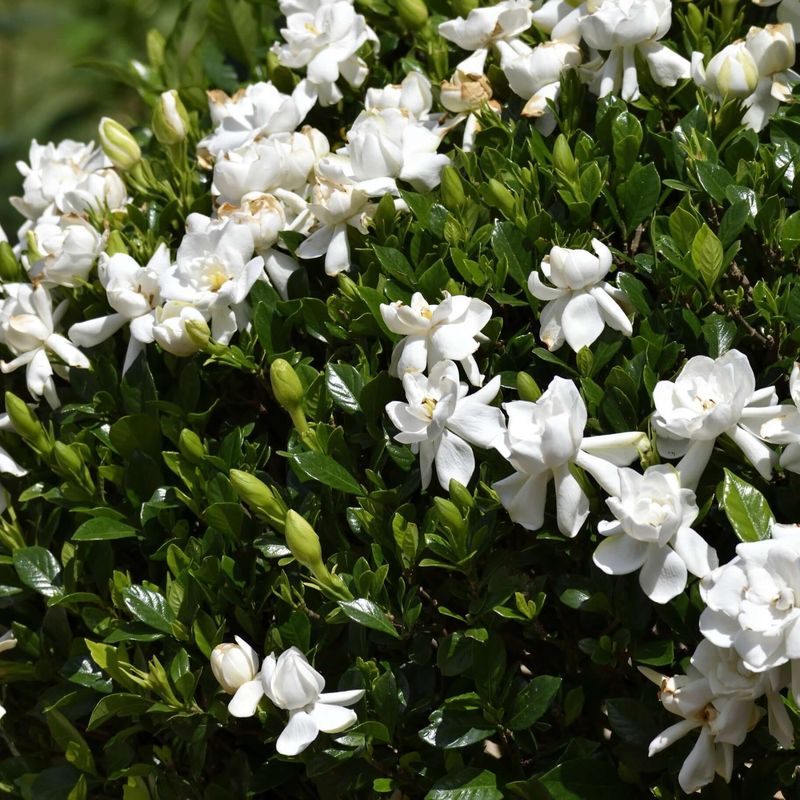
Older stems do the heavy lifting on a gardenia. They hold the buds, store energy, and give the shrub its sturdy frame.
Gardenias flower on new growth, so routine pruning is best timed for shortly after the main flush of blooms ends.
Heavy pruning in fall can stimulate tender new shoots at a poor time of year. It can also leave the shrub looking thin and uneven for a while.
Mature foliage matters as well, since those leathery leaves help the plant make food through the cooler months.
Gardenias in Georgia usually keep their leaves through winter, although a hard freeze may cause some leaf damage. That evergreen habit helps the shrub stay active in mild spells.
If you want a smaller plant, a light shaping at the right time works better than a heavy fall cutback.
Choosing the right spot at planting time also helps, since a gardenia with room to grow needs less trimming over the years.
3. New Growth After Pruning Is More Vulnerable To Cold
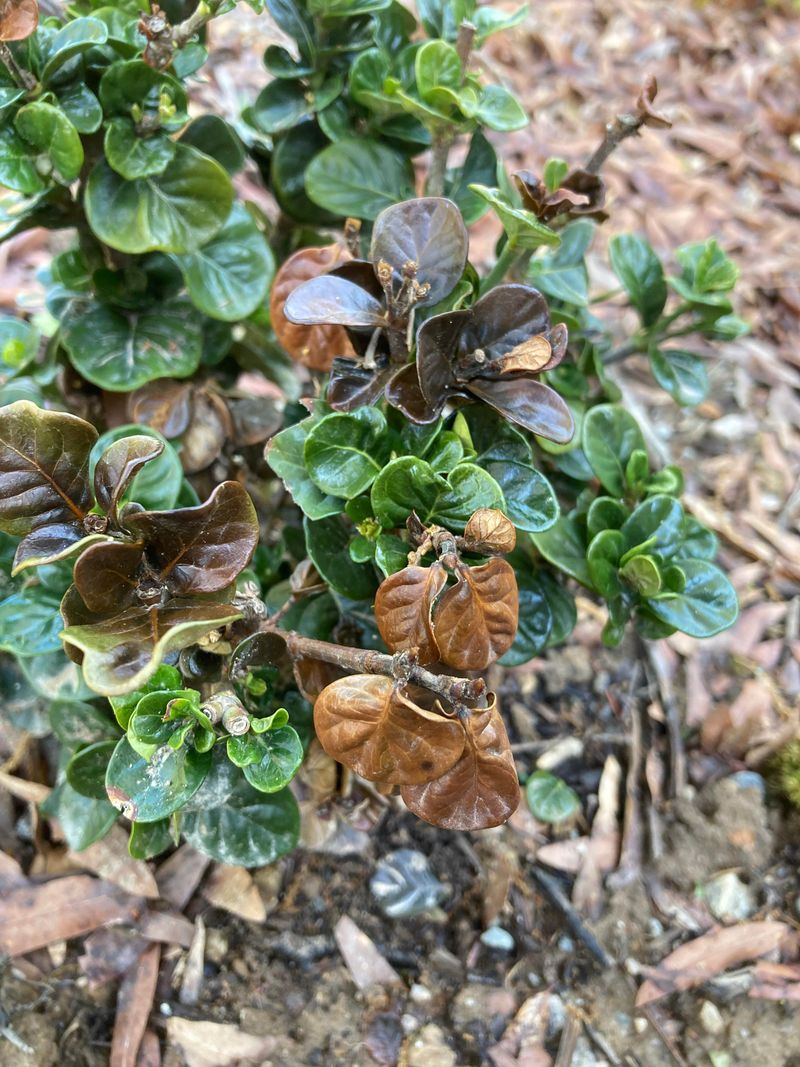
Cold weather has a way of finding the softest parts of a plant first. On a gardenia, those are the fresh shoots that pop out after a trim.
Your Georgia Garden Changes Every Week. Your Plan Should Too.
Gardening in Georgia changes quickly throughout the season. Every Friday you’ll receive a simple weekly plan showing exactly what to plant, prune, fertilize, harvest, and protect so you never miss the right timing.
Pruning signals the shrub to grow, even when the calendar says it should be slowing down.
If that happens in early fall, the plant may push out tender green stems during a warm stretch. Those shoots often have little time to harden off before the first frost arrives.
North Georgia tends to see frost earlier than the southern part of the state, sometimes by several weeks.
Soft new growth can turn brown or blackened after a cold night, depending on how low temperatures drop. Damaged tips may need to be removed later, which means even more lost growth.
Timing and variety both play a role in how much harm occurs.
Some gardenia types are more cold-tolerant than others, and a sheltered spot near a wall can help. A shrub in an open, windy area usually takes more of a hit.
Skipping the fall trim lets the plant slow down naturally and prepare for winter at its own pace.
A layer of mulch around the base can also help protect roots during chilly spells, though it cannot shield exposed shoots.
4. Reblooming Varieties Can Follow A Different Pattern
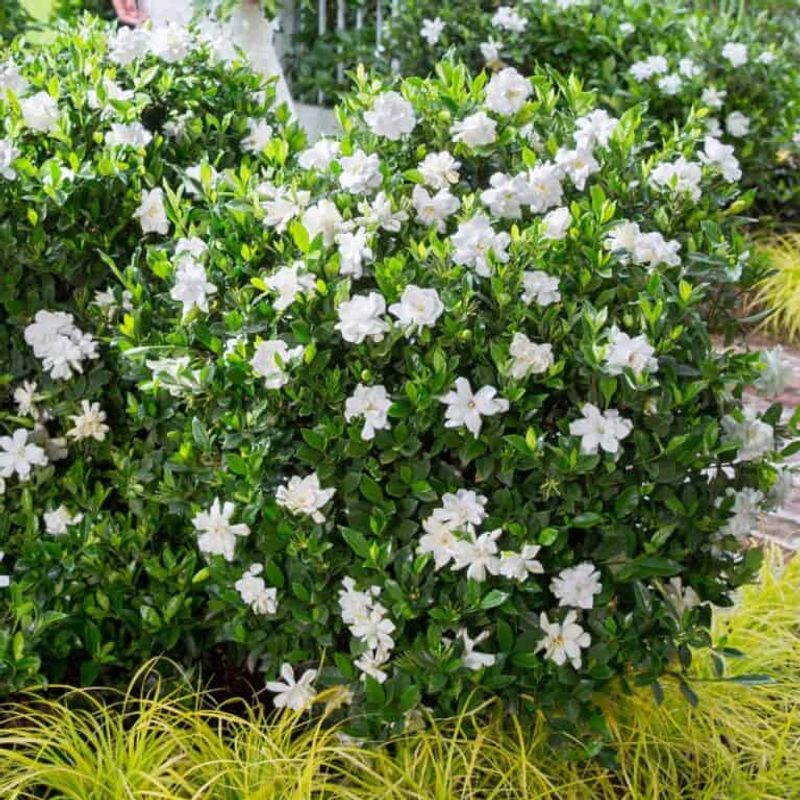
Not every gardenia sticks to one big flush of flowers. Some newer types keep producing blooms well past the usual early summer peak.
Reblooming varieties such as ‘Jubilation’ can produce additional flushes of flowers after their main bloom period.
Because of that, they may bounce back faster after a light trim than a classic gardenia would. Even so, heavy fall pruning can still reduce the flowers you see the next spring and summer.
Check the plant tag or ask your local nursery which type you have.
Knowing the variety changes how you plan your cuts. If the tag is long gone, watch the shrub for a season and note when it blooms.
Rebloomers in Georgia often put on their strongest show in late spring, then send out smaller waves as summer goes on. Heat, drought, and feeding habits can affect how steady those later blooms are.
A quick snip to remove spent flowers during the growing season is usually fine for these types.
Save any serious shaping for right after the first main flush fades. That approach gives new stems time to mature before cooler weather returns in fall.
5. Right After Flowering Is The Better Time To Prune
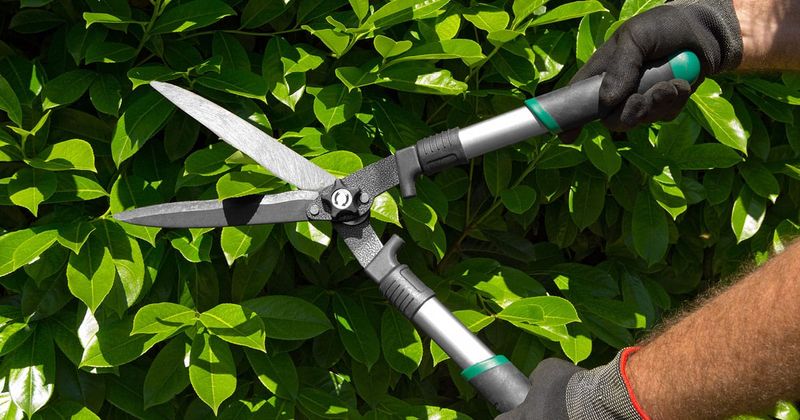
Once the last flowers turn brown, your pruners finally get their turn. That short window after blooming is the sweet spot for most gardenias.
In much of Georgia, the main bloom usually wraps up sometime in early to midsummer, depending on the variety and the weather.
Pruning soon after gives the shrub several weeks to grow new stems before it starts forming buds again. Those new stems then have a better shot at carrying flowers the following year.
Aim to finish any shaping by late July or so, though that is a general guide rather than a firm rule.
Keep the cuts light and targeted. Remove stems that stick out, cross over one another, or crowd the center of the plant.
Clean, sharp bypass pruners make neat cuts that heal more easily than crushed or torn stems.
Wiping blades with a household disinfectant between plants can help reduce the spread of disease. It only takes a few seconds and is a good habit for any shrub work.
Try not to remove more than about a third of the plant in one season.
A gentle approach keeps the shrub full and healthy, and it helps avoid stress during hot summer weather.
6. Damaged Branches Do Not Have To Wait
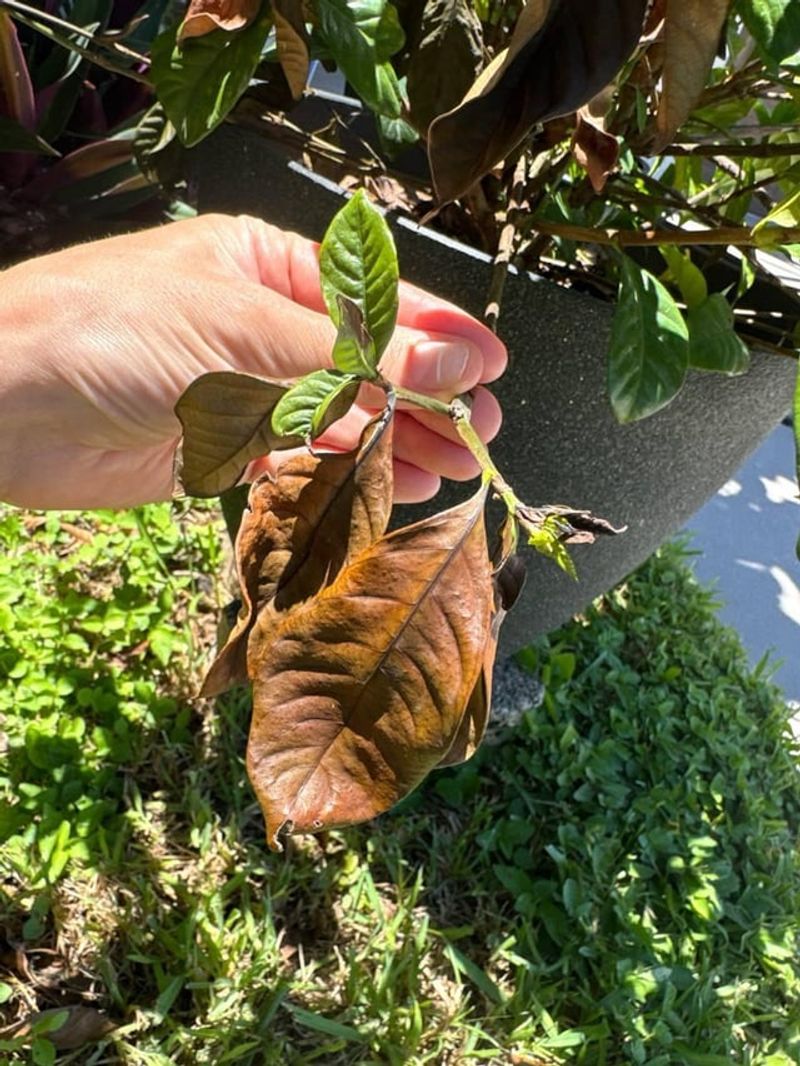
Broken is broken, no matter what month it is. A snapped or split branch can come off anytime you notice it.
Storms, falling limbs, and even a stray soccer ball can crack gardenia stems.
Removing that damage helps the shrub seal the wound cleanly and lowers the chance of rot setting in. Cut just below the damaged area, back to healthy wood or a leaf node.
Diseased growth deserves the same quick attention.
Stems with cankers, sunken spots, or oozing bark may be a sign of fungal trouble. Take those off and bag them rather than tossing them in a compost pile.
Scratch the bark gently with a fingernail if you are unsure whether a stem is still alive. Green tissue underneath usually means it is healthy, while dry brown tissue suggests that part is finished.
After a rough winter in Georgia, wait until new growth starts in spring before judging cold damage.
Some stems that look rough in February may still leaf out once the weather warms up. Giving them time helps you avoid cutting healthy wood by mistake.
If a problem seems widespread, your local county Extension office can help identify what is going on.
7. Leaving Healthy Growth Alone Protects Next Year’s Show
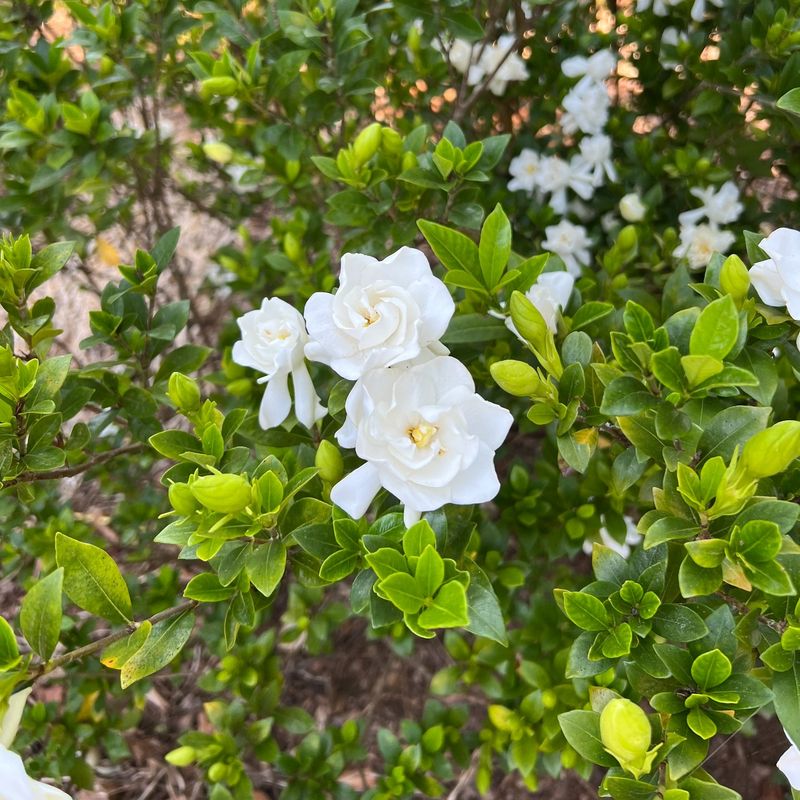
Sometimes the smartest garden move is simply putting the pruners back in the shed. Healthy gardenias rarely need much help in fall.
Resisting that urge to tidy up can feel strange, especially when the rest of the yard is getting cleaned up for winter.
A slightly shaggy shrub is often a sign it is holding plenty of buds. By early summer, that patience can turn into a porch full of fragrance.
Instead of cutting, put your energy into care that supports the buds already in place.
Water during dry fall spells, since drought stress can cause gardenias to drop buds. A layer of pine straw or shredded bark helps hold moisture in the soil.
Hold off on heavy fertilizer in fall, as it may encourage tender growth at the wrong time.
Gardeners across Georgia often feed gardenias in spring with an acid-loving plant fertilizer, following label directions. Soil tests from your Extension office can show whether your soil pH suits these shrubs.
Results still depend on weather, sunlight, and how healthy the plant was going in.
Even so, letting healthy branches stay put gives your gardenia a much better chance at a strong bloom next summer.