The Native Florida Plants Worth Grabbing At This Weekend’s Fall Plant Sale
Fall plant sales in Florida move fast, and the good stuff disappears before most people even finish their coffee.
Native plants especially don’t sit on tables for long once regulars start showing up. These are the varieties built for your soil and climate already, skipping the fuss imported picks demand and giving local birds and pollinators something they actually recognize.
Miss the early rush and you’re left picking through whatever nobody else wanted.
A handful of specific plants tend to go first every single time, and most casual shoppers never learn which ones until someone tips them off after the fact.
Show up early to this weekend’s sale instead of wandering in late. What you grab first could be the difference between a native garden and a table full of leftovers.
1. Firebush Brings Hummingbirds Back For More
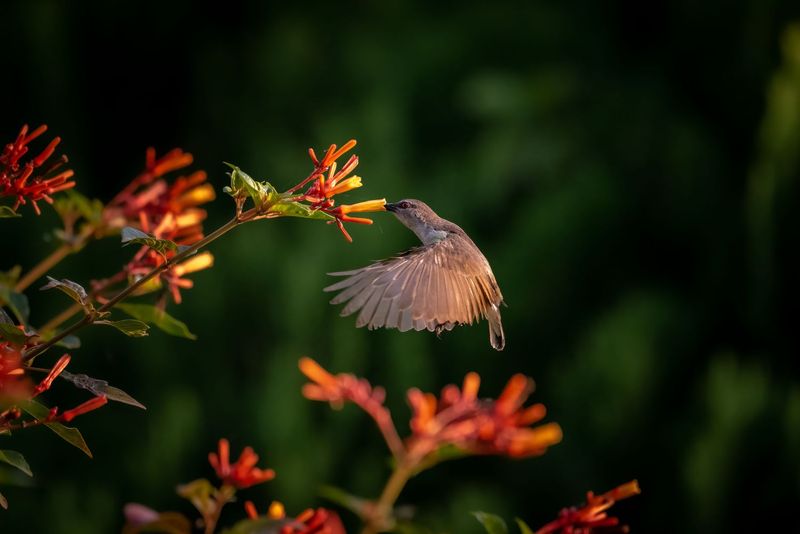
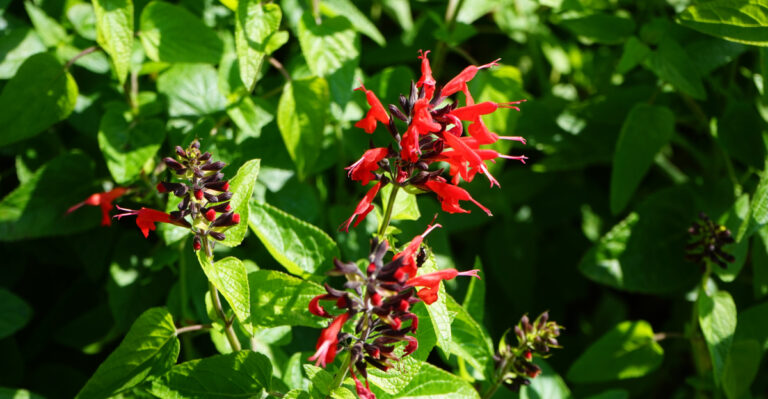
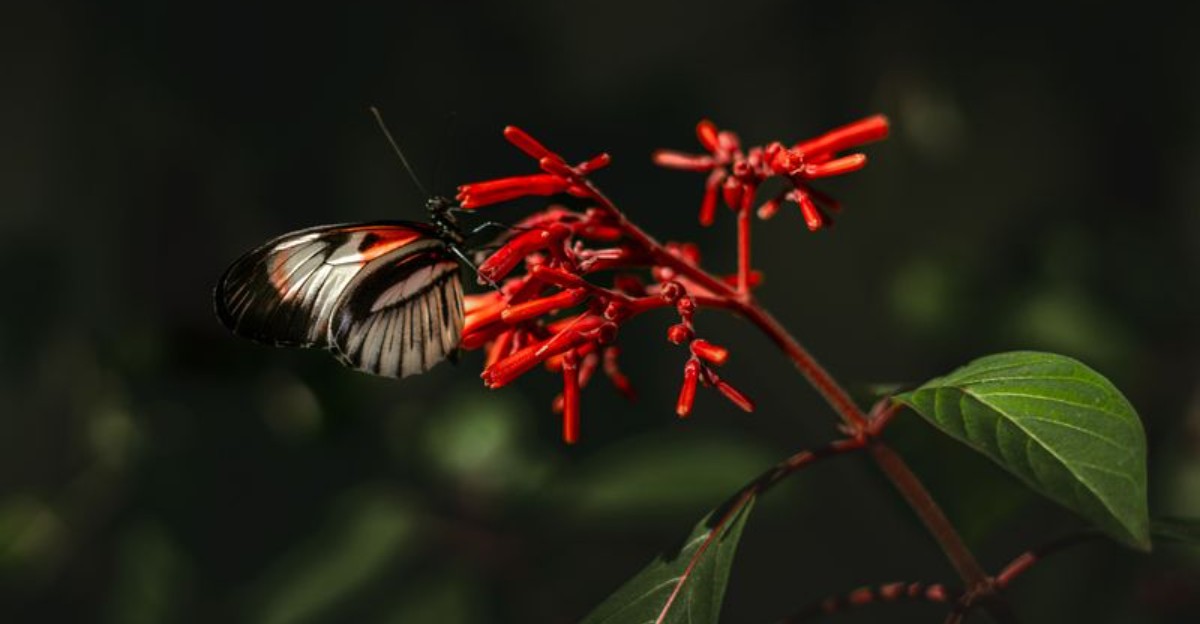
Ask any gardener about hummingbird magnets, and firebush will come up fast. Its clusters of red-orange tubes look like tiny flames on the tips of every branch.
Hummingbirds, butterflies, and bees visit from spring right into late fall. Zebra longwing butterflies, our state butterfly, are especially fond of the blooms.
Later, small dark berries appear, and songbirds like mockingbirds snap them up.
Firebush grows quickly and can reach six to ten feet tall. That makes it great for filling a bare corner or making a living screen along a fence.
You can trim it shorter in late winter if you want a tidier shape.
Plant it in full sun for the most flowers. It will grow in partial shade, though you may see fewer blooms.
Sandy soil suits it just fine, and once established, it handles dry spells like a champ.
In North Florida, a hard freeze may knock it back to the ground. Don’t panic, because the roots usually push out fresh shoots in spring.
Add a layer of mulch around the base in fall to help protect it.
At the sale, look for plants labeled as the native variety. Some compact types sold in stores come from other regions and may not feed wildlife as well.
Ask a volunteer if you’re unsure.
2. Beautyberry Loads Up With Fall Berries
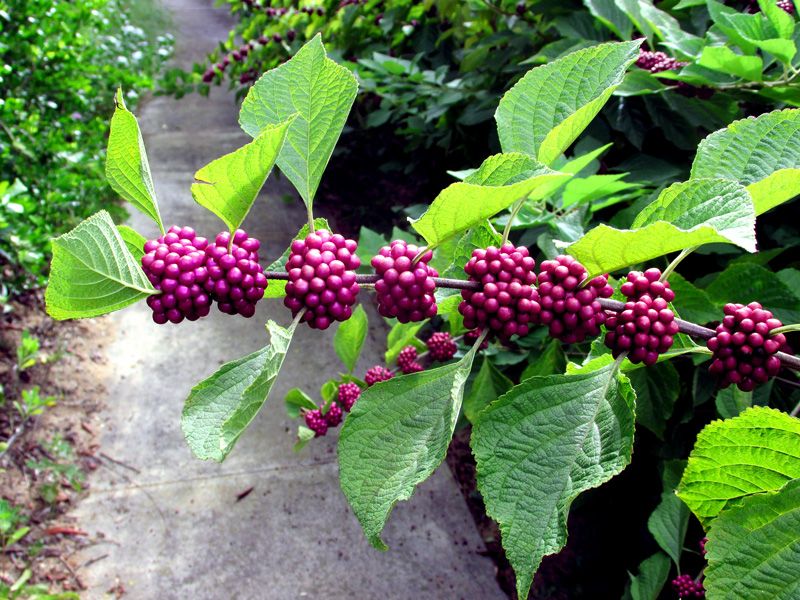
Some plants whisper, but American beautyberry practically shouts in purple. By October, its arching branches wear rings of glossy magenta berries that look almost fake.
Those berries are more than pretty. Cardinals, catbirds, brown thrashers, and even foxes rely on them as food when other snacks run low.
Watching birds hop through the branches on a cool morning is a real treat.
Beautyberry grows about four to six feet tall and wide. It likes partial shade, which makes it a smart choice under tall pines or oaks.
It also handles full sun if you give it some extra water while it settles in.
Here’s a fun bit of history. Old-time Southerners rubbed crushed leaves on their skin to keep mosquitoes away.
Scientists later found compounds in the leaves that really do repel bugs.
Your Florida Garden Changes Every Week. Your Plan Should Too.
Gardening in Florida changes quickly throughout the season. Every Friday you’ll receive a simple weekly plan showing exactly what to plant, prune, fertilize, harvest, and protect so you never miss the right timing.
Care is simple. Cut the stems back hard in late winter, about a foot from the ground.
That sounds scary, but it encourages fresh growth, and berries form on new wood.
Planting it in fall gives the roots a head start before spring. Water it a couple of times a week for the first month or two.
After that, rain usually covers most of its needs.
A white-berried form also exists if you want something different. Both types are native and easy to love.
3. Muhly Grass Delivers Its Famous Pink Plumes
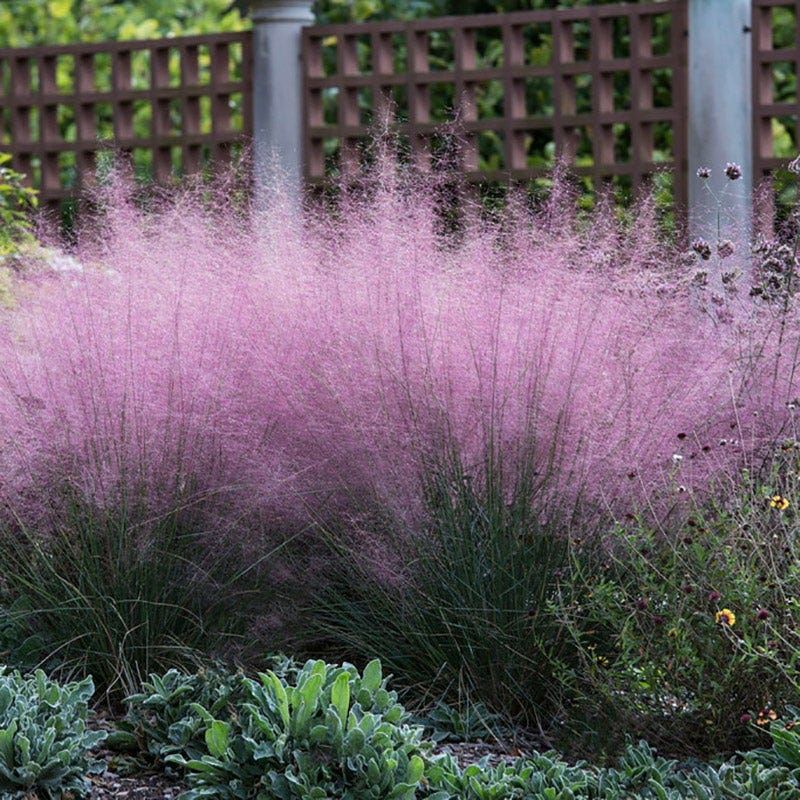
Imagine a cloud of cotton candy floating over your yard. That’s what muhly grass looks like each fall when its airy pink plumes open up.
For most of the year, it’s a neat clump of fine green blades about three feet tall. Then autumn arrives, and the whole plant turns into a soft, rosy haze.
When backlit by the setting sun, it almost glows.
Muhly grass is tough stuff. It grows naturally in Florida pinelands and coastal areas, so it shrugs off drought, salty breezes, and poor sandy soil.
Full sun brings out the best color.
Plant it in groups of three or more for the biggest wow factor. Space each clump about three feet apart so they have room to fill in.
A row along a driveway or walkway looks stunning.
Wildlife likes it too. Small birds use the clumps for shelter, and the seeds provide a light snack.
Beneficial insects also hide among the blades.
Care is easy. In late winter, trim the old growth down to about six inches.
Fresh blades will pop up in spring, looking tidy again.
Since it’s a fall bloomer, you might spot plants in flower at the sale. That’s a fun way to see the color before you buy.
Grab a few, because one is rarely enough.
4. Marlberry Gives Birds A Berry-Rich Shrub
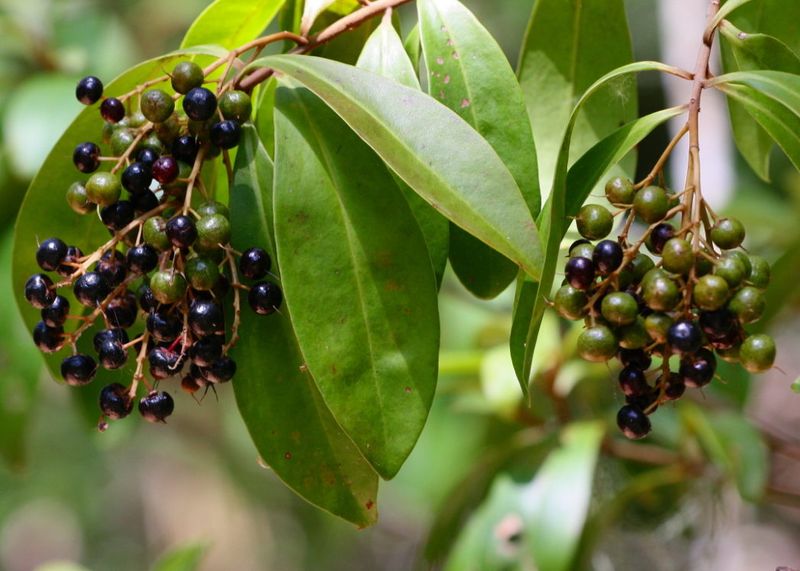
Marlberry might not be famous yet, but birds sure know its name. This glossy South Florida shrub produces shiny black berries that disappear almost as fast as they ripen.
Before the berries come, clusters of small white flowers bloom. They carry a sweet, spicy scent that drifts across the yard on warm evenings.
Bees and butterflies stop by to sip nectar.
What makes marlberry special is how well it handles shade. Many flowering plants sulk without sun, but this one feels right at home under tall trees.
It grows naturally in tropical hammocks from Central Florida south.
Expect it to reach about eight to fifteen feet if left alone. You can keep it smaller with light pruning, or let it grow into a small tree.
Its dark green leaves stay attractive all year, which makes it a fine hedge.
Marlberry does best in the warmer half of the state. If you live up north, a cold snap may damage it, so check your zone first.
Salt tolerance is moderate, so it works in many coastal yards away from direct spray.
A fun tip is to plant it near a window. You’ll get a front-row seat to mockingbirds and warblers feasting.
It also makes a great swap for non-native coral ardisia, which spreads aggressively in woods.
5. Simpson’s Stopper Adds Flowers And Wildlife Value
Here’s a quirky fact to start. Early settlers used parts of stopper plants as a folk remedy for upset stomachs, which is how the name came about.
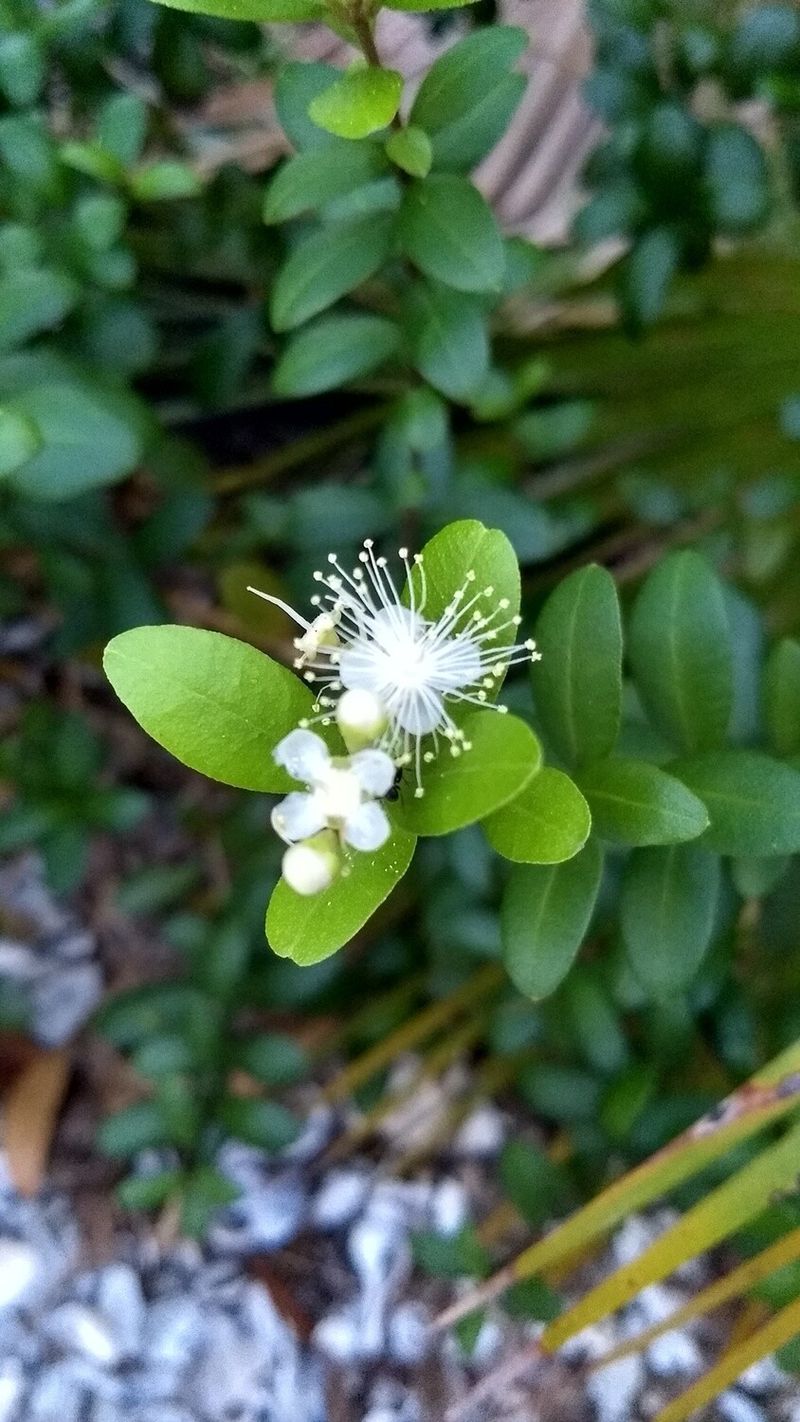
Today, Simpson’s stopper earns its spot for totally different reasons. Its small, shiny leaves smell a bit like nutmeg when crushed.
In spring and summer, fluffy white flowers cover the branches like tiny powder puffs.
After the flowers fade, bright orange-red berries show up. Birds gobble them, and the flowers feed bees and butterflies.
So one shrub supports wildlife through several seasons.
Simpson’s stopper is super flexible in the garden. You can prune it into a formal hedge, shape it into a small tree, or let it grow loose and natural.
Heights range from five to twenty feet depending on how you treat it.
It handles sun or partial shade and tolerates salt fairly well. That makes it a solid choice for coastal homes.
It also puts up with dry spells once the roots settle in.
Like marlberry, it prefers warmer parts of Florida. Central and South Florida gardeners will have the best luck.
In colder areas, plant it near a south-facing wall for extra warmth.
If you’re tired of boring hedges, this is your upgrade. It looks neat, smells nice, and brings life to your yard.
6. Coontie Creates A Tough Native Focal Point
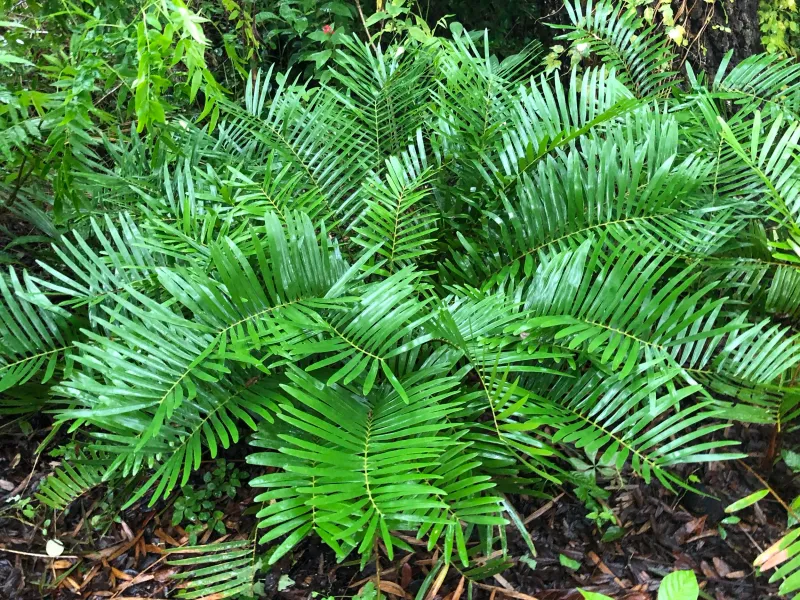
Picture a plant that was around when dinosaurs roamed. Coontie belongs to an ancient group called cycads, and it looks the part with stiff, fern-like fronds.
It grows in a tidy mound about two to three feet tall. The deep green leaves stay handsome all year and add a tropical feel to any bed.
Mature plants form rusty-orange cones that are fun to spot.
Coontie has a special partner in nature. It’s the only native host plant for the Atala butterfly, a gorgeous black and blue beauty once thought gone from Florida.
Thanks to gardeners planting coontie, the butterfly has made a comeback.
This plant is about as tough as they come. It handles sun or shade, sandy soil, drought, and even some salt spray.
It grows slowly, so be patient and enjoy the steady progress.
Use it as a border along walkways, a low hedge, or a centerpiece in a small bed. It also looks great in large pots on a patio.
Deer tend to leave it alone.
One safety note matters here. All parts of coontie are toxic if eaten, so keep it away from spots where pets or small kids might chew.
Native people once processed the roots into flour, but only after careful preparation.
7. Blanket Flower Keeps Color Coming Through Fall
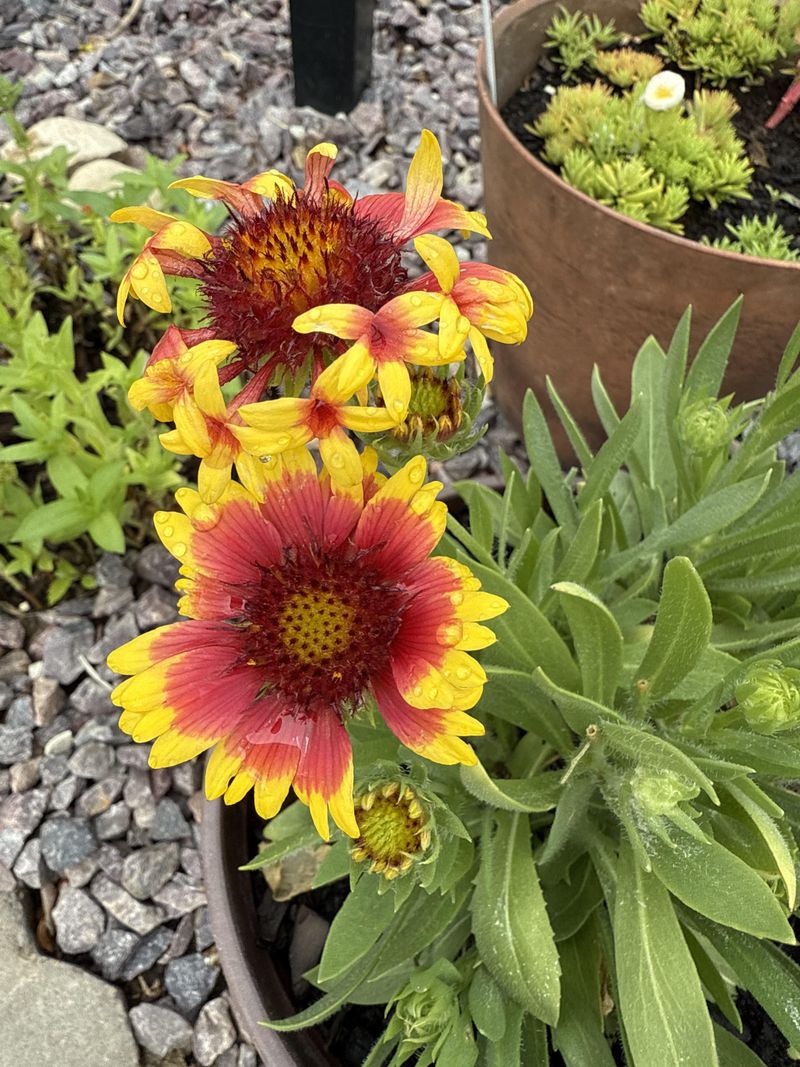
Think of blanket flower as the cheerful friend who shows up to every party. Its red and yellow daisy-like blooms keep going from spring clear through fall.
The name comes from the bold patterns on its petals. They remind people of colorful woven blankets made by Native American artists.
Each flower has a red center that fades to sunny yellow tips.
You’ll find it growing wild on beaches and roadsides. That tells you a lot about how tough it is.
Hot sun, salty wind, and sandy soil don’t bother it one bit.
Plant it in full sun and skip the rich soil. Too much fertilizer or water can make it floppy and short-lived.
Poor, dry ground actually keeps it happy and compact.
Butterflies and bees flock to the blooms. Later, the seed heads feed goldfinches and other small birds.
Leave a few flowers on the plant so it can reseed itself for next year.
Blanket flower is often a short-lived perennial, lasting a year or two. The good news is that it drops seeds and new plants pop up nearby.
Your patch will keep itself going with little help.
It’s a great pick for kids’ gardens because it grows fast and blooms quickly. It’s also perfect for filling gaps in sunny beds.
8. Coral Honeysuckle Climbs With Hummingbird-Friendly Blooms
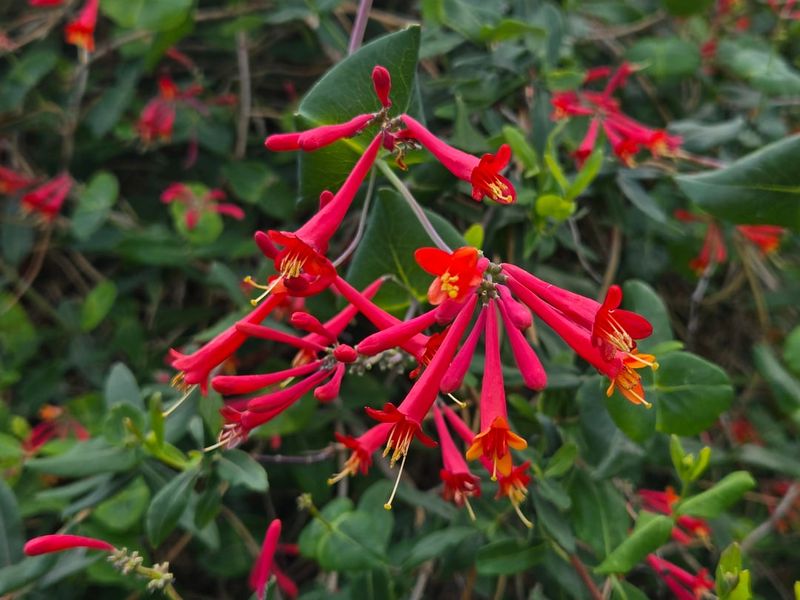
Got a bare fence or a lonely mailbox? Coral honeysuckle is ready to dress it up with clusters of bright coral-red trumpets.
Don’t mix it up with Japanese honeysuckle, which is invasive and smothers native plants. Coral honeysuckle is the well-behaved Florida native.
It climbs politely and doesn’t take over the neighborhood.
Hummingbirds adore it. The long tube-shaped flowers fit their beaks perfectly, and blooms appear heavily in spring with more scattered through the year.
Butterflies visit too, and small red berries feed birds later.
This vine grows about ten to twenty feet long. Give it a trellis, arbor, or fence to twine around.
It won’t cling to walls on its own, so it needs something to wrap onto.
Full sun brings the most flowers, but it handles partial shade. It likes average soil and moderate water.
Once settled, it can cope with short dry stretches.
Pruning is simple. Trim it lightly after the big spring bloom to keep it tidy.
Remove any tangled or crowded stems to let air flow through.
Here’s a sweet bonus. The flowers don’t have a strong scent, but the nectar is rich, so hummingbirds return again and again.
Plant it near a porch, and you’ll have daily visitors buzzing past your head.
9. Saw Palmetto Adds Wildlife Cover With Little Fuss
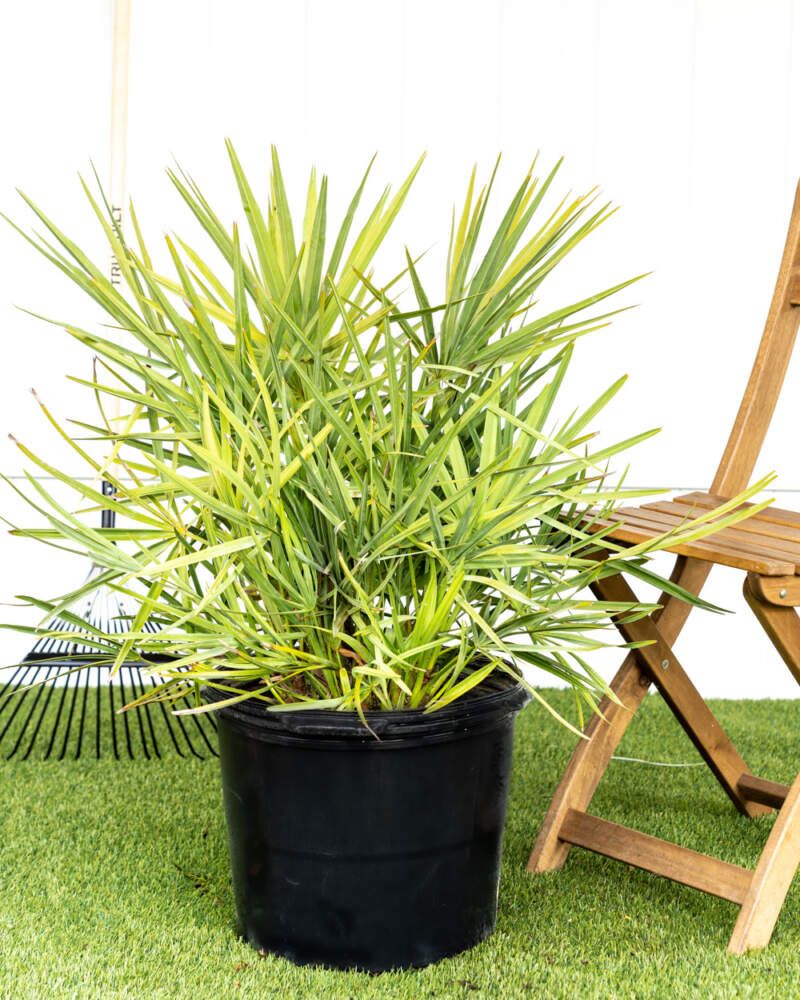
Walk through almost any Florida pine forest, and you’ll brush past saw palmetto. Those fan-shaped fronds are practically a symbol of the Sunshine State.
Saw palmetto is one of the best wildlife plants you can own. Its dense clumps give shelter to rabbits, lizards, birds, and even gopher tortoises.
Black bears and deer munch on its dark berries in late summer and fall.
The flowers are a hidden gem. In spring, creamy spikes appear and buzz with bees.
In fact, saw palmetto honey is a local favorite with a rich, fruity taste.
You’ll see two color forms at sales. The green type is common, while the silver-blue form from coastal areas really pops in the landscape.
Both grow about four to eight feet tall and wide.
Care is close to zero once it’s established. It handles drought, fire, salt, and poor sandy soil.
Just give it room to spread, because it grows sideways over time.
Be aware of the sharp teeth along the leaf stems. That’s where the name saw comes from.
Plant it away from walkways where people might brush against it.
Young plants grow slowly, so buy the largest pot you can afford. Plant it in fall, water it well, and let nature handle the rest.