Put Up A Bluebird Box This Winter – Ohio Pairs Start Scouting Earlier Than You Think
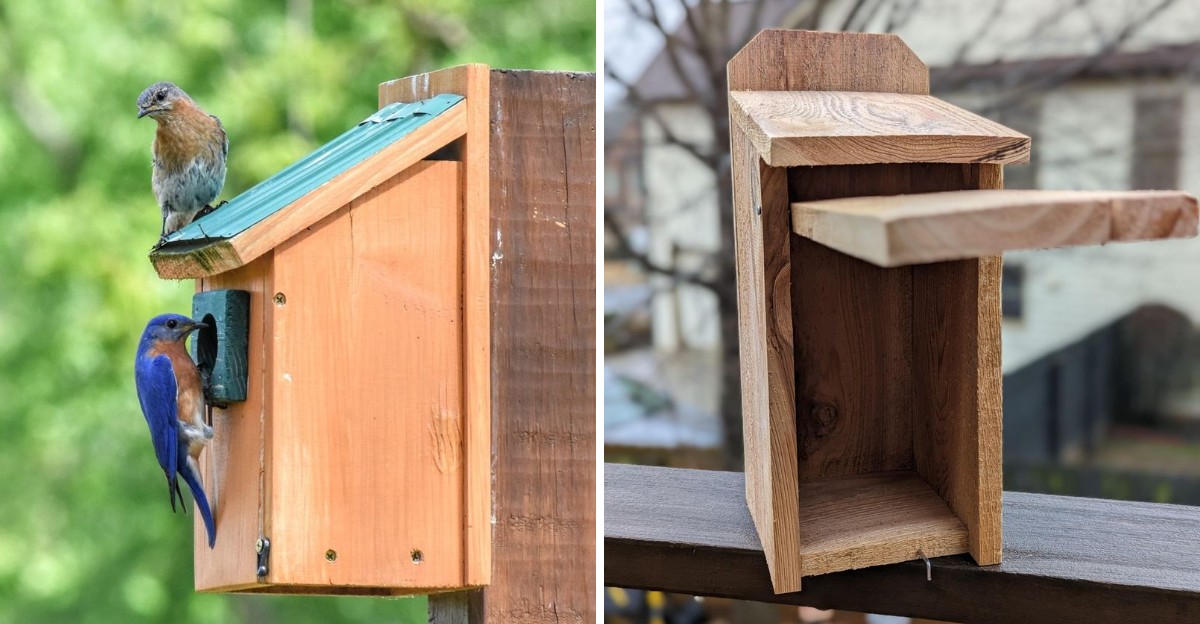
A male songbird in Ohio may start showing off a wooden box to his mate while snow still covers the lawn.
He pokes his head in the doorway, flutters his wings, and even carries a bit of grass inside like a real estate agent with a sales pitch.
That little performance often begins in late February or early March. By the time most of us think about spring planting, the best homes in the neighborhood may already be claimed.
I love that a bird weighing about an ounce plans ahead better than I do. You need to be ready before the house hunters show up, and winter gives you a calm window to get it right.
The difference between a box that attracts these sky-blue tenants and one that sits empty all year often comes down to a surprisingly small detail.
1. Those Blue Backyard Birds Are House Hunting Before Spring Even Shows Up
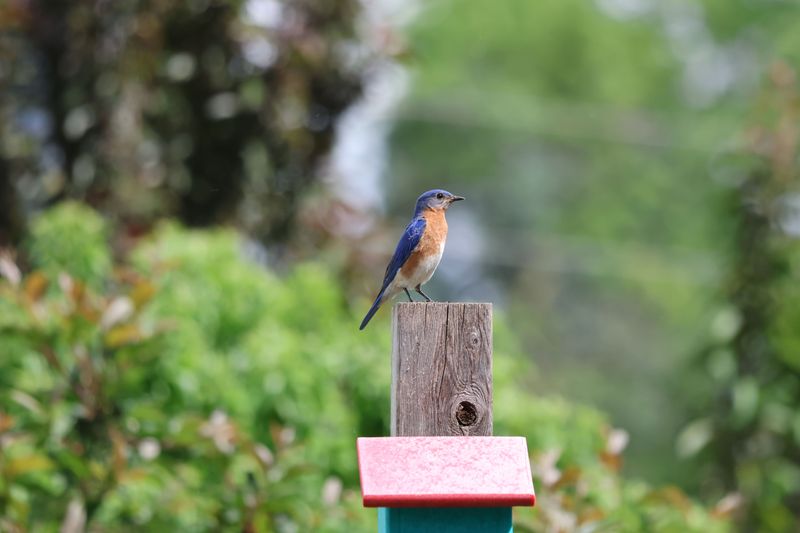
Plenty of Eastern bluebirds don’t actually leave in winter. Many stay in southern and central parts of the state, gathering in small flocks that roam fields and eat berries until the weather turns.
Once days start getting longer, something switches on. Males begin checking out cavities and nest boxes as early as late February, and the scouting gets serious through March.
A male will perch on a box, peek inside, and wave his wings to catch a female’s attention.
She makes the final call, by the way. If she approves, she builds a tidy cup nest of grasses or pine needles, usually starting sometime between late March and April.
Birds that wintered farther south also return during this stretch, so competition heats up fast. Tree swallows, house wrens, and non-native house sparrows all want the same kind of real estate.
I find it fun to watch this courtship from a kitchen window with a mug of cocoa. You get front-row seats to a bird drama most people miss because they assume nesting starts in May.
The takeaway is simple. A box that goes up in spring may arrive after the best tenants have already signed a lease somewhere else.
2. Get Your Bluebird Box Mounted By Late February
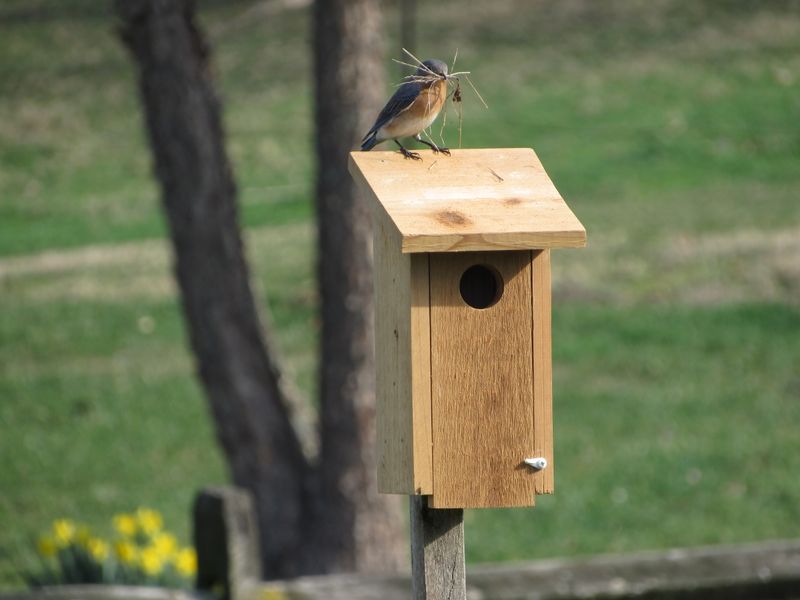
Mark your calendar for February. The Ohio Bluebird Society and other monitoring groups suggest having boxes in place before mid-March, and earlier is even better.
Winter installation has some sneaky perks. The ground near the surface may be frozen, but a metal pole can often be driven in on a mild day after a thaw.
Bare trees also make it easier to see open sightlines and pick a sunny, open spot.
There’s another benefit people overlook. A box that has weathered a few weeks outdoors smells less like fresh lumber and looks like a natural part of the landscape to a picky female.
Here’s my quick winter checklist:
Choose untreated cedar or pine at least three-quarters of an inch thick. Skip paint on the inside, and use a light, earthy color outside if you paint at all.
Make sure the box opens easily from the side or front so you can check it later.
Already have an old box? Clean out last year’s nest, tighten loose screws, and check that the roof still sheds rain.
Honestly, it takes about an afternoon. That’s a small trade for a whole season of blue wings flashing across your yard.
3. A 1.5 Inch Entrance Hole Makes All The Difference
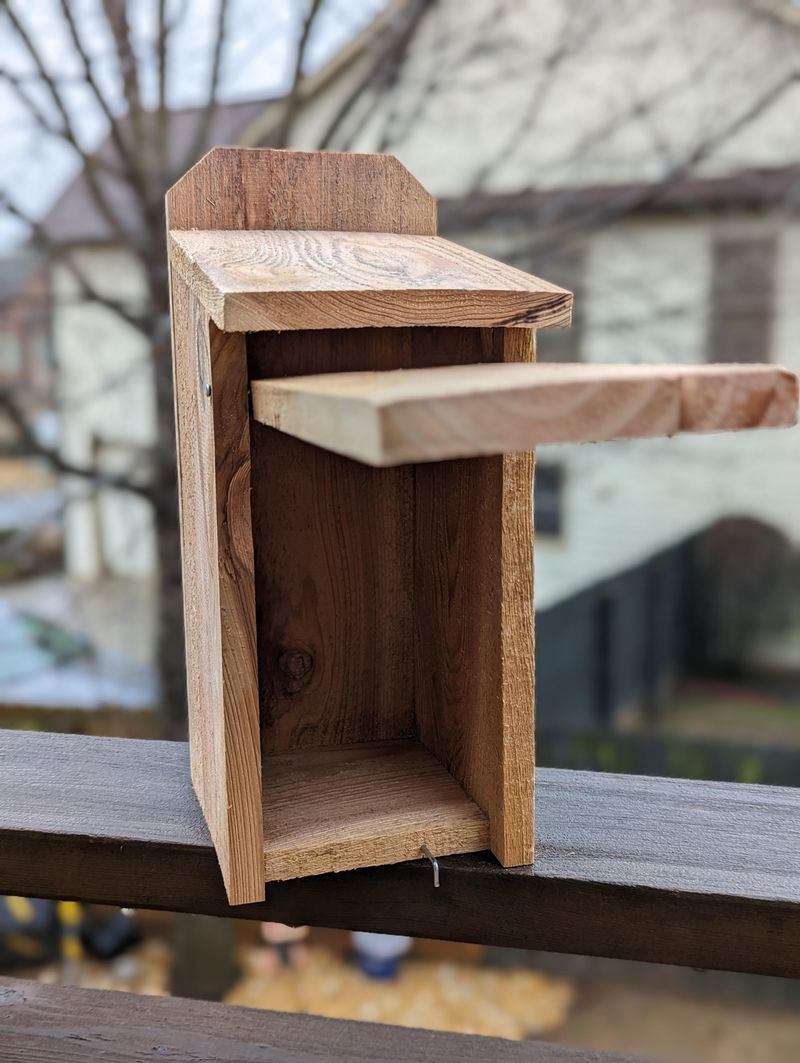
Size matters a lot here. Bluebird experts recommend an entrance hole exactly 1.5 inches wide, which lets bluebirds slip in while keeping out larger European starlings.
Starlings are aggressive and can take over a cavity fast. Even a slightly bigger hole can invite them, so measure before you buy that cute decorative birdhouse at the garden center.
Inside, bluebirds like a floor around 4 by 4 or 5 by 5 inches. The hole should sit about 6 inches above the floor, giving nestlings a safe spot well below the opening where a reaching paw has a harder time.
Other features to look for:
No perch on the front, since bluebirds don’t need one and sparrows love it. Small drainage holes in the floor help rainwater escape.
Gaps or vents near the roof let hot air out on summer afternoons.
Fun fact: the North American Bluebird Society formed in 1978, partly because so many people were building boxes with the wrong measurements. Standard designs from groups like the Ohio Bluebird Society helped turn things around.
Free plans are easy to find online. A basic box made from one cedar board is a great weekend project with kids.
4. Open Lawns Beat Shady Corners For Bluebird Box Placement
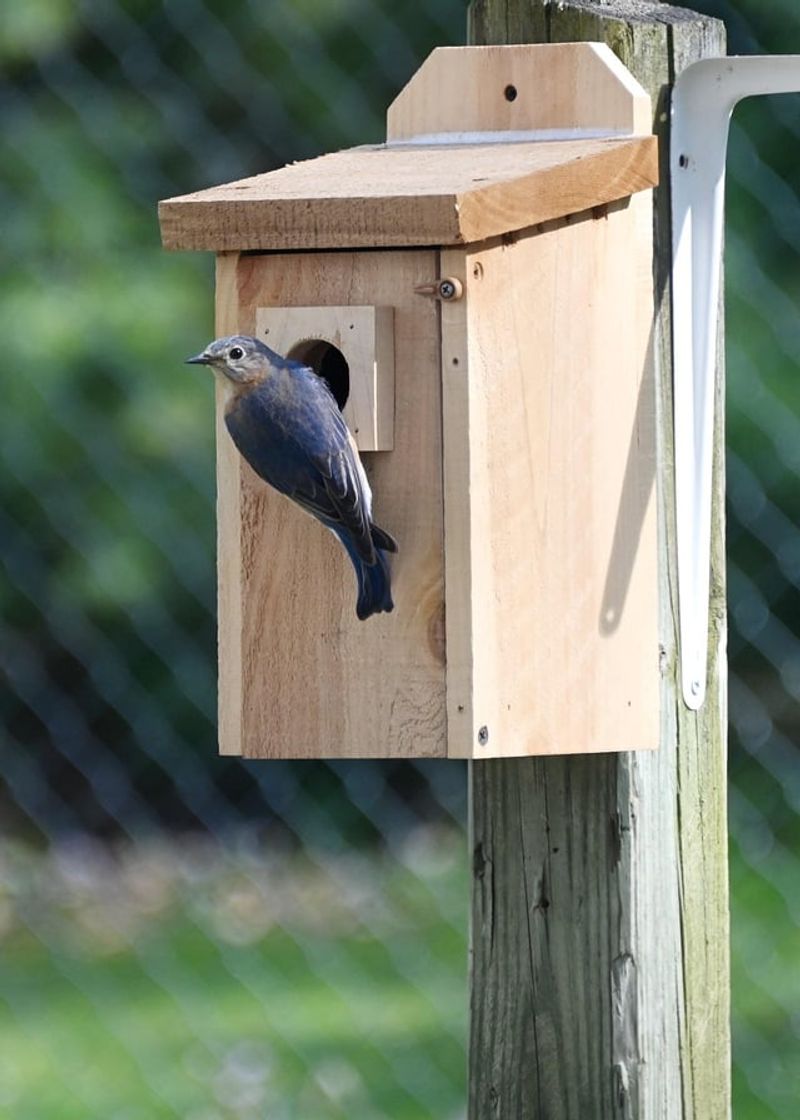
Bluebirds hunt like tiny hawks. They sit on a fence, wire, or low branch, scan the grass, then drop down to grab a beetle or caterpillar.
That style of feeding explains their taste in neighborhoods. They want open ground with short grass and a few scattered perches, such as pastures, large lawns, cemeteries, parks, and golf course edges.
Mount your box about 4 to 6 feet high on a smooth metal pole. Wooden posts and tree trunks give climbing critters an easy route, so a pole is the smarter choice.
Facing matters a bit too. Many monitors point the hole east or toward an open field, away from strong prevailing winds and harsh afternoon sun.
Distance helps with unwanted guests. Placing the box well away from thick brush or woods, roughly 50 feet or more if you can, reduces visits from house wrens, which prefer shrubby edges.
Keep boxes away from feeders and buildings where house sparrows hang out.
If you have room for more than one box, space them about 100 yards apart for bluebirds, or set two boxes 15 to 25 feet apart so a tree swallow pair and a bluebird pair can share the space peacefully.
5. A Pole Baffle Keeps Raccoons And Snakes Away From The Nest
Raccoons are clever climbers, and a full nest of eggs is a buffet to them. Black rat snakes, cats, and squirrels can cause trouble too.
A predator baffle is the single best upgrade you can add.
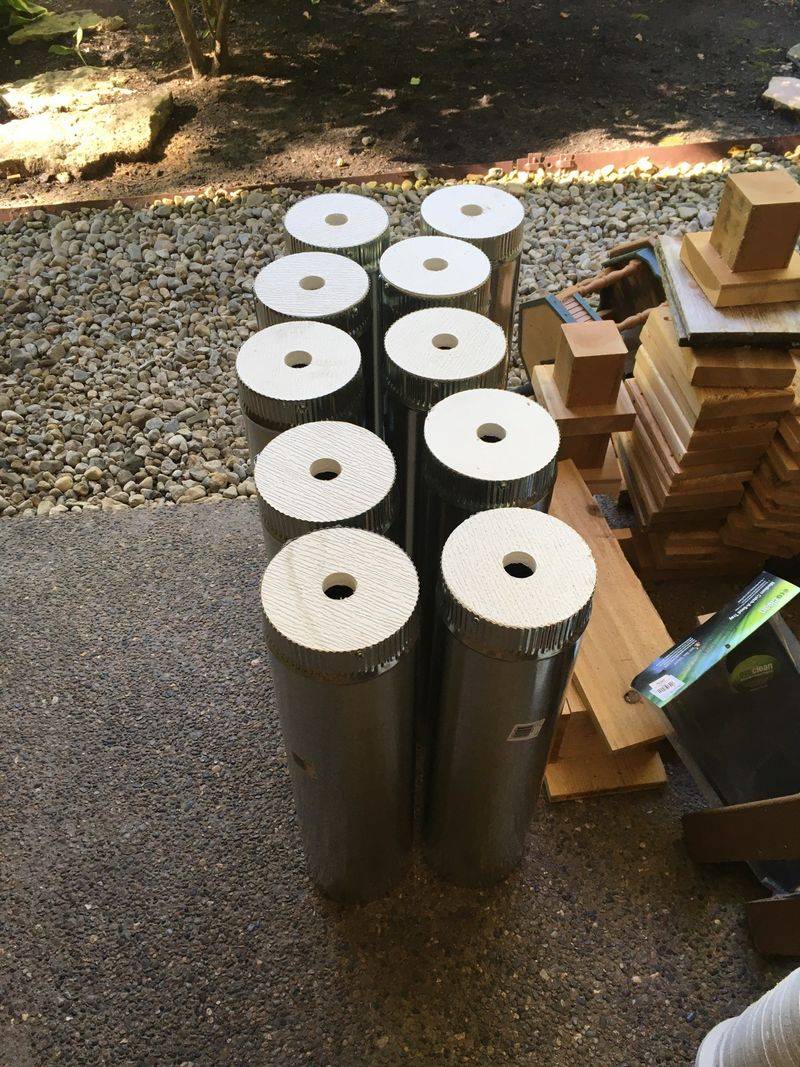
The most popular style is a stovepipe baffle, a metal cylinder about 8 inches wide and 24 inches long mounted on the pole just under the box.
Animals that try to climb hit a wobbly, slick tube with nothing to grip. Cone-shaped baffles work as well, and some folks add a wire guard in front of the hole to stop paws from reaching inside.
House sparrows bring a different kind of threat. These non-native birds often attack bluebirds and their eggs to claim a box.
Because they aren’t native, they are not protected by federal law, and removing their nests is allowed.
Native birds are a different story. Bluebirds, tree swallows, chickadees, and house wrens are protected under the Migratory Bird Treaty Act, so their active nests should be left alone.
Learning to tell a sparrow nest from a bluebird nest is easy. Sparrows build messy domes stuffed with trash and feathers, while bluebirds make a neat grassy cup.
6. Bluebirds Pile Into Nest Boxes On Freezing Winter Nights
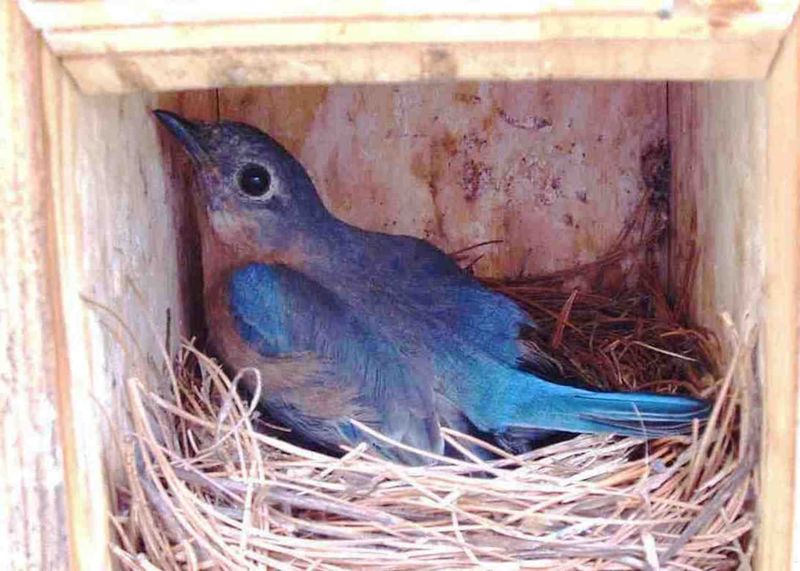
Here’s a sight that surprises people. On bitter nights, a group of bluebirds may squeeze into a single nest box and huddle together for warmth.
Monitors have found several birds stacked inside one box, sharing body heat like a feathered sleepover. Chickadees, titmice, and nuthatches sometimes use boxes the same way.
So a box you put up in January isn’t just waiting for spring. It may be working as a cozy shelter right away.
A few tweaks make winter roosting more comfortable. Some people plug side vents with weatherstripping or foam during cold months, then remove it before nesting begins.
Others buy special roosting boxes with the hole near the bottom so warm air stays trapped up top.
Food matters just as much as shelter. Bluebirds switch to fruit in winter, eating berries from native plants like flowering dogwood, winterberry holly, eastern red cedar, sumac, and American holly.
Planting a few of those natives this year pays off for seasons to come. Pair that with a heated birdbath, and you may notice bluebirds visiting long before spring.
Personally, spotting that blue flash against snow is my favorite winter treat.
7. Weekly Nest Box Checks Lead To More Bluebird Broods
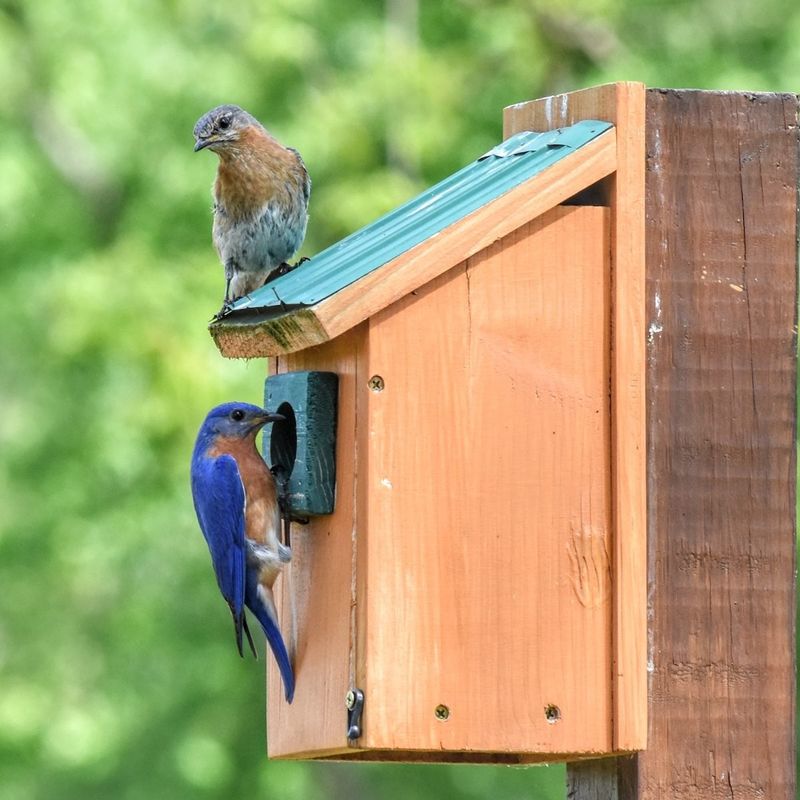
Peeking into a nest box feels a little nosy at first. The truth is that bluebirds tolerate quick, gentle visits well, and weekly checks help you catch problems early.
Open the box, take a quick look, and close it within a minute. Skip checks once nestlings are about 12 days old, since opening the box then can cause them to leave too early.
A typical bluebird clutch has four or five pale blue eggs. Eggs hatch after roughly two weeks, and the young leave the nest about 17 to 21 days later.
Ohio pairs often raise two broods a season, and sometimes three. Removing the old nest after the young fledge gives the parents a fresh start and reduces mites and blowfly larvae.
Want to make your observations count? Cornell Lab’s NestWatch program and the Ohio Bluebird Society both collect data from backyard monitors, helping scientists track how the birds are doing.
Bluebird numbers dropped sharply in the mid-1900s, and volunteer box trails played a huge role in their comeback. Your one box joins thousands of others across the state.
Put it up this winter, check it weekly, and enjoy the show all summer.