Raised Beds in an HOA Yard: Check These Rules Before Starting Your Florida Fall Garden
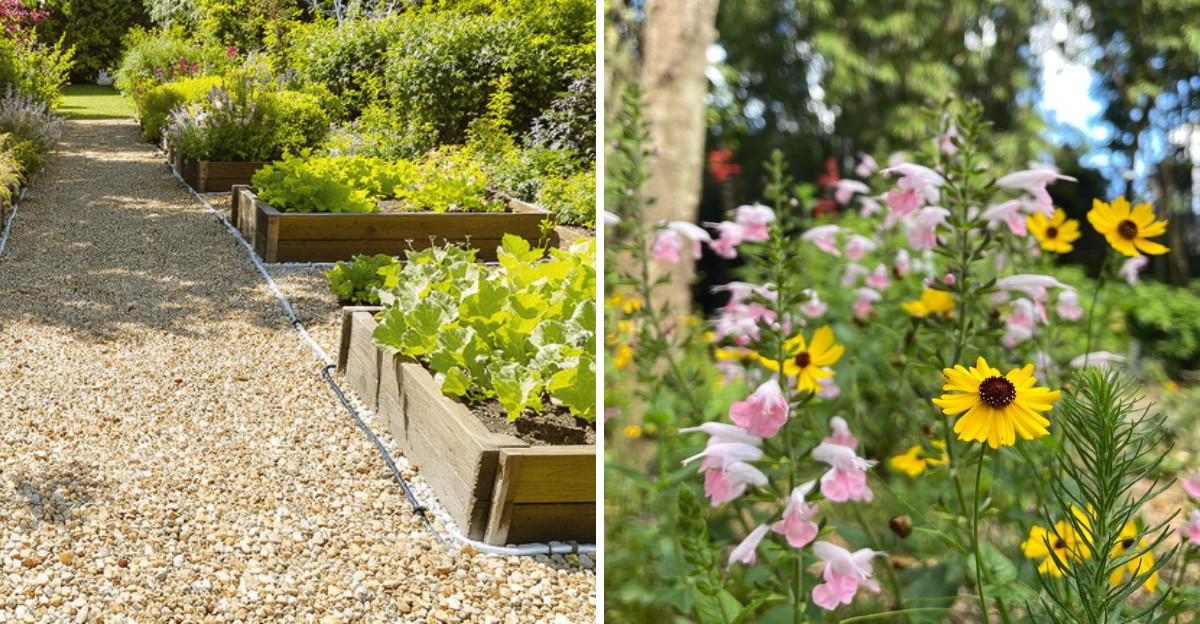
A 2019 Florida law shields backyard vegetable gardens from city and county bans, but HOAs were left out. That loophole caught me off guard, since so many of us garden behind gates and community signs.
Your association runs on private covenants, so its rulebook can matter more than any city code on your street. Still, a newer state statute does protect some gardens, as long as neighbors and passersby cannot see them.
The cooler months here are my favorite, when lettuce and broccoli finally stop sulking in the heat. Fall is prime planting season across Florida, and nobody wants a violation letter taped beside the seed packets.
You need a little homework before lumber arrives, because fixing a rejected project costs far more than asking first. A handful of easy-to-miss rules decide whether your tomatoes thrive in peace or get evicted before spring.
1. Your HOA Rulebook Comes Before The First Shovel
Somewhere in a dusty closet or email folder sits a thick stack of papers that controls your whole yard. I know reading covenants sounds about as fun as weeding sandspurs, but those pages shape every garden decision.
Your association usually has a declaration of covenants plus separate architectural guidelines, and both deserve careful reading. The board may also adopt rules that change over time, so ask the manager for the newest version.
Look closely at sections covering exterior changes and landscaping, since raised beds often hide inside that language. Some documents mention vegetable gardens directly, while others only talk about structures or improvements in general terms.
An HOA is a private organization, so the state’s 2019 vegetable garden law for cities does not bind it. That surprised me too, because many gardeners assume that law covers every backyard plot across the map.
Florida homeowners can request official records from their association, and that includes current rules and recorded covenants. Send a short written request and keep a copy, since a paper trail helps if questions pop up later.
Personally, I highlight every line about planters and sheds, then tuck bright sticky notes along the page edges. That little ritual takes one evening, yet it can save weeks of frustrating back-and-forth with the board.
Skipping this step can lead to fines or removal demands, which hurts even more after your seedlings sprout. Read first, plant second, and your fall garden starts on solid ground instead of shaky guesses.
2. Backyard Vegetable Beds Hidden From Street View Get Legal Protection
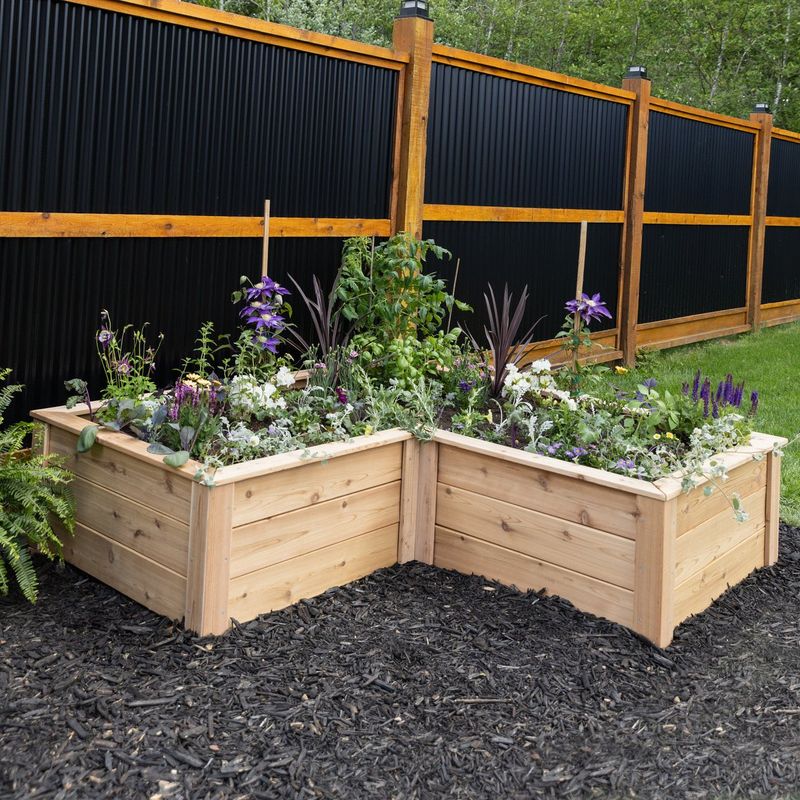
Out of sight really can mean out of trouble, at least under one surprisingly specific state statute. Section 720.3045 stops HOAs from banning many items that stay hidden, and that protection can cover vegetable gardens.
The catch is visibility, because the garden must stay hidden from the parcel’s frontage and neighboring properties. Adjacent common areas count too, along with any community golf course that happens to border your lot.
I have to admit this rule made me rethink my sunny front yard dreams almost immediately. A front bed or a corner lot planting is often visible, so it usually falls outside this protection.
Backyards behind solid privacy fences tend to be the safest bet for growing food without extra drama. Chain link or open picket fencing may not count, since neighbors can still see right through them.
Walk your property line and look back toward your planned spot from every neighboring yard you can reach. A second-story window next door might reveal more than you expect, so consider that angle carefully too.
Even hidden gardens may still face reasonable rules, and your documents could address things like drainage or pests. Laws also change often, so a quick check with a community association attorney is money well spent.
Tucking your beds behind the house gives you legal breathing room and some afternoon shade for lettuce. Honestly, that combination feels like a small win every time I harvest a salad in peace.
3. Water-Wise Mulched Beds Can Strengthen Your Approval Odds
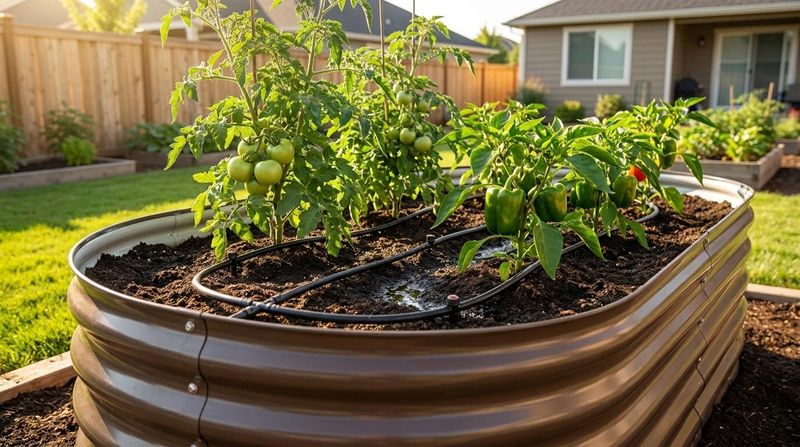
One state law quietly gives gardeners a powerful card to play when an HOA starts grumbling about landscaping. Section 720.3075 says associations cannot prohibit Florida-Friendly Landscaping, a program built around conserving water and protecting resources.
The program comes from UF/IFAS Extension, and it rests on nine principles that guide smart yard choices. Right plant, right place leads the list, followed by ideas like watering efficiently and mulching well around plants.
I love how neatly raised vegetable beds can fit those principles when you plan them with care. Drip irrigation and a thick mulch layer line up nicely with the program’s water-saving goals for home yards.
Associations still keep some power, because they can require approval and enforce reasonable design standards for appearance. So the law protects the landscaping approach, though it does not hand you a blank check for anything.
When you apply, describe your beds using the program’s language, like efficient watering and recycling yard waste. Board members tend to respond better when your plan sounds thoughtful and connected to recognized state guidelines.
The UF/IFAS Florida-Friendly website offers free guides, and printing a page or two can strengthen your request. Personally, I think a neat handout beats a long argument at any committee meeting I have attended.
Pair edible plants with a few native flowers along the border, and your bed starts looking intentional. Pollinators will thank you, and your neighbors may start asking for tips instead of filing complaints.
4. Wooden Garden Boxes Often Count As Structures Needing Architectural Approval
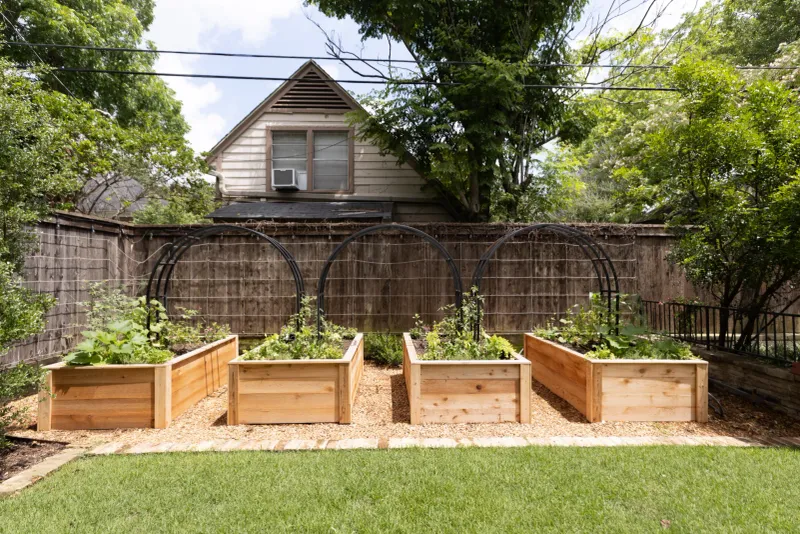
A wooden box full of soil sounds harmless, yet many HOAs file it under the same category as sheds. You’re in for a big surprise if you assume a few boards count as simple landscaping.
Many governing documents describe anything built and added to a lot as an improvement or a structure. Raised beds frequently land in that category, especially when they use lumber or metal framing that stays in place.
That label sends your project to the Architectural Review Committee, often called the ARC in community newsletters. Some communities name it the Design Review Board instead, but the job stays mostly the same everywhere.
Personally, I treat any bed taller than a few inches as something that needs a formal request. Asking costs you a form and some patience, while guessing wrong could cost you the whole garden.
Movable options like fabric grow bags or large containers sometimes face lighter rules, depending on your documents. Ask the manager directly whether those count as structures, and save the answer in writing for later.
Building first and asking forgiveness later is a common path to violation notices across many communities. Associations can typically levy fines after proper notice and a hearing, so the financial risk is very real.
I like how one approved application can also protect you if board members change down the road someday. Keep that approval letter with your house papers, because new committees sometimes question older garden projects.
5. A Detailed ARC Application With Sketches And Measurements
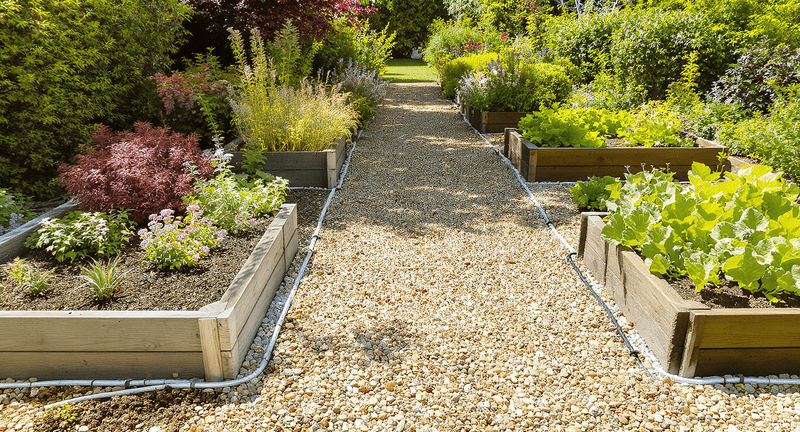
Committees love details the way tomato plants love sunshine, so a vague request rarely gets a quick yes. A sketch on a napkin usually comes back with a polite note asking for more information.
Start with a simple site plan, which can be a copy of your property survey with markings. Draw each bed in place and label how far it sits from the house and property lines.
Next, list the exact dimensions, including height, because a knee-high bed looks different from an ankle-high one. Many gardeners choose beds about four feet wide, which lets you reach the center without stepping inside.
Materials matter too, so name the lumber type or metal kit and include the finish color you plan to use. A product photo or store link helps reviewers see exactly what will sit in your yard soon.
What surprises me most is how often a photo of the planned spot speeds up the whole process. Snap a picture from the street and another from your patio so reviewers understand the view.
Check your documents for review timelines, since many committees meet monthly and some have set response windows. Fall planting often runs from September into November, so submitting in summer gives you a helpful cushion.
Wait for written approval before buying soil, because a denied plan leaves you with expensive piles of dirt. If the committee asks for changes, stay friendly and flexible, since small tweaks often win approval on the second try.
6. Tidy Edges And Weed-Free Beds Keep The Board Happy
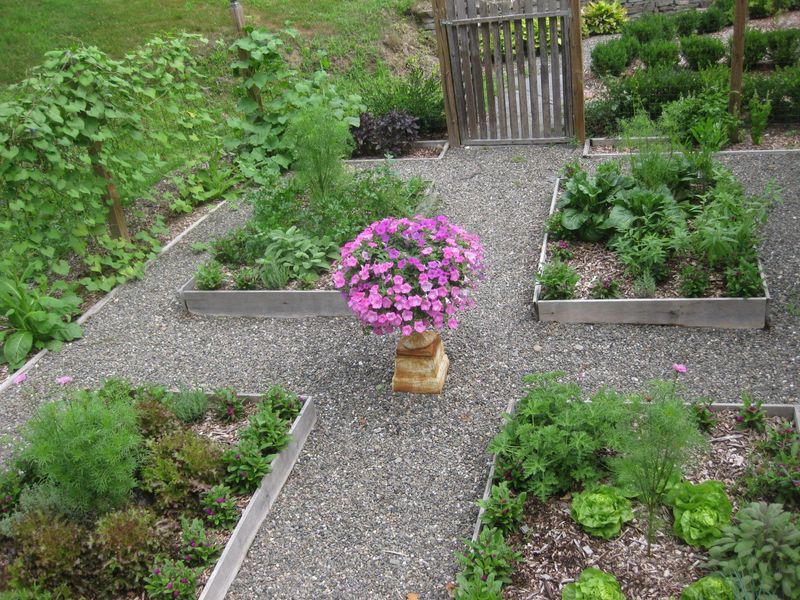
Approval is only the opening act, since committees keep watching how your garden looks month after month. I believe a neat bed earns more goodwill than any clever argument you could bring to a meeting.
Many HOAs enforce general maintenance standards, and overgrown plants or weedy corners can trigger a courtesy letter. Even protected landscaping must stay reasonably tidy, because the law still allows associations to require reasonable upkeep.
Fall weather here brings fewer weeds than steamy summer, yet sandspurs and dollarweed can sneak in fast. A quick weekly walk with a hand weeder keeps things under control without eating your whole Saturday.
Spent plants deserve prompt removal, so pull faded squash vines or bolted lettuce before they look shabby. Toss that material into a compost bin placed out of sight, which keeps the yard looking cared for.
Height limits can apply near sidewalks or driveways, where tall plants might block views for passing drivers. Trellised tomatoes or pole beans usually belong in back, where their height bothers nobody at all on the street.
Fresh mulch along the edges makes any bed look instantly finished, and it helps hold moisture too. Personally, I refresh mine whenever it thins out, and the bed looks brand new for weeks afterward.
Wooden frames weather over time, so check for warped boards or loose screws every few months. A little repair work now prevents a maintenance notice later, and your garden stays welcome in the neighborhood.
7. Drip Lines And Thick Mulch Keep Water Where Plants Need It
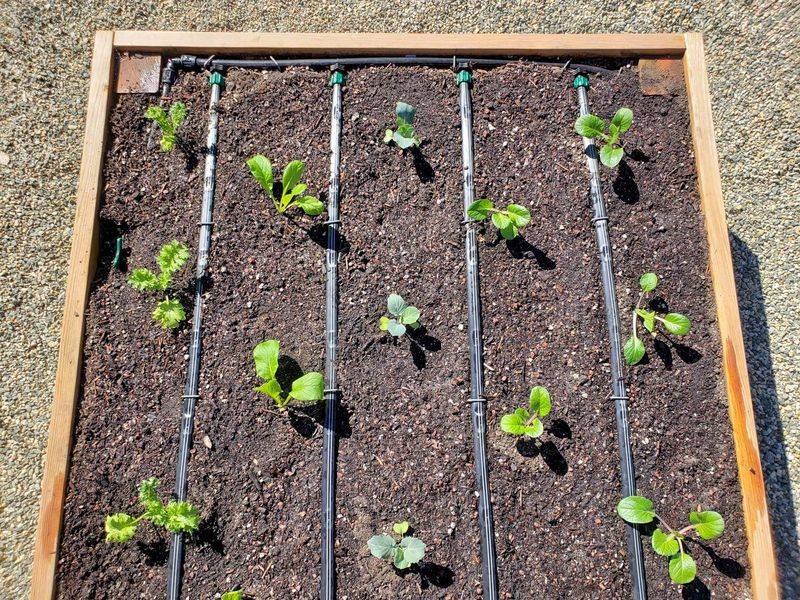
Sandy soil drinks water like a thirsty sponge with holes, and plenty of it races straight past plant roots. Raised beds let you fix that problem by filling them with a richer mix that holds moisture better.
Many gardeners blend quality topsoil with compost, and that combination stays damp longer than bare native sand. Still, raised soil dries faster than ground-level soil, so you will need to check moisture often during dry spells.
Watering rules matter here, since many areas follow water management district limits on landscape irrigation days. Some HOAs add their own sprinkler rules, so read those before running new lines to your beds.
I love how drip irrigation sidesteps many headaches, because it delivers water slowly right at the roots. Many water districts treat low-volume drip watering more flexibly, though you should confirm local rules first.
Mulch is your next helper, and UF/IFAS often suggests a layer around two to three inches deep. Pine straw or shredded leaves work nicely in vegetable beds, and they break down to feed soil.
Drainage counts too, because water spilling from a bed onto a neighbor’s lot can spark complaints quickly. Keep beds away from property lines and swales, letting extra water soak into your own yard instead.
Cooler fall days mean plants need less water than summer crops did, so adjust timers accordingly. A cheap rain sensor or a simple finger test keeps you from watering beds that already feel soggy.
8. Approved Plant Lists Keep Invasive Species Out Of Your Beds
Some of the prettiest plants sold at garden centers have caused serious trouble in wild places across the region. That history explains why many associations ban invasive species outright, and honestly, I applaud them for it.
Your documents might include an approved plant list, especially in newer communities with strict design themes. Vegetables often go unmentioned on those lists, so ask whether edibles in raised beds follow separate guidelines.
UF/IFAS keeps a helpful assessment of non-native plants, and it flags species that should not be planted. Checking that list before buying ornamental borders keeps your garden on the right side of everyone.
Fall is a wonderful season for cool crops, so lettuce and carrots often grow happily from September through winter. Florida’s warmer south lets gardeners keep planting later, while northern counties watch for early frost dates.
Mature size matters more than you might expect, since a giant collard can tower over a short border. Plan tall crops toward the back, leaving shorter herbs like parsley up front where neighbors notice them.
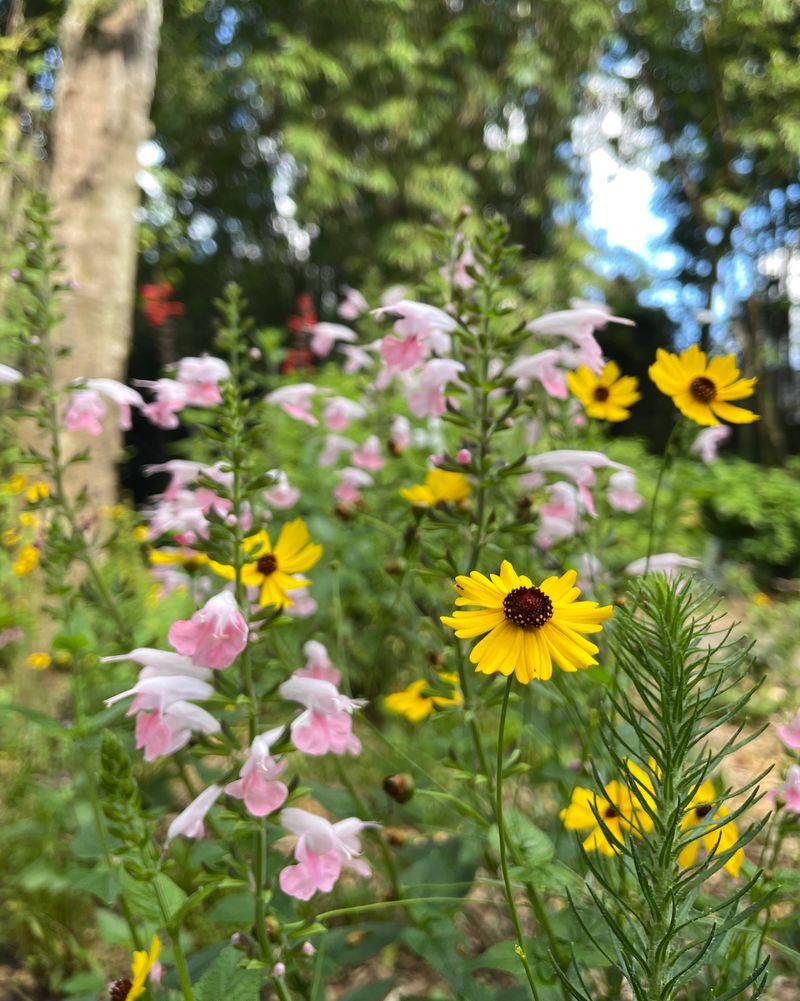
Mixing in native wildflowers adds color, and pollinators visit gladly during the cooler months of the year. I can’t imagine a fall bed without a few blooms, since they soften the look for any committee.
When in doubt, send your plant list along with the application and let the committee weigh in early. A little transparency now means more time harvesting later, and that trade feels worth it every season.