Raised Tunnels Across Your Ohio Lawn This Fall? Don’t Blame A Vole Yet
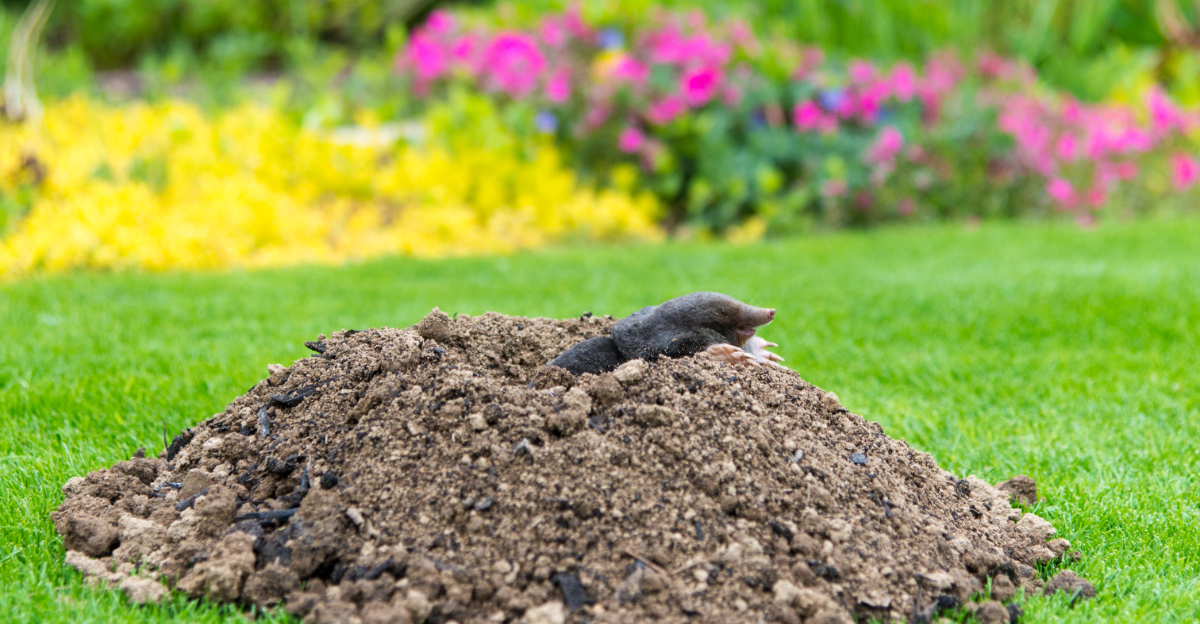
A strange ridge across the Ohio lawn can make it look like something stitched a path just beneath the grass. By fall, those raised tunnels may snake between flower beds, cross open turf, or appear overnight near shrubs and trees.
Voles often get blamed first, especially once cooler weather pushes small animals closer to cover. But the shape of the damage can point in another direction.
Some lawn pests travel below the surface in ways that lift soil without leaving the same clues voles usually do. That difference matters before traps, repellents, or repairs enter the picture.
Look closely at the width of the ridge, the condition of the grass above it, and any nearby soil mounds. Your lawn may be showing you exactly what moved underneath, and the wrong guess can send you after an animal that never made the tunnel in the first place.
1. Raised Ridges Point Straight Toward Moles
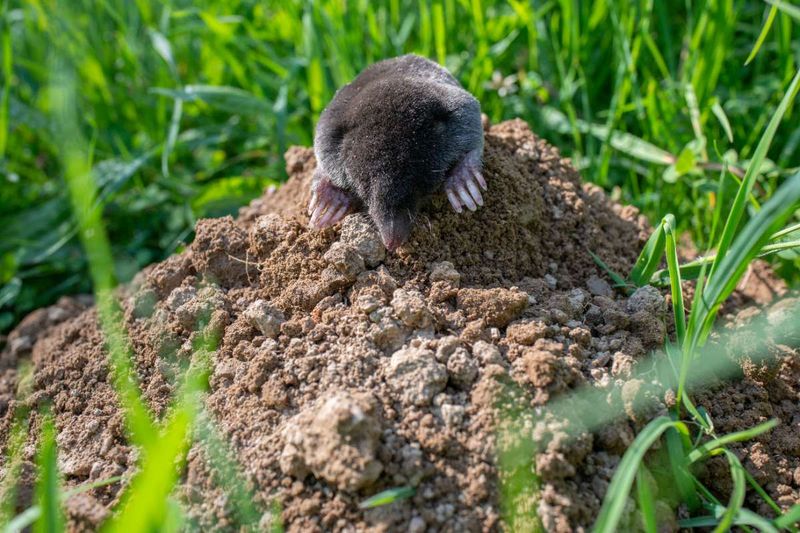
A narrow ridge of lifted turf winding across a lawn is one of the most recognizable signs of mole activity.
According to Ohio State University Extension, moles travel just beneath the soil surface while foraging, and that movement can push the ground upward into a raised line.
These ridges often appear overnight and may stretch several feet in a winding or branching pattern.
Seeing one raised ridge does not automatically confirm a mole is responsible. Other clues should be considered alongside it.
Fresh soil disturbance, slightly soft ground, and nearby mounds of excavated soil all support the case for mole activity. Together, those signs make a mole more likely.
Raised ridges tend to follow a fairly consistent width and height across the yard. Vole activity rarely produces this kind of lifted turf pattern.
Voles generally work closer to the surface in ways that flatten rather than raise the ground. Comparing the shape of the damage is a smart first step before reaching any conclusion.
A long, curving ridge that lifts the turf cleanly from below strongly fits the mole profile. Wildlife and Extension sources describe this pattern as more typical of moles than other common lawn pests.
2. Vole Runways Usually Stay Flat
Crouching down and looking across your lawn at ground level can reveal something that standing up easily hides.
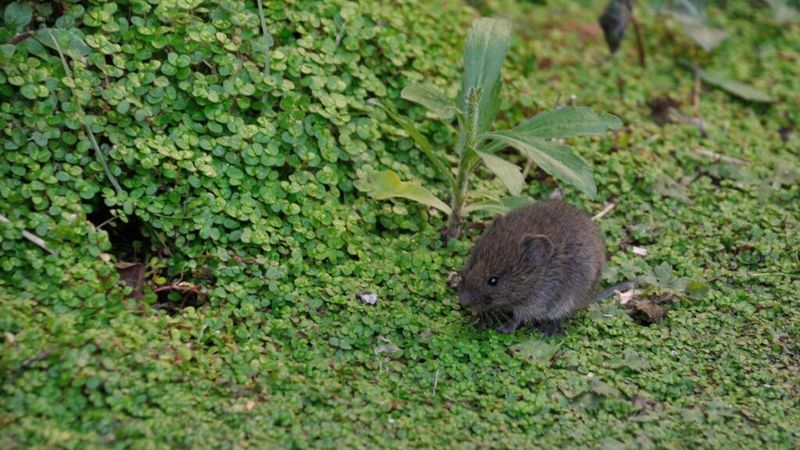
Voles create narrow surface pathways through grass and low vegetation, and those pathways tend to look worn and flattened rather than pushed upward from below.
That difference in height is one of the clearest ways to separate vole signs from mole signs.
Reliable wildlife guidance describes vole runways as narrow trails, often about an inch or two wide, that run through dense grass or ground cover. The vegetation along these routes may look clipped or chewed short.
Small entrance holes into the soil may also appear near these runways, though not every vole trail will show every sign at once.
Voles do use underground tunnels in some situations, so a flat surface runway alone does not close the case completely. Looking for a combination of signs gives a more reliable answer.
Your Ohio Garden Changes Every Week. Your Plan Should Too.
Gardening in Ohio changes quickly throughout the season. Every Friday you’ll receive a simple weekly plan showing exactly what to plant, prune, fertilize, harvest, and protect so you never miss the right timing.
Worn grass paths, clipped plant material near the trail, and small round holes near the base of plants together build a stronger picture of vole presence. A raised ridge pushing the turf upward is not part of that picture.
Comparing these surface differences carefully before acting can prevent misidentifying the animal and choosing the wrong management approach entirely.
3. Cool Wet Soil Brings Mole Tunnels Up
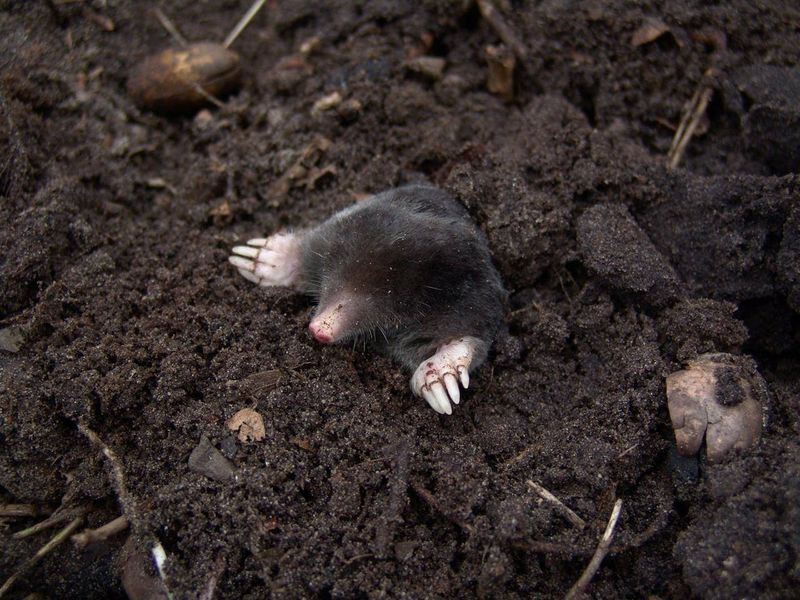
Below ground after an autumn rain, something shifts. Earthworms and other soil animals move closer to the surface when cool, moist conditions settle in, and moles follow their food supply upward.
Ohio State University Extension notes that mole feeding activity can become more visible during fall because of exactly this kind of soil change.
Moles are present in many lawns long before homeowners notice any tunneling. Dry summer soil can push feeding activity deeper underground, keeping it out of sight.
Once fall moisture softens the upper layers, fresh ridges can seem to appear from nowhere, even though the mole may have been living in the yard for months.
Cooler temperatures and increased moisture do not mean moles have just arrived. They mean conditions have changed in a way that brings foraging activity closer to the surface where it becomes visible.
Earthworm populations in the soil play a big role in directing where moles choose to travel and feed on any given day. Understanding that connection helps explain why ridges can multiply quickly after a stretch of rainy fall weather.
Blaming a recent arrival is a common assumption, but the animal was likely already there. The lawn is simply showing activity that was hidden before the season changed.
4. Fresh Ridges Reveal Active Feeding Routes
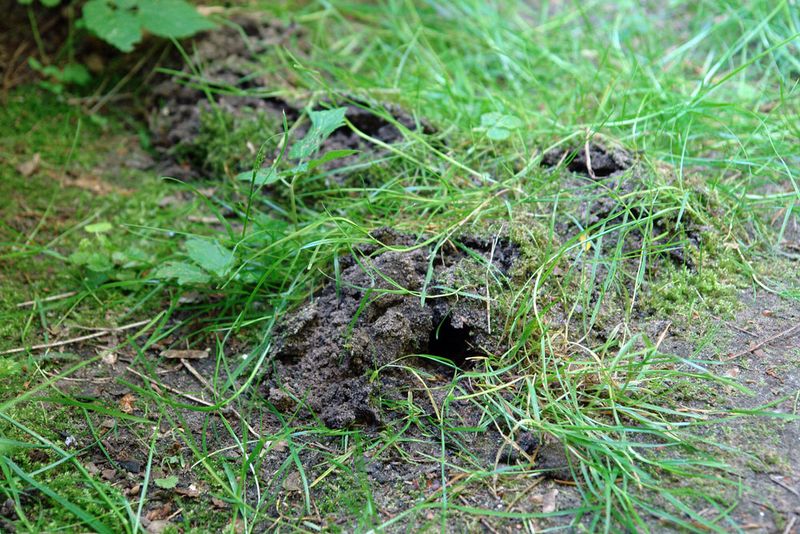
A ridge that looks newly pushed up overnight carries more useful information than one that has been sitting in the yard for weeks. Moles may travel some surface runs only once while returning to others repeatedly.
Knowing which tunnels are still active helps homeowners avoid wasting effort on routes that have already been abandoned.
Fresh activity often shows up as recently disturbed soil and turf that feels soft or spongy when pressed. New ridges appearing after a quiet period are another useful clue.
Older tunnels may still be visible but can feel more compacted underfoot. The difference between the two matters before any management decision is made.
Not every visible ridge stays active indefinitely. Moles shift their foraging routes based on where food is concentrated in the soil.
A tunnel that was busy last week may sit unused today while a new one appears on the other side of the yard. Checking for fresh movement is a practical way to narrow down where current activity is concentrated.
Observe the lawn for several days instead of reacting immediately to every visible ridge. That gives you a clearer picture of what is currently happening below the surface.
That kind of patience leads to smarter decisions about next steps.
5. Molehills Signal Deeper Digging Below
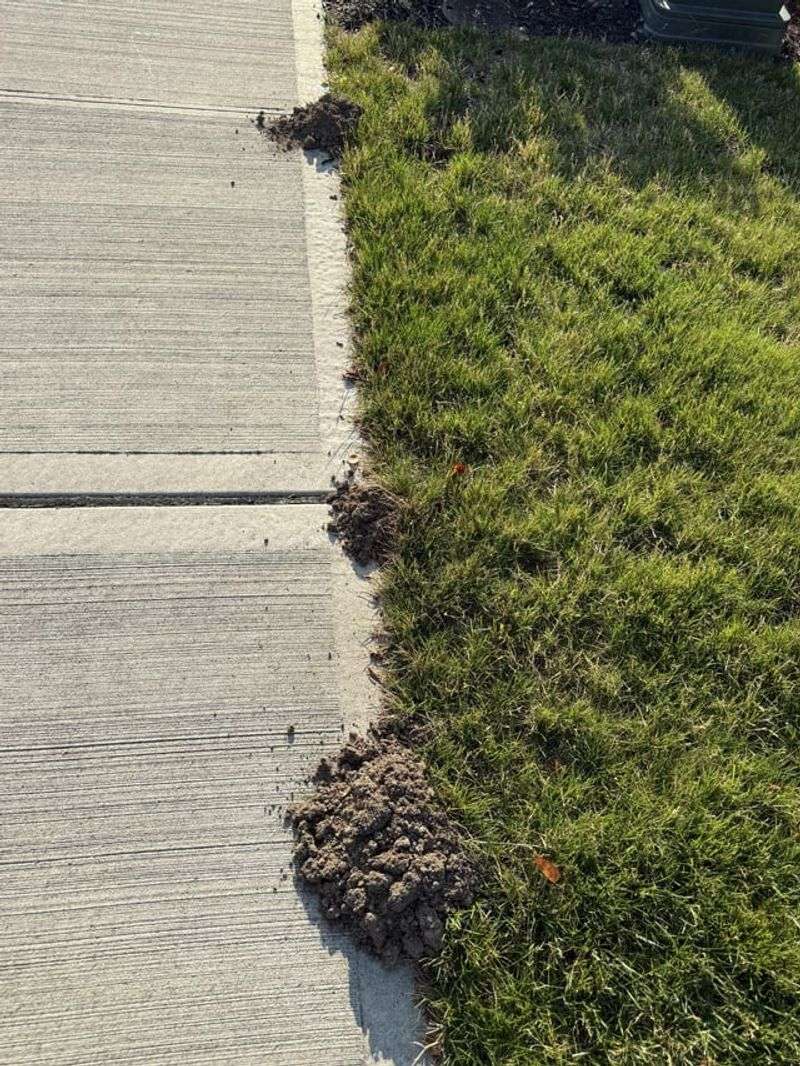
A fresh mound of loose soil appearing beside a tunnel network is worth stopping to examine. Molehills form when a mole pushes excavated soil up through a vertical shaft from a deeper tunnel system below.
That process produces a roughly rounded mound of soil that sits on the surface and looks noticeably different from the long raised ridges created by shallow feeding runs.
Ohio wildlife guidance distinguishes molehills from the surface ridges that moles create while foraging near the top of the soil. Ridges travel horizontally just under the turf.
Molehills mark spots where deeper digging is happening below. Seeing both signs together on the same lawn strengthens the identification considerably.
Molehills are sometimes confused with mounds left by other animals, so the surrounding context matters. A molehill near a network of raised ridges fits a consistent pattern.
A mound appearing without any surface ridges nearby may point to something else and deserves a second look. Mole mounds also tend to be roughly symmetrical and made of finely broken soil.
Not every tunnel in a mole’s system will produce a surface mound, so the absence of molehills does not rule moles out. A molehill becomes more meaningful when it appears with raised ridges and fresh soil disturbance.
Together, those signs point more strongly toward mole activity than vole activity.
6. Damaged Roots Do Not Mean Moles Ate Them
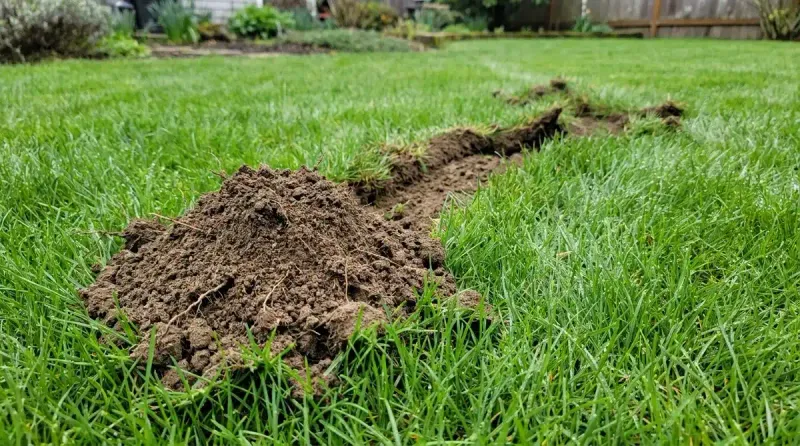
A patch of lifted grass that pulls away from the soil easily can look alarming. Roots seem disturbed, the turf feels loose, and the first assumption is often that something has been feeding underground.
That assumption leads many homeowners to the wrong conclusion about which animal is responsible.
Ohio State University Extension and other wildlife sources note that moles mainly eat earthworms and other soil animals. They do not primarily feed on plant roots.
Physical tunneling can still disturb the root zone, separate grass from the soil, and leave turf looking damaged. The damage is real, but the cause is mechanical disruption rather than feeding on the plants themselves.
Voles present a different situation. Reliable sources indicate that voles can feed on roots, stems, bark, and other plant material, making them a more direct threat to vegetation in some cases.
Knowing which animal is present changes how the problem should be understood. A mole does not eat your grass roots, but its tunneling can still stress turf by separating roots from soil contact and moisture.
Addressing the misconception matters because it affects how homeowners respond. Treating for root-feeding pests when the real issue is a soil-foraging insectivore means the actual problem goes unaddressed.
Reading the full set of signs together leads to a more accurate and useful conclusion.
7. Grub Control Will Not Solve The Whole Problem
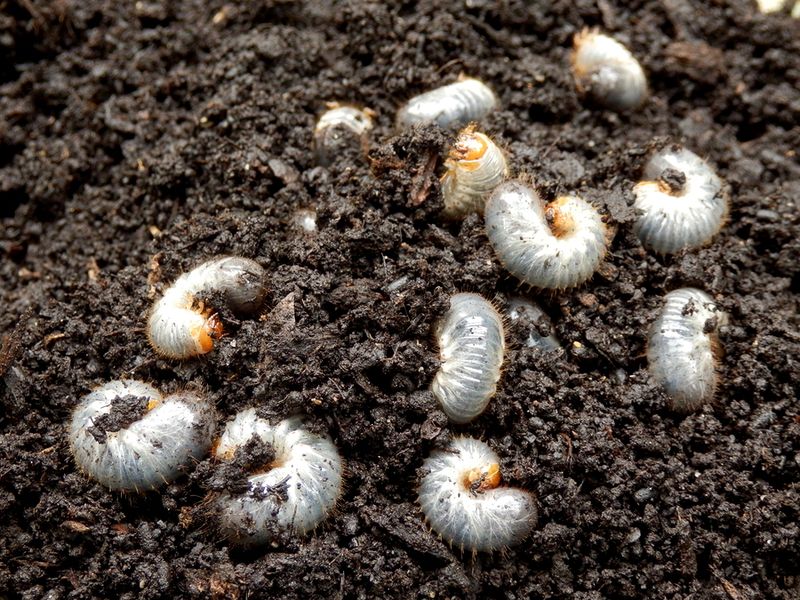
Reaching for grub control after spotting mole tunnels feels like a logical move. Grubs live in the soil, moles dig through the soil, so removing grubs should remove the moles.
That chain of reasoning sounds sensible but leaves out something important about what moles actually eat.
Ohio State University Extension explains that earthworms make up a significant part of the mole diet. Moles also consume other soil animals beyond grubs.
Treating only for grubs removes just one possible food source. Moles can continue foraging because earthworms and other soil animals remain available.
Grub management can be a useful practice when an actual grub problem has been confirmed in a lawn. Applying grub treatments solely because mole tunnels are present, without evidence of a grub infestation, is not a sound approach.
It may not reduce mole activity, and unnecessary pesticide use can affect other soil organisms that are beneficial to lawn health. A better starting point is confirming what is actually present in the soil before choosing any treatment.
Checking for active tunnels, looking at the full set of signs, and understanding the mole diet leads to more targeted decisions. Grub control and mole management are separate issues that should each be evaluated on their own evidence.
8. Flatten A Tunnel Before You Take Action
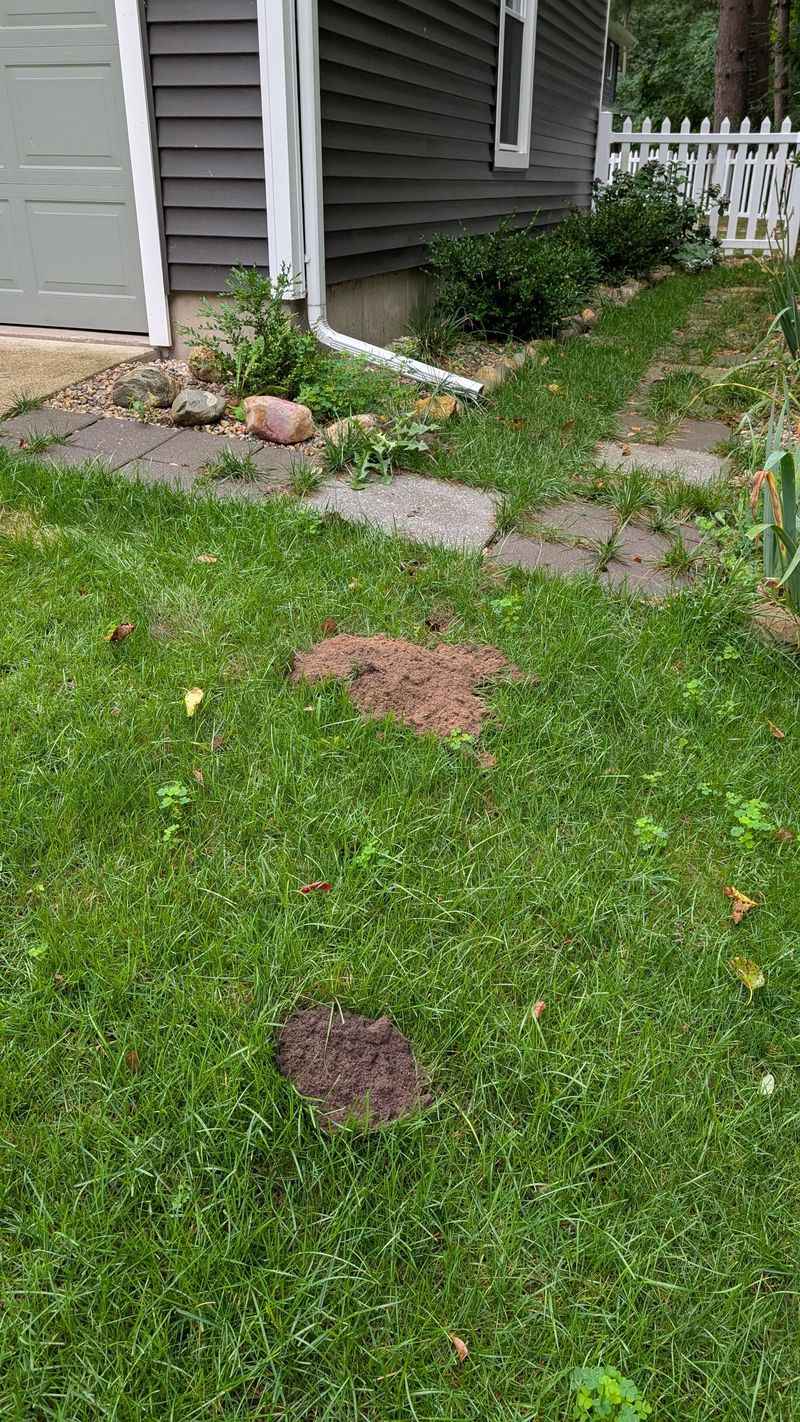
Before deciding what to do about any tunnel or ridge, press a section of it flat with your foot or the back of a shovel. Check that same spot again after a day or two.
A tunnel that gets pushed back up during that time is showing signs of active use, while one that stays flat is more likely abandoned.
Wildlife management guidance supports this simple observation step as a way to confirm which surface runs are worth focusing on. Not every visible ridge is currently in use.
Moles shift their routes as food sources move through the soil, and older tunnels can sit undisturbed for extended periods. Spending time managing an inactive tunnel wastes effort that could go toward confirmed activity.
Reopened tunnels point to where a mole is actively foraging right now. Focusing attention there gives any management approach a better chance of being effective.
If control measures become necessary, follow current wildlife guidance and any applicable local rules for your area. Avoid homemade treatments, fumigation, or any approach not supported by credible Extension or wildlife sources.
Raised ridges point more strongly toward moles than voles in most cases, but identifying the full set of signs before acting is always the right first move. Flatten first, observe carefully, and then decide.