Why Michigan Gardeners Plant Shallots In Fall For A Spring Head Start
Planting shallots while a Michigan garden is winding down can feel like doing the season backward.
Most beds are being cleared. Frost is getting closer. The soil is cooling, and very little above ground looks interested in starting something new.
Shallots are different.
A fall-planted set can spend the mild weeks building roots, then rest through winter and wake up ready to grow as soon as spring soil begins warming.
That quiet head start can move the whole crop forward before spring-planted shallots even settle in.
So why do Michigan gardeners bother planting before winter?
The answer comes down to timing.
Fall planting gives roots a chance to establish, helps the crop use early spring moisture, and can lead to faster top growth once cold weather breaks. It also opens the possibility of a summer harvest and frees bed space sooner.
The method is simple, but timing, drainage, planting depth, and mulch all matter.
Get those details right, and winter becomes part of the growing plan instead of an interruption.
1. Plant Shallot Sets Before The Ground Freezes
Cold soil still has one useful job before Michigan winter settles in.
Shallot sets can begin developing roots while the ground remains workable, even though top growth stays modest. That early root system is the whole reason fall planting can beat a spring start.
October often works well across much of the Lower Peninsula, while colder northern areas may need an earlier date. Local frost patterns matter more than a statewide calendar.
Aim to plant several weeks before the ground usually freezes hard.
The set does not need to produce a dramatic green shoot. In fact, a little or no top growth is perfectly useful at this stage. What matters is the network forming underneath.
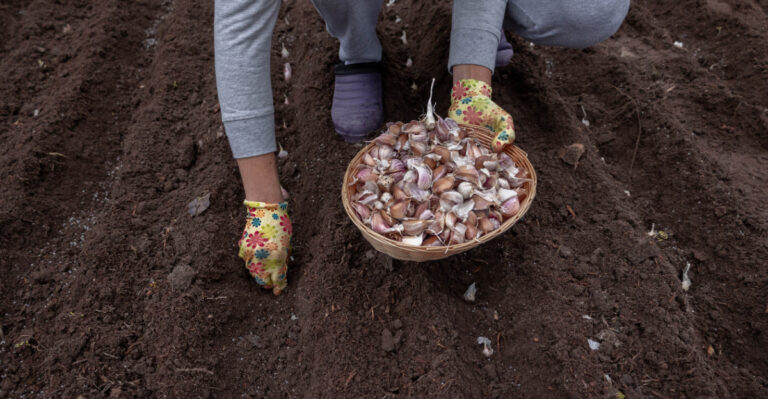
Set each bulb into loose soil before repeated hard freezes lock the bed.
Waiting too long creates a bigger risk than planting slightly early. A bulb dropped into frozen or nearly frozen ground has little chance to anchor itself, which leaves it more vulnerable to winter heaving and decay.
Mark the row after planting.
Once leaves fall and snow arrives, a bare shallot bed becomes surprisingly easy to forget.
Fall planting works because the crop starts quietly. The garden may look finished for the year, but those small bulbs are already setting up next spring’s first move beneath the surface.
2. Let Roots Settle Before Winter Dormancy
The best part of fall planting stays invisible for months.
A shallot set spends the cool weeks before winter pushing fine roots into the surrounding soil. Once hard cold arrives, that growth pauses rather than disappearing.
The bulb simply waits.
When late-winter and early-spring soil begins warming again, those roots are already in place. A spring-planted set still has to build that underground system before it can push strong top growth.
That difference gives fall-planted shallots a useful starting advantage.
Green shoots can emerge quickly once conditions improve because the plant does not have to begin from zero. The roots can immediately support new leaves and stronger early growth.
Your Michigan Garden Changes Every Week. Your Plan Should Too.
Gardening in Michigan changes quickly throughout the season. Every Friday you’ll receive a simple weekly plan showing exactly what to plant, prune, fertilize, harvest, and protect so you never miss the right timing.
Do not worry about a tiny shoot appearing before winter.
A modest amount of foliage is not unusual. The goal is still root establishment, so avoid pushing the plant with fertilizer or excess water during autumn.
Let the season slow it naturally.
Cold dormancy is part of the plan, not a setback. A properly planted shallot can sit through winter with its roots intact, then restart once the soil becomes active again.
That is the quiet trick behind the spring head start.
Nothing flashy happens in December. Nothing needs to.
The advantage was built weeks earlier, below ground, while the rest of the vegetable garden was already taking the season off.
3. Give Spring Growth An Earlier Starting Line
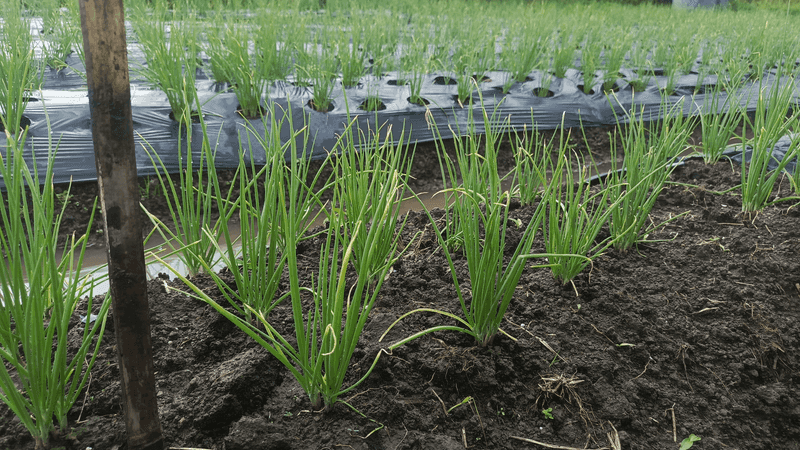
A few weeks gained in spring can matter a lot in a Michigan vegetable garden.
Fall-planted shallots wake with roots already established, so they can move into leaf growth earlier than sets planted after winter. That earlier start can carry through the whole season.
Strong spring foliage helps feed the bulbs below.
As days lengthen, the plant can devote more energy to forming and sizing the cluster instead of spending its first weeks building a basic root system.
That can move harvest earlier.
Many fall-planted shallots are ready around late June or early July, though weather, variety, and location can shift the timing. A cool spring may slow development. A warm one can push things along.
An earlier harvest gives the bed a second benefit.
Once the shallots come out, that space becomes available for another crop. Beans, summer greens, or another quick vegetable can use a bed that would otherwise stay occupied longer.
That matters in a short northern growing season.
Fall planting does not guarantee enormous bulbs or a specific harvest date. Soil, winter conditions, moisture, and variety still shape the result.
The real advantage is momentum.
Spring-planted shallots are getting acquainted with the bed while fall-planted ones are already stretching their leaves.
In a Michigan garden, a crop that knows where the starting line is before the snow melts has a pretty useful edge.
4. Choose Loose Soil With Fast Drainage
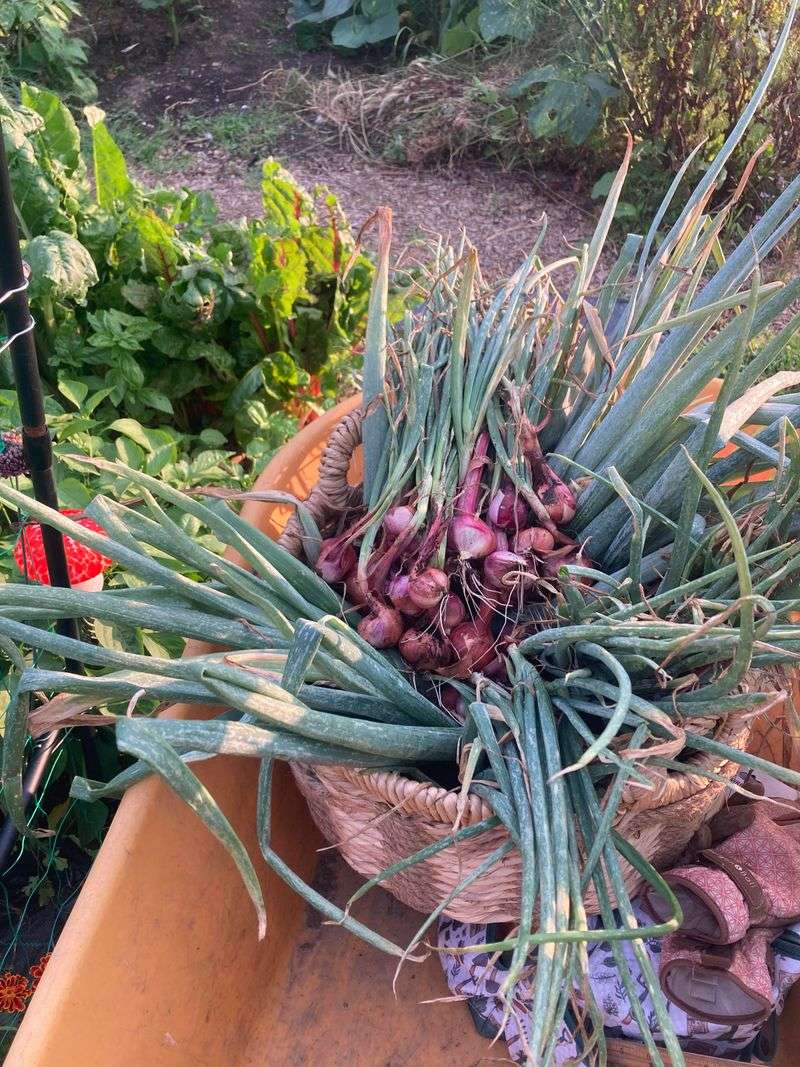
Winter cold is not the only challenge a fall-planted shallot faces.
Wet soil can be worse.
A bulb sitting in waterlogged ground through repeated freezes and thaws is much more vulnerable to tissue damage and decay. That makes drainage one of the most important parts of the entire fall-planting plan.
Choose a bed that sheds water quickly after rain.
Low spots that collect puddles in October can become even wetter during late-winter snowmelt. Heavy Michigan clay deserves extra attention because it can hold moisture long after the surface looks dry.
Raised beds are useful here.
Even a modest lift above surrounding grade can help excess water move away faster and can also help the soil warm earlier in spring.
Improve dense soil with compost before planting.
The goal is a loose structure that holds some moisture without staying saturated. Avoid turning the bed into a fluffy mix that collapses after the first hard rain.
Watch the site during a storm before committing the crop.
Water movement tells you more than a soil label ever will.
Shallots handle cold much better once the bulbs are sitting in a stable, well-drained root zone.
Winter protection starts under the surface.
A good mulch layer can help later, but no blanket can rescue a bulb planted in a spot that behaves like a bathtub every time Michigan weather turns wet.
5. Set Cloves Shallowly In Prepared Ground
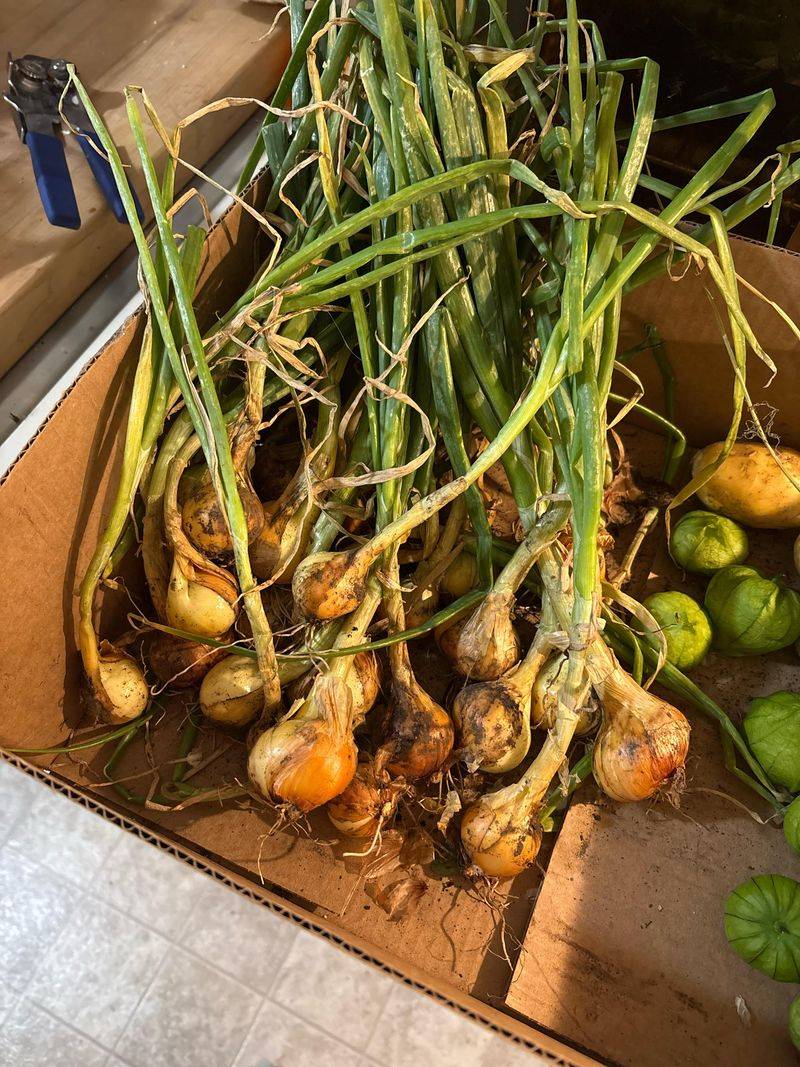
Shallot sets do not need a deep burial before winter.
Place each one with the pointed tip facing up and the flat basal plate resting downward. That simple orientation puts the future shoot and roots exactly where they need to go.
Cover the set lightly.
A planting depth that leaves the tip roughly an inch below the soil surface works well for a fall crop. Deep planting can slow spring emergence and keep the bulb in a wetter part of the bed.
Give each set room to multiply.
Spacing of about six inches allows the developing cluster to expand without pressing immediately into its neighbor. Wider spacing can help where large bulbs are the goal.
Firm the soil gently around each set.
You want good contact between the bulb and the surrounding ground, not a compressed pocket that sheds air and drains poorly.
Water once after planting when the soil is dry enough to need it.
Then let normal autumn moisture handle most of the work. Fall shallots do not need a schedule built around frequent watering.
Mark the row before mulch arrives.
A few stakes or labels save spring confusion when the bed looks empty under straw.
The planting job is small, but precision pays.
Point up, roots down, shallow cover, enough space.
Shallots are not asking for advanced engineering. They just appreciate being installed right-side up.
6. Mulch After Cold Weather Settles In
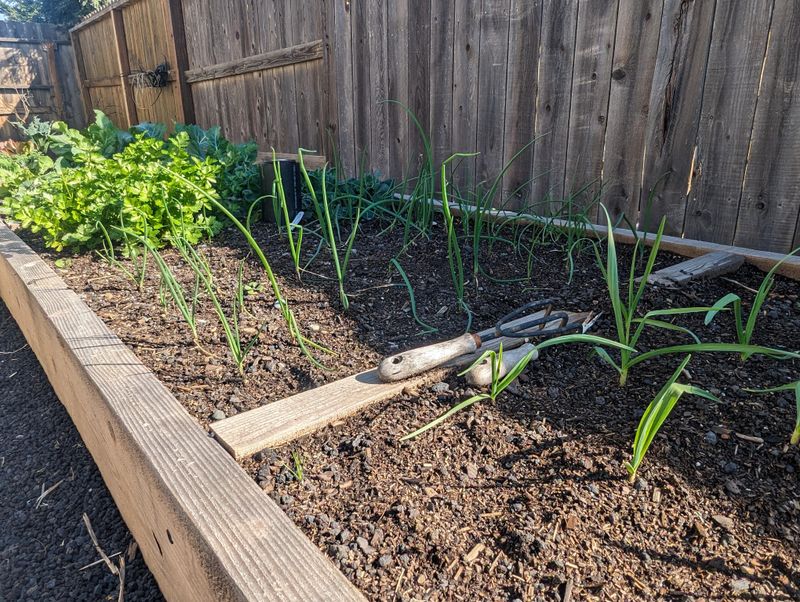
Michigan winter does not always stay consistently cold.
The frustrating part is the back-and-forth.
Soil freezes, warms, and freezes again. Those repeated changes can lift shallow-rooted bulbs toward the surface, exposing them to harsher cold and drying winds.
Mulch helps calm that cycle.
Wait until cold weather has settled in and the upper soil has experienced a few hard freezes. Then spread roughly three to four inches of clean straw over the shallot bed.
The timing matters.
Mulch applied too early can keep the soil warm longer than necessary and may encourage more top growth than you want before winter.
Late mulch works more like insulation.
It reduces sharp temperature swings around the bulbs and helps keep the soil surface from heaving as dramatically during thaws.
Keep the layer loose rather than packed.
A compressed, wet mat can hold too much moisture. Fluffy straw traps air and provides better protection without turning the bed into a soggy blanket.
Check the mulch after windy weather.
Exposed patches can appear quickly in an open garden, so redistribute straw where the bed becomes bare.
This is not about making shallots warm.
They are built to handle cold.
The mulch simply makes winter less chaotic around the roots, which is exactly what a shallow-planted bulb needs while Michigan weather changes its mind for the fifth time that week.
7. Pull Heavy Mulch Back In Spring
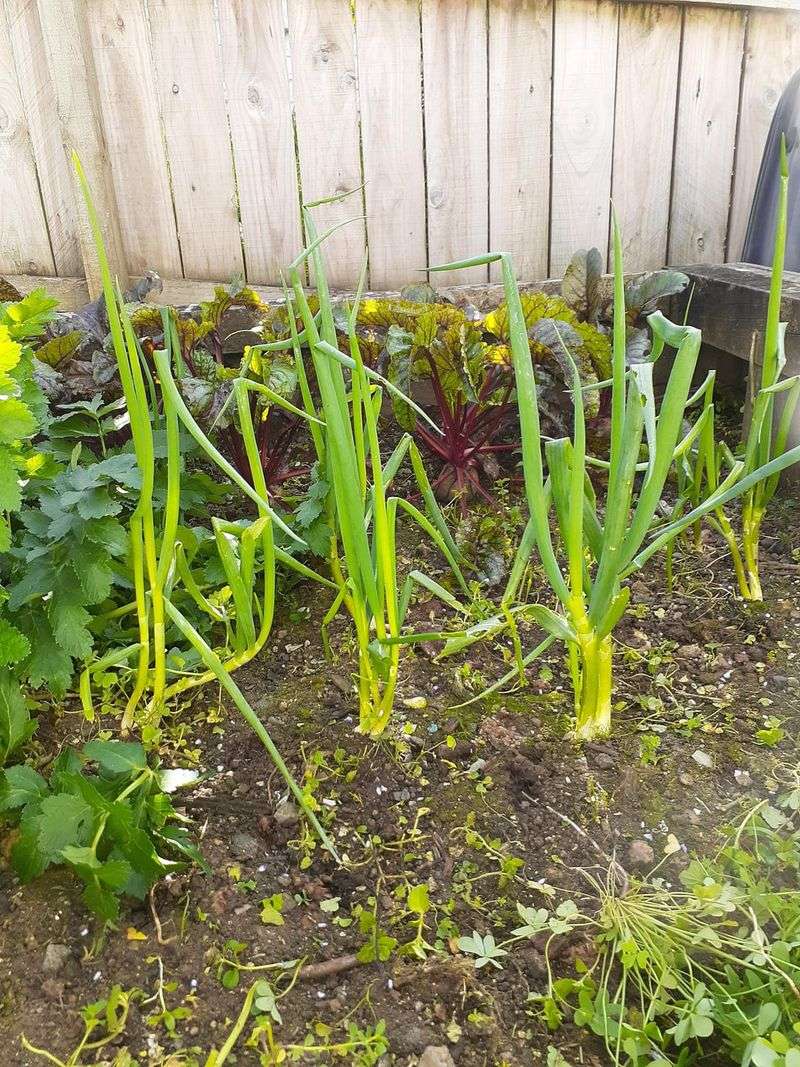
The same straw that protects shallots in January can slow them down in March.
Once daytime temperatures begin rising and the soil starts softening, a thick mulch layer blocks sunlight from reaching the surface. That keeps the bed colder and can make new shoots work harder to reach open air.
Pull most of the winter cover back gradually.
Leave a thin layer around the plants for moisture control and weed suppression, but expose enough soil for spring warmth to reach the root zone.
Watch the weather while you do it.
Michigan spring rarely moves in a straight line. Several mild days can be followed by another hard freeze, so keeping the removed straw nearby gives you an easy temporary cover during a cold snap.
Look for pale shoots beneath the mulch.
Those stretched leaves are ready for more light. Open the bed carefully so the tender growth is not bent or torn.
Once steady spring growth begins, keep the area weeded.
Shallots do not appreciate heavy competition around their shallow roots, especially while the bulb cluster is beginning to expand.
Resume watering only when the soil starts drying.
Snowmelt and spring rain may supply plenty at first.
Winter mulch did its job by holding the bed steady.
Spring asks for the opposite.
A little sunlight, a little air, and a lighter cover tell the shallots that their long nap is over and the race has started again.
8. Harvest Once Summer Tops Begin Falling
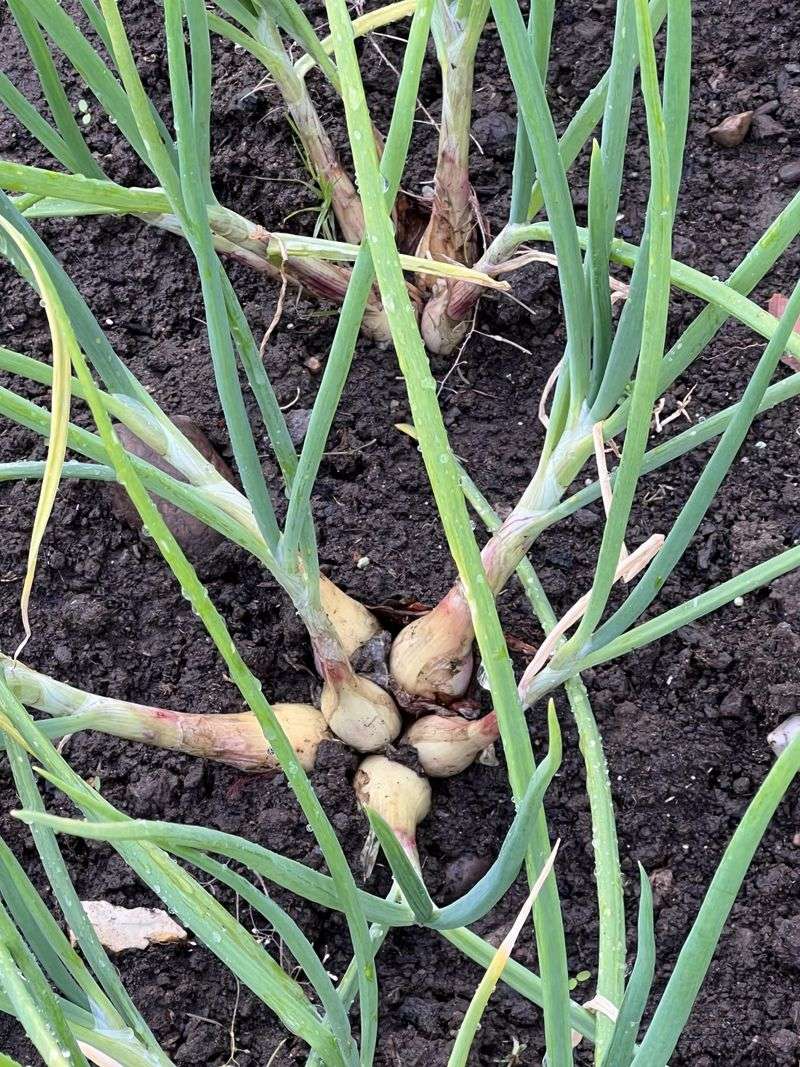
The calendar can suggest harvest time, but the shallot itself gives the better signal.
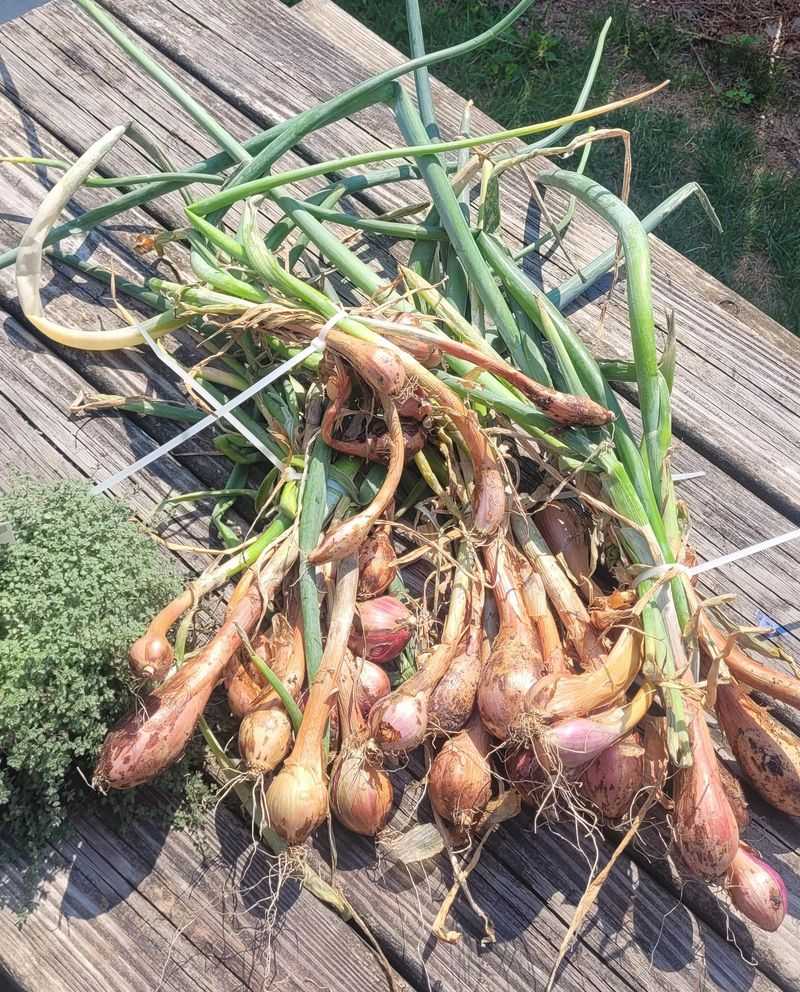
By early summer, the green tops begin losing their upright posture. They yellow, soften, and gradually fall over as the bulbs finish their growth below ground.
That is the cue to get the garden fork.
Fall-planted Michigan shallots often reach this stage around late June or early July. Seasonal weather can shift the date, so watch the plants instead of circling one weekend months in advance.
Choose a dry harvest day.
Loosen the soil beside each cluster with a fork, then lift gently. Pulling hard on the tops can snap the necks or leave part of the cluster behind.
Shake off loose soil without scrubbing the bulbs.
Move them to a dry, airy location protected from rain and strong direct sun. Let the outer skins and necks cure for roughly two to three weeks.
Good airflow matters during this stage.
Once the skins feel papery and the necks are dry, trim the tops and roots for storage.
Keep cured shallots somewhere cool, dry, and well ventilated.
That earlier summer harvest is the final reward for work done the previous fall.
The crop spent winter waiting, spring sprinting, and early summer filling out.
By harvest time, the head start is no longer hidden underground. It is sitting in your hands as a full cluster of bulbs.