7 Michigan Herbs That Grow Better In Partial Shade
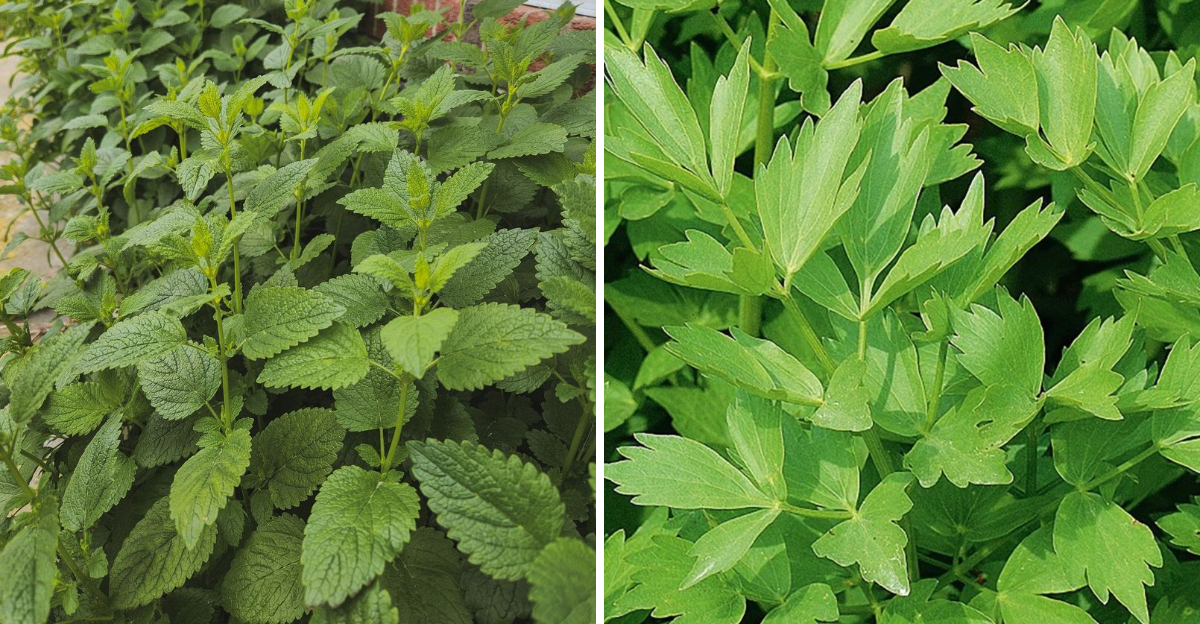
Most herb growing advice assumes full sun is non negotiable, leaving Michigan gardeners with shadier yards feeling like herbs simply aren’t an option for them.
But a specific group of herbs actually performs better with some relief from direct sun, especially during the hottest stretches of a Michigan summer.
Understanding which herbs fall into this category could open up an entirely new area of your yard you’d previously written off.
Many gardeners are surprised to discover just how well these particular herbs thrive in conditions they assumed would only lead to disappointment.
This list could completely change how you think about the shadier corners of your garden. Once you know which herbs actually prefer partial shade, filling those overlooked spaces becomes a lot more exciting.
A shady yard might be more capable of growing herbs than you ever expected.
1. Parsley Handles A Shadier Garden
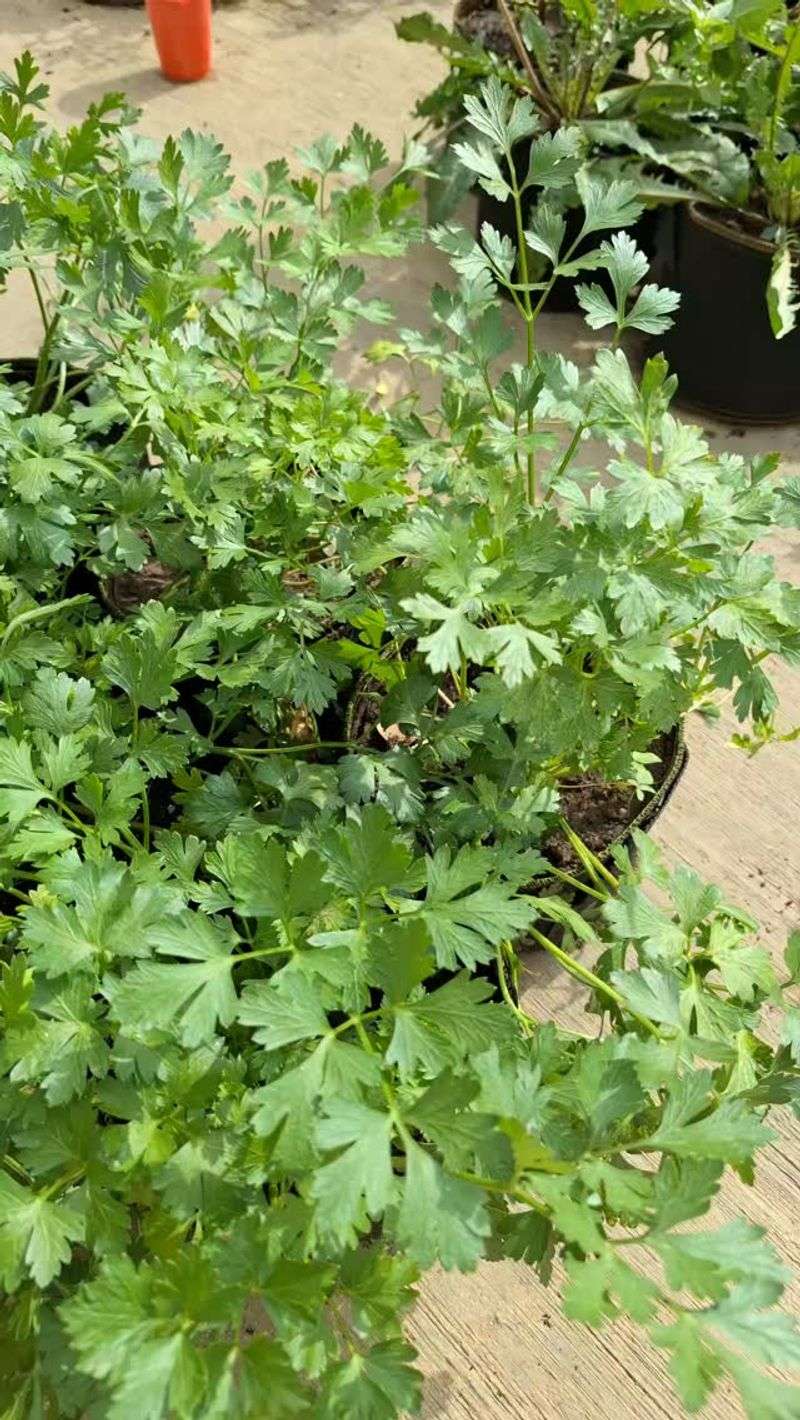
Fresh parsley is one of those herbs that quietly keeps producing even when the sun is not blazing all day. It happily grows with just four to six hours of light, which makes it a smart pick for that shaded strip along a fence or wall.
When summer heats up in Michigan, too much strong afternoon sun can make parsley leaves droop and turn bitter. A little shade during the hottest part of the day keeps the plant cooler and helps it stay green and tender for much longer.
Because parsley enjoys steady moisture, planting it in a spot that gets afternoon shade means the soil dries out more slowly. That saves you from constant watering and keeps the roots comfortable through July and August.
You can snip the outer stems whenever you need them, and the plant will keep pushing out new growth from the center. Regular trimming actually encourages more leaves, so do not be shy about harvesting.
Both curly and flat-leaf types work well in partial shade, though flat-leaf often has a stronger taste for cooking. Give them rich soil and a bit of compost, and they will thank you.
Fun fact: parsley is a biennial, meaning it can survive a mild winter and come back the next spring before it flowers.
Many Michigan gardeners treat it as an annual, but a protected plant might surprise you with a second season. For beginners, parsley is forgiving, tasty, and always useful in the kitchen.
2. Mint Does Not Need Full Sun To Spread
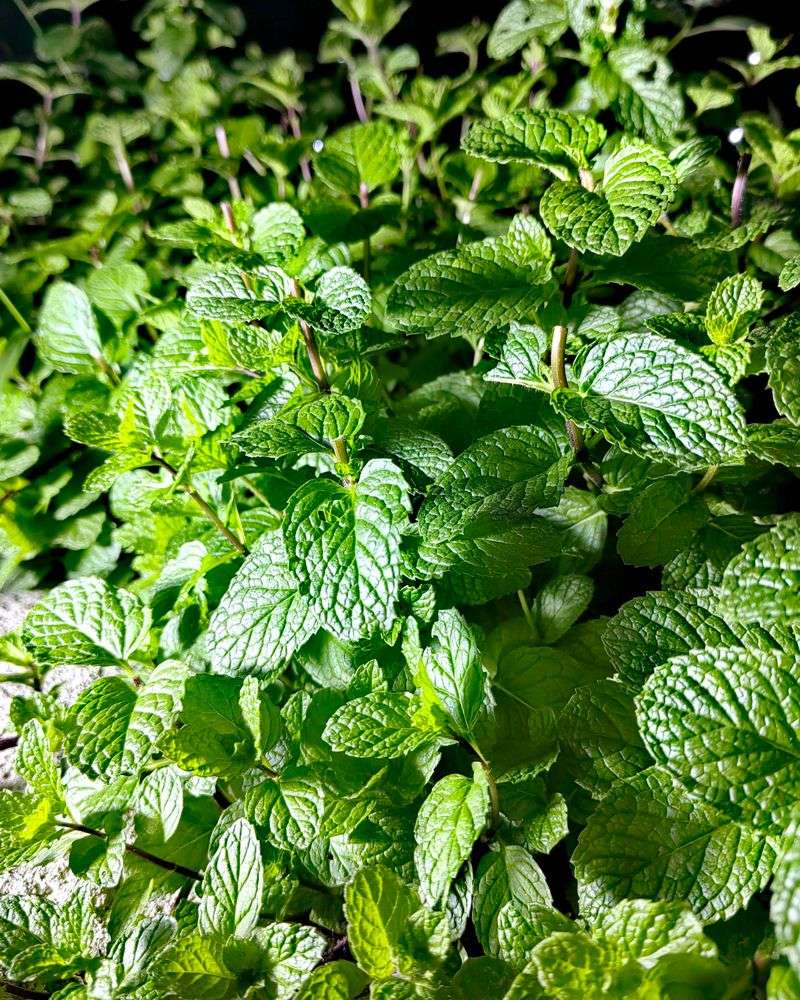
Mint is the overachiever of the herb world, and it barely cares how much sun it gets. Tuck it into a shady, damp corner and it will grow like it owns the place.
This herb actually prefers cooler, moist soil, so partial shade suits it perfectly. In full Michigan sun, mint can wilt and dry out fast, but in a shaded spot it stays lush and fragrant with far less fuss.
Here is the catch you need to know about. Mint spreads through underground runners, and once it settles in, it can take over an entire bed and crowd out your other plants.
Your Michigan Garden Changes Every Week. Your Plan Should Too.
Gardening in Michigan changes quickly throughout the season. Every Friday you’ll receive a simple weekly plan showing exactly what to plant, prune, fertilize, harvest, and protect so you never miss the right timing.
The easy fix is to grow mint in a container, either above ground or sunk into the soil with the rim sticking up. That keeps the roots from wandering while still letting you enjoy fresh leaves.
Watering is simple since mint likes to stay a little damp. Just do not let it sit in soggy, standing water, because the roots still need some air.
You can pinch off sprigs anytime for tea, lemonade, or cooking, and the plant bounces right back. Regular harvesting even helps keep it bushy instead of leggy.
There are many varieties to try, from peppermint to spearmint to fun flavors like chocolate mint. Each one handles shade well and brings its own twist to your recipes.
For a low-effort herb that smells amazing and grows almost anywhere, mint is hard to beat in a shady Michigan garden.
3. Cilantro Appreciates Afternoon Shade
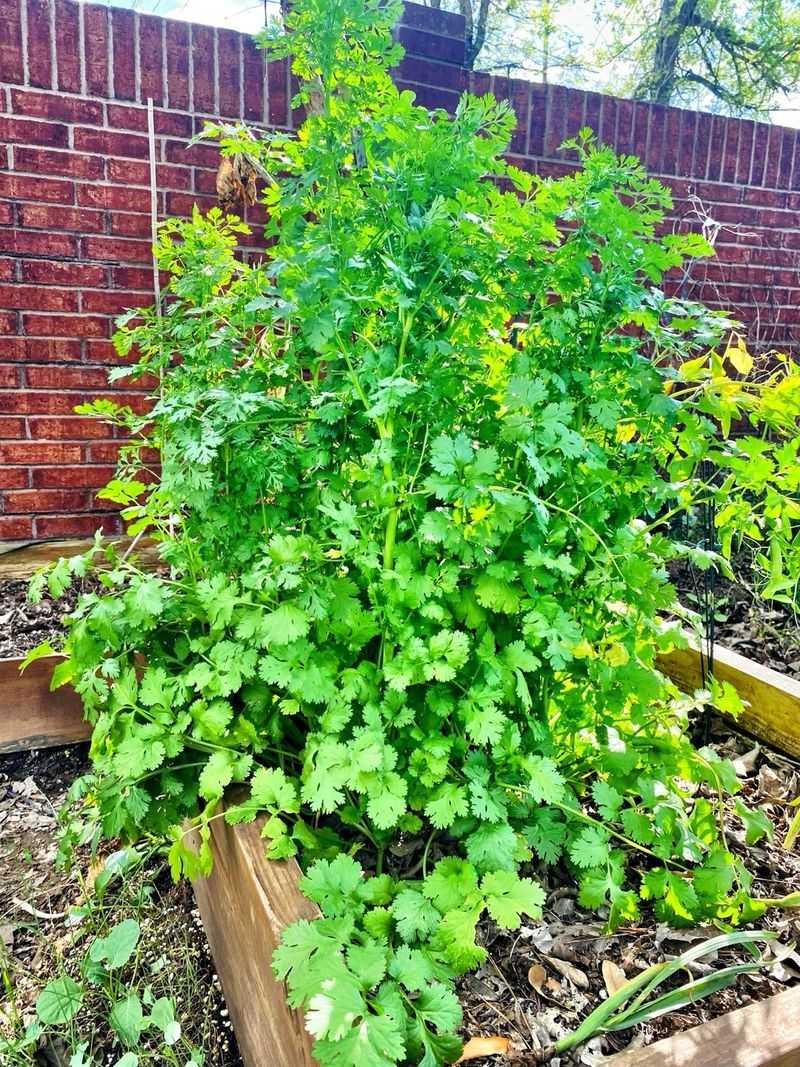
Cilantro has a reputation for rushing to flower the moment things get warm, and that frustrates a lot of gardeners. The secret to slowing it down is giving it some afternoon shade.
When temperatures climb in a Michigan summer, cilantro tends to bolt, meaning it shoots up flower stalks and stops making the leaves you actually want. Cooler conditions keep the plant focused on producing those flavorful greens instead.
Planting cilantro where it gets morning sun but shade during the hot afternoon helps keep it cooler. That small change can stretch your harvest by several weeks.
Because cilantro grows quickly, many people plant a fresh batch every two or three weeks. This trick, called succession planting, gives you a steady supply all season instead of one short burst.
Keep the soil evenly moist but not soggy, and the plants will stay happy and tender. Dry, hot soil is one of the fastest ways to trigger early bolting.
When the plant eventually does flower, do not toss it out. Let the flowers turn into seeds, and you will have coriander, the spice, straight from your own garden.
Snip the outer leaves first and let the center keep growing for the longest possible harvest. Fresh cilantro tastes far better than the wilted bunches from the store.
For anyone who loves salsa, tacos, or fresh dressings, growing cilantro in a shadier spot means more flavor for a longer stretch of the Michigan season.
4. Chervil Prefers A Cooler Corner
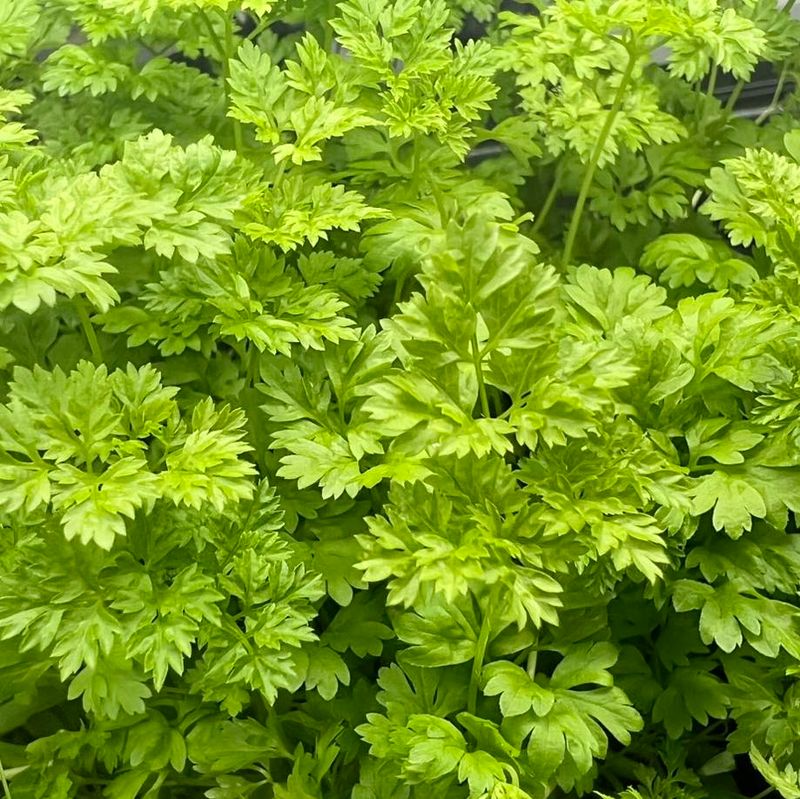
Chervil is one of those quiet gems that many gardeners have never tried, and that is a shame. This delicate herb with lacy, fern-like leaves actually does best when it stays out of the strong sun.
A cool, shaded corner is exactly where chervil shines. Too much heat and direct light cause it to bolt fast, so partial shade helps it stay leafy and mild for longer.
Because it loves cooler weather, chervil is a natural fit for early spring and fall planting in Michigan. Those shoulder seasons give it the gentle temperatures it craves.
The flavor is soft and slightly like anise, with a hint of parsley. Chefs often add it near the end of cooking so the delicate taste does not fade away.
Chervil grows quickly from seed, so scatter a little every couple of weeks for a steady supply. It does not transplant well, so sowing it right where it will grow works best.
Keep the soil moist and rich, and give the plant a shady home to slow down that bolting habit. Once it flowers, the leaves lose their tender charm.
Snip the outer leaves as you need them and the plant will keep filling in. Fresh chervil is fragile, so use it soon after picking for the best flavor.
If you want an herb that feels a little fancy and fits nicely into a shaded, cool spot, chervil is a rewarding choice for the spring and fall garden.
5. Lemon Balm Adapts Easily To Less Sun
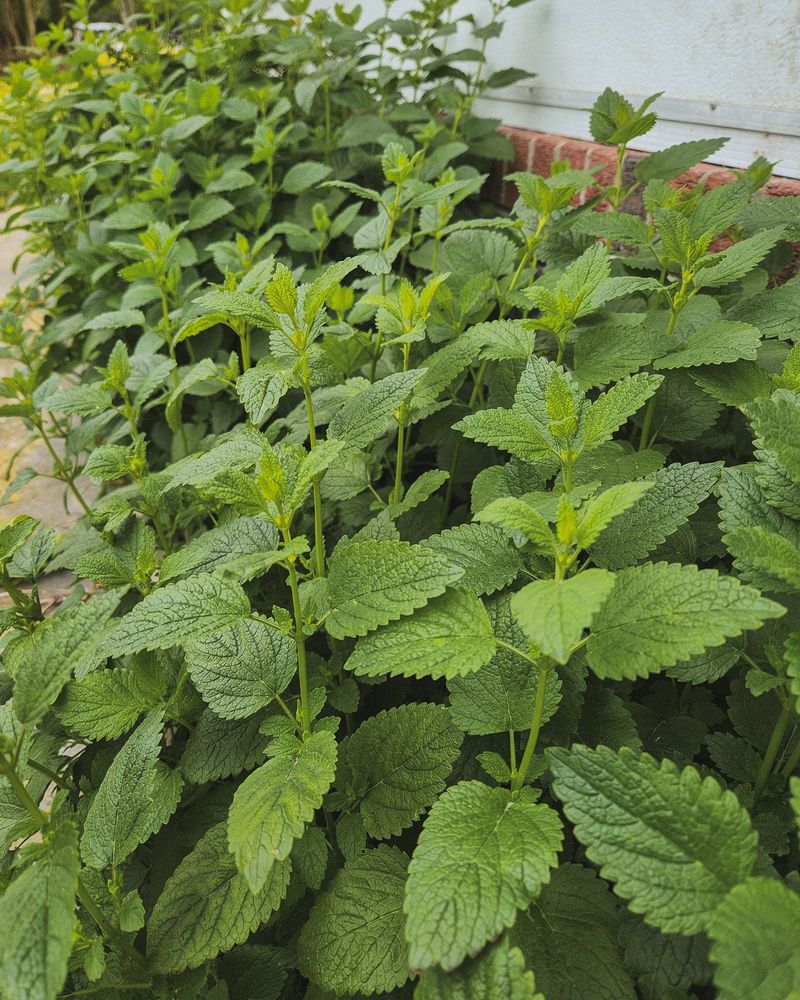
Lemon balm is the friendly, easygoing member of the mint family, and it fits into almost any garden situation. Whether you plant it in full sun or partial shade, it settles in and grows without complaint.
The leaves give off a bright, citrusy scent when you brush against them, which makes it a joy to have near a path or seating area. In shadier spots, the plant stays softer and greener during hot spells.
Michigan gardeners appreciate how tough lemon balm is. It handles cooler temperatures well and comes back reliably year after year as a hardy perennial.
There is one thing to watch, though. Lemon balm loves to make seeds, and those seeds can sprout all over your garden if you let the flowers mature.
The simple solution is to snip off the flowers before they set seed. Trimming the plant also keeps it bushy and encourages more of those fragrant leaves.
The leaves are wonderful in tea, hot or iced, and they add a fresh lift to salads and desserts. Harvest often and the plant keeps producing all season.
Give lemon balm moist, well-drained soil and it will practically take care of itself. It is forgiving enough for brand-new gardeners.
Fun fact: lemon balm has been grown for centuries and was once planted near beehives because bees adore its flowers. In your own yard, it brings both pollinators and a cheerful scent to a shady corner.
6. Lovage Can Improve With Light Shade
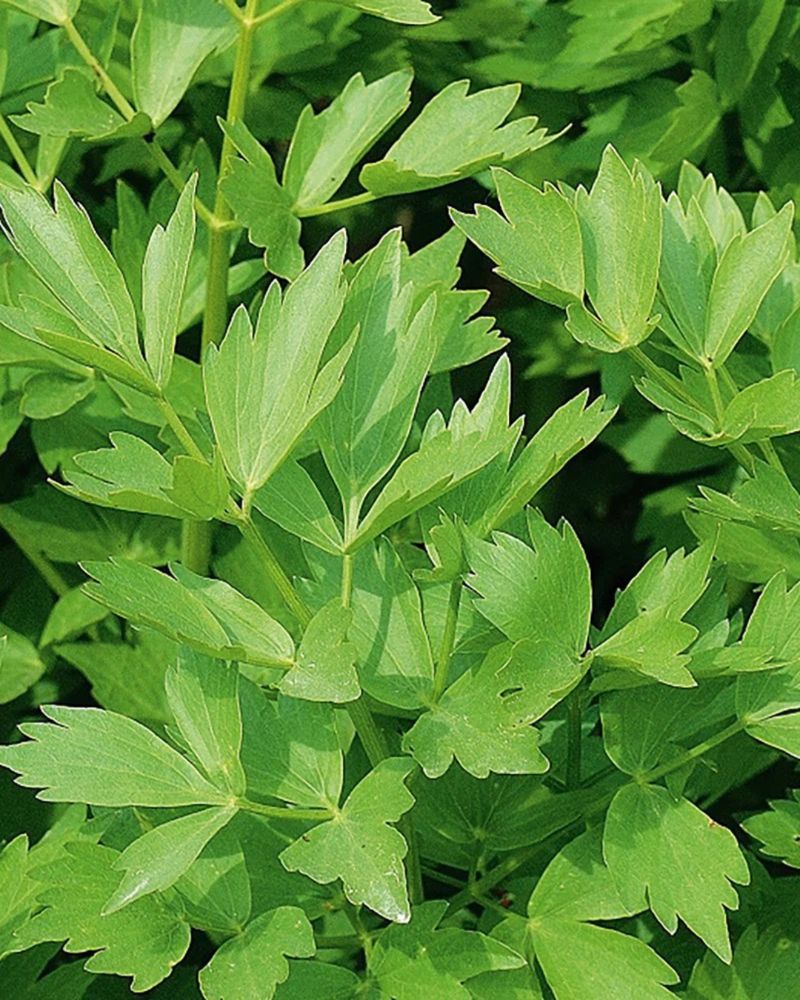
Lovage is the towering giant that surprises everyone who tastes it. The leaves and stems carry a bold celery flavor, but stronger and more savory, and a little goes a long way in soups and stews.
This tall perennial can reach several feet high, so it needs plenty of room to stretch out. Give it a back corner of the garden where it will not shade out smaller plants.
Light shade can actually improve lovage by keeping the leaves tender and preventing them from getting tough in intense sun. A spot with morning light and afternoon shade works beautifully.
Rich, moist soil is the key to happy lovage. Mix in compost before planting and keep the ground evenly watered, especially during dry Michigan summers.
Once established, lovage comes back stronger each spring and can produce for many years. It is one of those plant-it-once herbs that keeps giving.
Harvest the young leaves and stems for the best flavor, and cut the plant back if it gets too large or starts flowering. Trimming encourages fresh, tender growth.
The hollow stems can even be used as edible straws in a tomato drink, which is a fun party trick. Every part of the plant carries that punchy celery taste.
Because it is so hardy and long-lived, lovage rewards patient gardeners who give it space, rich soil, and a little shade. For anyone who loves cooking soups, it becomes a trusted kitchen companion year after year.
7. Chives Still Produce In Light Shade
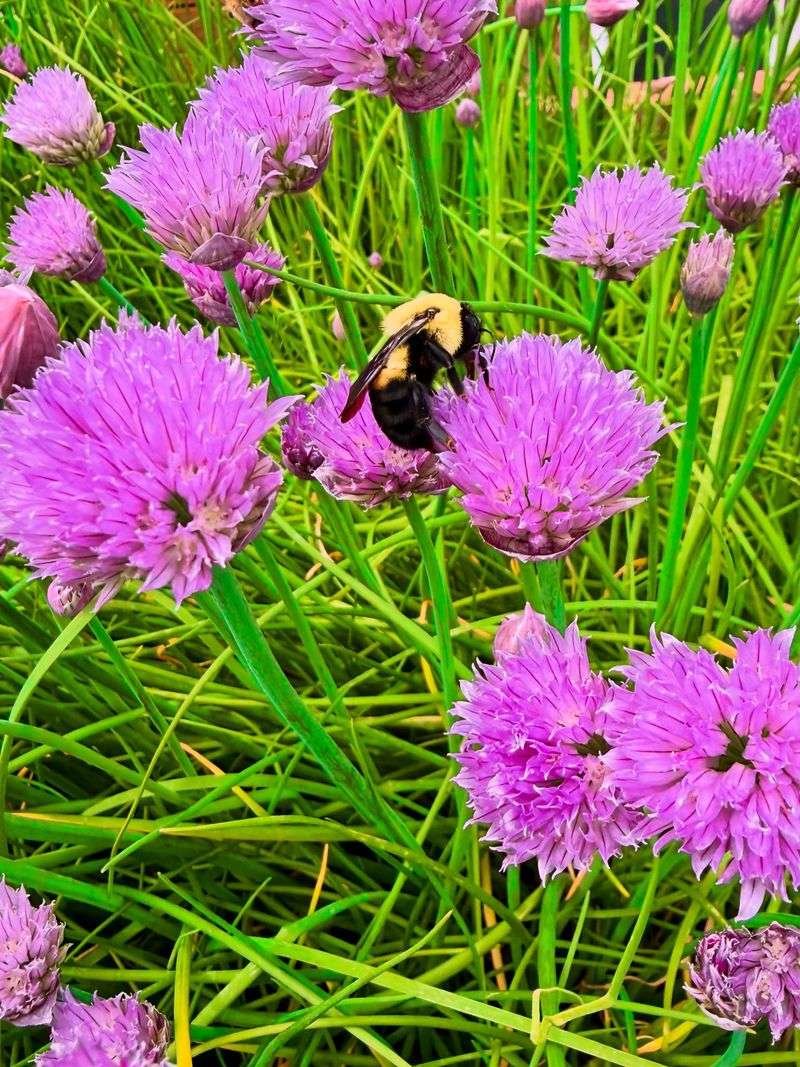
Chives are the dependable little workhorses that just keep coming back. These grassy green stems bring a mild onion flavor to almost any dish, and they are one of the easiest herbs a beginner can grow.
While chives do love sunshine, they still put out plenty of tender stems in light shade. You might notice slightly slower growth, but the plant stays healthy and useful all the same.
In a Michigan garden, chives shine as a hardy perennial that returns every spring without any replanting. They are often one of the first green things to pop up after winter.
The pretty purple flowers are more than just decoration. They are edible too, adding a gentle oniony punch and a pop of color to salads.
Snip the stems near the base with scissors, and the plant will keep sending up fresh growth. Regular cutting keeps them tender and encourages a thicker clump.
Chives are not fussy about soil, but they do best with steady moisture and a bit of compost. A spot with morning sun and afternoon shade keeps them comfortable.
Over time, the clump gets bigger and can be split into new plants to share or spread around the garden. Dividing every few years keeps them vigorous.
Keep in mind that more sunlight generally means stronger, faster growth, so give them as much light as your shady spot allows. Even so, chives are proof that a partly shaded corner can still deliver fresh, homegrown flavor.