Tiny Square Bugs Are Leaving Kudzu Patches And Heading Straight For White Alabama Houses
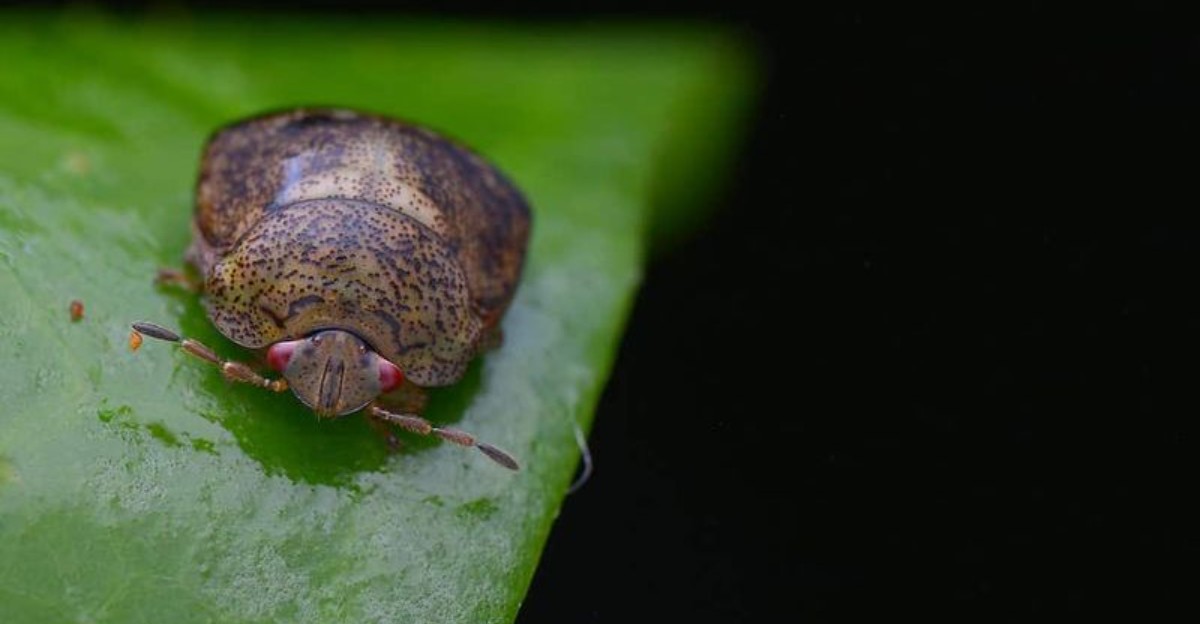
That orange smear on your fingertip is chemical defense, not dirt. Your porch just became the hottest autumn hotel in Alabama. These squat, olive invaders slipped into the Southeast by accident from Asia.
Now they want your walls. Pale siding facing afternoon sun signals warmth, so they land there in swarms. Homes bordering kudzu and soybean fields across Alabama draw the biggest crowds.
Worse, they hitch rides inside on white laundry hung outdoors. Squeeze a visitor, and it releases a sharp, lingering stink. Its fluid leaves stubborn yellowish orange stains and can irritate your bare skin.
Gaps around your window frames, soffits, and siding seams become their entrances. Inside, they hibernate in your attic until warm days wake them.
Swat or spray blindly, and you multiply the mess. Here is how you evict them before they claim your house for winter.
A Fall Migration From Vines to Siding
Picture a crowd leaving a stadium at once, all heading for the same exit. Kudzu bugs do something similar each fall when the season shifts.
All summer, the bugs feed on kudzu vines and soybean fields across Alabama. As days shorten in late September and October, they start hunting for a cozy place to spend winter.
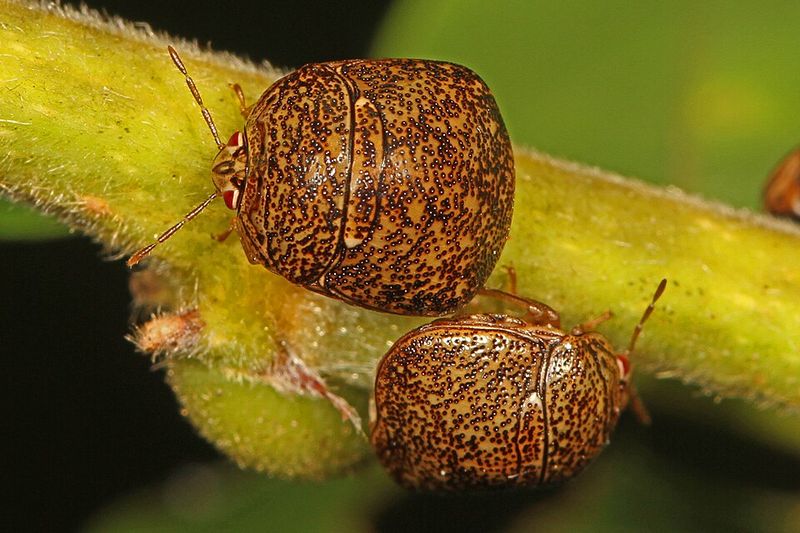
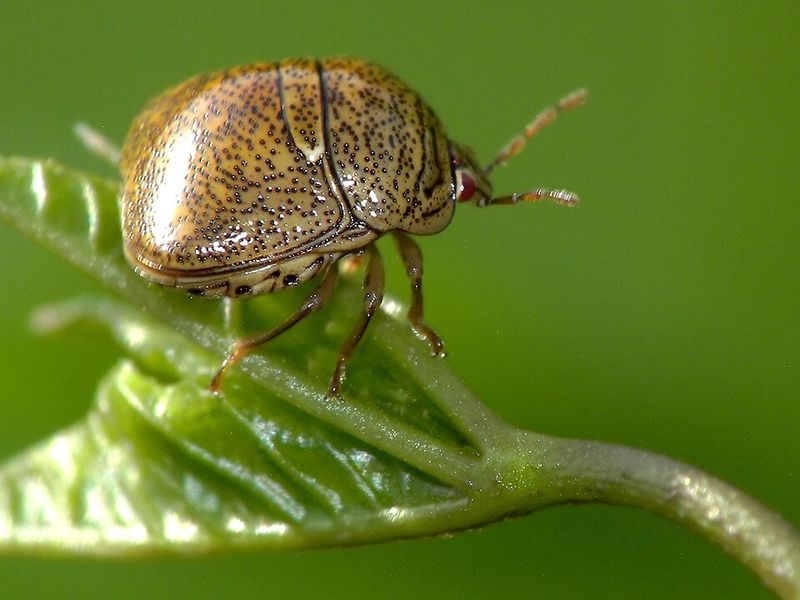
Kudzu bugs are small, about the size of a pea cut in half. Their bodies look almost square, with an olive or brownish color and tiny speckles.
Scientists first spotted them in Georgia in 2009. Within just a few years, they spread across much of the Southeast, including Alabama.
Numbers have dropped in many areas since then, thanks partly to natural enemies, but some neighborhoods still see heavy fall crowds.
Their original home is Asia, where they also feed on legumes. Kudzu itself came from Asia too, so the two are old friends reunited.
During fall, the adults fly from vine patches toward nearby buildings. They land on walls, windows, doors, and even parked cars in the driveway.
The goal is simple for them, finding shelter from the coming cold. Cracks around windows and gaps under siding look like perfect bedrooms.
If your yard borders a tangle of vines, expect more visitors than your friends across town. If your yard borders a tangle of vines, expect more visitors than your friends across town.
Knowing this pattern helps you prepare instead of panic. Once you understand their travel plans, you can make your home a less inviting stop.
The Bright Appeal Of Pale Walls
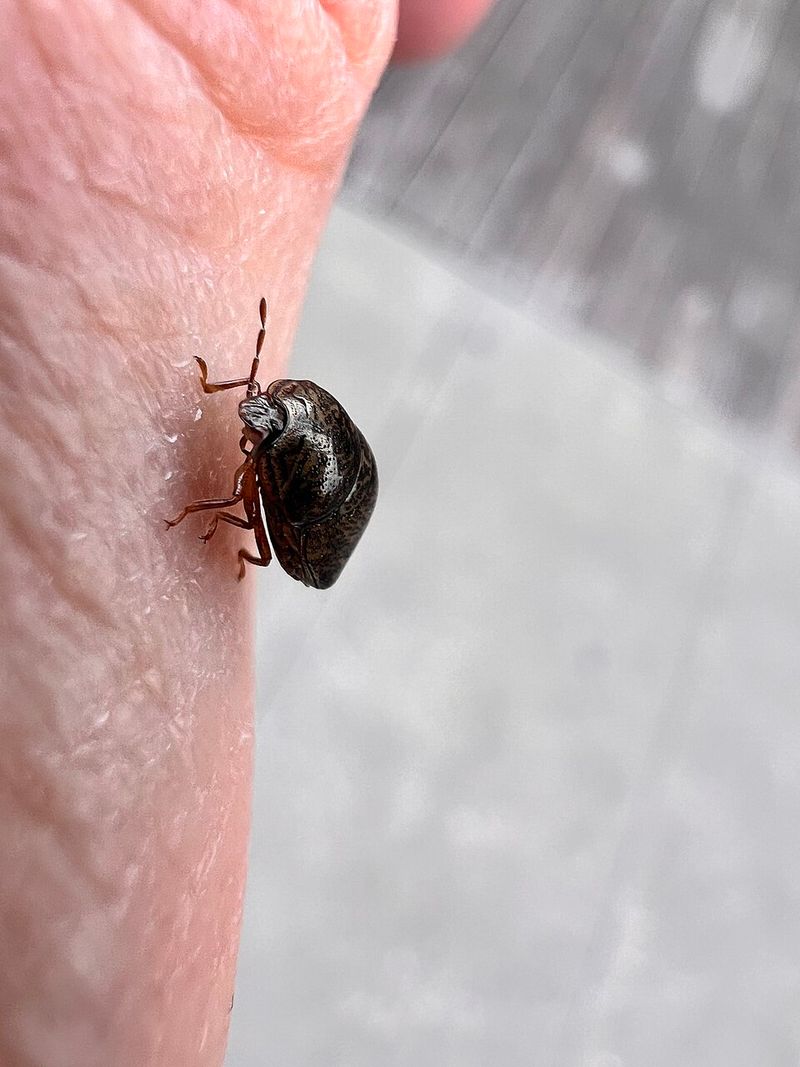
Here is a fun fact that surprises many homeowners. Kudzu bugs seem to love light colors, especially white and pale yellow surfaces.
Researchers have noticed that pale objects attract far more bugs than darker ones. White houses, white cars, and even light clothing can become landing zones.
Nobody knows every reason behind this preference yet. One idea is that bright surfaces reflect light in a way that looks like fresh plant growth.
Warmth might also play a role on sunny fall afternoons. South-facing and west-facing walls heat up nicely, which feels inviting to a chilly insect.
Your Alabama Garden Changes Every Week. Your Plan Should Too.
Gardening in Alabama changes quickly throughout the season. Every Friday you’ll receive a simple weekly plan showing exactly what to plant, prune, fertilize, harvest, and protect so you never miss the right timing.
So if your neighbor with gray siding has few bugs, it is not magic. Your cheerful white paint simply looks like a giant welcome sign.
You probably do not want to repaint your whole house over a few bugs. Still, knowing about this attraction helps you focus your efforts smartly.
Check pale surfaces first when bugs start arriving in late September. Look closely at white trim, window frames, porch railings, and garage doors.
Hanging laundry outside can also turn into a problem this time of year. Bugs may hide in white sheets and towels, then ride right into your house.
A quick shake before bringing clothes inside can save you a smelly surprise later. Small habits like this make a real difference during peak season.
The Squish Mistake Many Homeowners Make
Your first instinct might be to smack that bug with your hand. Please resist, because your nose and skin will thank you.
Kudzu bugs belong to a group related to stink bugs. When crushed or bothered, they release a strong, unpleasant odor.
That smelly liquid can also stain surfaces a yellowish orange color. Walls, curtains, and fingers can all end up marked.
Some people even get mild skin irritation from touching the fluid. Red spots or itching can show up after handling the bugs barehanded.
Squashing them on white siding creates ugly streaks that are hard to scrub away. That turns a small pest visit into a cleaning project.
Another common mistake involves using a regular vacuum without planning ahead. The bugs can leave a lasting stink inside the vacuum bag or canister.
A smarter trick uses an old knee-high stocking stretched inside the vacuum hose. Secure it with a rubber band, then vacuum up the bugs.
When finished, pull out the stocking, tie it shut, and toss it outside. Your vacuum stays fresh, and the bugs are gone.
Wearing gloves is also a good idea if you must pick bugs up. A simple cup of soapy water works well for knocking them off walls.
Staying calm and gentle keeps your home cleaner and less smelly. Patience beats force every time with these little critters.
Simple Fixes For Bugs Already On The Porch
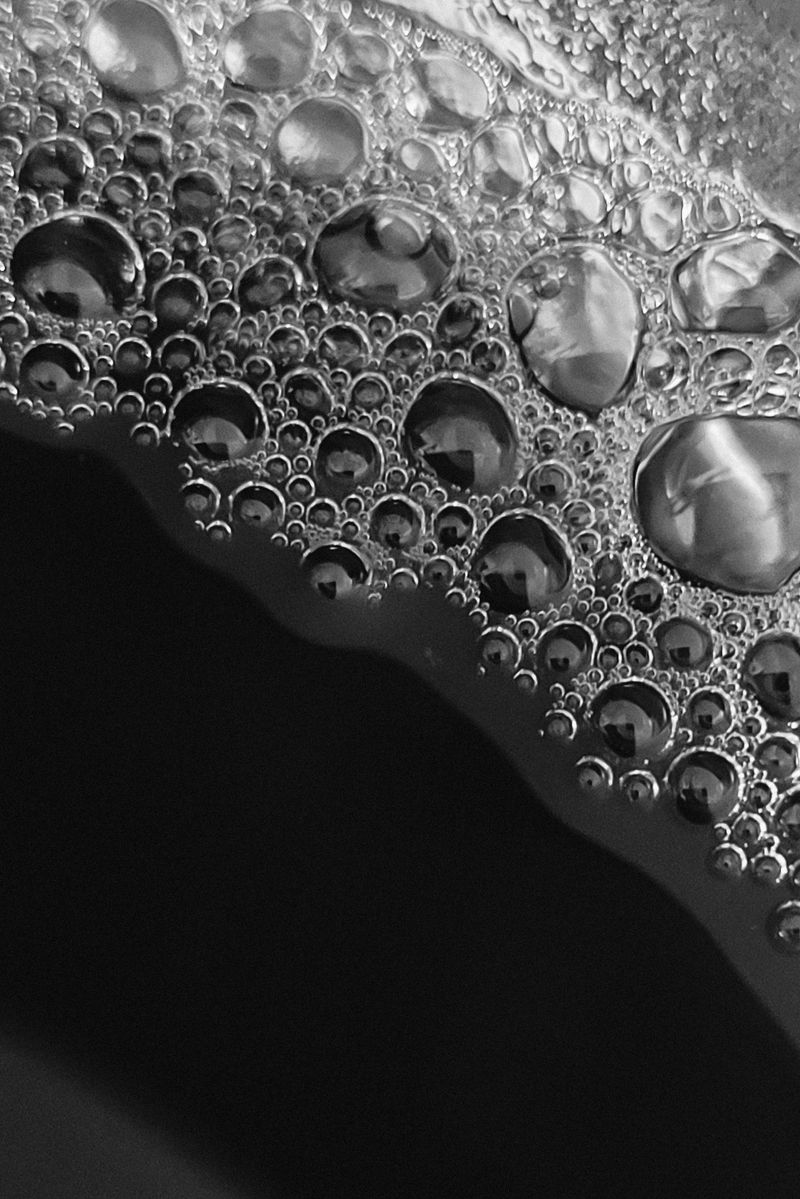
Grab a bucket, add water, and squirt in some dish soap. You just built one of the best kudzu bug tools around.
Soapy water breaks the surface tension, so bugs sink instead of floating away. Hold the bucket under a cluster and gently brush them in.
For bugs on higher walls, a garden hose can help. A steady spray knocks them loose with less mess than crushing them.
Some folks use a shop vacuum set aside just for bug duty. Adding soapy water inside the canister keeps the insects from crawling back out.
Sticky traps near doors and windows may catch a few wandering bugs. Place them where bugs gather most, but keep them away from pets.
Store-bought sprays exist, though many homeowners prefer gentler methods first. If you choose a spray, read the label carefully and follow every direction.
For heavy crowds, a licensed pest control company can treat outside walls. Treatments work best when applied as bugs first begin arriving in fall.
Timing matters more than strength when it comes to sprays. Treating after bugs have settled inside walls often brings disappointing results.
Remember to check pale porch railings and trim too. Bugs often cluster on light-colored surfaces on warm autumn afternoons.
A little daily effort during late September and October keeps numbers manageable. Five minutes with a soapy bucket each afternoon can feel surprisingly satisfying.
Winter Hideouts And The Spring Return
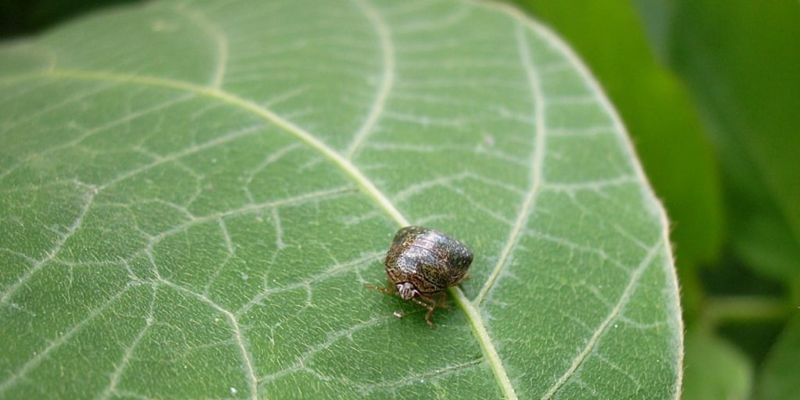
Imagine a guest who sleeps all winter, then wakes up confused in March. That pretty much describes a kudzu bug that sneaks inside.
Once bugs find a hiding spot, they go into a resting state for the cold months. Attics, wall gaps, and window frames become their quiet bunks.
The good news is that kudzu bugs do not breed indoors. They also do not chew wood, eat your food, or damage furniture.
Mostly, they are a nuisance rather than a real threat to your house. Their smell and stains cause the biggest headaches for families.
On warm winter days, a few bugs might wake up early. You may spot them crawling near sunny windows or buzzing around a lamp.
By spring, the survivors try to head back outdoors. They search for fresh kudzu and early legume plants to feed on again.
That spring exit can bring a second small wave of sightings indoors. Bugs trapped inside walls sometimes wander into rooms instead of outside.
Keep a soapy cup handy near windows during these weeks. Calmly catching stragglers prevents odor problems and keeps things tidy.
Farmers pay close attention to this spring return for a reason. Kudzu bugs can harm soybean crops, which matters for Alabama agriculture.
Understanding their full yearly cycle helps you stay one step ahead. Each season brings its own small chores and clues.
Sealed Gaps And Other Smart Prevention Habits
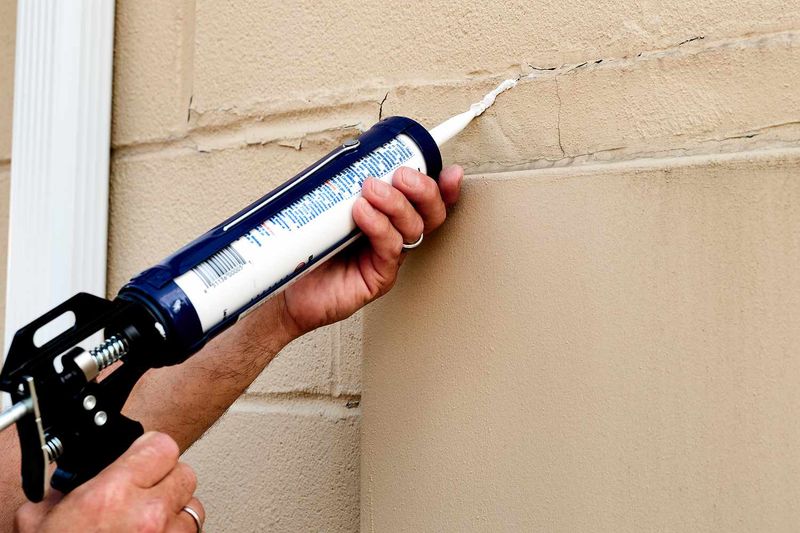
Think of your house like a fortress with tiny doors you never noticed. Closing those doors before September is the smartest move you can make.
Walk around your home and look for cracks near windows and doors. Even thin gaps can let a determined bug slip inside.
Caulk works great for sealing small openings around frames and trim. For larger holes, try foam sealant or weather stripping.
Check window screens for rips, tears, or loose corners. A small patch kit from the hardware store fixes most damage quickly.
Door sweeps block the gap under exterior doors. They also help keep out drafts, which can lower heating bills this winter.
Vents and utility openings need attention too. Fine mesh screening over attic and crawl space vents keeps bugs from wandering in.
Some homeowners trim back kudzu growing near their property. Fewer vines close to the house can mean fewer bugs knocking at the door.
Planting fewer legumes right beside your foundation may also help. Bugs love those plants, so moving gardens farther away makes sense.
Ideally, finish sealing work in late August or early September. Once the fall rush begins, bugs will test every weak spot.
With a few weekend chores, your home becomes a lot less welcoming. Your white siding can shine again without speckled freeloaders.