Is It Too Late To Aerate Your Illinois Lawn? What To Do In November Instead
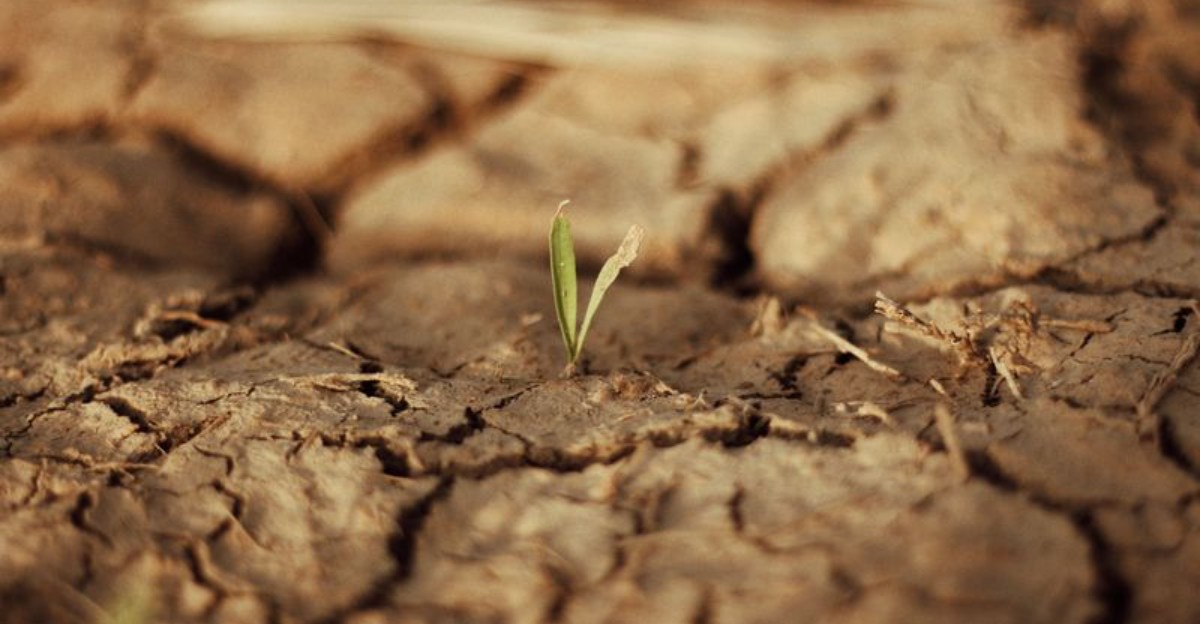
Your soil has taken a toll after this summer. Heat stressed it, feet compacted it, drought dried it.
Illinois lawns take a toll between June and August. Something has to give before winter locks everything down.
Grass roots need oxygen, and compacted soil can limit the water, air, and nutrients that reach them. November changes the plan.
Nights are cold and the soil is cooling, so grass growth is slowing down. The best aeration window has gently passed, and gentler care fits your lawn better right now.
Aeration pulls plugs from the ground and breaks up density, and it works best from late August through early October.
When timing is right, roots stretch deeper, water sinks in, and nutrients finally land. Many homeowners across Illinois see thicker lawns by next spring. Timing matters as much as effort here, and biology supports it.
Understanding why November calls for a different approach changes how you care for your lawn all year. A few simple shifts in timing can set up a thick, healthy yard next spring.
1. Cooler Soil Means Aeration Has Passed Its Best Window
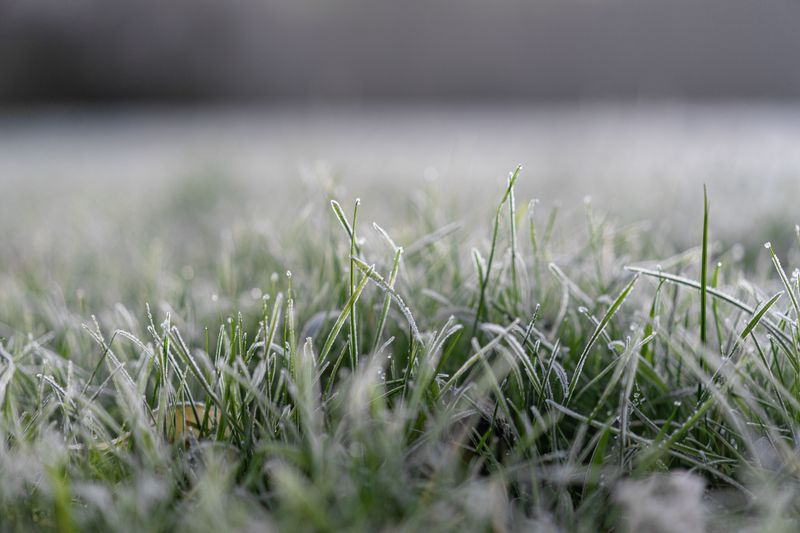
Cool-season grasses like Kentucky bluegrass and tall fescue grow best when air temperatures are mild. By November, Illinois soil often cools into the 40s, and that changes how grass responds to aeration.
Aeration pulls small plugs from the ground so air, water, and nutrients can reach the roots. The grass then needs active growth to close those openings, and that growth is winding down now.
Late August through early October is the sweet spot across most of the state. During that time, grass cells divide quickly and roots expand with energy.
Holes heal within a couple of weeks, and the lawn gets the full benefit. In November, the same holes can stay open much longer because the grass is no longer growing to fill them.
Think of it like planting a garden after the growing season has finished. The effort is kind, but the results are smaller than they would be earlier in fall.
If your soil is still soft and workable in early November, a light pass will not hurt anything. Just keep expectations modest, since the grass has less energy to recover.
Many Illinois homeowners find their time is better spent on the simple steps in the sections ahead. Lawns that receive thoughtful November care often show wonderful progress by spring.
Cooler soil is not a setback; it is simply a signal to shift your approach. Aerating at the right time gives you a head start, and November is a great time to plan it.
2. Fall Rains Help Dormant Seed Settle In
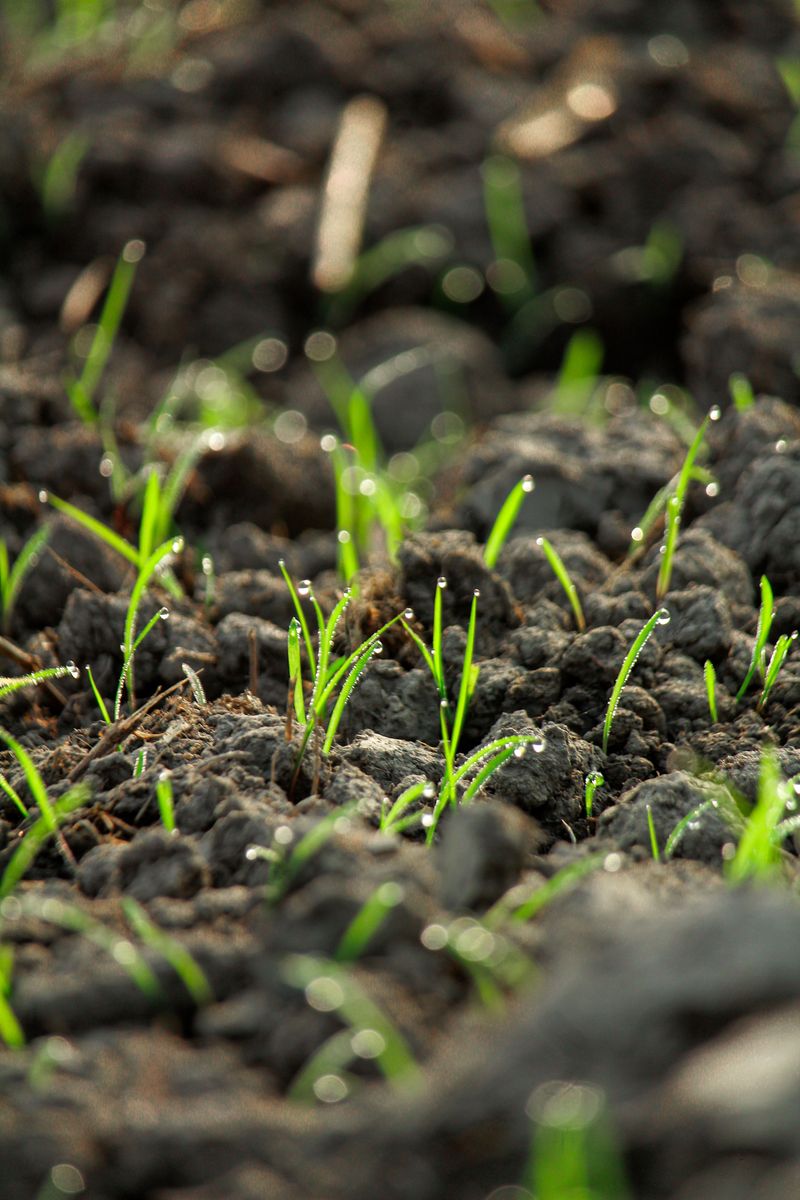
November rain in the Midwest is usually gentle, steady, and helpful for lawns. Unlike summer storms that rush off the surface, fall rain soaks in slowly.
That moisture keeps grass roots hydrated as they store energy for winter. Most years, nature covers your lawn’s watering needs without any help from you.
If November turns dry, a deep watering on a mild afternoon is a kind gift to your turf. Finish watering before the ground begins to freeze, so moisture can soak in rather than sit on the surface.
Thin or bare spots can also benefit from late fall dormant seeding. Once soil temperatures stay cold, seed can rest on the surface through winter.
When spring warms the ground, those seeds sprout with the help of melting snow and April showers. Dormant seeding works best when you wait until the soil is consistently cold, which varies by year and location.
That timing keeps seeds from sprouting too early and being caught by a hard frost. Expect more natural variation than you would see from early fall seeding.
Some seeds will sprout beautifully, while others may need a little help in spring. Choose a blend of Kentucky bluegrass, tall fescue, or perennial ryegrass that suits your sun and shade.
Spread it evenly over the bare areas and press lightly for good soil contact. Nature then becomes your helper, working quietly through the winter months.
Working with the rhythm of the season makes lawn care easier and more rewarding. A little patience now brings lovely results.
3. Soil Compaction Can Wait Until Spring Or Next Fall
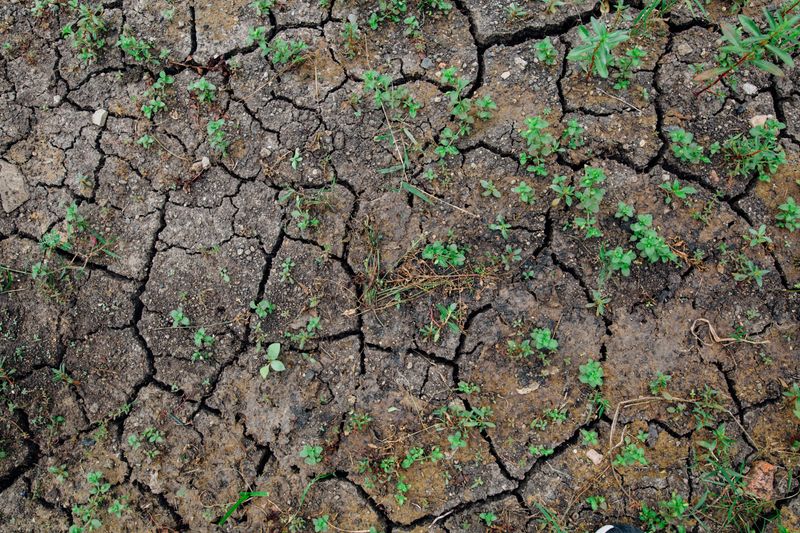
All summer long, your soil gets packed down by foot traffic, mower wheels, and everyday life. By November, that compaction has reached its yearly peak, and it is natural to want to fix it.
Compacted soil limits oxygen, water, and nutrients for grass roots, so the lawn above can look thin. The good news is that winter offers some natural relief.
Freeze and thaw cycles through the cold months help loosen the top layer of soil. Soil particles shift and resettle, creating a slightly looser structure by spring.
Clay-heavy soils, common in many parts of Illinois, benefit most from careful compaction relief. Clay packs tightly and needs a thoughtful plan across the seasons.
Sandy soils tend to compact less than clay soils, so they usually need aeration less often. Sandy soils that do become compacted can still benefit from aeration at the right time of year.
Once the ground starts to freeze, working the soil is best left alone. Frozen soil locks into whatever state it is in, so the effort will not pay off the way it does earlier in fall.
Instead, put aeration on your calendar for early spring or, even better, late August through September. Early fall is the strongest choice for cool-season lawns because roots are growing and recovery is quick.
In the meantime, you can ease compaction by limiting foot traffic on soft, wet turf. Choose a steady walking path and keep heavy items off the lawn.
Easing compaction is like unclenching a fist before putting on a glove. Patience in November truly pays off in spring.
4. A November Feeding Builds Spring Strength
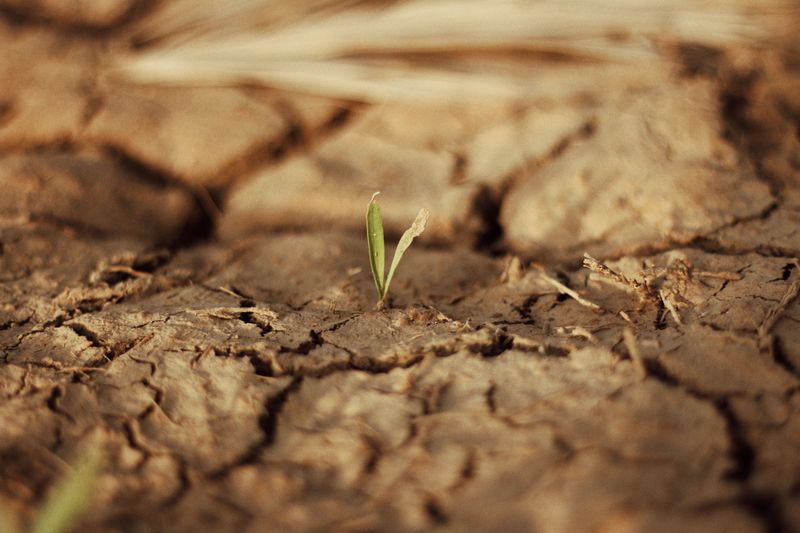
Cool-season grasses have two natural growth surges each year, one in spring and one in fall. By November, that fall surge is tapering off, but the roots are still active below the surface.
That makes November, after your final mow, a wonderful time for a winterizer feeding. Look for a fall blend that is higher in nitrogen.
Apply it while the lawn is still green and the ground is not frozen. Roots take in those nutrients and store them for the months ahead.
Grass that feeds well now stores extra energy in its root system. That stored energy becomes fuel for a quick, full green-up in March and April.
Use a spreader for even coverage and follow the rate listed on the bag. Sweep any granules off sidewalks and driveways so they stay out of storm drains.
Phosphorus deserves a special note. Illinois restricts phosphorus use by commercial lawn applicators, and University of Illinois Extension notes that most Illinois soils already have enough, so apply phosphorus only when a soil test shows your lawn needs it.
Many lawns do wonderfully with nitrogen and potassium alone. Lawns that skip a fall feeding often begin spring looking a bit pale and patchy. Their roots simply had fewer reserves to carry them through winter.
A November feeding pairs nicely with the other steps in this guide. When the grass is already in storage mode, nutrients act like a catalyst.
Roots take up those nutrients and store them, which supports a stronger spring green-up. Just a small amount of effort gives you a lovely return.
5. Weeds Respond Well To Cool-Weather Care
Summer weeds have faded, and November gives you a calm moment to tidy up. Crabgrass, spurge, and goosegrass have completed their life cycles as temperatures dropped.
Cool-season broadleaf weeds like dandelions and clover are still active, though. They are pulling nutrients down to their roots, just like your grass. That makes a fall treatment especially effective.
A broadleaf product applied on a calm, clear day with air temperatures between 50 and 85 degrees Fahrenheit travels down to the roots while weeds are still actively growing. Always read the label and choose a calm, dry afternoon for best results.
Spot treating individual weeds is a gentle option for smaller lawns. Hand pulling also works well when the soil is soft after a rain.
Dense grass is one of the most effective natural weed deterrents. That is why feeding, mowing, and cleanup all support weed control together.
Fewer weeds also mean your grass does not have to share soil nutrients with other plants. Every bit of fertilizer and moisture goes directly to the grass you actually want.
Weeds are also easier to manage before winter than after a long spring of growth. A little attention now means a calmer weed season ahead.
Aeration in warm, bare soil can sometimes create seedbeds for opportunistic weeds. November care avoids that and keeps your lawn undisturbed. Many homeowners notice fewer weeds and fuller coverage when spring arrives.
Low effort now builds a thicker, stronger lawn that naturally resists weeds next summer. Cool-weather weed care is truly one of the smartest and gentlest moves you can make.
6. Grass Stores Energy For Spring Green-Up
Grass is smarter than most people give it credit for. As days shorten, cool-season grasses shift from growing upward to storing energy downward in their roots.
This carbohydrate storage is what fuels spring green-up the following year. The more energy stored now, the faster and greener your Illinois lawn returns in March and April.
November care supports this process by keeping the lawn calm and well fed. Clearing leaves is a big part of that.
A thick layer of fallen leaves can block light and air that grass still needs. Wet leaves left in place can lead to matted, thin patches by spring.
Rake or mulch leaves regularly through the season. Running a mower over a light layer breaks leaves into small pieces that feed the soil.
Heavier layers are best raked into a compost pile or garden beds. Roots that can breathe freely store energy far more efficiently than roots under a blanket of leaves.
Think of it like starting a project under ideal conditions rather than under pressure. Lawns that enter winter clean, fed, and rested come out of dormancy with a clear advantage.
The difference is visible and delightful in early spring. A fall feeding combined with leaf cleanup creates a simple approach that sets your lawn up for an early, vigorous spring.
Investing a few hours in November pays dividends for the months ahead. Grass that enters winter well fed and well cared for wakes up with a real head start that shows all season long.
7. Smart Timing Avoids Winter Damage Risk
Mowing the right way in the final weeks protects your lawn from winter trouble. Keep mowing as long as the grass is growing.
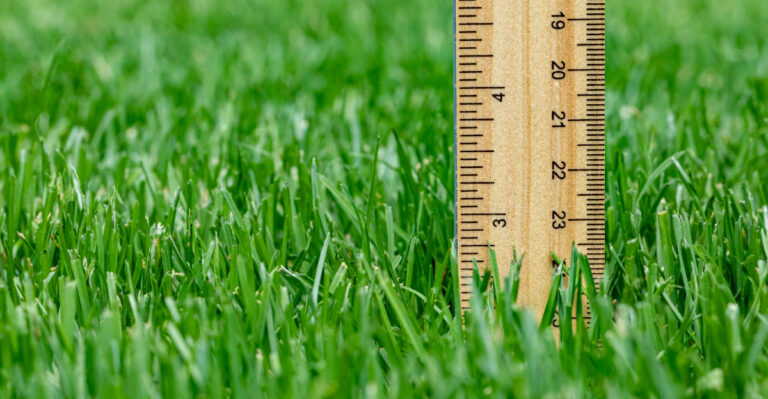
In many Illinois yards, that continues into the middle of November. Keep your mower set at about 2.5 to 3 inches, and make the last mow slightly shorter if you like, without scalping the lawn.
Grass that stays too tall can mat down under winter snow. Matted grass can invite snow mold, which shows up as pale patches in spring.
Grass cut too short has less protection from cold and drying winds. A steady, moderate height is the sweet spot.
Keep your mower blade sharp so each cut is clean and gentle on the grass. Dull blades tear the tips and leave them open to stress.
Mow when the grass is dry to avoid clumping and uneven cuts. Once growth stops and frost becomes regular, you can put the mower away for the season.
Before storing it, drain the fuel or add a stabilizer so it starts easily next spring. This timing also avoids stress that comes from heavy work on frozen or soggy ground.
Walking on frosty grass can bruise the blades, so give the lawn a rest when it is crisp. Choosing the right moment for each task is just as important as the task itself.
November replaces heavy lawn work with gentle care, and your grass responds with calm, steady strength. Smart mowing also saves money, since it can prevent spring repairs and extra seeding. Small habits now bring big rewards later.
8. Plan Your Next Aeration And Overseeding
Overseeding after aeration is one of the most powerful lawn renovation moves you can make. Early fall is the sweet spot where aeration and overseeding work together like a perfect team.
November is a wonderful time to prepare for it. Start with a soil test, which tells you about pH and nutrient levels. Many local extension offices offer simple testing guidance.
Then mark your calendar for late August through September of next year. Grass seed needs soil contact, moisture, and moderate temperatures to germinate well.
Aeration holes provide soil contact and help hold moisture around the seed. Seeds dropped into those channels are protected from birds, wind, and surface drying.
Cool-season grass seed germinates best when soil temperatures are between 50 and 65 degrees, though when that happens varies by year and location. That range is ideal for Kentucky bluegrass, tall fescue, and perennial ryegrass to sprout quickly and root deeply.
New seedlings established in early fall have six to eight weeks of growing time before the first hard frost. That window is enough to build roots strong enough for winter and vigorous growth in spring.
Thin or bare spots can often fill in by November of that year when you overseed right after aerating. Plan to aerate, drop quality seed into the fresh channels, and water consistently for two weeks.
This combination is one of the most reliable paths to a thick, full lawn. Your lawn is resting and preparing for spring. With fertilizer, leaf cleanup, and a good plan, you are giving it everything it needs.