How California Gardeners Keep Mums Alive After Bloom Without Overwatering
Finishing the mum article’s third paragraph and planning the fourth.
Gravel tucked into the bottom of a flower pot actually pushes the soggy zone higher into the soil. That old drainage trick can leave resting roots sitting wetter, not drier.
That surprised me. Once fall petals fade, these plants slow down and their thirst drops sharply. Yellow, droopy leaves can then signal soggy roots rather than thirst, which feels backward. Cooler November nights and coastal fog slow soil drying even more.
Don’t make my mistake of treating every droop like an emergency. I once rescued a porch pot so often it needed a snorkel. These days, a quick finger poke into the soil decides whether the hose comes out at all.
Less water might be the easiest favor you ever do for a plant. Ease up a little this winter, and that tired porch pot could come roaring back with fresh color next fall.
Those Faded Mum Blooms Are Asking For Less Attention, Not More

Kindness can backfire with these plants. Once flowering ends, a mum stops pushing out buds and slows its growth, so its thirst drops sharply.
Many of us keep watering on the same summer schedule. The soil stays wet, air pockets fill up, and roots run short of oxygen. UC Master Gardeners point out that chrysanthemums need well-drained soil, and soggy conditions invite root and crown rot.
Warning signs often look confusing at first. Leaves may turn yellow or droop even though the pot feels heavy and damp. Gardeners see wilting and add more water, which makes the problem worse.
Your best move is to read the plant’s mood. Bright, fresh growth at the base means things are fine. Mushy stems near the soil line, a sour smell, or dark roots point to too much moisture.
Fall in California brings cooler nights and shorter days, so soil dries more slowly than it did in August. Coastal fog slows drying even further. Inland valleys may still need more frequent drinks during warm, dry spells, especially with Santa Ana winds blowing.
Watch the soil, not the calendar, and your mum will tell you what it needs.
Push A Finger Into The Mum Pot Before You Grab The Hose
My favorite moisture meter costs nothing and is attached to my hand. Sticking a finger about an inch into the soil tells you more than any watering app.
If the top inch feels dry, water. If it feels cool and damp, wait another day or two and check again. That simple habit prevents most overwatering trouble.
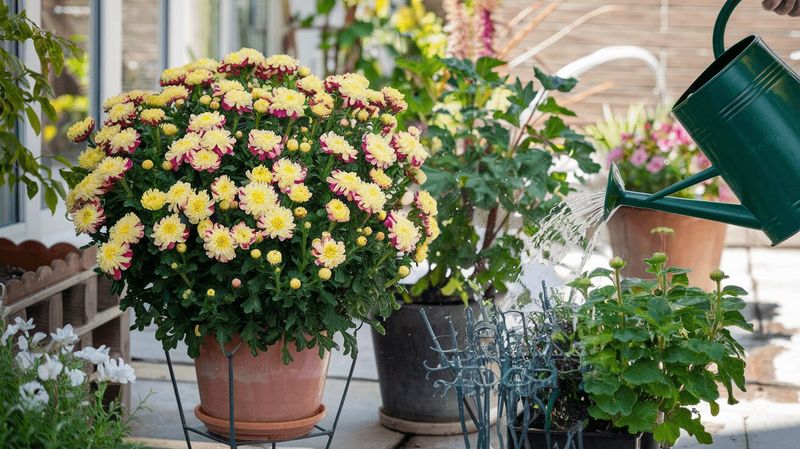
When you do water, go deep. Pour slowly at the base until water runs out the drainage holes, then empty the saucer. A pot sitting in a puddle soaks its roots all day long.
Aim for the soil instead of the leaves. Wet foliage in cool, still weather can encourage leaf spot and powdery mildew, both common on mums.
Lifting the pot works too. A freshly watered container feels heavy, while a thirsty one feels surprisingly light. After a week or two, you will know the difference in seconds.
Morning is the best time to water. Plants get moisture before the day warms, and any splashes dry quickly. Evening watering in November keeps things damp overnight, which fungi seem to enjoy far more than your mums do.
Small checks beat big guesses every time.
Drainage Holes And Gritty Soil Rescue Struggling Chrysanthemum Roots
Plenty of store-bought mums arrive packed tight in plastic pots, often stuffed inside decorative sleeves with no drainage. That pretty wrapper can trap water like a bathtub.
Remove any foil or cover right away. Then check the bottom of the nursery pot for holes. If roots are circling tightly, move the plant into a container one size larger with fresh, quality potting mix.
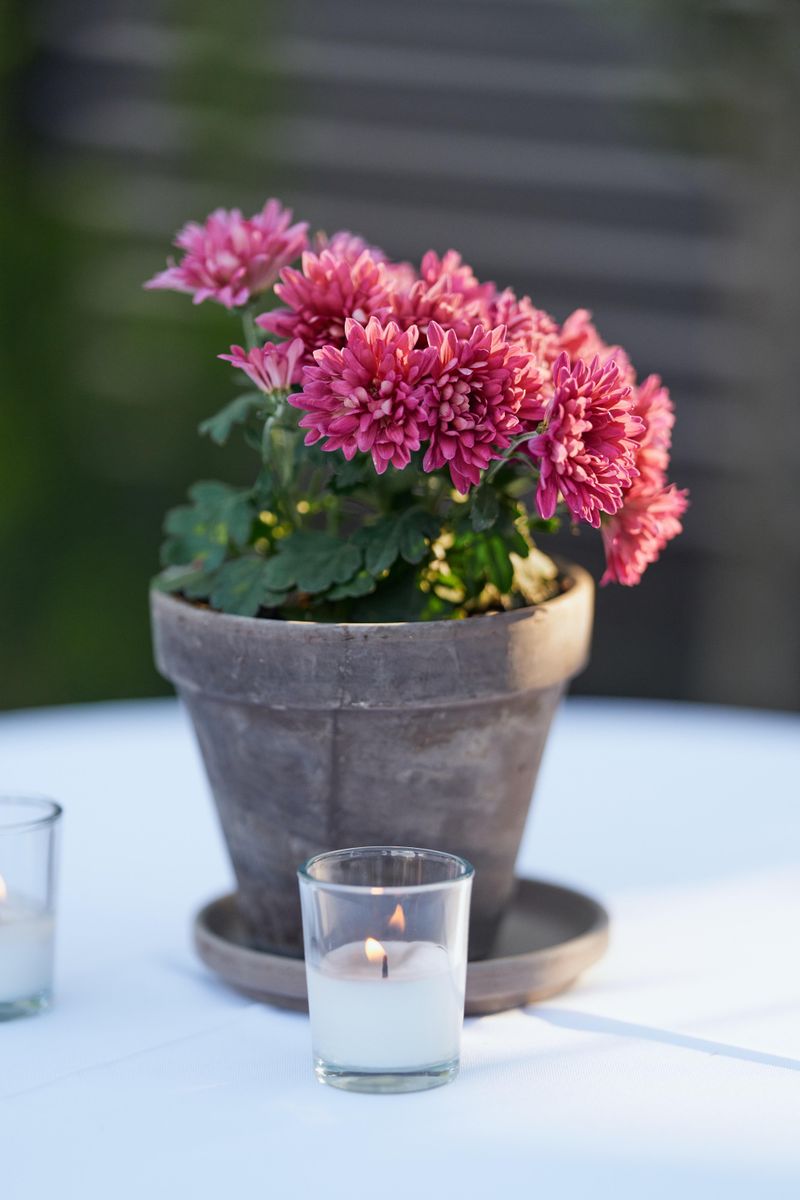
Terracotta pots breathe better than plastic and help extra moisture escape. Raising the pot on small feet or bricks keeps the holes from sitting flat against a wet patio.
In-ground planting needs the same attention. Much of California has heavy clay soil, which holds water for days after a rain. Mixing in compost improves structure and helps water move through.
Raised beds or slight mounds also help in clay-heavy yards. Even a few extra inches of height lets roots stay above the soggiest layer during winter storms.
Avoid adding gravel to the bottom of pots. Research from extension services shows this actually raises the wet zone higher in the soil instead of improving drainage.
Give roots a path for water to leave, and half the battle is won.
Snip Spent Flowers And Cut Mum Stems Back At The Right Moment
Trimming feels oddly satisfying, like tidying a messy desk. Pinching or snipping off faded blooms keeps the plant from spending energy on seeds.
Once flowering is finished, many gardeners cut stems back to about 4 to 6 inches above the soil. In colder spots, some leave the old stems standing through winter for a bit of crown protection, then trim in early spring.
Mild parts of California offer more freedom. Along the coast and in Southern California, gardeners often cut plants back soon after bloom because hard freezes are rare. Fresh green shoots may pop up at the base within weeks.
Smaller plants also use far less water. Trimming reduces leaf surface, so the soil dries more evenly and you are less tempted to overwater.
Use clean, sharp shears to make tidy cuts. Wiping blades with a household disinfectant between plants reduces the chance of spreading disease.
Toss diseased leaves in the green bin instead of the compost pile. Healthy clippings, though, make fine compost material.
Fun fact: chrysanthemums bloom in response to shorter days, which is why they wait for fall to put on their show. A trim now sets up that next performance.
A Light Blanket Of Mulch Around Mums Beats Extra Watering
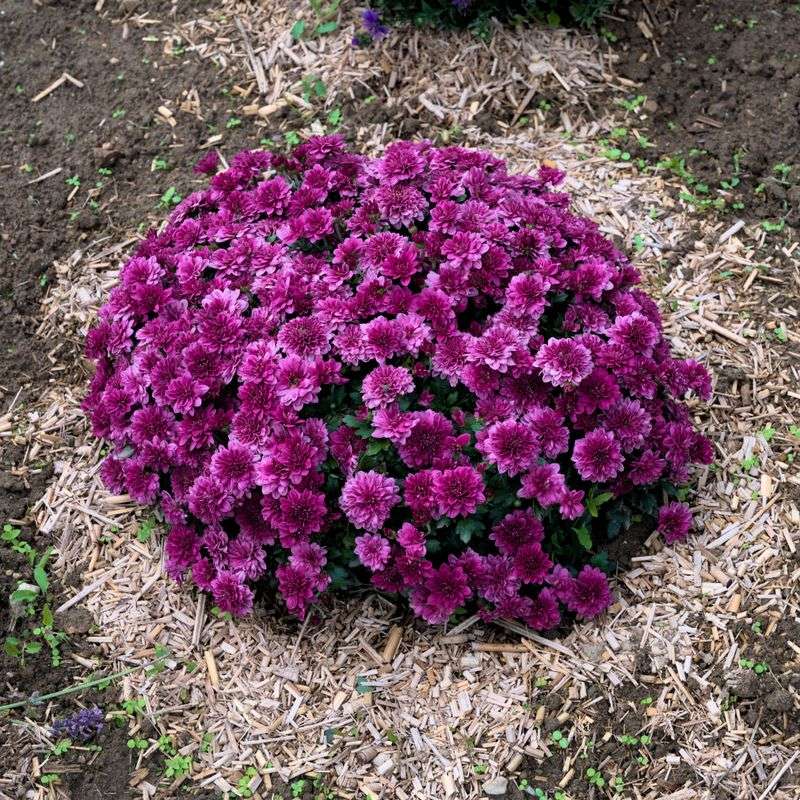
Mulch works like a thermostat and a sponge rolled into one. A 2 to 3 inch layer of shredded bark or chopped leaves keeps soil temperatures steady and slows evaporation.
That steady moisture means fewer watering trips. Instead of guessing, you let the mulch hold just enough water near the roots.
Keep the mulch pulled back a couple of inches from the stems. Piling it against the crown traps dampness right where rot likes to start.
Gardeners in the Sierra foothills and colder northern valleys get the most benefit. Frost and freezing nights can heave soil and stress roots, and mulch softens those swings.
Potted mums need a different plan in chilly areas. Grouping pots against a sunny wall or moving them into an unheated garage or covered porch protects roots, which are more exposed in containers.
Plants resting in a cool garage need only occasional water. Check every couple of weeks and give a small drink when the soil feels quite dry.
Winter rains often handle in-ground watering for you. Turn off sprinklers or drip lines during rainy stretches, since California’s wet season can easily supply what dormant mums need.
Hardy Garden Mums Outlast Foil-Wrapped Florist Chrysanthemums
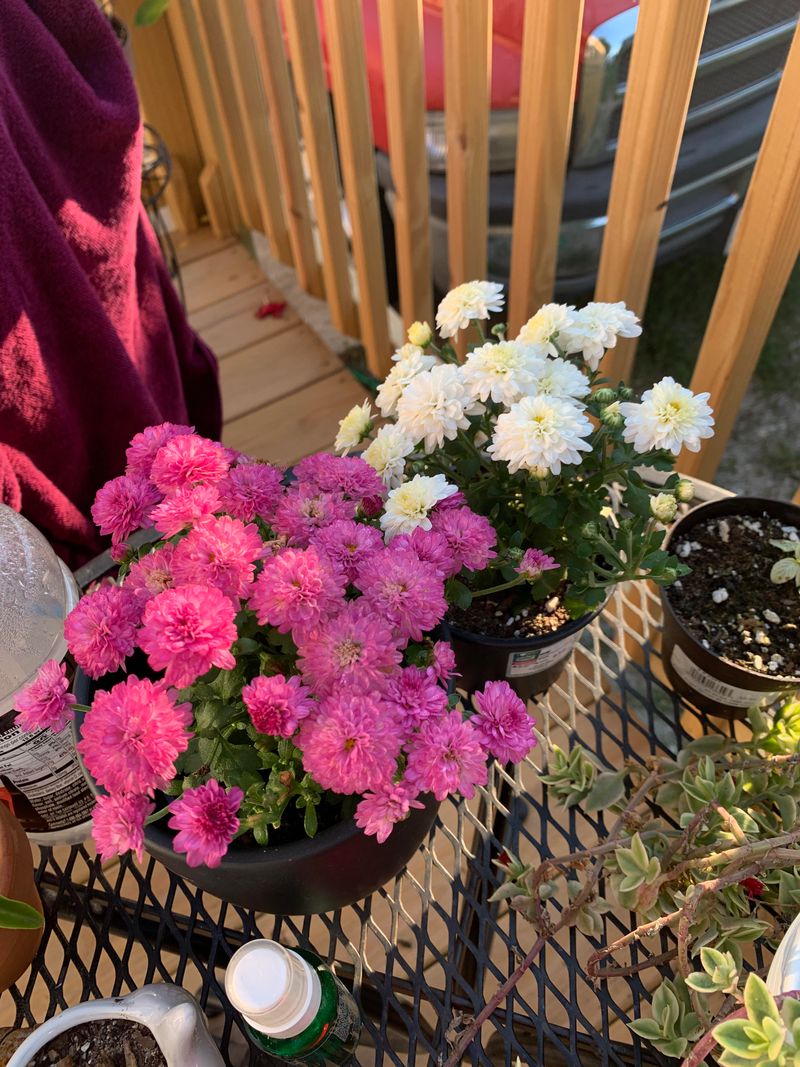
Not every chrysanthemum signed up for a long career. Some are bred for one spectacular moment, and that matters when you decide how much effort to invest.
Garden mums, often sold as hardy mums at nurseries, are perennials grown for outdoor life. They handle USDA zones across most of California, which runs roughly from zone 5 in the high mountains to zone 10 and warmer near the southern coast.
Florist mums are the potted gift plants wrapped in foil at grocery stores. Many are greenhouse varieties forced into bloom and tend to have weaker root systems for outdoor conditions.
Those gift plants can still survive in mild coastal climates. Expectations just need adjusting, since results vary and regrowth may be less tidy.
Check the plant tag before buying. Words like hardy, garden, or perennial are encouraging signs, while plants labeled for indoor or florist use are less reliable.
Buying early in the season also helps. Mums planted in late summer have more time to settle roots before cooler weather arrives.
Choosing well up front makes post-bloom care easier and keeps you from pouring water into a plant that was never meant to stick around.
Pinch New Mum Shoots In Spring For A Bushier Fall Comeback
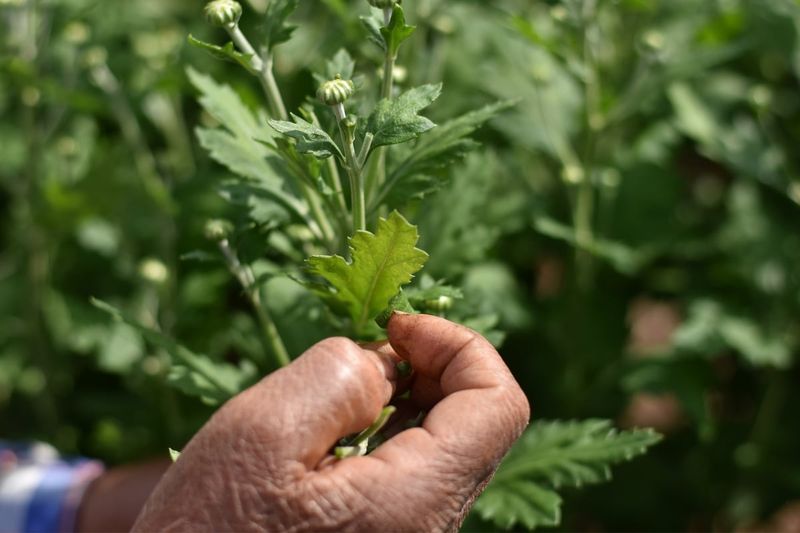
Spring is when patience pays off. Tiny green shoots rise from the base, and suddenly that plain stub of a plant looks eager again.
Now is the time to slowly increase watering. Growing plants use more moisture, so check soil more often as days warm up, while still letting the top inch dry between drinks.
Feed lightly with a balanced fertilizer once growth gets going. Overfeeding produces floppy stems, so follow label rates.
Pinching builds the full, rounded shape everyone loves. Remove the top half inch to an inch of each shoot when stems reach about 6 inches, and repeat every few weeks.
Stop pinching around early to mid-July. Later pinching can remove forming flower buds and delay the fall display. In hot inland valleys, some gardeners stop a little earlier.
Crowded clumps benefit from division every two or three years in spring. Dig the plant, split off healthy outer sections with roots, and replant them in fresh soil.
Each step builds on the last. With careful watering in winter and steady attention in spring, your mums can return for many seasons, bigger and brighter each fall.