The Illinois Attic Noise That Starts The Week The Cold Arrives
A house mouse can squeeze through a gap about the width of a pencil. I learned that fact one November night while lying awake in my Illinois home, listening to tiny feet patter right above my bedroom ceiling.
The timing felt suspicious. The first hard frost had settled over my garden beds, the tomato cages were stacked, and suddenly the attic had a nightlife.
Turns out that pattern is common across Illinois, where fall cold pushes plenty of creatures to look for shelter.
You might notice the sounds change with the clock. Some show up at dawn, some after dark, and a few seem to come from the house itself. Each one carries a clue about who or what is up there.
I started treating those bumps like garden detective work. So what exactly is making that racket over your head this week?
That First Cold Snap Sends Little Paws Looking for Your Attic
Frost on the pumpkins is a pretty sight, but it also flips a switch for wildlife. When nights drop near freezing, many animals stop sleeping in leaf piles and brush and start hunting for warmer shelter.
Your attic checks every box on their wish list. Heat rises from the rooms below, the insulation is soft for nesting, and the space stays dry when sleet rattles the gutters. Predators like owls and foxes can’t reach them up there either.
That explains why the noise often seems to begin the same week the cold arrives. The animals were likely nearby all fall, living in your trees, woodpile, or garden shed. A sharp temperature drop simply gives them a reason to move in closer.
Timing is your best first clue. Write down when you hear the sounds, how loud they are, and where they seem to travel. Quick, light skittering points one way, while heavy thumps point another.
Not every bump means a visitor, of course. Houses make their own cold-weather sounds, which we will get to later.
Still, if the noise follows a pattern night after night, it deserves a closer look before winter really settles in.
Scratching After Dark Usually Points to Mice or Rats
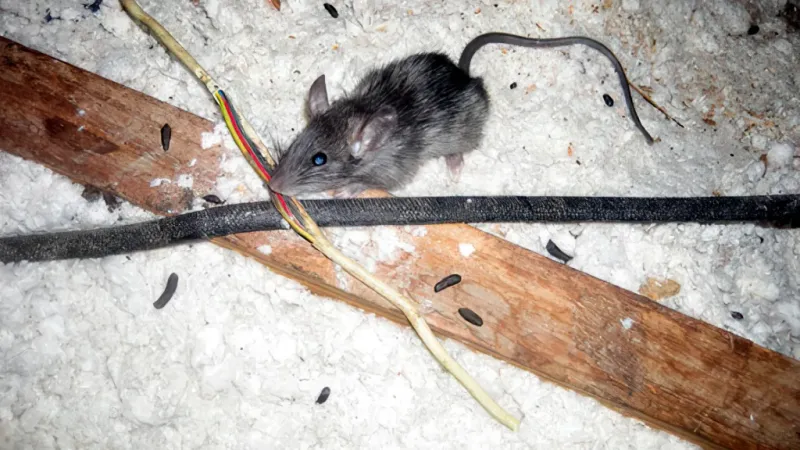
Light, fast scratching around midnight is the classic calling card of mice. I heard it as a soft scribbling sound, like someone running a pencil across the drywall in short bursts.
House mice and deer mice are mostly active at night. Once outdoor seeds and insects get scarce, they move indoors to nest and raise young. Norway rats can do the same, though their footsteps sound a bit heavier and slower.
Rodents also gnaw constantly because their front teeth keep growing. That habit produces a faint grinding sound, and it explains why they chew wood, cardboard, and even electrical wire coatings.
Chewed wiring is a real fire risk, so this noise is not one to ignore. Look for small, dark droppings shaped like grains of rice along attic edges, rafters, and stored boxes. Shredded insulation and tiny trails pressed into the fluff are other strong signs.
Snap traps placed along walls work well for small numbers of mice. Wear gloves and a mask when cleaning droppings, since deer mice can carry hantavirus.
Spray the area with a disinfectant first instead of sweeping dry material into the air, which is the method public health agencies recommend.
Morning Thumps and Rolling Acorns Mean a Squirrel Moved In
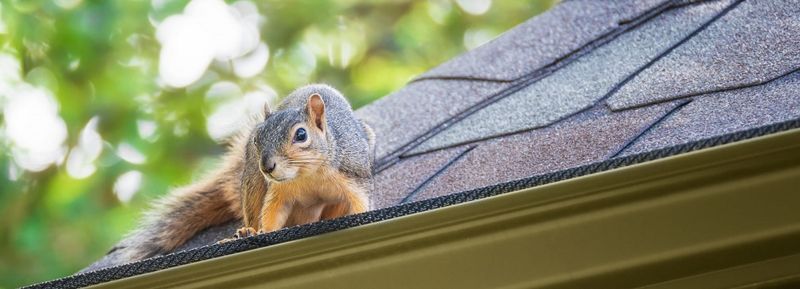
Hearing something roll across the ceiling at 7 a.m. is a strange way to start the coffee. In my case, it sounded exactly like a marble, and it turned out to be an acorn.
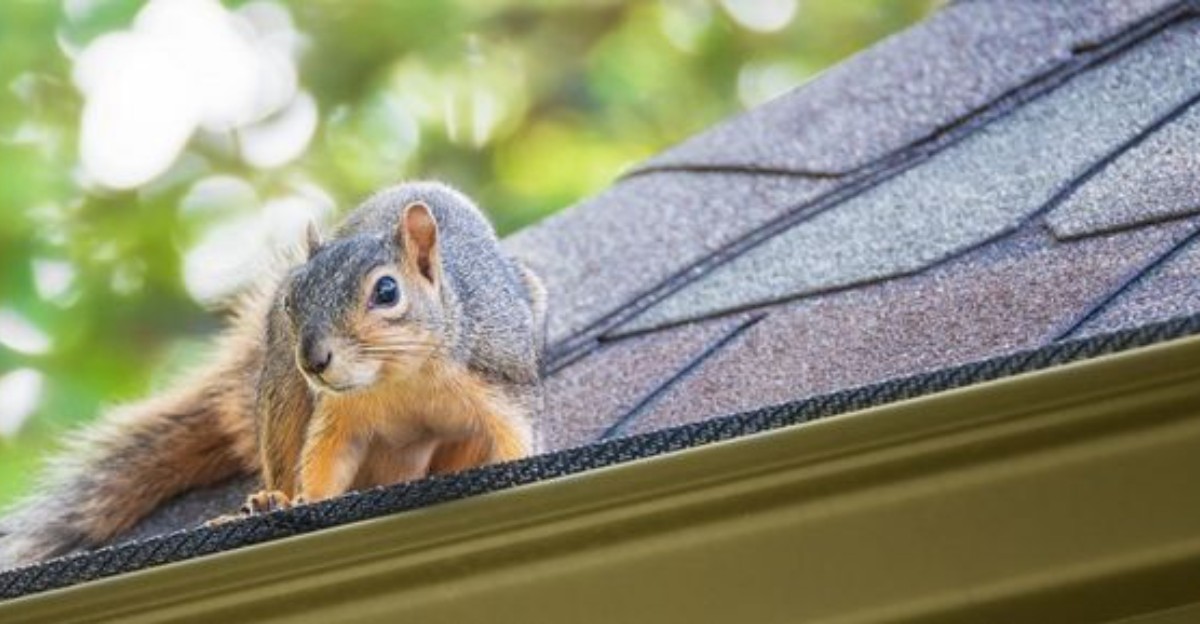
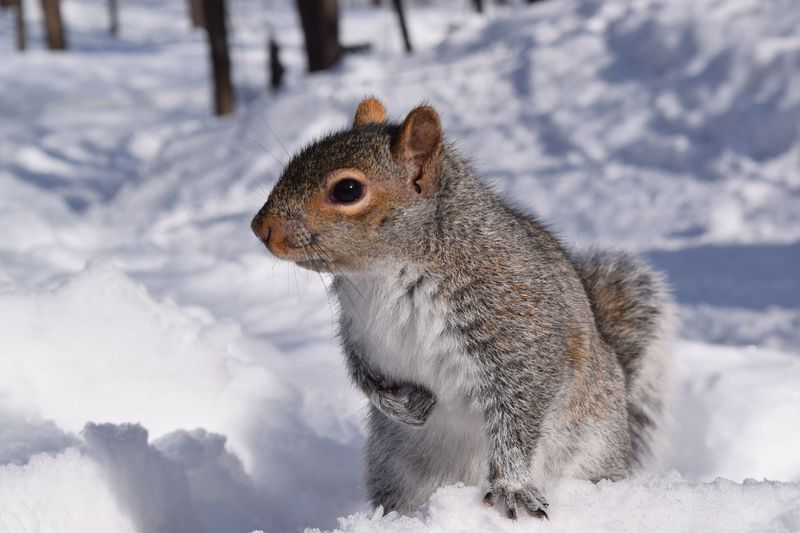
Gray squirrels and fox squirrels are both common in Illinois, and neither one hibernates. They stay active all winter, so their noise follows a daytime schedule. Expect the busiest bursts around sunrise and again in late afternoon.
Squirrels sound bigger than mice. You may hear running, bouncing, and quick thumps as they leap from beam to beam. Some even stash nuts in the insulation, which explains that rolling sound.
Late winter matters too. Squirrels often mate from December through February, and a female may choose your attic as a safe nursery. Babies inside the walls make any removal more complicated.
Check your roofline for chewed holes near soffits, gable vents, and fascia boards. Fresh wood shavings on a gutter or deck are a strong hint.
Branches touching the roof act like a highway, so trim them back at least several feet. Tree squirrels are protected game animals in the state, so follow legal rules before trapping or relocating.
Heavy Night Thuds and Chattering Can Mean a Raccoon
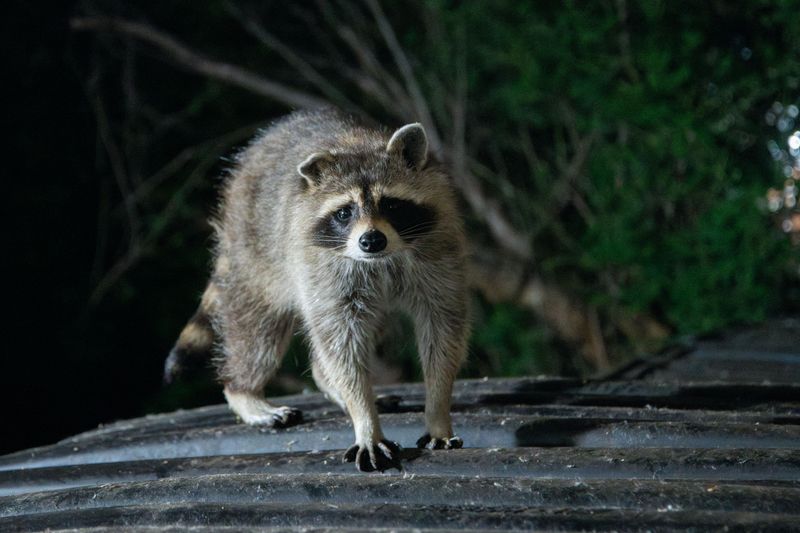
Some sounds make you sit straight up in bed. A raccoon walking overhead can sound almost like a small person, with slow, heavy steps and loud bumps.
Raccoons are mostly nocturnal, so the racket tends to start after dark. They may also chatter, growl, or purr, especially if a mother has young with her in spring.
In deep winter cold, they slow down and sleep for long stretches, though they do not truly hibernate.
That sleepy pattern can fool you. The attic might go quiet for days during a hard freeze, then the thumping returns when temperatures warm up a little.
Raccoons are strong enough to rip open shingles, roof vents, and soffits. Once inside, they flatten insulation, tear ductwork, and leave latrine spots that can carry raccoon roundworm.
That parasite is a serious health concern, so skip the cleanup unless you have proper protection.
Do not try to corner a raccoon in your attic. A scared animal can bite or scratch, and a mother will defend her kits.
Illinois wildlife rules also regulate how raccoons can be trapped and moved. A licensed nuisance wildlife control operator is usually the smartest call.
Faint Rustling Near the Eaves Might Be Big Brown Bats
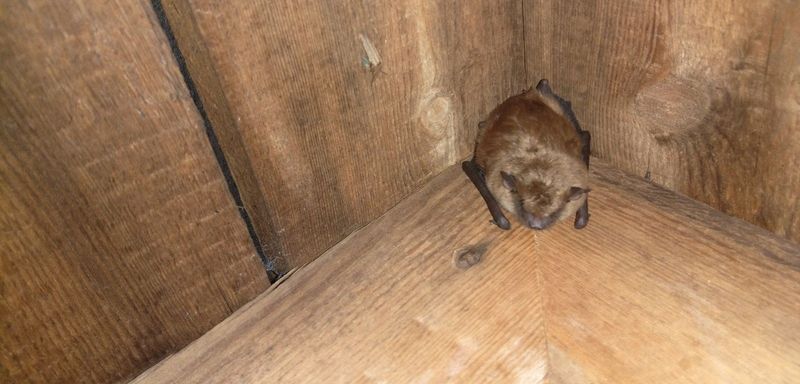
Bats get blamed for loud attic noise, but the real signal is much quieter. Think soft rustling, light scratching, or a tiny squeak near the eaves.
Most Illinois bats migrate or head to caves and mines for winter. The big brown bat is the exception that matters here. It is hardy enough to spend winter inside buildings, including attics and wall spaces.
Hibernating bats rarely make much sound. A warm spell can rouse them, though, and a groggy bat may wander toward heated rooms. That is often how one ends up flapping around a living room in January.
Look for small droppings piled below a gap, often near a chimney or roof peak. Bat droppings crumble into shiny bits when crushed, while mouse droppings stay firm.
Patience is the rule with bats. They eat huge numbers of night-flying insects, and they are protected under state law.
Sealing them inside during winter is harmful and is not allowed, so exclusion is usually done in spring or fall when they can leave. If a bat contacts a person or pet, save it in a container and call your local health department about rabies testing.
Popping Roof Rafters Are Sometimes Just the Cold Talking
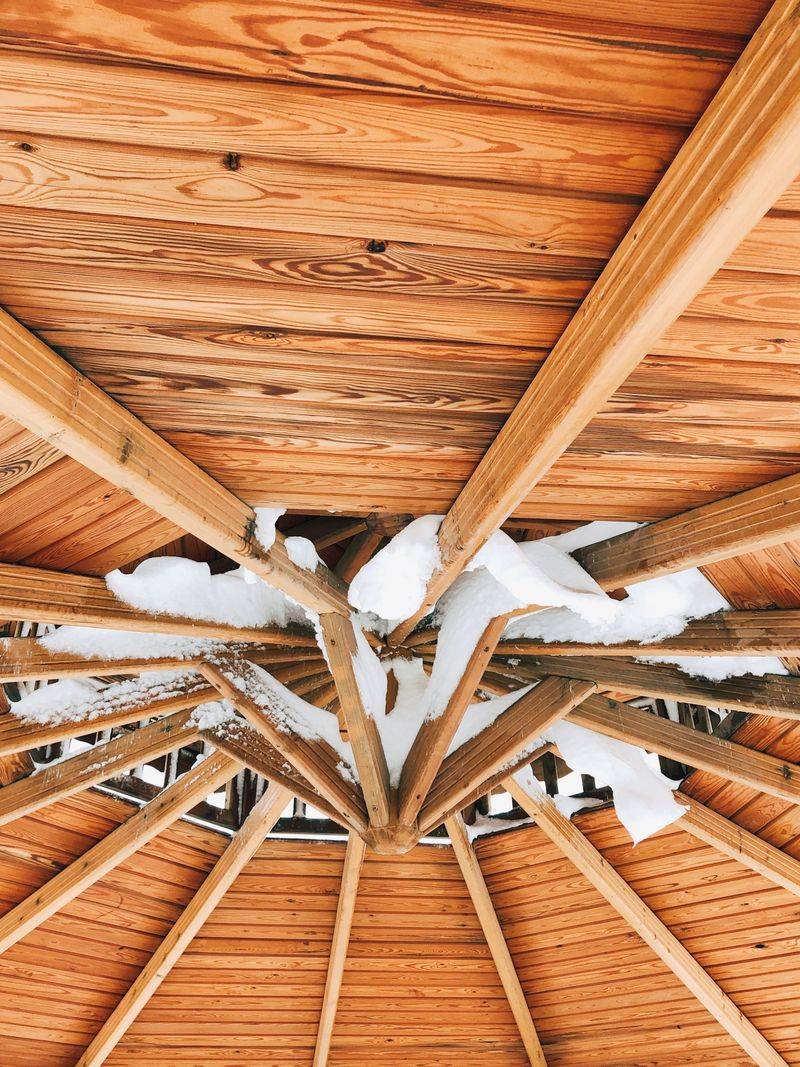
A loud crack at 3 a.m. scared me out of my wits the first winter in my house. No footprints, no droppings, nothing missing. The culprit turned out to be the roof itself.
Wood, metal flashing, and nails expand when warm and shrink when cold. A fast temperature swing, like a sunny afternoon followed by a frigid night, makes those materials shift. The result is popping, ticking, or sharp cracking sounds.
Builders often call this thermal movement. It tends to happen at predictable times, especially in the evening as the roof cools and in the morning as the sun warms it.
Here is how to tell house noise from animal noise. Structural pops are single, sharp sounds that do not travel. Animals make sounds that move, repeat in patterns, and come with scratching or chewing.
Ductwork can also tick as warm air from the furnace heats the metal. Ice building up in gutters may creak, and wind can whistle through loose vent covers.
A quick daytime trip into the attic with a flashlight settles most questions. No droppings, tracks, or chewed insulation usually means your house is simply adjusting to the season.
Sealing Soffits and Vents Keeps Next Winter Quieter
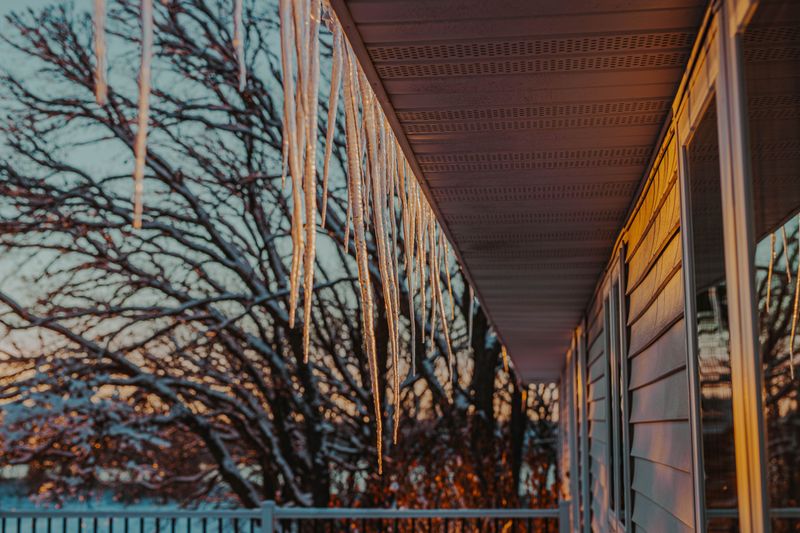
My favorite project ended up being the simplest one. One afternoon with a ladder, a flashlight, and some hardware cloth did more than a whole season of worrying.
Start with a slow walk around the house. Look up at soffits, roof vents, gable vents, chimney tops, and spots where plumbing or cable lines enter. Mice need only about a quarter-inch gap, so small holes count.
Heavy-gauge steel mesh works better than plastic screening because rodents chew through soft materials. A sturdy chimney cap keeps raccoons and birds out of the flue.
Steel wool packed into small gaps, then sealed with caulk, stops mice well. Trim tree limbs so they hang well away from the roof.
Squirrels can jump surprising distances, so more space gives better protection. One caution is huge here. Never seal a hole while an animal is still inside.
Trapped animals chew new exits or perish inside walls, leaving terrible odors. Professionals often use one-way exclusion doors that let animals leave but not return.
Fall is the ideal season for this work, but spring repairs help too. Fix what you can now and finish the rest before the leaves drop next year.
Call a Licensed Wildlife Pro Before Trapping Attic Animals
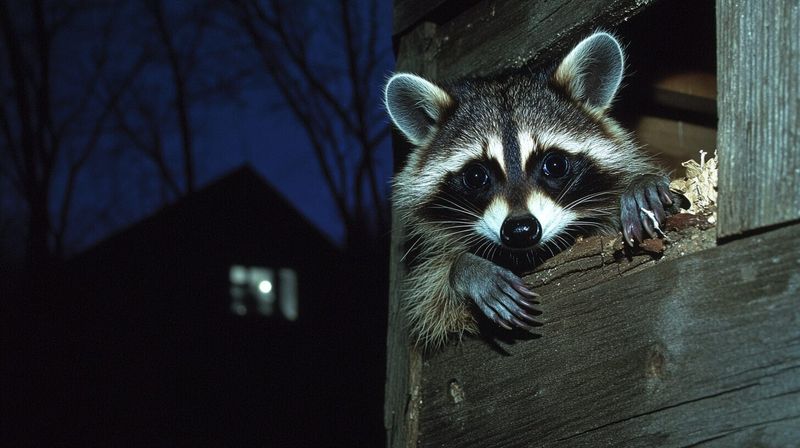
Sometimes the smartest gardening tool is a phone number. I tried to handle my squirrel guest alone, and the professional I finally called fixed it in a fraction of the time.
Illinois has clear rules for nuisance wildlife. Many species, including bats and tree squirrels, are protected, and the Illinois Department of Natural Resources licenses Nuisance Wildlife Control Permittees for this work.
Releasing animals in random places can also break the law and spread disease. A good pro will identify the animal, find every entry point, and use humane exclusion.
They should also check for babies, repair damage, and explain how to clean or replace soiled insulation safely.
Ask a few questions before hiring. Are they permitted through the state? Do they offer a warranty on sealed openings? Will they show photos of what they found?
Meanwhile, keep a simple noise journal. Note the time, loudness, and location of each sound, since it helps the expert work faster.
The bigger takeaway is calm action. Attic noise in the cold months is common, and most cases are fixable.
Act early, seal carefully, and your attic can go back to storing holiday decorations instead of guests.