Reasons Texas Homeowners Are Planting Gulf Muhly Along Their Mailbox Borders
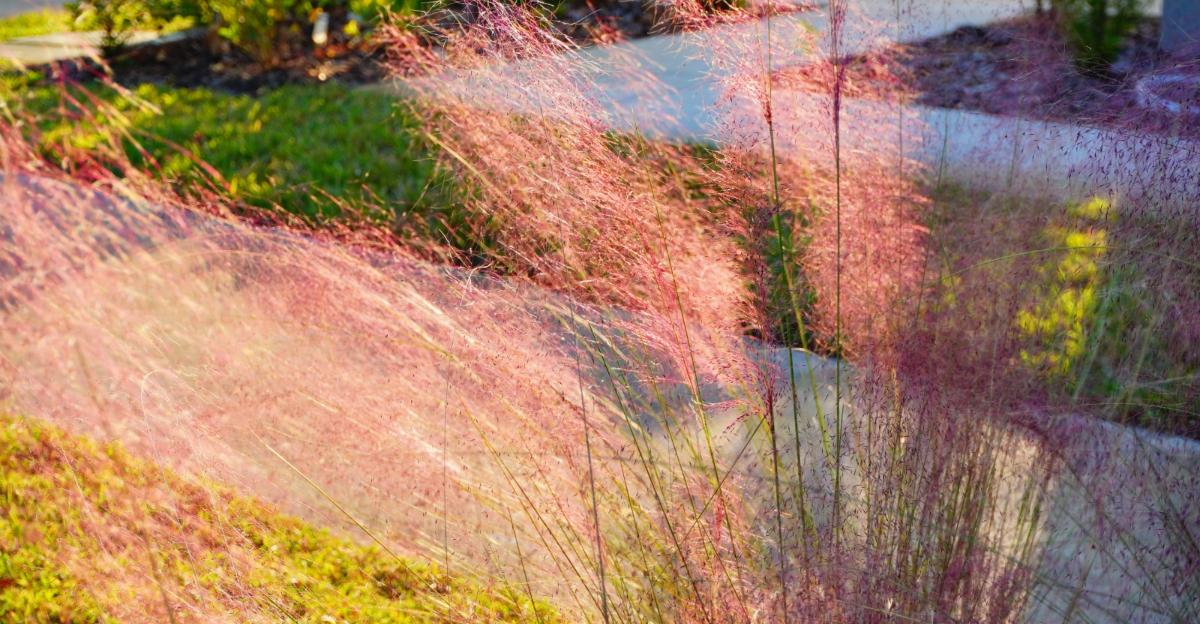
Every fall across Texas, something kind of magical happens along neighborhood streets. Gulf muhly explodes into those soft, feathery pink clouds that make you slow down your car just to get a better look.
Seriously, this grass has caused more than a few double takes.
Homeowners all over the state have started catching on to just how much this native ornamental grass can transform a sunny mailbox border, and the best part is that it pulls off that show-stopping look without asking a whole lot from you in return.
Texas heat, dry spells, and tight curbside spaces are genuinely tough conditions for most plants, but Gulf muhly treats all of that as perfectly normal.
Before you grab one from the nursery though, it really helps to know what you’re working with in terms of size, seasonal habits, and what this grass needs to truly shine.
1. Airy Pink Fall Plumes Add Curb Appeal
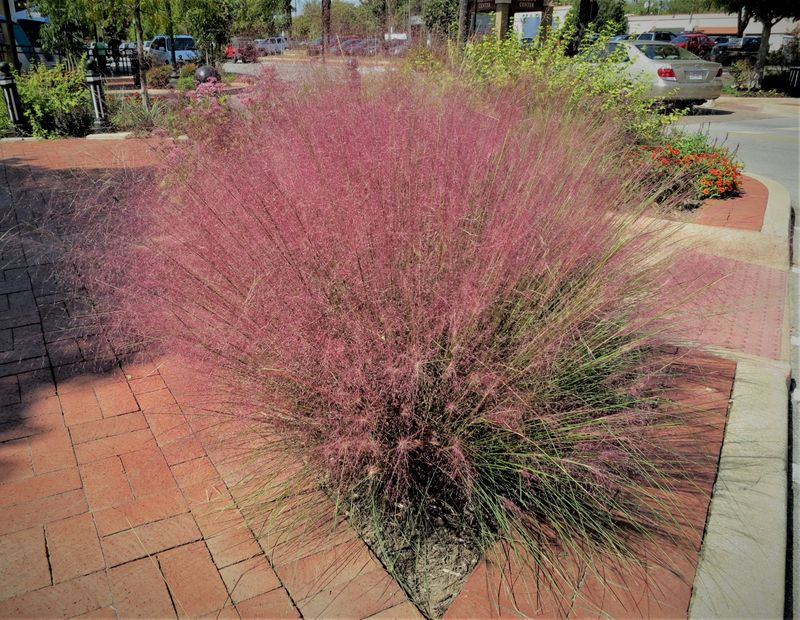
Few things catch a neighbor’s eye quite like a mailbox surrounded by soft, feathery pink plumes swaying in the October breeze.
Gulf muhly produces some of the most striking fall color of any native ornamental grass grown in Texas, and that color shows up right when most other plants start looking tired.
The plumes emerge in shades of soft pink to rosy purple, creating a hazy, almost cloud-like effect that photographs beautifully and stands out from the street.
For homeowners who want their front entrance to look intentional and well-kept, this seasonal display does a lot of the work on its own.
The bloom period typically runs from late September through November, which gives the border several weeks of real visual interest.
That timing also lines up with cooler weather, when people tend to spend more time outside and actually notice what their neighbors are growing.
Placing Gulf muhly along a mailbox border in full sun gives the plumes the best chance to develop their richest color. Shade or partial sun can reduce bloom intensity, so a street-facing bed with open sky overhead is usually the most rewarding spot.
The result is a curbside planting that earns genuine compliments from passersby throughout the fall season.
2. A Clumping Shape Fits Mailbox Borders
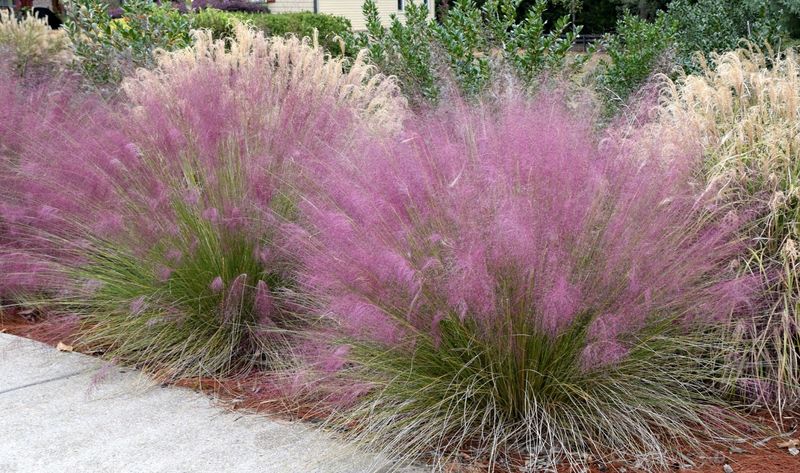
Mailbox borders are notoriously tight spaces. Most sit between a sidewalk and the street, leaving just a narrow strip of soil that has to look good, stay in bounds, and never block access to the box itself.
Sprawling or vining plants can quickly become a problem in these spots, but Gulf muhly grows in a tidy, upright clump that stays where you put it.
The clumping growth habit means the plant does not send out runners or spread aggressively into surrounding areas. Each clump tends to stay relatively contained, which makes spacing and planning easier when working with a small border.
Mature clumps can reach around two to three feet tall and wide, so giving each plant enough room to fill out without crowding the mailbox post or the sidewalk edge is worth thinking through before planting.
Your Texas Garden Changes Every Week. Your Plan Should Too.
Gardening in Texas changes quickly throughout the season. Every Friday you’ll receive a simple weekly plan showing exactly what to plant, prune, fertilize, harvest, and protect so you never miss the right timing.
Rounded clumps also have a naturally tidy silhouette during the growing season, even before the fall plumes appear. The fine green foliage arches slightly at the tips, giving the plant a soft, fountain-like form that fits neatly along a low border.
In Texas front yards where clean lines and manageable plants matter, that contained shape is genuinely useful rather than just decorative.
3. Full Sun Helps Bring Out The Best Blooms
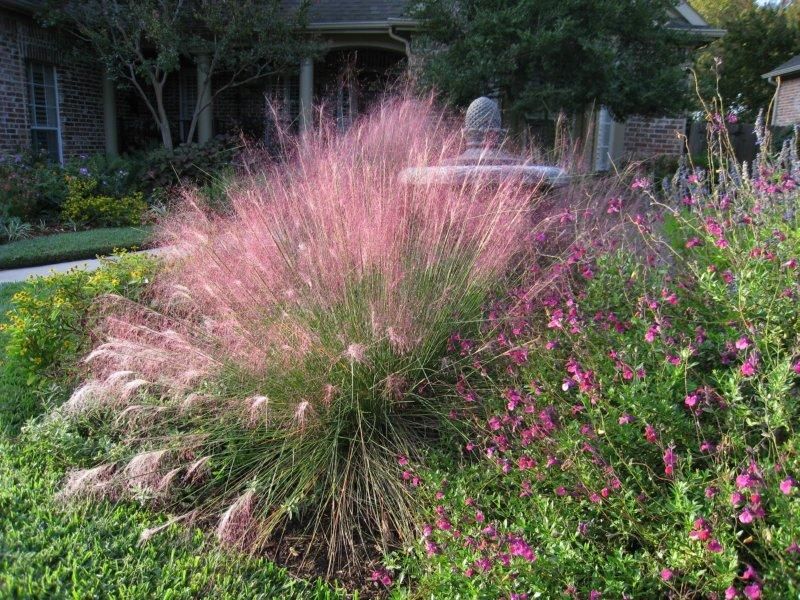
Curbside planting beds in Texas tend to get baked by the sun from morning to late afternoon, and most plants struggle to keep up with that kind of heat exposure.
Gulf muhly is one of the few ornamental grasses that genuinely thrives in those conditions rather than just tolerating them.
Full sun, which typically means six or more hours of direct sunlight daily, is where this grass performs at its highest level.
The connection between sun exposure and bloom quality is real and worth understanding before choosing a planting spot. Gulf muhly growing in full sun tends to produce denser, more colorful plumes compared to plants grown in shadier locations.
The foliage also stays more upright and compact, which helps the overall shape look cleaner along a border.
Street-facing mailbox beds in Texas are often among the sunniest spots on the entire property, which actually works in Gulf muhly’s favor.
Many homeowners struggle to find plants that can handle that level of heat and sun without needing constant watering or extra attention.
Gulf muhly meets those conditions naturally, making it a practical fit for the kind of exposed, sun-drenched curbside environments that are so common across Texas neighborhoods throughout the long growing season.
4. Drought Tolerance Supports Water-Wise Yards
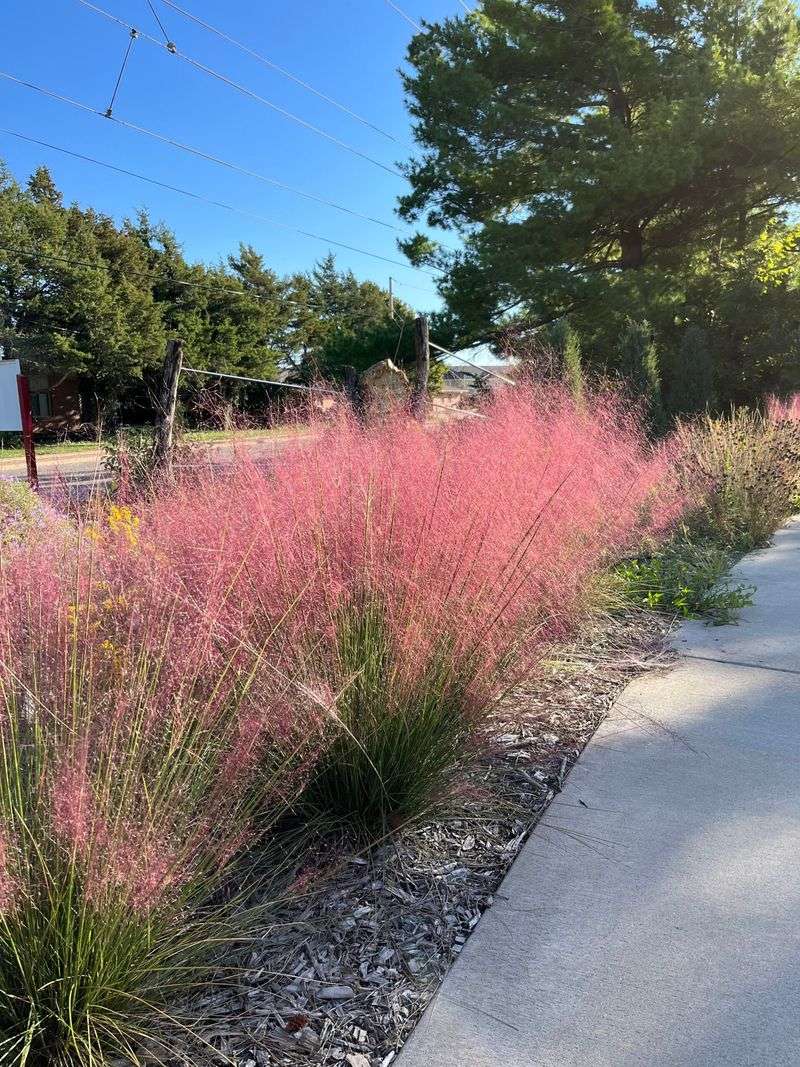
Watering a strip of soil between the sidewalk and the street is one of those tasks that sounds simple but gets skipped more often than not.
Hose access can be awkward, automatic irrigation systems do not always reach that far, and during a dry Texas summer, curbside plants can dry out faster than anything else in the yard.
Gulf muhly handles this reality better than many ornamental plants.
Once established, Gulf muhly has solid drought tolerance that comes from its adaptation to the natural conditions found across the Texas coastal plain and central regions.
It does not need constant moisture to stay healthy, and it can push through dry spells that would stress out less adapted plants.
That said, newly planted Gulf muhly does benefit from regular watering during its first growing season while the root system gets established in the soil.
Well-drained soil is part of what makes drought tolerance work well for this grass. Sitting in soggy or compacted ground can cause more problems than dry conditions, so raised curbside beds or sandy loam soils tend to suit it better.
For Texas homeowners trying to reduce outdoor water use without sacrificing curb appeal, Gulf muhly offers a genuinely low-water option that still delivers seasonal color and texture.
5. Fine Texture Softens Hard Curb Edges
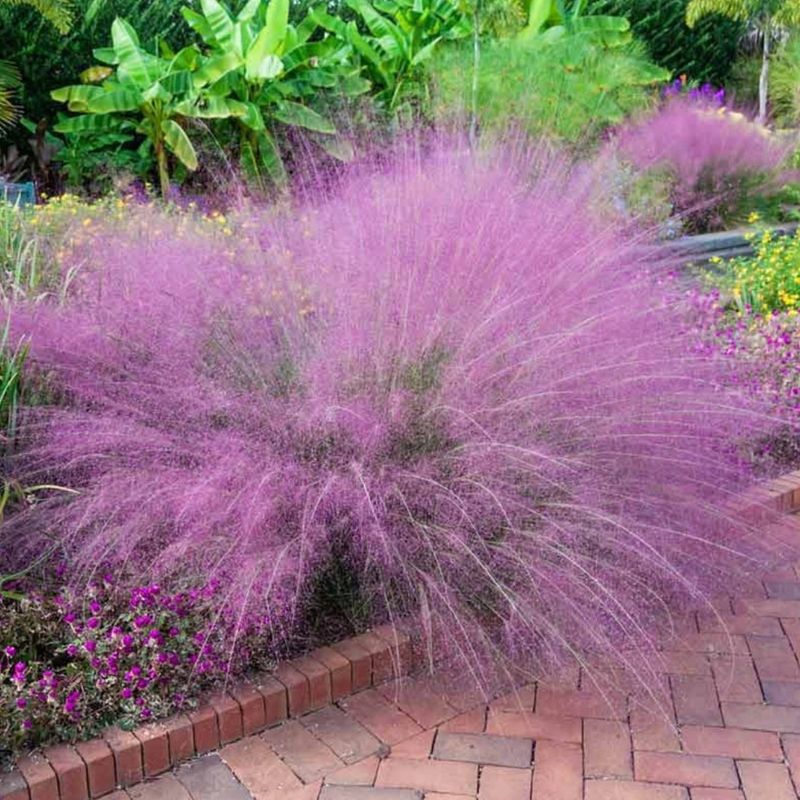
Concrete curbs, asphalt edges, and mailbox posts all share one thing in common – they are hard, angular, and not particularly welcoming on their own.
When a planting bed sits right up against those surfaces, the contrast between rigid man-made materials and living plants becomes one of the most noticeable design elements from the street.
Gulf muhly’s fine, hair-like foliage is especially good at softening those transitions.
The grass blades are narrow and slightly arching, which creates a feathery, flowing texture that feels almost like a natural buffer between the pavement and the rest of the yard.
That softness reads clearly from a distance, which matters in a mailbox border that most people view while driving or walking by rather than up close.
Even during the months before fall bloom, the green foliage alone adds a sense of lightness that chunky shrubs or broad-leaved plants cannot replicate.
Pairing Gulf muhly with plants that have bolder, broader leaves can enhance this textural contrast even further. Low-growing salvias, black-eyed Susans, or other Texas-adapted perennials planted nearby allow the fine grass texture to stand out more clearly.
The result is a border that looks layered and thoughtful rather than flat, even when working with a narrow strip of soil along the street.
6. Repeated Plantings Create A Cleaner Border Look
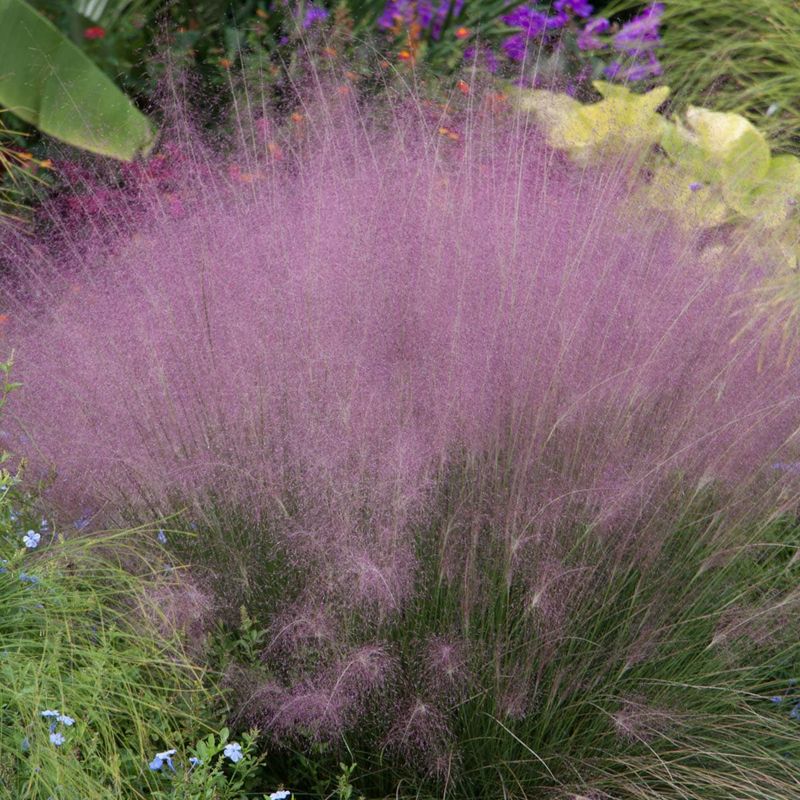
One clump of Gulf muhly near a mailbox can look nice, but a row of evenly spaced clumps creates something more intentional and polished.
Repetition is one of the most reliable design tools in landscaping, and it works especially well in narrow curbside beds where there is not much room for variety or complex layering.
Planting several Gulf muhly clumps at consistent intervals along a mailbox border gives the whole entrance a sense of rhythm and order.
That repeated pattern also makes seasonal interest more impactful. When multiple plants bloom at the same time in fall, the combined effect of their pink plumes creates a more dramatic display than a single specimen could manage.
The visual weight of the grouping reads better from the street, which is ultimately the most important viewing angle for any mailbox border planting.
Spacing matters when planning a repeated planting. Allowing roughly two to three feet between each clump gives the plants room to reach their mature size without crowding each other or the mailbox post.
In a longer border, alternating Gulf muhly with a lower-growing companion plant can add depth while keeping the repetition intact.
Texas homeowners who take the time to plan spacing carefully tend to end up with borders that look professionally designed without needing a professional to install them.
7. Seasonal Movement Makes The Entrance Feel Livelier
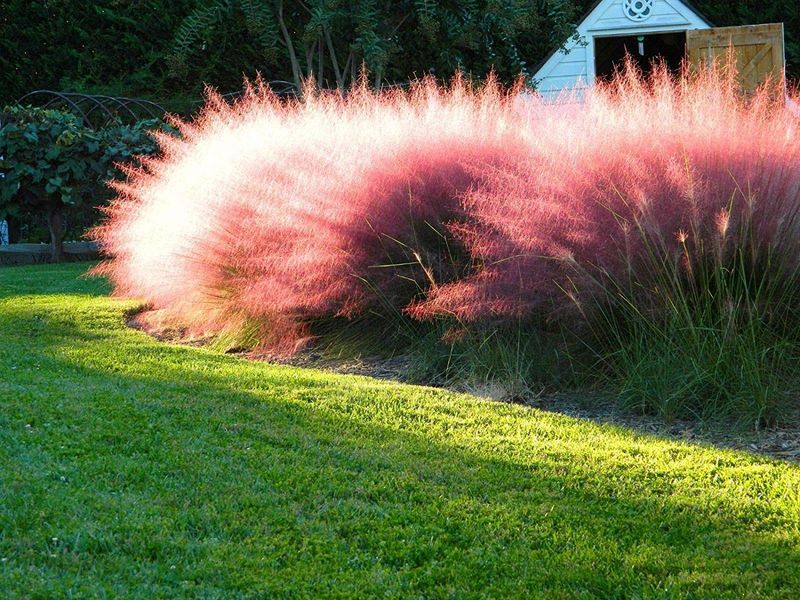
Static landscapes can feel a little lifeless, especially in front yards where the goal is to create a welcoming entrance. Gulf muhly brings something that most shrubs and groundcovers simply cannot offer – movement.
The fine plumes and narrow foliage respond to even a light breeze, creating a gentle swaying motion that makes the whole border feel more alive and dynamic throughout the season.
That sense of movement is one of the reasons ornamental grasses have become so popular in Texas front yard designs over the past decade or so.
Hard surfaces, boxwood hedges, and rigid foundation plantings dominate many curbside landscapes, and adding a plant that moves with the wind introduces a natural energy that feels refreshing.
Visitors and passersby notice it even if they cannot immediately identify what is creating the effect.
Gulf muhly’s movement is most visible during fall when the plumes are fully developed and catching the light at low angles.
Morning or late afternoon sun can make the pink plumes appear almost luminous as they sway, which creates a soft, almost theatrical quality along the street edge.
For a mailbox border that needs to make a strong first impression without a lot of fussy upkeep, that natural movement adds real value throughout the weeks the grass is in peak seasonal form.
8. Low Upkeep Works Well Near The Street
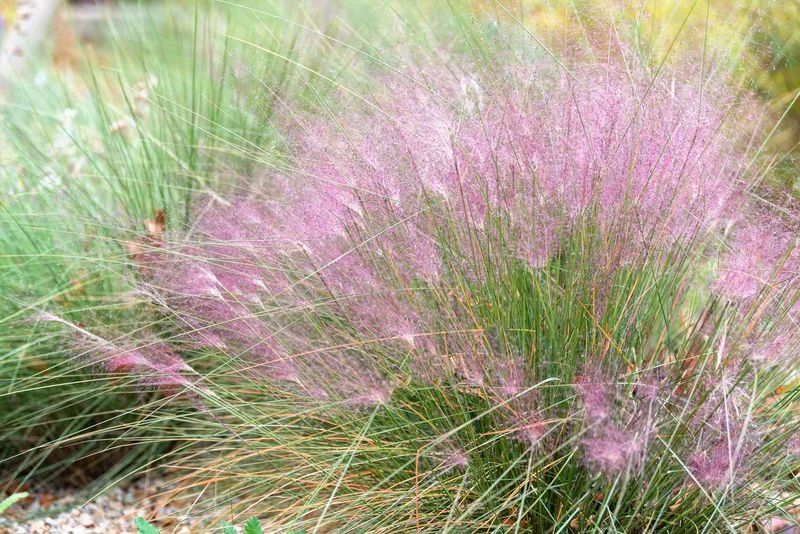
Planting something directly along the street means it is on display every single day, and most homeowners do not want a high-maintenance plant in a spot that is also hard to reach with tools or water.
Gulf muhly tends to ask for very little once it is settled into a well-drained, sunny spot, which makes it a practical choice for a curbside border that needs to look decent with minimal fuss.
The main maintenance task most gardeners associate with Gulf muhly is cutting it back once a year, usually in late winter before new growth starts.
Cutting the clumps back to a few inches above the ground encourages fresh, healthy foliage and keeps the plant looking tidy going into the growing season.
Beyond that annual trim, the grass does not typically need fertilizing, deadheading, or frequent irrigation once it has established a healthy root system.
Pest and disease problems are not commonly associated with Gulf muhly in Texas conditions, which removes another layer of maintenance concern.
The grass tends to stay healthy in the kind of hot, dry, well-drained environments that stress out more delicate plants.
For a mailbox border that faces full sun, heat, and occasional drought without much intervention, that combination of low input and reliable performance is genuinely hard to beat among native ornamental grasses.
9. Native Style Blends Well With Texas Landscapes
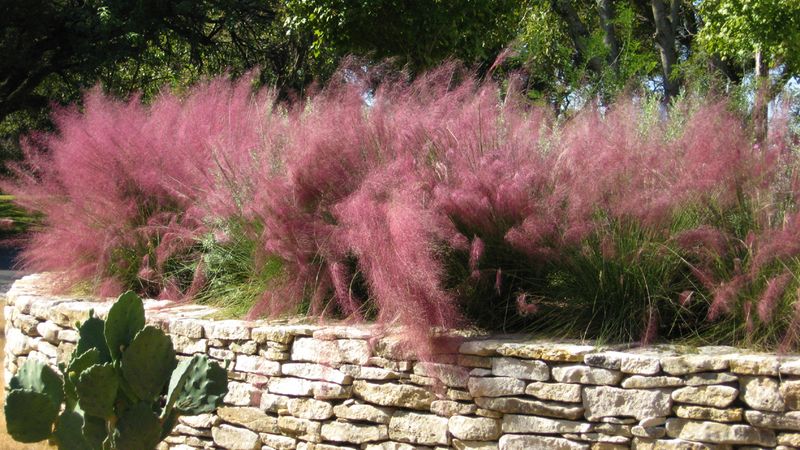
Something about a native plant just looks like it belongs.
Gulf muhly is native to the Gulf Coast region and parts of the southeastern United States, including areas of Texas, which means it evolved alongside the soils, rainfall patterns, and seasonal conditions found across much of the state.
That natural fit shows up in the way it settles into a landscape without looking forced or out of place.
In Texas front yards where native and adapted plants are increasingly popular, Gulf muhly fits right into that design direction.
It pairs naturally with other Texas-friendly plants like autumn sage, inland sea oats, mealy blue sage, and native black-eyed Susans, creating combinations that feel cohesive and grounded in the regional plant palette.
A mailbox border planted with Gulf muhly and a few native companions can feel like a small extension of the Texas landscape rather than a generic suburban planting.
That native identity also carries some practical weight with neighbors and local communities who are moving toward more sustainable front yard landscapes.
Choosing plants that reflect the regional environment is a way to make a yard feel both beautiful and intentional.
Gulf muhly brings that native character to one of the most visible spots on the property, giving the whole front entrance a sense of place that feels genuinely rooted in Texas.