Why Ohio Hydrangeas Collapse To The Ground After Harsh Winter Weather
Many Ohio gardeners blame the winter. The winter is only part of the story.
What actually determines whether a hydrangea survives has less to do with how cold it gets and more to do with decisions made the previous fall, or even at the nursery before the plant ever went in the ground.
Have you ever had a hydrangea that looked healthy going into November and came out the other side completely broken?
The reason is almost never random. There is a specific set of conditions that Ohio winters exploit, and certain hydrangeas are far more vulnerable to those conditions than others.
Some of these plants are genuinely not suited for Ohio winters at all. Others handle almost anything.
The difference between those two categories changes everything about what happens in April.
1. Bigleaf Hydrangeas Often Lose Old Stems In Cold Spots
Bigleaf hydrangeas are among the most popular flowering shrubs sold in Ohio. They are also among the most poorly matched to Ohio winters.
Hydrangea macrophylla is rated for USDA zones 6 through 9. Much of Ohio sits right at the edge of zone 6, and northern parts of the state drop into zone 5.
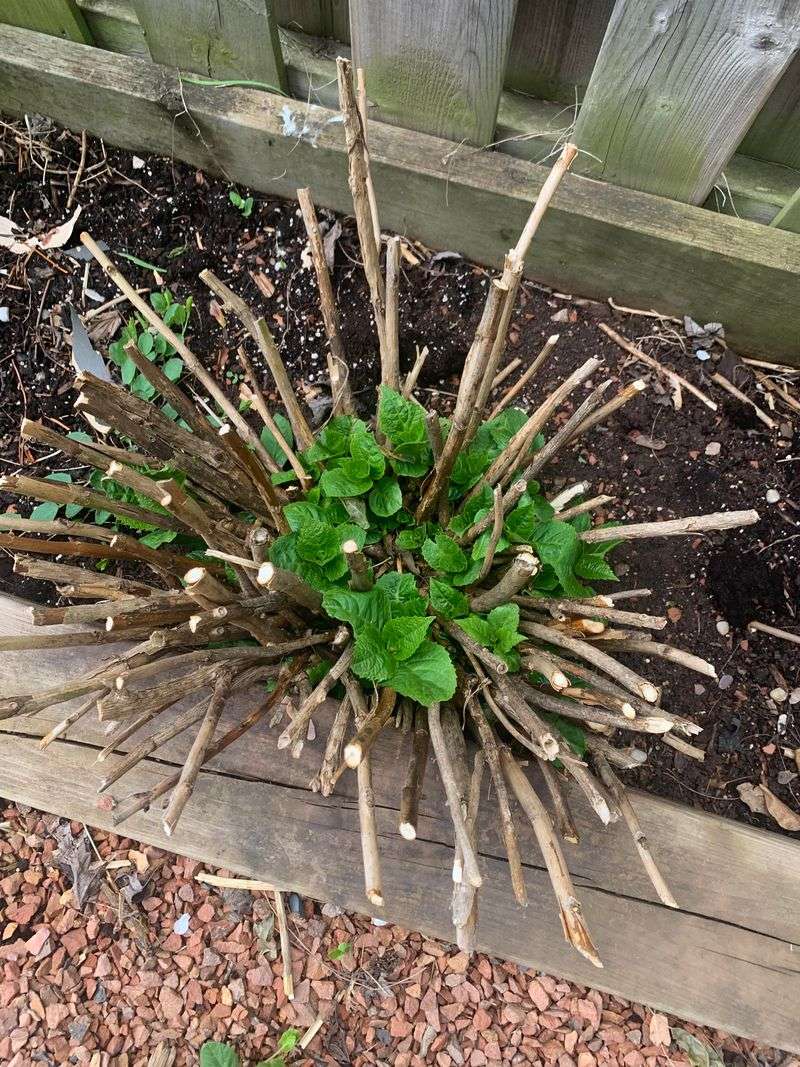
When temperatures fall below zero degrees Fahrenheit, the older woody stems of bigleaf hydrangeas can experience severe cellular damage that leaves them unable to support themselves once the ground thaws.
Cold pockets make this problem significantly worse. Low-lying areas and spots near buildings where cold air settles and stays are particularly damaging for these plants.
Stems in those locations absorb more cold for longer periods than surrounding areas and struggle to recover when spring finally arrives.
Moving bigleaf hydrangeas away from frost pockets toward spots with better air circulation and southern or eastern exposure reduces this exposure meaningfully. Even a modest improvement in placement makes a difference across a full Ohio winter.
For established plants that cannot be relocated, wrapping stems loosely with burlap in November before hard freezes arrive can protect the wood through the worst stretches.
The goal is not to make the plant warm. It is to slow down the rate of temperature change that causes the most cellular damage.
Bigleaf hydrangeas can succeed in Ohio. They just need placement that does not work against them from the start.
The plant is not dramatic. Ohio winter is.
2. Old Wood Bloomers Need More Winter Protection
Many gardeners assume a hydrangea that leafs out in spring will also bloom in summer. For old wood bloomers, that assumption is regularly wrong in Ohio.
Bigleaf and oakleaf hydrangeas form their flower buds on stems that grew during the previous growing season.
Those buds sit fully exposed on the plant from the moment summer ends until spring arrives. Whatever Ohio winter brings, the buds take it directly.
A cold snap in January or February freezes those buds. Once frozen, they do not recover.
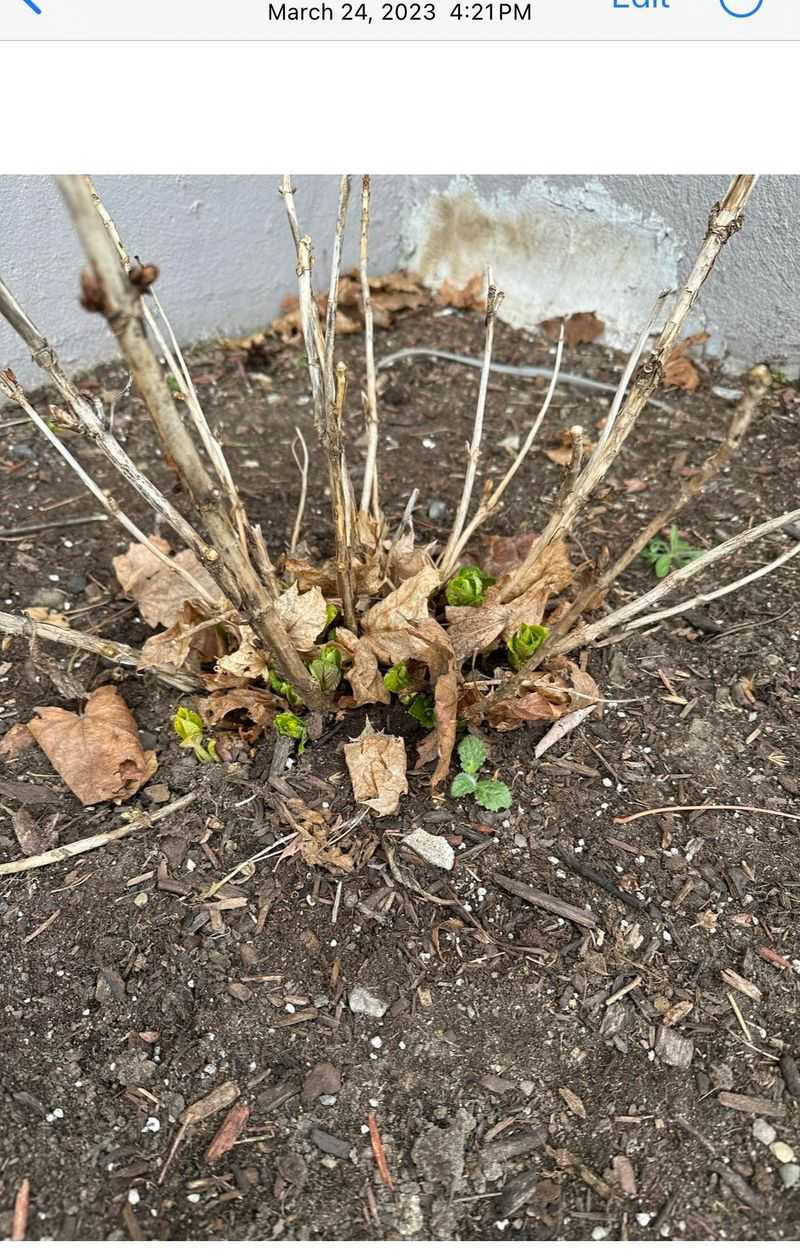
The plant can leaf out beautifully in April, looking completely healthy, and still produce no flowers that season. The stems survived. The buds did not. That distinction matters enormously.
Your Ohio Garden Changes Every Week. Your Plan Should Too.
Gardening in Ohio changes quickly throughout the season. Every Friday you’ll receive a simple weekly plan showing exactly what to plant, prune, fertilize, harvest, and protect so you never miss the right timing.
Bud loss on old wood bloomers is consistently one of the most reported frustrations from Midwest gardeners, and for good reason. The damage is invisible until the bloom window closes.
Protecting old wood bloomers means protecting the buds specifically. A wire cage filled loosely with straw or dry leaves, placed around the plant in late fall, creates an insulating buffer that moderates temperature swings around the bud-carrying stems.
The goal is slowing the freeze-thaw cycling that ruptures dormant bud tissue, not creating a heated enclosure. Even a modest cage and a few armfuls of straw can significantly improve bloom rates the following summer.
The buds are small, vulnerable, and sitting outside all winter. They deserve at least one person in their corner.
3. Dry Winter Wind Strips Moisture From Exposed Stems
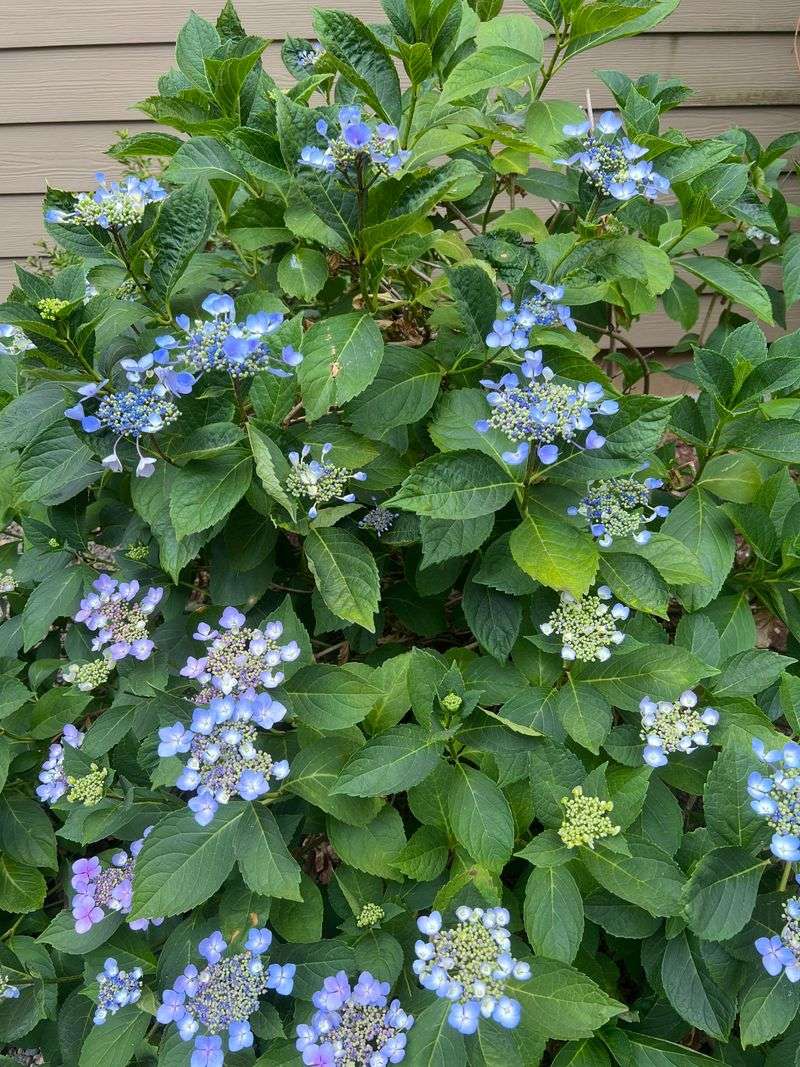
Wind does not get enough attention in conversations about winter hydrangea damage. It should.
During Ohio winters, cold dry winds move across open yards and pull moisture directly out of plant stems and buds through a process called desiccation.
Stems losing moisture faster than they can replace it begin to shrivel. Eventually they collapse.
The timing makes this especially damaging. When soil freezes, roots cannot absorb water to compensate for what wind is removing from stems above ground.
The plant loses moisture from the outside with no ability to replenish from below. Desiccation is a leading cause of winter stem loss in ornamental shrubs throughout Ohio, and hydrangeas are among the most vulnerable.
Exposed sites are the problem locations. Open yard corners, beds along fence lines with no windbreak, and slopes facing west or northwest put hydrangeas in direct contact with prevailing winter winds without any buffer.
Two approaches work well together. First, choose a planting location that benefits from natural wind protection, such as a position near a fence, a wall, or a row of evergreens that blocks wind without blocking too much light.
Second, apply an anti-desiccant spray to stems and buds in late fall. These products form a thin waxy coating that significantly slows moisture loss through winter.
Reapply after heavy rain since precipitation removes the coating.
Wind is invisible, consistent, and operating on the hydrangea all winter long. A windbreak is the least complicated response to a problem that never takes a day off.
4. Unprotected Buds Struggle Before Spring Even Starts
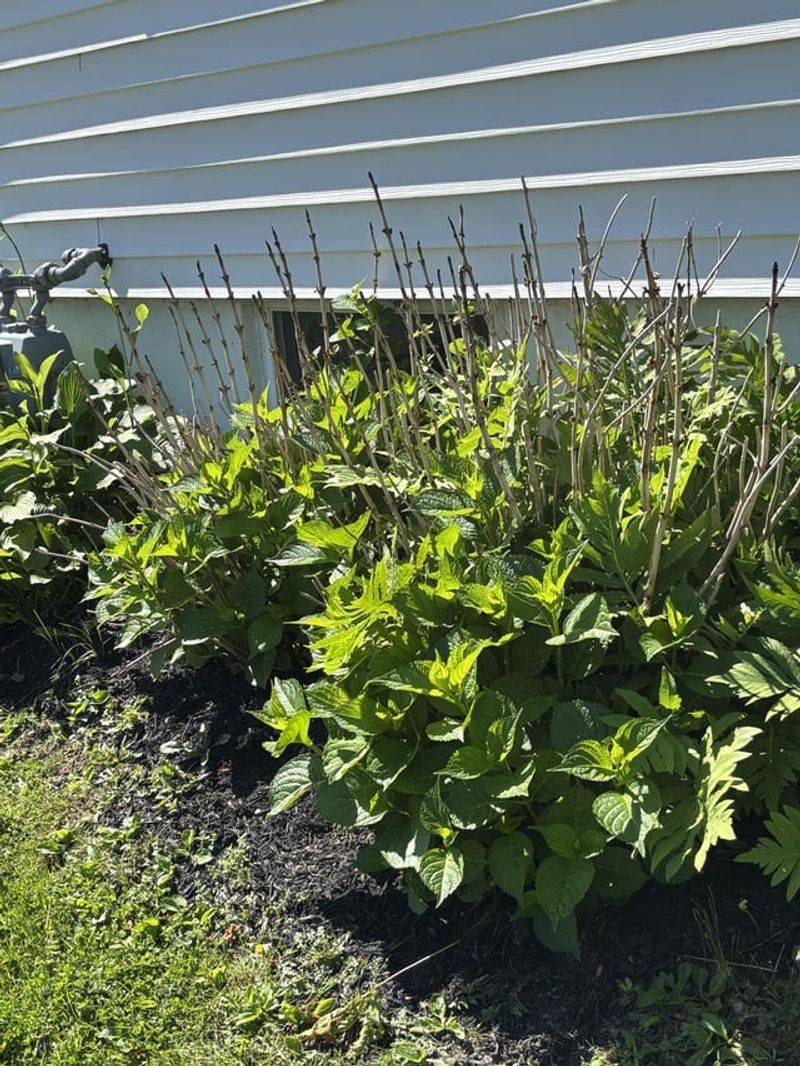
January in Ohio is cold and the hydrangeas are dormant. That part is manageable.
February and March are the genuinely dangerous months.
As days lengthen and temperatures edge upward, dormant buds begin to swell and wake up. Then Ohio sends one more hard freeze, and those partially awakened buds face temperatures they cannot handle.
Buds that have started to expand are far more vulnerable to cold than fully dormant ones. The cellular tissue that began opening simply cannot survive a return to hard freezing temperatures.
This freeze-thaw cycling is one of the most destructive forces operating on Ohio flowering shrubs. A sudden drop to 20 degrees Fahrenheit or lower after a warm spell can rupture bud cells that had already begun their spring response.
Fluctuating late-winter temperatures consistently drive bud failure in cold-sensitive shrubs across the region.
The damage often remains invisible until May, when gardeners notice that the promising buds from March never developed further. By that point, the season has already passed.
Mulching around the base of the plant moderates soil temperature, which slows how quickly the plant warms during mild late-winter spells.
Keeping buds dormant a little longer reduces the window of vulnerability to damaging return freezes.
Wrapping canes loosely with burlap or frost cloth from November through mid-April provides direct bud insulation.
Removing that wrap gradually rather than all at once helps the plant adjust without being exposed to a sudden cold night.
Ohio winters do not follow a schedule. The hydrangea protection strategy probably should.
5. Northern Ohio Gardens Need Tougher Hydrangea Choices
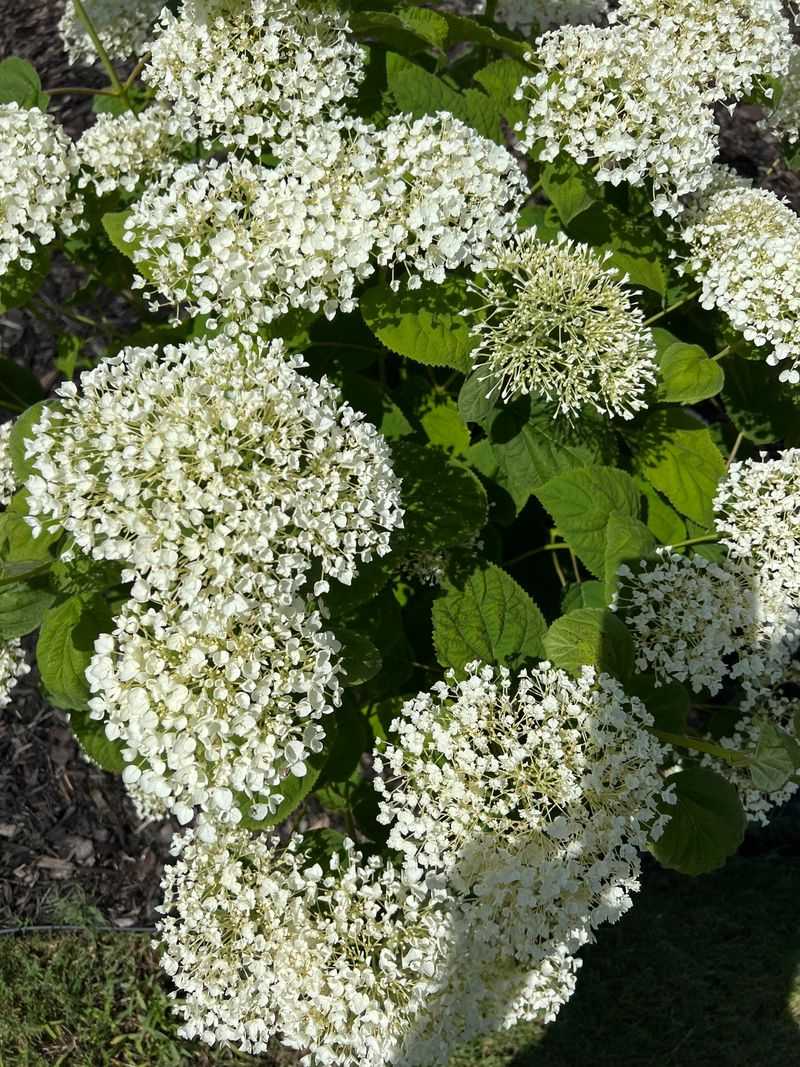
Location within Ohio matters more than most gardeners account for when choosing hydrangeas.
Northern Ohio, particularly areas near Lake Erie, experiences colder average temperatures and more unpredictable late-season freezes than central or southern parts of the state.
Choosing a hydrangea variety that is not actually matched to that specific zone is one of the most consistent reasons these plants fail to perform year after year.
USDA hardiness zones in Ohio range from zone 5b in the far northeast to zone 6b in the southwestern corner.
Bigleaf hydrangeas rated for zone 6 frequently struggle in northern Ohio because local conditions push below their reliable cold threshold.
For northern Ohio gardens, focusing on varieties rated for zone 4 or 5 builds in a safety margin that the climate regularly demands.
Newer cultivars bred specifically for cold hardiness have genuinely changed what is achievable in northern gardens.
Incrediball, Limelight, and Bobo have been tested in Midwest trial conditions and consistently outperform standard bigleaf types in zones 5 and below. They do not require the annual protection effort that borderline varieties demand.
Checking the plant tag before purchasing is the simplest preventive step available. A zone 6 rating and a Sandusky garden address are not a reliable combination.
Time spent matching the variety to the actual zone pays off across many seasons without requiring annual intervention to compensate for a mismatch that should have been resolved at the nursery.
The plant tag is not decoration. It is a prediction.
6. Mulch Helps Protect Crowns Through Freeze Swings
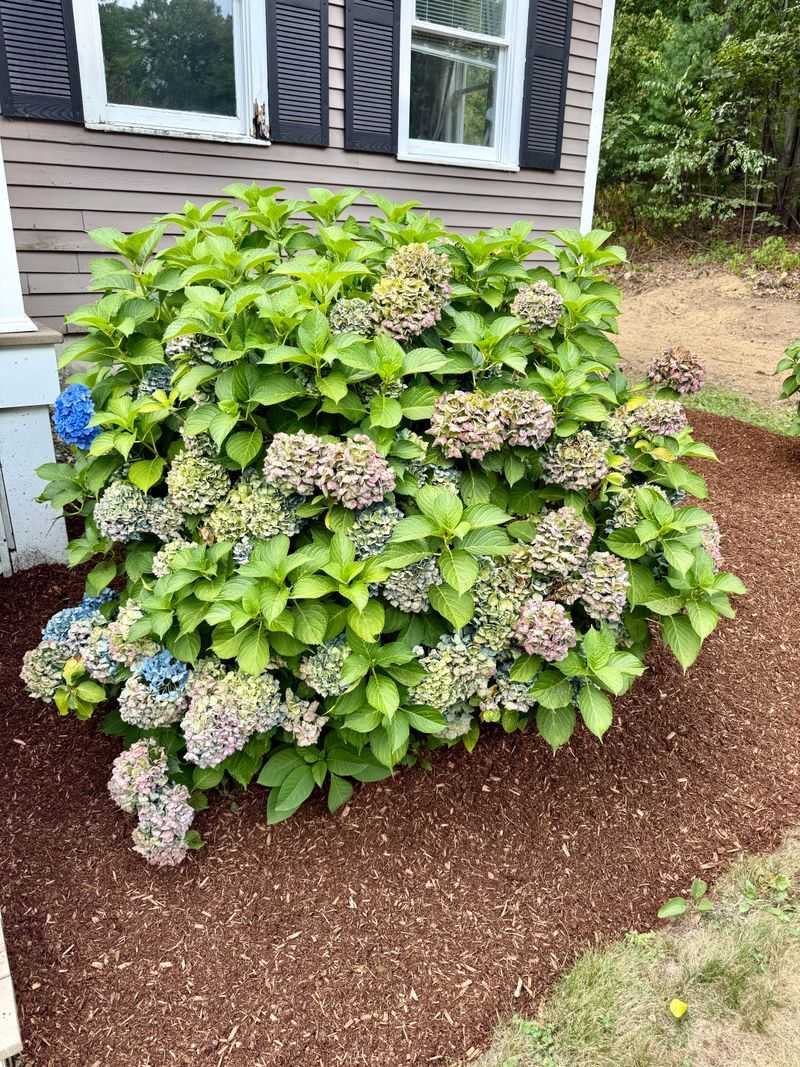
Mulch is one of the most practical and most underused tools available for protecting Ohio hydrangeas through winter.
Applied correctly around the crown of a hydrangea, mulch moderates the freeze and thaw cycles that stress both the root system and lower stems.
The crown, where stems meet roots at ground level, is the plant’s most critical survival structure. Protecting it through winter directly supports the plant’s ability to regenerate in spring even when stems above ground take significant damage.
Three to four inches of organic mulch, such as shredded bark, wood chips, or straw, applied around the base before the ground freezes in late fall is the practical target.
Around the base, not against the stems. Mulch piled directly against stems traps moisture and creates conditions for rot and fungal problems. That outcome is worse than skipping the mulch entirely.
The purpose of mulch here is temperature buffering. When outdoor temperatures swing from 45 degrees one week to 10 degrees the next, mulched soil changes temperature considerably more slowly than bare soil.
Pull the mulch back slightly in early spring once temperatures stabilize, allowing the soil to warm and encourage new growth from the crown.
For smooth hydrangeas, the crown is the primary regeneration point every season regardless of what happens above ground. Protecting it is essentially the whole strategy.
Mulch is inexpensive, takes thirty minutes to apply, and routinely outperforms more complicated winter protection schemes. Every year.
7. Sheltered Microclimates Make A Huge Difference
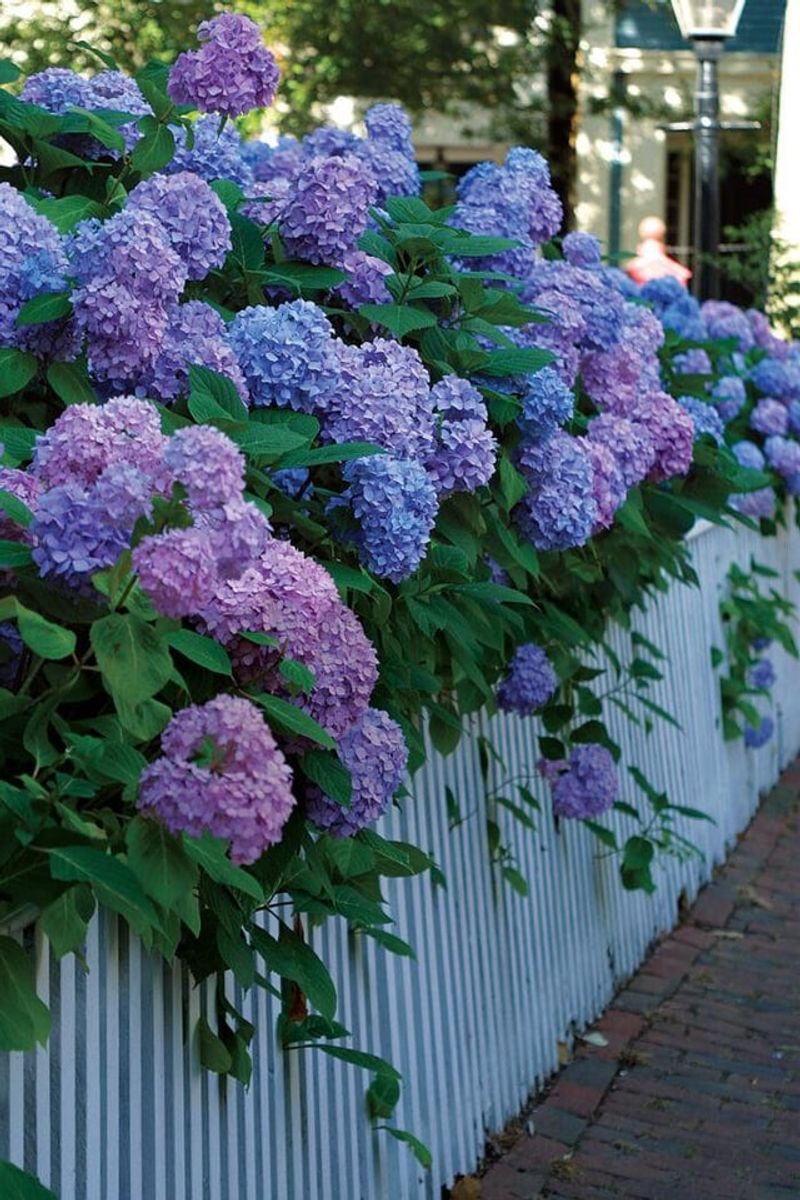
Not every spot in an Ohio yard experiences winter the same way. Some spots are measurably warmer, calmer, and more survivable than others just a few feet away.
A south-facing wall, a sheltered corner where two walls of a house meet, a fence line backed by evergreens, or a position near a heat-absorbing brick structure can create a microclimate several degrees warmer.
Research on cold-climate gardening supports the observation that strategic microclimate placement can effectively shift growing conditions the equivalent of one full hardiness zone warmer.
For Ohio hydrangea growers, that shift matters considerably. A bigleaf hydrangea that collapses repeatedly in an open bed might perform reliably against a south-facing wall.
The plant still benefits from other protection measures, but the microclimate does a significant portion of the work.
The balance worth finding is shelter without excessive shade. Hydrangeas require adequate sunlight to bloom, so placement behind dense evergreens that block light along with wind does not solve the problem.
The ideal spot offers wind protection and morning sun with some afternoon shade relief during summer heat.
That combination supports healthy warm-season growth while giving the plant its best chance of holding stems and buds through an Ohio winter.
Good placement is free and permanent. It is also the protection strategy that does not require remembering to install it every November.
8. Panicle And Smooth Hydrangeas Recover More Reliably
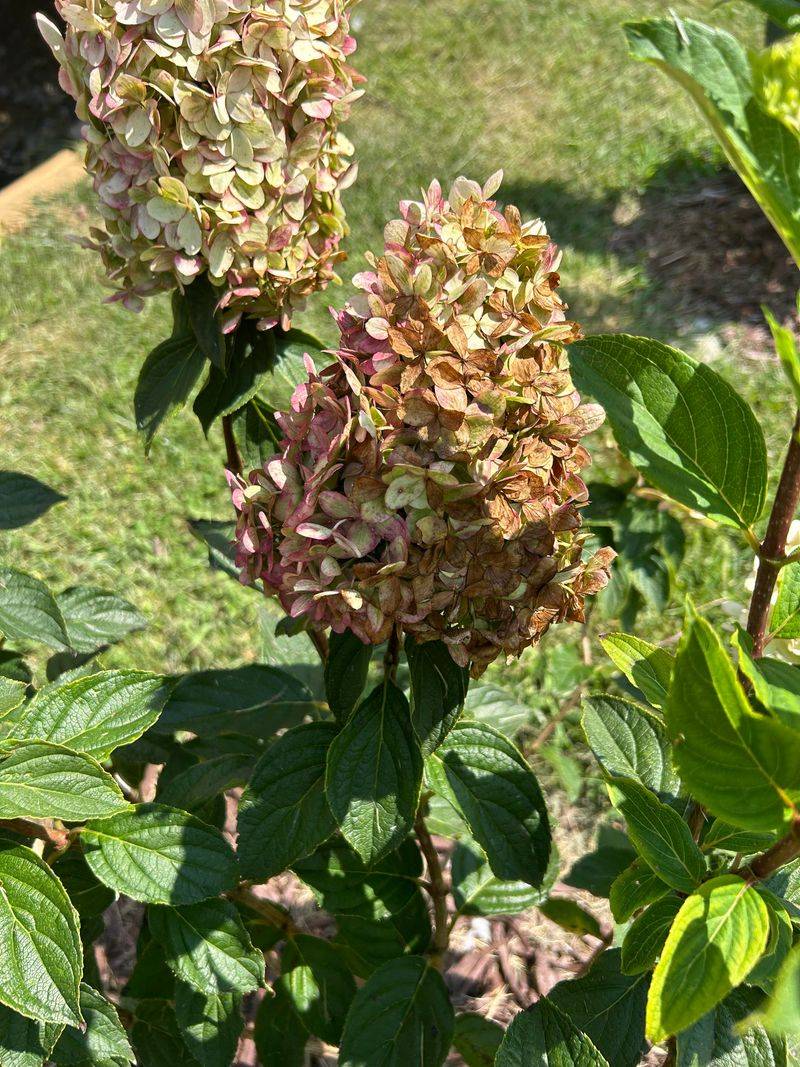
Some hydrangeas handle Ohio winters without much drama. Those are the ones worth knowing about.
Panicle hydrangeas and smooth hydrangeas bloom on new wood. Their flower buds form on stems that grow fresh each spring rather than on stems that carried over from the previous season.
Even when an Ohio winter removes every stem above ground, these plants bloom again the following summer because they generate new flowering wood from scratch each year.
For cold-climate gardeners, that distinction changes the entire management approach. There are no old stems to protect, no overwintered buds to insulate, and no anxiety about what February might take. The plant resets independently every spring.
Panicle and smooth hydrangeas are consistently identified as the most reliable bloomers for Ohio gardens, particularly in zones 5 and 6 where old wood damage occurs in some years with near certainty.
Popular panicle varieties including Limelight, Quick Fire, and Little Lime are rated to zone 3 or 4, which makes them genuinely appropriate for northern Ohio without requiring compensation for zone mismatch.
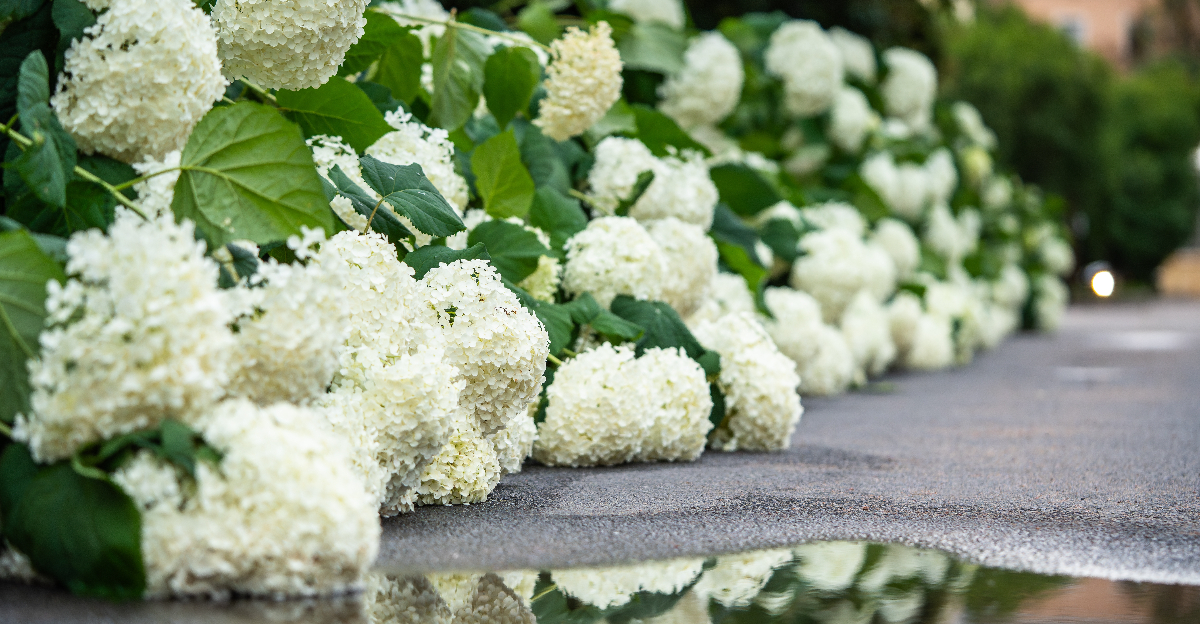
Smooth varieties like Annabelle and Incrediball carry the same cold hardiness and produce large, dramatic blooms on strong stems from midsummer through fall.
These are not consolation-prize hydrangeas chosen because the more appealing options failed. They are outstanding plants that also happen to treat Ohio winters as a minor inconvenience rather than a seasonal crisis.
Switching to new wood bloomers does not mean settling. It means stopping the annual ritual of hoping the bigleaf makes it through February and then discovering it did not.