Why Hydrangea Flowers Turn Brown Overnight And What To Do About It
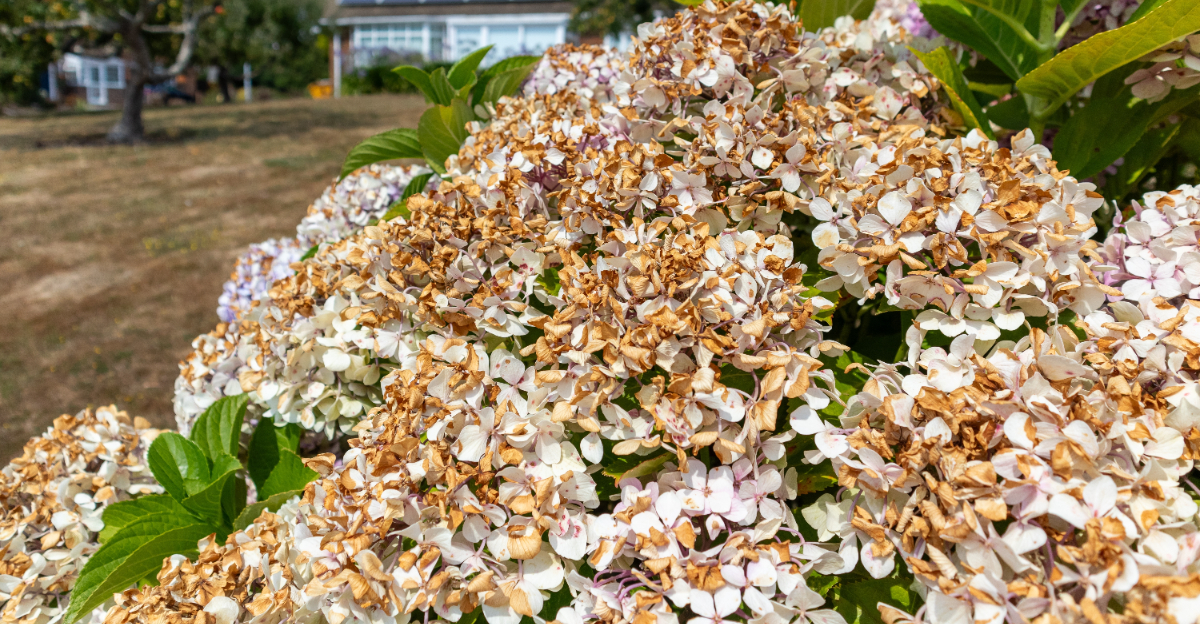
Crispy, brown petals greeted you this very morning instead of soft blooms. Overnight, your garden turned from lush green to lifeless brown.
Confusion sets in fast when your flowers fail without warning. Sun, water, and stray fungus can all wreck your delicate blooms.
Nothing about this damage feels random once you know the signs. Every faded petal sends you a very specific signal.
Weather shifts quickly, and hydrangeas react even faster than you expect. Soil, timing, and watering habits quietly shape your outcomes.
Clarity returns the instant you finally spot the real pattern. Change begins the very moment you understand what actually happened overnight.
Gardeners everywhere face this exact struggle every summer. Your blooms deserve to thrive, not wilt into disappointment.
Answers exist, and most of them are far simpler than you expect. Blame rarely belongs to a single cause alone. You will not walk away from this without a fix.
Underwatering During Peak Summer Heat
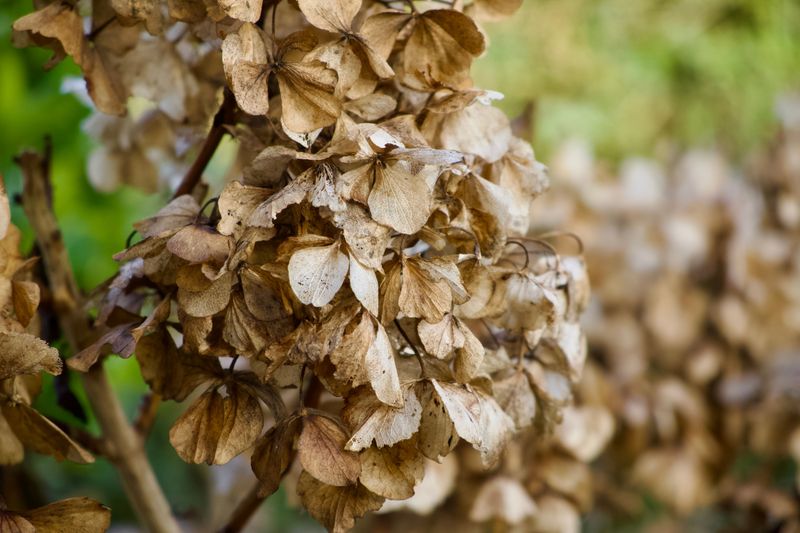
Hydrangeas react quickly when they are thirsty. One hot afternoon without enough water and those big, beautiful blooms start curling and browning at the edges.
Summer heat pulls moisture out of the soil faster than you might expect. Hydrangeas have large leaves and big flower heads that lose water quickly through a process called transpiration.
If your plant looks wilted by noon and the soil feels dry an inch below the surface, underwatering is almost certainly your problem. Skipping a single deep watering session during a heat wave can trigger browning that seems to appear overnight.
The fix is straightforward: water deeply and consistently. As a general starting point, aim for about one inch of water per week, adjusting for heat waves or dry spells.
A thick layer of mulch around the base of the plant helps lock in soil moisture between watering sessions. Straw, wood chips, or shredded bark all work well and keep roots cooler on hot summer days.
Consistent watering is one of the most powerful things you can do to keep hydrangea flowers looking fresh and vibrant all season long.
Sunburn From Intense Direct Exposure
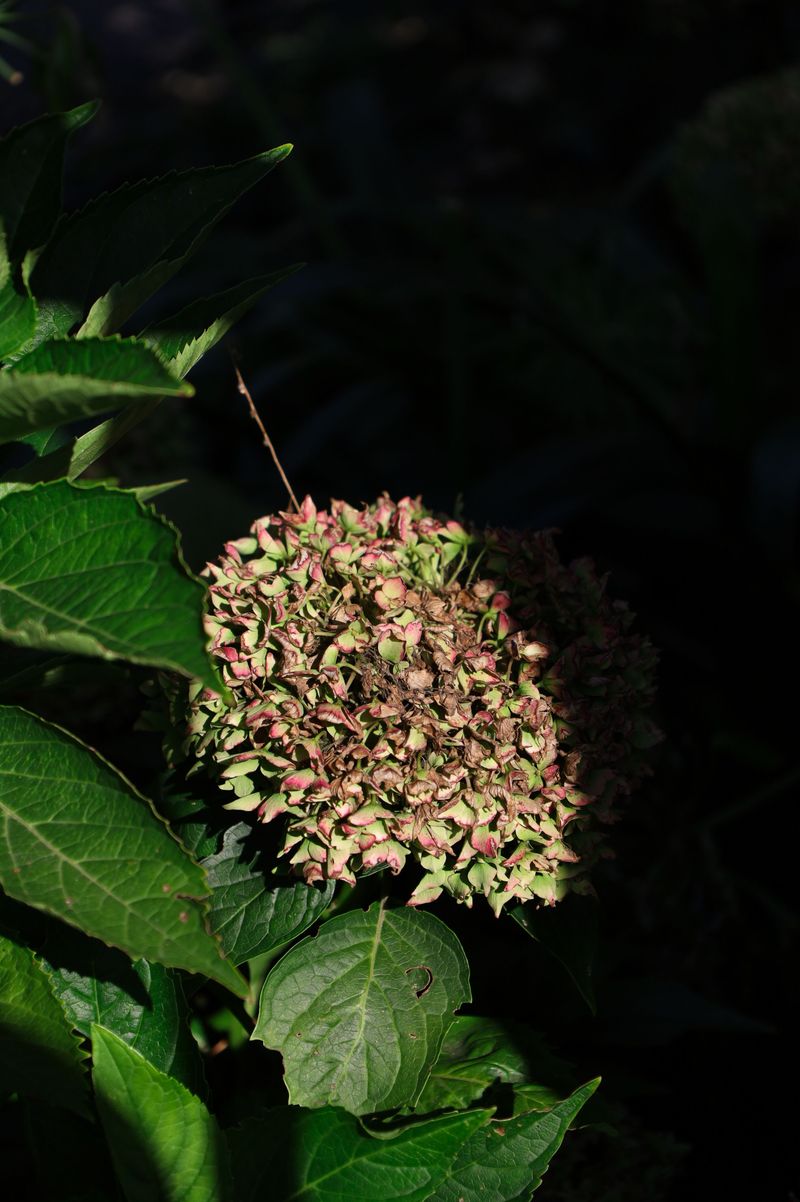
Afternoon sun can be intense, and hydrangeas feel every bit of it. When petals get blasted by intense direct light for hours, they essentially get scorched by UV exposure, turning papery, pale, and brown.
Most hydrangea varieties prefer morning sun with dappled or filtered afternoon shade. Planting them in a spot that gets full western exposure is likely to cause scorched blooms every summer.
The damage often looks like bleached patches in the center of the flower head that gradually spread and darken. Gardeners sometimes mistake this for disease, but the pattern and timing usually give it away.
If your plant is already in the ground and getting too much sun, try adding a shade cloth during the hottest part of the day. Temporary structures or strategically placed garden umbrellas can also buy your blooms some relief.
For long-term solutions, consider planting taller shrubs or installing a pergola to create natural filtered light. Moving the plant to a shadier spot in fall is another solid option worth considering.
Protecting hydrangeas from harsh afternoon rays keeps petals soft, saturated in color, and looking their absolute best through the season.
Natural Aging As Blooms Fade
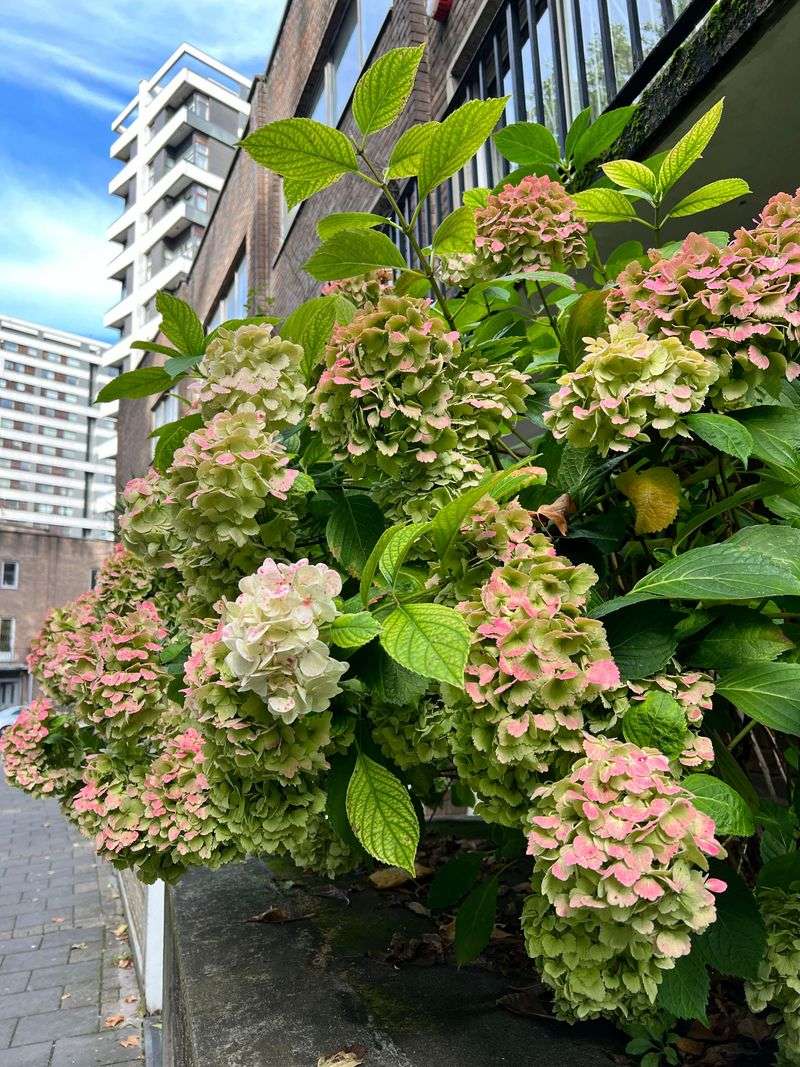
Sometimes brown blooms are not a problem at all. They are simply part of the natural cycle, and recognizing the difference saves a lot of unnecessary worry.
Hydrangea flowers naturally age and turn brown toward the end of their blooming cycle. This is completely normal and happens to every variety, no matter how healthy the plant is.
As blooms mature, the petals dry out, lose their pigment, and gradually take on a tan or rusty brown color. The shift can happen surprisingly fast, especially when temperatures spike or humidity drops.
Natural aging usually starts from the outer edges of the flower head and moves inward. The browning tends to look uniform and symmetrical, which is a clue that nothing is actually wrong with the plant.
The best response is to simply enjoy the natural progression or snip off the faded blooms to encourage fresh growth. Removing spent flowers can sometimes trigger a second flush of blooms later in the season.
Dried hydrangea heads also make stunning arrangements indoors, so do not be too quick to toss them. Embrace the change and let your garden age gracefully.
Fungal Disease Like Botrytis Blight

Botrytis blight spreads quickly and can seriously damage hydrangea blooms. One damp night with poor air circulation is sometimes all it takes for this fungal disease to take hold.
The telltale sign of botrytis is a grayish-brown fuzz or soft, water-soaked spots on the petals. Unlike sunburn or drought damage, the affected areas often look mushy rather than dry and crispy.
This fungus thrives in cool, wet, and crowded conditions. Overhead watering, poor drainage, and plants packed too closely together all create the perfect environment for botrytis to spread rapidly.
Address it promptly if you spot it. Remove all affected blooms immediately and dispose of them away from the garden, not in your compost pile.
Improving air circulation by thinning crowded branches helps slow the spread dramatically. Switching to ground-level watering keeps foliage and petals dry, which makes it much harder for fungal spores to germinate.
A copper-based fungicide can also help protect healthy blooms when applied early. Catching botrytis blight fast is the key to saving the rest of your hydrangea flowers before the season is lost.
Overfertilizing Damaging Delicate Petals
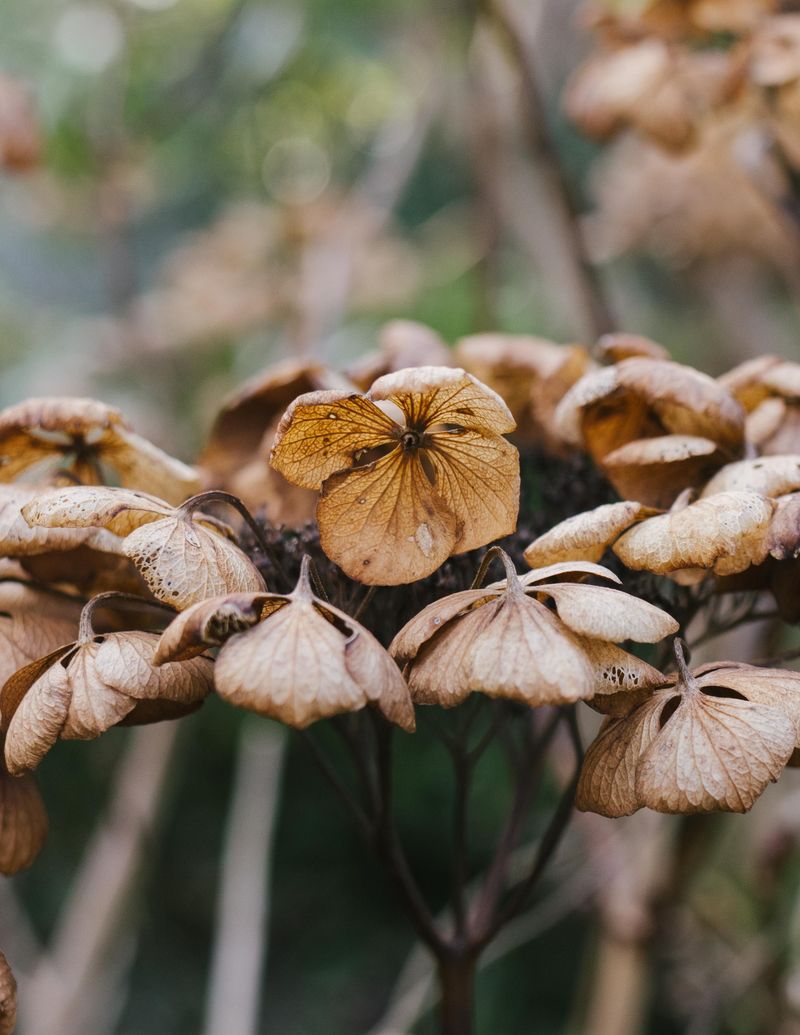
More fertilizer does not always mean more flowers. In fact, overdoing it is one of the fastest ways to damage your hydrangea blooms through root stress.
When too much fertilizer is applied, especially synthetic granular types, the salt concentration in the soil spikes.
Those excess salts pull moisture away from the roots in a process called fertilizer burn, and the plant responds with brown, discolored blooms and leaf tips.
High-nitrogen fertilizers are especially problematic for hydrangeas during bloom season. They push the plant to produce leafy green growth at the expense of flowers, and the petals that do form can look weak and discolored.
If you suspect overfertilizing, flush the soil thoroughly with plain water to help dilute the salt buildup. Do this several times over a few days to really clear things out.
Going forward, feed hydrangeas with a slow-release, balanced fertilizer applied just once or twice per season. Spring is the ideal time for the first feeding, and a light follow-up in early summer is usually plenty.
Less is genuinely more when it comes to fertilizing these plants, and your blooms will look noticeably healthier for it.
Transplant Shock Affecting New Plantings
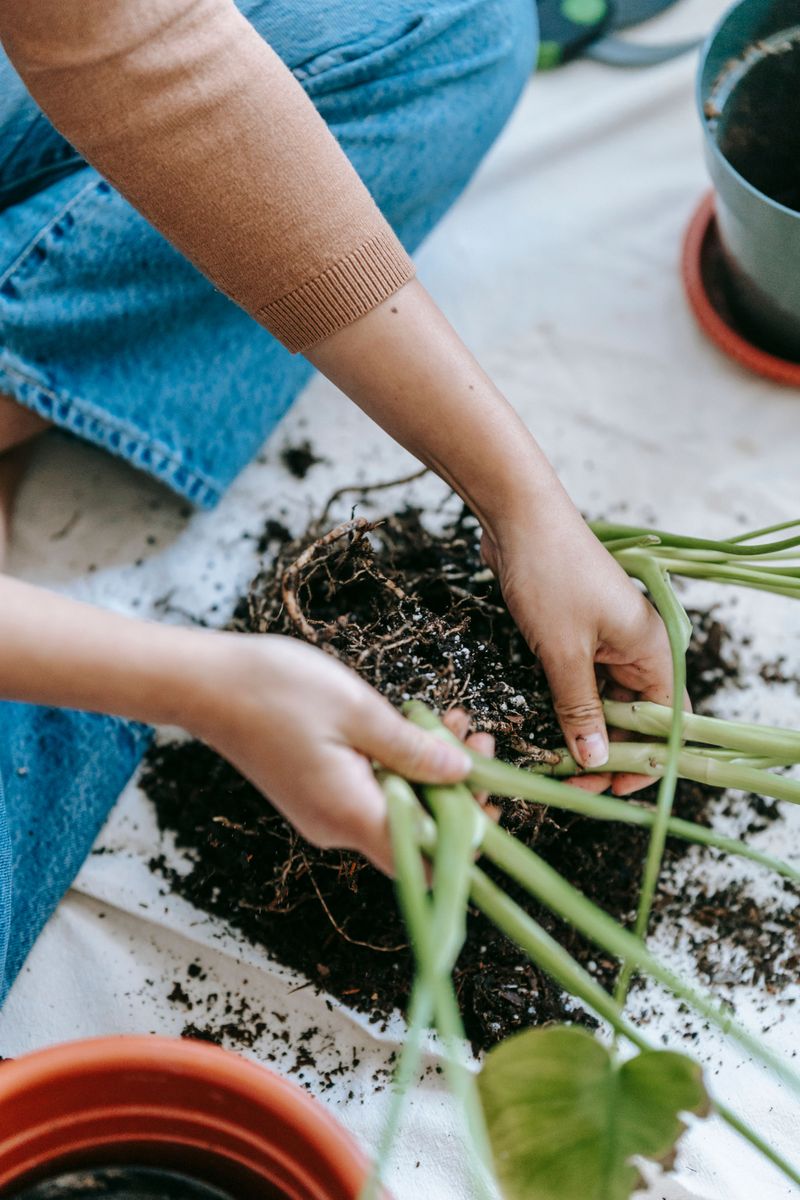
Moving a hydrangea is stressful for the plant. Even when you do everything right, the shock of being uprooted and replanted can trigger rapid browning of the blooms within days.
Transplant shock happens because the root system gets disrupted during the move. The plant temporarily loses its ability to absorb enough water to keep up with the demands of its leaves and flowers.
New transplants are especially vulnerable during hot weather. The combination of heat stress and a damaged root system can cause blooms to brown almost overnight, which can be confusing if you do not know what is happening.
The best way to reduce shock is to transplant in the cooler months of fall or early spring. Keeping as much of the root ball intact as possible and watering immediately after planting gives the shrub the best shot at recovery.
After transplanting, water deeply every few days for the first few weeks, adjusting based on soil and weather. A layer of mulch over the root zone helps stabilize soil temperature and retain the moisture the plant needs.
Be patient with a freshly moved hydrangea. Most recover beautifully within one full growing season when given proper care and attention.
Water Deeply In Early Morning Hours
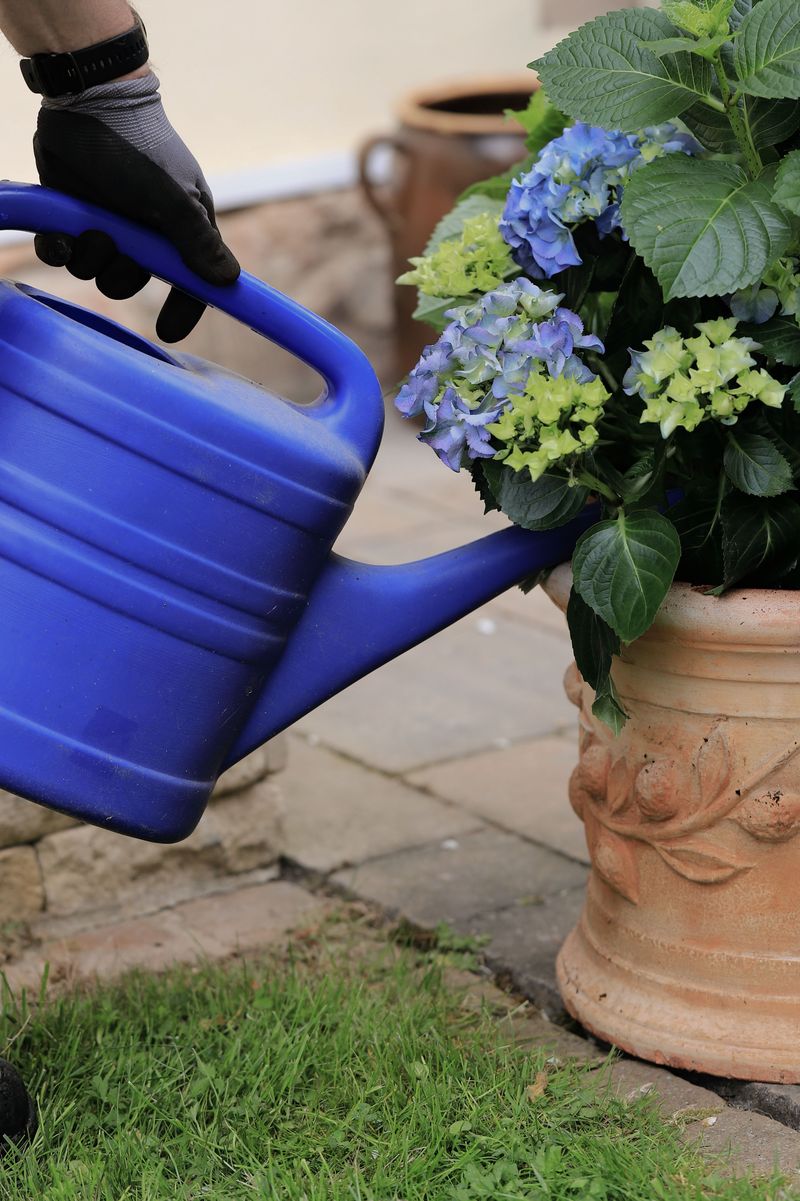
Timing your watering sessions makes a bigger difference than most gardeners realize. Early morning is the sweet spot for hydrangeas, and here is why it matters so much.
Watering in the morning gives the roots time to absorb moisture before the afternoon heat cranks up. The soil stays cooler longer, and the plant heads into the hottest part of the day already well-hydrated.
Evening watering might seem convenient, but it leaves foliage and petals wet overnight. That damp environment is exactly what fungal problems like botrytis blight favor, so late watering can create new issues while solving old ones.
Always water at the base of the plant rather than overhead. Keeping the leaves and blooms dry reduces disease risk and prevents water droplets from intensifying sun exposure on wet petals.
Deep, slow watering encourages roots to grow downward rather than staying shallow near the surface. Deeper roots make for a more drought-tolerant plant that handles summer heat with far more resilience.
A soaker hose or drip irrigation system is an excellent investment for hydrangea beds. Set it to run in the early morning and your watering routine practically takes care of itself.
Provide Afternoon Shade Or Filtered Light
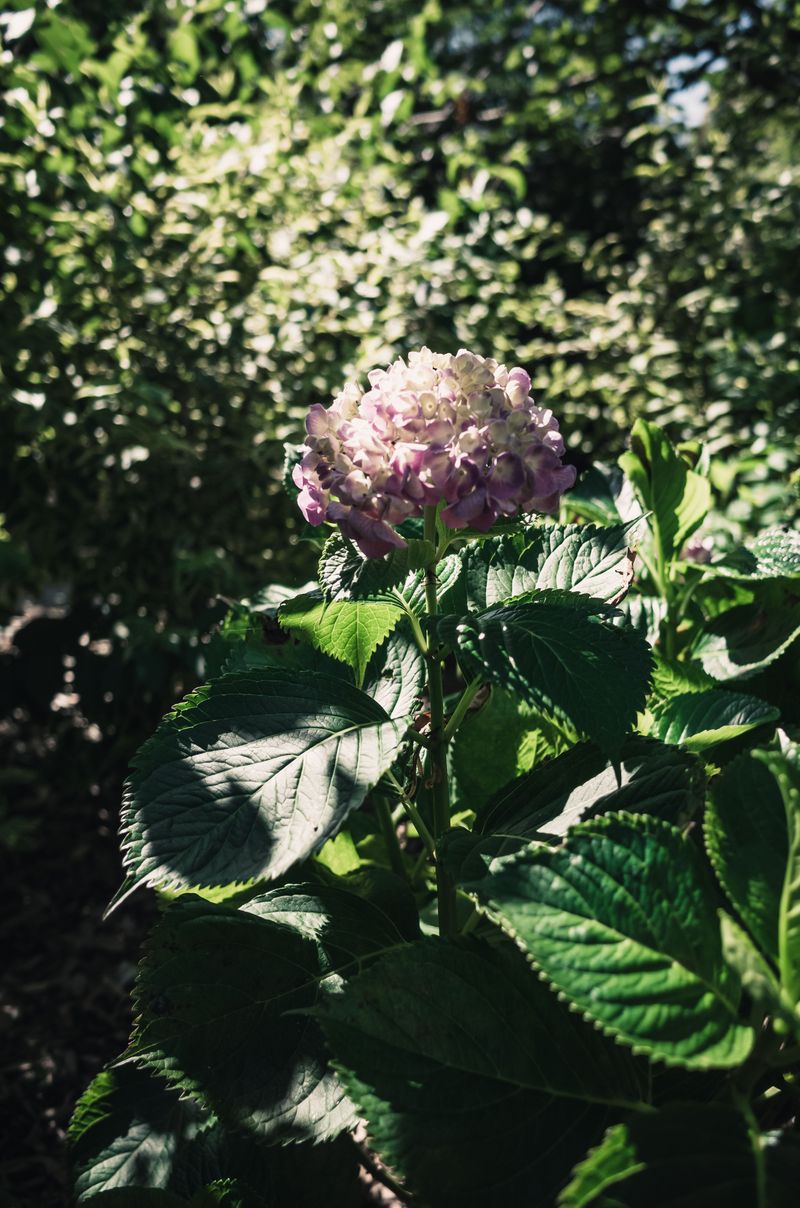
Shade is not the enemy of a thriving hydrangea. For most varieties, a little afternoon shelter is actually the secret to keeping those blooms looking bold and beautiful all summer.
The hottest and most intense sunlight generally hits in the early-to-mid afternoon, though timing shifts with season and location. During those peak hours, even sun-tolerant hydrangea varieties can develop bleached, browning petals if they have no protection.
Dappled light filtering through tree canopies is ideal. It gives the plant enough brightness to photosynthesize well while softening the harshest rays that cause petal damage.
If your hydrangeas are planted in a sunny open bed, consider adding a shade cloth with moderate density during the hottest weeks of summer, checking product guidance for your climate. These are inexpensive, easy to install, and can make a dramatic difference in bloom quality.
Taller companion plants like ornamental grasses, tall perennials, or small shrubs can also cast helpful afternoon shadows. Thoughtful garden design creates a natural layering effect that benefits every plant in the bed.
Giving your hydrangeas a bit of afternoon shelter is one of the simplest upgrades you can make to your garden for noticeably longer-lasting, more vibrant flowers.
Prune Away Spent Or Diseased Blooms
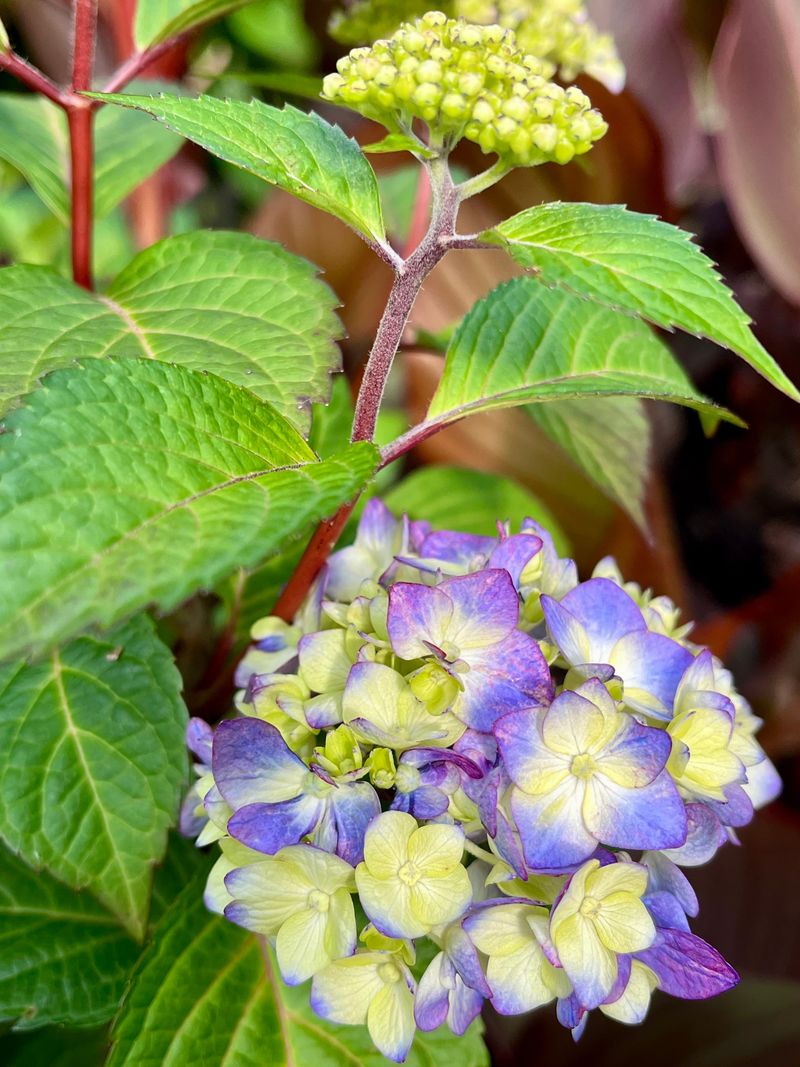
A pair of clean pruning shears is one of the most useful tools in your hydrangea care kit. Removing spent and diseased blooms is not just about looks, it is about plant health.
When brown or infected flower heads stay on the plant, they can harbor fungal spores, pests, and bacteria that spread to healthy blooms nearby. Cutting them off breaks that cycle before it gets out of hand.
Always use sharp, clean pruning shears when trimming. Dull blades crush the stem instead of cutting cleanly, which creates entry points for disease and slows the plant’s recovery.
Wipe your shears with rubbing alcohol between cuts if you are removing diseased material. This simple step prevents spreading pathogens from one stem to another as you work through the plant.
For most hydrangea varieties, pruning spent blooms right after they fade encourages the plant to redirect energy toward new growth. Timing matters though, since some varieties bloom on old wood and need their stems left intact through winter.
Regular pruning keeps your hydrangeas looking polished, promotes airflow, and helps prevent the conditions that cause hydrangea flowers to turn brown in the first place.
Reduce Fertilizer During Hot Summer Months
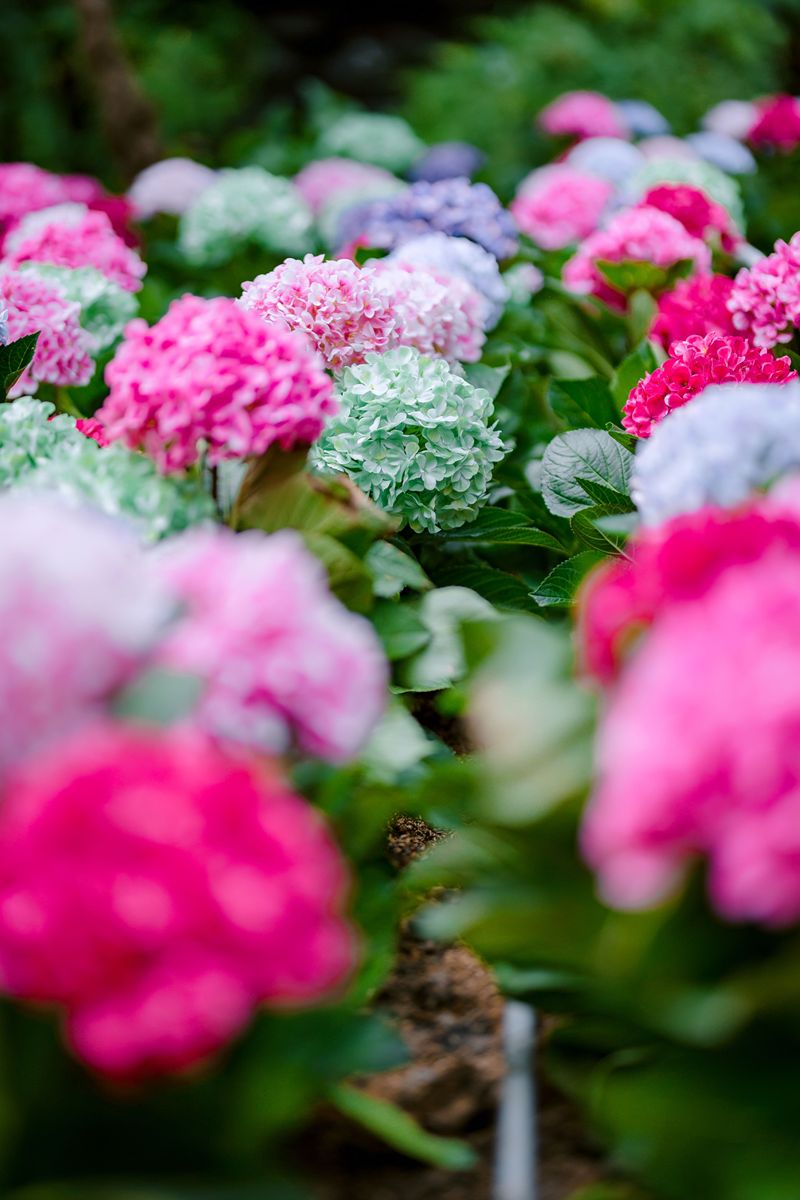
Summer is not the ideal time to apply heavy feeding to your hydrangeas. Pulling back on fertilizer during the hottest months is one of the smartest moves you can make for bloom health.
Heat already stresses hydrangeas at the root level. Adding a burst of fertilizer on top of that stress amplifies the problem, leading to salt buildup, root damage, and those frustrating brown blooms.
Most hydrangeas generally need feeding no more than twice per year, though this can vary by soil type. A balanced slow-release fertilizer applied in spring sets the plant up for a strong season without the risk of midsummer overload.
If you feel the urge to feed during summer, choose a gentle liquid fertilizer diluted to half strength. Apply it in the early morning so the roots can absorb it before heat sets in.
Watch for signs that your plant is already overfed, including dark green leaves, weak stems, and blooms that brown quickly after opening. These are signals to stop feeding and flush the soil with plain water instead.
Letting your hydrangeas rest a bit during peak summer heat leads to stronger, longer-lasting hydrangea flowers and a healthier plant heading into fall.