8 Reasons Your Tennessee Tomato Plants Are Suddenly Wilting
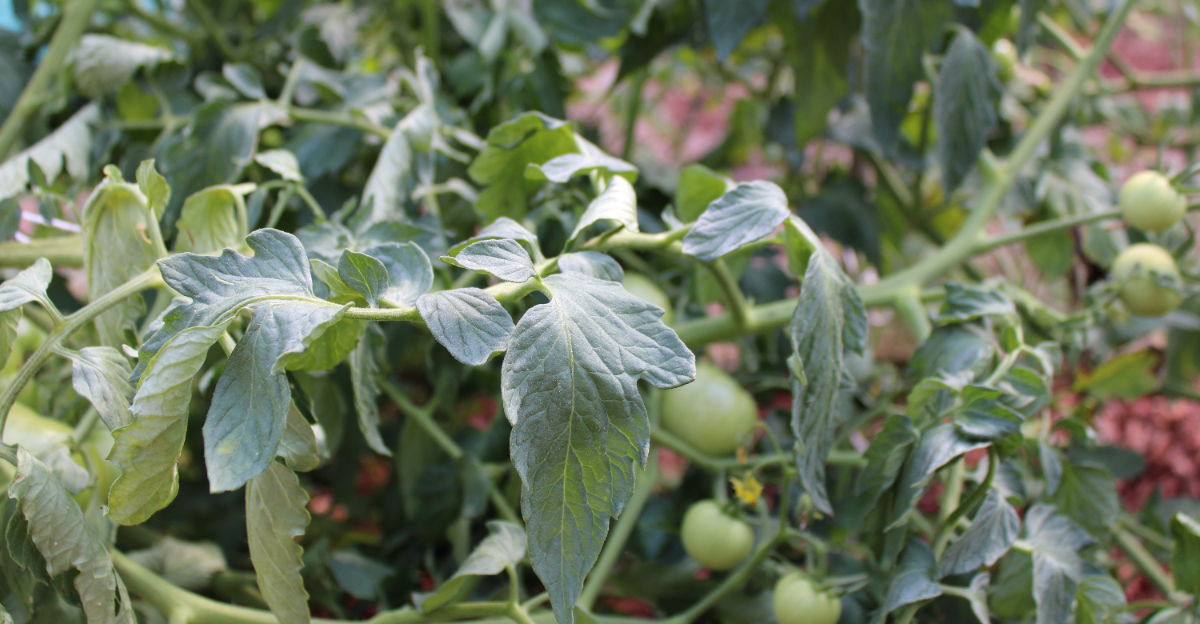
Tomato plants have a talent for looking healthy one day and sunken the next. Tennessee summers make that swing even sharper, and most gardeners rarely see it coming.
Drooping leaves feel like a verdict, but they work more like a question. Something in the soil, the roots, or the air shifted, and the plant is reacting the only way it can.
Very different problems produce the same sagging stems. Too much or too little water, and a handful of less obvious troublemakers all look alike from a few feet away.
Reading the pattern is what separates a rescued crop from a lost season. Once you know which clue points where, the fix usually takes far less effort than the panic that came before it.
1. Fungal Wilt Spreads Fast In Humid Conditions
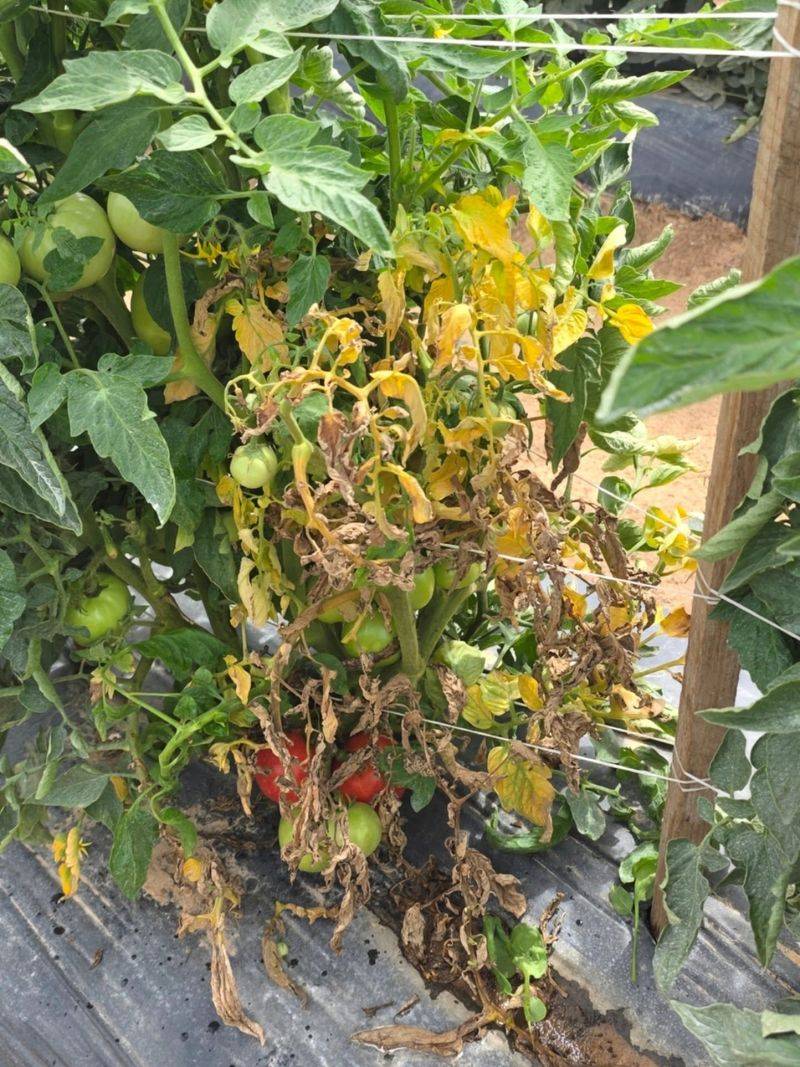
Fusarium and Verticillium wilt are the quiet operators of the tomato world. Both are soil-borne fungi that sneak into your plant through its roots.
Once inside, they block the water-conducting vessels that keep your plant hydrated. Your tomato can look perfectly fine one morning and be drooping badly by afternoon.
Tennessee summers suit both, though Fusarium ramps up once soil climbs past 80 degrees while Verticillium prefers the milder stretch closer to 70. Those conditions let fungal spores spread through garden beds faster than most gardeners realize.
With Fusarium in particular, yellowing tends to show up on one side of the plant first. If you slice a stem near the base, you may notice brown streaking inside the tissue.
No spray undoes fungal wilt once it settles inside the vascular tissue. Your best move is to pull the affected plant and rest that spot from tomatoes for several seasons, longer if you have the room.
Next season, choose tomato varieties labeled with “F” or “V” on the tag, which means they are resistant to these fungi. Raised beds with fresh, sterile soil give you the best shot at a clean start.
Rotating crops and keeping garden debris cleaned up also helps reduce fungal pressure over time. Healthy, well-drained soil is your first and strongest line of defense against fungal wilt in humid Southern gardens.
2. Root Damage Often Goes Unnoticed Until It’s Severe
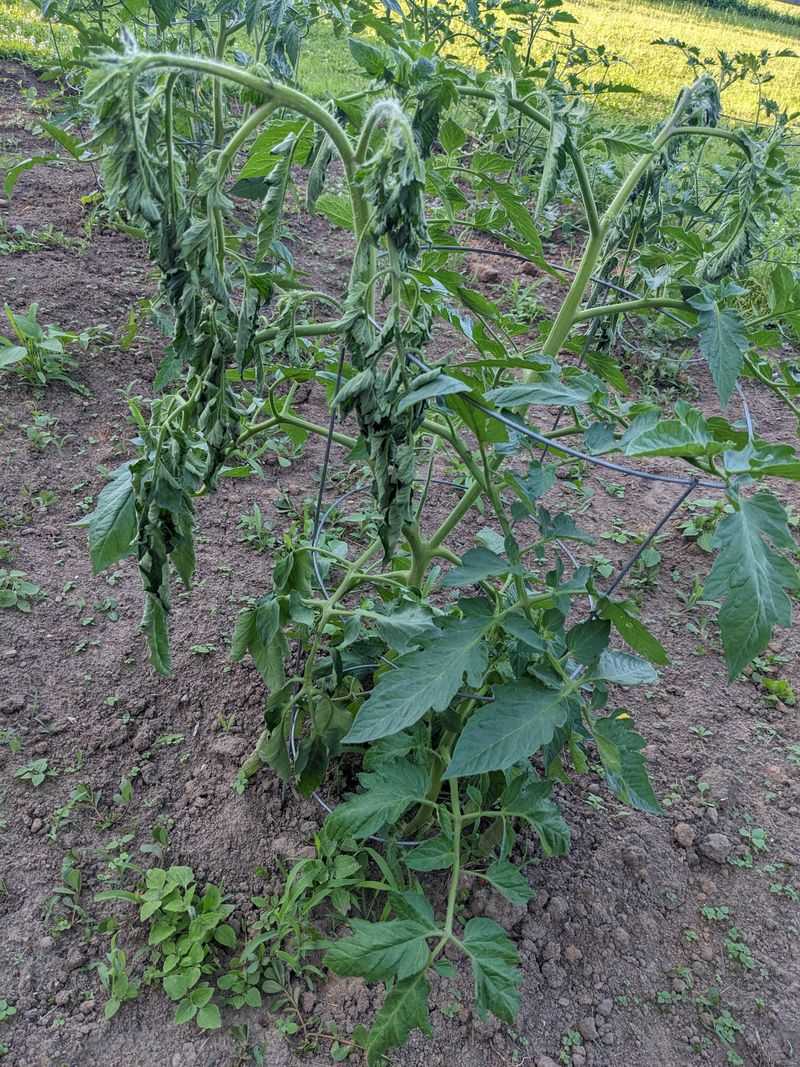
Your tomato plant’s roots are doing the heavy lifting from the moment they go in the ground. When those roots get damaged, the whole plant suffers quickly.
Root damage in home gardens usually happens during routine tasks like hoeing, cultivating, or even deep watering. A single careless pass with a garden tool near the base can slice right through major feeder roots.
Nematodes are another sneaky root-damager common in Southern soils. These microscopic worms create tiny knots on roots, blocking water and nutrient flow to the rest of the plant.
Damaged roots cannot pull moisture from the soil efficiently, so your tomato wilts even when the ground is moist. That mismatch between wet soil and drooping leaves is a classic sign that roots are the problem.
To check for nematode damage, gently pull a plant from the soil and inspect the roots. Healthy roots look smooth and white, while nematode-affected roots have small bumps or galls on them.
Your Tennessee Garden Changes Every Week. Your Plan Should Too.
Gardening in Tennessee changes quickly throughout the season. Every Friday you’ll receive a simple weekly plan showing exactly what to plant, prune, fertilize, harvest, and protect so you never miss the right timing.
Preventing root damage starts with being careful when you work around your plants. Use shallow cultivation no deeper than one inch near the plant’s base to protect surface-feeding roots.
Adding organic matter like compost to your garden bed improves root health and helps plants bounce back from minor damage faster. Strong, well-established roots are the foundation that keeps a single bad week from turning into a lost season.
3. Inconsistent Watering Stresses The Entire Plant
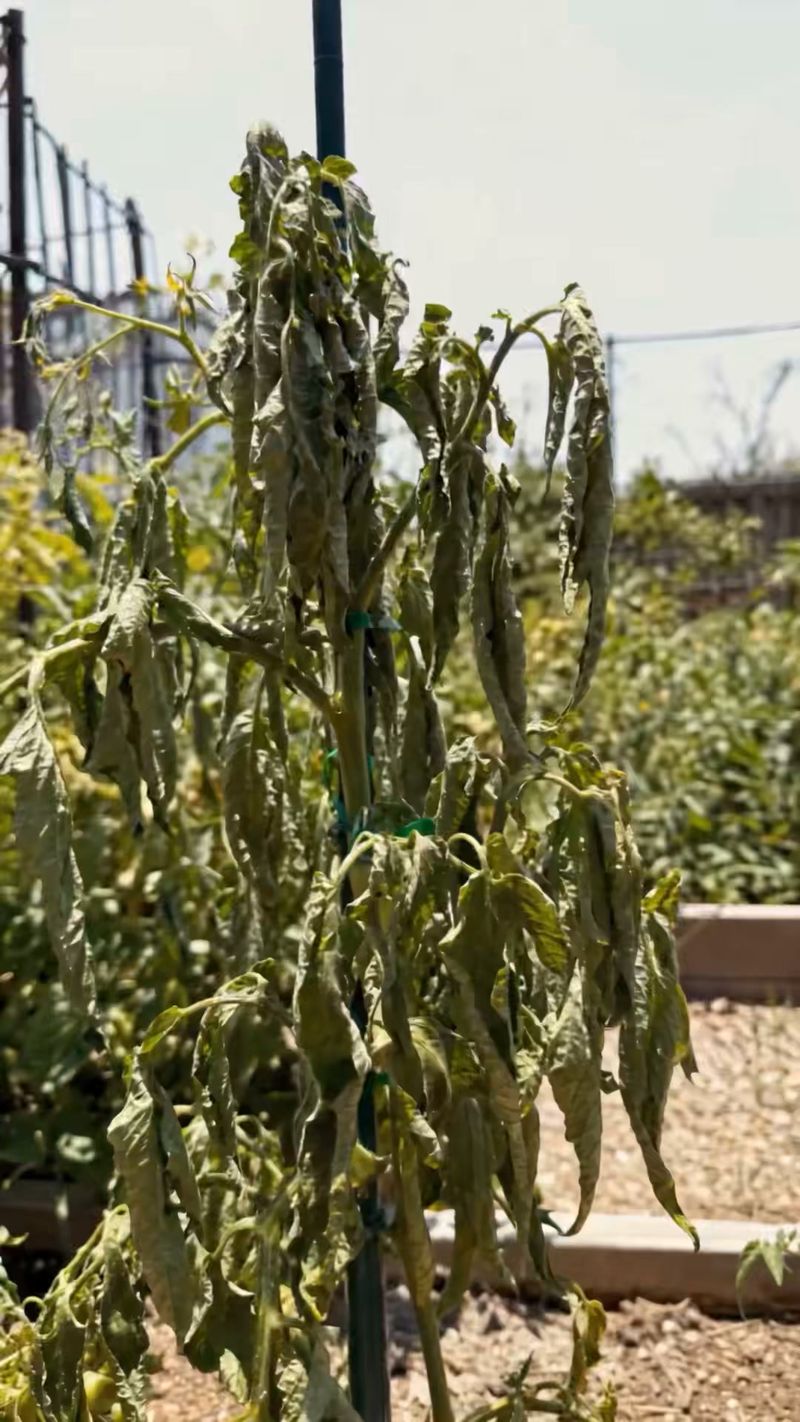
Tomatoes are thirsty plants, but they hate being watered on a random schedule. All-or-nothing watering is one of the top reasons home gardeners see sudden wilt.
When soil dries all the way through between waterings, the plant goes into survival mode and starts to droop. Then when you flood it with water to compensate, the roots can get overwhelmed and stressed further.
Blossom end rot, cracked fruit, and wilting are all classic symptoms of uneven moisture. The plant simply cannot regulate its internal water pressure when the soil swings between bone-dry and soaking wet.
A good rule of thumb is to give your tomatoes about one to two inches of water per week. During Tennessee heat waves, you may need to bump that up to keep the soil consistently moist six inches deep.
Drip irrigation or soaker hoses do the steadiest job of keeping soil moisture even. They deliver water slowly and directly to the root zone, reducing evaporation and keeping moisture levels steady.
Mulching around the base of each plant is equally powerful. A two-to-three inch layer of straw or wood chips holds moisture in the soil and keeps roots cooler during hot afternoons.
Check your soil moisture daily by sticking your finger two inches into the ground near the plant. If it feels dry at that depth, it is time to water, and your tomatoes will thank you for the steady routine.
4. Tennessee Heat Waves Intensify Wilting Symptoms
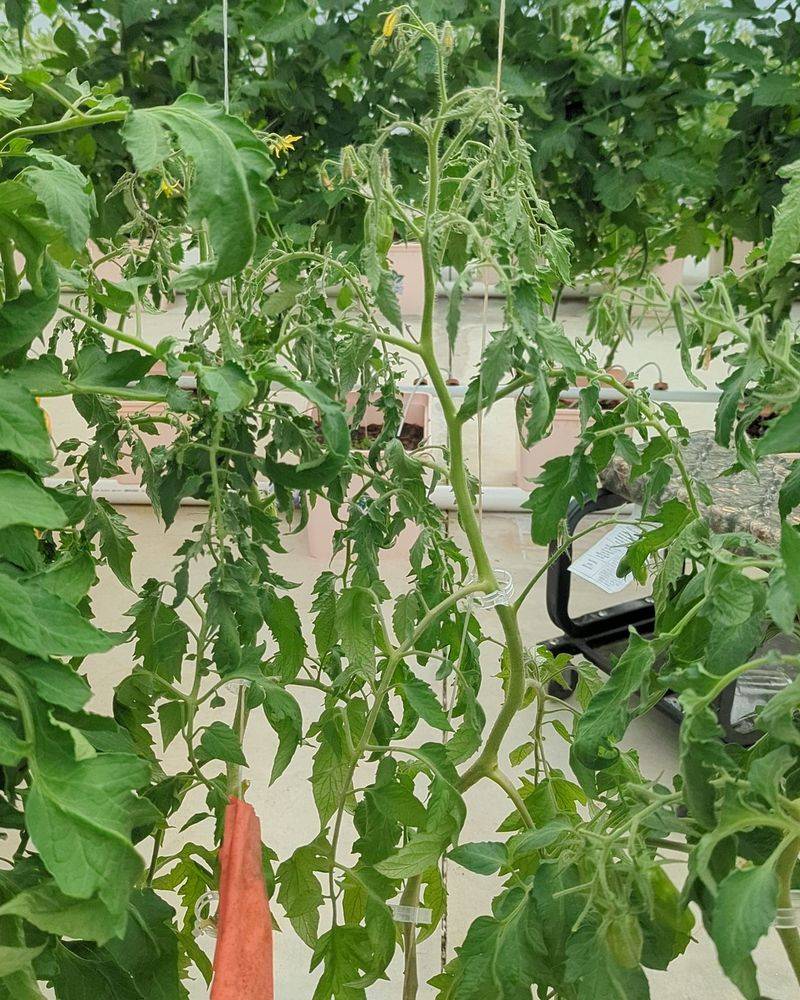
When temperatures climb above 95 degrees, even a healthy tomato plant starts to sag by midday. The plant loses water through its leaves faster than its roots can replace it.
This process is called heat stress, and it causes dramatic midday wilting that can look alarming at first glance. Plants hit by heat alone usually perk back up once the sun drops.
If your tomatoes are wilting in the afternoon heat but recovering by morning, heat stress is likely the culprit. However, if they stay droopy overnight, something deeper is going on and needs your attention.
Tennessee summers run long and relentlessly hot, with stretches of 90-plus degree days that push plants to their limits. Fruit set stalls when daytime temps sit in the 90s and nights stay above 75.
Providing afternoon shade can make a huge difference for plants during peak summer. A shade cloth rated at 30 to 40 percent can drop leaf temperature by several degrees without blocking too much sunlight.
Watering in the early morning gives plants a full reservoir of moisture before the hottest part of the day hits. Avoid watering in the evening, which can promote fungal issues in already-humid Southern air.
Keeping plants mulched and well-watered during heat waves is the simplest and most effective strategy. Resilient tomato varieties labeled as heat-tolerant are also worth seeking out for next season’s planting.
5. Pest Damage Below The Soil Line Plays A Role
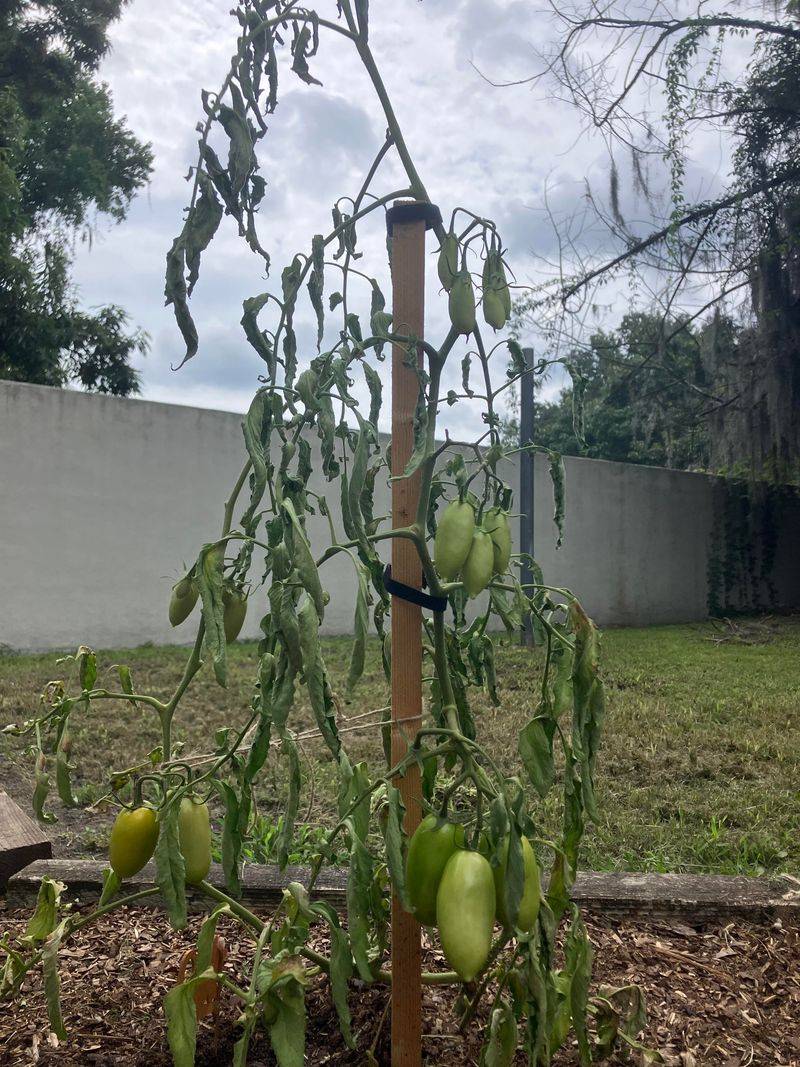
Not all garden pests announce themselves by chewing on leaves you can see. Some of the most damaging ones are working quietly underground right now.
Grubs, cutworms, and wireworms are common below-ground pests that feed on tomato roots and stems near the soil surface. When they damage the root system, the plant loses its ability to take in water and wilts fast.
Cutworms are especially sneaky because they often chew through the main stem at ground level overnight. You wake up to find a plant that looks like it simply fell over with no visible explanation on the leaves.
Grubs are the larvae of beetles, and they feed on roots throughout the growing season. A heavy grub infestation can strip away enough root mass to cause wilting even in a plant that looks otherwise healthy above ground.
To check for below-ground pest damage, gently dig around the base of a wilting plant and sift through the top few inches of soil. You may be surprised by what you find hiding just beneath the surface.
Beneficial nematodes applied to the soil are a natural way to reduce these populations, most reliably against grubs, with more mixed results on cutworms. They are safe for plants, pets, and people, making them a smart choice for home gardeners.
Placing cardboard or foil collars around seedling stems at planting time creates a physical barrier against cutworms. Prevention takes far less effort than treating an infestation after the roots have already been chewed through.
6. Overcrowded Roots Compete For Water And Nutrients
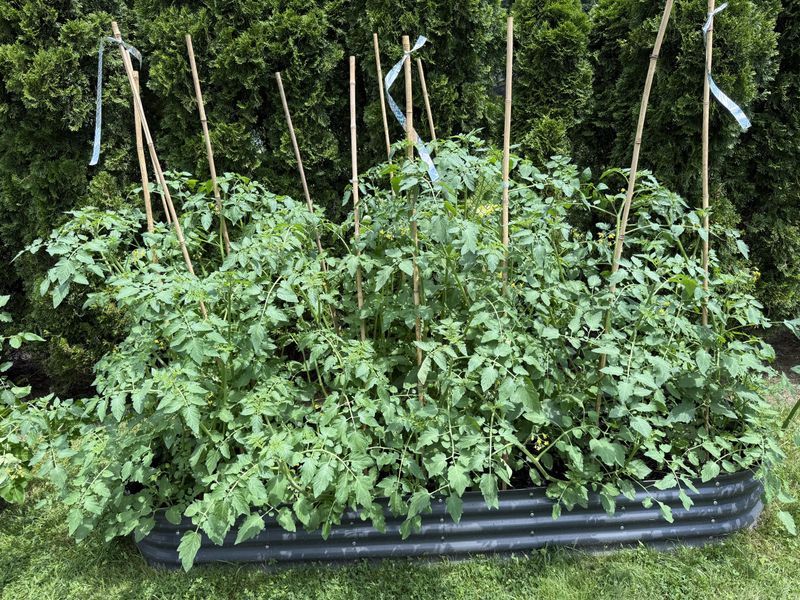
Planting tomatoes too close together might seem like a way to get more fruit from a small space. In reality, it works against every plant in the row.
When roots from neighboring plants overlap, they draw from the same pocket of water and nutrients in the soil. The result is that all the plants involved end up weaker and more prone to wilting than they would be on their own.
Tomatoes need at least 24 to 36 inches between plants, depending on the variety. Indeterminate types, which keep growing all season, need even more room to spread their roots without crowding.
Overcrowded plants also block airflow between leaves, which increases humidity around the foliage. That trapped moisture creates the perfect environment for fungal diseases to take hold and spread.
Thinning out your garden bed mid-season feels counterintuitive, but it often leads to better overall yields. Removing a weaker plant gives the stronger ones room to thrive and produce more fruit.
Container-grown tomatoes face a similar challenge when pots are too small. A single indeterminate tomato plant needs at least a five-gallon container, and ten gallons is even better for consistent moisture retention.
Giving each plant enough personal space is one of the simplest upgrades you can make to your gardening routine. Fewer, stronger plants almost always outperform a crowded bed of struggling ones competing for the same limited resources.
7. Herbicide Drift Can Mimic Disease Symptoms
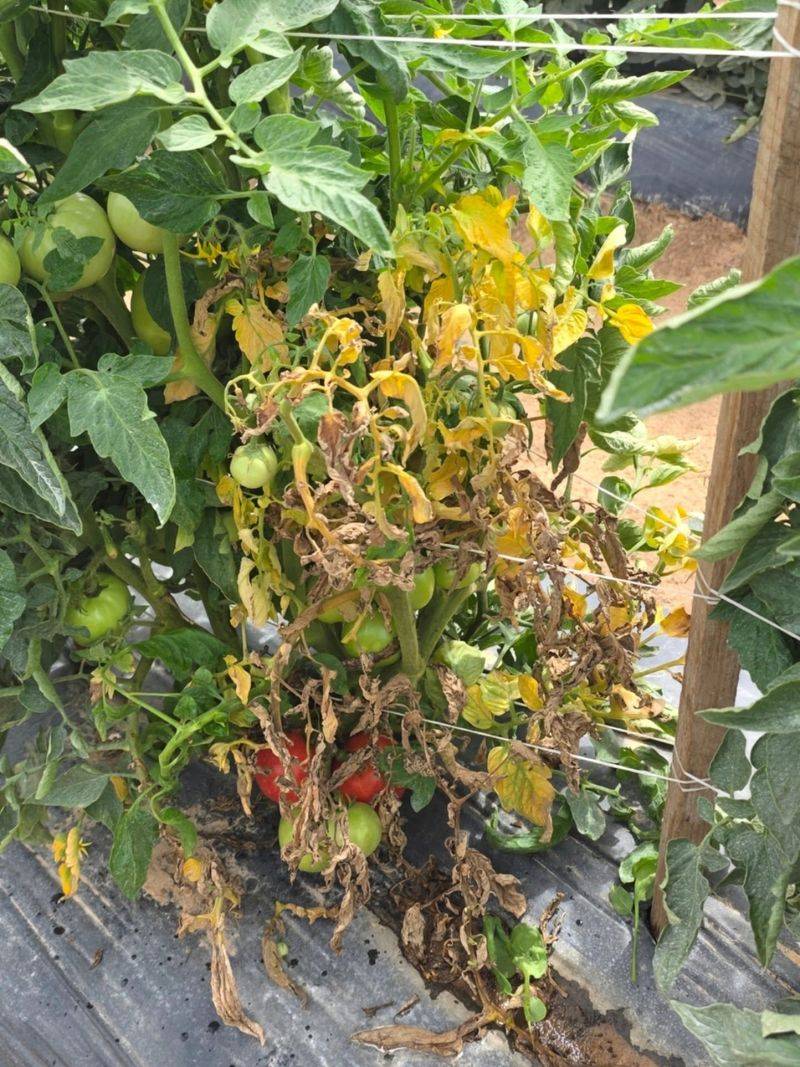
Here is one cause of tomato wilt that catches most gardeners off guard. Herbicide drift from a neighboring yard or farm can make your plants look seriously sick.
Broadleaf herbicides like 2,4-D and dicamba are widely used on lawns and agricultural fields across Tennessee. When wind carries even tiny amounts of these chemicals onto your tomato plants, the damage can be dramatic.
Affected plants develop twisted, cupped, or downward-curling leaves that look nothing like typical pest or disease damage. Stems may become rigid and strap-like, and new growth often looks distorted and stunted compared to healthy tissue.
Wilting can accompany these symptoms when herbicide exposure disrupts the plant’s ability to regulate water internally. The damage often appears suddenly after a windy day when a neighbor mowed or sprayed their lawn nearby.
No treatment undoes herbicide damage once it lands on the foliage. Your best option is to remove severely affected plants and give lightly exposed ones time to recover on their own.
To reduce future exposure, consider planting a physical barrier like a hedge or fence on the windward side of your garden. Covering plants with row cover fabric during known spray days nearby also helps block drift.
Documenting the damage with photos and noting wind direction can help you identify the source of the problem. Pinpointing the source is what keeps the same problem from repeating itself next spring.
8. Transplant Shock Causes Temporary Wilting
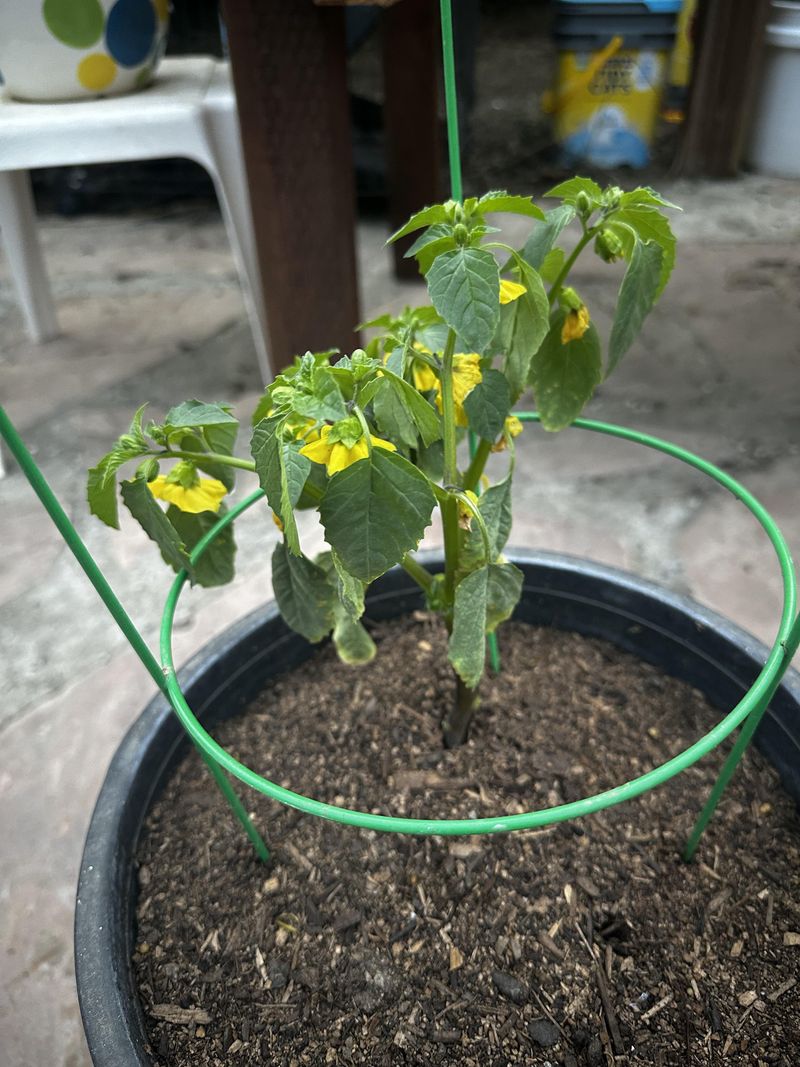
Moving a tomato seedling from a cozy greenhouse tray to your outdoor garden is a bigger deal than it looks. That little plant just had its entire world turned upside down.
Transplant shock happens when roots are disturbed during planting, leaving the plant temporarily unable to absorb enough water. Even if the soil is moist, a freshly transplanted seedling may droop noticeably for the first few days.
The stress is even greater when transplants go straight from indoors to full sun without a hardening-off period. Hardening off means gradually introducing seedlings to outdoor conditions over one to two weeks before planting day.
Start by setting seedlings outside in a shaded spot for a few hours each day. Slowly increase their sun exposure and outdoor time until they are ready to handle a full day in the garden without flinching.
When planting, handle roots gently and try to keep as much of the original soil around them as possible. Planting in the evening or on a cloudy day reduces immediate stress on the newly moved plant.
Watering well immediately after transplanting helps settle the soil around roots and gives the plant a strong start. A diluted solution of liquid seaweed or fish emulsion can also support root recovery during the first week.
Most transplant-shocked tomatoes bounce back within a week if given consistent water and some protection from harsh afternoon sun. Patience and steady care are all it takes to get past this common early-season hurdle.