8 Tennessee Plants That Basically Water Themselves
Somewhere around mid-July, Tennessee stops being a state and starts being a test. Heat presses down like a physical weight, the ground cracks.
Whatever you planted with optimism starts looking like a bad investment. My neighbor called it “the great humbling,” that specific defeat of watching a carefully tended garden surrender to a two-week dry spell.
Have you ever stood in your yard with a dead plant at your feet, wondering why you even bother? Most ornamental plants sold at big box stores were never meant for this kind of punishment.
They were bred for mild climates, regular rainfall, and gardeners with way too much free time. Tennessee has different terms.
The soil here rewards toughness, deep roots, and plants that treat drought like a minor inconvenience rather than a crisis. What grows here was built for here, and once it grabs hold, it does not let go.
They bloom without begging, hold ground without hand-holding, and make a garden look intentional even through the hardest stretches. Ready to meet the plants that thrive while everything else surrenders?
1. Purple Coneflower
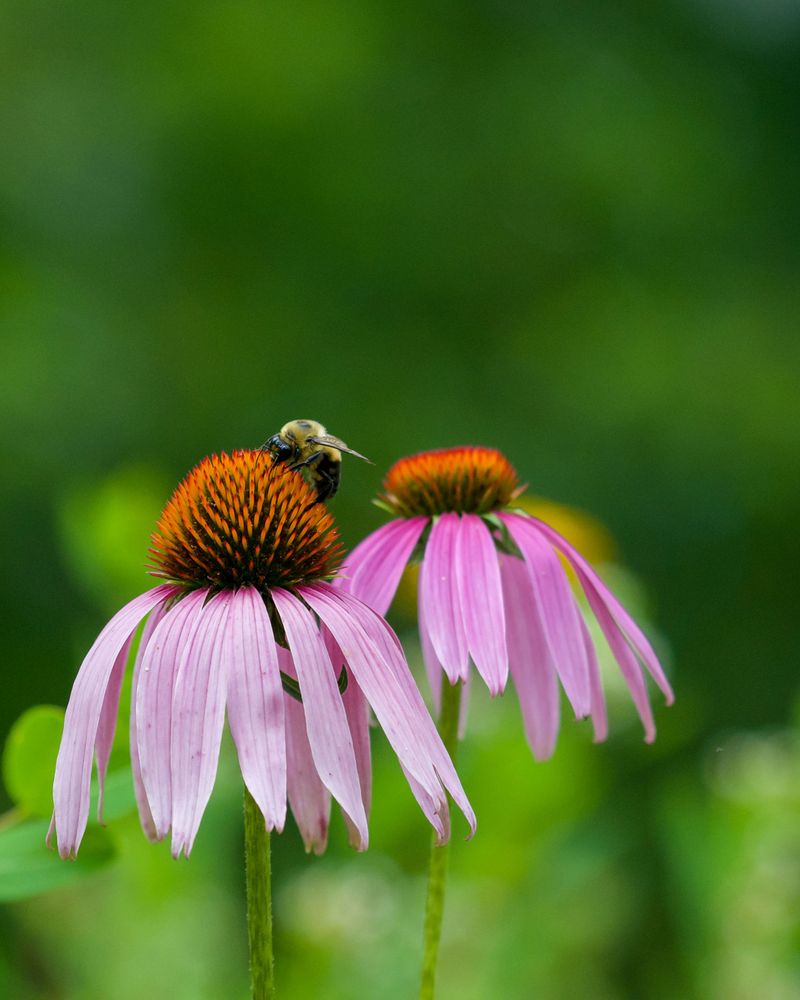
Purple Coneflower is tough, cheerful, and nearly impossible to lose through neglect. Echinacea purpurea has been gracing Southeast meadows and roadsides for centuries.
Its bold, rosy-purple petals droop slightly around a spiky orange-brown center, giving it a look that is both wild and sophisticated. Gardeners love it not just for its beauty but for how little fuss it demands.
That deep root system is the secret weapon that keeps it blooming through dry July heat without a drop of extra water.
It thrives in full sun and is perfectly comfortable in the clay-heavy or rocky soils common across the state.
Pollinators go absolutely wild for this plant. Bees, butterflies, and even goldfinches flock to the seed heads in late summer. Planting a cluster of three or more gives you the best visual impact and the most pollinator traffic.
Starting from transplants rather than seeds gets you blooms faster, usually within the first season.
Removing spent flowers encourages more blooms, but leaving some seed heads standing through fall feeds birds and adds winter structure to the garden.
For a plant that thrives on neglect, Purple Coneflower delivers an almost unfair amount of beauty and wildlife value all season long.
2. Black-Eyed Susan
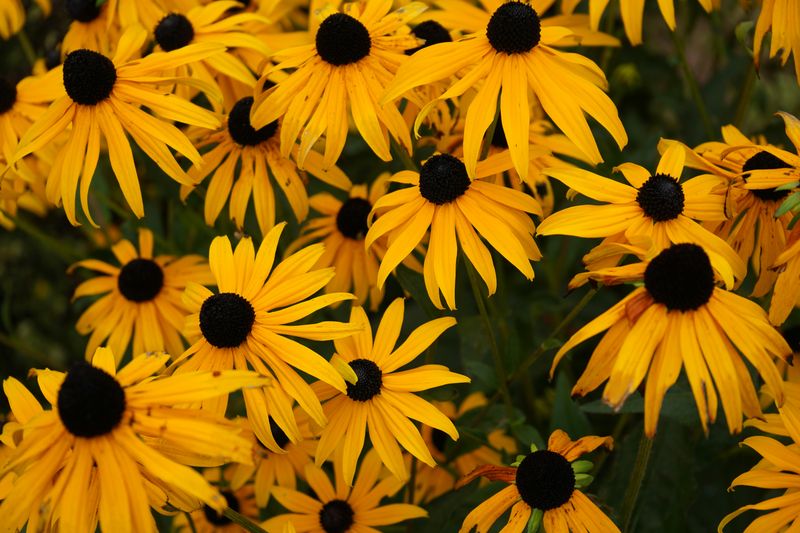
Few plants scream “Tennessee summer” louder than a field full of golden Black-eyed Susans. Rudbeckia hirta is a native wildflower built for the heat, humidity, and drought of mid-South summers.
Those sunny yellow petals surrounding a chocolate-brown center are a familiar sight from Memphis to Knoxville.
The plant blooms from June all the way through September, giving you months of color without lifting a finger. Black-eyed Susan handles poor soil like a champ.
Rocky ground, sandy patches, clay-heavy beds, it does not care much about soil quality as long as it gets plenty of sunshine.
Once roots are established after the first season, this plant pulls moisture from deep in the ground and barely notices a two-week dry spell.
Your Tennessee Garden Changes Every Week. Your Plan Should Too.
Gardening in Tennessee changes quickly throughout the season. Every Friday you’ll receive a simple weekly plan showing exactly what to plant, prune, fertilize, harvest, and protect so you never miss the right timing.
Here is something worth knowing: Black-eyed Susan often behaves as a biennial or short-lived perennial and self-seeds readily.
That means if you let a few seed heads stand through winter, new plants pop up the following spring without any effort on your part.
Over time, a single plant can spread into a cheerful, low-maintenance colony that fills gaps and crowds out weeds.
Pair it with Purple Coneflower or Little Bluestem for a native planting that looks intentional and professionally designed.
The two complement each other in bloom time, height, and color, creating a layered garden scene that practically manages itself. Black-eyed Susan is proof that the easiest plants are often the most rewarding ones.
3. Little Bluestem
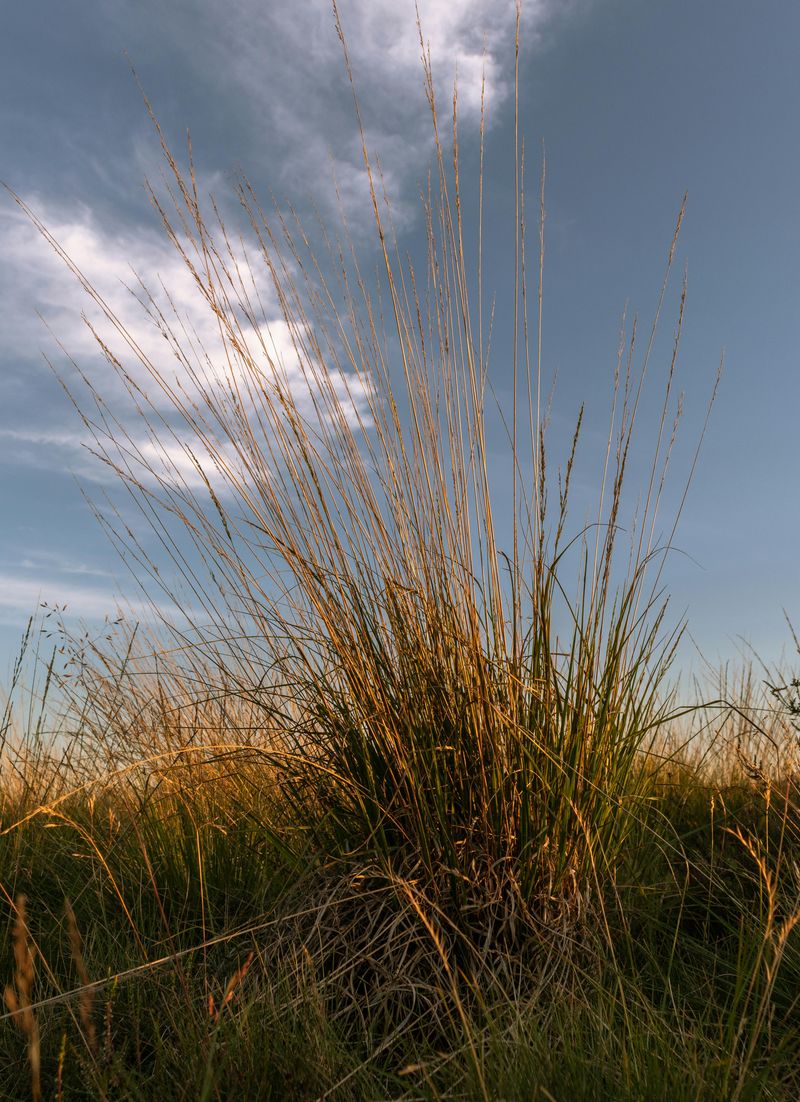
Not every garden hero blooms with flowers, and Little Bluestem is proof of that. Schizachyrium scoparium has been growing across Tennessee’s meadows and prairies long before anyone thought to garden with it.
It opens the season blue-green, then burns into copper, rust, and burgundy by fall. The fluffy white seed heads that appear in late summer catch light in a way that is almost magical.
Little Bluestem is built for dry conditions. Its root system can extend three to five feet into the ground, tapping into moisture reserves that surface-watered plants never access.
Plant it in full sun and well-drained soil. Avoid overly rich or wet soil because that causes the plant to flop and lose its upright structure.
A lean, slightly sandy or rocky spot is exactly where it peaks. Birds love the seed heads through winter, so resist the urge to cut it back too early.
Leave the clumps standing until late February or early March, then cut to about four inches to encourage fresh growth.
For structure, movement, and four-season interest, few plants in this region match what Little Bluestem quietly delivers year after year.
4. Lanceleaf Coreopsis
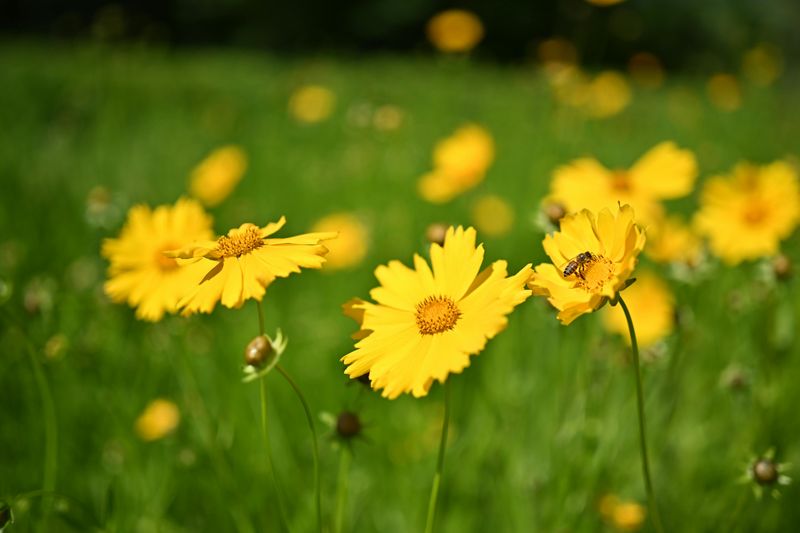
Lanceleaf Coreopsis blooms so eagerly it almost seems like it is showing off. Coreopsis lanceolata produces waves of bright golden-yellow flowers from late spring through midsummer, sometimes reblooming in fall.
The blooms sit atop slender, wiry stems and look like tiny suns scattered across the garden bed.
It is cheerful, compact, and completely unbothered by the kind of summer heat that sends other plants into survival mode. Drought tolerance is where this plant truly earns its reputation.
Lanceleaf Coreopsis develops a fibrous root system that holds onto soil moisture efficiently, even during extended dry periods.
Full sun is non-negotiable for this one, but in exchange, it rewards you with non-stop color and almost no maintenance once it settles in. Removing spent blooms extends the flowering season significantly.
Spend five minutes every week or two snipping off faded flowers, and the plant responds by pushing out fresh buds almost immediately.
If you skip trimming faded blooms entirely, it will still bloom generously. It self-seeds into neighboring areas, gradually expanding your planting without any extra effort.
Lanceleaf Coreopsis pairs beautifully with Black-eyed Susan and Wild Bergamot in a sunny border.
The similar heights and complementary bloom times create a cohesive, meadow-inspired look that feels both designed and effortlessly natural.
Lanceleaf Coreopsis belongs here, thrives here, and asks almost nothing in return for its stunning seasonal performance.
5. Wild Bergamot
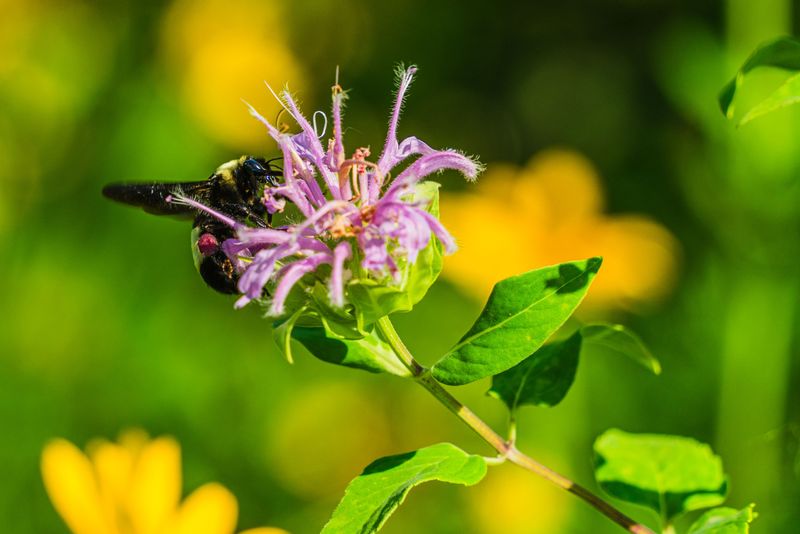
Crush a Wild Bergamot leaf and you will understand everything. That sharp, oregano-like fragrance comes straight from the mint family.
Monarda fistulosa grows across Tennessee’s meadows and woodland edges, producing clusters of lavender-purple flowers from June through August.
It is one of those plants that looks like it belongs in a fancy perennial border but grows wild with minimal coaxing. Wild Bergamot is impressively drought-adapted.
After its first season in the ground, it handles dry stretches with remarkable composure, relying on a spreading root network to find moisture across a wide area.
Full to partial sun suits it best, and it tolerates a range of soil types from sandy to moderately clay-heavy. Pollinators are obsessed with this plant.
Bumblebees, hummingbirds, and several species of native bees flock to the tubular flowers, making it one of the most ecologically valuable plants on this entire list.
If you want to support local pollinators without a complicated garden setup, a patch of Wild Bergamot is one of the smartest moves you can make. Powdery mildew can appear on the foliage late in summer, especially in humid years.
That sounds alarming, but it rarely harms the plant and can be minimized by giving plants good air circulation when spacing them out.
Despite that minor quirk, Wild Bergamot remains one of the most rewarding, fragrant, and wildlife-friendly plants for low-water Tennessee gardens.
6. Prairie Blazing Star
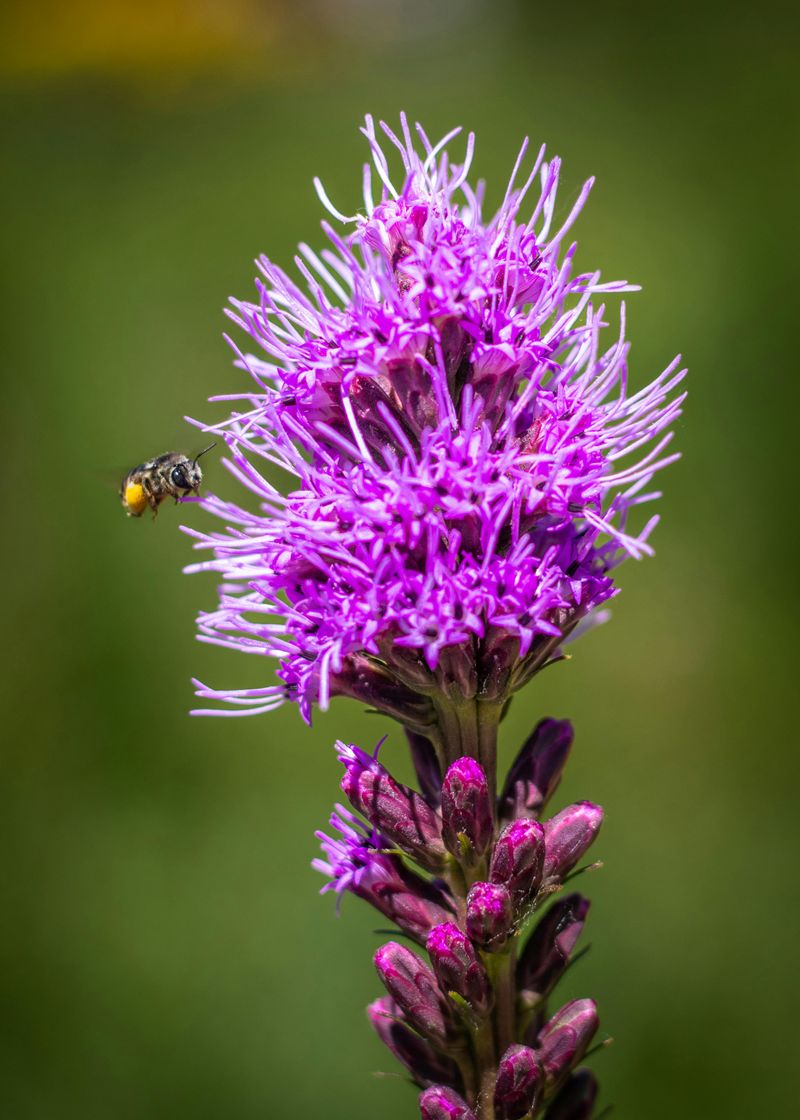
Prairie Blazing Star breaks every rule by blooming from the top down. Liatris pycnostachya does the opposite, opening from the tip down over several weeks.
That quirky blooming habit means the show lasts longer than you might expect from a single stem. The vivid magenta-purple color is so intense it almost looks artificial, drawing eyes from across the yard.
This plant is a Tennessee prairie native built for tough conditions. It grows from a corm, which is a bulb-like storage organ packed with energy and moisture reserves that carry the plant through dry spells.
Once that corm is established in well-drained, sunny soil, Prairie Blazing Star essentially takes care of itself through summer heat and limited rainfall.
Monarch butterflies rely heavily on Liatris during their fall migration. Plant it near other natives and your backyard becomes a monarch refueling station.
The blooms appear in late summer through early fall, right when monarchs need them most. Avoid planting this one in soggy or clay-heavy areas because the corm is susceptible to rot in consistently wet conditions.
Slightly lean, gritty soil with excellent drainage is the sweet spot. For vertical drama and pollinator support, Prairie Blazing Star earns its place in any Tennessee garden.
7. Eastern Prickly Pear
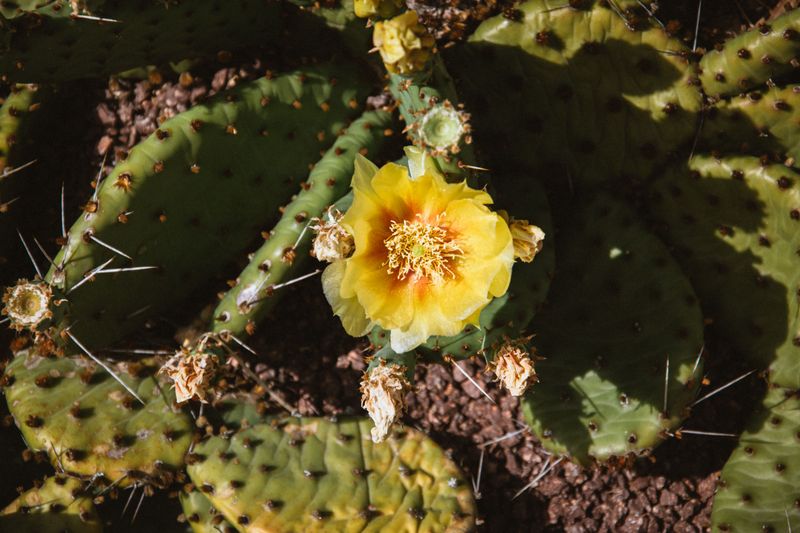
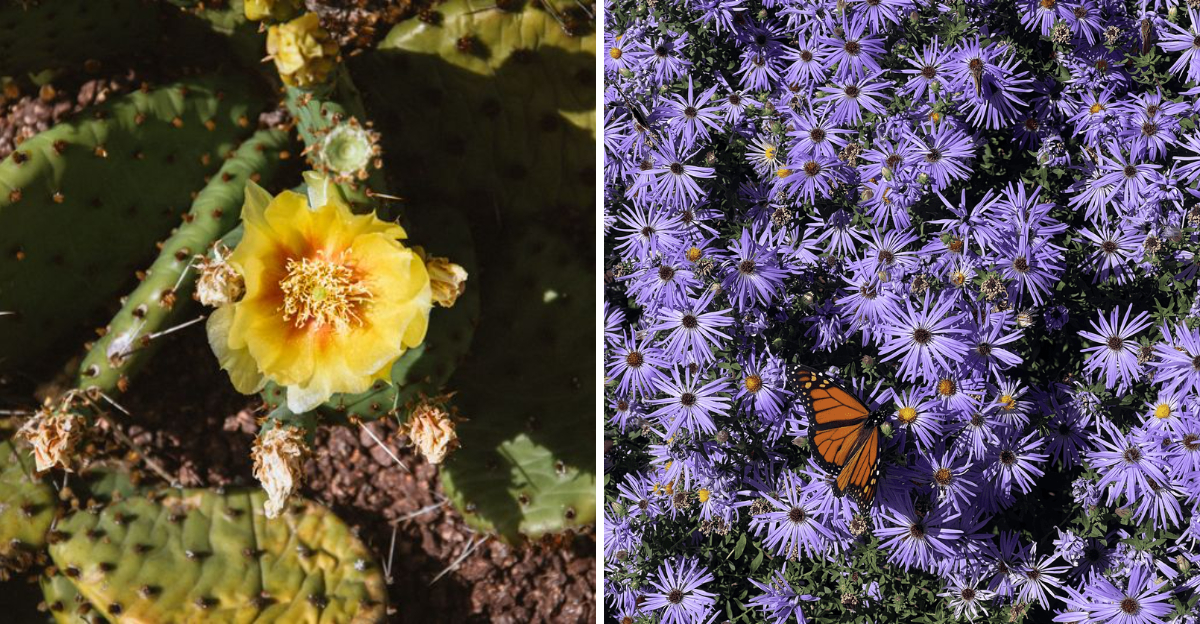
Yes, Tennessee has a native cactus, and it is tougher than anything else on this list. Eastern Prickly Pear, Opuntia humifusa, grows naturally across the state’s rocky outcrops, sandy barrens, and dry open areas.
Cacti are not just a desert thing. Flat, paddle-shaped pads covered in clusters of reddish-brown barbed bristles produce stunning yellow flowers in early summer.
Reddish-purple fruits follow, and wildlife cannot get enough of them. It is one of the most visually surprising plants you can add to a garden that gets too much sun and too little rain.
Drought tolerance does not get more extreme than this. Prickly Pear stores water directly inside its thick pads, essentially carrying its own reservoir through weeks of dry weather without any outside help.
Once planted in a sunny, well-drained spot, it may go an entire summer without supplemental water and still bloom and fruit reliably. Handling this plant requires leather gloves and patience.
Unlike many cacti, this species carries no large needle-like spines. It has only clusters of tiny barbed bristles called glochids that detach easily and irritate skin for days.
Respect those glochids, and you will have a totally rewarding, low-effort garden specimen that almost no other plant can match for sheer toughness.
Use Eastern Prickly Pear in rock gardens, along dry slopes, or as a unique edging plant where nothing else seems to survive.
The fruits attract birds, deer, and other wildlife, adding ecological value to what is already a visually striking planting. Among all the self-sufficient plants in Tennessee, this one plays by its own rules entirely.
8. Aromatic Aster
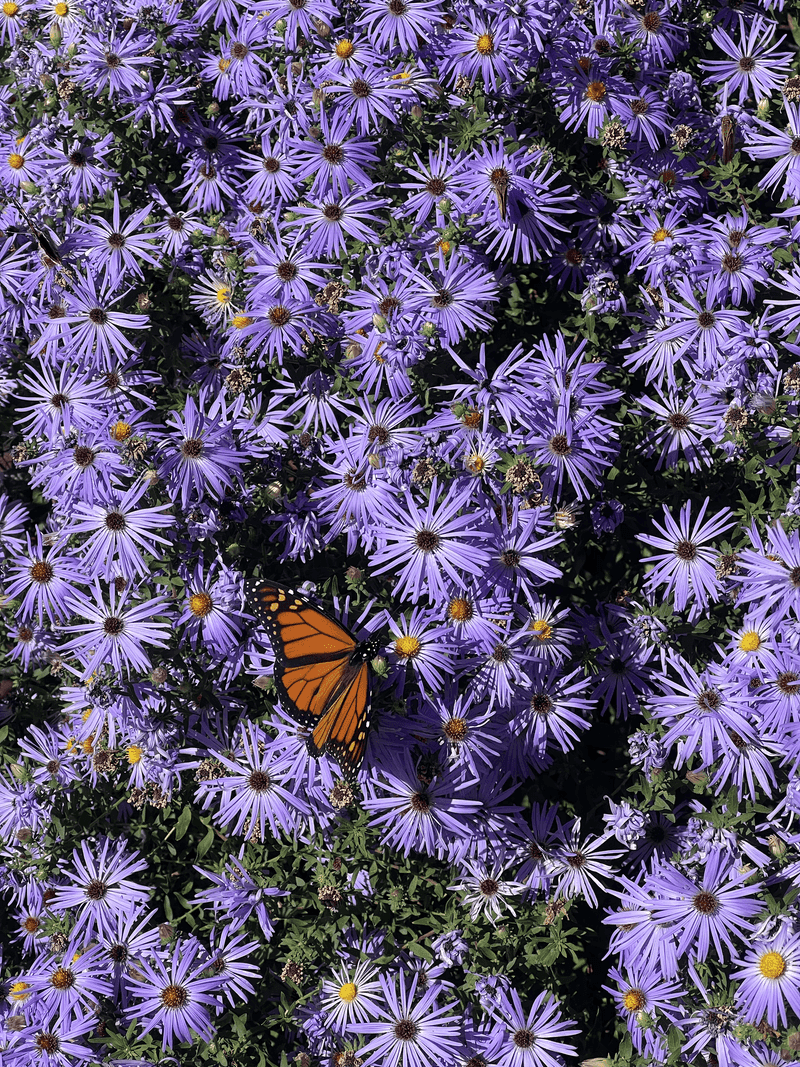
Fall gardens in Tennessee get lonely fast, but Aromatic Aster refuses to let that happen.
It bursts into bloom just as everything else winds down, covering itself in hundreds of lavender-blue flowers from September through November.
The yellow centers glow against the cool-toned petals, creating a color combination that feels perfectly matched to autumn light.
Rub the dark green foliage and you get a pleasant, slightly spicy scent that explains the plant’s common name.
Aromatic Aster is one of the most drought-tolerant native plants available for Tennessee gardens.
It forms a dense, spreading mound that shades the soil beneath it, reducing moisture evaporation and helping the plant stay hydrated through dry fall weather.
Full sun and lean, well-drained soil are its preferred conditions, and it genuinely performs better when you do not over-water or over-fertilize.
Monarch butterflies and native bees depend on late-blooming plants like this one as critical food sources before winter sets in.
A single established clump of Aromatic Aster can support dozens of pollinator visits per day during peak bloom. Few plants you can grow this time of year match that kind of ecological contribution.
Aromatic Aster stands out among drought-tolerant Tennessee plants. It fills the gap that most gardens leave completely empty. Shear the plant back by about half in late spring to keep it compact and prevent flopping.
When the rest of the garden fades, Aromatic Aster bursts into a cloud of violet-purple blooms, carrying the season gracefully into autumn.