Remove Moss And Algae From Your Texas Patio With This Cheap Trick
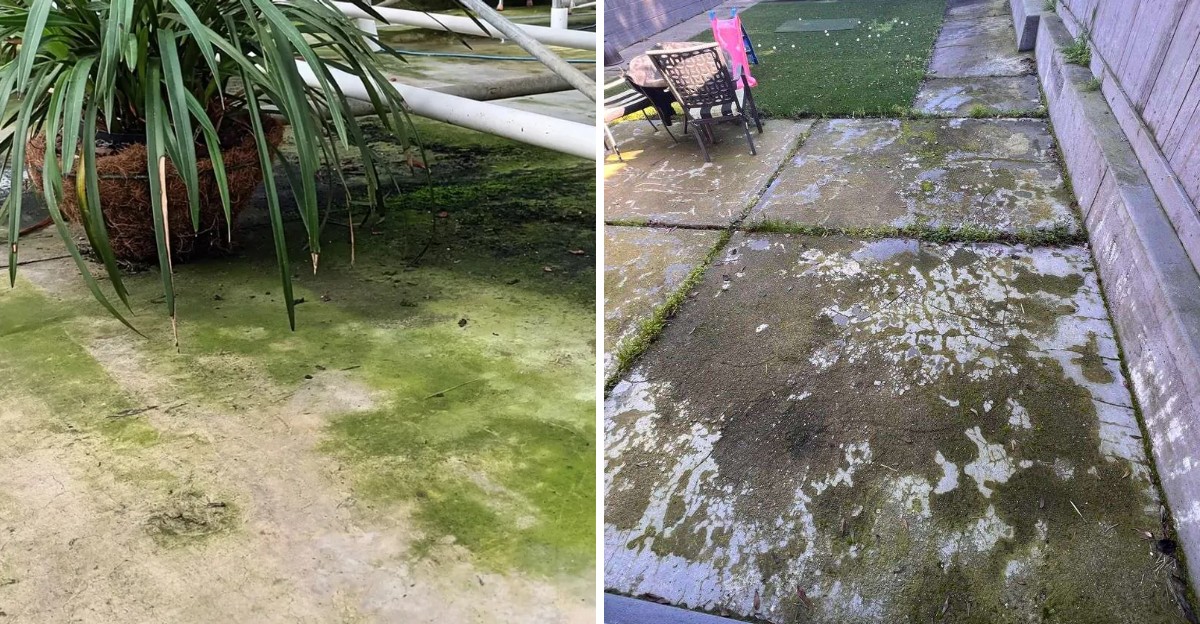
In parts of Texas, the humidity doesn’t just affect your hair. It shows up on your patio, too.
Along the Gulf Coast and across East Texas, damp air, frequent rain, and deep shade from big oak trees create the perfect conditions for moss and algae.
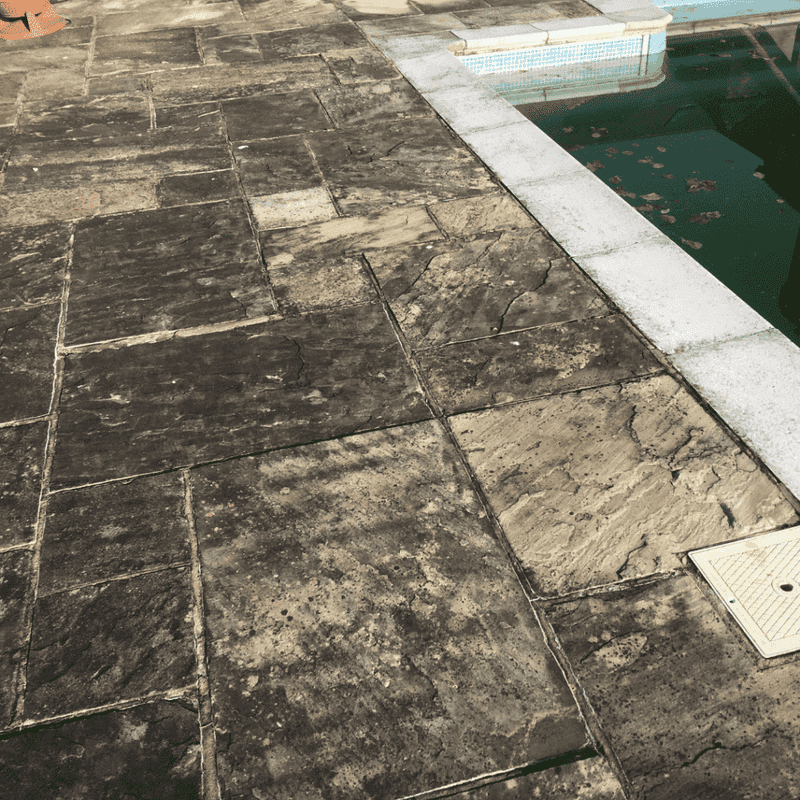
Before long, concrete, pavers, and stone turn green, black, or slimy. That growth can also make walkways dangerously slick, especially after a rain.
Plenty of homeowners scrub for hours or spend money on harsh cleaners and pressure washers.
There’s an easier way. A cheap, simple trick using common household supplies can lift that buildup and leave your patio looking fresh again, while being gentler on nearby plants and lawn. A little effort now can make your outdoor space cleaner and safer all season.
The Cheap Trick That Works
Sometimes the best cleaner is hiding in plain sight. Walk down the laundry aisle at any Texas grocery store, and you will spot tubs of powdered oxygen bleach.
Most people buy it to brighten white towels, but it also works wonders outside. The powder is made from a compound called sodium percarbonate.
When you stir it into warm water, it breaks apart and releases tiny bubbles of oxygen. Those bubbles get into the pores of concrete and pavers. They loosen moss, algae, and the dark stains they leave behind.
Warm water matters here. Cold water slows the reaction, so the powder does not work as hard. Water that feels like a nice bath is perfect. You do not need it boiling, and boiling water can actually be unsafe to handle.
Price is another big win. A large tub often costs less than ten or fifteen dollars. One tub can clean a whole patio, a walkway, and maybe even your outdoor furniture. Compare that to special patio cleaners that cost twice as much for a small bottle.
Fun fact: once oxygen bleach finishes working, it breaks down into water, oxygen, and soda ash. Soda ash is a mineral used in glass making and water softening. That simple breakdown is a big reason gardeners like it.
Look for labels that say oxygen bleach or sodium percarbonate. Store brands work just as well as name brands. Avoid liquid versions for this job, since the powder is stronger and easier to mix.
Keep the lid tight, because moisture in the air can weaken it over time. With one cheap tub, you are ready to start scrubbing.
Why Moss And Algae Love Texas Patios
Ask anyone in Houston about humidity, and you will probably get an eye roll. The air there can feel like a wet blanket for months. Moss and algae, though, think it is paradise.
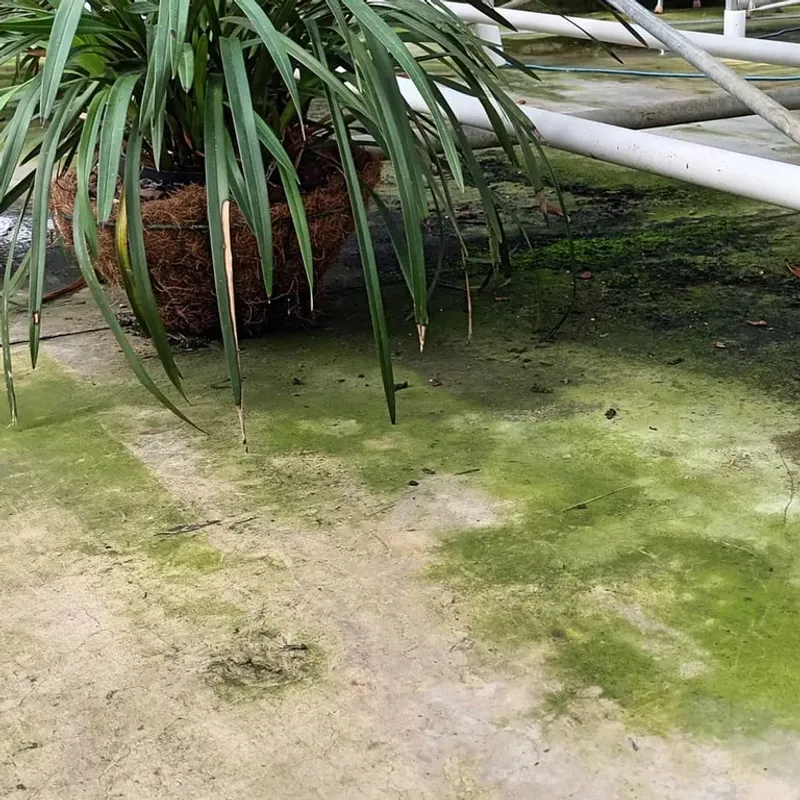
Both of these green growers need moisture to spread. They do not have deep roots like grass. Instead, they soak up water right from the surface they sit on. A patio that stays damp gives them a constant drink.
Shade is the other piece of the puzzle. Patios tucked under big live oaks or pecan trees rarely get strong sun.
Areas along the north side of a house stay shady almost all day. Without sunlight, puddles and dew linger for hours.
East Texas and the Gulf Coast get extra rain compared to West Texas. Places like Beaumont, Galveston, and Tyler see wet weather often.
Even Dallas and Austin homeowners can spot green patches in spots that never dry out.
Weather patterns play a role too. During an El Niño winter, much of Texas tends to get cooler and wetter conditions. That extra rain can turn a few small spots into a slippery mess by spring.
Drainage problems make things worse. If water pools in low spots or runs off your roof onto the patio, the surface stays soaked. Clogged gutters can spill water right where you walk.
Knowing these causes helps you clean smarter. Once you spot the shady, wet zones, you know where to focus. You will also have a better idea of what to fix later, so the green stuff does not move right back in.
How To Use It The Right Way
Good news for busy weekends: the whole job takes about an hour for most patios. You just need a bucket, a stiff brush, a garden hose, and your oxygen bleach. A pump sprayer is handy too, but a watering can works fine.
Start by sweeping off leaves, dirt, and loose debris. A clean surface lets the solution reach the moss and algae directly. Then read the package directions to find the right amount of powder.
Many brands suggest roughly one scoop per gallon of warm water. Stir until the powder dissolves completely. Mix only what you can use within a few hours, because the solution loses strength over time.
Timing really matters in Texas. Our sun can dry a wet patio in minutes, especially in summer. Pick a cool morning or a cloudy day so the mix stays wet and keeps working.
Pour or spray the solution over the green areas. Let it sit for about 10 to 15 minutes. You may see light fizzing, which means the oxygen is doing its job.
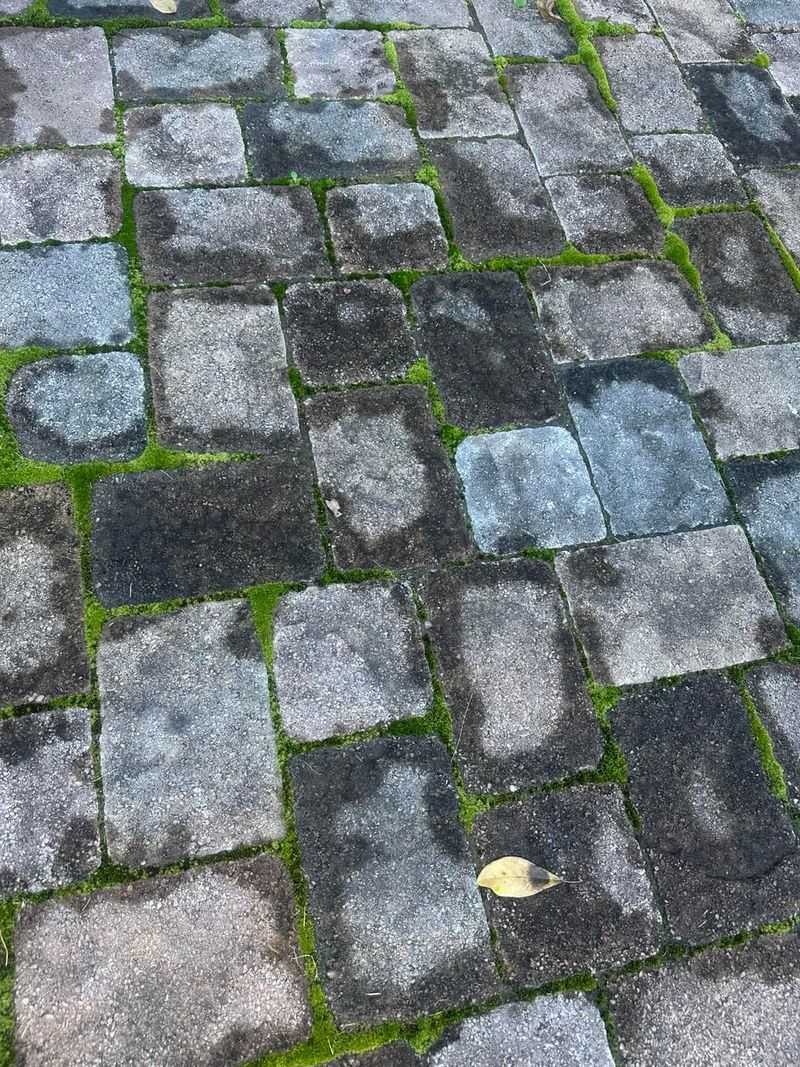
Next, grab your stiff brush and scrub. Push the bristles into cracks and joints where moss likes to hide. Tough spots may need a second round, and that is totally normal.
Finish by rinsing everything well with plain water. Leftover residue can leave a chalky film if it dries on the surface. Rinse until the water runs clear.
Quick tip: work in small sections on large patios. Clean one corner, rinse it, then move on. You will keep the solution from drying out and see progress faster.
A Smarter Choice Than Other Methods
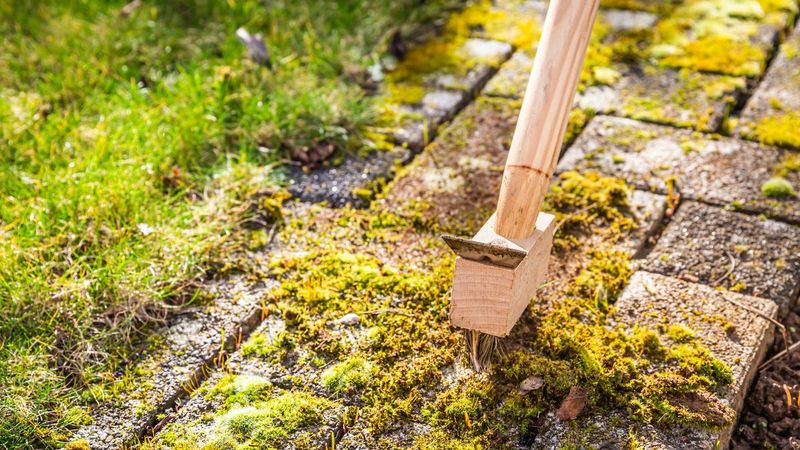
Plenty of folks reach for chlorine bleach first. It seems logical, since it cleans so much inside the house. Outside, though, it can cause real trouble.
Chlorine bleach runoff can harm flower beds, shrubs, and grass near your patio. It may also leave pale, blotchy spots on colored concrete and stained pavers. Plus, the strong smell is hard to handle on a hot, still day.
Vinegar is another popular choice online. It is cheap and feels natural, so it sounds safe. The problem is that vinegar is an acid. With repeated use, it can etch natural stone like limestone and wear away the top layer of concrete.
Then there is the pressure washer. Blasting grime away can feel very satisfying. Yet high pressure can chip the surface of pavers and leave them rough. It also blows the sand right out of the joints between stones.
Once that sand is gone, pavers can shift and wobble. Weeds and moss find new homes in the empty gaps. You might end up with a bigger mess than before.
Oxygen bleach avoids most of these headaches. It cleans with fizzing oxygen instead of harsh chemicals or force. It is milder on plants, does not leave a strong odor, and is less likely to damage common patio materials.
That does not mean it is magic. Very old stains may still need patience and a second treatment. .
Still, for everyday moss and algae, it hits a sweet spot. You get solid results, lower risk, and a lot more money left in your wallet.
Protect Your Plants And Surfaces
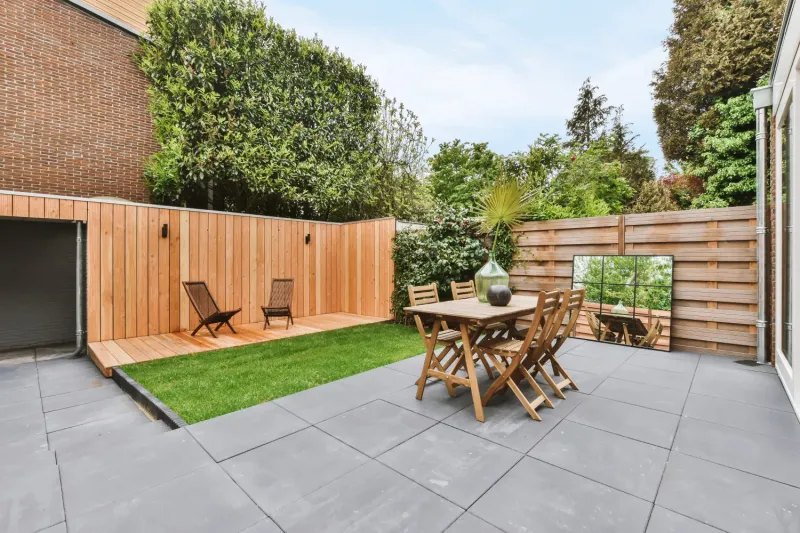
Your roses and lantana did not sign up for a chemistry lesson. Even a gentle cleaner deserves some caution near the garden. A few easy steps keep your yard happy while you scrub.
First, soak nearby plants, lawn, and flower beds with plain water. Wet leaves and soil absorb less of any runoff. Think of it as giving them a protective coat.
After you finish cleaning, rinse those plants again. That second spray washes away any solution that splashed or drained their way. It only takes a minute or two.
Testing is your next safety step. Pick a small, hidden spot on the patio, like a corner behind a planter. Apply a little solution, wait, scrub, and rinse.
Check the spot after it dries. If the color looks the same, you are good to go. Natural stone, such as flagstone or travertine, deserves extra care because some types react differently.
Sealed surfaces are worth a quick check too. Some sealers can turn cloudy with cleaners. The test patch will tell you before you treat the whole area.
Do not forget about yourself. Wear rubber gloves, since the solution can dry out and irritate skin. Safety glasses are smart too, especially when scrubbing hard or spraying.
Closed shoes help you keep your footing on a slick, wet patio. Keep kids and pets indoors until everything is rinsed and dry.
Store the leftover powder up high, away from curious hands and paws. With these small habits, cleaning day stays safe for everyone, including the plants that make your yard beautiful.
Keep Moss And Algae From Coming Back
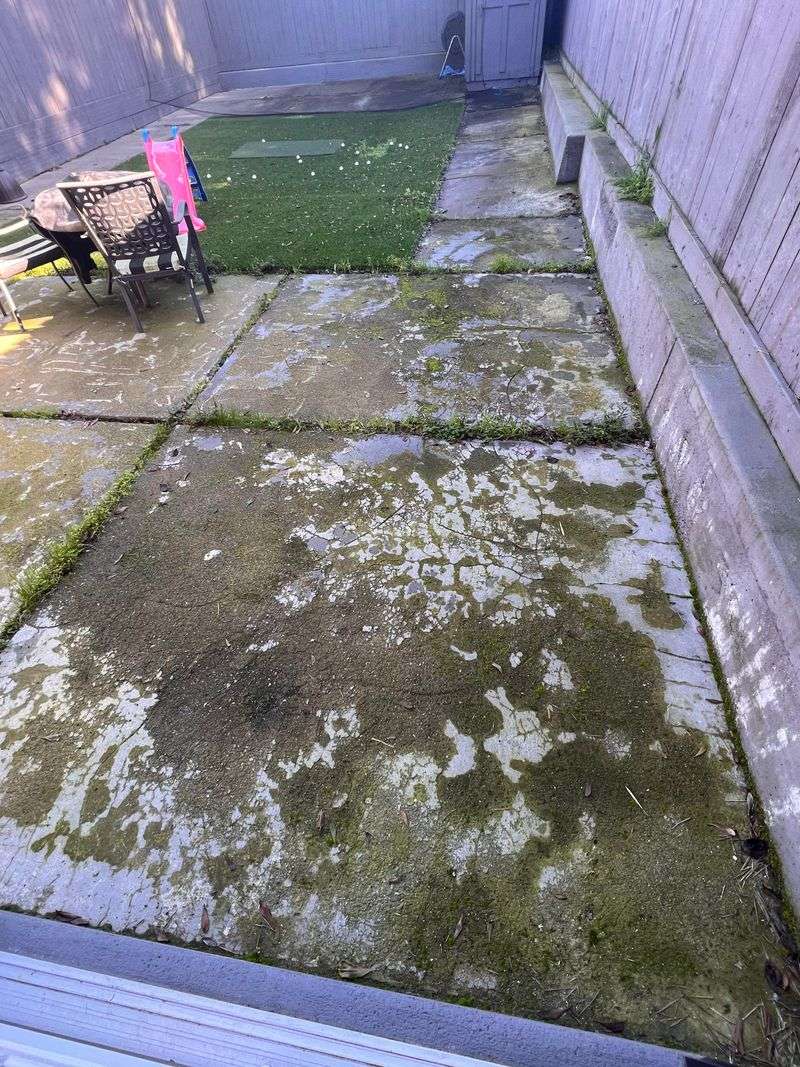
Cleaning feels great, but keeping it clean feels even better. A little upkeep can stretch the time between scrubbing sessions by months. The goal is simple: make your patio drier and sunnier.
Start by looking up. Overhanging branches block sunlight and drop leaves that hold moisture. Trimming them back lets light hit the patio and dry it faster after rain.
For big trees, a certified arborist is a wise call. They can thin branches safely without hurting the tree. Many Texas cities also have rules about cutting protected trees like large oaks.
Next, watch where water goes. Clean your gutters and point downspouts away from the patio. If water pools in low spots, a landscaper can help regrade the area or add a simple drain.
Sprinklers are sneaky troublemakers. Many spray right onto pavers every morning. Adjust the heads so they water only grass and beds, which also saves money on your water bill.
Sweeping is a quick habit with big rewards. Leaves, pollen, and dirt create a cozy bed for algae. A weekly pass with a broom or leaf blower keeps the surface clear.
Paver joints need attention too. Refill empty gaps with polymeric sand, which hardens after you mist it with water. It leaves fewer cracks for moss to grab onto and helps stop weeds.
Finally, plan a light cleaning once or twice a year. Early spring and late fall are great times in Texas. With these steps, your patio stays safe, bright, and ready for backyard fun all year long.