The Orange Butterfly Filling Texas Gardens This Fall
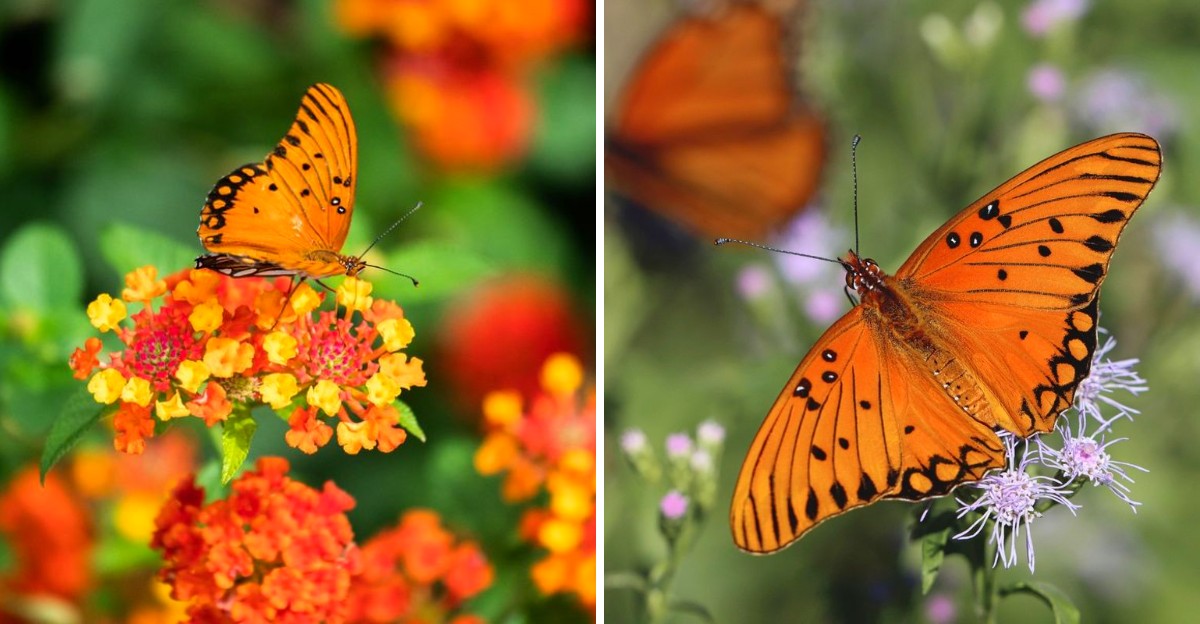
Something is happening in Texas yards this fall, and it is moving fast. One minute the garden is quiet, and the next there are bright orange wings zipping past the porch like someone tossed a handful of confetti into the breeze.
Land on a flower, flash a little silver underneath, and off they go again. Honestly, they make it look easy.
Neighbors pause mid-walk to point, kids take off running across the lawn, and suddenly everyone is a butterfly enthusiast.
This cheerful visitor shows up in impressive numbers as the weather cools, and it comes with a favorite plant, a surprisingly dramatic life story, and a few quirky habits worth knowing about.
So pour yourself some iced tea and settle in, because the orange flyer dancing through your flower beds is about to become your new favorite garden guest.
1. Meet The Gulf Fritillary, A Bright Garden Star
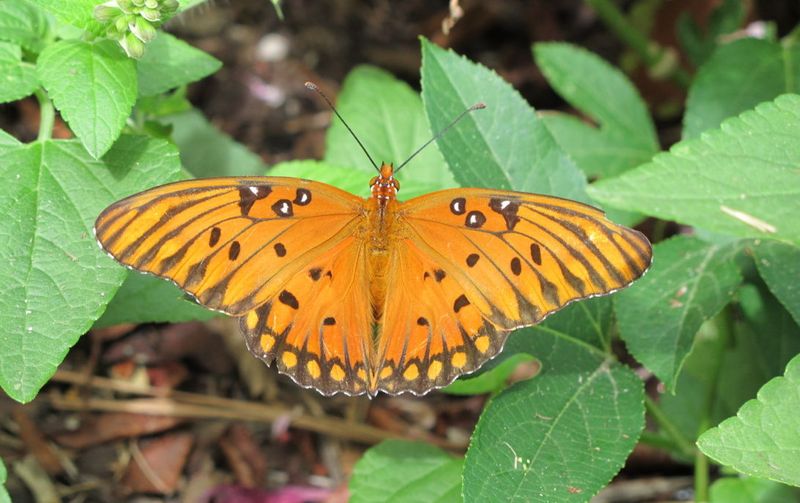
Bright as a traffic cone and twice as fast, the Gulf Fritillary is hard to miss. Its scientific name is Agraulis vanillae, which sounds fancy but just labels a very friendly butterfly.
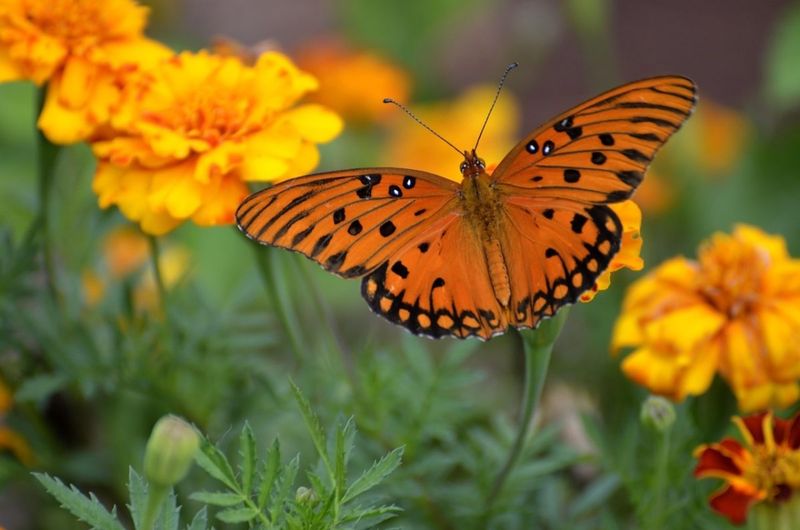
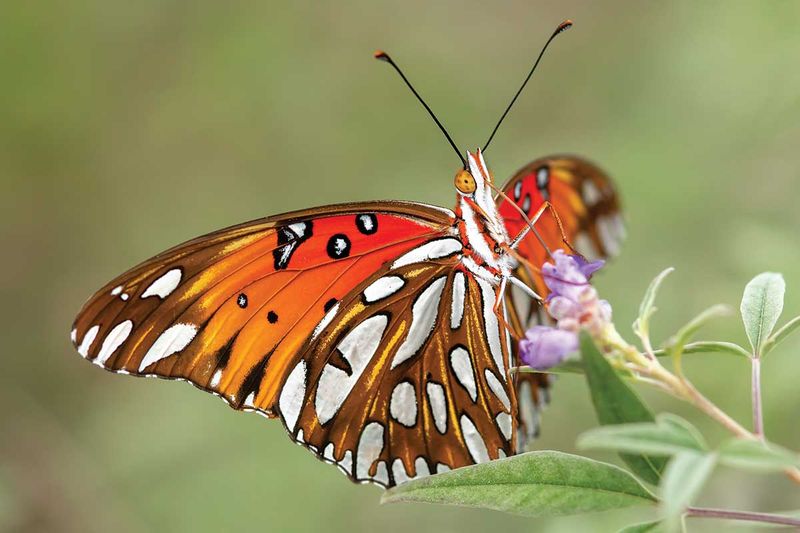
The top of each wing glows a rich orange with small black spots and lines. Flip it over, and you see long silver patches that shine like tiny mirrors in the sun.
Wingspans run about two and a half to three and a half inches across. That size puts it in the middle of the pack, bigger than a skipper but smaller than a swallowtail.
Many people mix it up with a Monarch at first glance. A quick check helps, since Monarchs have thick black veins and no silver underneath.
Across Texas, this species is one of the most common butterflies in yards, parks, and school gardens. It loves warm places and handles heat better than many other insects.
Fall is when numbers really climb. Mild days and plenty of flowers give adults a great chance to feed and lay eggs before winter.
A fun fact for trivia night: despite its common name, it is not a true fritillary at all. Scientists place it with the longwing butterflies, a group mostly found in tropical places.
So the next time an orange flash zips by, look for that silver shine. Spotting it is a small win that makes any garden stroll more fun.
2. Why Fall Brings So Many To Texas Yards
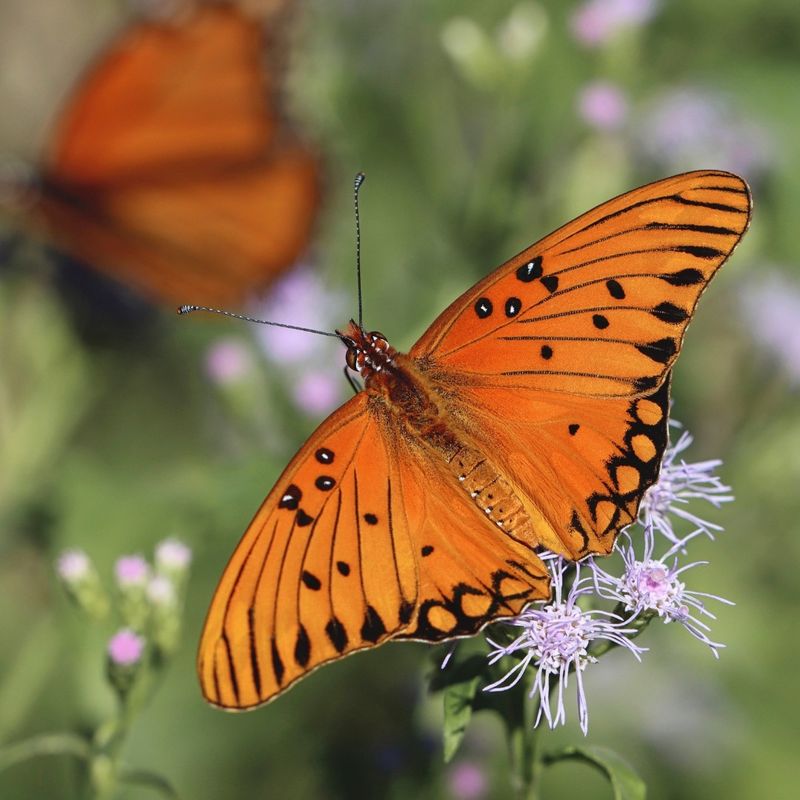
Ask any longtime gardener, and they will tell you October feels like orange confetti season. There is a good reason for that burst.
Gulf Fritillaries raise several generations every year in warm areas. Each round of babies adds to the crowd, so by autumn the population has stacked up all summer long.
Cooler temperatures also play a part. Hot July afternoons can wear butterflies out, but fall days feel just right for flying and sipping nectar.
Rain helps too. Late summer storms often spark fresh leaves and new blooms, giving caterpillars more food and adults more flowers to visit.
Some of these butterflies even drift south as the season changes. Folks along the coast sometimes see steady streams heading toward warmer spots near the Gulf.
Your Texas Garden Changes Every Week. Your Plan Should Too.
Gardening in Texas changes quickly throughout the season. Every Friday you’ll receive a simple weekly plan showing exactly what to plant, prune, fertilize, harvest, and protect so you never miss the right timing.
That small migration means North Texas yards may host travelers passing through. South Texas gardens, on the other hand, may keep their butterflies through much of winter.
For gardeners, the timing is a gift. Fall is a smart season to plant, water, and enjoy the show without sweating through your shirt.
Keep a simple notebook by the back door and jot down the dates you see them. After a year or two, you will spot patterns that help you plan your garden for an even better autumn party.
3. Passion Vine, The Butterfly Nursery
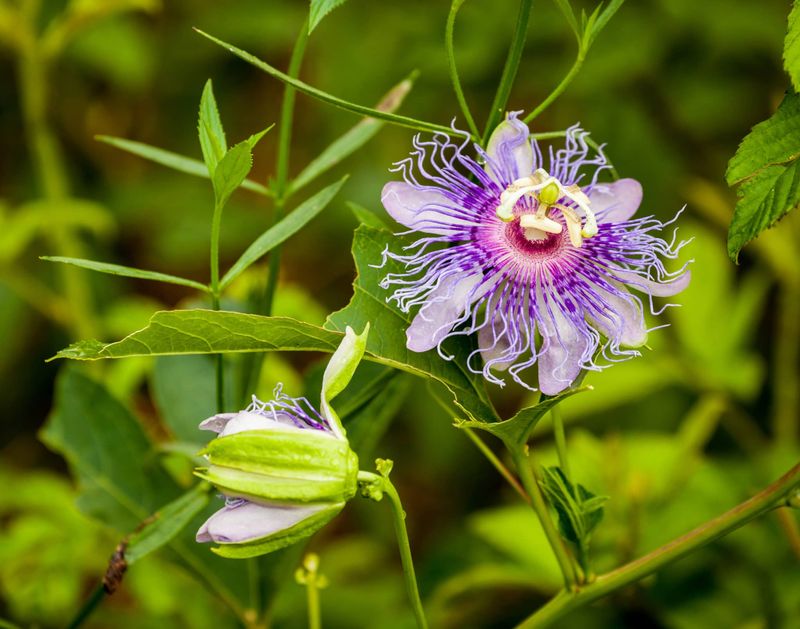
Here is the secret ingredient: passion vine. Without it, you might get visitors, but you will not get a butterfly family moving in.
Gulf Fritillary caterpillars eat only leaves from the passionflower group. Moms search hard for these vines, then tuck single yellow eggs onto leaves, tendrils, and stems.
The good news is that Texas has native options. Purple passionflower, often called maypop, grows across much of the eastern half of the state and returns each spring from its roots.
Corky-stem passionflower and yellow passionflower are smaller native choices. They fit nicely in tight spaces or containers on a patio.
Plant your vine in a sunny spot with a fence, trellis, or arbor to climb. Water it well the first season, then let it toughen up.
Be ready for the leaves to get chewed. A ragged vine is a sign of success, not a problem, and the plant usually bounces back quickly.
Some gardeners grow two or three vines so the caterpillars can spread out. That way, one plant can rest and regrow while another feeds the crowd.
Bonus perk: the flowers look like something from outer space. Frilly purple crowns and swirling centers make the vine a showpiece even when no butterflies are around.
4. Spiky Caterpillars Crawling Across Vines
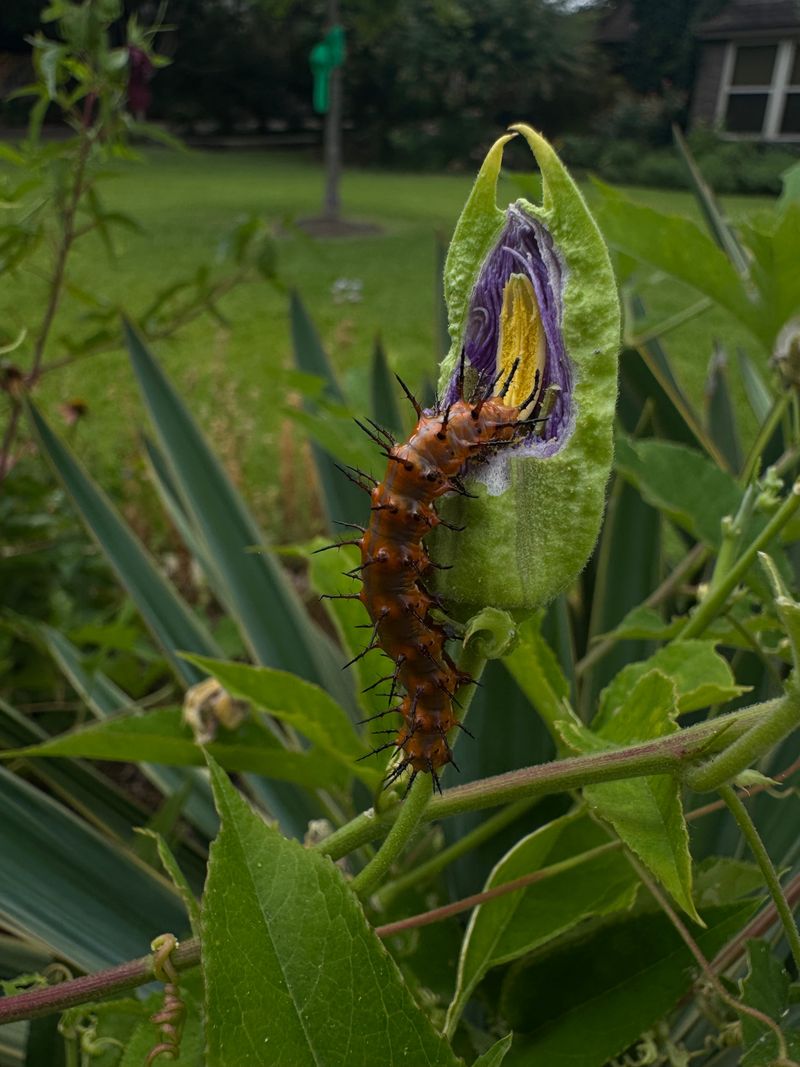
Spot a bright orange worm covered in black spikes, and your first thought might be trouble. Relax, because you have just found a future butterfly.
Gulf Fritillary caterpillars look tough on purpose. Their spines warn birds to stay away, and the passion vine leaves they munch make them taste bad to many hungry critters.
Even so, the spines are soft to the touch. Most people can handle them without problems, though anyone with sensitive skin should wash their hands after a gentle peek.
Growth happens fast in warm Texas weather. A caterpillar can go from tiny hatchling to full size in about two weeks, shedding its skin several times along the way.
Each one may reach about one and a half inches long. By then, it eats like a teenager raiding the fridge after school.
When it is ready to change, it wanders off to find a safe spot. Fences, walls, and stems are common choices.
A kid-friendly activity is counting caterpillars each morning. Children love seeing who grew overnight, and it turns the backyard into a living science lab.
Please skip the bug spray on or near your passion vine. Even mild sprays can harm these little eaters, and the garden needs them to keep the orange show going.
5. From Chrysalis To Wings In Backyard
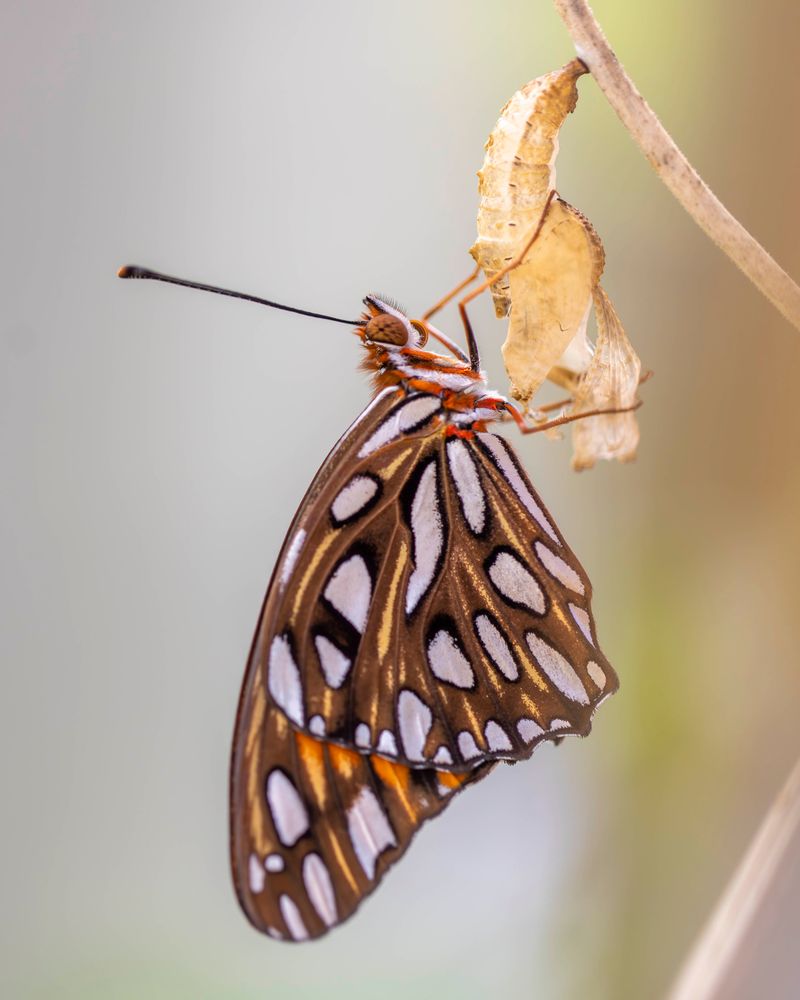
Nature loves a good disguise, and the Gulf Fritillary chrysalis is a master of costume. It looks like a curled, dried leaf hanging in the breeze.
Before that change, the caterpillar hangs upside down in a J shape. Then it splits its skin one final time, revealing the brown and tan case underneath.
Inside, a total makeover takes place. Legs, wings, and a long sipping tongue form while the outside stays quiet and still.
In warm Texas weather, the process usually lasts around one to two weeks. Cooler spells can slow it down a bit.
Gardeners often walk right past these hidden treasures. Check fence boards, porch rails, and nearby shrub stems, since caterpillars like to travel a short way before settling.
When the butterfly finally pops out, it looks a bit crumpled. It hangs on and pumps fluid into its wings until they spread flat and dry.
That waiting period can take an hour or more. Resist the urge to help, because touching the wings can cause damage.
If you are lucky enough to watch the whole thing, grab your phone and record it. Few backyard moments feel quite as magical as seeing fresh orange wings open for the very first time.
6. Best Nectar Flowers For Butterfly Lovers
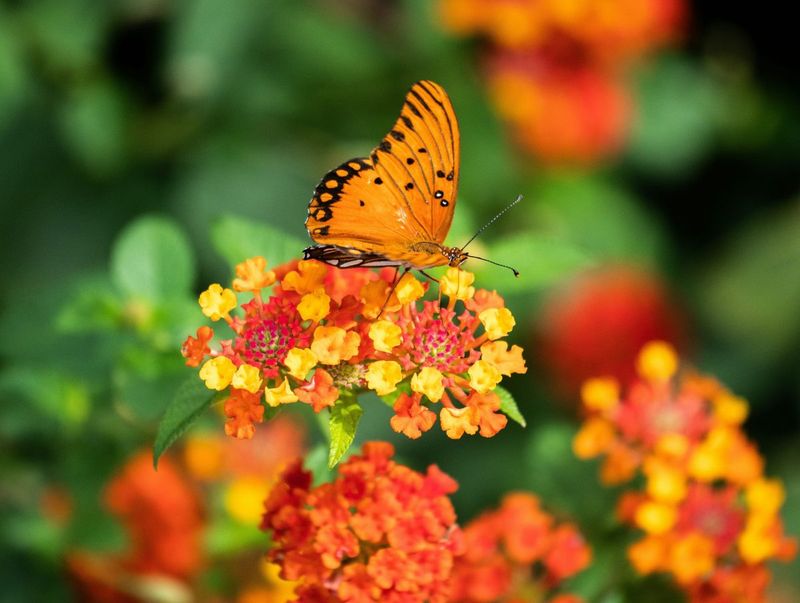
Caterpillars need passion vine, but the grown-ups want dessert. Adult Gulf Fritillaries sip sweet nectar from many different blooms all day long.
Lantana is a top pick in Texas. It handles heat, shrugs off drought, and keeps flowering well into fall.
Gregg’s mistflower is another crowd pleaser. Its fuzzy blue-purple puffs can be covered in orange wings on a sunny October afternoon.
Zinnias are cheap, easy, and cheerful. Toss seeds in spring, and you will have bright, flat landing pads ready by late summer.
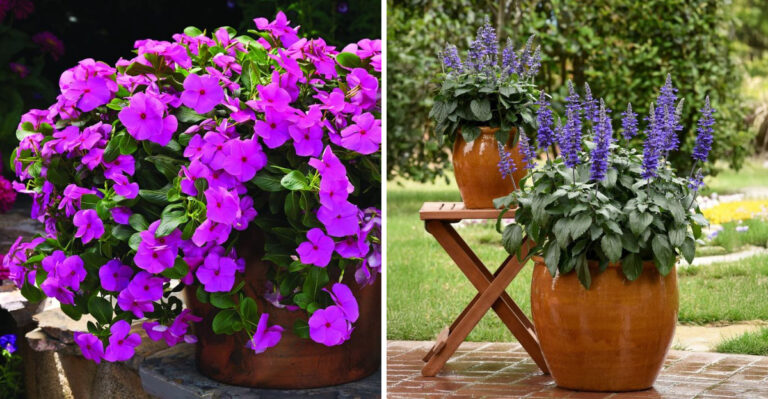
Salvias, pentas, and frostweed are also smart choices. Frostweed is a Texas native that blooms in fall, right when butterfly numbers peak.
Group flowers in big patches instead of planting one here and one there. Butterflies spot large splashes of color more easily from the air.
Aim for something blooming in every season. Spring, summer, and fall flowers keep visitors around longer, while a few winter bloomers help in warmer parts of the state.
Deadheading is a simple trick that helps. Snip off faded flowers, and many plants will push out fresh blooms for weeks more.
Plant near a window or patio if you can. That way, the colorful buffet doubles as a front-row seat for your morning coffee.
7. Easy Habitat Tips For Every Gardener
You do not need acres of land to host butterflies. A small balcony or a corner of the yard can do the job with a few smart moves.
Start with sunshine. Butterflies are cold-blooded, so they need warm spots to heat up their flight muscles each morning.
Add a few flat stones in a sunny area. Gulf Fritillaries will rest there with wings open, soaking up warmth like folks on a beach towel.
Water matters, especially in dry Texas months. Fill a shallow dish with damp sand and a pinch of salt, and you have created a puddling station.
Butterflies sip moisture and minerals from wet ground, so keep the sand moist. Refresh it every couple of days to keep it clean.
Shelter from wind helps too. Shrubs, fences, or tall grasses make calm pockets where butterflies can feed without getting blown around.
Go easy on chemicals across the whole garden. Even sprays aimed at other bugs can drift onto flowers and harm visitors.
Leave a little mess in fall. Leaf piles and plant stems give shelter to many helpful critters, and a slightly wild look is part of the charm.
Finally, add a bench. The best butterfly garden is one you actually sit in and enjoy.
8. Fun Facts That Make Kids Grin
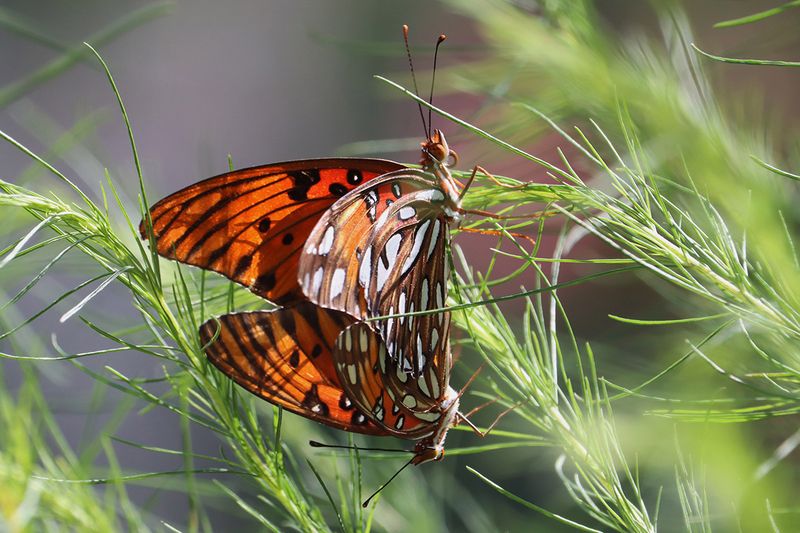
Did you know these butterflies can taste with their feet? Tiny sensors on their legs help moms check if a leaf is the right one for eggs.
That is just the start of the weird and wonderful list. Gulf Fritillaries are full of surprises that make kids, and grown-ups, say wow.
Adults can give off a funny smell when bothered. It is part of their defense plan, along with the bad taste borrowed from passion vine leaves.
Their silver spots are not paint or metal. Tiny scales reflect light, much like a soap bubble or a fish scale catching sunshine.
An adult usually lives a few weeks. In that short time, it may visit hundreds of flowers and help pollinate many of them.
Gulf Fritillaries range all the way from the southern United States into South America. In Texas, they are one of the easiest butterflies for beginners to learn.
Want a family project? Make a butterfly journal with sketches, dates, and weather notes.
Kids can also measure how much a vine gets eaten each week. Simple math and science blend together in a way that feels like play.
Share your sightings with community science apps, too. Your photos can help researchers track where these orange flyers travel.
9. What Happens When Winter Reaches Texas
Cold fronts roll in, and many gardeners wonder where all the orange went. The answer depends a lot on where you live.
Gulf Fritillaries do not handle hard freezes well. In North Texas and the Panhandle, they mostly disappear once frosty nights settle in.
Many simply move south or are replaced next spring by newcomers. Each year, the population spreads north again as temperatures warm.
South Texas and the coast tell a different story. Mild winters let adults keep flying on sunny days, and some caterpillars keep munching through the season.
Gardeners there can help by keeping a few winter bloomers around. Plants like firebush, blue mistflower, and shrimp plant often offer a sip on warmer afternoons.
Up north, focus on getting ready for spring. Trim passion vines lightly, mulch roots to protect them, and plan new flower beds.
Native passion vines usually lose their top growth in winter but return from their roots once the weather warms. Mark their spot so you do not dig them up by accident.
Winter is also a great time to order seeds and sketch your layout. A little planning now means a bigger welcome party when warm days return.
Before long, the first orange visitor will drift back in. That moment feels like a cheerful hello from an old friend.