Garden Gnomes Are Back, And New Yorkers Are Filling Their Yards With Them
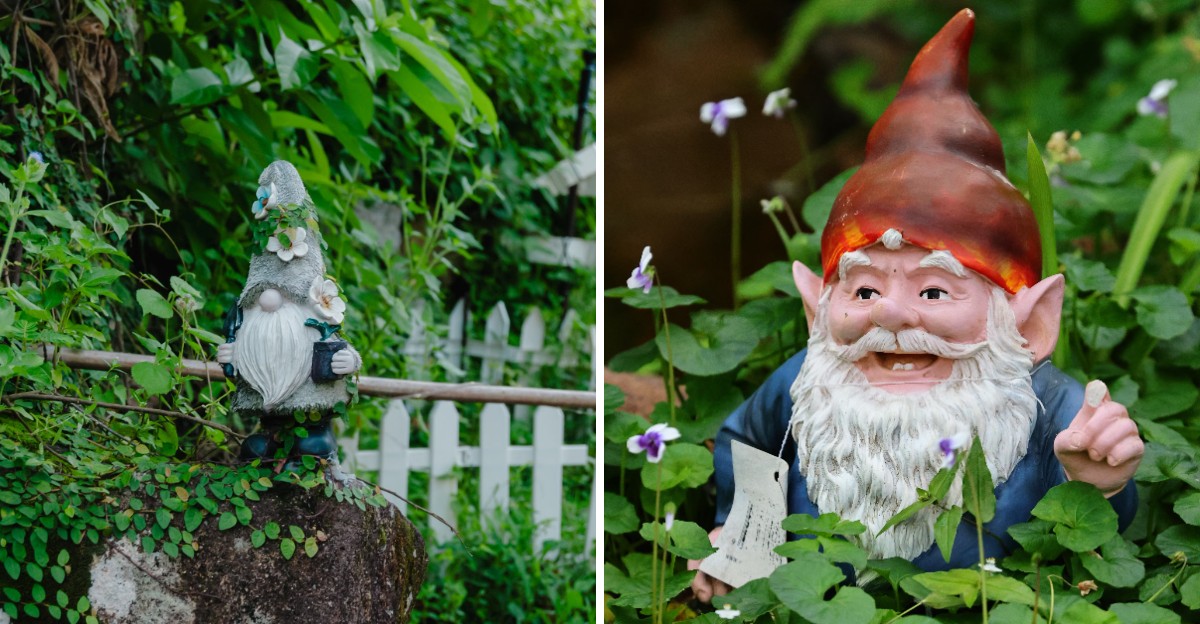
A tiny clay figure named Lampy has lived at an English country estate since the 1840s, and it was once reportedly insured for one million pounds. Not bad for a little guy with a pointy hat and a chipped beard.
Lampy is the last survivor of a group Sir Charles Isham brought home from Germany. For decades afterward, his relatives drifted in and out of fashion, swinging between proud garden treasures and punchlines.
Lately, I keep spotting his cousins tucked under hostas and perched on porch steps around New York, from Long Island cottages to Buffalo bungalows. Personally, I love it, and I suspect many of you secretly do too.
So what changed, and how do you join the fun without making your yard look like a clearance aisle? The answer involves more history, more strategy, and a lot more personality than you might expect.
That Pointy Red Gnome Hat Is Popping Up In More Yards Than You’d Guess
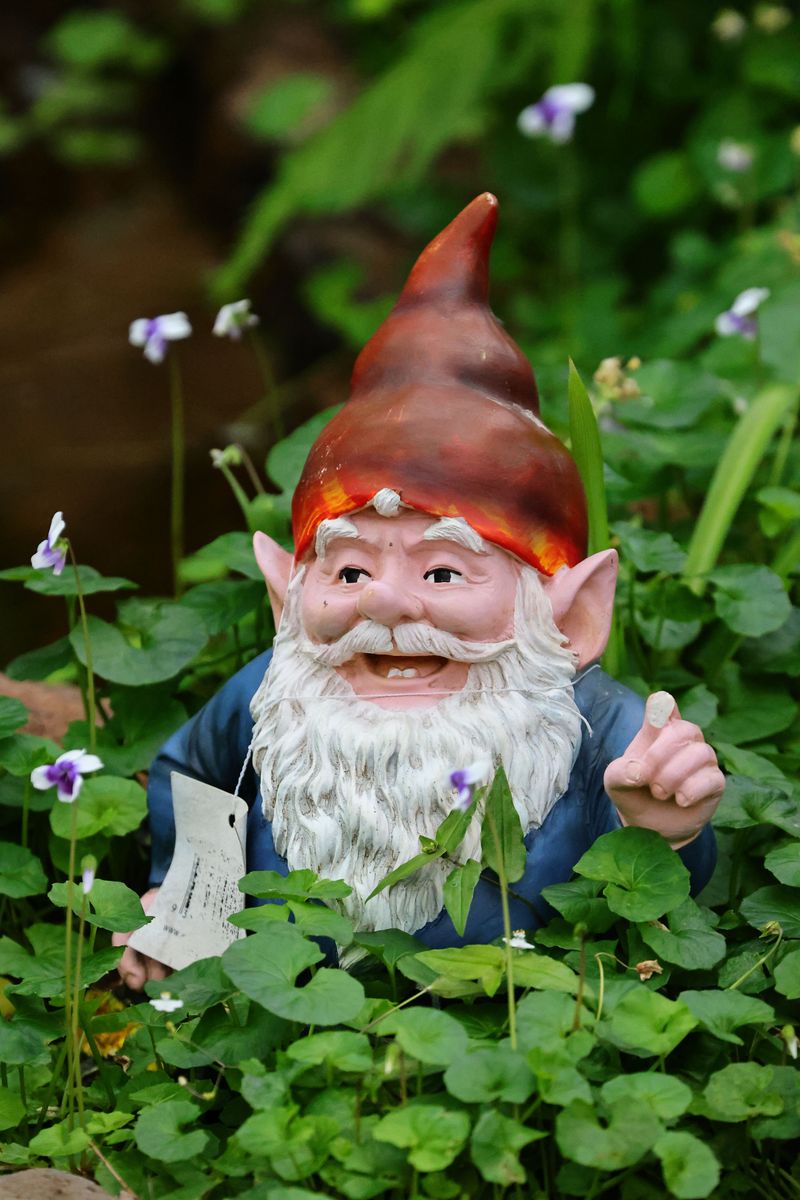
I noticed it first on a walk last spring. Three houses in a row had a little bearded fellow guarding the mailbox, and none of them had been there the year before.
There’s no official count of garden gnomes in New York, so nobody can say exactly how many have moved in. Still, the signs of a revival are easy to spot, from garden center shelves to the millions of views on gnome videos shared on TikTok and Instagram.
A big part of the shift comes from how we use our yards now. Many people spent more time at home in recent years, and gardens became places to relax and show off a bit of personality.
A cheeky gnome does that faster than almost anything else.
Nostalgia plays a role too. Plenty of us grew up with a gnome in a grandparent’s flower bed, and seeing one now feels warm and familiar.
Fancy gardeners are softening as well. The famous Chelsea Flower Show in London had long banned gnomes from its show gardens, but it welcomed them in 2013 for its 100th anniversary.
Celebrities painted gnomes that were auctioned for charity.
So the comeback is real, even if it started as a quiet one. You’re simply joining a crowd that finally stopped feeling embarrassed about loving these little characters.
Clay Garden Gnomes Have A Backstory Straight Out Of German Folklore

Long before they held fishing poles, gnomes were spirits of the earth in European folklore. People in German-speaking lands told stories of tiny beings who lived underground, guarded minerals, and sometimes helped out around farms and mines.
The Swiss physician Paracelsus wrote about gnomes as earth elementals back in the 1500s. That idea stuck around and slowly found its way into art and garden decor.
The ceramic gnome most of us picture took shape in the 1800s in Thuringia, a region of Germany famous for pottery. Craftsmen there, including the Griebel family in the town of Gräfenroda, are often credited with making some of the first classic clay figures.
They gave them the red caps, rosy cheeks, and bushy beards we still recognize today.
Wealthy British gardeners loved them. In 1847, Sir Charles Isham brought a group of terracotta figures home to Lamport Hall in England.
Only one, nicknamed Lampy, still survives, and he has become a bit of a celebrity.
Fun fact: gnomes in Thuringia are still made by hand in Gräfenroda, where a family workshop has kept the tradition going for generations.
So when you set a gnome by your tomatoes, you’re carrying on a story that’s well over a century old. I find that pretty charming.
A Gnome Peeking Out From Under Hostas Looks Better Than A Row On The Lawn
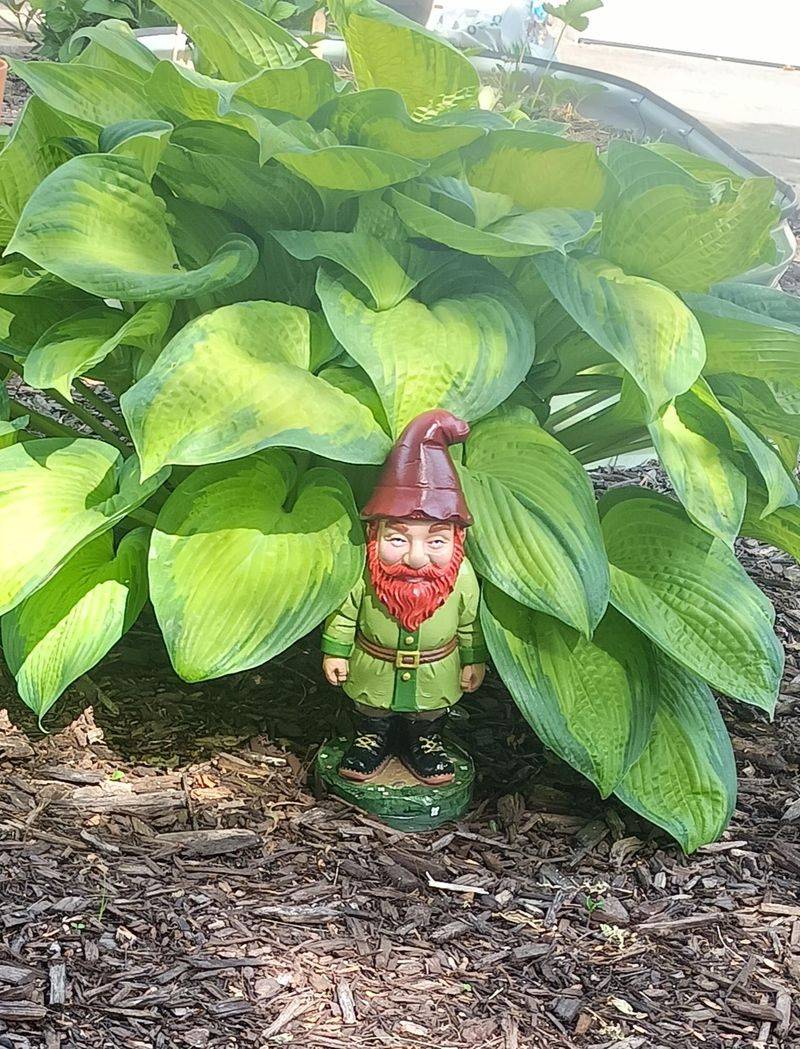
Here’s my honest opinion. One well-placed gnome is funny and sweet, while twelve lined up on the grass can look like a yard sale waiting to happen.
The trick is to make your gnome look like it lives there. Tuck it partly behind something so visitors discover it instead of spotting it from the street.
Hosta leaves, fern fronds, and ornamental grasses all make great hiding spots.
Try placing a gnome where a tiny person might actually hang out. A spot beside a birdbath, next to a mossy rock, or along the edge of a stepping-stone path tells a little story without a single word.
Scale matters a lot. A small gnome gets lost in a huge bed of daylilies, while a big one can crowd a tiny herb pot.
Match the size to the plants around it.
You can also group two or three gnomes into a small scene. Picture one fishing by a shallow dish of water while another naps against a flowerpot.
Keep these clusters few and far apart so each one feels special.
Finally, step back and look from your porch or kitchen window. If the gnome makes you smile from there, you found the right spot.
If it looks stranded, nudge it closer to the plants.
Resin, Concrete, And Clay Gnomes Handle Snowy Winters Very Differently
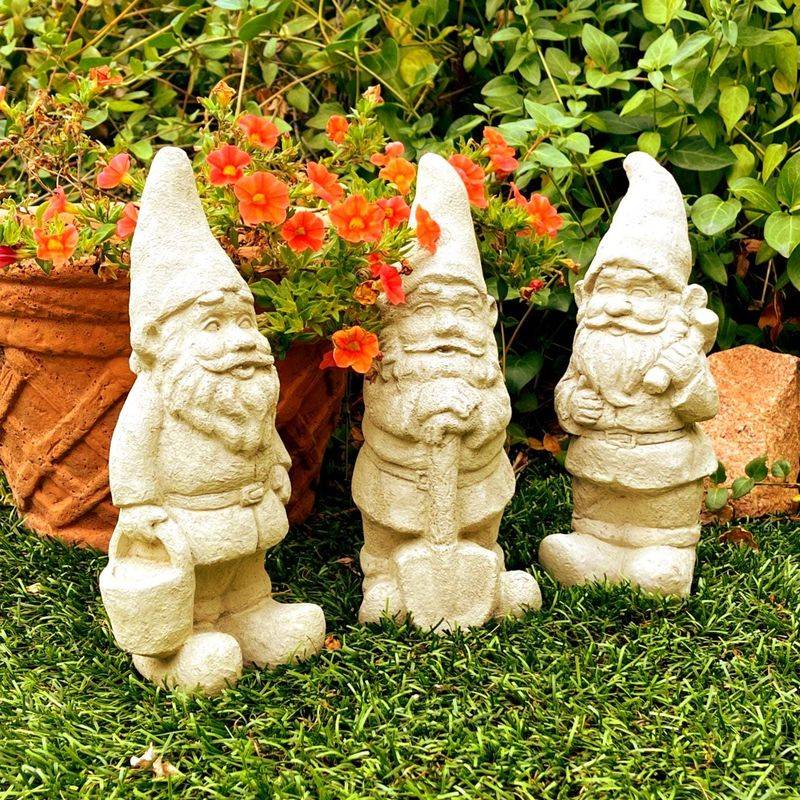
Winters here are tough on garden decor. New York spans USDA hardiness zones from about 3b in the Adirondacks to 7b near New York City, and almost every region sees repeated freezing and thawing.
That cycle is rough on porous materials. Water soaks into tiny cracks, freezes, and expands, which can split a pretty clay gnome right down the middle.
Unglazed terracotta is the most likely to crack.
Resin gnomes are usually the easiest choice for year-round outdoor use. They are light, hold paint well, and shrug off moisture.
The downside is that strong summer sun can fade their colors over a few seasons.
Concrete or cast stone gnomes are heavy and sturdy, which also makes them harder for wind or pranksters to move. Sealing them every year or two helps keep water out.
Hand-painted ceramic gnomes are lovely, but I bring mine into a garage or shed after the first hard frost. A quick wipe and a dry shelf keep them looking great for spring.
For any material, set gnomes on a flat stone or paver instead of bare soil. This keeps the base from sitting in puddles.
A coat of clear outdoor sealer each spring can also protect paint from rain, ice, and sunshine.
Solar Lantern Gnomes Bring A Cozy Glow To Dark Garden Paths
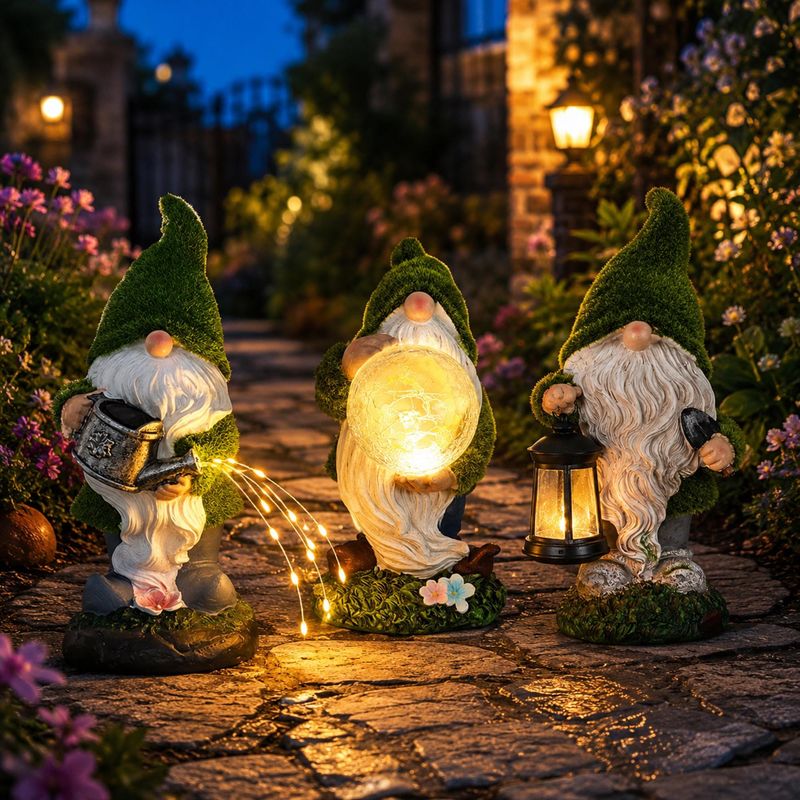
Some of my favorite gnome moments happen after sunset. A little figure holding a glowing lantern along a path feels both cheerful and a tiny bit magical.
Solar gnomes have become one of the most popular styles, and they’re practical too. They soak up daylight through a small panel, often on the hat or base, then switch on at dusk.
No wires, no outlets, and no extra electric bill.
Placement makes a huge difference. Solar panels need direct sun to charge well, so a gnome stuck under a dense maple may barely flicker.
Aim for a spot with at least six hours of sunshine, or choose a model with a separate panel you can place in the sun.
Short winter days mean weaker charging in the colder months. Expect shorter glow times from November through February, and wipe snow or dust off the panel when you can.
Use these glowing guys to mark steps, path edges, or the entrance to a patio. That adds a bit of safety along with the charm.
Keep the light warm and soft. Bright white lights can bother neighbors and confuse nighttime insects.
Many gardeners prefer amber or warm white bulbs, which feel cozier and blend into the garden at night.
A Tiny Gnome Can Brighten A City Stoop Or Window Box
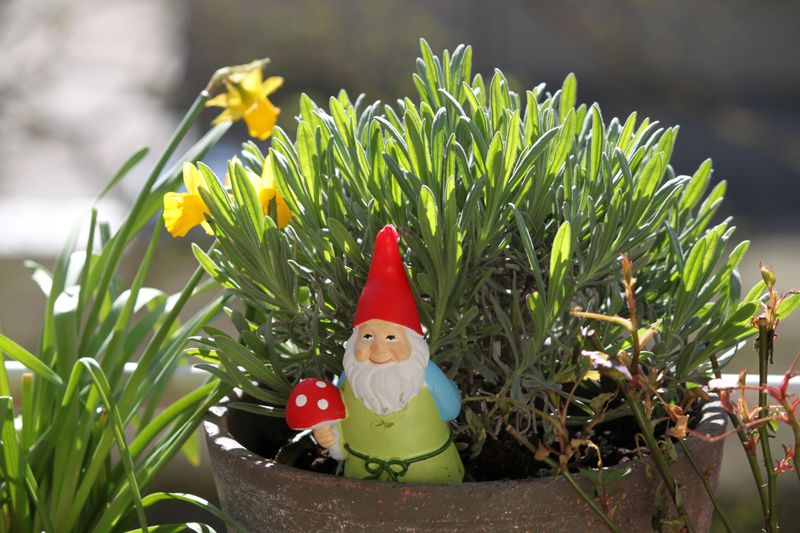
No yard? No problem.
Some of the cutest gnome setups I’ve seen are on Brooklyn stoops, Queens balconies, and apartment windowsills.
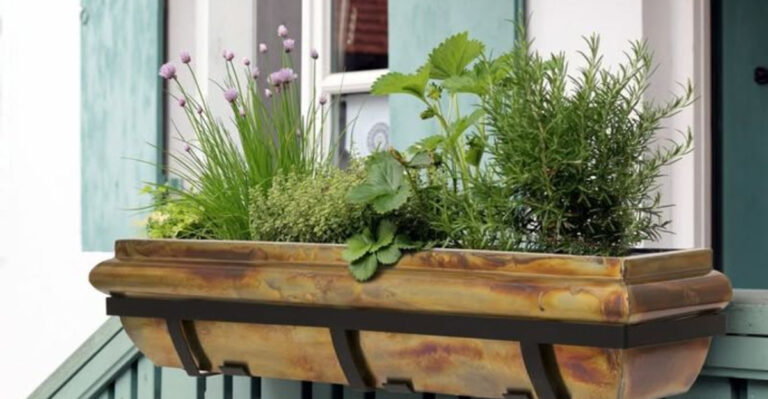
City gardeners can go small and still have fun. Mini gnomes only a few inches tall look adorable in window boxes, herb pots, and container gardens filled with petunias, coleus, or trailing ivy.
A few safety tips matter in tight spaces. Secure anything placed on a ledge or railing so wind can’t knock it onto the sidewalk below.
Floral wire, museum putty, or a heavy pot usually does the job.
Fire escapes are a different story. In New York City, fire code requires fire escapes to stay clear, so skip the gnomes and planters there no matter how tempting the sunny spot looks.
Stoops and shared spaces can be tricky too. Check with your landlord or co-op board before decorating common areas.
Many are happy to approve a small potted display, especially when it looks tidy.
One fun idea is a seasonal gnome rotation. Swap in a pumpkin gnome for fall, a scarf-wearing one for winter, and a flower-holding fellow for spring.
Neighbors start looking forward to the changes, and it becomes a friendly conversation starter on the block.
Anchor Your Favorite Garden Gnome Before It Goes On A Road Trip
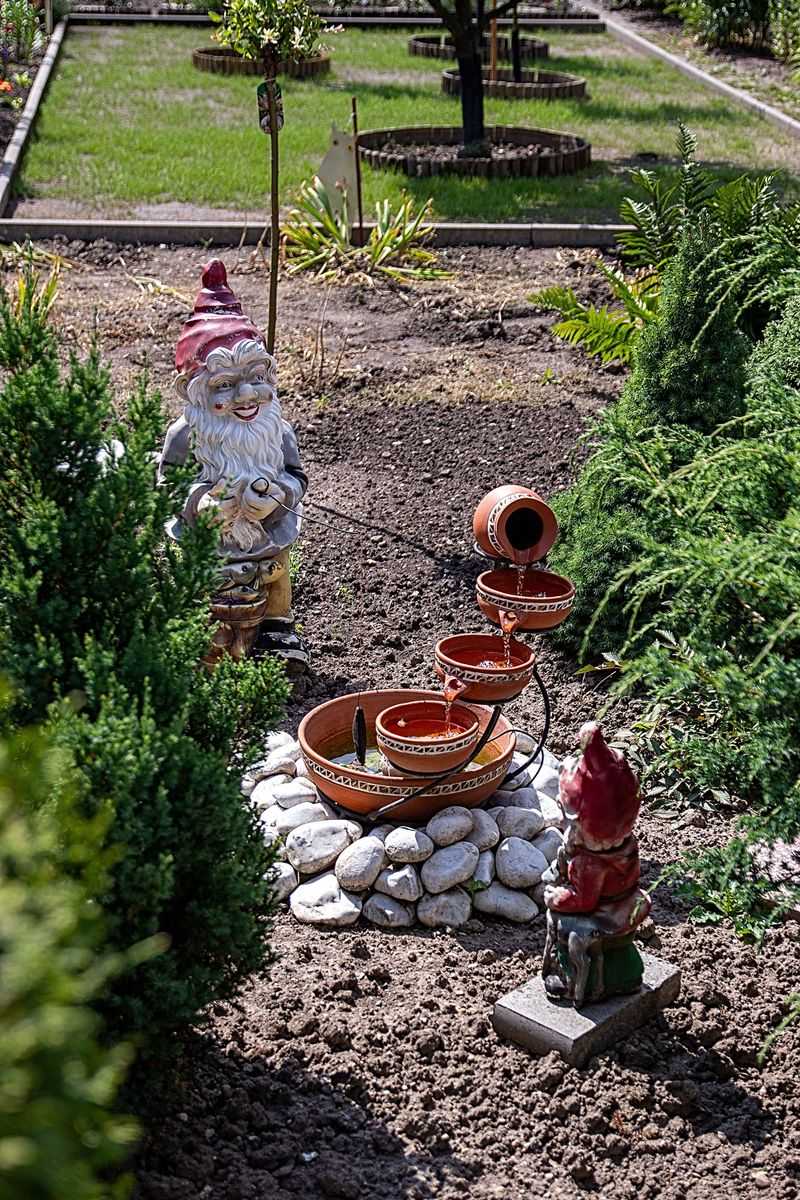
Garden gnomes have a strange habit of wandering off. Since the 1980s, pranksters around the world have taken gnomes from yards, photographed them at famous landmarks, and mailed the pictures back to the owners.
The joke became famous in the 2001 French film Amélie, and it later inspired the traveling gnome in a well-known travel company ad campaign. It’s funny on screen, but it’s less funny when a hand-painted heirloom vanishes from your flower bed.
Thankfully, a few simple steps keep your little friend at home. Glue a heavy gnome to a paver with outdoor construction adhesive.
You can also drill a hole in the base and slide it over a metal stake pushed into the soil.
Lighter resin gnomes can be filled with sand or gravel through the bottom opening, then sealed with silicone. The extra weight helps against both wind and sticky fingers.
Placement helps too. Gnomes set close to the house or within view of a window or doorbell camera are less likely to disappear than ones near the curb.
Take a quick photo of each gnome as well. If one does go missing, a picture makes it easier to post on neighborhood groups.
Sometimes they come back, occasionally with a souvenir postcard.
Gnomes Surrounded By Native Wildflowers Give Bees A Reason To Visit Too
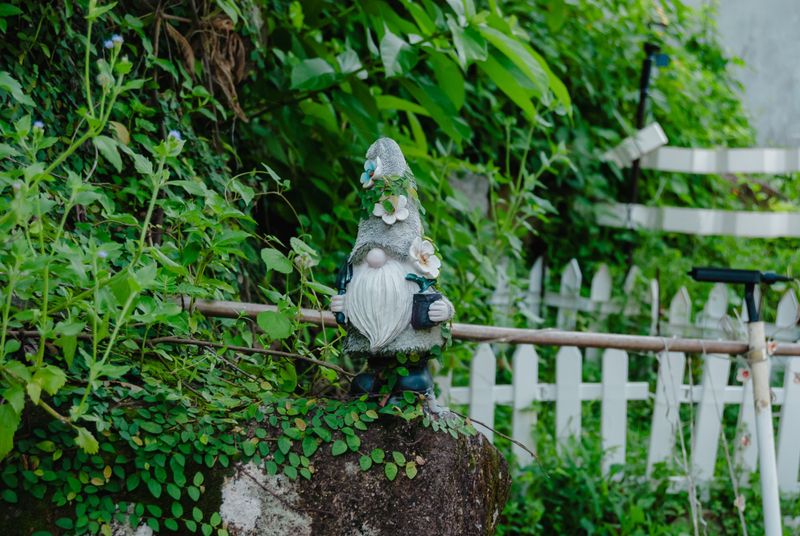
My favorite gnome gardens don’t just look cute. They also feed bees, butterflies, and birds, which gives that little statue a much better neighborhood to watch over.
Native plants are a smart backdrop because they are adapted to local soil and weather. They often need less water and fuss once established, and they support pollinators that evolved alongside them.
Great choices for New York gardens include black-eyed Susan, wild bergamot, New England aster, wild columbine, and butterfly weed for sunny spots. In shade, try Christmas fern, foamflower, and Pennsylvania sedge, which make cozy hiding places for a woodland-style gnome.
Your local Cornell Cooperative Extension office can help you pick plants for your exact region. Upstate and downstate conditions differ quite a bit, so local advice really pays off.
Skip invasive plants like Japanese barberry, burning bush, and English ivy, even if they look nice behind a gnome. They spread into nearby woods and crowd out native species.
Here’s my takeaway. Start with one gnome, one great spot, and a few native plants around it.
Add more only if it still makes you grin. A garden with humor and habitat is a place people enjoy, and the pollinators seem to agree.